As an Amazon Associate, we earn from qualifying purchases. Some links on this site are affiliate links at no extra cost to you. Our recommendations are based on thorough research and editorial judgment.


DIY Cognitive Enrichment Ideas Using Household Items

Look, I’m sure you’ve noticed your pet’s toys cost a fortune while your recycling bin‘s basically a toy store. You can transform old towels, cardboard boxes, and plastic bottles into puzzle feeders that’ll keep them entertained for hours. Hide treats in fabric folds, stuff kibble in cereal boxes, or create bottle-bowling games—all using stuff you’ve already got. Now, the trick’s rotating these activities weekly so they stay fresh. Stick around and I’ll show you exactly how to build obstacle courses and safety-check everything properly.
Key Takeaways
- Hide treats under towels and blankets to create scent-discrimination games that encourage problem-solving and natural foraging instincts.
- Stuff treats into toilet paper rolls and cardboard boxes to stimulate tearing and exploring while recycling household materials.
- Roll kibble inside towels or fleece to mask scents and encourage pawing, pulling, and shredding behaviors safely.
- Fill plastic bottles, muffin tins, and baskets with treats to create interactive puzzle feeders requiring manipulation and work.
- Build indoor obstacle courses using furniture and stairs, hiding treats along routes to combine physical and foraging challenges.
Hidden-Food Puzzles Using Household Items
You may be interested
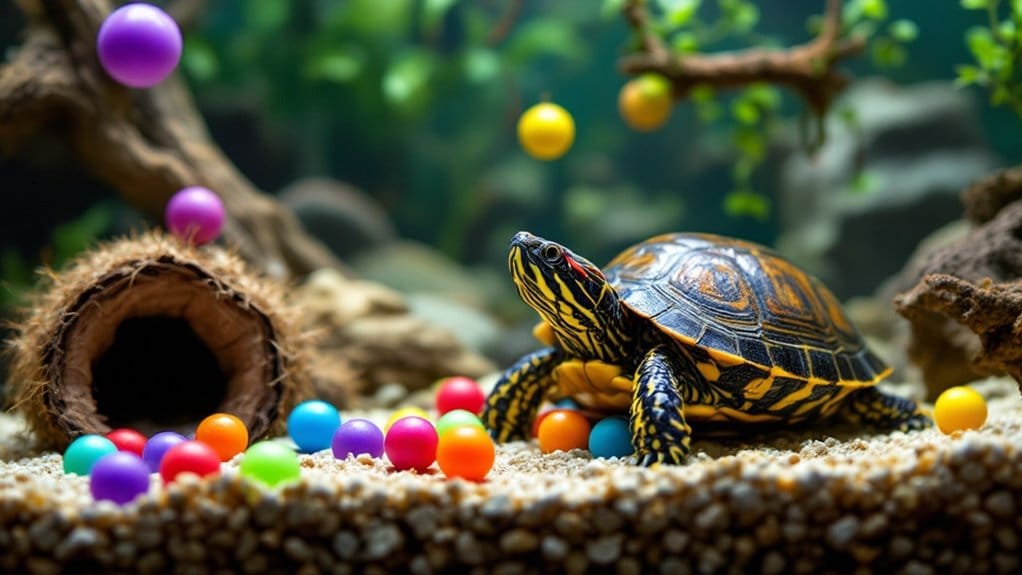
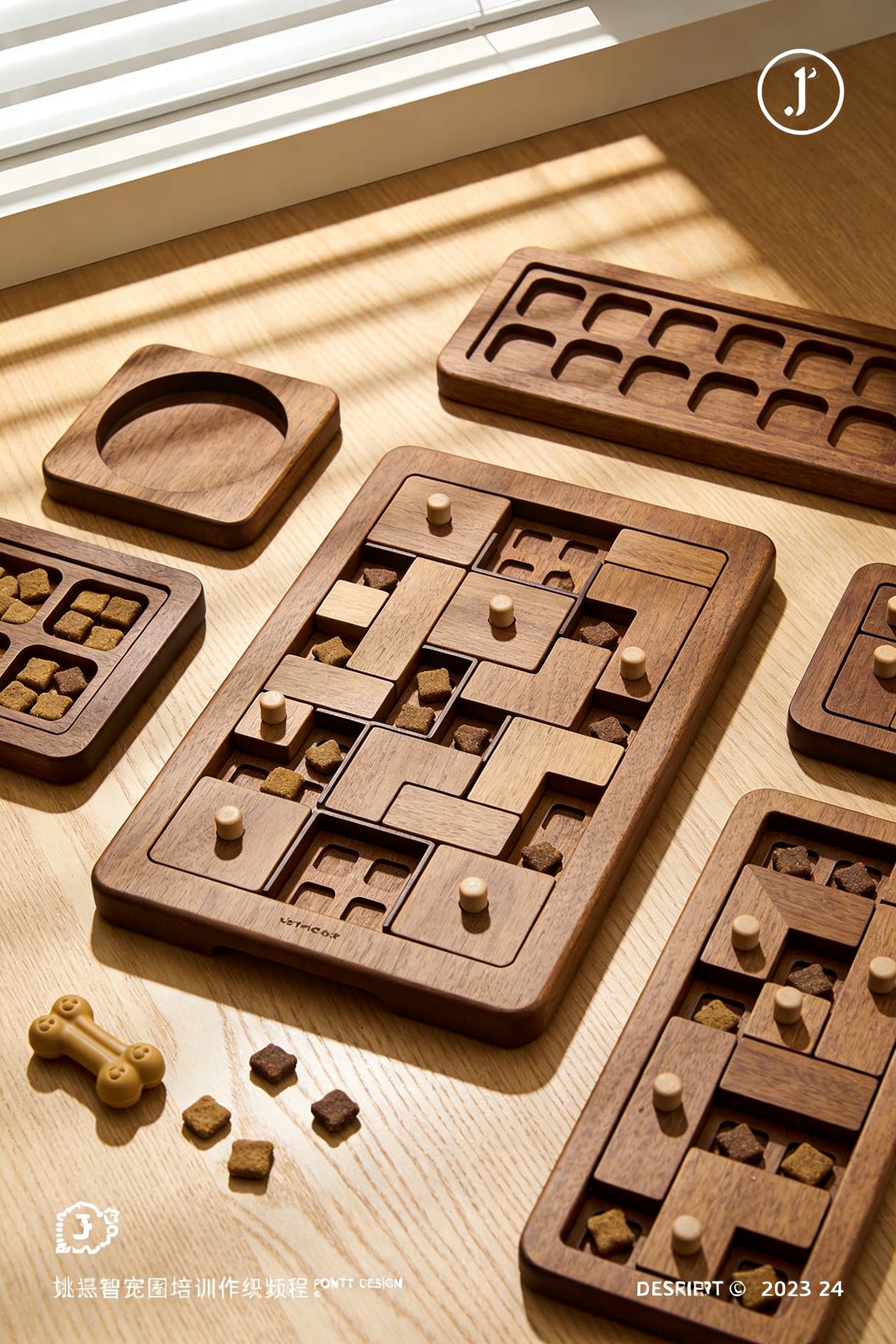
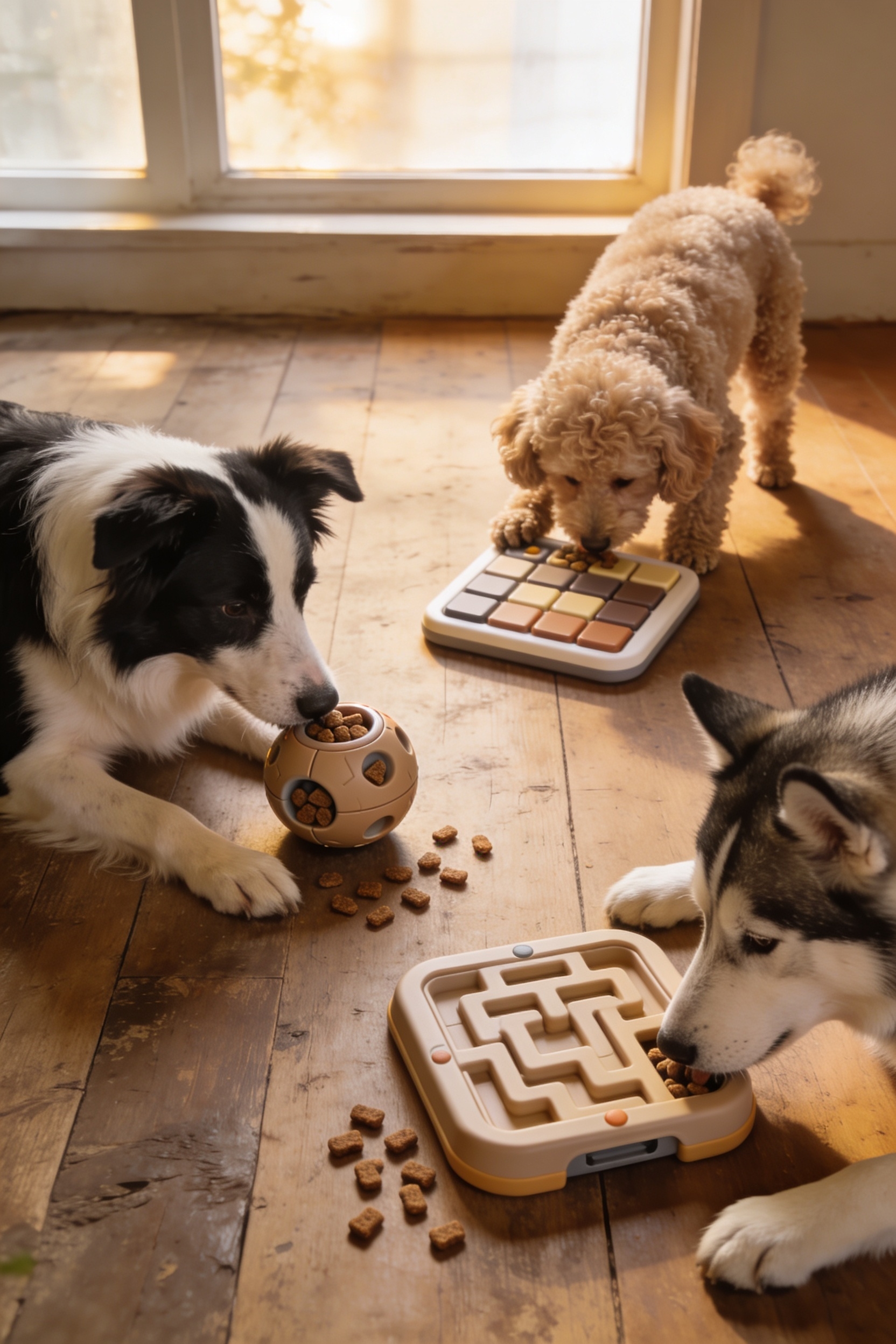
Now, I’m sure you’ve noticed that your pet will demolish a bowl of kibble in about thirty seconds flat, right? Yeah, that’s where hidden-food puzzles come in. I’m talking about using stuff you’ve probably got lying around—towels, blankets, paper cups, cardboard boxes. The magic here is scent discrimination. Your pet’s nose kicks into overdrive hunting down treats tucked into folds and under lightweight covers. It’s honestly wild watching them problem-solve instead of just inhaling their meal. The real win? Reward pacing. By spreading out their food, you’re slowing down their eating, which your vet’ll probably high-five you for. You can adjust difficulty by changing how deep you hide the treats or how much covering material you use. These DIY puzzles also provide cognitive enrichment that keeps your dog mentally stimulated and engaged throughout the day. It’s cheap, it works, and you’re basically upcycling junk.
Recommended Products
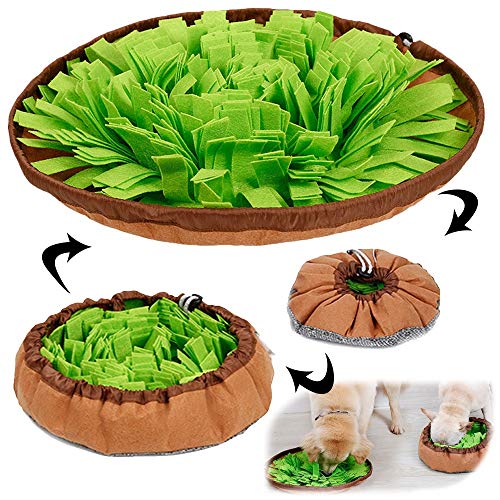
★ Dog Training Toys: It is a unique dog training mat that allows your dog to find snacks or small toys hidden in the mat. It helps to train your dog's smell, consume your dog's energy and lose weight. Keep your dog occupied and avoid your dog being bored and engaged in destructive behavior.

TRAIN YOUR DOG’S SMELL TO HUNT: Boost your pet’s mental stimulation with a snuffle mat! Perfect enrichment toys for dogs and cats, hiding treats in messy grass for fun, scent-focused play.

Engaging Dog Sniffing Mat Design: the dog activity mat features a variety of puzzles and different fabric textures, making the foraging process exciting for your furry friend, and keeping them busy
Cardboard Feeders: Shred, Search, and Problem-Solve
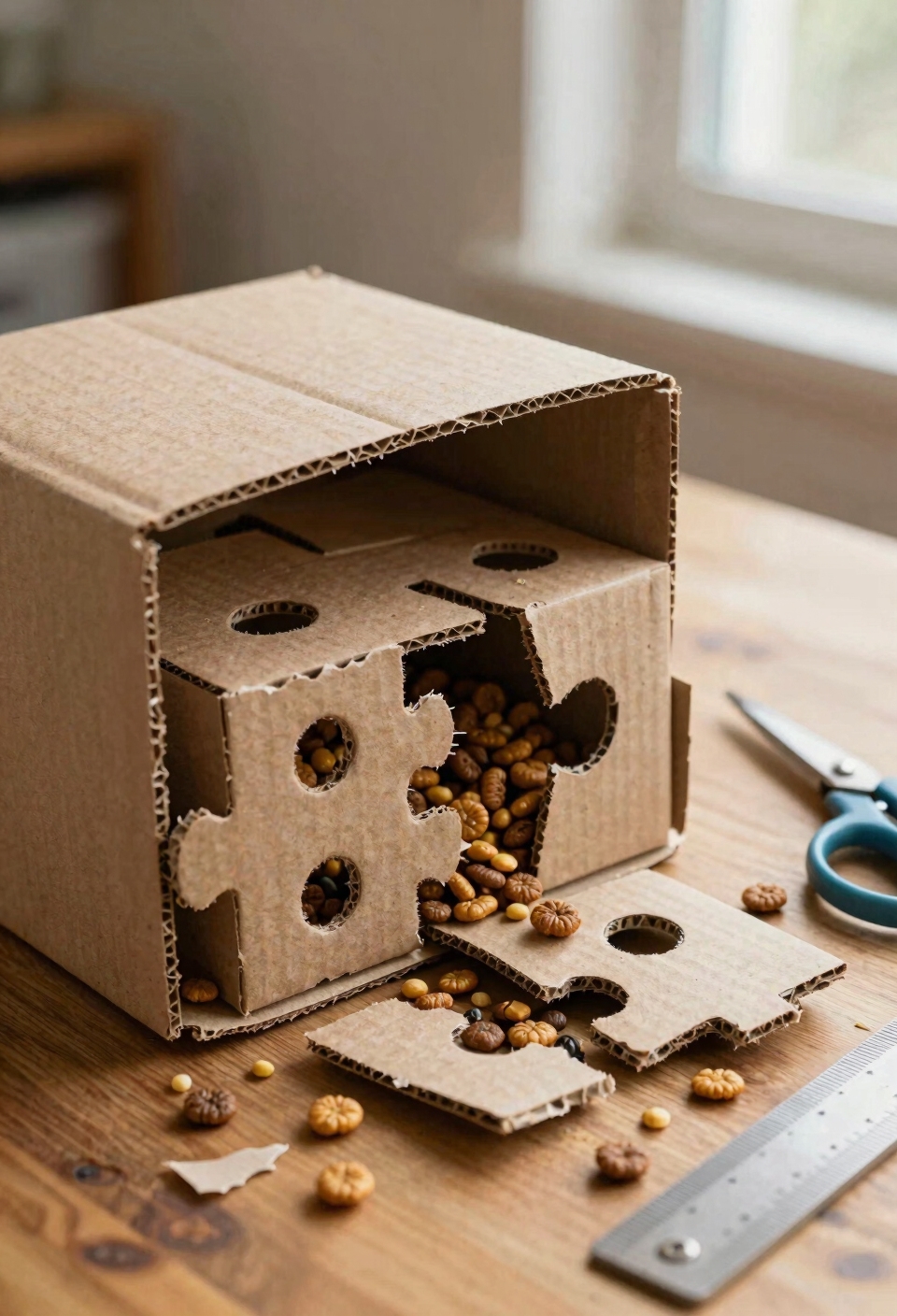
If your pet’s already bored with the towel-hiding game, it’s time to level up with cardboard—and I mean seriously, this stuff is like the Swiss Army knife of DIY enrichment. You can stuff treats into toilet paper rolls, fold cereal boxes shut, or nest shipping boxes inside each other to create layers of cardboard scentwork that’ll keep your pet engaged for hours. The beauty of box dismantling is that it taps into your pet’s natural instinct to tear and explore. All right, here’s the thing—supervision matters because some pets gobble cardboard faster than you can say “vet bill,” so watch for overeating. The payoff? Your pet gets mental stimulation, you get peace and quiet, and everything’s recyclable. Obviously, that’s a win-win. For cats specifically, combining cardboard enrichment with catnip-filled toys hidden throughout the boxes can enhance engagement and trigger their natural hunting instincts even further.
Recommended Products

INTERACTIVE TOY FOR CURIOUS CATS – Cat Amazing’s Shark Tank-famous & award-winning puzzle box is designed to stimulate and occupy cats and kittens for hours. Bond with your cat through play and have fun watching their feline cleverness in action!

😺 INTERACTIVE TOY FOR CURIOUS CATS – Cat Amazing Sliders is an ever-changing puzzle box designed to stimulate and occupy cats and kittens for hours. Bond with your cat through play and have fun watching their feline cleverness in action!

Cat slow feeder that encourages your cat to work for their dry cat food or cat treats
Fabric Enrichment With Towels, Blankets, and Old Clothing
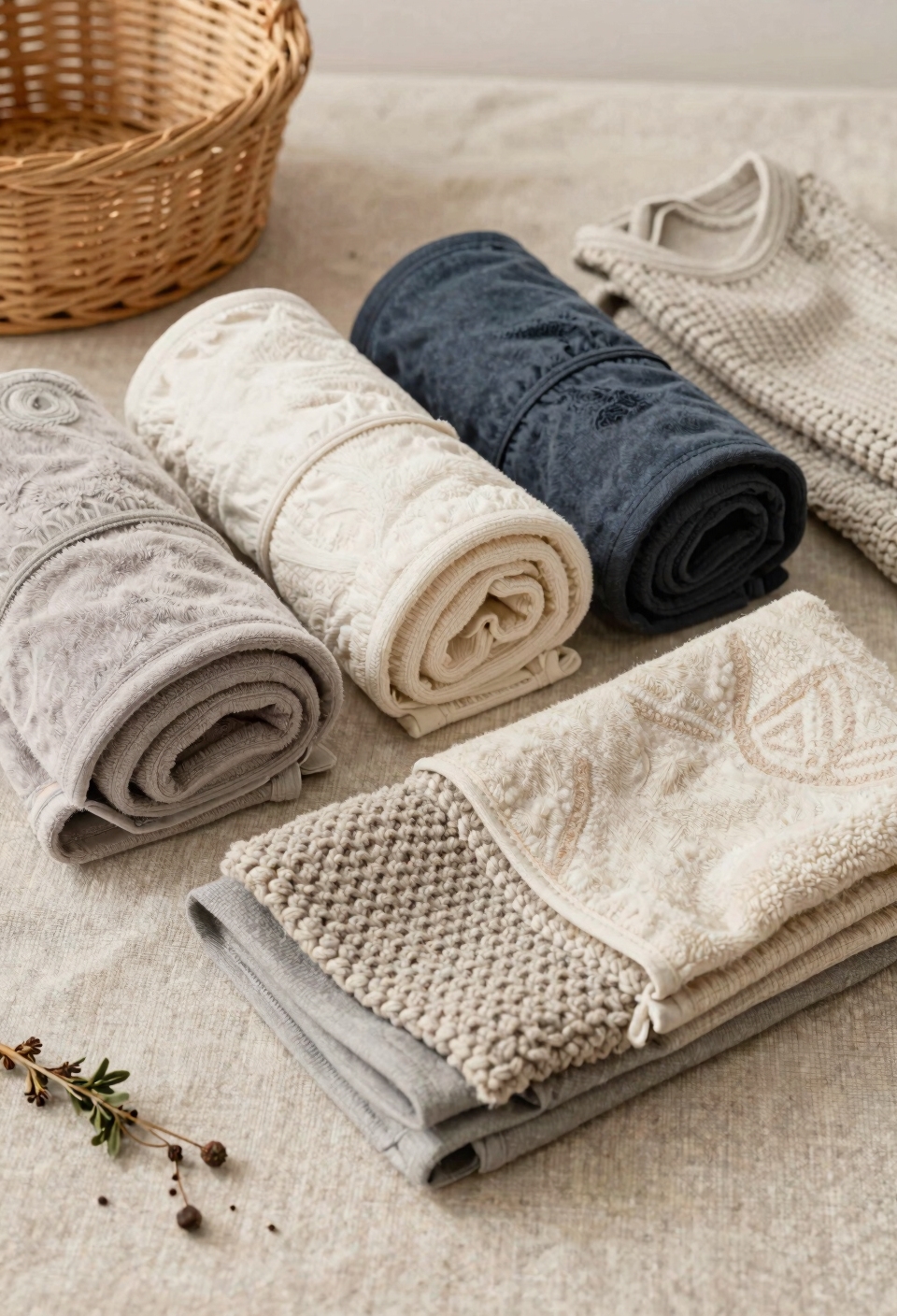
Turning old towels and blankets into puzzle toys is honestly one of my favorite shortcuts, and I’m sure you’ve got a stash of beat-up fabric sitting around anyway. I mean, you can roll treats inside a towel, tie it loosely, or stuff kibble into fleece folds for instant scent masking games that’ll keep your pet occupied for way longer than you’d expect. Now, fabric fidgeting stations work brilliantly because they tap into that natural pawing and pulling instinct. I’m sure you’ve noticed how satisfying it is to tug something apart—your dog feels the same way. The beauty here? When your pet shreds the fabric, you’re not stressing over specialty toy replacements. It’s recycled stuff anyway. Obviously, check for loose threads before handing it over. Unlike store-bought plush toys with squeakers, fabric enrichment eliminates the mess and expense of replacements while providing the same mental stimulation benefits your dog needs.
Recommended Products

SUITABLE FOR SMALL AND MEDIUM DOGS, CATS - The size of this snuffle mat is 26 x 16.5 inches, which is perfect for small dogs, medium dogs, cats and rabbits. It makes a wonderful gift for pet owners! NOT recommended for extra large and aggressive chewers dogs who could tear it up
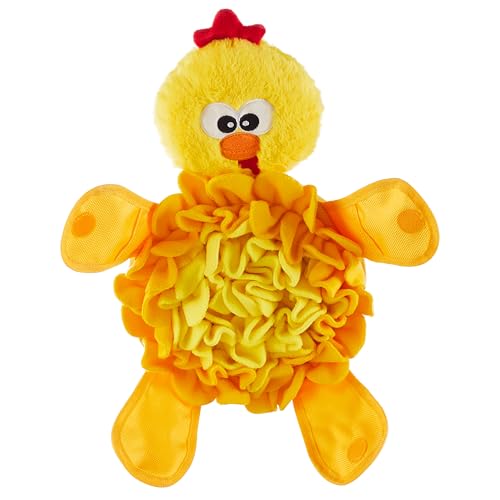
A snuffle mat for dogs and a plush dog toy combine to create the perfect interactive dog puzzle for your furry best friend
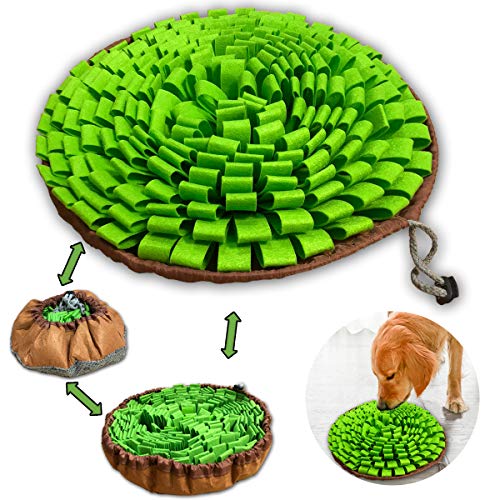
★ Interactive Dog Toys: It is a unique food puzzle toys that allows your dog to find snacks hidden in the mat. It helps to train your dog's smell, consume your dog's energy and lose weight. Keep your dog occupied and avoid your dog being bored and engaged in destructive behavior.
Container and Bottle Games for Manipulation and Foraging
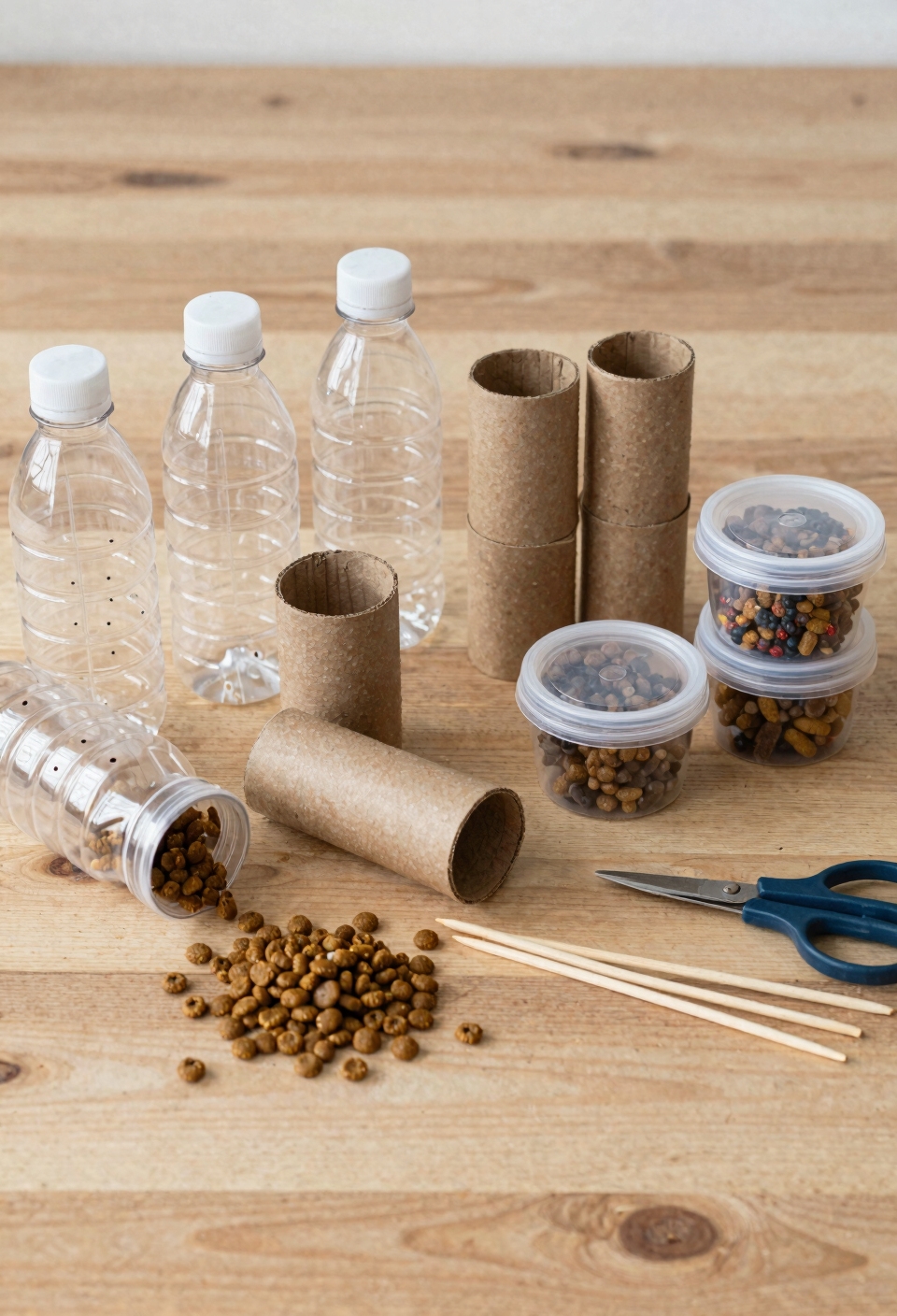
Once you’ve got the fabric thing down, you’re ready to level up with containers and bottles—and honestly, your recycling bin is basically a treasure trove of puzzle-toy materials just waiting to happen. I’m sure you’ve noticed how dogs go absolutely nuts for anything they can nudge or paw at. Plastic bottles, muffin tins, and laundry baskets become interactive feeding stations when you hide treats inside or underneath. Try bottle bowling where your pet rolls containers across the floor chasing kibble, or puzzle lids that require lifting and manipulation to access the goods. All right, here’s the thing—lightweight containers make your pet work for their meal while you grab coffee. These DIY options offer similar mental enrichment benefits to commercial toys designed for cognitive engagement and boredom reduction. Obviously supervise for sharp edges, and toss anything brittle. Your pet gets mental exercise; you get peace and quiet.
Recommended Products
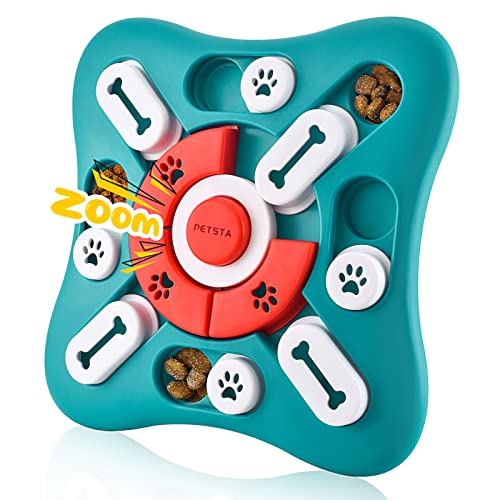

【Upgrade Dog Puzzle】Our dog puzzle toy is moderate level with more challenging ,difficult than level 2, not only easy slide steps, but require your dog's ability to learn sequential steps and combinations to seek hidden treats while keeping mental active .There are easy slide step and harder step in the puzzle box , dogs have to find a right way to move the red round sliders and the center parts for food, higher skills and mind required , great for the smart dogs.
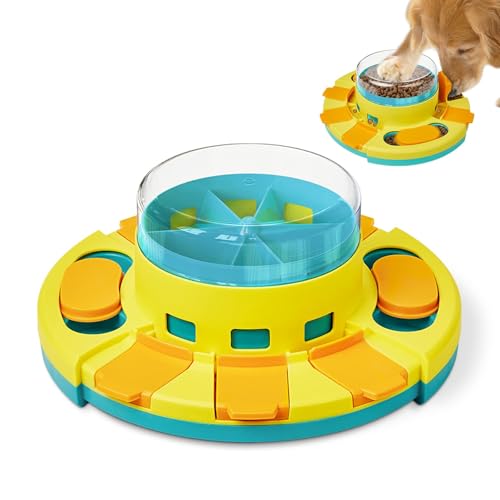
2 Levels in 1 Toy: start your pups off with a level 1 puzzle, add some treats in the base compartments and watch your dogs get their tasty reward by nudging the lids. For dogs who have mastered level 1, for added challenge in level 2, just put some treats in the top compartments, teach your dogs to press the top cover to dispense treats down into the base compartments and finally enjoy their reward
Indoor Obstacle Courses and Movement Challenges
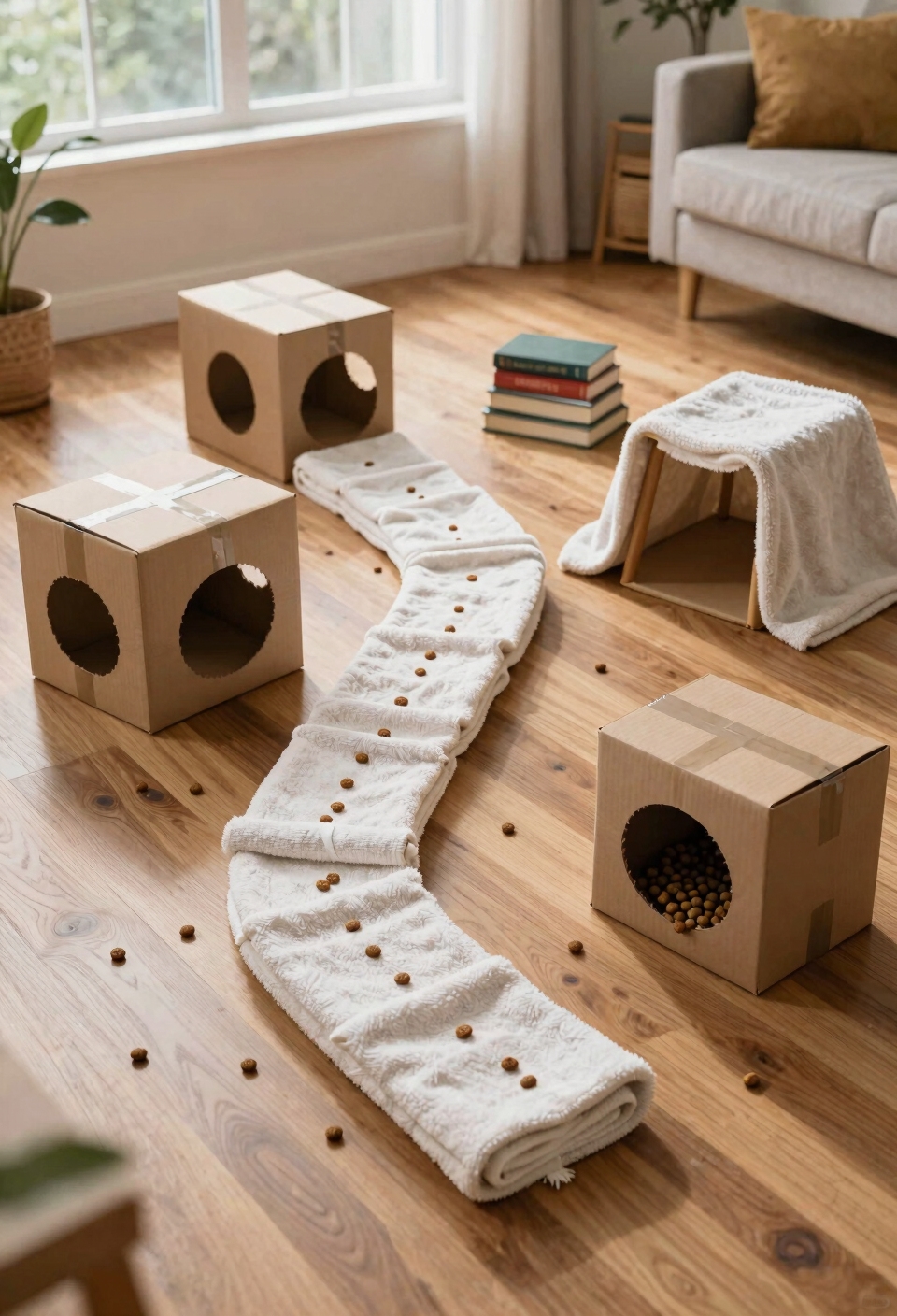
Building a simple obstacle course in your living room might sound like you’re training for the Olympics, but here’s the reality—your pet doesn’t need anything fancy to get genuinely tired from finding their way up and down stairs, weaving through chairs, or balancing across a pillow pathway. I’m sure you’ve noticed how much mental effort goes into navigation, right? Now, furniture aware routing—basically planning routes around your existing setup—lets you create challenges without buying anything. Add scent marked pathways by hiding treats along the course, and suddenly your pet’s brain is working overtime solving both the physical puzzle and the foraging game. Throw in some command training (“left,” “through,” “up”) while they navigate, and you’ve basically built a doggy gym that costs nothing. When combining multiple engagement elements like physical navigation, treat dispensing, and command training, you create the mental stimulation that keeps your dog engaged and satisfied. Obviously, start easy and gradually increase complexity.
Recommended Products

Build Your Dog's Agility Course: Includes 12 cones & 6 durable rods. Mix and match to create endless training layouts!

Competitive Dog Agility Training Equipment: Dog agility kits package includes: polyester fabric square pause box, puppy tunnel with ground stakes, adjustable dog agility jump hurdle with pole connectors, tire jump, weave poles, agility equipment carrying bags, and instruction sheet for your convenience.

RUGGED & STURDY:Our product is durability, the training pole is made of ABS material,which is safe and sturdy,that can be used in the park or backyard. In addition, our u-shaped ground nail ensure that each agile pole remains stable on the ground, providing the best stability even during intense running and jumping processes!
Safety Checks and Rotation Tips for Sustained Engagement
All right, here’s the thing—you can build the coolest enrichment setup in your house, but if you don’t check it for hazards first, you’re basically handing your pet a time bomb disguised as a toy. Sharp edges, loose threads, and brittle plastic are sneaky culprits that’ll cause problems you didn’t see coming.
I’m sure you’ve noticed that toys fall apart pretty fast. That’s why wear and tear monitoring matters. Check your enrichment items during supervision intervals—I’d say every couple days—so you catch damage before your pet swallows something sketchy. Following a cleaning routine with mild soap and water helps prevent bacterial buildup that could compromise safety during extended use. Now, rotating activities keeps things fresh. Swap out cardboard puzzles, towel games, and container challenges weekly so boredom doesn’t creep in. Honestly, your pet’s safety beats novelty every single time.
Frequently Asked Questions
How Often Should I Rotate Enrichment Activities to Keep My Pet Interested and Engaged?
I’d recommend rotating enrichment in short bursts—introducing new activities every few days, then doing weekly swaps to bring back favorites. This keeps your pet’s interest high while preventing boredom from repetitive exposure.
Can Enrichment Toys Help Reduce Behavioral Problems Like Excessive Barking or Destructive Chewing?
Yes, enrichment toys genuinely help with behavioral modification by offering chewing alternatives and mental stimulation. I’ve found that when I give my pet engaging activities, excessive barking and destructive behaviors decrease markedly because they’re channeling energy productively.
What Age or Developmental Stage Is Best to Introduce Cognitive Enrichment Activities?
I’ve found that puppies benefit most from enrichment around 8-12 weeks when they’re hitting key milestones. You’ll want senior adaptations for older pets—simpler puzzles, easier access. Early introduction builds lifelong problem-solving skills.
How Do I Know if an Enrichment Activity Is Too Difficult or Too Easy for My Pet?
You’ll know an activity’s too easy if your pet loses interest quickly or completes it without effort. It’s an overwhelming challenge if they give up, show frustration, or ignore it entirely. Adjust difficulty gradually.
Are There Enrichment Options Suitable for Pets With Anxiety or Fear-Based Behaviors?
Studies show that 30% of pets experience anxiety disorders. I’d recommend starting with calming scentwork using familiar scents, then gradually introduce gradual desensitization through low-pressure foraging tasks that build confidence at your pet’s pace.
Conclusion
Look, enrichment isn’t rocket science—it’s basically turning your house into a playground. You’ve got everything you need already sitting around: old towels, cardboard boxes, plastic bottles. Think of your pet’s brain like a muscle that atrophies without use. Rotate these DIY toys regularly, keep safety first, and I’m sure you’ve noticed how much calmer your buddy gets when they’re mentally stimulated. All right, get building.