As an Amazon Associate, we earn from qualifying purchases. Some links on this site are affiliate links at no extra cost to you. Our recommendations are based on thorough research and editorial judgment.

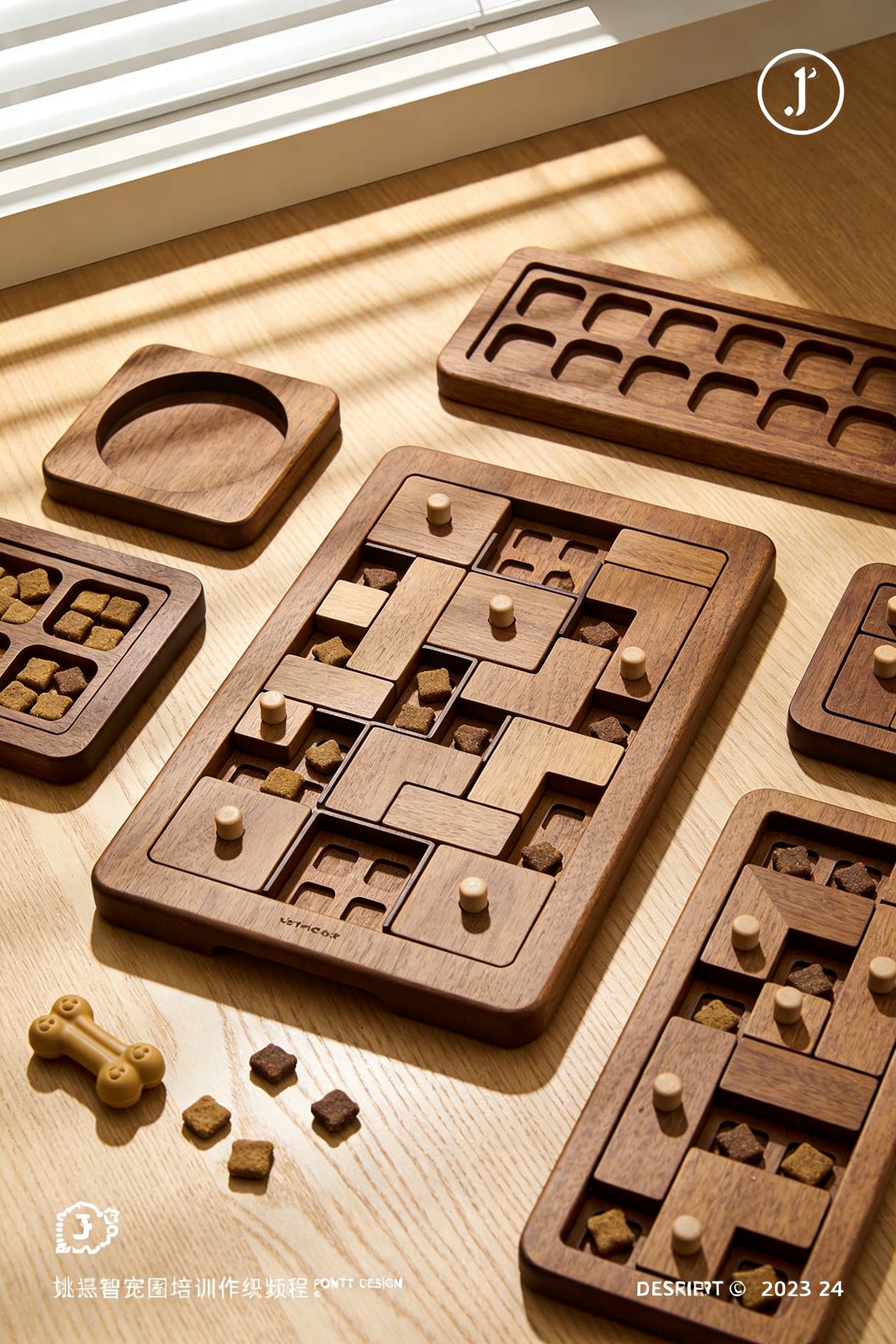
Beginner to Advanced: How to Match Puzzle Difficulty to Your Pet

I’m sure you’ve noticed your pet abandons puzzle toys faster than yesterday’s kibble—usually because the difficulty’s all wrong. Here’s the deal: matching challenge to your pet’s skill level keeps them genuinely engaged instead of frustrated or bored silly. You’ll start by observing how they naturally interact with toys, then progress from simple snuffle mats through one-step sliders to multi-step sequences. Advance when they’re solving puzzles without hesitation, and honestly, keep rotating in easier toys even after mastery for confidence boosts. Stick around if you want the full playbook on nailing your pet’s puzzle sweet spot.
Key Takeaways
- Observe your pet’s natural play style (nosing vs. pawing) to match puzzle mechanics to their preferred problem-solving approach.
- Start with Level 1 snuffle mats for scent-based foraging, then progress to sliders and multi-step sequences based on engagement.
- Advance difficulty when puzzles are solved quickly and frustration-free, maintaining confidence while preventing boredom through gradual progression.
- Rotate mastered puzzles with new challenges to balance wins, sensory stimulation, and cognitive engagement without overwhelming your pet.
- Choose adjustable commercial toys or customizable homemade options based on durability needs and your pet’s individual material sensitivities.
Why Puzzle Difficulty Matters for Your Pet’s Enrichment
You may be interested
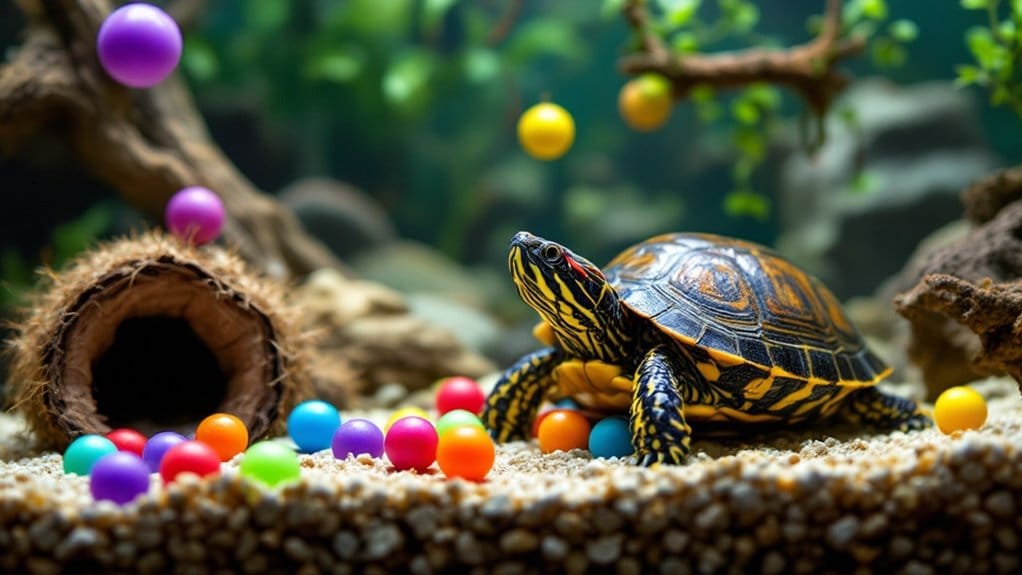

You’ve probably noticed that your pet loses interest in toys pretty fast—I mean, that fancy squeaker you spent $20 on ends up wedged under the couch within a week, right?
Here’s the thing: puzzle difficulty actually matters way more than you’d think. When you match the right challenge level to your pet, you’re not just keeping them entertained—you’re providing genuine mental stimulation that their brains crave. The magic happens with reward timing too. When your pet solves a puzzle quickly, that immediate win feels amazing. But if it’s too easy? Boring. Too hard? Frustrating. Getting it just right keeps them engaged and actually thinking instead of zoning out. Puzzle toys like treat-dispensing designs can double as slow feeders, which not only provides mental engagement but also aids digestion and helps prevent bloat in dogs.
Identify Your Pet’s Current Puzzle Level
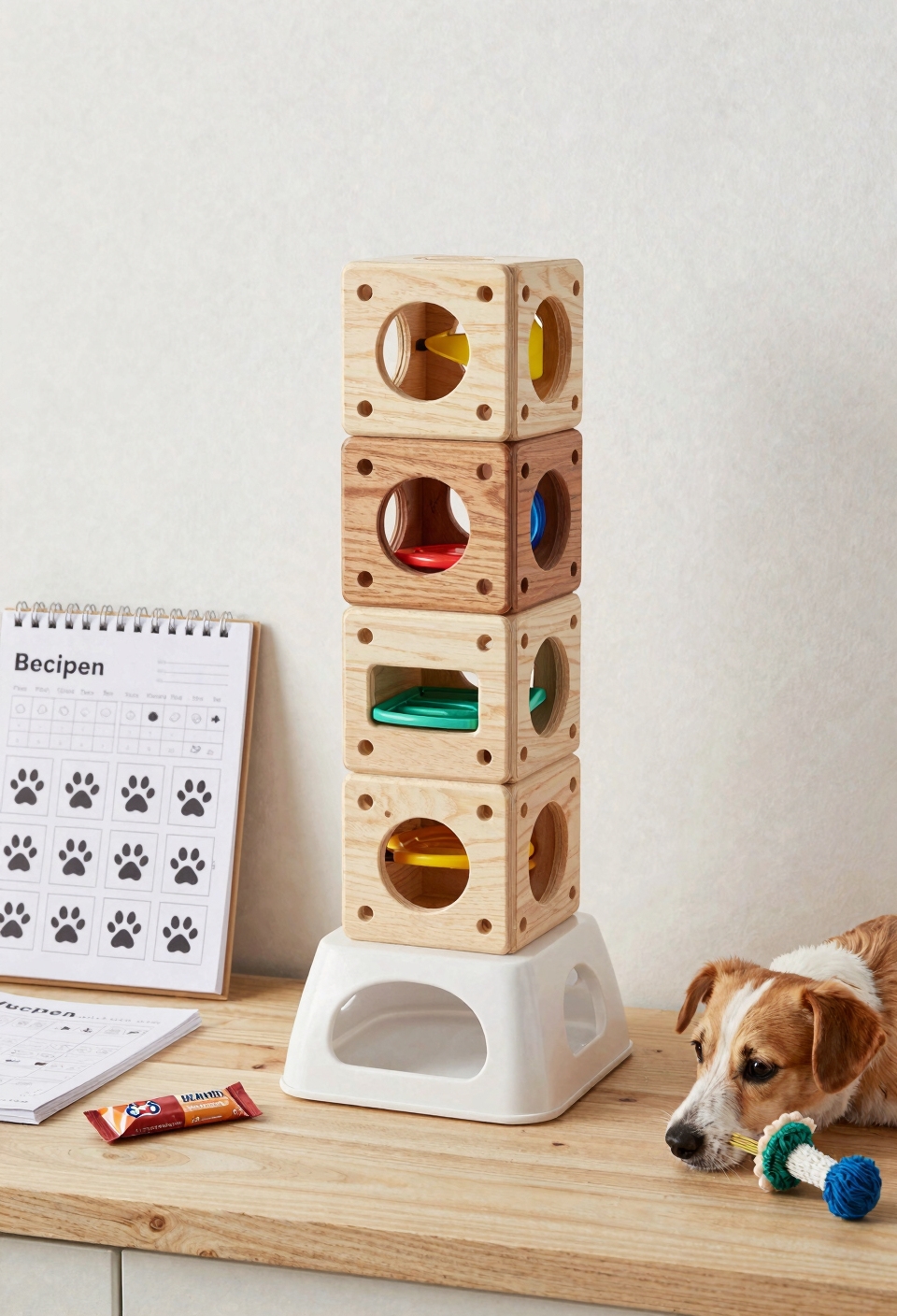
Before you can actually level up your pet’s puzzle game, you’ve got to figure out where they’re starting from—and I mean really starting from, not where you *think* they should be. Start by watching how your pet naturally interacts with toys. Do they nose things around, or do they use their paws? That’s a play preference clue right there. Age cues matter too—puppies and kittens are still learning cause-and-effect, while older pets might already be puzzle veterans. Notice how long they’ll stick with something before giving up. Quick abandoners probably need beginner toys, while persistent diggers and sniffers are ready for more challenge. Consider pairing observation with treat-dispensing puzzles to assess their problem-solving ability and engagement level. Honestly, the best way to gauge their level? Toss them a snuffle mat and see what happens.
Level 1: Snuffle Mats and Nose Work

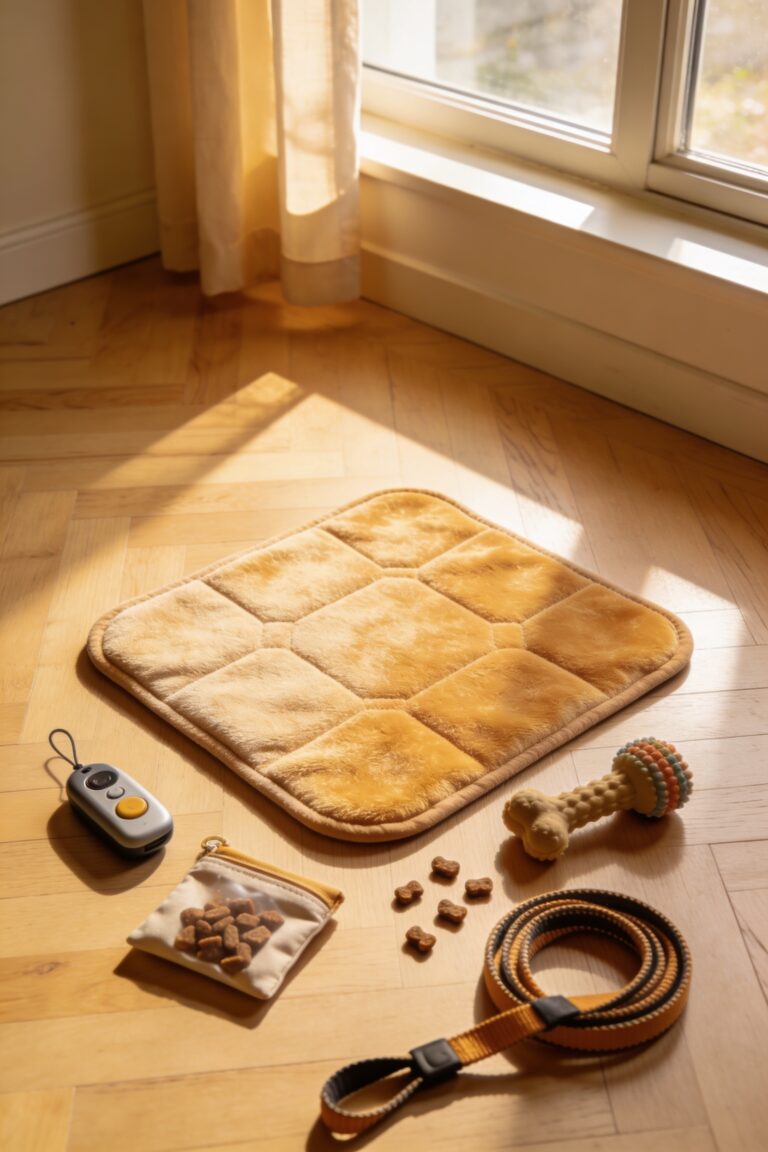
Snuffle mats are honestly the gateway drug to puzzle toys—they’re how I’d introduce basically any pet to the whole “work for your food” concept without the drama. You’re literally just hiding dry treats between fleece strips, and your pet does what comes naturally: sniffing around like they’re investigating a crime scene. I mean, there’s zero problem-solving required here, which is exactly the point. Your pet’s natural foraging patterns take over, and suddenly they’re engaged without any frustration. Scent discrimination kicks in automatically—they’re using their nose to hunt, not their brain to strategize. The beauty? Even after they figure it out, snuffle mats stay rewarding because the sensory experience never gets old. You can rotate treats, swap mats, or just let them enjoy the pure satisfaction of nose work. Like rope toys designed for natural foraging engagement, snuffle mats tap into your pet’s instinctive behaviors and provide mental stimulation through scent-based activities rather than destructive chewing.
Level 2: One-Step Problem Solving With Sliders

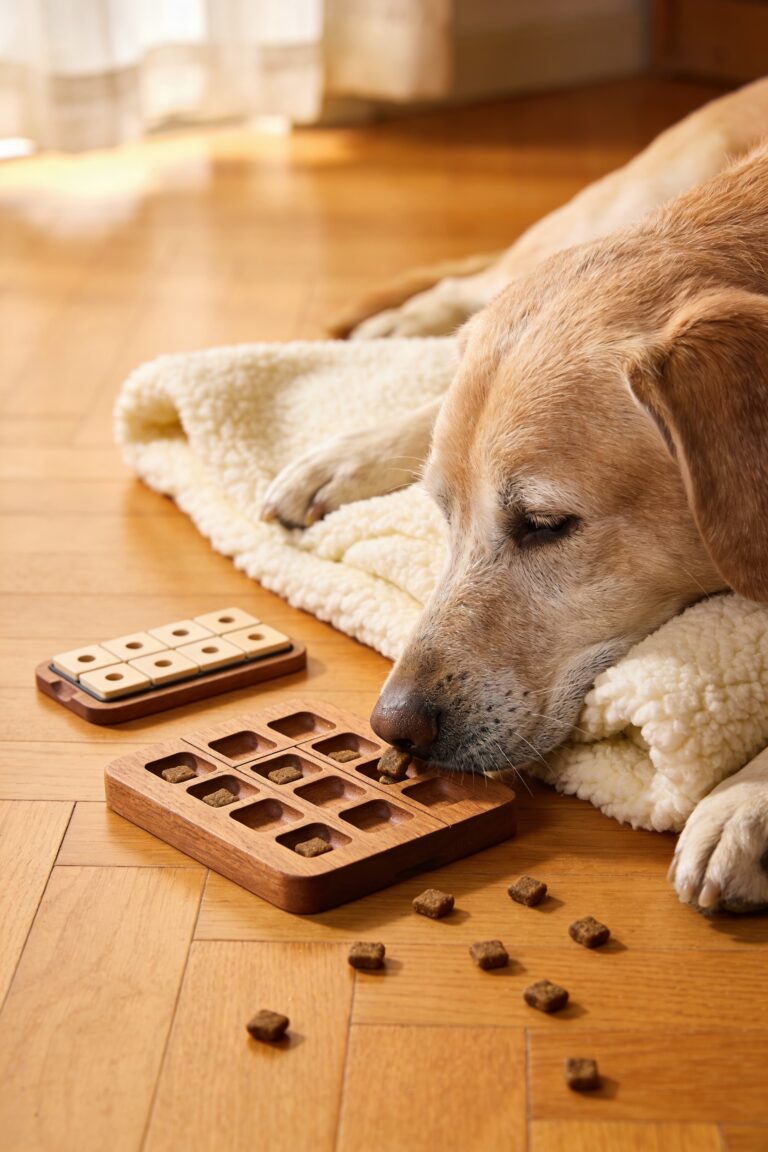
I’m sure you’ve noticed some pets pick this up naturally, while others need a little coaching. That’s totally normal. The beauty of nose targeting sliders is they teach cause-and-effect without overwhelming your pet. You show them how to nudge the compartment, and boom—tactile rewardports open up.
All right, here’s the thing: some pets get frustrated if they can’t figure it out immediately. That’s your cue to guide their nose or paw gently toward the mechanism. Once they nail it? They’ll be unstoppable. Treat-dispensing puzzle toys like sliders reward problem-solving behaviors and provide mental stimulation that keeps your pet engaged during training sessions.
Level 3: Multi-Step Puzzle Sequences
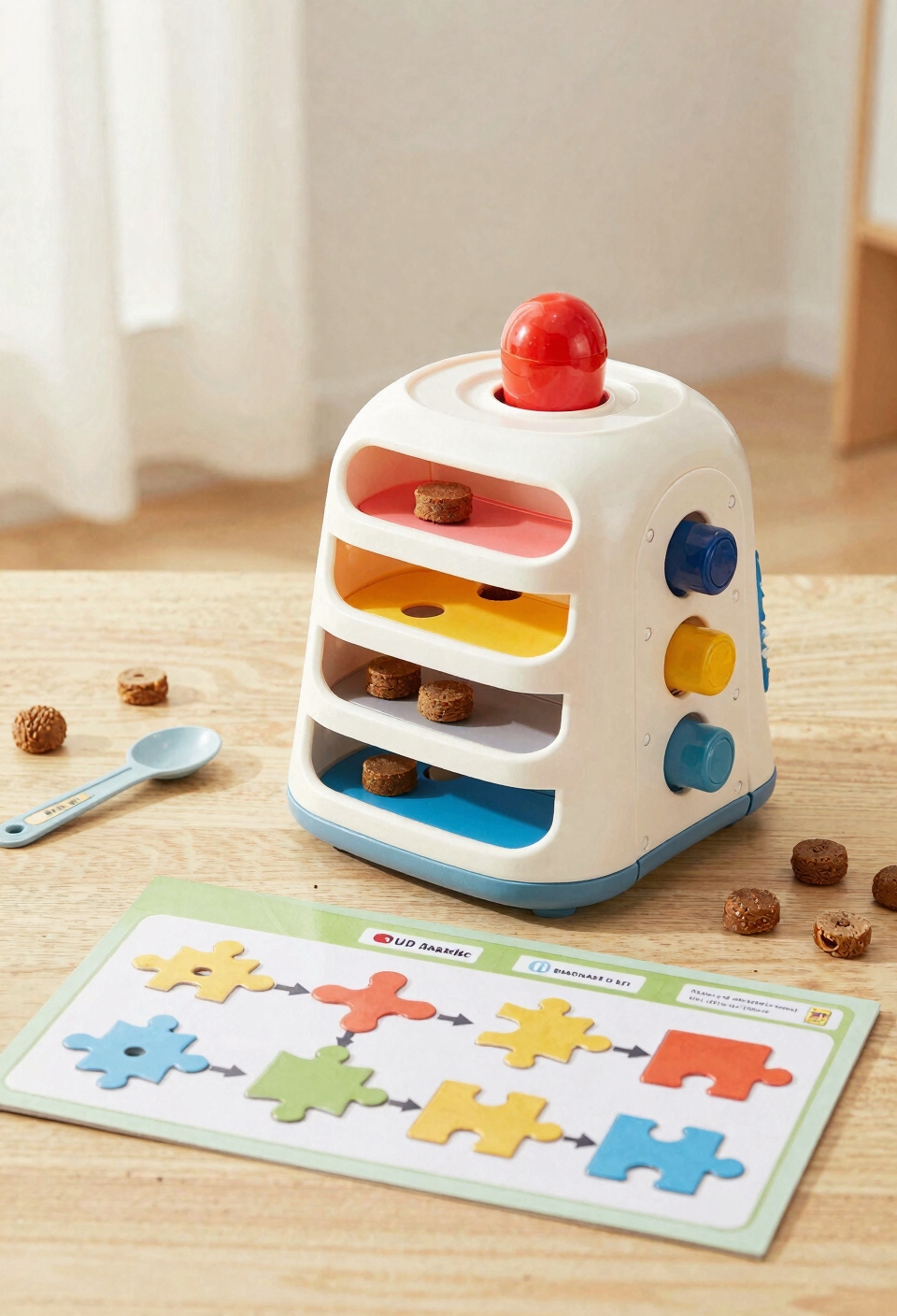
Now that your pet’s mastered the one-step slider, you’re probably itching to turn up the heat—and honestly, they’re ready for it. Level 3 puzzles demand sequential memory and order dependency, meaning your pet can’t just randomly paw at things and win. They’ve got to actually think.
I’m sure you’ve noticed how quickly they solved those sliders. Well, multi-step toys introduce real complexity—lift a cover first, then pull a drawer, then access the treat. The sequence matters. Your pet learns that actions build on each other, not randomly. These interactive features maintain engagement and provide mental stimulation for active dogs by layering multiple challenges that require problem-solving skills beyond simple trial-and-error.
All right, here’s the thing: this level separates the casual puzzle enthusiasts from the serious problem-solvers. It’s where enrichment becomes genuinely engaging. You’re watching your pet’s brain work harder, and honestly, that’s pretty satisfying to witness.
When to Advance to the Next Difficulty Level
Since your pet’s cruising through those multi-step sequences like they’ve got a PhD in puzzle-solving, you’re probably wondering when you should actually bump things up again. I’m sure you’ve noticed some pretty clear progress indicators by now—like how fast they’re solving puzzles compared to when they started. If your pet’s demolishing Level 3 toys in under a minute without any hesitation, that’s your shift cue right there. Watch for frustration-free problem-solving, too. All right, here’s the thing: if they’re barely pausing between steps anymore, it’s time to turn up the heat. Consider rotating in toys with treat-dispensing features to maintain engagement while advancing difficulty levels, similar to how KONG toys increase mental stimulation and lengthen play sessions. Obviously you don’t want to jump straight to expert mode and watch them give up entirely. Gradual advancement keeps things fun instead of turning your pet into a puzzle-hating cynic.
Adjustable Toys vs. Homemade Puzzles: Which Works Better?
When your pet’s outgrown their current puzzle stash, you’ve got two main paths forward: grab one of those fancy adjustable toys or get crafty with household stuff. Here’s the thing—adjustable toys win on convenience. You’re paying more upfront, sure, but that cost comparison works out when one toy genuinely grows with your pet. I mean, you’re not replacing it every few months.
Homemade puzzles? They’re basically free through creative repurposing. Old socks, cardboard tubes, egg cartons—suddenly they’re enrichment gold. Obviously, they don’t last as long, but that’s honestly part of the appeal. You get to customize the difficulty exactly how you want it, and honestly, watching your pet figure out your weird contraptions is pretty entertaining. For dogs specifically, homemade puzzle options pair well with treat-stuffable toys that provide similar mental stimulation benefits. Both work. Pick whatever fits your life.
Does Your Dog or Cat Learn Differently?
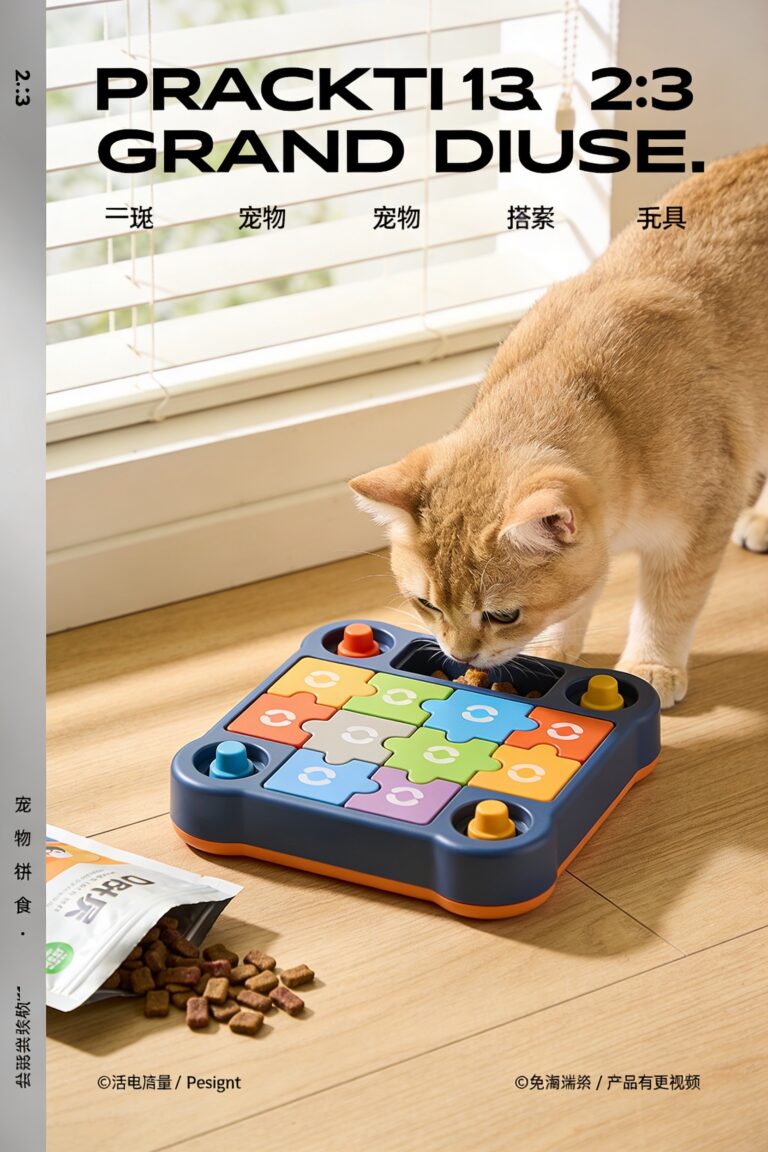
How much does it actually matter that your dog’s brain works differently than your cat’s when you’re standing there watching them both completely ignore a puzzle toy you spent way too much money on? I mean, plenty. Your dog’s probably a nose-first problem solver with a learning pace that rewards repetition and treats, while your cat’s thinking three moves ahead like they’re playing chess. Dogs tend toward sliders and dragging mechanics because their sensory preferences lean into paw work. Cats? They’re all about precision and lifting things. Now, here’s the thing—you can adapt most puzzles for either species. Observation’s your best tool. Watch how they naturally interact with toys, then match the puzzle accordingly. Research shows that 15% of cats show material sensitivities to certain toy materials, so understanding your pet’s individual preferences becomes even more important when selecting enrichment toys. That’s when the magic happens.
Easy Puzzles Still Matter After Mastery
Once your pet figures out a puzzle toy, you might think it’s time to toss it in the donation pile—but you’d be making a mistake. I mean, even after your dog or cat masters the mechanics, those puzzles still deliver real value. You’re getting sensory maintenance—your pet’s nose or paws stay engaged with interesting textures and scents. There’s confidence reinforcement too, which honestly matters more than people realize. When your pet solves something they already know how to solve, it’s like a little victory lap that builds their problem-solving swagger. All right, obviously you’ll want to introduce harder puzzles eventually, but rotating back to familiar ones keeps things balanced. Your pet gets wins without frustration. That’s the sweet spot right there. Plus, interactive toys that your pet has already mastered continue to reduce stress and separation anxiety through the familiar engagement patterns they’ve learned.
Frequently Asked Questions
How Do I Prevent My Pet From Becoming Destructive When Frustrated With Puzzle Toys?
I’d watch for frustration signals like excessive pawing or abandonment, then dial back difficulty immediately. Provide environment enrichment alternatives—toys, sniffles mats—so your pet doesn’t resort to destructive outlets when puzzles feel too challenging.
Can Puzzle Toys Help Reduce Anxiety or Behavioral Problems in Pets?
Yes, puzzle toys provide environmental enrichment that engages your pet’s mind, promoting stress reduction and alleviating anxiety-driven behaviors. I’ve found they redirect destructive impulses into constructive problem-solving, creating calmer, happier pets.
What Safety Precautions Should I Take With Homemade Puzzle Materials?
I’ve seen a pet choke on a loose button—a tiny oversight with serious consequences. You’ll want non-toxic adhesives, secure fastenings, and regular inspections. Remove anything your pet could swallow or splinter during play sessions.
How Often Should I Rotate Puzzle Toys to Maintain My Pet’s Interest?
I’d recommend rotating your puzzle toys every few days to a week, depending on your pet’s interest level. A novelty schedule keeps them engaged without overwhelming them. I’ve found varying the rotate frequency prevents boredom while maintaining enthusiasm for puzzle solving.
Are There Puzzle Toys Designed Specifically for Senior or Disabled Pets?
Yes, while most puzzles aren’t marketed as senior-specific, I’ve found that snuffle mats and low-level sliders work well. You’ll want senior friendly designs with larger openings and disability accommodations like minimal lifting required or reduced paw pressure.
Conclusion
Your pet’s puzzle journey is like climbing a mountain—you wouldn’t start at the summit, right? I’m sure you’ve noticed that the right difficulty keeps them engaged without frustrating them. Now, the beauty is you don’t need to spend a fortune. Mix those adjustable toys with homemade puzzles, watch your pet’s progress, and remember: even mastered puzzles still spark joy. That’s the real win.