As an Amazon Associate, we earn from qualifying purchases. Some links on this site are affiliate links at no extra cost to you. Our recommendations are based on thorough research and editorial judgment.


How to Stop Bad Behaviors Using the Right Toy Redirects

I’m sure you’ve noticed that saying “no” a million times just makes your dog tune you out. Here’s the thing: redirects actually work because you’re teaching what *to* do instead of just stopping the behavior. You match the toy to their energy level—high-energy dogs need balls and tug ropes, while destructive chewers do better with puzzle toys. Offering two choices instead of commands makes them feel empowered, not punished. The magic happens when you join the play yourself and reinforce like crazy. Stick around to discover which specific toys crush which problem behaviors.
Key Takeaways
- Redirect unwanted behaviors by offering appropriate toy alternatives that channel energy constructively instead of just saying “no.”
- Match toy intensity to behavior: active toys for jumping/nipping, puzzle toys for destructive chewing or obsessive behaviors.
- Present two acceptable toy options to encourage choice, making redirection feel rewarding rather than punitive for your dog.
- Join play physically and use enthusiastic narration to demonstrate toy value and increase engagement during redirection.
- Reinforce redirected behavior immediately with praise, treats, and continued engagement to strengthen the new habit pattern.
Why Toy Redirection Works Better Than Simply Saying No
You may be interested
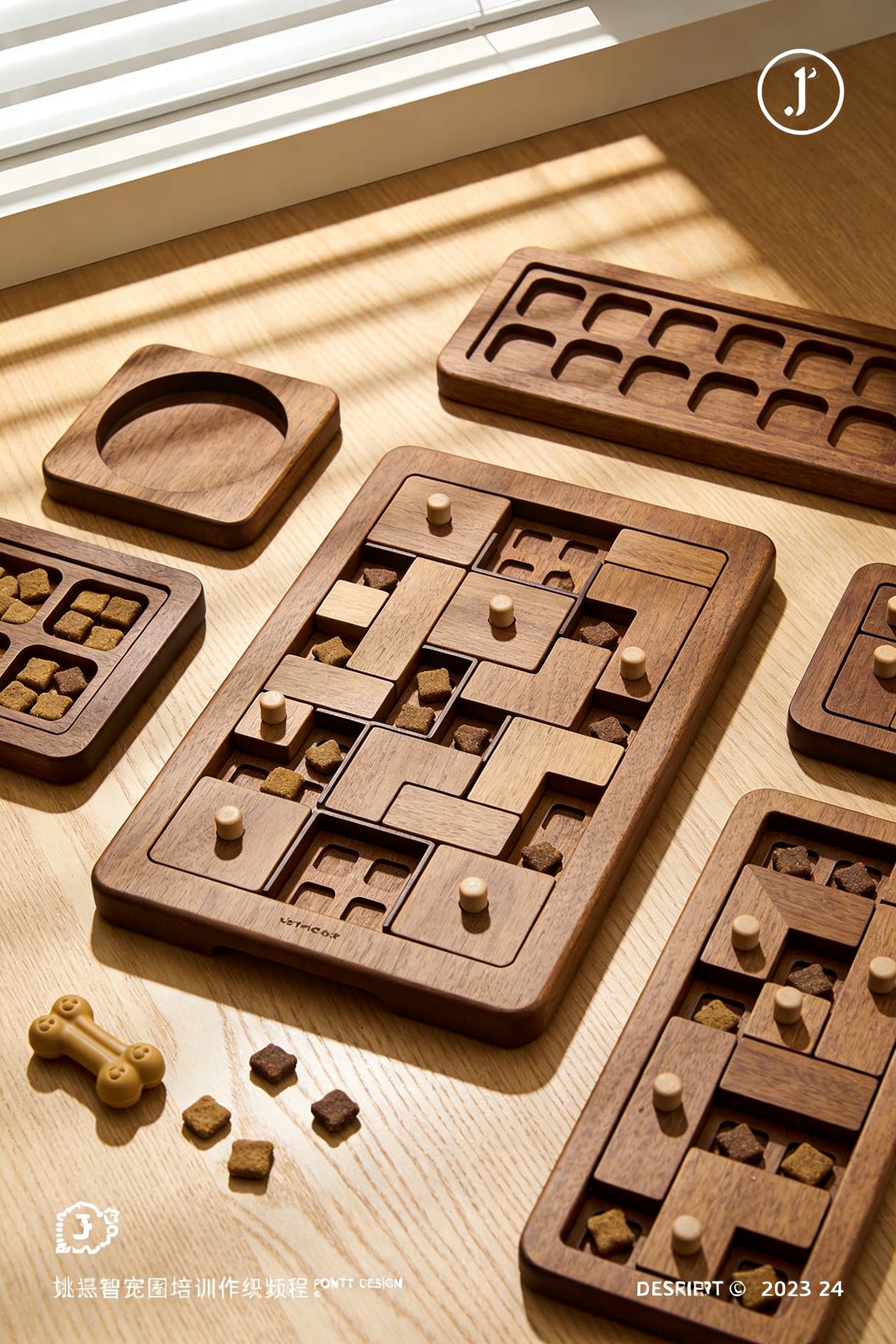

Look, I’m sure you’ve noticed that when your dog’s caught doing something you don’t want—like chewing the couch or jumping on guests—just yelling “no!” doesn’t actually teach them what *to* do instead. A simple “no” creates attention shifting away from the behavior, sure, but it doesn’t replace it with anything better. Your pup’s still got that energy and impulse sitting there, right? That’s where toy redirection comes in. By offering an appropriate alternative—like a chew toy or a ball—you’re actually providing emotional coaching. You’re showing your dog: *here’s* where this energy belongs. All right, it’s the difference between saying “stop” and saying “do this instead.” One confuses them. The other teaches. For dogs with particularly high energy or destructive tendencies, motion-activated toys can automatically engage them during solo play sessions, redirecting impulses before unwanted behaviors even start.
Match the Toy to the Energy Level of the Behavior
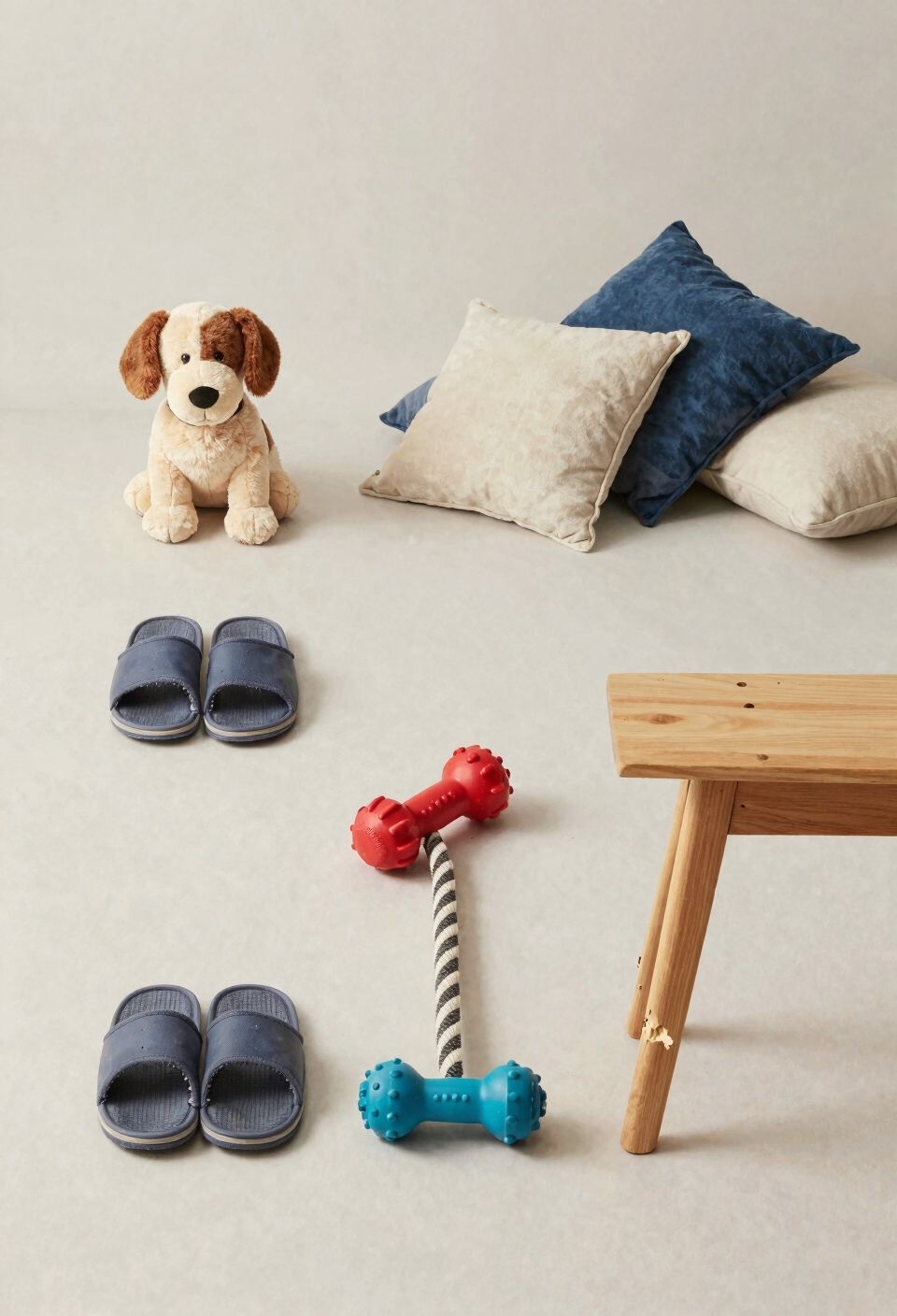
Now, here’s where most people mess up the redirect—they’ll grab whatever toy’s lying around and expect their dog to care. You’ve gotta match the energy level of whatever bad behavior you’re trying to stop.
If your pup’s going bonkers with high-energy chaos—jumping, nipping, racing around—you need active toys. Think balls, tug ropes, or chase games that burn off that excess steam. Motion-activated rolling balls with multiple play modes are particularly effective for autonomous entertainment that keeps high-energy dogs engaged.
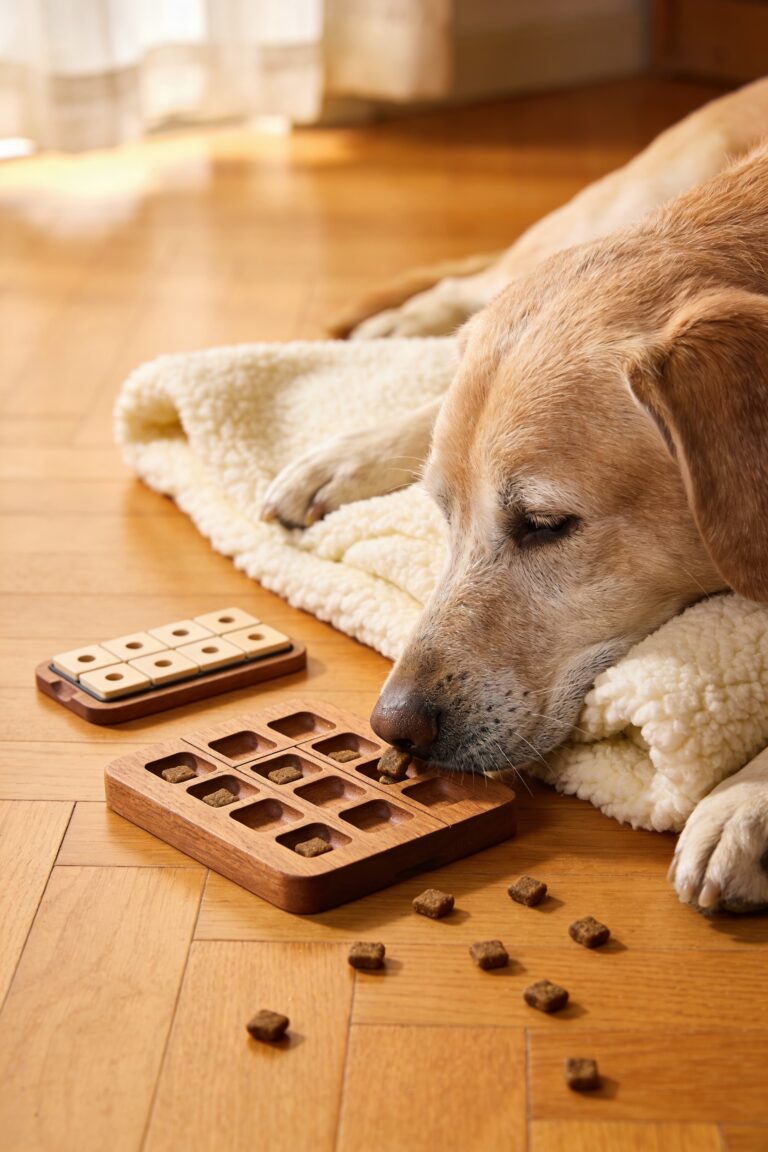
But if you’re dealing with something calmer, like obsessive chewing or destructive digging, quiet puzzles or sensory bins work way better. These toys let your dog engage their brain without amping them up further.
I’m sure you’ve noticed that handing a hyperactive dog a puzzle toy is basically pointless. Match the intensity, and you’ll actually see results.
Recommended Products

ORIGINAL WOBBLE WAG GIGGLE BALL: Wobble Wag Giggle is designed to peak curiosity with tubes inside that emit sounds & giggles when rolled or shaken for enriching motion play for dogs; Pets cannot resist the play-with-me giggle keeping them engaged.

GLOW IN THE DARK: Wobble Wag Giggle Glow in the Dark is an interactive way for your puppy or dog to stay busy & engaged with giggle noises; The glow in the dark quality material is durable & illuminates in the dark so your pet can be active day or night.
The Two-Choice Strategy: Offering Options Instead of Commands

Here’s the thing about commands—they feel authoritative in the moment, but they’re basically you shutting down the conversation before it even starts. Instead, I’ve found that offering choice presentation works way better. When you give your pet two acceptable toy options rather than barking orders, something shifts. They feel like they’re making a decision, which sounds silly until you realize empowered selection actually reduces resistance. I mean, you’d push back too if someone just told you what to do, right? Try saying “Would you rather play with the ball or the rope toy?” instead of “Stop that now.” That split-second pause where they consider their options? That’s where the real learning happens. You’re not fighting their instincts anymore—you’re guiding them. Offering toys that match their chewing style, whether that’s a durable nylon option for aggressive chewers or a plush toy for gentle players, makes the redirect feel rewarding rather than like a punishment.
Recommended Products

Super Luxury Puppy Toys for Teething Small Dogs: There are 25 pack of 8 various rope toys, 5 squeaky plush toys, 5 natural rubber toys, 1 treat ball, 5 dog bag rolls and 1 holder. Great size for small puppy and just pay less to get more than others

All-in-One Dog Toys Set: Includes 8 cotton rope toys, 4 squeaky plush toys, 3 rubber chew toys, 2 treat-dispensing balls, 2 squeaky balls, 1 plush flying disc, plus 4 dog bags and 1 holder. Everything your dogs needs to chew, tug, chase and grow

This luxurious and affordable 15-piece dog toy set, specially designed for small and medium-sized dogs, meets the diverse needs of your beloved pet for exploration, chewing, interaction, etc., creating a vibrant and joyful time!
Toy Redirects for Common Problem Behaviors: Specific Swaps That Work

Once you’ve got your pet buying into the choice thing, the real magic happens when you actually know *which* toys to swap in for the specific stuff they’re doing wrong. Now, I’m sure you’ve noticed your dog going absolutely bonkers with destructive energy—that’s where sensory bins filled with safe textures come in clutch. Toss in some crinkly materials or puzzle toys, and suddenly they’re occupied instead of demolishing your couch. For the biters and rough players, I mean, redirect that aggression toward plush toys or tuggers. Even costume roleplay scenarios work—I know that sounds weird, but treating playtime like a game makes the redirect feel intentional to them, not punishing. The key’s matching the toy’s vibe to whatever chaos they’re creating. Consider motion-activated toys like rolling balls that maintain interest during solo play, which can help redirect destructive behaviors into constructive engagement.
Recommended Products

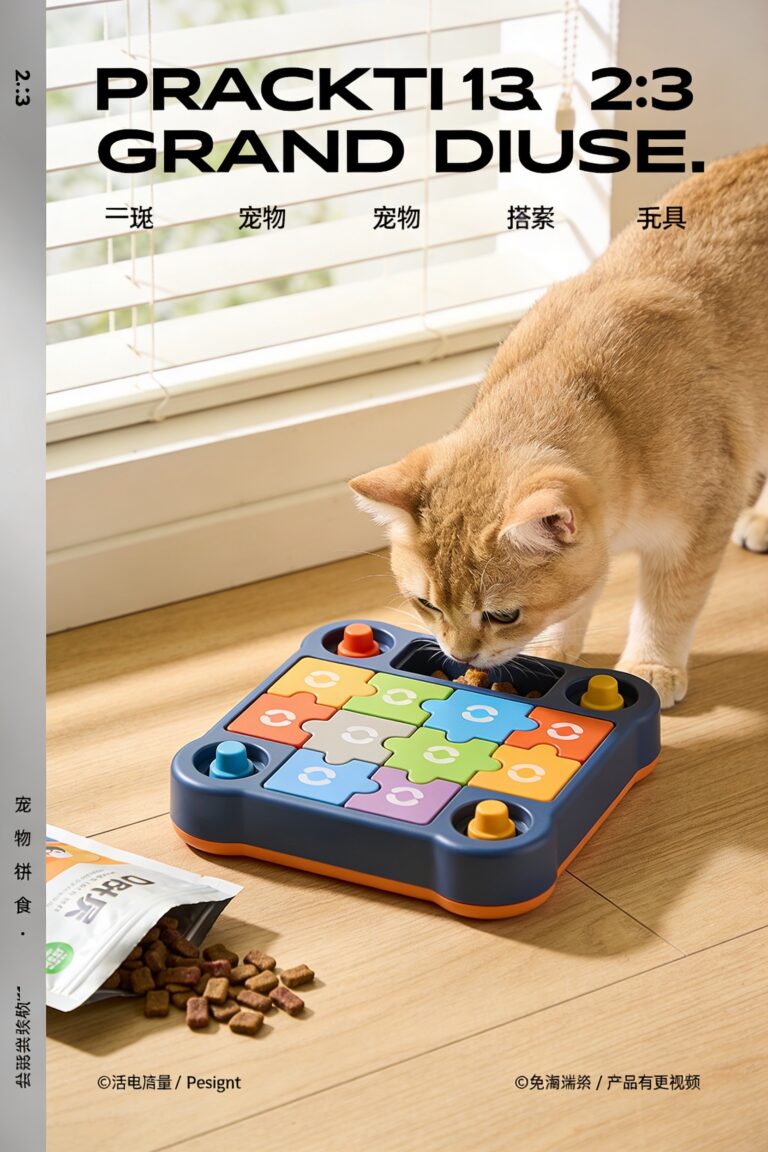
【Upgrade Dog Puzzle】Our dog puzzle toy is moderate level with more challenging ,difficult than level 2, not only easy slide steps, but require your dog's ability to learn sequential steps and combinations to seek hidden treats while keeping mental active .There are easy slide step and harder step in the puzzle box , dogs have to find a right way to move the red round sliders and the center parts for food, higher skills and mind required , great for the smart dogs.
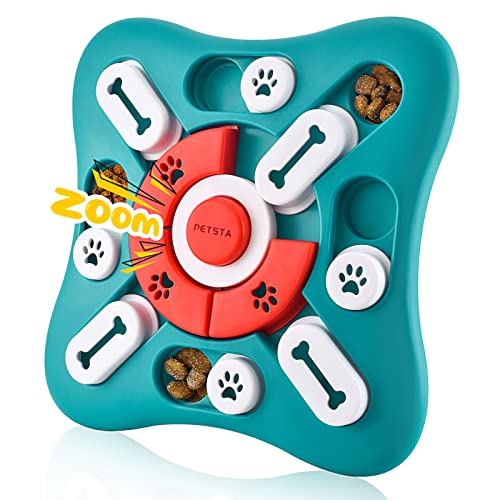

【Size】: L9.44" * W9.44"* H1.14" suitable for cats, puppies and small dogs.
Join the Play to Make the Redirect Stick
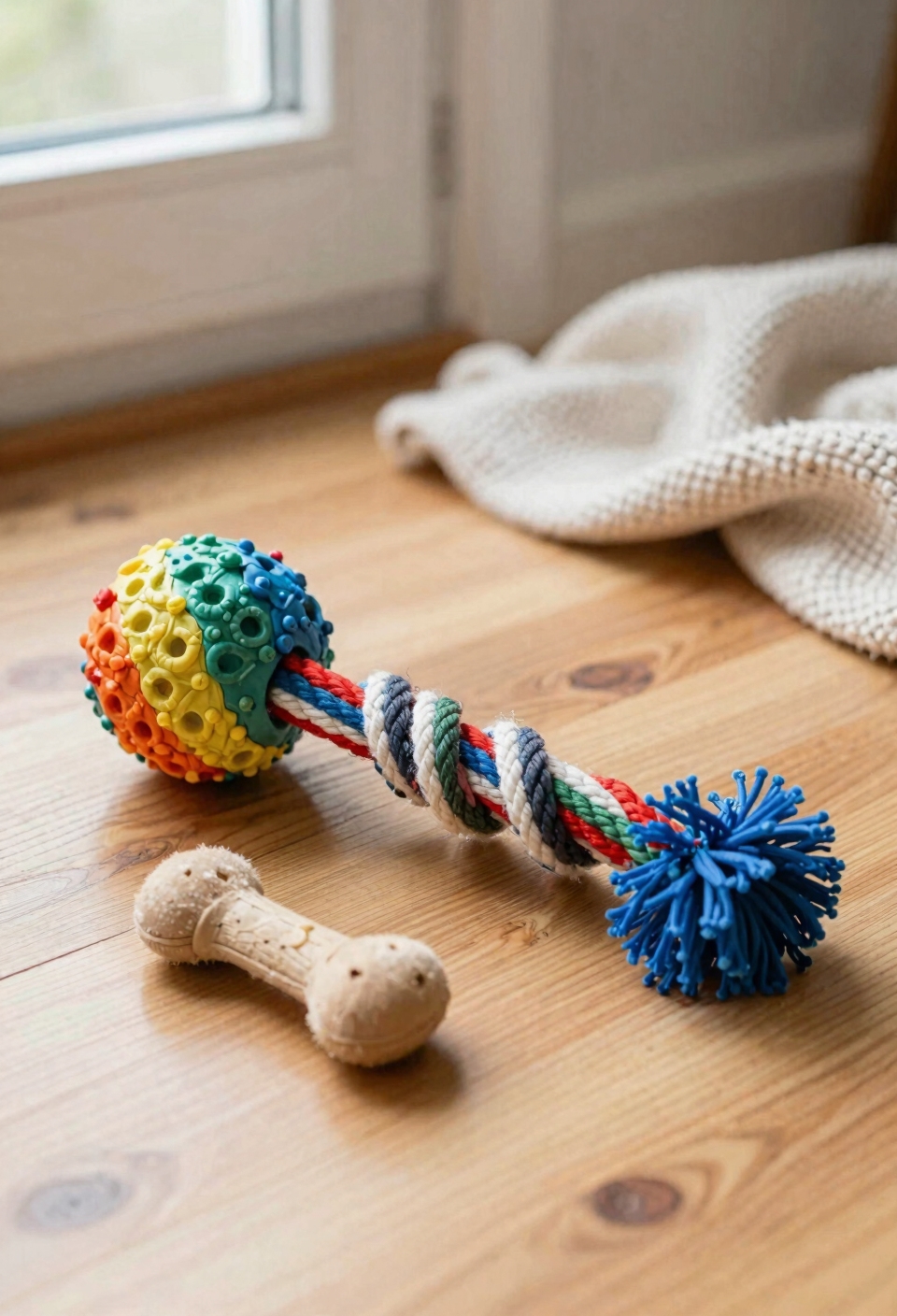
By actually getting down on the floor and playing alongside your pet, you’re basically telling them that this new toy or activity is way more interesting than whatever destructive thing they were doing before. I mean, think about it—when you join the play, you’re not just redirecting; you’re actively demonstrating that this is the move. You can use shared narration to keep things engaging, talking through what’s happening: “Oh wow, look how this ball rolls!” Your pet picks up on your enthusiasm instantly. All right, here’s where improv kicks in. You don’t need a script—just riff with them, follow their lead, make it spontaneous. That genuine engagement? It sticks way harder than tossing a toy and hoping for the best. Consider selecting toys with treat-dispensing features to maintain your dog’s interest during interactive play sessions and extend their engagement with the activity.
Recommended Products

[Treat Distribution] Our food dispenser has differently sized spheres at both ends. As dogs push the toy, it moves within a fixed area, allowing dogs to continuously chase and play with it. During movement, food is dispensed from the food holes on both sides of the toy.

RUBBER MATERIAL: HIPPIH treat dispensing dog ball is made of extra-tough rubber with good elasticity, good for your sweet dog grinding and fresh their teeth. ( Blue color-2.75 in, Green color-3.14 in, suitable for medium and large dogs. Not suitable for miniature small dogs, such as Yorkshire Maltese, etc) NOTE: The dog puzzle ball must be wider than your dog's mouth

Treat Dispensing Puzzle Toy for Dogs – This treat dispensing dog toy turns snack time into an interactive reward game. Fill the dog treat ball with kibble or small treats, then let your dog roll, chase, sniff, and work for the reward. Great for dog puzzle toy, puppy puzzle toys, interactive dog puzzles, and dog toys with treats inside for daily enrichment play.
When to Pair Redirection With Planned Ignoring
Now, all that enthusiasm you’re bringing to playtime works great for most situations, but I’m sure you’ve noticed that some misbehaviors are basically crying out for attention—your pet’s throwing a fit, barking at you, or doing something annoying specifically to get a reaction. That’s where planned ignoring comes in handy. You’ll want to pair it with redirection when attention-seeking behavior shows up, especially the repetitive stuff like constant grabbing or throwing. The trick is maintaining attention balance—you ignore the unwanted behavior completely while immediately redirecting to something appropriate. Caregiver consistency matters here; everyone handling your pet needs to follow the same timing cues so mixed messages don’t undermine progress. Once your pet engages with the better toy, that’s when you reward them. Toys with textured surfaces and flavoring encourage longer engagement periods, making them especially effective for holding your dog’s focus during redirection. It’s surprisingly effective.
Recommended Products

DURABLE, LONG-LASTING – Super chewer? Bring it on. Benebones are tougher than real bones and last for weeks.

Extreme Durability - Engineered as one of the most durable dog toys on the market
Textured Ring - Ridges and nubs help clean teeth and freshen breath
Toy Redirection Success: Act Early and Reinforce Often
When you’re watching your pet start to do something you’d really rather they didn’t—and I mean really watching, not just noticing out of the corner of your eye—that’s your golden window to redirect. Early intervention is everything here. The moment you spot that mischievous look, grab a toy and pivot their attention before frustration builds.
Now, consistency matters just as much. Every time your pet nails the redirected behavior, hit ’em with consistent praise. I’m talking enthusiastic reactions, treats, whatever works for your furry friend. You’ve got to reinforce success constantly so they actually learn what you’re after. Obviously, this takes patience, but honestly? Those early catches and solid follow-up praise sessions are what separate owners who succeed from those constantly chasing chaos. Treat-dispensing toys can turn that redirected attention into extended mental engagement, giving your pet a rewarding outlet that keeps destructive behaviors at bay.
Frequently Asked Questions
How Do I Know When My Child Is Ready to Learn From Redirection Versus Needing Containment First?
I’d watch for readiness cues like eye contact, following simple directions, and calm breathing. Your child’s developmental milestones matter too—toddlers under two often need containment first, while older kids typically benefit from redirection strategies.
What Should I Do if My Child Rejects Both Toy Choices I’ve Offered During Redirection?
I’d stay calm and offer alternatives that involve choice making. You might try a completely different activity, join the play yourself, or acknowledge their feelings while gently setting limits on the unwanted behavior.
How Long Does It Typically Take Before Toy Redirection Becomes an Effective Strategy With My Child?
Most children respond within 2-3 weeks of consistent practice. Like planting seeds, results aren’t instant—timing expectations vary greatly due to developmental variability. Your child’s age, temperament, and the behavior’s intensity all influence how quickly they’ll accept redirects.
Can Toy Redirection Work for Behaviors Driven by Sensory Needs or Only Attention-Seeking Behaviors?
Toy redirection absolutely works for sensory-driven behaviors. I’d match sensory substitutions to your child’s needs—like fidgets or textured toys. Attention alternatives work differently, so identifying what’s driving the behavior helps me choose the right redirect.
Should I Remove the Original Unsafe Item During Redirection or Leave It Accessible?
I’d recommend you remove access to the unsafe item initially, then keep it nearby once your child consistently engages with the safer alternative. This prevents regression while building the new habit.
Conclusion
Look, I’m sure you’ve noticed that redirecting with the right toy beats just saying “no” all day long. Now, the real magic happens when you catch the behavior early and keep reinforcing what works. I mean, you’re basically hitting two birds with one stone here—you’re stopping the bad stuff while building the good stuff. That’s how you strike while the iron’s hot and actually see lasting change.