As an Amazon Associate, we earn from qualifying purchases. Some links on this site are affiliate links at no extra cost to you. Our recommendations are based on thorough research and editorial judgment.

Training Aids for Puppies: What Works in the First 6 Months?

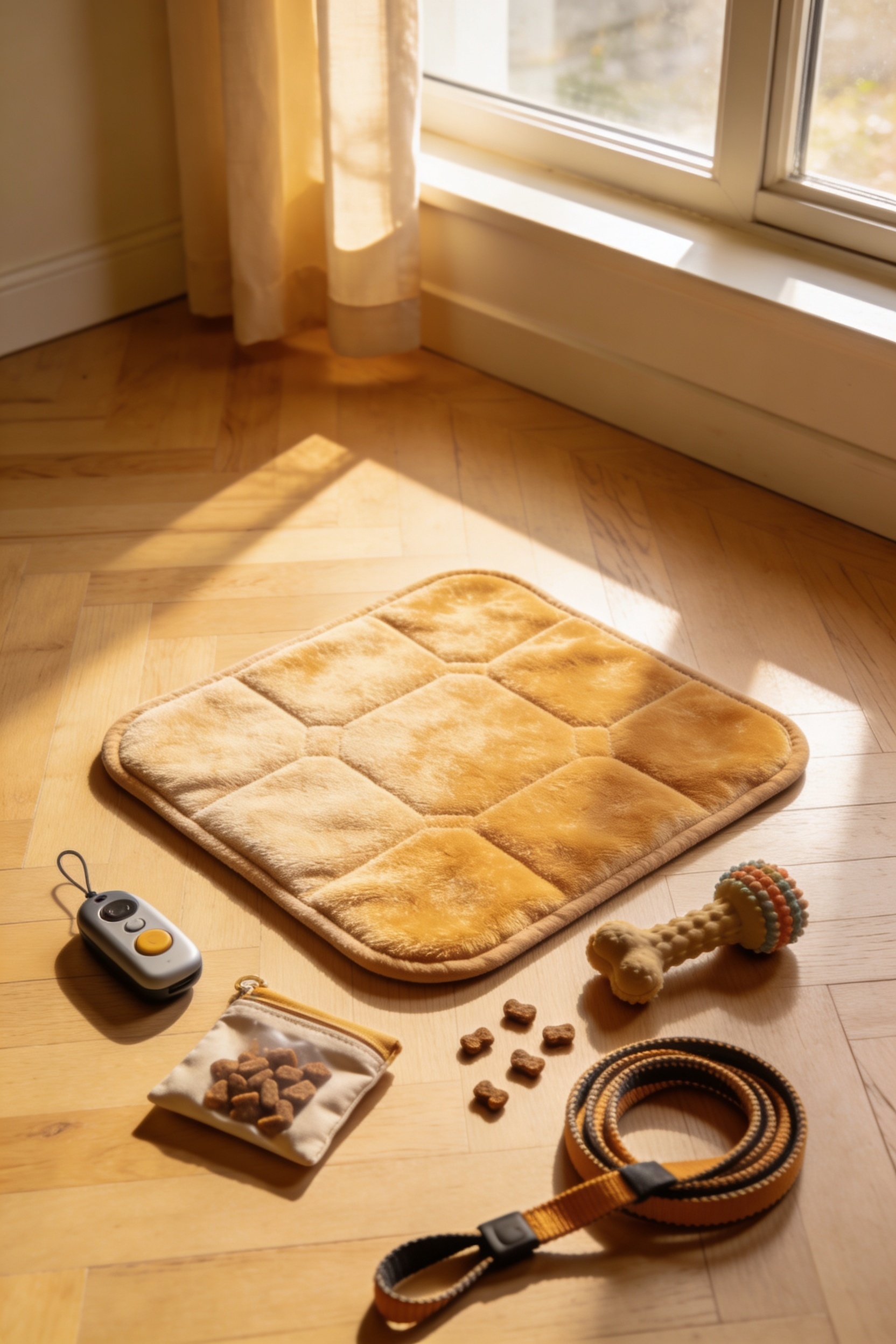
Look, you don’t need a starter kit—I’m sure you’ve noticed those things are basically junk drawers with price tags. What actually works? A lightweight collar for indoor training, a clicker for precise timing (seriously, it’s faster than your voice), enzymatic cleaners because accidents happen, and rotation-based toys to beat boredom without emptying your wallet. All right, the real magic happens when you pair crate training with a consistent potty schedule in that critical first week. Obviously your puppy’s success hinges more on your consistency than gear, but there’s definitely a smarter way to spend that budget—and we’ll break down exactly which aids earn their space.
Key Takeaways
- Clicker training provides precise timing for marking correct behavior, enabling faster learning through immediate reinforcement rather than corrections.
- Lightweight flat buckle collars and training leads allow puppies to drag leads during five-minute sessions without neck strain.
- High-value soft treats in a training pouch enable quick micro-rewards during 8–12 week training for effective reinforcement.
- Crate training during the first week establishes foundation; place crates centrally with soft bedding to create positive associations.
- Frozen Kongs and bonelets soothe teething gums at month four; rotate eight toys weekly with scent enrichment for engagement.
Should You Buy a Starter Kit or Build Your Own Setup?
You may be interested
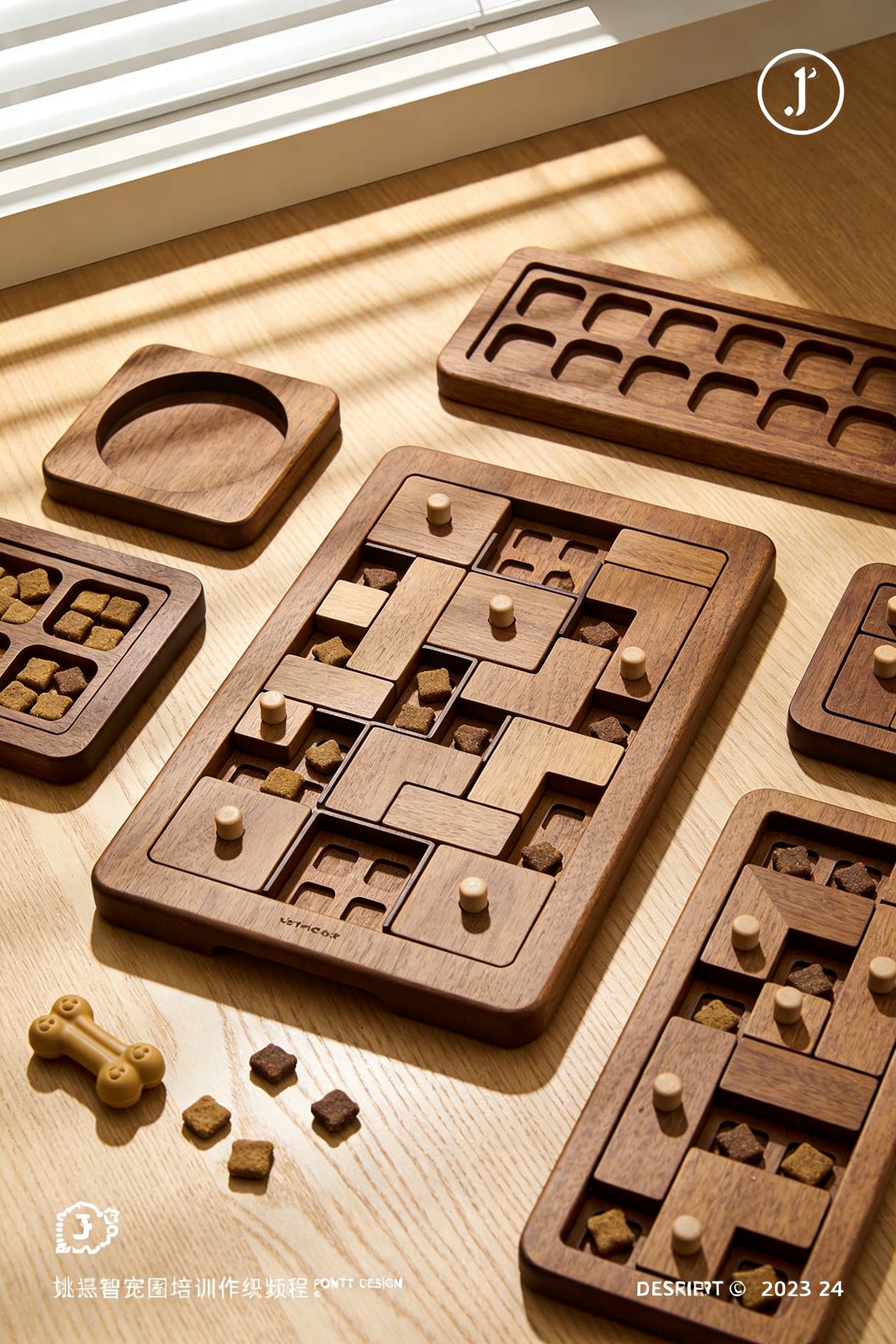
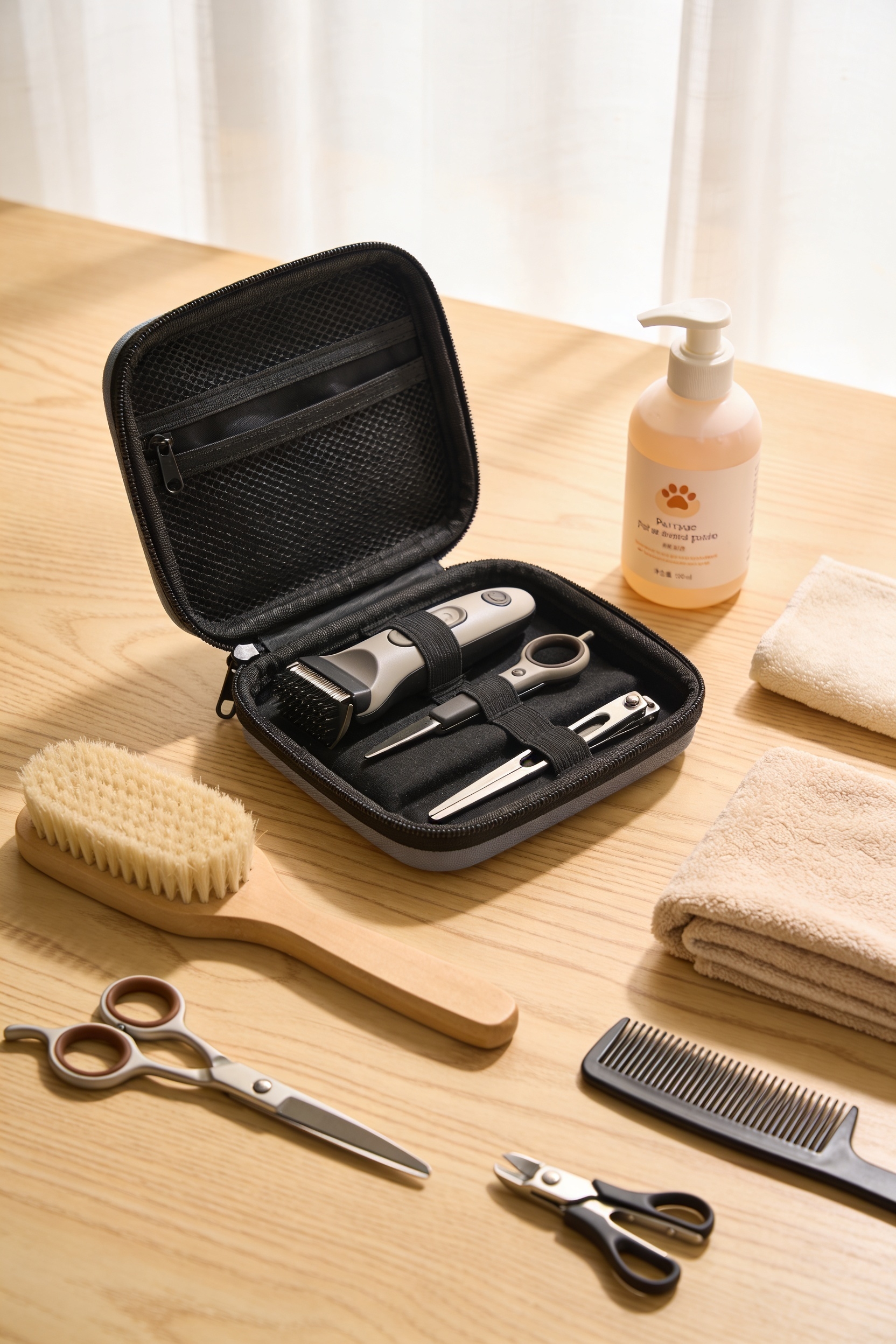

When you’re staring down those puppy starter kits online, you’ve basically got two paths: drop your money on a bundled package that promises to have everything you need, or pick and choose your own setup piece by piece. Here’s my honest take—starter kits sound amazing, but I’m sure you’ve noticed they’re often padded with stuff you’ll never use. Do a cost comparison between buying individually versus bundled, and you’ll frequently find the single items cheaper. That said, bundled packages save you from decision paralysis. All right, here’s what I’d do: create a customization checklist of what you actually need based on your puppy’s age and your living situation. Consider including essential gear like adjustable harnesses with dual D-rings to support proper training and control as your puppy grows. You’ll spend smarter that way, I promise.
Recommended Products
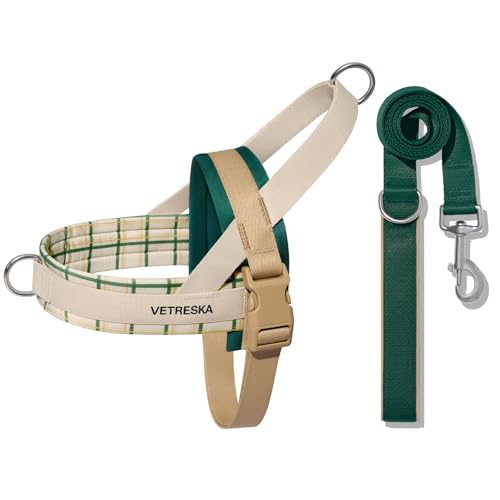
【Stylish & Comfort】The Santal Forest palette pairs creamy neutrals with a deep, tranquil green — understated, chic, and totally timeless. The subtle forest plaid accent gives just enough personality without shouting — perfect for pets (and people) with refined taste
![PHOEPET No Pull Dog Harnesses for Small Dogs Reflective Adjustable Front Clip Vest with Handle 2 Metal Rings 3 Buckles [Easy to Put on & Take Off] (S, Orange)](https://m.media-amazon.com/images/I/41wQgNalQdL._SL500_.jpg)
[UPDATED VESION, EASY TO PUT ON & TAKE OFF] This dog harness has 3 buckles( One is on the neck with Lockable, two are on the chest), NO NEED go through dog’s head. This will let your dog loves to wear harness!

Jacquard mesh lets pet have a wonderful summer:Jacquard fabric is a special knitted fabric, which is flexible, light, breathable, comfortable, three dimensional and soft. It has extremely high durability, tensile resistance, tear resistance and fusion resistance. It has the characteristics of moisture absorption and perspiration, creating dryness, giving pets an extraordinary wearing experience.
Crate Training: Your First Week Foundation
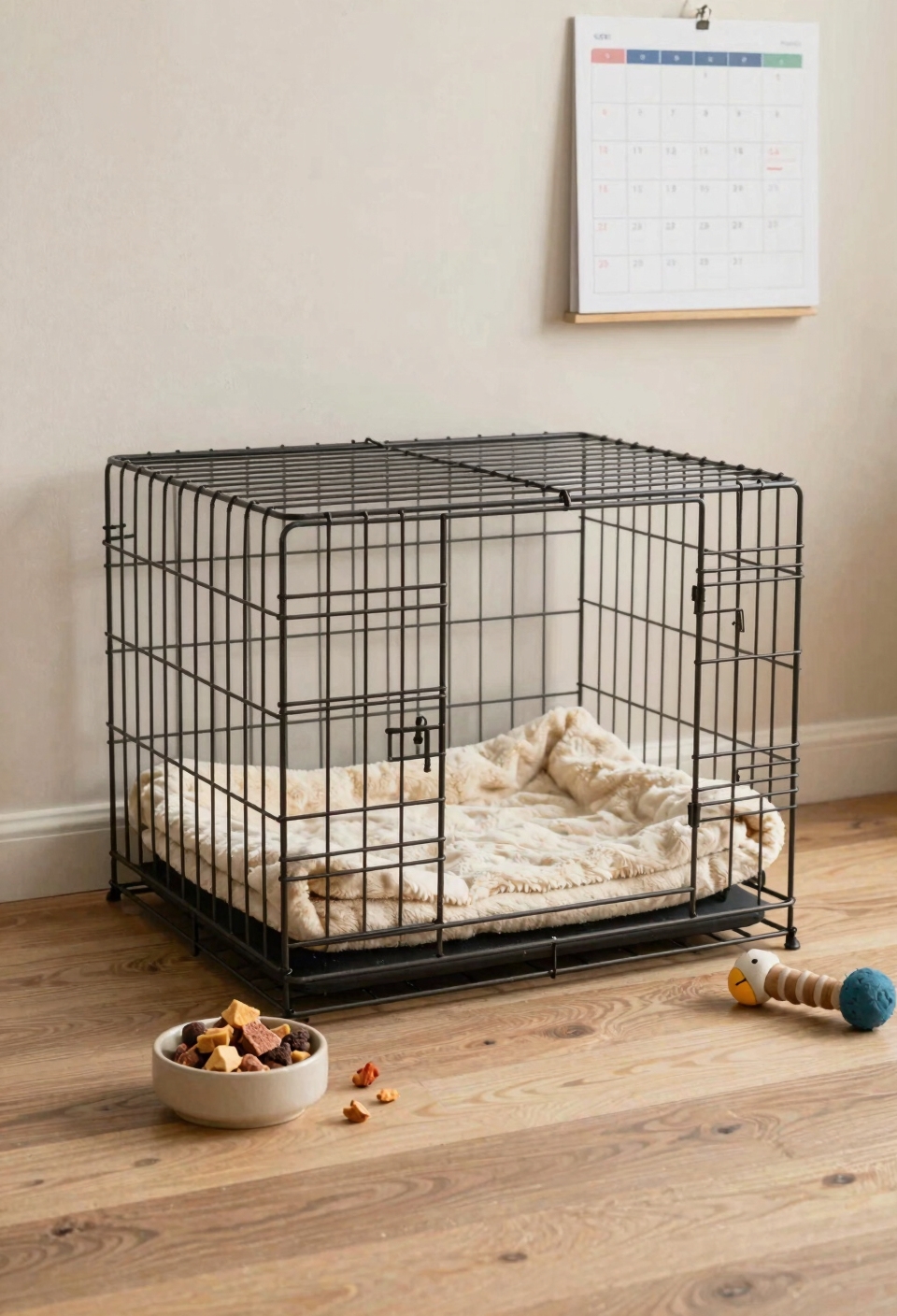
Since your puppy’s first week home is basically make-or-break for crate training, I’m not overstating it when I say this foundation matters big time. You’ll want to focus on crate comfort first—throw in soft blankets and a bed to transform that box into an actual den. Now, gradual confinement is where most people mess up. I mean, don’t just shove your puppy in there for hours. Start with five-minute stretches while you’re nearby, then gradually extend the time. Your puppy needs to associate the crate with good vibes, not punishment. Place it in your central living area so your pup doesn’t feel abandoned. Consider investing in a machine-washable crate mat designed with non-slip bottoms and supportive padding to enhance comfort and keep the mat securely in place during active movement. Honestly, nailing this first week sets you up for smoother training down the road.
Establishing a Potty Schedule Your Puppy Can Follow
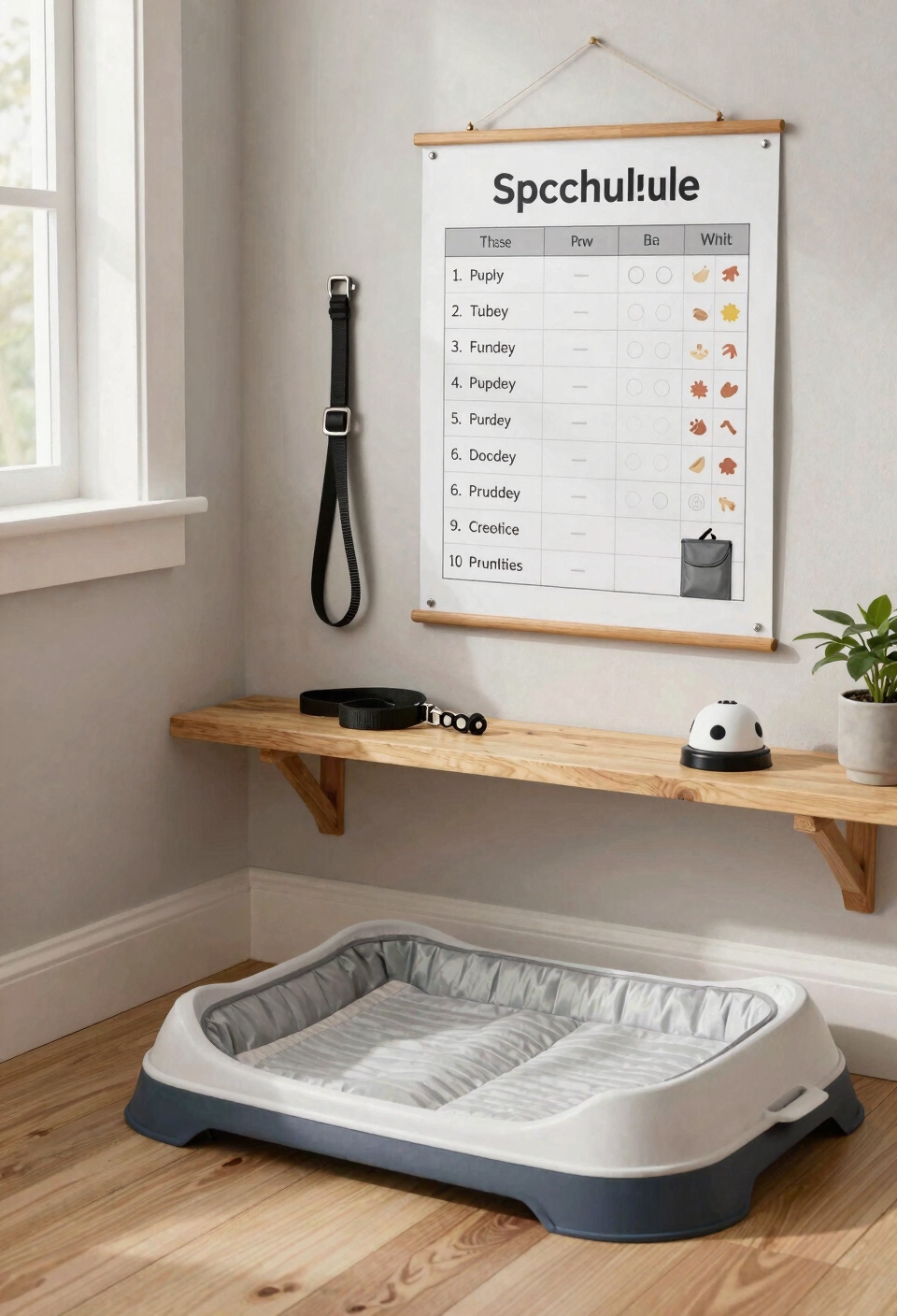
Now that you’ve got your puppy comfortable in their crate, here’s the thing—a dog that’s happy in their den is only half the battle. You’ve got to nail the potty schedule, and I mean really nail it.
Here’s what works: keep meals linked to bathroom breaks. Feed your pup at consistent times, then take them outside about fifteen minutes later. I’m sure you’ve noticed puppies are basically walking pee machines, right? Get nap synced with your schedule too—they’ll need to go immediately after waking up.
Watch for potty signals like sniffing or circling. Use scent cues by taking them to the same spot outside. The smell actually helps them remember what they’re supposed to do there. Consistency beats perfection every single time. Interactive toys and mental stimulation can also help tire out your puppy mentally, making them more receptive to establishing a potty schedule during their calmer periods.
Choosing a Collar and Leash for Indoor Work
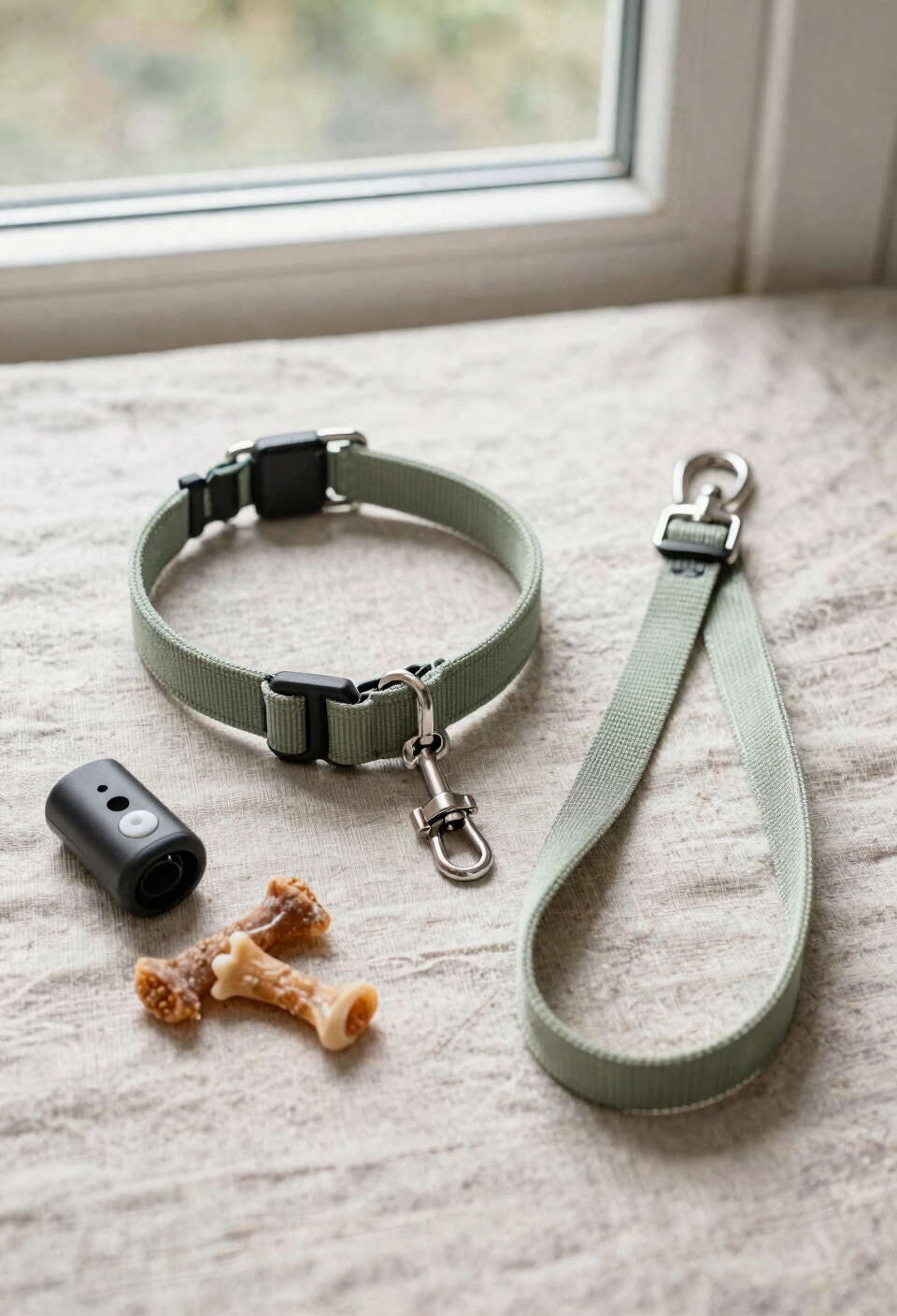
Grab yourself a flat buckle collar—I’m talking about the simple, no-frills kind without all those jingling tags—and you’re already ahead of the game for indoor training. Skip the fancy stuff and go lightweight. Your puppy’s neck is basically noodle-thin right now, so you don’t need anything heavy weighing them down.
Now, pair that with a lightweight training lead once they’ve adjusted indoors. Start with short practice sessions—I mean, like five minutes—before moving outside. Let your puppy drag the lead around first so they get comfortable with it. Then gradually take control.
All right, here’s the thing: if your puppy seems sensitive to collar pressure, consider an adjustable buckle or an indoor harness instead. Every pup’s different, and you know your dog better than anyone. For puppies that show signs of biting or chewing during training, soft mesh muzzles designed with breathable materials can provide a comfortable and safe option during controlled training sessions.
Recommended Products
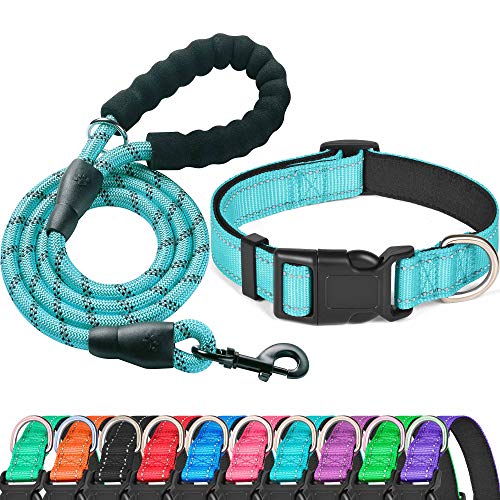
COMFORT: the Ladoogo dog collar is padded with soft neoprene. Extremely comfortable and breathable. Care your dog neck
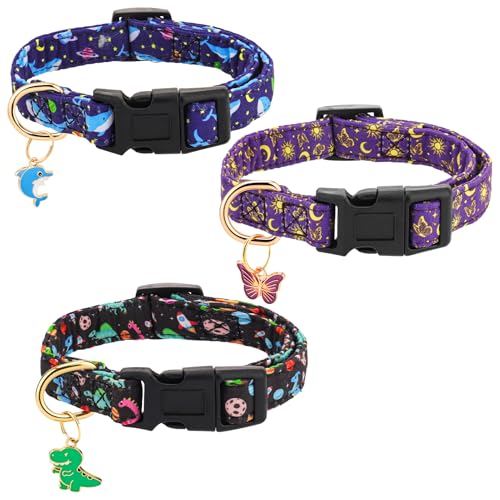
Premium Material: Made of soft and lightweight polyester and plastic buckle, ideal for large dog collars, soft and breathable.The dog collar has a flat alignment and the thread is not easy to take off and long lasting

Value Package: You will receive 12 pcs puppy id collars, 12 pcs adjustable dog collars with 12 pcs dog leashes, sufficient quantity and style to meet your different uses and replacements.
Enzymatic Cleaners and Accident Cleanup Protocol
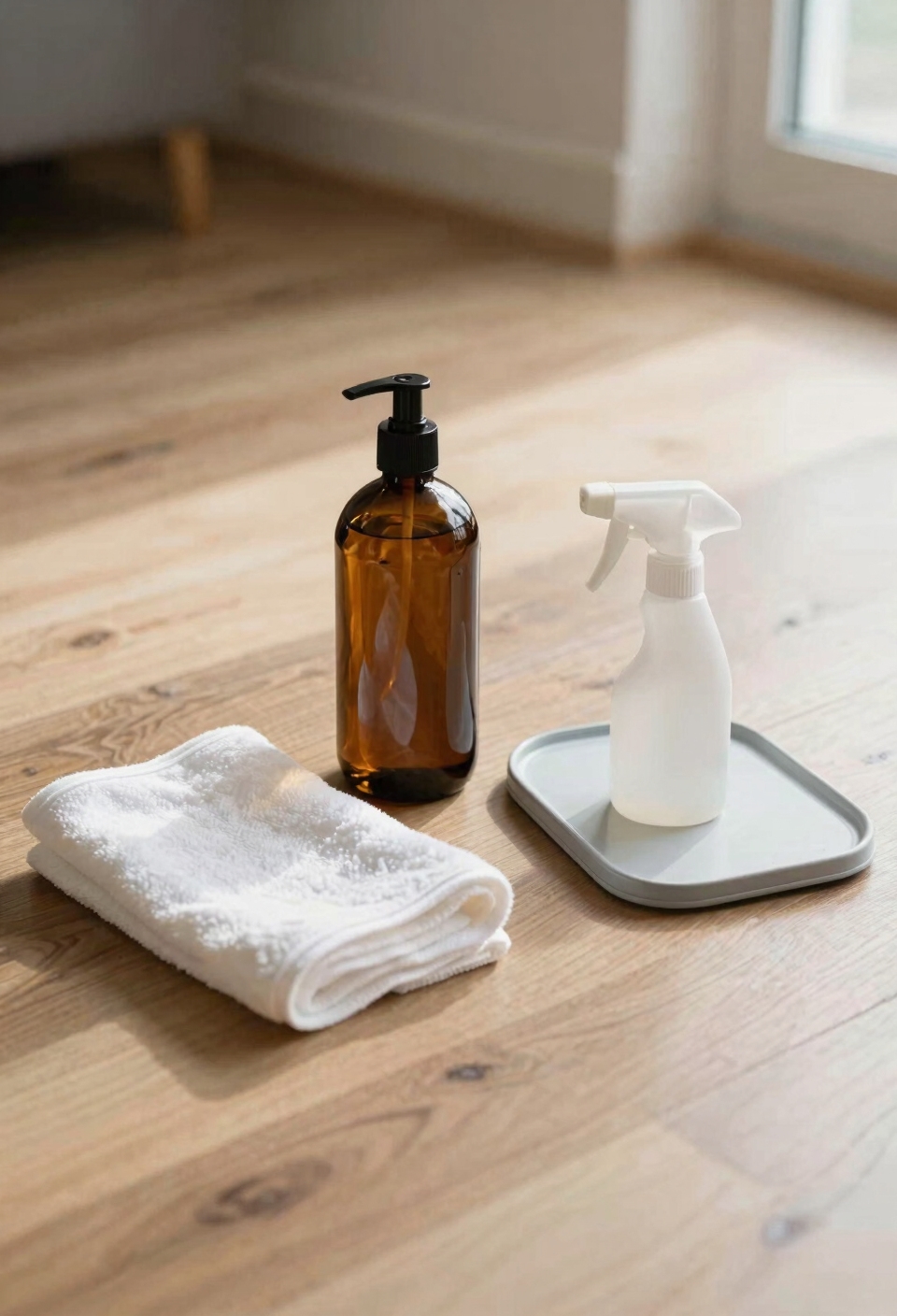
When your puppy inevitably has an accident—and I mean *when*, not if, because that’s basically part of the puppy experience—you’ll want enzymatic cleaners in your arsenal, not just paper towels and wishful thinking. I’m sure you’ve noticed that regular cleaners just mask the smell, right? That’s where enzymes come in. They actually break down the urine at a molecular level, which sounds fancy but basically means your puppy won’t keep returning to the same spot like it’s marked territory. All right, here’s the thing: you need those odor neutralizers specifically designed for biohazard disposal. For pet messes, enzymatic formulas excel at breaking down organic stains like urine and vomit that regular cleaners simply can’t handle. They’re your secret weapon against repeat accidents. Trust me, investing in the right cleaner now saves you from months of frustration later.
Recommended Products

Certified Gentle & Safe Pet Carpet Cleaner Solution: Chlorine free, color safe, no hazardous propellants or residue; safe to use around pets and children; certified safe for all carpets with a Seal of Approval by the Carpet and Rug Institute (CRI)

1. DESTROYS URINE ODORS THE FIRST TIME Urine elimination technology neutralizes and removes odors on contact for immediate freshness

Eliminates Stains, Odors, & Residue: If it’s gross, it’s gone; from blowouts, urine, vomit, and other organic spills; Rocco & Roxie stain & odor eliminator has a subtle Meyer lemon scent that quickly dissipates, leaving your space feeling fresher
High-Value Treats for Fast Learning Sessions
Once your puppy’s figured out the whole enzymatic-cleaner-prevention thing, you’re ready to actually *teach* them something, and that’s where high value treats become your best friend. I’m sure you’ve noticed that puppies aged 8-12 weeks have the attention span of, well, an 8-12 week old puppy. That’s why soft bites are essential—they break into tiny pieces so you can deliver micro rewards instantly when your pup nails a behavior. Grab a training pouch and fill it with small, breakable treats that’ll keep your puppy engaged through longer sessions without them getting full. Consider single-protein, hypoallergenic options like turkey tendon treats to minimize the risk of allergic reactions during intensive training. All right, here’s the thing: the better the treat, the faster your puppy learns. Obviously you want puppy-safe options, but don’t cheap out on quality. Your training success literally depends on it.
Recommended Products

Wellness Soft Puppy Bites Dog Training Treats, Natural, Grain Free, Lamb and Salmon Recipe, 8 oz Bag
GRAIN-FREE PUPPY TREATS: These bite-sized, soft puppy training treats are the perfect reward during training sessions or any time you want to thank your dog for good behavior. Puppy bites contain 6 calories per individual treat!

Highly Palatable with natural pork liver base

REAL CHICKEN FIRST: Baby BLUE Training Treats are made with delicious real chicken as the first ingredient, plus DHA for cognitive development, making them the ideal reward for your puppy’s best behavior
Teething Toys That Actually Work at Month 4
Now, here’s where things get real—around month 4, your puppy’s adult teeth start pushing through and suddenly those high-value treats aren’t cutting it anymore because your pup’s too busy being a tiny, furry chaos agent. I mean, you’re watching them gnaw on literally everything that isn’t nailed down.
All right, here’s what actually works: frozen bonelets are absolute lifesavers because the cold numbs sore gums while keeping your furniture intact. Grab some natural rubber toys too—they’re durable enough to withstand serious puppy power. I’ve noticed Kongs work great frozen, and rope toys give them something to really sink their teeth into without destroying your couch. For puppies under 6 months, it’s best to avoid oversized toys designed for power chewers and instead choose puppy-specific softer toys that won’t strain developing jaws.
Obviously, rotate these toys so your pup stays interested. Trust me, a bored teething puppy’s basically a tiny wrecking ball.
Recommended Products

Exciting Toy Variety: This set includes 20 cute and fun toys, perfect for puppies and small dogs. With a variety of options, including rope toys, a treat dispenser ball, rubber toothbrush bone toy, tug of war toy, a pacifier toy, and teething rings, your furry friend will never get bored.

Assorted Puppy Toys: 9 pack luxury set for small dogs, including 3 cute plush squeaky toys, 3 rubber chew toys, 2 tough rope toys, 1 extra dog bag rolls. Designed specifically and great size for small dog

Super Luxury Puppy Toys for Teething Small Dogs: There are 25 pack of 8 various rope toys, 5 squeaky plush toys, 5 natural rubber toys, 1 treat ball, 5 dog bag rolls and 1 holder. Great size for small puppy and just pay less to get more than others
Using Baby Gates to Supervise Safely
Here’s the thing about baby gates—I’m sure you’ve noticed that the second you turn your back on a teething four-month-old, they’re either eating your baseboards or investigating the cat’s litter box like it’s a five-star restaurant.
Baby gates are basically your secret weapon for supervised shifts between safe spaces. I mean, they create visual barriers that let your puppy see what’s happening without actually destroying it. You can confine them to puppy-proofed areas while still keeping tabs on them, which honestly saves your sanity and your furniture.
The key is strategically placing gates where you can observe your pup. Obviously, you’re not locking them away; you’re managing their environment while they’re learning boundaries. For puppies under six months, remember that maximum crating durations should stay around 3–4 hours to prevent accidents and stress. It’s independence training without the chaos.
Clicker Training: Why Timing Beats Corrections
If you’ve ever tried to correct a puppy mid-chaos—you know, that split second when they’re about to eat something they shouldn’t—you’ve probably realized that timing’s basically impossible, and your puppy’s already moved on to the next disaster anyway.
That’s where clickers come in. Here’s the deal: a clicker provides marker timing so precise that your puppy instantly understands exactly what they did right. I mean, your voice is slower than your puppy’s brain. The click happens, and boom—instant reinforcement follows immediately. Your puppy connects the dots perfectly every single time.
All right, obviously this beats corrections. You’re not punishing confusion; you’re celebrating wins. Puppies learn faster when rewarded than scolded, and clicker training proves it works. This principle is the same reason durable chew toys with immediate positive reinforcement create better engagement than punishment-based approaches.
How to Rotate Toys Without Losing Puppy Interest
You’ve probably noticed that your puppy gets bored with the same toy about as fast as you get bored scrolling through the same social media feed—which is to say, pretty darn quick. That’s where toy rotation comes in handy.
Here’s my strategy: I keep about eight toys total and rotate them weekly. When you put toys away for a bit, they feel brand new when you bring them back. I’m sure you’ve noticed your pup gets way more excited about the “new” toy than the one that’s been sitting out all week.
Now, add scent enrichment into the mix. Rub a toy with a treat or your hands before reintroduction. Your puppy’s brain basically short-circuits—suddenly that old rope toy smells like adventure again. It’s honestly the simplest hack for keeping engagement high without buying toys constantly. Combining rotation with treat-dispensing puzzles ensures your puppy receives sustained mental stimulation even as novelty wears off individual toys.
Frequently Asked Questions
At What Age Can Puppies Safely Wear Collars and Leashes Without Harming Their Development?
I’d recommend starting collars indoors around 8 weeks, then introducing lightweight harnesses outdoors. Watch for behavioral indicators and growth plates’ development. Socialization timing matters—progress gradually as your puppy matures physically.
How Do I Transition My Puppy From Potty Pads to Outdoor-Only Bathroom Habits Successfully?
I’d shift your puppy by combining crate training with gradual tethering outdoors. Start taking them out frequently after meals and naps, gradually reducing pad usage indoors while rewarding outdoor success consistently with treats and praise.
Which High-Value Treats Work Best for Puppies With Sensitive Digestive Systems or Allergies?
Limited ingredient treats truly triumph for sensitive stomachs. I’d recommend novel protein snacks—venison, duck, or rabbit—that break beautifully into tiny pieces. They’re perfect for extended training sessions while keeping digestive distress at distance.
Can Clicker Training Be Combined With Other Training Methods, or Should It Be Exclusive?
I’d recommend blended methods—clicker training works excellently alongside positive reinforcement techniques. You’ll find marker reinforcement complements verbal praise and treats naturally, creating a thorough approach that strengthens your puppy’s learning without exclusivity constraints.
How Often Should I Replace Worn Chew Toys to Maintain Safety and Hygiene Standards?
I’d recommend replacing worn chew toys every 2-4 weeks depending on your puppy’s chewing intensity. I conduct weekly hygiene checks for tears, loose pieces, or bacteria buildup that could compromise safety and cleanliness.
Conclusion
Look, I’m sure you’ve noticed your puppy’s basically a tiny chaos agent for those first six months. All right, here’s the thing: you don’t need every gadget on the planet. A crate, some enzymatic cleaner, a clicker, and patience’ll get you there. Now, aren’t you curious how much easier training becomes once you’ve nailed that foundation? You’ve got this.