As an Amazon Associate, we earn from qualifying purchases. Some links on this site are affiliate links at no extra cost to you. Our recommendations are based on thorough research and editorial judgment.


Puzzle Toys for Cats: Do They Work the Same Way?

Puzzle toys work for cats, but here’s the thing—they’re not mini dog toys. You’re not just keeping your cat entertained (though that happens). I mean, you’re tapping into their hunting instincts, slowing down speed-eaters, and actually getting them moving when they’d otherwise nap all day. The catch? You’ve got to match the puzzle to your cat’s personality. Frustrated cats just walk away, which defeats the whole purpose. Get the introduction right, though, and you’ll unbolt some seriously impressive results.
Key Takeaways
- Puzzle toys tap into cats’ natural hunting instincts, transforming passive feeding into active foraging-like challenges that engage cognitive processes.
- Different puzzle types suit different cat personalities: stationary multi-mechanism boards for thinkers, mobile rolling puzzles for high-energy zoomers.
- Gradual introduction starting with basic dispensers prevents frustration; progressive complexity builds confidence and encourages sustained engagement over time.
- Puzzle feeding slows eating pace, reduces regurgitation risk, and increases calorie expenditure, supporting weight management when portions stay consistent.
- Regular inspection for loose parts, safe materials, and germs is essential; supervision during playtime minimizes choking and ingestion risks.
Why Puzzle Toys Help Cats
You may be interested

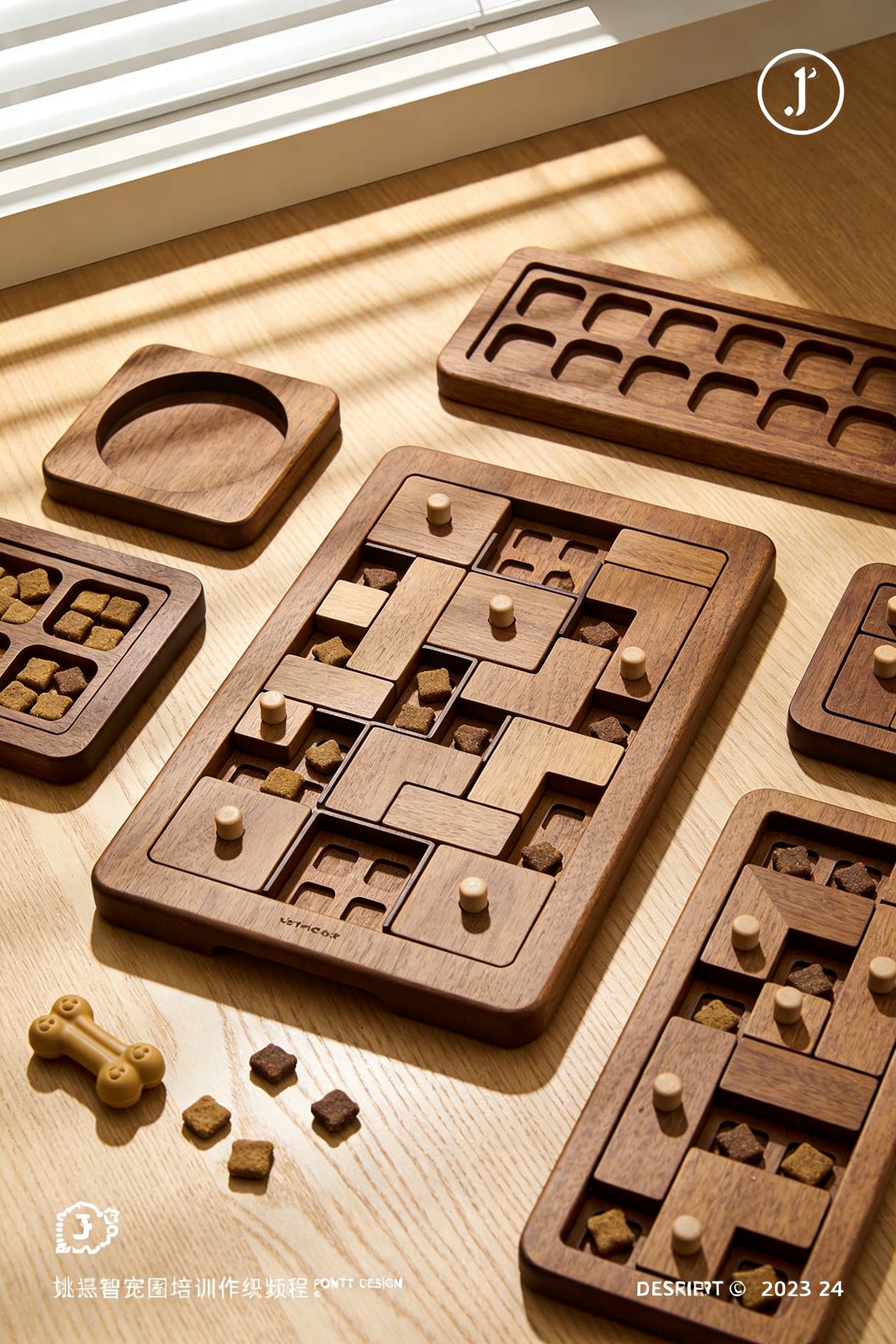
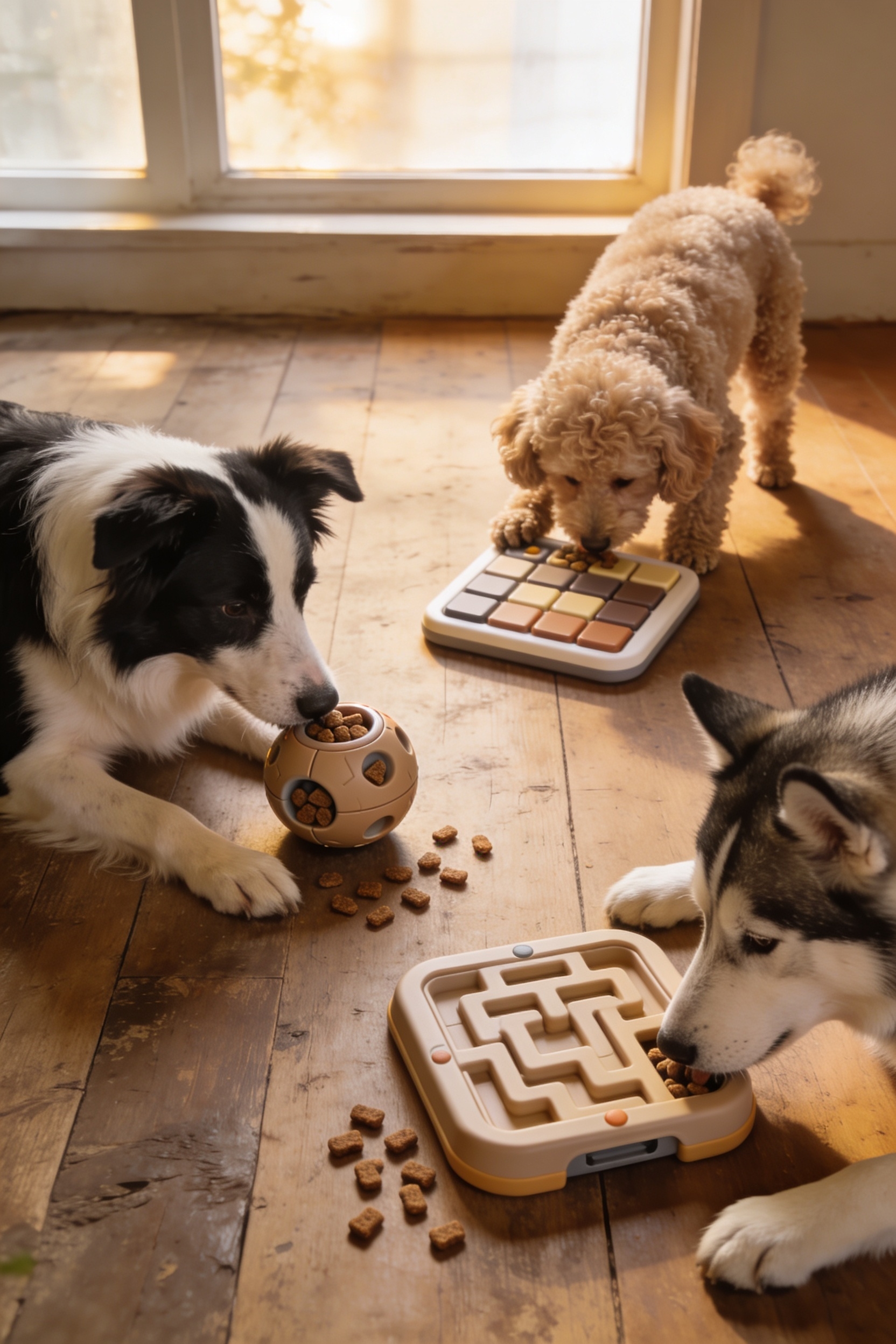
I’m sure you’ve noticed that cats can be weirdly lazy one minute and absolutely bonkers the next—and honestly, a lot of that comes down to boredom. Puzzle toys fix that by turning feeding time into an actual activity. You’re not just plopping food in a bowl; you’re giving your cat a job to do. When cats work for their meals, they’re tapping into their natural hunting instincts, which feels way more satisfying than passive eating. This kind of sensory enrichment keeps their brains sharp and their bodies moving. Plus, puzzle toys let your cat engage in territory marking and foraging behaviors they’d normally do outside. I mean, you’re basically giving them permission to be the tiny predators they think they are. That’s pretty powerful stuff for indoor cats. Research shows that sound and movement elements like squeakers and rattles in interactive toys are particularly effective at triggering these natural hunting responses and extending engagement periods.
How Puzzle Toys Slow Down Fast Eaters
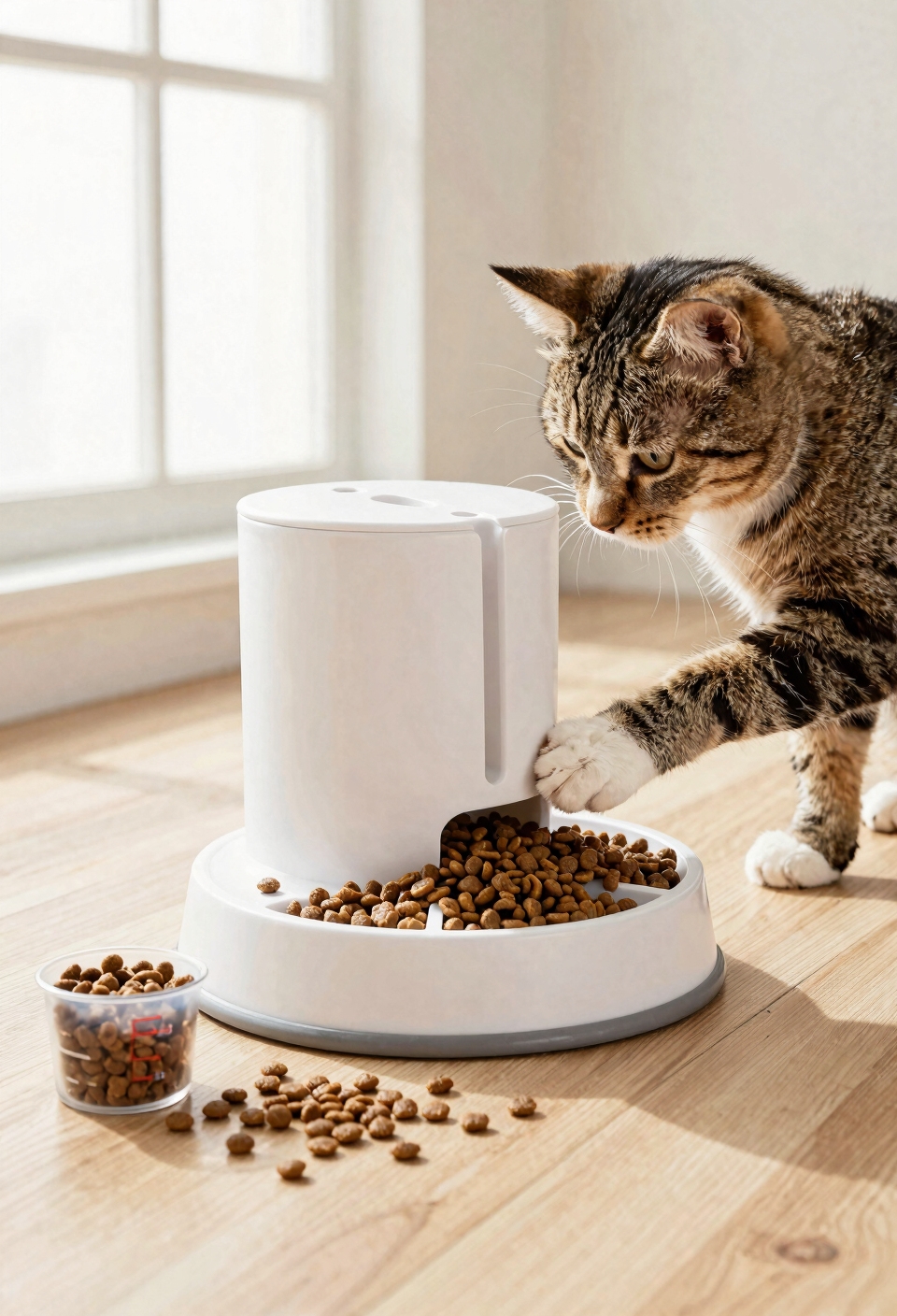
If your cat inhales her food like she’s competing in some kind of speed-eating championship, you’re not alone—and honestly, it’s kind of a problem. Fast eating can trigger regurgitation or vomiting, which nobody wants to clean up. That’s where puzzle toys become your secret weapon.
Here’s the thing: puzzle toys force your cat to work for every bite, which automatically slows meal pacing. Instead of scarfing down a bowl in thirty seconds, she’s now pawing, flipping, and problem-solving her way through dinner. I’m sure you’ve noticed how this takes actual time.
Now, here’s the important part—when you’re using puzzles for meals, you’ll need to adjust portion control. You’re not adding extra food; you’re just making the existing amount harder to access. It’s brilliant, really. Similarly, interactive toys with multiple play modes provide mental stimulation that can reduce stress-related eating behaviors in cats.
Puzzle Toys for Mental Stimulation or Active Play?
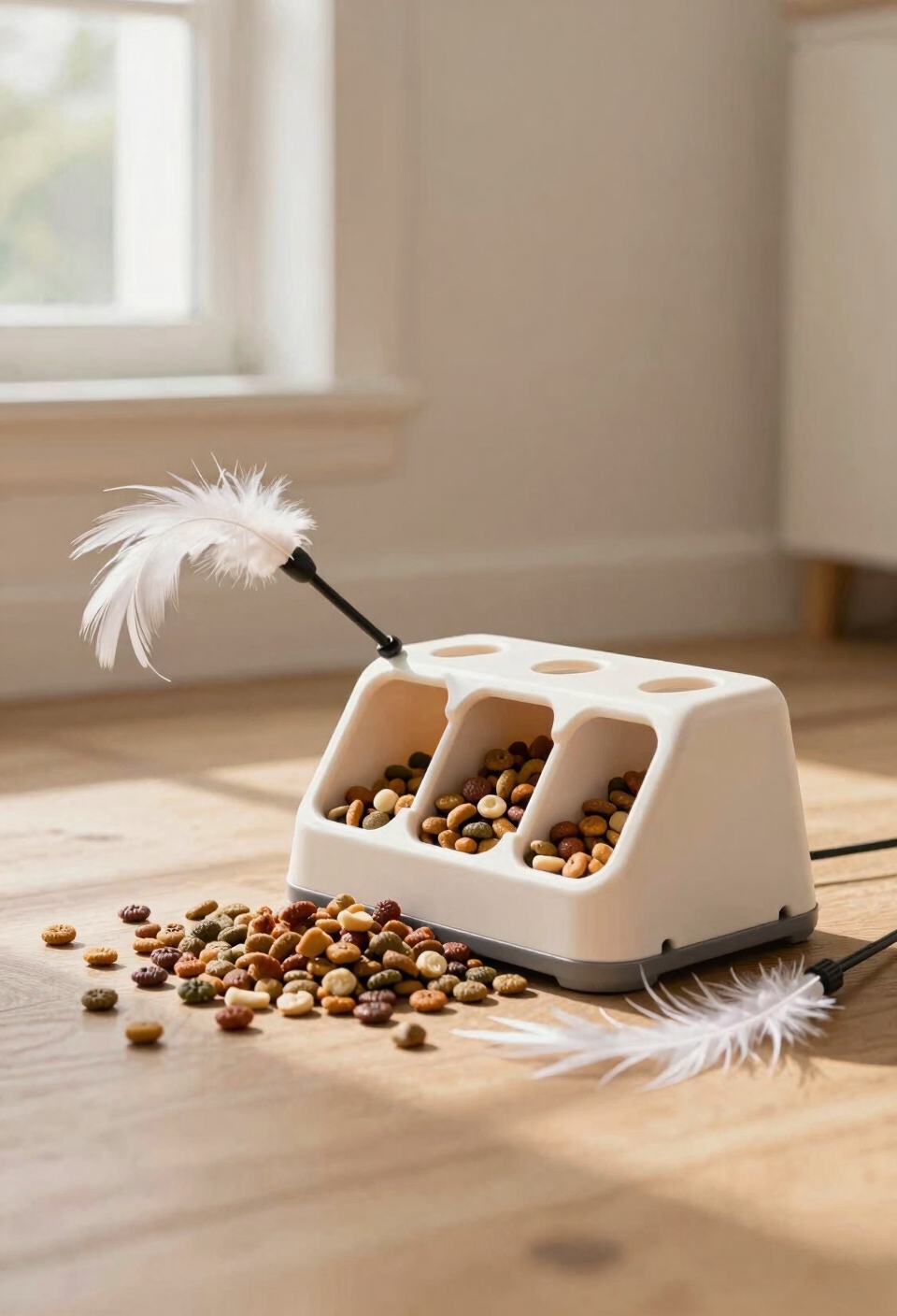
Now that we’ve covered how puzzle toys slam the brakes on speed eaters, there’s actually another whole side to these things—and it’s just as important, maybe even more so. I’m sure you’ve noticed that cats get bored—like, *really* bored. That’s where the mental stimulation kicks in. All right, so puzzle toys aren’t just about slowing down meals; they’re problem-solving challenges that keep your cat’s brain firing. You’re basically turning feeding time into a mini hunt, which taps into their natural instincts. Some designs demand serious effort—sliding, spinning, flipping—and that sensory enrichment? It reduces stress and anxiety. Even better, if you’ve got multiple cats, certain puzzles encourage social interaction and cooperative play. Like treat-dispensing toys such as the Starmark Bob-A-Lot, many puzzle designs reward cats during play to deepen engagement. Obviously, a mentally tired cat’s a happier cat.
Weight Management and Indoor Inactivity
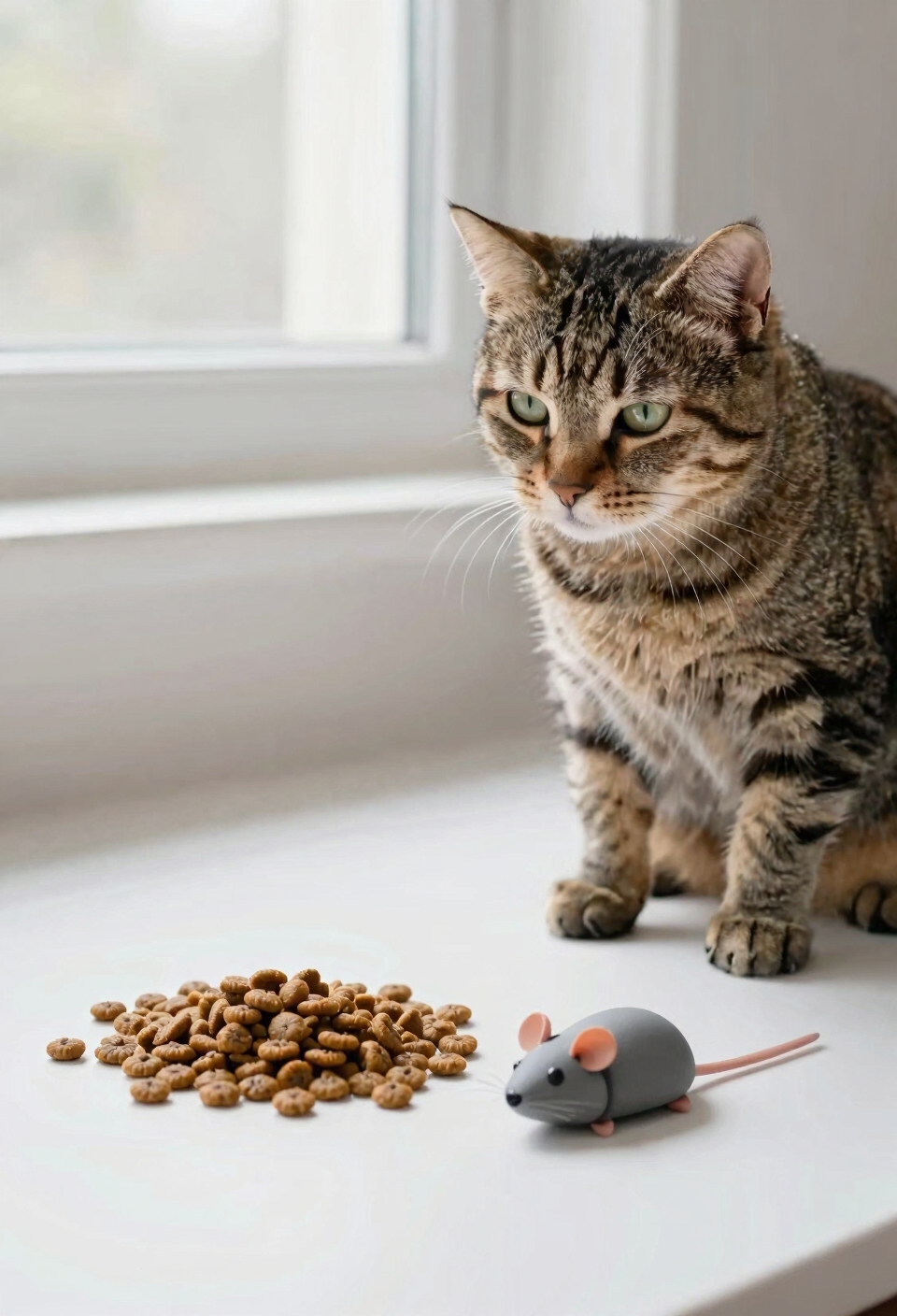
Since indoor cats basically spend half their day napping and the other half judging you from the windowsill, weight management isn’t exactly optional—it’s kind of essential. I’m sure you’ve noticed that puzzle toys transform meals into actual *work*, which means your cat’s burning calories while eating instead of just… eating. Now, here’s the thing: portion control matters big time. You’ve gotta reduce your cat’s regular food amount when you’re using puzzles for meals, or you’re basically just adding extra snacking on top of everything else. All right, throw in some play schedules around puzzle time, and you’ve got yourself a solid weight-loss strategy. To maximize effectiveness, schedule two play sessions per day during your cat’s natural energy peaks at dawn and dusk. Obviously, it won’t replace a vet visit, but it definitely helps indoor cats stay active and lean.
Best Puzzle Toys for Mental Stimulation or Activity
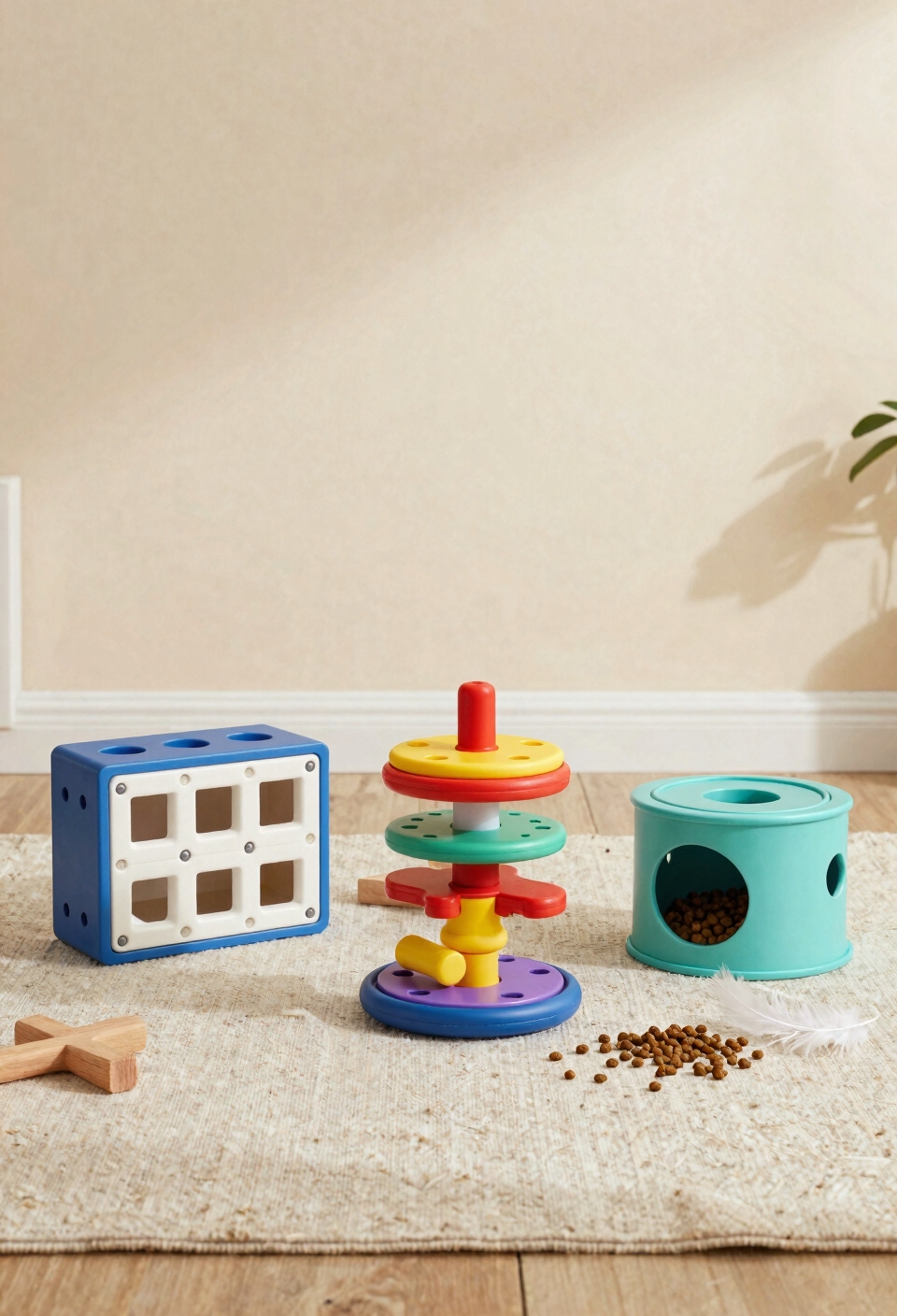
Beyond just trimming your cat’s waistline, though, you’ve probably realized that the real magic of puzzle toys is what they do for your cat’s brain. I’m sure you’ve noticed how a bored cat turns into a little furry chaos agent, right? That’s where the heavy-hitters come in. Multi-mechanism boards with sliding drawers and flaps? Those keep your cat genuinely thinking. Rolling puzzles work great if your cat’s the chase-and-bat type—basically a gym membership disguised as dinner. Now, here’s the thing: you don’t need fancy store-bought gear. DIY puzzles using toilet paper tubes or egg cartons actually deliver solid mental stimulation. Scent games—hiding treats around the house—tap into your cat’s hunting instincts like nothing else. Similar to how treat-dispensing puzzles provide foraging and problem-solving benefits for dogs, these interactive methods increase mental stimulation in cats as well. The point is mixing it up keeps their brain firing on all cylinders.
Stationary vs. Mobile Puzzle Toys: Which Works Better?
How do you know which puzzle toy’s actually going to work for your cat—the one that sits there like a little food-dispensing monument, or the one that rolls around like it’s got a mind of its own?
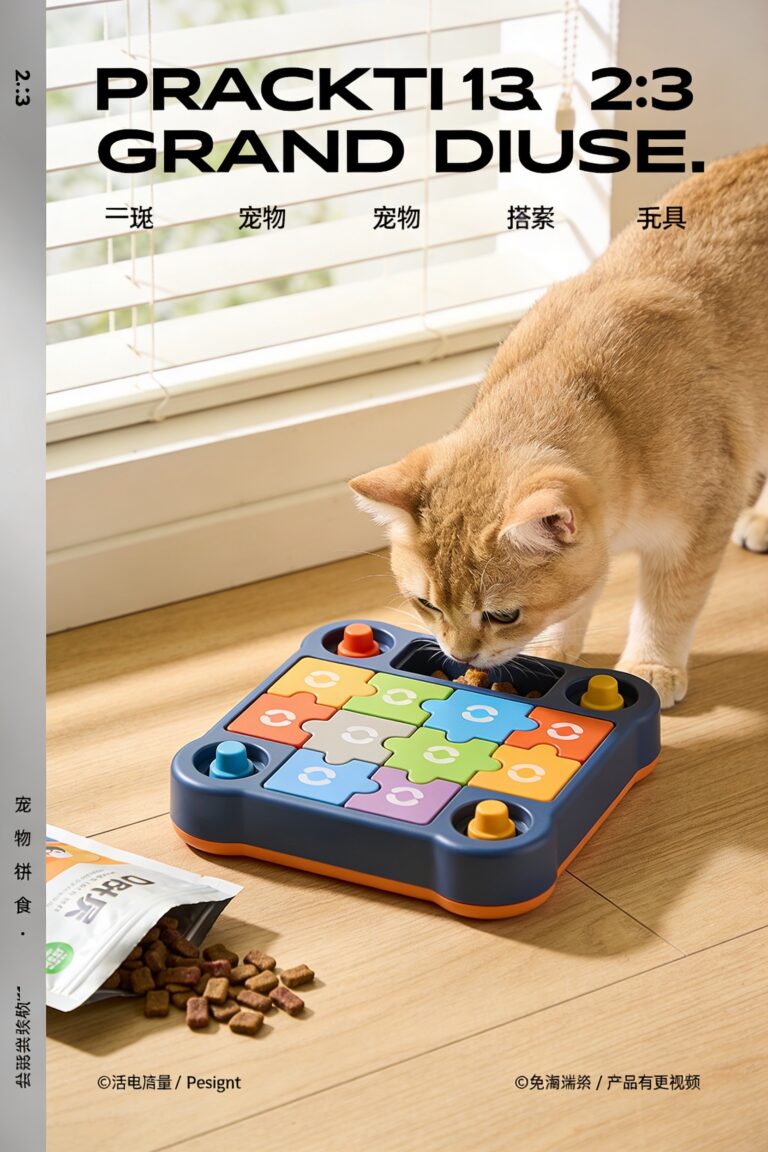
I’m sure you’ve noticed that different cats want different things. Stationary puzzles work great if your cat’s more of a thinker than a sprinter. They’re perfect for wet food and offer serious stationary customization with sliding drawers and compartments. Mobile puzzles, though? Those are built for the zoomers in your house. They demand mobile durability because your cat’s gonna bat them everywhere. Just like with other pets, regular toy inspection helps ensure your cat’s puzzle toy stays safe and engaging throughout its lifespan. Now, honestly, the best choice depends on your cat’s personality and energy level. Some cats thrive with both.
How Puzzle Toys Solved Real Cat Problems
Puzzle toys aren’t just cute little brain-teasers you buy to feel like a responsible pet parent—they’ve actually transformed real cats’ lives in pretty dramatic ways. I’m sure you’ve noticed that cats can get seriously grumpy with each other, right? Well, one published case showed that when two feuding cats started using food puzzles together, their constant bickering basically stopped. Talk about sibling reconciliation without requiring a family therapist.
Now, here’s the part that really got me: a 16-year-old cat who’d basically checked out of life lost nearly a third of her body weight after puzzle toys entered the picture. More importantly, she came back socially—senior re-engagement at its finest. She went from withdrawn to actually hanging out with younger cats. Obviously, that’s not guaranteed for every cat, but it shows you what’s possible. These foraging and puzzle enrichment tools work similarly to those designed for other small animals, encouraging natural problem-solving behaviors that keep cats mentally engaged and emotionally invested in their environment.
Safety Hazards to Avoid
While puzzle toys can work absolute magic for your cat’s weight and mood, there’s a flip side that honestly doesn’t get enough attention—safety. I’m sure you’ve noticed how cats attack toys with zero regard for consequences, right? Now, here’s the thing: loose parts, dangling strings, and small pieces create serious choking hazards that can land your cat at the vet’s office fast. Material toxicity matters too—you’ll want to check that paints and plastics are cat-safe before letting your furry friend go to town on them. Just as with bird toys, contaminated toys can harbor germs that may lead to infections in your pet. All right, the solution’s simple: inspect toys regularly, remove anything damaged, and always supervise playtime. Obviously, not every puzzle toy is built equally, so do your homework before buying.
Introduce Puzzles Without Frustration
Since your cat’s been living the kibble-bowl life their whole existence, jumping straight into an advanced puzzle toy can feel like asking someone to solve a Rubik’s cube before they’ve learned to tie their shoes. I’m sure you’ve noticed that frustrated cats just walk away—which defeats the whole purpose.
Here’s my approach: start with a slow introduction using simpler designs. I mean, you want your cat thinking “Hey, I figured this out!” not “This is impossible.” Gradually increase complexity once they’ve mastered the basics. Maybe week one is a basic treat dispenser, then week three you introduce sliding compartments.
All right, patience here really pays off. Your cat’s confidence builds, and honestly? Watching them succeed makes the whole enrichment thing actually work. Just like dogs benefit from mental stimulation and reducing boredom, cats thrive when puzzle toys are introduced at the right pace for their skill level.
Frequently Asked Questions
Can Puzzle Toys Help Reduce Aggression or Conflict Between Multiple Cats in the Same Household?
Yes, puzzle toys can help reduce aggression between cats. I’d recommend them for territorial mitigation and redirected play, which support social facilitation while minimizing hierarchy signaling conflicts during feeding time.
Should I Reduce My Cat’s Regular Food Portions When Using Puzzle Toys for Meals?
Yes, you should reduce portions when using puzzle toys for meals. I’d monitor your cat’s weight, adjust timing as needed, and consult your vet to guarantee you’re feeding the right amount while preventing overfeeding.
Are Puzzle Toys Suitable for Senior Cats With Limited Mobility or Arthritis?
Yes, puzzle toys work well for senior cats. I’d recommend gentle puzzles and arthritis-friendly feeders that require minimal movement. Stationary designs work best—they’re easier on joints while still providing mental stimulation and enrichment.
How Often Should I Rotate or Change Puzzle Toys to Maintain My Cat’s Interest?
I’d rotate puzzles weekly swaps to combat feline boredom—because cats aren’t satisfied with the same old toy. Seasonal variation keeps novelty fresh; I alternate between stationary and mobile designs monthly for sustained engagement.
Can Puzzle Toys Be Used for Cats With Specific Dietary Needs or Medical Conditions?
Yes, I’d recommend puzzle toys for medical conditions with veterinary consultation. You’ll want strict portion control to manage calories, medications, or digestive issues while maintaining enrichment benefits safely.
Conclusion
Look, I’m sure you’ve noticed your cat’s bored out of their mind, right? Here’s the thing—puzzle toys actually work. My buddy Sarah’s chunky tabby dropped two pounds in three months using a simple treat-dispensing ball daily. Now he’s actually moving around instead of napping on the fridge. You don’t need anything fancy; just something that makes your cat think and move. That’s honestly it.