As an Amazon Associate, we earn from qualifying purchases. Some links on this site are affiliate links at no extra cost to you. Our recommendations are based on thorough research and editorial judgment.
Level 1 vs. Level 3 Dog Puzzles: A Complete Breakdown

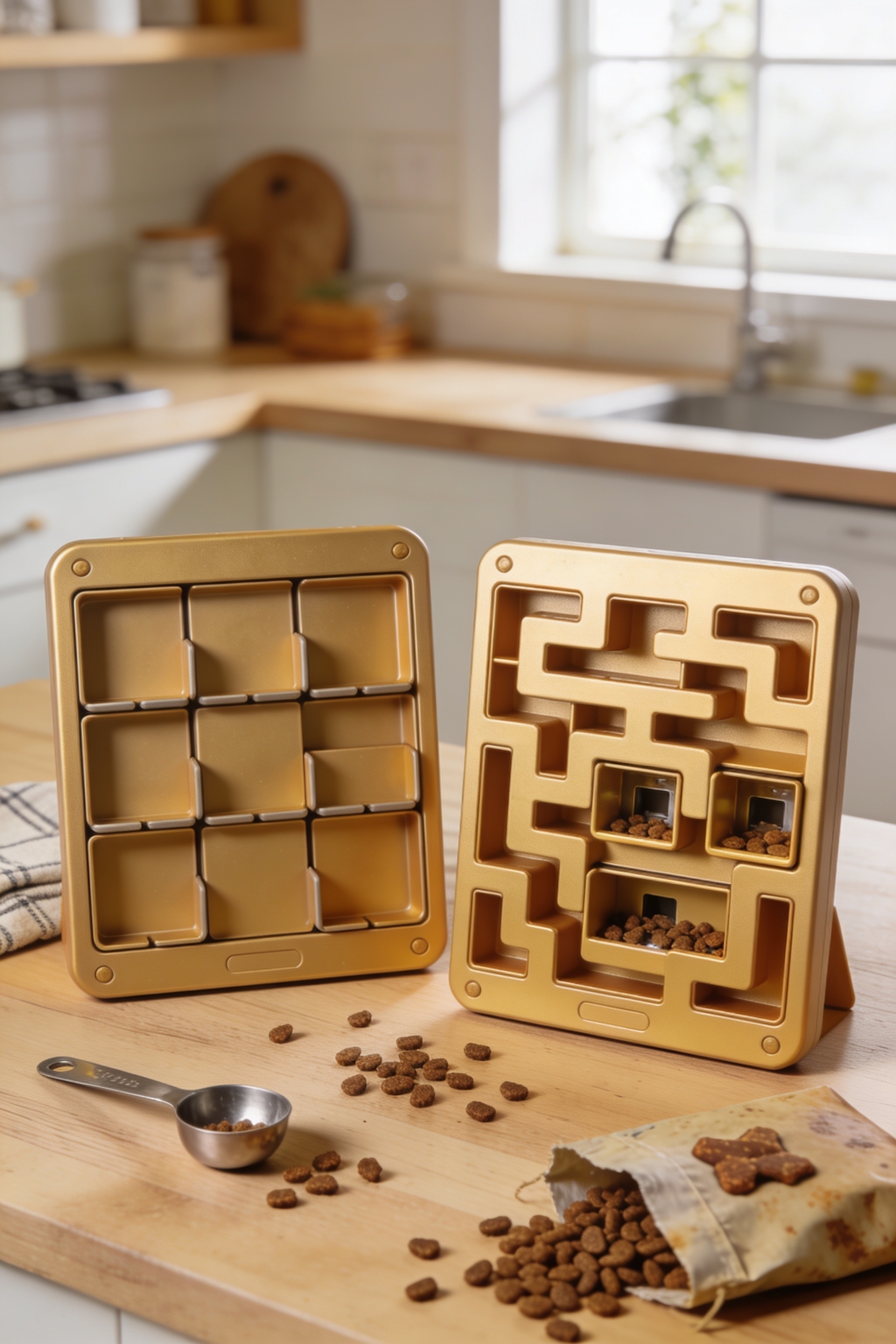
I’m sure you’ve noticed not every dog puzzle works the same way. Level 1‘s basically one nudge and boom—treat falls out, your pup wins instantly and gains confidence fast. Level 3? That’s the real deal—multiple steps, hidden compartments, serious mental gymnastics. Honestly, throwing your dog a Level 3 brain-bender before they’ve conquered Level 1 is like asking someone to run a marathon after their first jog. The secret is matching the puzzle to where your dog actually is, and there’s definitely more strategy involved than most folks realize.
Key Takeaways
- Level 1 requires one simple action to release treats; Level 3 demands multiple sequential steps like sliding, lifting, and searching compartments.
- Level 1 provides immediate rewards building quick confidence; Level 3 extends reward timing, delivering sustained mental stimulation for advanced learners.
- Level 1 uses straightforward sensory cues; Level 3 features layered, complex scents with less visible treats requiring greater persistence.
- Ensure mastery of Level 1 before progressing; introduce Level 2 as intermediate step to prevent frustration at Level 3.
- High-drive dogs suit Level 3’s sustained challenges; cautious dogs benefit from Level 1 wins to build confidence before advancing.
What Makes Level 1 and Level 3 Puzzles Different
You may be interested

All right, so here’s the thing—when you’re standing in front of a wall of dog puzzles at the pet store (and I mean, who knew there were this many?), the difference between Level 1 and Level 3 isn’t just about slapping a higher number on the box.
Level 1 puzzles give your dog one simple action to open a treat. You nudge something, it moves, boom—reward. The sensory cues are straightforward, and the reward timing is basically immediate. Your dog figures it out in seconds, which honestly builds confidence.
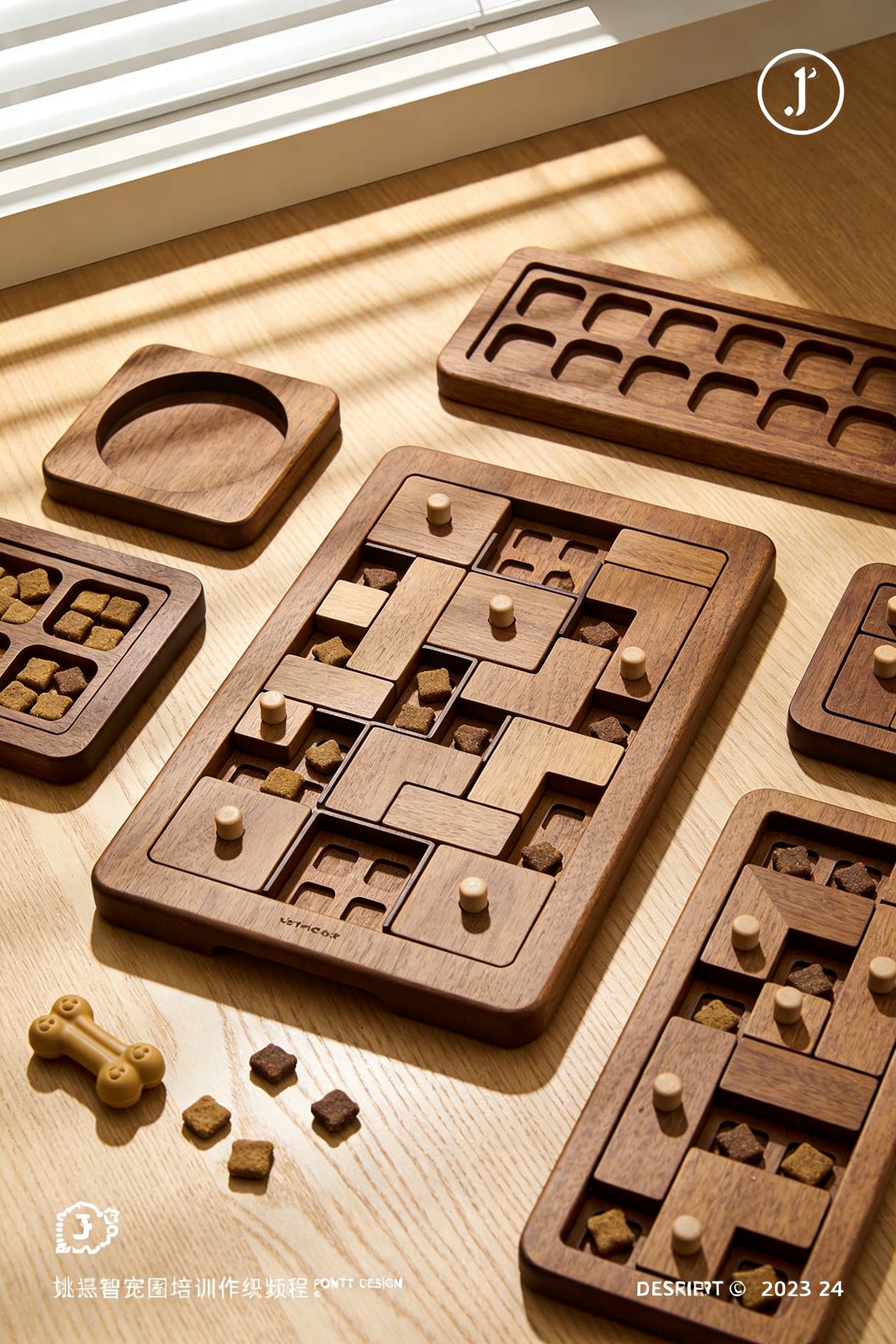
Level 3? That’s where things get spicy. You’re looking at multiple steps chained together. Your pup needs to slide, then lift, then solve again. The reward timing stretches out. Sensory cues become layered and complex. I mean, it’s a legitimate puzzle now, not just a game. Level 3 puzzles deliver mental stimulation through more complex problem-solving that keeps your dog engaged longer than simpler alternatives.
Recommended Products

Dog Puzzle Toy – Level 3 Advanced: Designed for clever pups who have mastered Level 2, this Nina Ottosson dog puzzle requires multiple steps to uncover hidden treats

【22 HOLES, LEVEL 3 SLOW FEEDER】Our dog mental stimulation toys have a unique squeak button in the middle, which make it easier to attract the attention of dogs and cats. Three different difficulty designs and the 22-hole dog treat dispenser design maximize slow feeding time, even beyond 30 minutes.

Level 3 Advanced dog puzzle – an interactive challenge for smart dogs, this treat game is great for pets who have mastered Level 2 dog puzzles; requires dogs to complete a series of actions in order
Complexity at a Glance: One Move vs. Multiple Steps
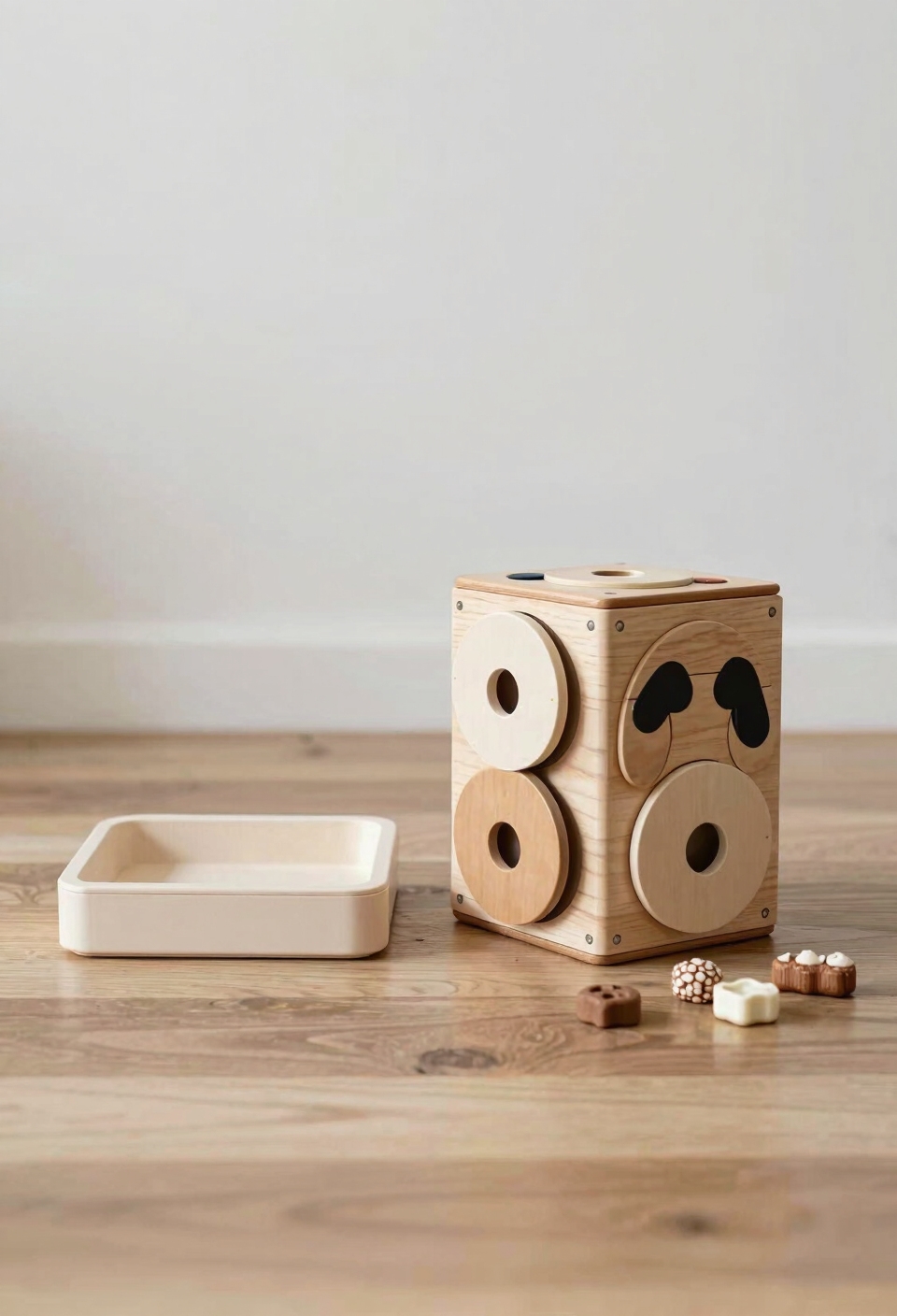
Now, Level 3? That’s where things get interesting. You’re looking at two or more sequential steps. Your dog might slide a tile, then lift a flap, then dig through compartments. The scent complexity increases because treats aren’t immediately visible, and motor coordination matters way more. Your dog’s gotta be deliberate, persistent, and actually think through what comes next. This type of mental enrichment through working for rewards provides the sustained engagement and occupancy that keeps destructive behaviors at bay.
Recommended Products

Four Challenges & Levels 1-3: Multiple games with a flip game and a linear track sliding game, all requiring dogs to learn steps and find treats. This puzzle is designed to be more fun and difficult, with more unique ways to play. It can enhance your dog's IQ and train their sense of smell

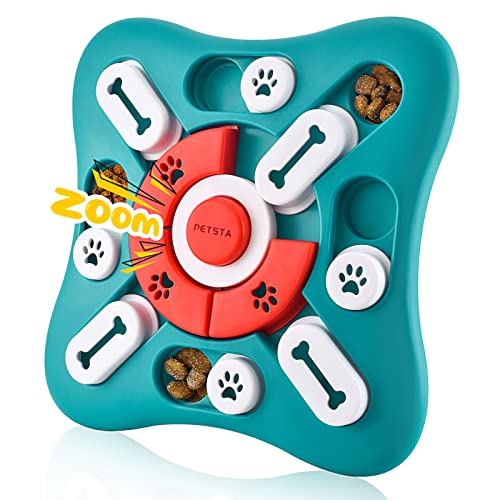
【Upgrade Dog Puzzle】Our dog puzzle toy is moderate level with more challenging ,difficult than level 2, not only easy slide steps, but require your dog's ability to learn sequential steps and combinations to seek hidden treats while keeping mental active .There are easy slide step and harder step in the puzzle box , dogs have to find a right way to move the red round sliders and the center parts for food, higher skills and mind required , great for the smart dogs.
Which Puzzle Level Matches Your Dog’s Experience?
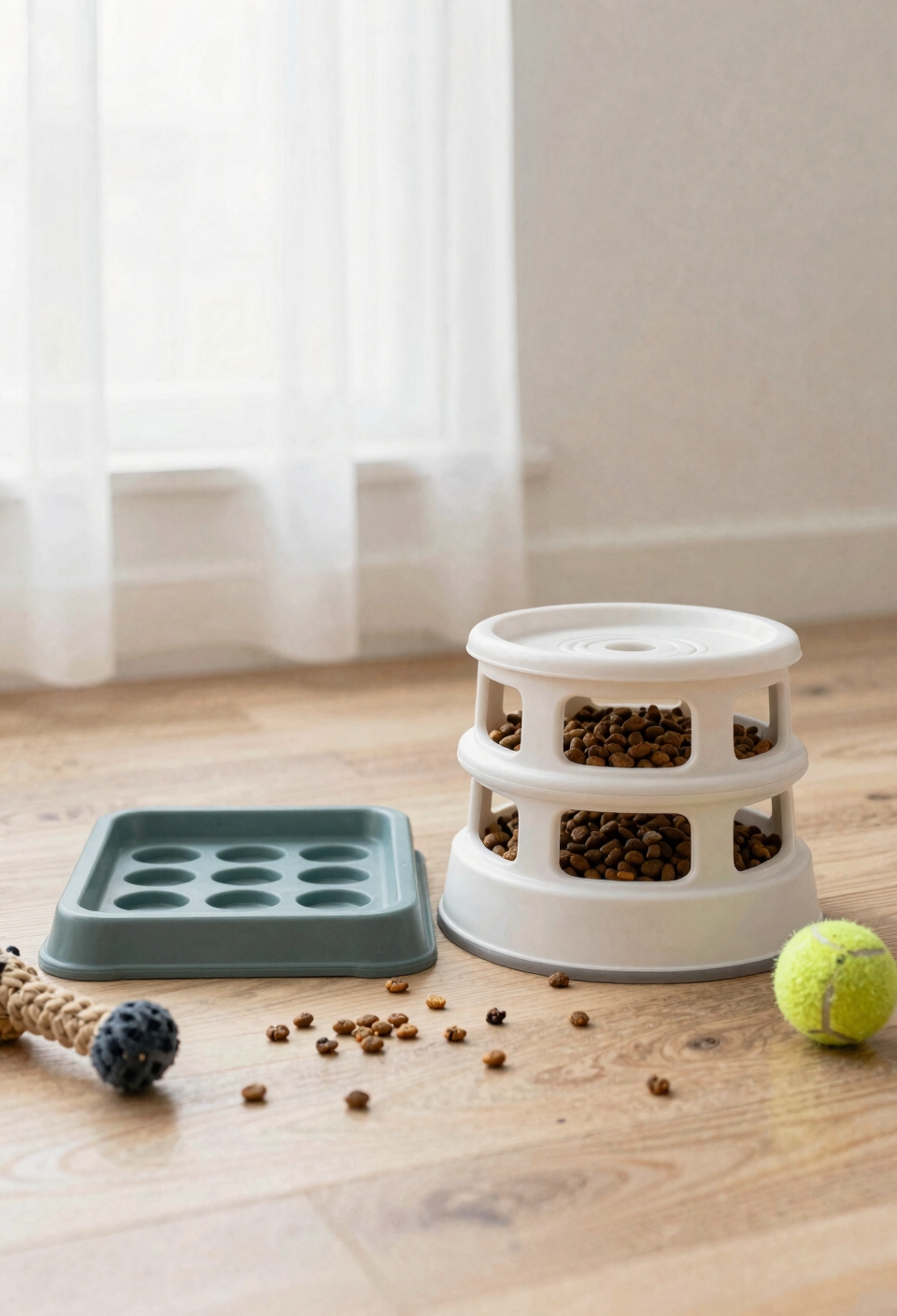
How do you know when your dog’s actually ready to level up? I’m sure you’ve noticed that moment when your pup figures out a puzzle in like two seconds flat and looks at you like, “That’s it?” That’s your sign.
Now, training timing matters here. Don’t rush Level 3 just because your dog’s clever—make sure they’ve genuinely conquered Level 1 first without constant frustration. I mean, confidence building is real.
All right, here’s the thing: reward variety keeps things interesting too. If you’re only using kibble, your dog might get bored faster than you’d think. Mix in some higher-value treats as motivation for tougher challenges. Puzzle toys like the Starmark Bob-A-Lot work best when you rotate between different reward types to maintain engagement.
Obviously, age doesn’t matter as much as experience does.
Recommended Products

【Foraging Instinct Play】Built-in squeaker unit grabs pets’ attention instantly, tapping into their natural foraging instincts for nose work and treat hiding fun. Pets use paws and smell to solve puzzles for hidden treats, ideal for cognitive dog toys play
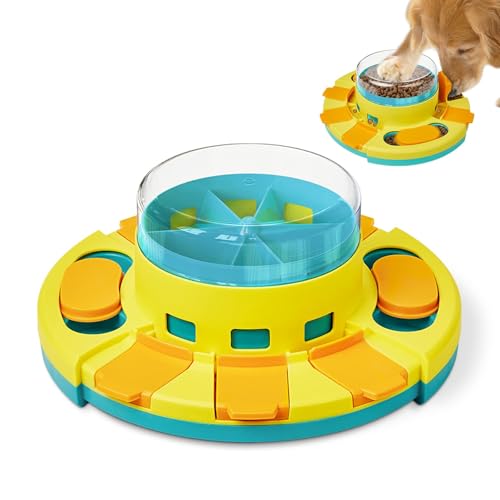
2 Levels in 1 Toy: start your pups off with a level 1 puzzle, add some treats in the base compartments and watch your dogs get their tasty reward by nudging the lids. For dogs who have mastered level 1, for added challenge in level 2, just put some treats in the top compartments, teach your dogs to press the top cover to dispense treats down into the base compartments and finally enjoy their reward

[Treat Distribution] Our food dispenser has differently sized spheres at both ends. As dogs push the toy, it moves within a fixed area, allowing dogs to continuously chase and play with it. During movement, food is dispensed from the food holes on both sides of the toy.
Signs Your Dog Is Ready to Move Beyond Level 1
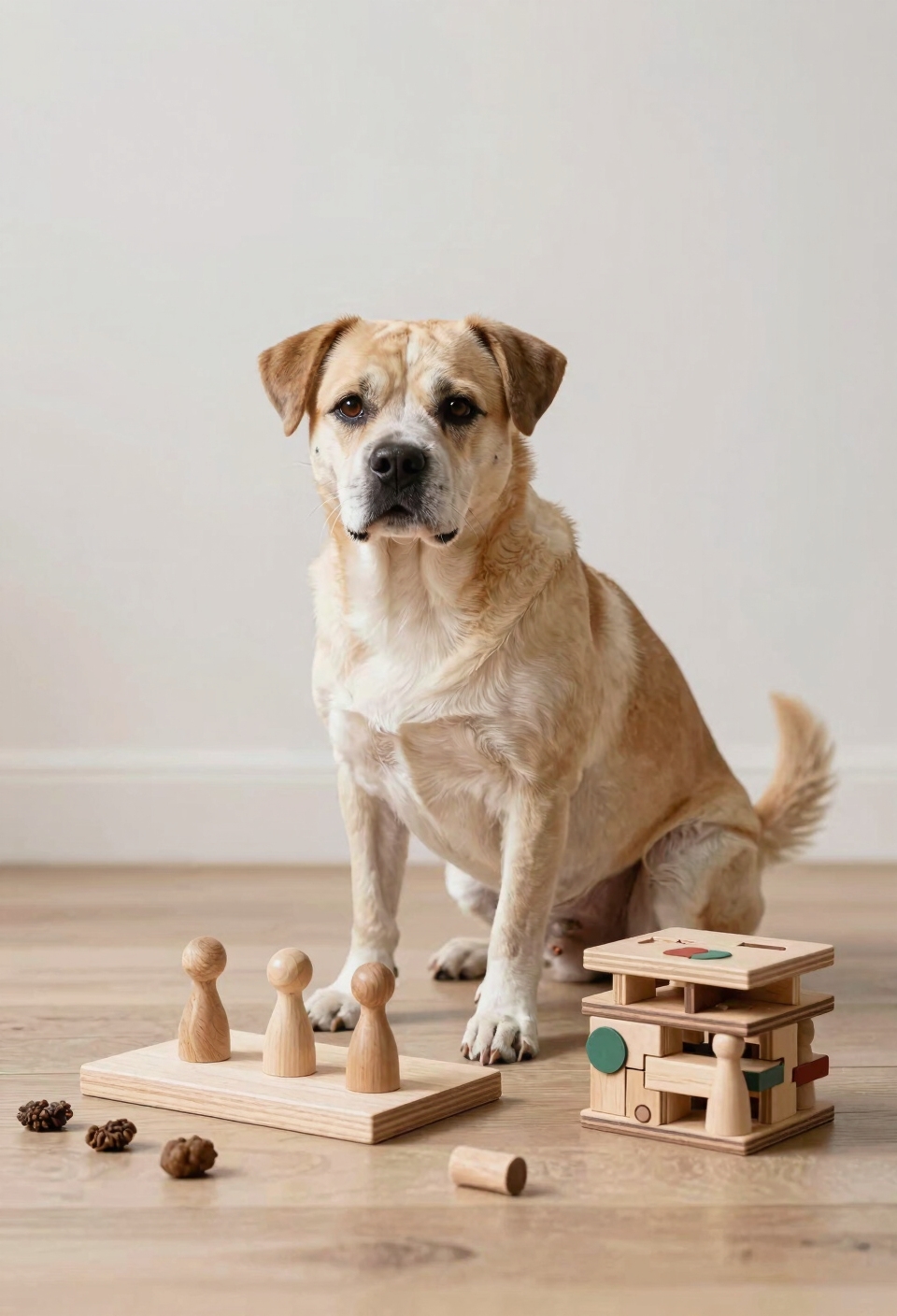
You’ve built up the confidence, your dog’s crushing Level 1 like it’s a warm-up lap, and they’re clearly asking for more—that’s when you know it’s time to pay attention to the signals that they’re ready for the next step up. I’m sure you’ve noticed your pup solving puzzles faster, almost bored between treats. Now, here’s what I look for: your dog maintains focus even with outdoor distractions nearby, and they show patience during grooming tolerance sessions without losing their problem-solving edge. All right, if they’re completing Level 1 without frustration and actually seem disappointed when it’s over, that’s your green light. Consider rotating puzzle toys with other mental stimulation options like interactive hide-and-seek games to prevent boredom and maintain engagement between sessions. Obviously, skip Level 3 immediately if they’re still struggling—that’s a recipe for quitting altogether.
Recommended Products

Dog Puzzle Toy – Level 2 Intermediate: Perfect for beginners or smart pups, this Nina Ottosson dog puzzle offers a fun, interactive challenge

Dog Puzzle Toy – Level 2 Intermediate: Perfect for beginners or smart pups, this Nina Ottosson dog puzzle offers a 3-in-1 challenge with easy, medium, and hard levels

Dog Puzzle Toy – Level 2 Intermediate: Perfect for beginners or smart pups, this Nina Ottosson dog puzzle offers a fun, interactive challenge
How to Avoid Frustration When Starting Out

When your dog’s fresh to puzzle toys, it’s tempting to throw them straight into the deep end and watch them figure it out—but that’s basically the fastest way to watch their enthusiasm tank. I’m sure you’ve noticed how quickly a dog loses interest when they’re totally stumped.
Here’s the thing: gradual exposure is your secret weapon. Start with Level 1, let your dog nail it a few times, then introduce cueing—like gently nudging their nose toward the treat compartment—so they understand the game. All right, I know it sounds obvious, but patience actually works. Move at their pace, not some arbitrary timeline. Your dog will build confidence instead of frustration, which means they’ll actually want to puzzle again tomorrow. Treat-dispensing toys like interactive treat-dispensing toys also provide mental stimulation that keeps dogs engaged throughout the learning process.
Common Puzzle-Difficulty Mistakes and How to Fix Them
Now, here’s the fix: Start with Level 1, even if your dog seems overqualified. I’m sure you’ve noticed how quickly they figure it out—that’s the point. Once they nail it, move up. The real magic is nailing your reward timing. Praise and treat the *moment* they succeed, not five seconds later. All right, trust me on this one. This approach aligns with how treat-dispensing puzzle toys reward problem-solving behaviors and extend playtime through positive reinforcement.
Progressing From Level 1 to Level 3: a Step-By-Step Plan
Once your dog’s nailing Level 1 consistently—and I mean really nailing it, not just accidentally stumbling into treats—you’re ready to think about the next step. Now here’s where gradual shaping comes in. Don’t just chuck a Level 3 puzzle at your pup and hope for the best. Instead, introduce Level 2 first, letting your dog build confidence with slightly trickier mechanics. I’m sure you’ve noticed how quickly dogs get discouraged when things get too hard too fast.
All right, here’s the key: use reward fading strategically. Start celebrating every attempt, then slowly dial back the praise as your dog figures things out independently. This keeps them engaged without creating a treat-dependent robot. Obviously, you want them solving puzzles because they actually enjoy the challenge, not just chasing rewards. That’s genuinely how you build a confident puzzle-solver. You can also rotate between different enrichment options like durable chew toys to prevent boredom and maintain overall engagement during training progression.
Recommended Products

LEVELING UP: TRIXIE'S Level 2 dog food puzzles provide more challenges for smart dogs by incorporating more obstacles and combining actions for your pup to earn their tasty rewards—intermediate players who have mastered Level 1 puzzles.


Personality-Based Puzzle Selection: Matching Drive and Problem-Solving Style to Difficulty
If you’ve been paying attention to your dog while they’re solving puzzles, you’ve probably noticed that not every dog approaches them the same way—and that’s actually the whole point of matching personality to difficulty. Drive profiling is basically figuring out what makes *your* dog tick. I mean, is she a bulldozer who charges through obstacles, or does she methodically sniff every corner? Problem solving styles matter just as much as raw intelligence. High-drive dogs often thrive on Level 3‘s complexity because they need that sustained challenge. Meanwhile, cautious dogs? They’ll build confidence faster with Level 1‘s straightforward wins. Interactive puzzle toys and motion-activated toys can complement traditional puzzles by providing varied sensory engagement and preventing the boredom that leads to destructive behavior. You’re not just picking a puzzle—you’re speaking your dog’s language.
Frequently Asked Questions
Can Level 1 and Level 3 Puzzles Be Used Together in the Same Play Session?
Yes, I’d recommend alternating between Level 1 and Level 3 puzzles during play sessions. I use Level 1 for training breaks and confidence-building, then introduce Level 3 to keep your dog mentally challenged without frustration.
How Much Should I Expect to Spend on Quality Level 1 Versus Level 3 Puzzle Toys?
Your wallet doesn’t have to break the bank. Level 1 puzzles typically cost $15–$30, while Level 3 toys run $40–$80. I’d argue Level 3 offers better long-term value since they’ll challenge your dog longer.
Are There Specific Dog Breeds Better Suited for Level 3 Puzzle Difficulty?
I’d say breed size and trainability level matter less than your dog’s puzzle experience. Any breed—large or small—can excel at Level 3 if they’ve mastered lower levels and show strong problem-solving drive and persistence.
How Long Typically Does It Take a Dog to Master Level 1 Before Advancing?
Ever wonder why some dogs zoom through Level 1? I’ve found most dogs master it in 1–2 weeks with consistent practice. Their attention span and training duration really matter—daily sessions build skills faster than sporadic play.
Can a Dog Regress to Level 1 Puzzles After Learning Level 3 Without Losing Skills?
Yes, your dog won’t lose skills by returning to Level 1. I’d view regression concerns as motivation resets rather than skill loss. Easier puzzles can actually refresh their enthusiasm and confidence while maintaining their problem-solving abilities.
Conclusion
All right, here’s the thing—watching your dog’s eyes light up as they finally crack a Level 3 puzzle? That’s the real payoff. I’m sure you’ve noticed how quickly they can go from totally lost to confidently problem-solving once they’re ready. Obviously, patience matters, but so does matching the puzzle to *your* dog. Start easy, celebrate small wins, and you’ll both end up loving this journey way more than you’d expect.