As an Amazon Associate, we earn from qualifying purchases. Some links on this site are affiliate links at no extra cost to you. Our recommendations are based on thorough research and editorial judgment.

How to Introduce a Puzzle Toy to a First-Time Pet

I’m sure you’ve noticed that puzzle toys can either become your pet’s favorite obsession or gather dust in the corner—and honestly, the difference usually comes down to how you introduce them. Start with the easiest level, use treats that smell amazing and release easily, and show your pet exactly how the toy works through simple demonstrations. Keep sessions short and stop before frustration hits. Stick with this approach consistently, and you’ll open up way more effective enrichment strategies.
Key Takeaways
- Start with beginner-level puzzle toys featuring wide openings and visible, loosely-placed treats to build confidence.
- Use strong-smelling, soft treats that dispense easily and are reserved exclusively for puzzle time sessions.
- Demonstrate toy mechanics by hand-guiding movements like tilting or rolling to show cause-and-effect clearly.
- Keep initial sessions short and end on success before frustration builds to maintain positive associations.
- Gradually increase difficulty only after several consistent successful sessions with easier puzzle configurations.
Start With the Easiest Puzzle Level and Remove Extra Features
You may be interested
All right, here’s the thing—I’m sure you’ve noticed that when you hand your pet a brand-new puzzle toy, their first instinct isn’t exactly to problem-solve like some furry genius.
That’s why I always start with the easiest level available. I’m talking wide openings and visible rewards that practically scream “food is here!” Skip those fancy closed covers and locked compartments for now. They’re just frustration waiting to happen.
I mean, imagine trying to assemble IKEA furniture without instructions—except you’re also hungry and confused. Not fun, right?
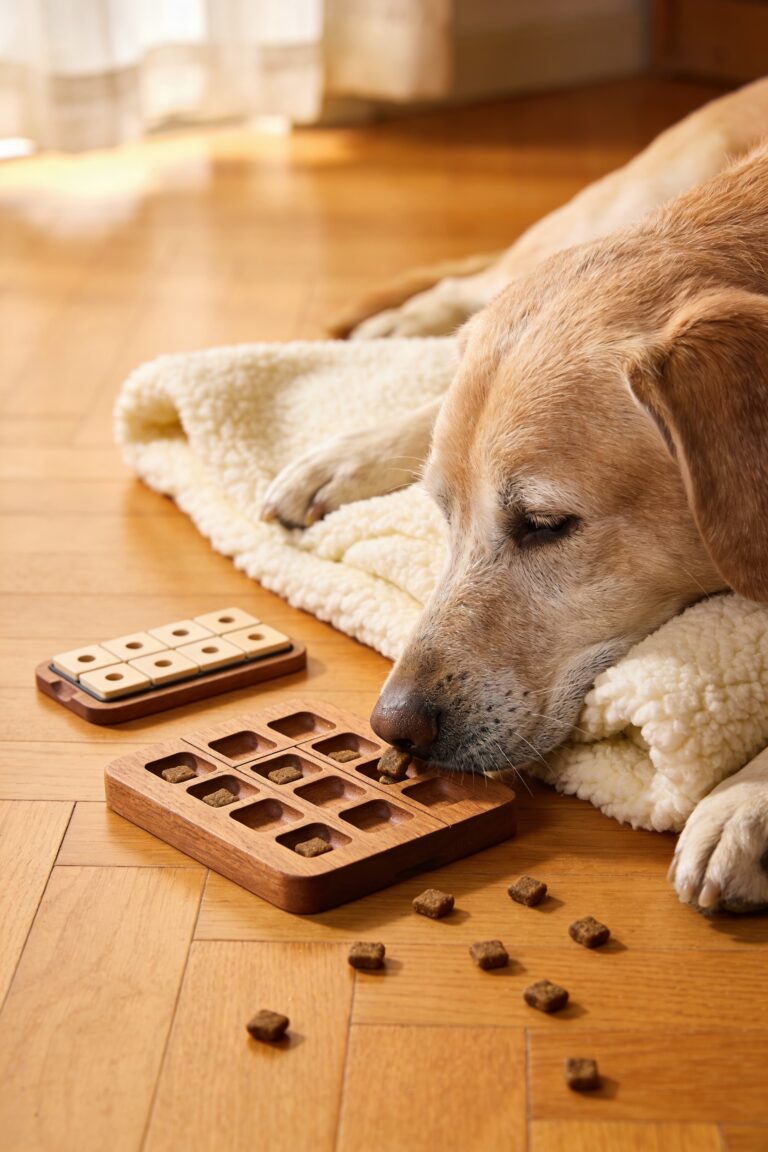
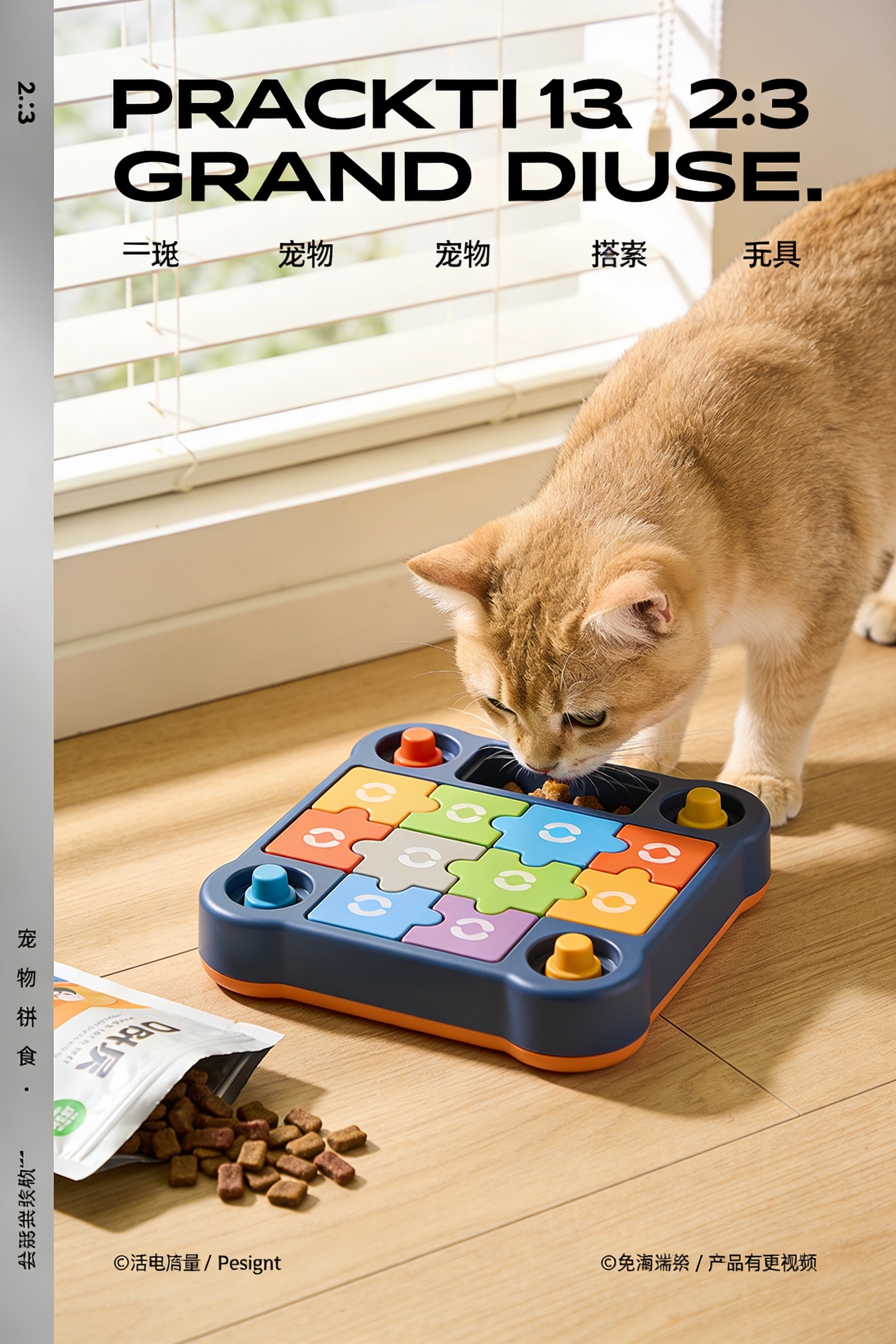
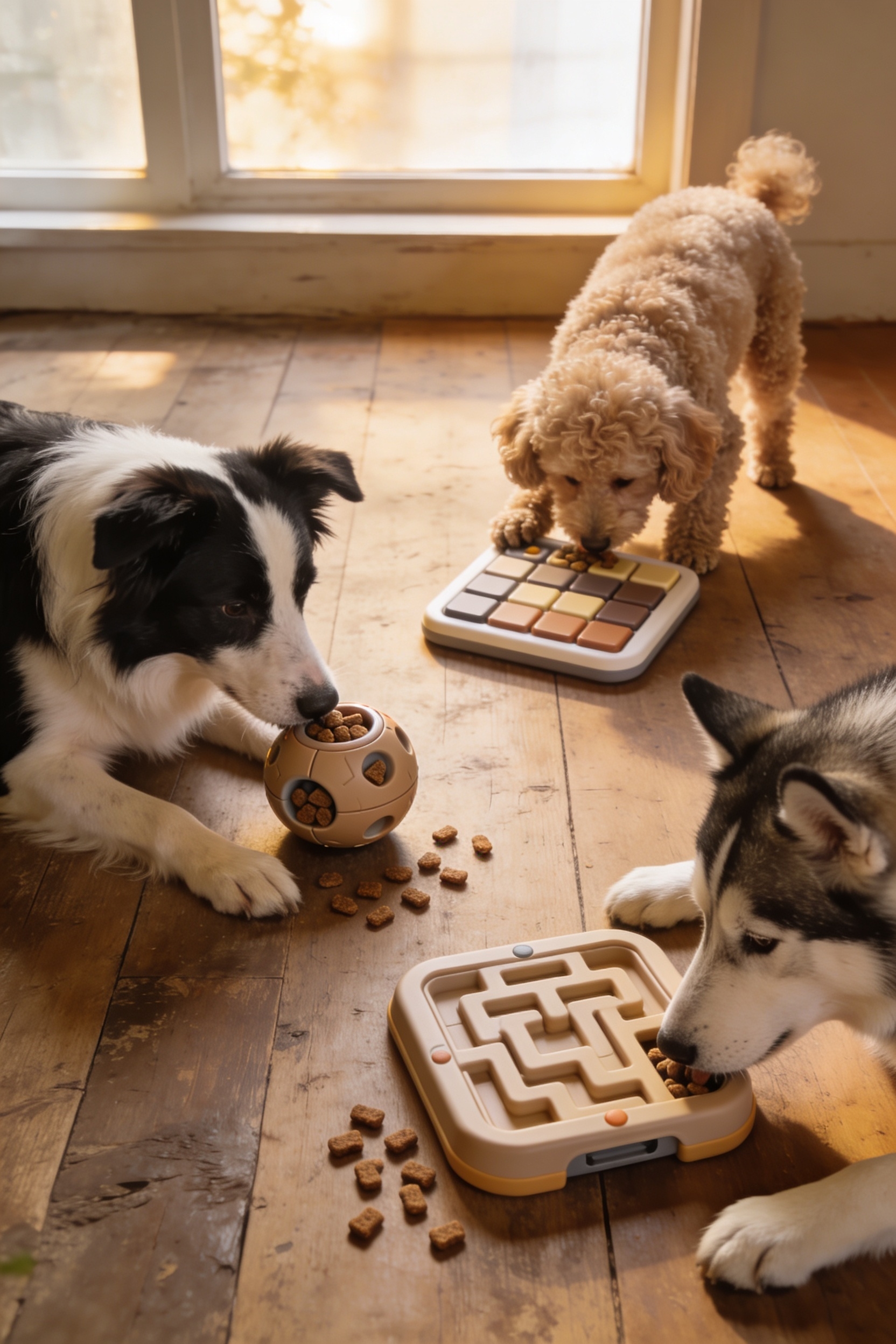
Pick a design where your pet can actually see what they’re working toward. Load it loosely so treats tumble out with minimal effort. Starting with beginner-level puzzle toys like the Outward Hound Interactive Puzzle Ball gives your dog a manageable challenge that builds their puzzle-solving skills without overwhelming them. You want early success to build confidence, not a pet staring at the toy like it’s personally insulted them. Make it ridiculously easy at first.
Choose Treats That Smell Strong and Feel Soft or Chewy

Now here’s where a lot of people mess up—they stuff their puzzle toy with whatever kibble’s sitting in the pantry, and yeah, their pet shows about as much interest as I do in filing taxes.
You need treats with serious aromatic enrichment. I’m talking soft, chewy pieces that smell like something actually worth working for. Your pet’s nose is basically their superpower, so make it count. Strong-smelling treats grab their attention way faster than bland kibble ever will.
Texture preference matters too. Soft or chewy treats dispense more easily during those early sessions, which means your pet gets quick wins. Small pieces work best because they fall out readily when your pet nudges or paws the toy.
Consider treats made from single protein sources like natural turkey tendon, which not only provide strong aromatic appeal but also support dental health as your pet works through the puzzle toy.
All right, here’s the real deal: save the special treats for puzzle time. Your pet will connect this toy with genuinely exciting rewards, not their everyday snooze-fest meals.
Place Food Visibly and Loosely So It Releases With Minimal Effort
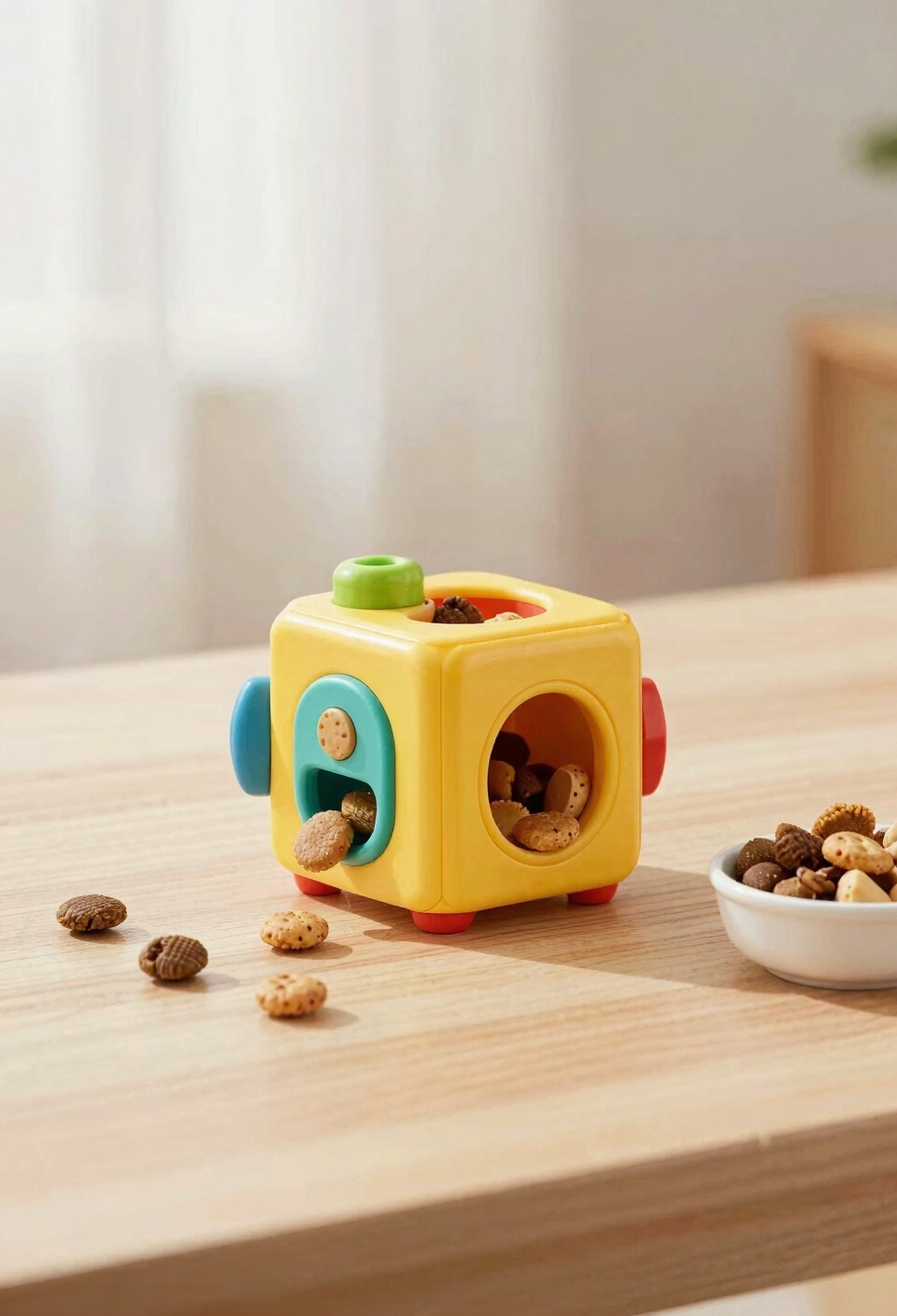
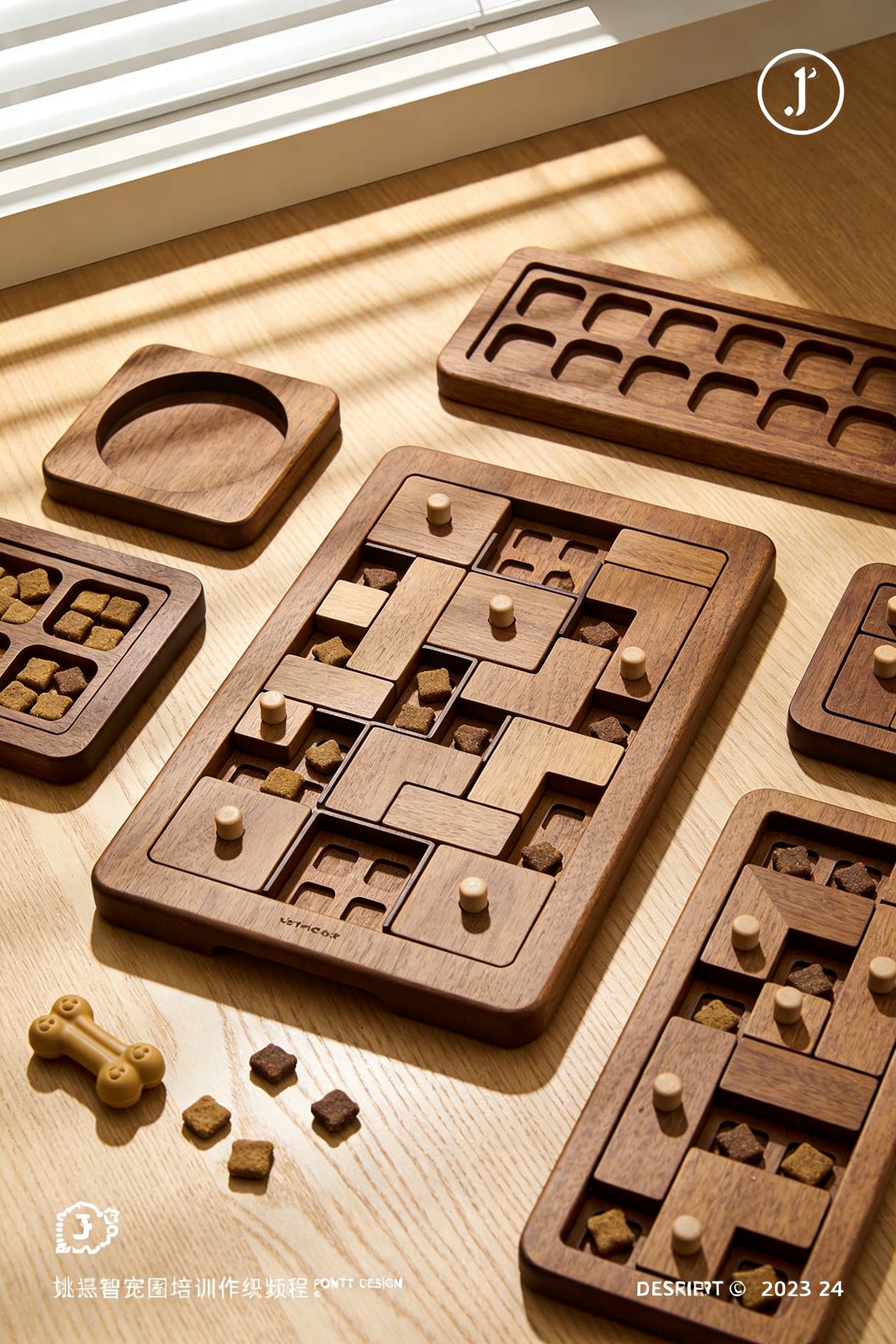
You wouldn’t hand someone a locked safe on their first day and expect them to crack it, right? Same goes for your pet and puzzle toys. I’m sure you’ve noticed that visible rewards work way better than hidden ones—your dog or cat needs to actually see what they’re working toward. Sprinkle treats on top of the puzzle surface where they’re obvious and impossible to miss. Fill compartments loosely so food tumbles out with barely any effort required. I mean, the whole point here is building confidence, not frustration. Leave covers off the trickier sections and use larger treat pieces that sit near openings. If needed, tilt the toy gently so loose placement becomes immediately rewarding. Your pet learns fastest when success comes quick and easy. For dogs, consider pairing puzzle toys with treat-friendly designs that hold rewards in grooved sections to maintain extended engagement during play sessions.
Show Your Pet How the Puzzle Toy Works Through Simple Movements
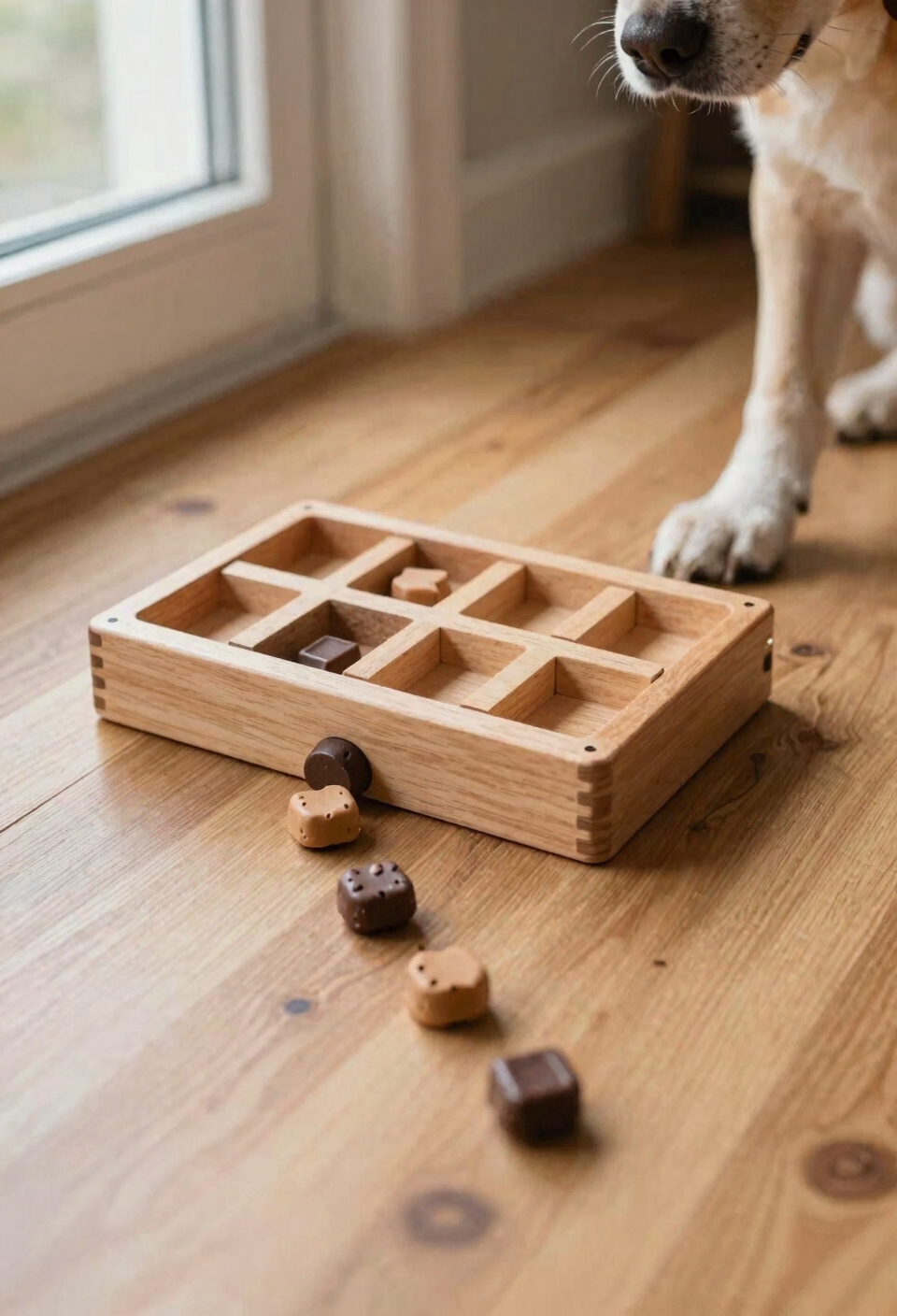
Once your pet’s figured out that treats exist somewhere on that toy, it’s time to become the world’s least impressive magician and show them how to actually get the rewards out. I’m sure you’ve noticed your dog or cat poking at it randomly—that’s cute, but they’re basically guessing. Hand guiding demonstrations work because you’re literally showing them the connection between movement and reward. Wiggle the toy. Tilt it. Roll it gently. Watch those treats tumble out. Now here’s the thing: motion reward pairing is just fancy speak for “move this, get food.” Repeat it a few times so they see the cause and effect clearly. You’re not being a magician anymore—you’re being a coach showing them the playbook before they hit the field. Toys like the Starmark Bob-A-Lot are specifically designed for this type of reward-based learning and can help reinforce problem-solving behaviors in your pet.
Stop Before Frustration Sets In to Keep Sessions Positive
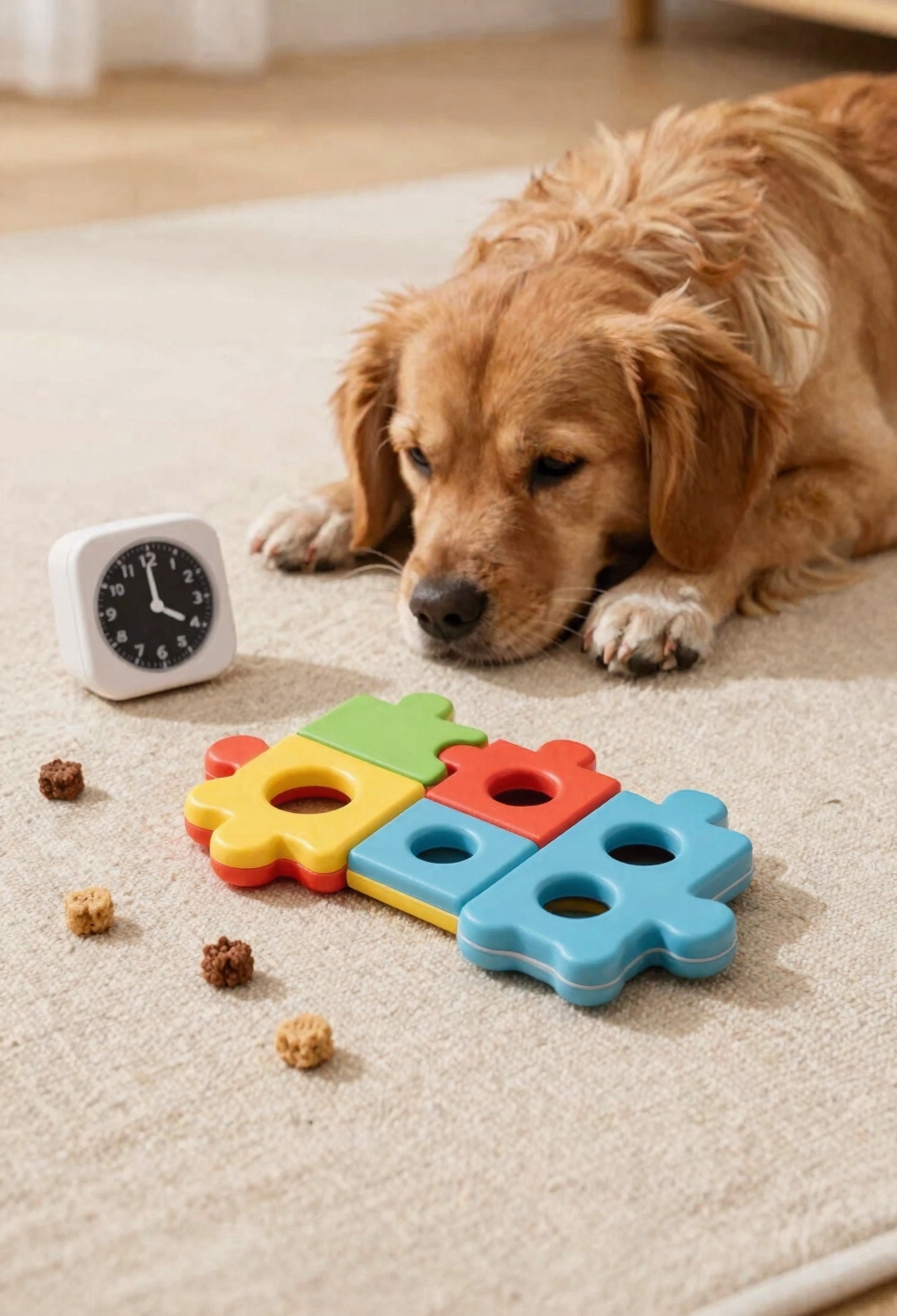
After you’ve shown your pet a few times how to work the puzzle, here’s where a lot of people mess up—they keep going. I mean, you’re excited, your pet’s starting to get it, and suddenly you’ve been at it for twenty minutes. Don’t do that. Short sessions are your secret weapon for keeping things positive. I’m sure you’ve noticed when dogs or cats get frustrated, they just check out entirely. That’s the opposite of what you want. Stop while your pet’s still having fun, still curious, still winning. End on a success, even if it’s a small one. That’s positive reinforcement that actually sticks. Trust me—your pet will be way more interested tomorrow if today didn’t wear them out. This approach also prevents the common issue where dogs lose interest once treats are removed, since shorter sessions keep the novelty and reward cycle fresh.
Advance to Harder Puzzle Toys Only After Consistent Success
The temptation to jump your pet up to the next puzzle level is real, and I totally get it—you’re both riding high on success, so why not crank up the difficulty? Here’s the thing: patience now saves you frustration later. I’m sure you’ve noticed your pet’s figured out the basics, but that doesn’t mean they’re ready for the advanced stuff yet. Wait until you’ve hit those skill milestones consistently—I’m talking several successful sessions in a row, not just one lucky win. Once they’re crushing the current level, gradually introduce tighter compartments or smaller openings. Mix in varied rewards too; switching between treats and kibble keeps things interesting without overwhelming them. Remember to supervise your pet during interactive play to prevent accidents and monitor their engagement with the puzzle toy. Trust me, slow and steady wins this race.
Frequently Asked Questions
How Long Should I Wait Before Introducing a Puzzle Toy to My New Pet?
I’d recommend waiting until your pet’s completed initial acclimation to their new home—typically one to two weeks. Once they’re comfortable with their environment, I’d start with gradual exposure using the easiest puzzle level available.
Can I Use My Pet’s Regular Daily Kibble in Puzzle Toys From the Start?
I’d recommend starting with special treats instead of regular kibble. The kibble’s texture won’t motivate your pet as strongly, and reward timing matters most during initial learning when you’re building enthusiasm for puzzle play.
What Age or Developmental Stage Is Appropriate for Puzzle Toy Introduction?
I’d introduce puzzle toys when your pet’s ready developmentally. Young puppies benefit from puppy cognition activities around 8-12 weeks. For seniors, I’d prioritize toys supporting mobility without strain, adjusting difficulty accordingly.
How Often Should I Rotate Between Different Puzzle Toys to Prevent Boredom?
I’d say the boring approach is using one toy forever—instead, I recommend weekly rotations to keep things fresh. Try seasonal swaps too; it’s like reintroducing novelty without buying everything constantly.
What Should I Do if My Pet Shows No Interest in the Puzzle Toy?
If your pet shows no interest, I’d recommend starting with a slower introduction using scent enrichment. Try rubbing treats inside the toy or adding peanut butter to make it more enticing before gradually increasing difficulty.
Conclusion
Now, I’m sure you’ve noticed that puzzle toys seem intimidating—like your pet’s going to rage quit after thirty seconds. But here’s the thing: you’re not setting them up to fail. You’re basically giving them a reason to use their brain instead of destroying your couch. Start easy, celebrate those tiny wins, and I promise you’ll see your pet’s confidence skyrocket. Trust me, it’s worth the effort.