As an Amazon Associate, we earn from qualifying purchases. Some links on this site are affiliate links at no extra cost to you. Our recommendations are based on thorough research and editorial judgment.

Chew Toys for Senior Dogs With Dental Disease

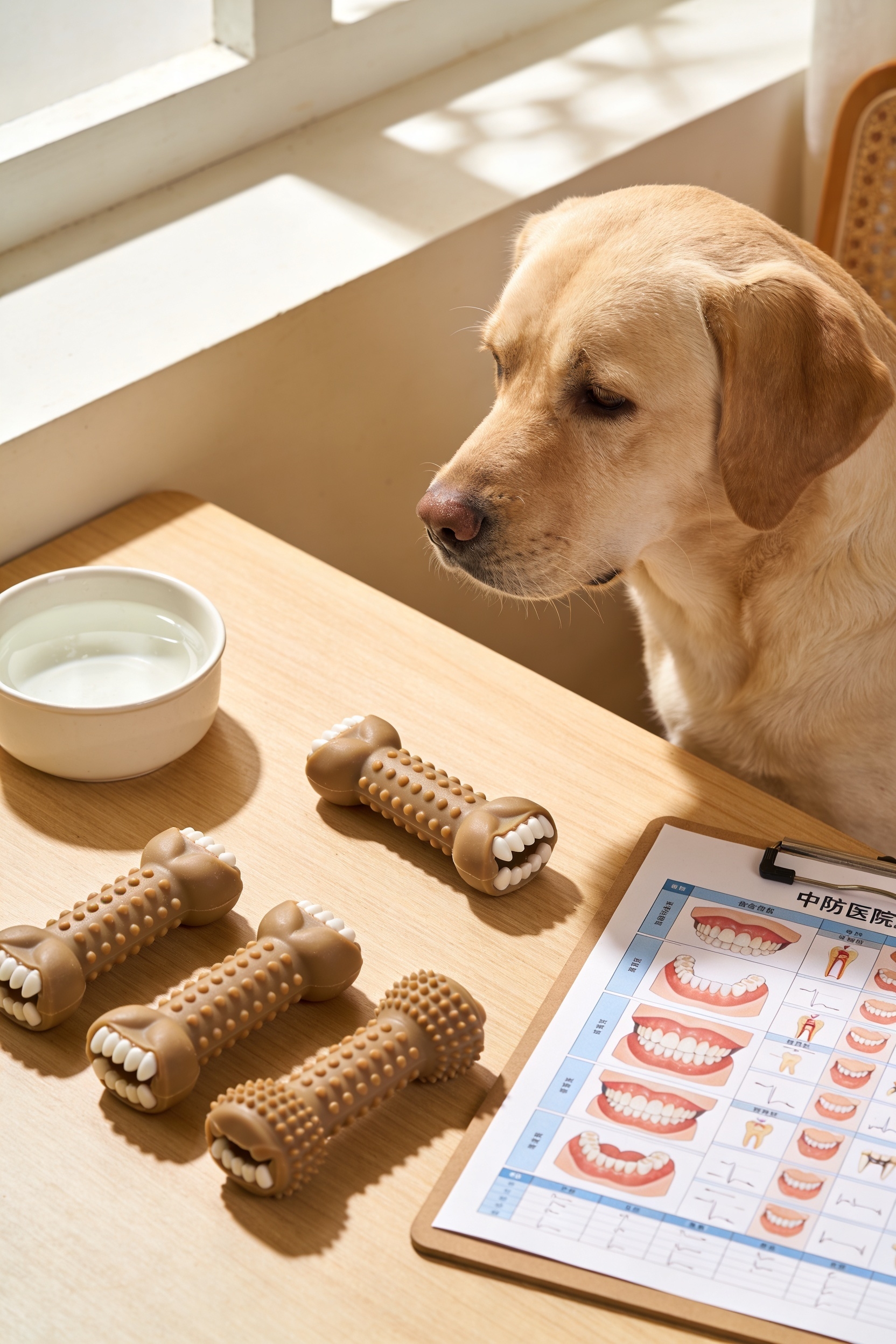
I’m sure you’ve noticed that your senior dog’s chewing days don’t have to end just because their teeth are taking a beating. Soft Kong-style toys and frozen options soothe those sore gums without causing damage, while VOHC-approved dental chews like Greenies actually help fight plaque as your pup chews. Food-filled puzzle toys double as mental enrichment without stressing weakened jaws. Now, here’s the kicker—hard antlers and yak chews are basically tooth-fracture invitations you want to skip. Matching the right toy to your dog’s specific dental situation makes all the difference, and we’ve got the breakdown below.
Key Takeaways
- Soft Kong-style toys and frozen soft chews soothe sore gums while satisfying chewing instincts safely.
- Avoid hard antlers, bones, and yak chews that risk fracturing weakened or sensitive teeth.
- Food-filled puzzle toys provide mental stimulation and gentle chewing without stressing compromised dental health.
- VOHC-approved dental chews with textured surfaces help reduce plaque while matching jaw capacity carefully.
- Match chew size and softness to your dog’s dental condition and supervise all chewing.
Safe Chew Toys for Senior Dogs With Dental Problems
You may be interested
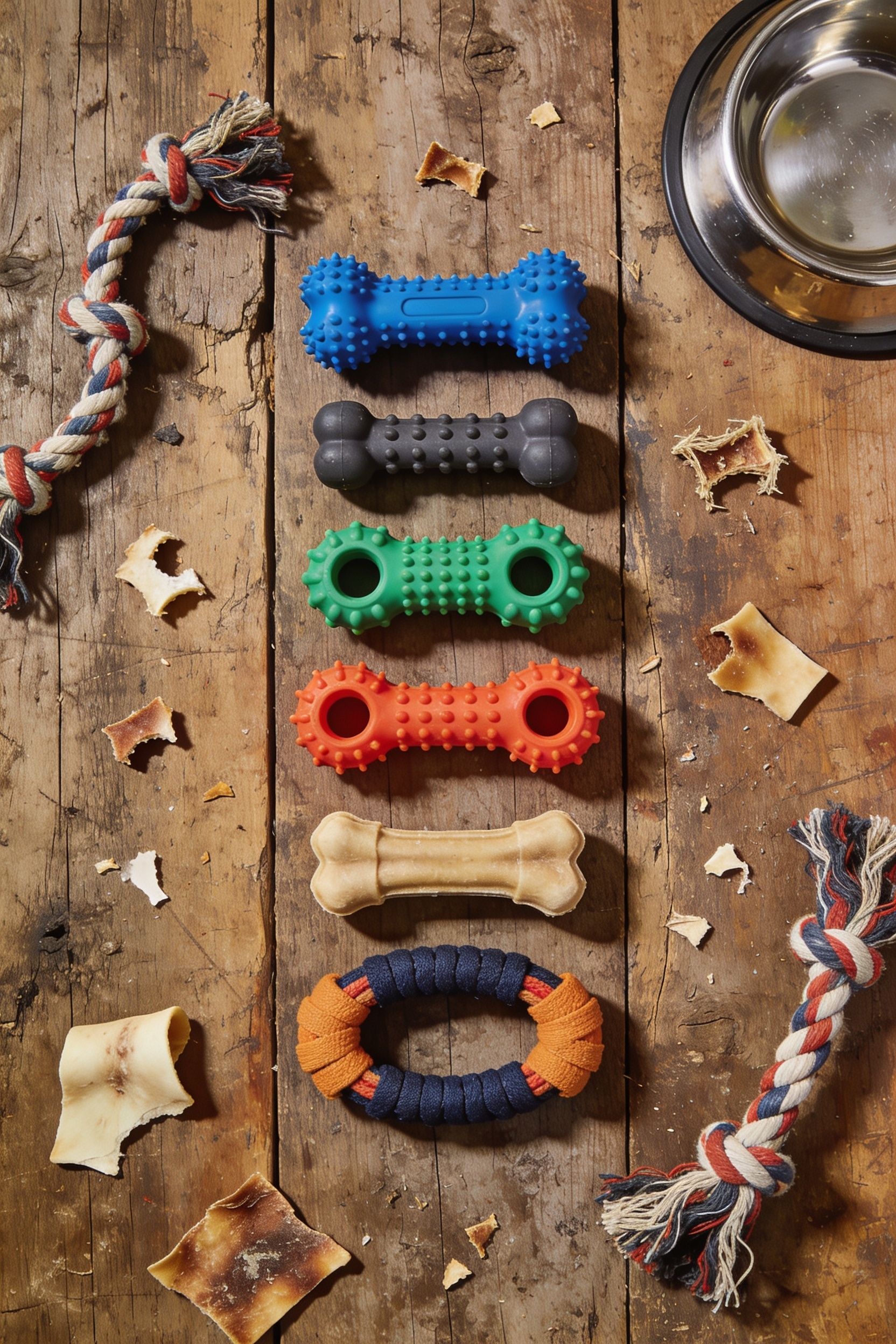
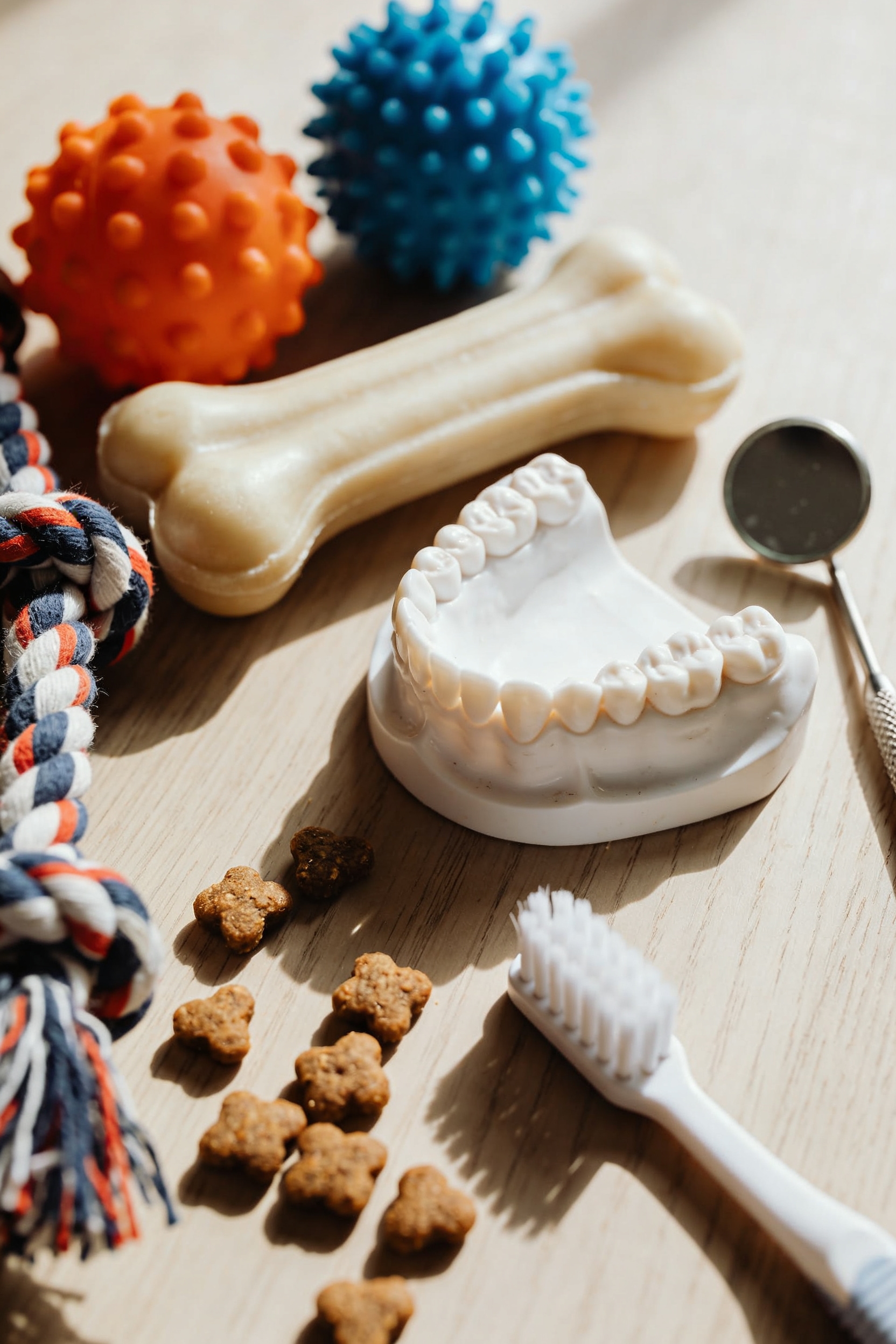
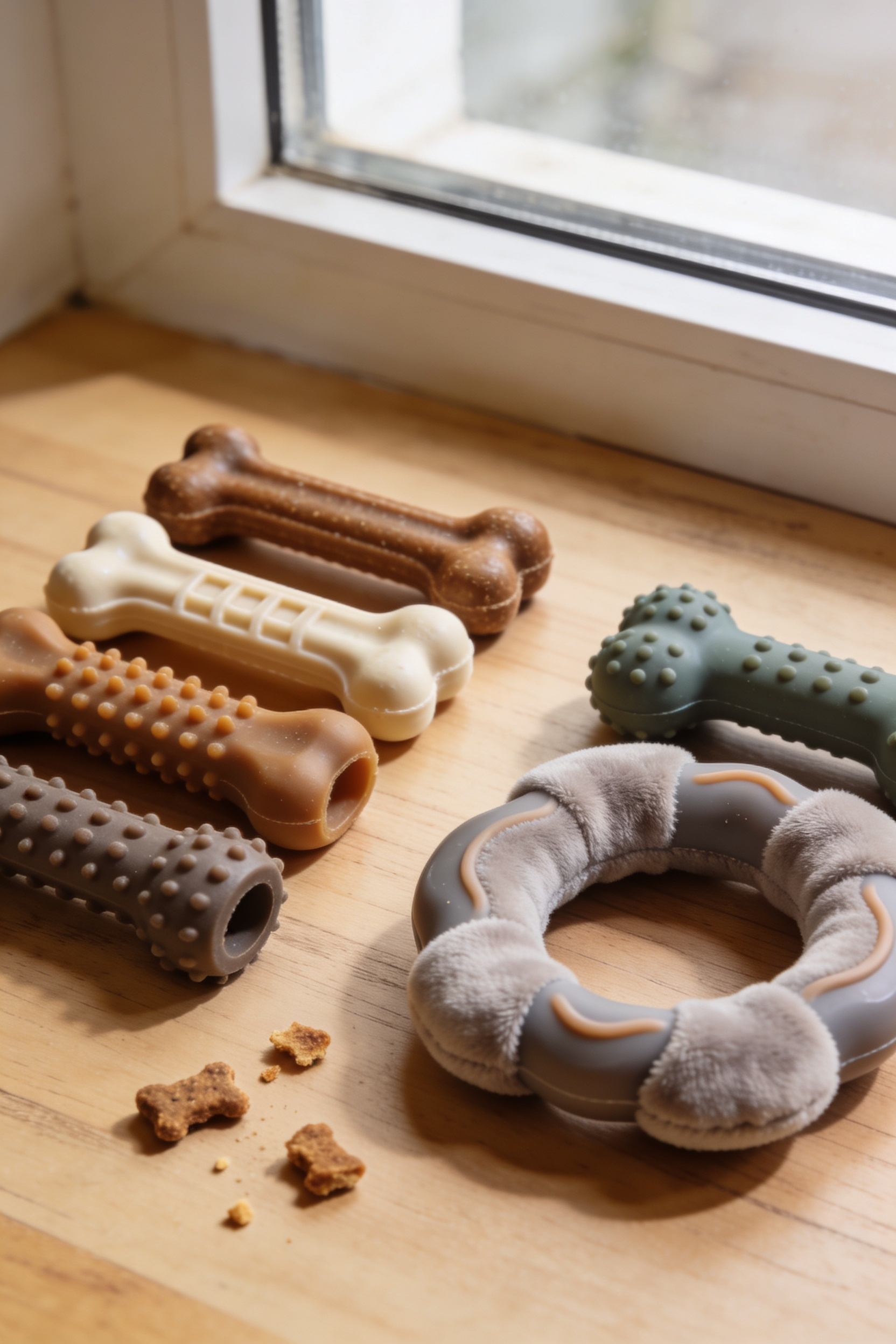
Now, if your senior dog’s got dental issues—and I’m sure you’ve noticed the telltale signs like red gums, funky breath, or that ropey drool situation—you’re probably wondering what’s actually safe to let them chew on without turning a fun toy into a trip to the vet’s office. Here’s the thing: you’ve gotta match the toy to your dog’s dental condition. Soft Kong-style toys work great because they won’t wreck what’s left of those teeth. Puzzle toys stuffed with soft food? Perfect for chew frequency without the pain. VOHC-approved dental chews are designed to help with plaque while being gentler than rocks disguised as dog toys. I mean, frozen soft options even soothe sore gums. Textured surfaces like those found on dental chew toys help massage gums and reduce plaque buildup during play, which can be especially beneficial for senior dogs managing existing dental problems. Just monitor chewing closely and swap out anything that gets shredded.
Soft and Stuffed Toys for Comfort

When your senior dog’s teeth are sensitive or already showing signs of wear, soft and stuffed toys become your secret weapon for keeping them entertained without causing pain. I’m sure you’ve noticed how plush alternatives feel way gentler on sore gums than those rock-hard chews everyone swears by. Now, here’s the thing—these soothing textures actually matter. Frozen soft toys? They can feel incredible for dogs dealing with dental discomfort. All right, stuffed puzzle toys take it further by adding mental stimulation while your pup gently works through the toy. You can fill them with canned food, kibble, or frozen treats to keep engagement high. Soft squeaky toys are generally safer for dogs with dental problems or missing teeth, making them an ideal choice for seniors managing tooth sensitivity. Obviously, supervision still matters, but you’re basically giving your senior friend comfort and enrichment rolled into one.
Vet-Approved Dental Chews: Plaque Control and Relief
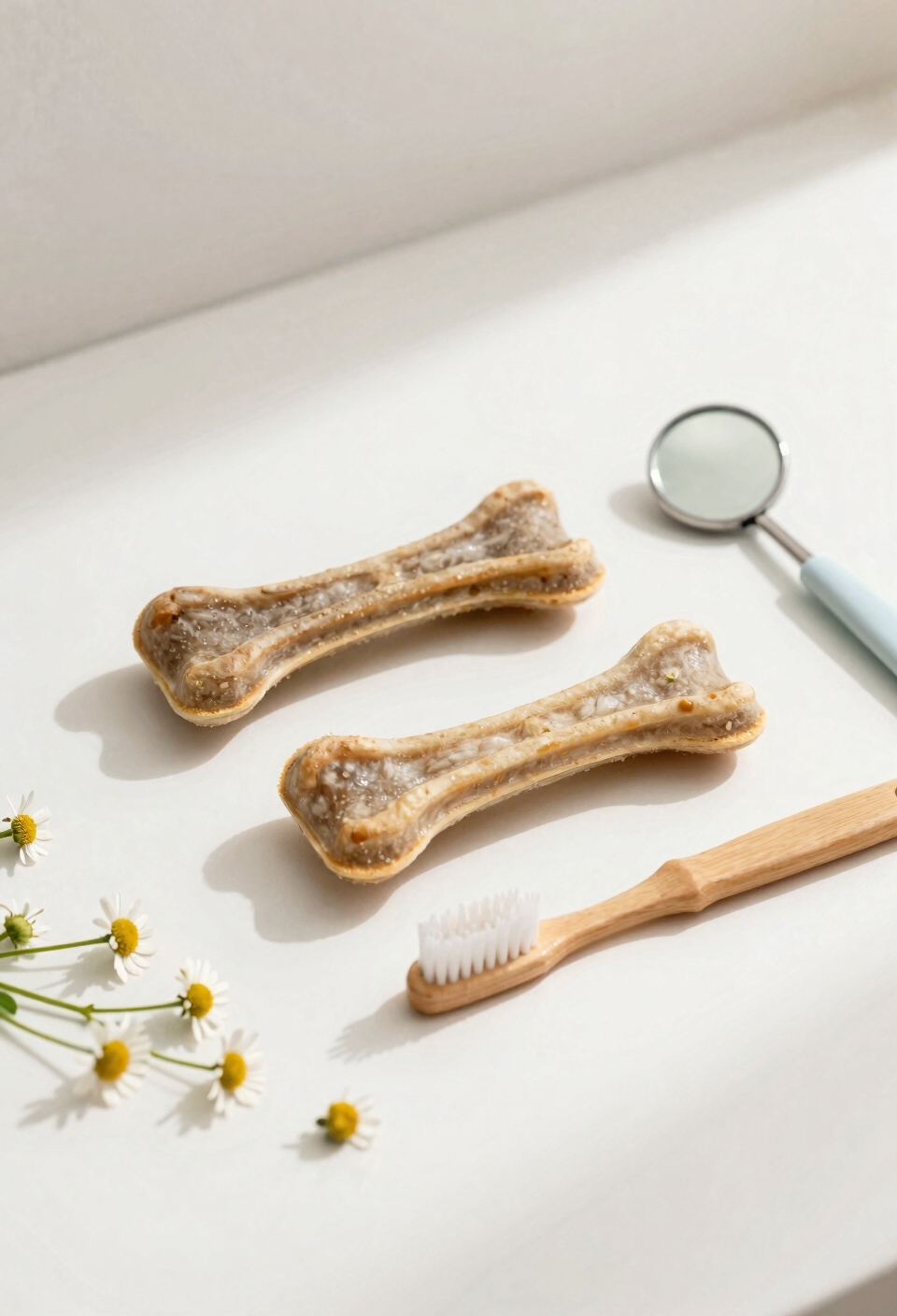
While soft toys keep your senior dog comfortable, there’s another category that actually works *with* your pup’s mouth to tackle the real problem—dental disease itself. I’m talking about vet-approved dental chews. These aren’t just regular chews—they’re designed with enzymatic formulations and textured surfaces that help scrub away plaque and tartar as your dog chews. Look for products with Veterinary Oral Health Council approval, which follows strict veterinary guidelines. Brands like Greenies and Purina Dentalife are solid options. Now, here’s the thing: dental chews work best for dogs with mild-to-moderate chewing ability. You’ll want to match the size and strength to your senior’s actual jaw capacity. textured surfaces provide varied chewing experiences and help maintain interest while promoting dental health. Obviously, supervision still matters, but these chews genuinely support your dog’s oral health while keeping them happily occupied.
Food-Filled Puzzle Toys for Mental Stimulation
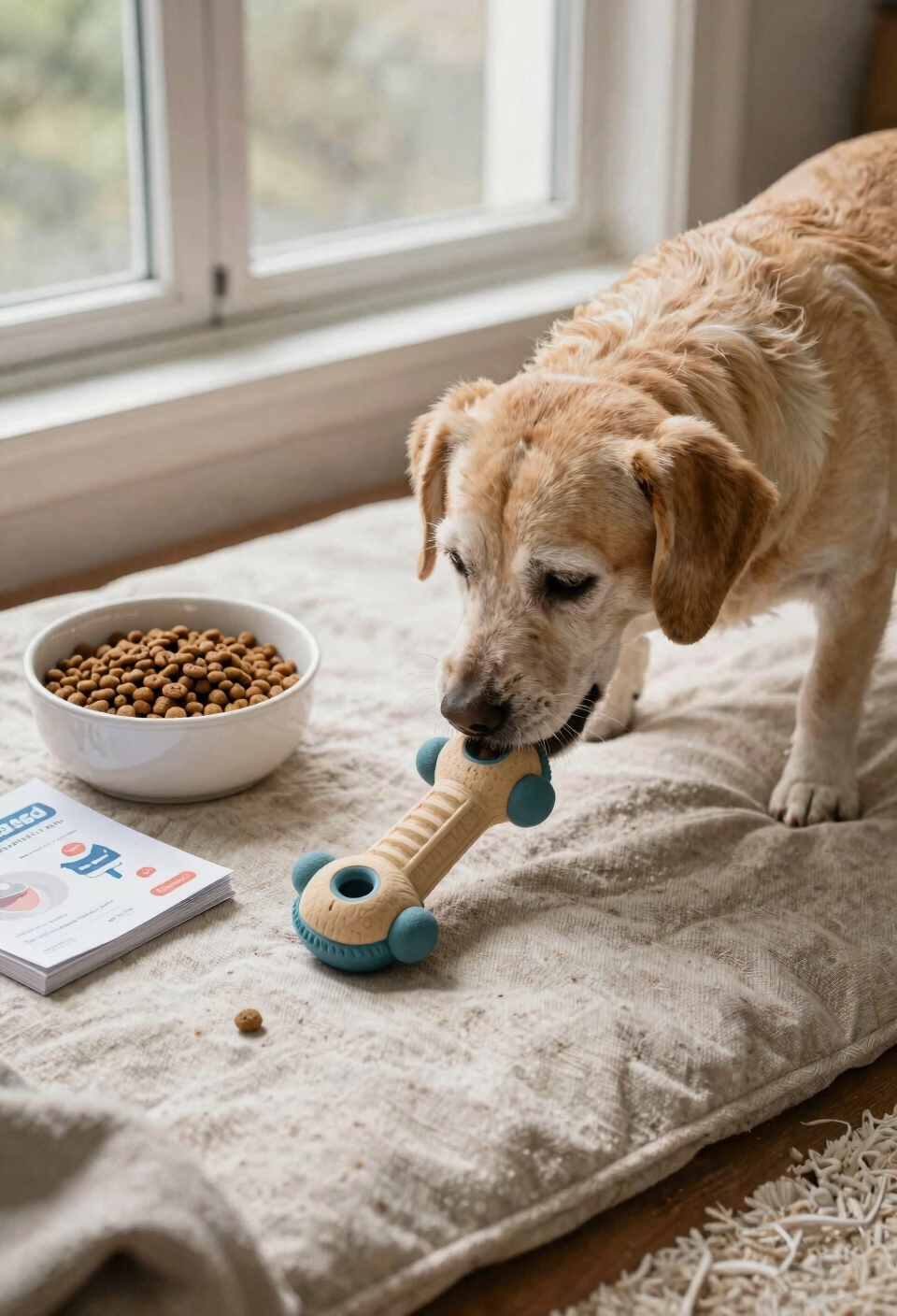
Beyond the plaque-fighting power of dental chews, your senior dog’s brain needs just as much love as their teeth do—and that’s where food-filled puzzle toys come in. I’m sure you’ve noticed that mental stimulation keeps dogs engaged way longer than just lying around. Now, here’s the thing: these toys let your pup work for hidden treats without putting crazy stress on their mouth. You can stuff them with canned food, kibble, or even freeze them for a soothing effect on sore gums. Scent puzzles especially tap into your dog’s natural instincts, turning snack time into detective work. The Starmark Bob-A-Lot is particularly effective for senior dogs, as it can double as a slow feeder to aid digestion and help prevent bloat. All right, honestly, watching your senior figure out how to retrieve that treat is pretty entertaining for you too.
Chew Items to Avoid With Dental Disease
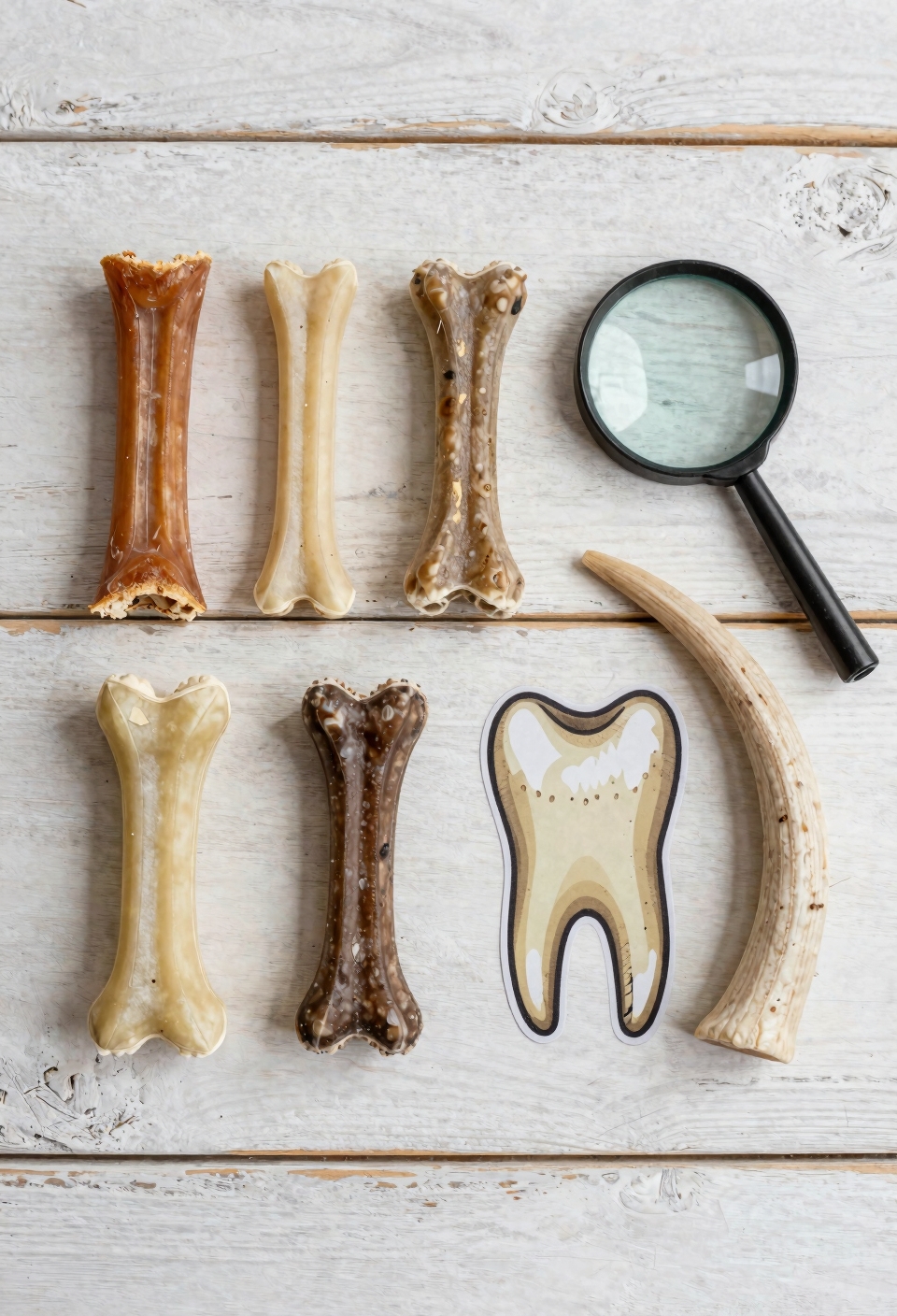
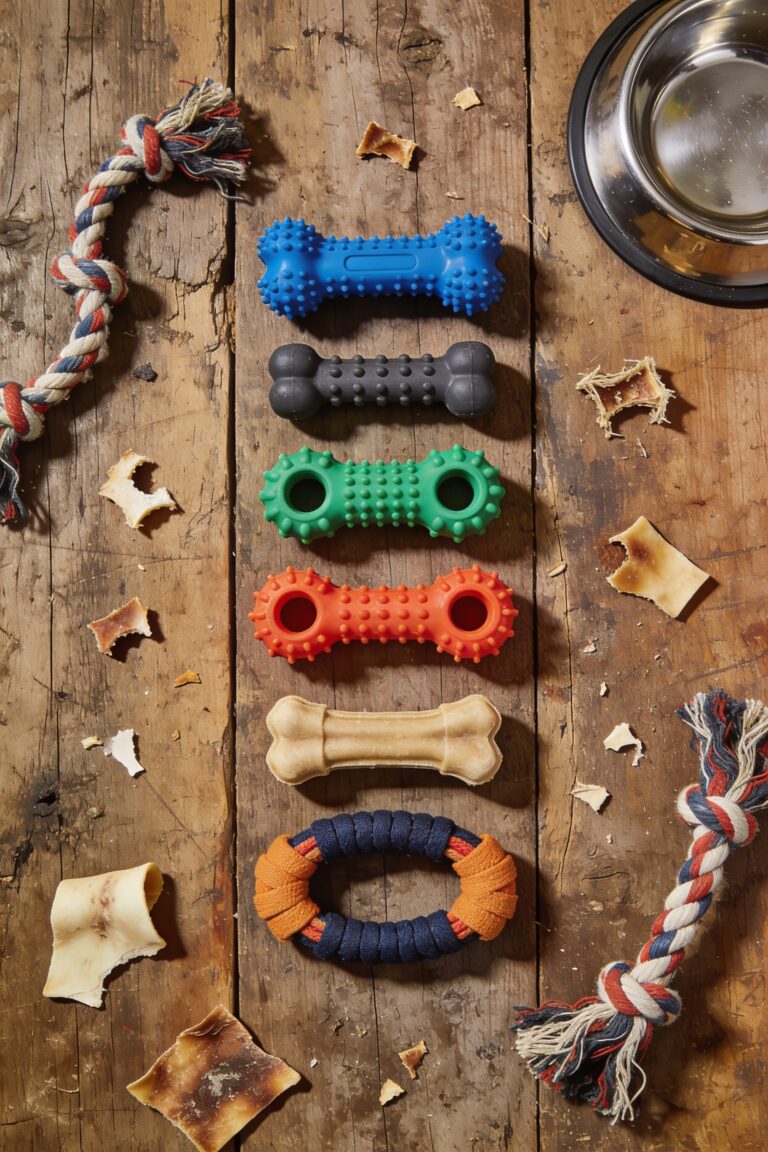
All right, now that we’ve talked about the brain-boosting stuff your senior can safely chew on, we need to have the flip side conversation—because not all chew toys are created equal when your dog’s got dental disease. I’m sure you’ve noticed those hard antlers and bones at the pet store, but here’s the thing: they’re basically tooth-fracture waiting rooms. Your dog’s already dealing with weakened teeth, and one good chomp on an antler alternative like a yak chew can crack what’s left. String hazards from rope toys are equally sketchy—they unravel, get swallowed, and boom, you’re looking at intestinal blockage. Always prioritize soft, nylon options that won’t compromise your senior’s already vulnerable dental health. Stick with soft options instead. Your vet’ll thank you.
Choosing Safe Chews by Dental Condition and Size
So you’ve ditched the dangerous stuff—good call—but now comes the part where you actually have to pick something your senior dog can handle without ending up back at the vet’s office. All right, here’s the thing: match the chew texture to your dog’s actual dental situation. If your pup’s got bite sensitivity or weakened jaw strength, soft toys are your best bet. I’m sure you’ve noticed that hard chews make them wince. Kong-style toys in softer versions work great because they give that satisfying chew without wrecking what’s left of their teeth. Size matters too—go appropriately small to reduce choking risks, especially if your dog’s missing teeth. Avoid toys with textured surfaces that promote dental cleaning since these aggressive designs can aggravate existing dental disease rather than help it. Obviously, supervise them. Swap out damaged toys immediately so they don’t accidentally swallow pieces.
Frequently Asked Questions
How Often Should I Replace Worn or Damaged Chew Toys to Prevent Injury?
I’d recommend inspecting your senior dog’s chew toys weekly and replacing them immediately if they’re worn or damaged. This replace frequency prevents injury from torn pieces or splinters that could harm your dog’s mouth or digestive system.
Can Frozen Soft Chew Toys Help Soothe Pain From Dental Disease in Senior Dogs?
Like a soothing balm on a wound, frozen soft chew toys can offer cold comfort to your senior dog’s aching mouth. The numbing texture temporarily eases dental discomfort while providing gentle chewing satisfaction without damaging fragile teeth.
What Warning Signs Indicate My Senior Dog Has Oral Disease or Infection?
I’d watch for red or swollen gums, bad breath, and yellow or brown teeth. You’ll also notice drooling blood, pawing at their mouth, or ropey saliva. These signs mean you should see your vet soon.
How Can I Supervise Chewing Safely With Dogs That Have Missing Teeth?
Like a captain guiding a ship through shallow waters, I watch closely during supervised intervals. I apply gentle restraint, removing toys before choking hazards emerge, ensuring softer options suit their toothless mouths perfectly.
When Should I Consult a Veterinarian About My Senior Dog’s Chewing Habits?
I’d recommend consulting your veterinarian if you notice behavioral changes in your dog’s chewing habits, especially reduced interest, jaw pain signs, or difficulty eating. A veterinary referral’s essential when dental disease persists or affects their quality of life.
Conclusion
Look, I’m sure you’ve noticed your senior pup isn’t the fearless chewer they once were. The good news? You don’t have to surrender playtime just because their teeth are wearing out. Think of choosing the right chew like finding the perfect pair of reading glasses—it takes some adjustment, but suddenly everything clicks into focus. Your dog’s golden years can still sparkle with joy and mental engagement. You’ve got this.