As an Amazon Associate, we earn from qualifying purchases. Some links on this site are affiliate links at no extra cost to you. Our recommendations are based on thorough research and editorial judgment.

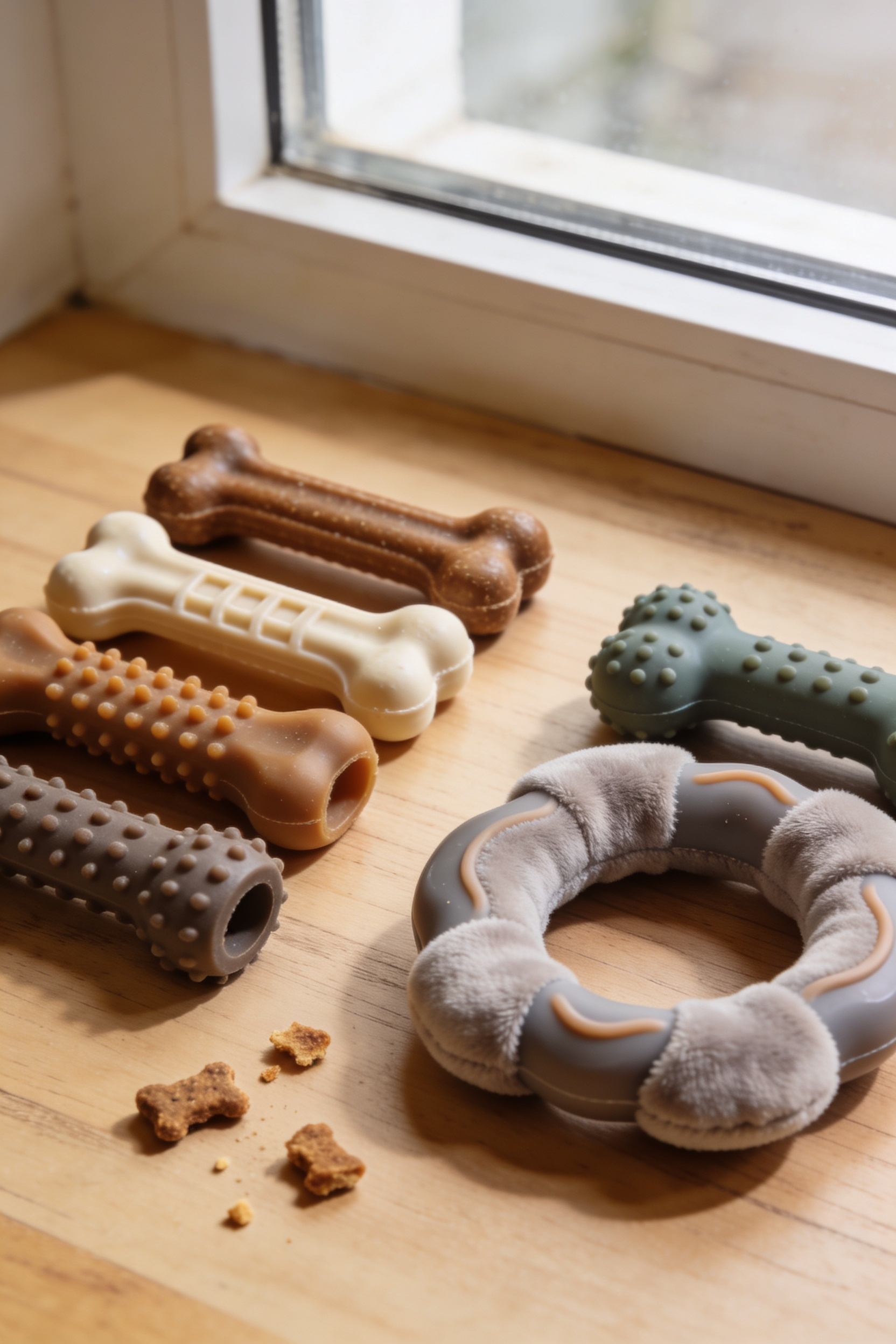
Hard Chew Toys vs. Soft Chew Toys: What’s Safer?

Hard chew toys fracture teeth because your dog’s jaw pressure can crack enamel against materials harder than tooth structure itself—and yeah, extractions run over $500. I’m sure you’ve noticed soft plush toys seem safer, but they shred into choking hazards. Your best bet? Flexible rubber and silicone toys that bend under pressure while cleaning teeth. All right, matching the toy’s durability to your dog’s chewing intensity matters most, and there’s definitely a sweet spot depending on whether you’ve got a gentle nibbler or a power chewer destroying everything in sight.
Key Takeaways
- Hard toys risk tooth fractures and enamel abrasion; durable rubber toys flex under pressure and protect teeth better.
- Soft plush toys are quickly destroyed, causing choking and intestinal blockages from ingested stuffing and squeakers.
- Match toy durability to your dog’s chewing intensity: gentle chewers need softer options, power chewers need heavy-duty rubber.
- Food-grade rubber and silicone toys with textured surfaces clean teeth and massage gums without causing damage.
- Durable rubber brands like KONG Extreme and GoughNuts offer longer lifespan and safety features designed for aggressive chewers.
Why Hard Chew Toys Fracture Dog Teeth and Cause Expensive Damage
You may be interested
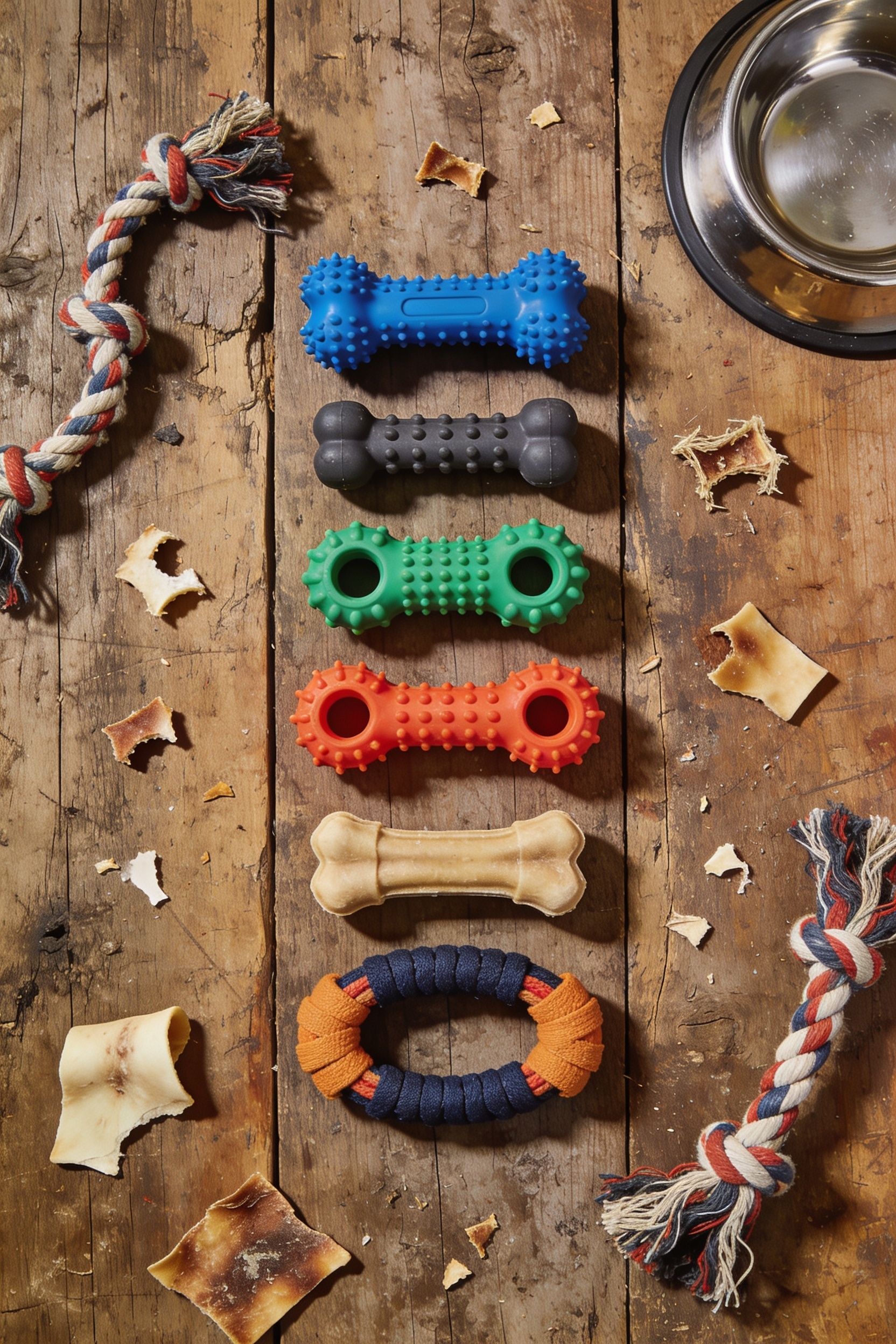
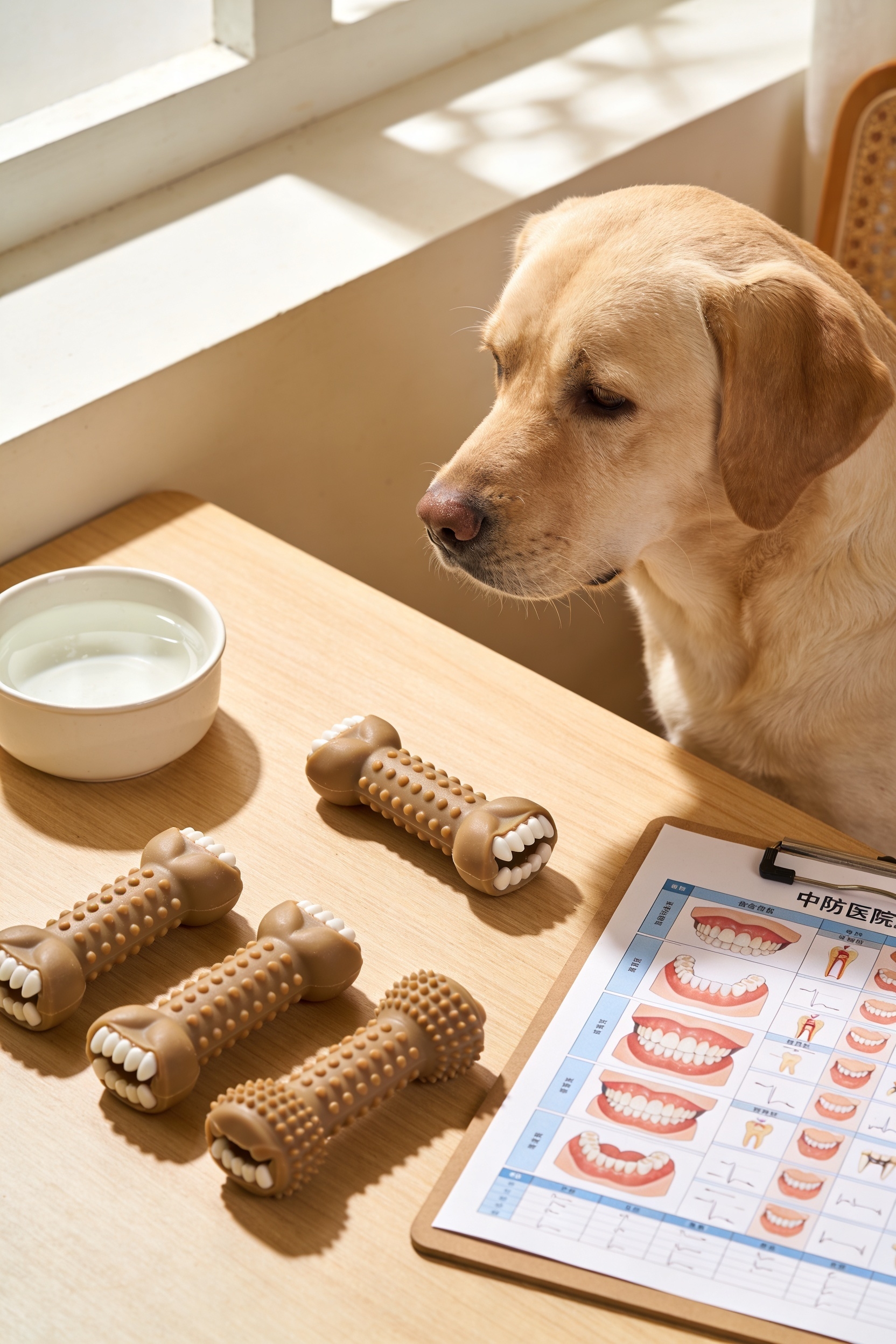
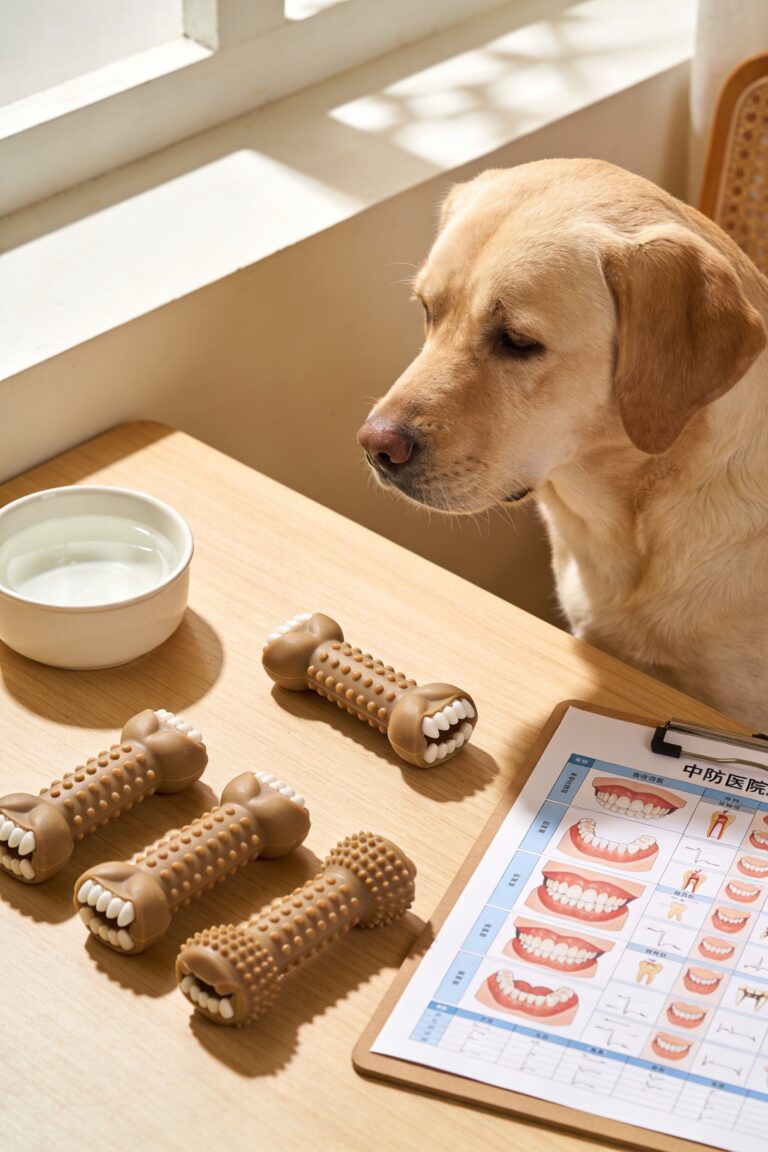
Imagine this: you’re at the vet’s office, and the doctor’s telling you your dog needs a tooth extraction that’ll run you somewhere north of $500—all because Fido couldn’t resist gnawing on that rock-hard nylon chew toy you thought was indestructible. I’m sure you’ve noticed how dogs’ teeth aren’t exactly designed like titanium. The fracture mechanics are pretty straightforward: when your dog’s jaw applies pressure to something harder than their teeth can handle, something’s gotta give. Usually it’s the tooth. All right, here’s the thing about enamel abrasion—those hard toys gradually wear down your dog’s protective tooth coating like sandpaper. Now, some people think this won’t happen to their dog. Obviously it can, and it does constantly. The damage isn’t just cosmetic either; it’s expensive and painful. Textured surfaces that promote dental health work differently than hard toys—they’re designed to clean teeth gently rather than wear them down through excessive pressure.
Rubber and Silicone: Why These Materials Actually Work
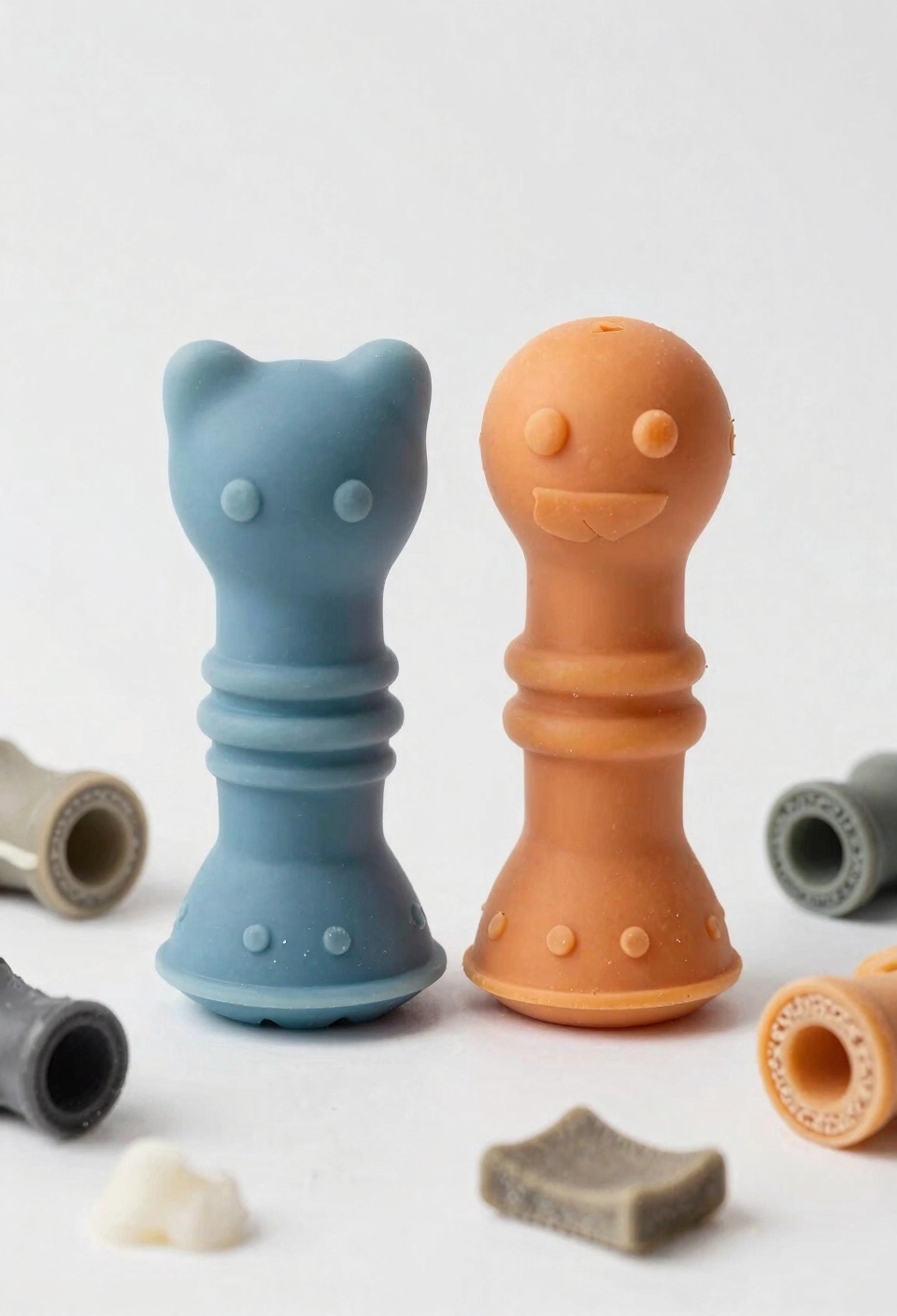
Let’s flip the script here—instead of watching your dog’s teeth slowly crumble like old concrete, what if you grabbed a toy that actually bends when you press it? That’s where rubber and silicone shine. These materials have natural resilience that flexes under pressure instead of snapping. I’m sure you’ve noticed how a Kong bounces back after your dog gnaws on it? That’s exactly what you want.
Now, here’s the kicker—food-grade natural rubber doesn’t leach nasty chemicals into your dog’s mouth like some sketchy plastics do. Chemical leaching from low-quality toys can mess with their endocrine system over time. Obviously, you’d rather avoid that headache entirely. The textured surfaces found in dental-focused toys like the KONG Squeezz Dental Bone and CoreStrength Bow Tie actually clean teeth and massage gums while your dog chews, giving you a dual benefit of safety and oral health.
All right, durable rubber toys like Kongs literally last longer while keeping those teeth intact. That’s just smart pet parenting.
Recommended Products

TPR NUBS REACH THE GUM LINE TO HELP REDUCE PLAQUE AND TARTAR: Soft TPR (thermoplastic rubber) nubs on the chew surface flex during chewing to reach the gum line, supporting mechanical plaque and tartar reduction with every chewing session.
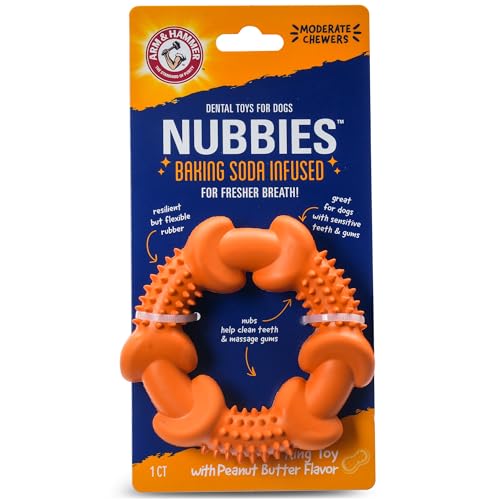
BAKING SODA INFUSED FOR FRESHER BREATH WHILE CHEWING: This dental chew toy is infused with Arm & Hammer Baking Soda to help freshen your dog's breath as they chew. The more they chew, the more the baking soda works to neutralize odor-causing compounds.

Durable Dog Ring Toy: KONG's Ring chew toys are designed with KONG's durable natural rubber, making it a long-lasting dog toy essential
Classify Your Chewer: Matching Toy Durability to Bite Force

Not all dogs chew the same way, and that’s where most people mess up their toy selection. I’m sure you’ve noticed that your friend’s tiny Chihuahua destroys toys differently than a German Shepherd would. That’s because breed size and play style matter way more than you’d think.
All right, here’s the deal: gentle chewers need softer options that won’t wreck their teeth, while power chewers require heavy-duty rubber that actually stands up to their bite force. Now, you’ve gotta honestly assess where your dog falls on that spectrum. Is she a casual nipper or a demolition expert? Her weight chart helps too—obviously you’re not giving a toy meant for a Great Dane to a Pug. Veterinarians recommend checking for reinforced seams and safety vents to ensure your toy choice protects your dog’s mouth during intense chewing sessions. Match the durability to the dog, and you’ll save money and vet bills.
Recommended Products
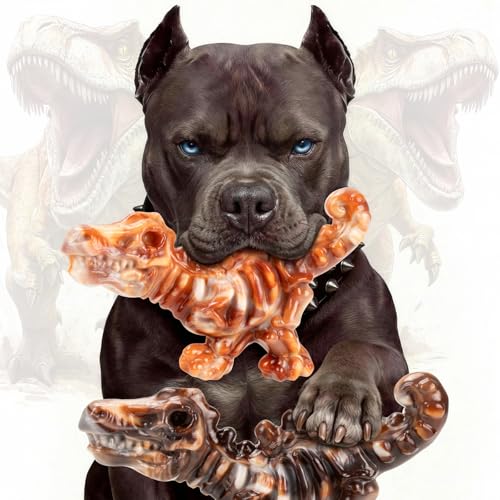
BUILT FOR POWER CHEWERS WHO DESTROY ORDINARY TOYS: Designed for dogs that quickly tear through plush, rubber, and softer chew toys. Made from durable nylon to provide a longer-lasting chewing outlet for strong jaws and determined chewers

COST-EFFECTIVE 3 PACK WITH MULTIPLE OPTIONS: This 3-pack of dog chew toys provides great value for multi-dog households or as convenient replacements; choose 6/9-pack for even better value. These durable dog toys make a perfect gift for your furry friend, ideal as practical chew toys for dogs and long-lasting dog bones.

Long-Lasting Durable Nylon Construction: Built tough for daily aggressive chewing, this sturdy dog toy supports healthy teeth and gums, gently cleans teeth to reduce tartar buildup and freshen bad breath naturally. It satisfies your dog's innate chewing instincts, keeping them occupied and stopping destructive chewing on furniture, shoes and household items. Specially made for aggressive chewers, suitable for medium to large dogs with strong chewing habits. Made of reliable, heavy-duty nylon, it delivers endless, fun playtime for your pup
Best Durable Dog Chew Toy Alternatives That Last
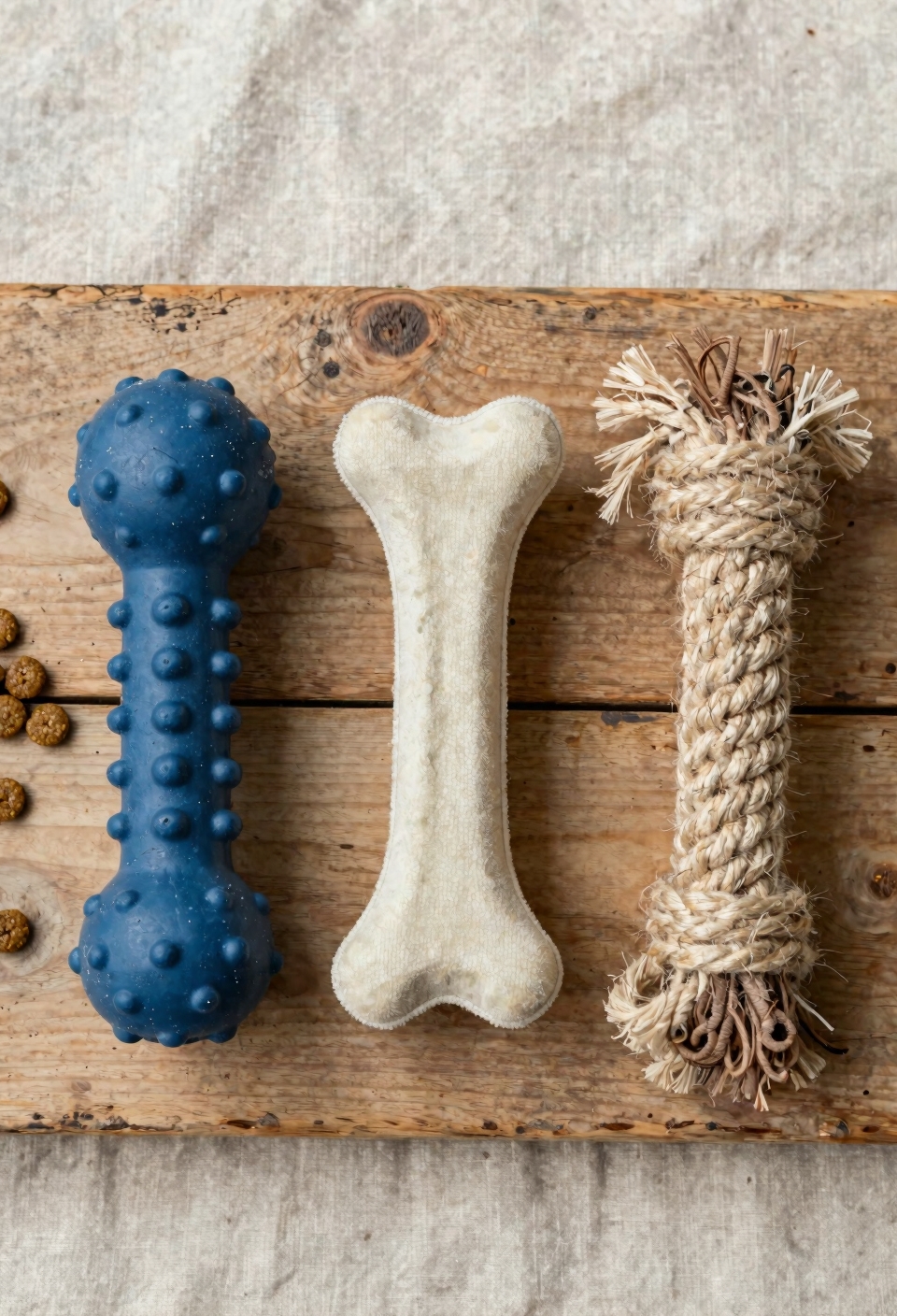
All right, so you’ve figured out what kind of chewer your dog is, and now comes the fun part—actually finding toys that won’t fall apart after two days or send you into debt with emergency vet visits.
I’m sure you’ve noticed Kong Extreme and GoughNuts are basically the heavy hitters here. They’re seriously durable rubber toys that can handle power chewers without fragmenting into dangerous pieces. GoughNuts even has color-coded rings that tell you when it’s time to replace them, which is honestly genius.
Now, if you want eco friendly options, Bully Max indestructible balls use natural rubber construction. They’re dishwasher-safe too, so cleanup’s actually bearable. Tuffy toys offer multiple bonded layers of food-grade materials for long lasting alternatives that won’t quit on you. For large breed dogs with aggressive chewing habits, natural rubber fetch toys like those in the Chew King collection are engineered specifically to withstand powerful jaws and intense chewing sessions.
Recommended Products
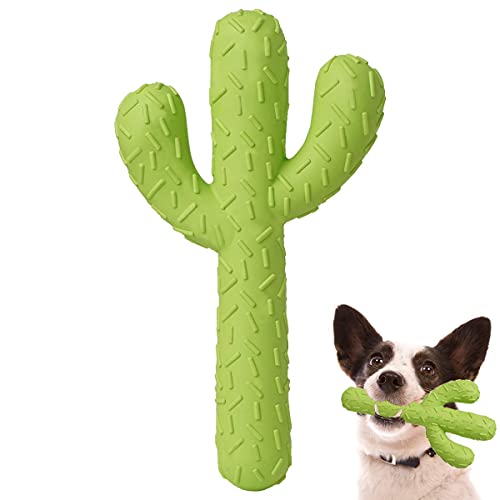
UNIQUE MODELING- The shape of the cactus makes the dog more excited, it is suitable for small dog, medium and large breed. There is also a unique milk flavor that makes dogs fall in love with cleaning his teeth. A great dog toy for your puppy!
Durable Dog Ring Toy: KONG's Ring chew toys are designed with KONG's durable natural rubber, making it a long-lasting dog toy essential

Durable Dog Toys for Aggressive Chewers: Shark interactive dog chew toys for aggressive chewers are easy to use and tougher than real bone to satisfy dogs' urge to chew and gnaw. The dog toy for aggressive chewers rubber part is 30% thicker than other toys. Dog toys for large dogs are tough dog toys and last for weeks. Dog chew toys are almost indestructible dog toys for aggressive chewers and can withstand more vigorous chewing. This long-lasting hard dog toy is the best gift for 20-80 lbs dogs
Hidden Risks of Soft Toys (And How to Choose Safely)

While soft plush toys seem like the safer choice after all those warnings about hard chews, they’ve actually got their own sneaky problems that can catch you off guard. I’m sure you’ve noticed how quickly determined dogs destroy them—stuffing, squeakers, and all. Now, here’s where it gets dicey: all that ingested material can cause blockages that need surgery to fix. Swallowed squeaker mechanisms can cause intestinal blockages or choking and require immediate veterinary care.
All right, so how do you choose safely? Look for toys labeled non-toxic and pet-safe from reputable brands. Heavy-duty rubber options like Kong Extreme actually work better than flimsy plush. Your supervision strategies matter too—watch for ingestion indicators like vomiting or lethargy. Honestly, matching the toy to your dog’s chewing style beats guessing every time.
Recommended Products
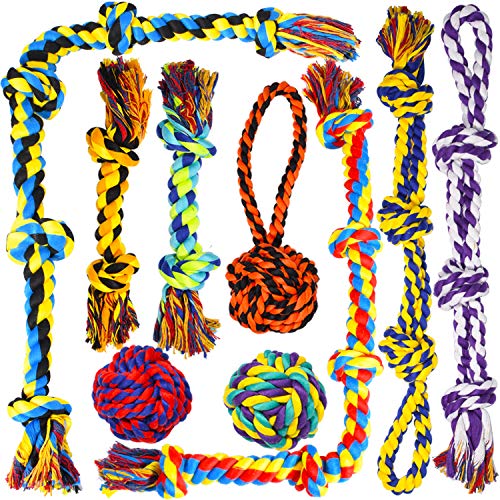
INDESTRUCTIBLE DOG TOYS FOR AGGRESSIVE CHEWERS MEDIUM TO LARGE BREED: XL sized strong dog toys set are popular combination of rope dog chew toys, contains 27 inches of 5 knots dog rope toys for aggressive chewers, round rope ball dog toys, multi knots cotton rope dog chew toys and tug of war rope ball

Built for Long-Lasting Play: Made from tough, high-quality nylon, these dog chew toys stand up to aggressive chewers and won't break apart easily. Whether your dog is relaxing on the couch after a morning walk, gnawing happily in the backyard, or enjoying a quiet moment in the living room, these dog toys let them chew freely. You can feel confident leaving them to enjoy themselves, knowing the toy will hold up, keeping playtime safe, satisfying, and stress-free

Stop Wasting Money on 2-Minute Toys: Engineered for the crushing jaw pressure of 20-80 lb breeds like Labs and German Shepherds, this dual-material bone features a rock-solid nylon core reinforced with a dense rubber sleeve to outlast standard plush toys and finally give you a break from constant replacements
Top Safe Chew Toys for Every Dog Type
Now that you know what to avoid and how to spot the red flags, let’s talk about what actually works—because honestly, finding a chew toy that won’t either shatter your dog’s teeth or turn into an intestinal blockage feels like searching for a unicorn sometimes.
Here’s the thing: you’ve got to match toys to your dog’s personality and size. I mean, a Kong Extreme works great for power chewers, but it’d be overkill for your gentle buddy. Age suitability matters too—puppies need softer options while they’re teething, whereas older dogs can handle more durable rubber. When selecting toys, prioritize third-party safety testing certifications like CPSIA approval to ensure your dog’s safety.
All right, for average chewers, I’m sure you’ve noticed GoughNuts rings stay solid forever. Gentle chewers? Tuffy toys with their bonded layers are your answer. Obviously, always check weight charts before buying anything.
Recommended Products

[2 Pack Dog ChewToys] Vivid Design with lifelike meat-shaped coloring and surface detailing to entice aggressive chewers. Far more appealing than plain dog bones, help trigger dogs’ natural urge to play and chew.This value 2-pack set is perfect for multi-dog households and can also be used as replacement toys
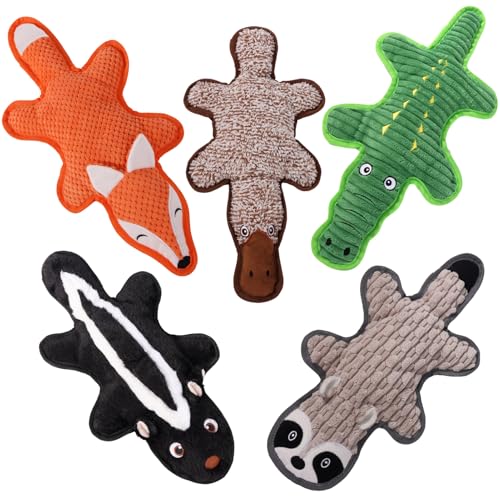
No Stuffing Dog Toys Design for Safer Play: Say goodbye to messy stuffing cleanup! These toys feature a stuffing-free interior, which not only reduces the risk of dogs swallowing filling but also keeps playtime neat and tidy. The stuffing-free design minimizes choking hazards, while post-play cleanup becomes a total breeze for pet parents

Easier to Grip & Chew: Specially curved on both ends, our tough dog toys for aggressive chewers fit comfortably in your pet's paws, making this dog chew toys for aggressive chewers easier for them to grip and chew. Unlike flat alternatives, our indestructible dog toys for aggressive chewers ensure a more engaging chewing experience and stimulate longer play. Size at 8.6in x 2.9in, great dog toys for large dogs and medium dogs 30-100lbs
Frequently Asked Questions
How Often Should I Replace My Dog’s Chew Toys to Prevent Bacterial Contamination?
I’d recommend replacing your dog’s chew toys every 3-6 months, depending on material porosity. Porous toys harbor bacteria faster, so I replace mine monthly. Machine-washable rubber toys last longer and reduce contamination risks considerably.
Can Hard Toys Cause Internal Injuries if Fragments Are Swallowed and Ingested?
Yes, hard toys absolutely can cause internal injuries. I’m concerned because bone fragments and sharp shards from fractured toys cut mouth tissue and digestive tract linings, potentially requiring emergency surgery to remove blockages.
What Specific Chemicals Should I Avoid When Selecting Pet-Safe Chew Toys?
I’d avoid BPA free plastics and watch for phthalate warnings on labels. You’re fundamentally choosing between endocrine disruptors and your dog’s health—select toys explicitly labeled non-toxic from reputable manufacturers instead.
Are Toys Labeled Safe for Human Infants Also Safe for Dogs?
No, I wouldn’t assume infant-safe labels guarantee canine safety. Human grade standards differ from pet requirements, and toy materials designed for babies don’t account for dogs’ aggressive chewing habits and digestive systems.
How Do I Know if My Dog Has a Blockage From Toy Ingestion?
I’d watch for signs like lethargy, vomiting, loss of appetite, and abdominal pain. Visible bleeding in stool, constipation, or a distended belly warrant immediate veterinary attention, as blockages can become life-threatening quickly.
Conclusion
Now, here’s the thing—your pup’s chew toy isn’t just rubber or rope. It’s a lighthouse guiding them away from your furniture and toward their teeth staying intact. I’m sure you’ve noticed how the right toy becomes their anchor, their safe harbor. All right, so pick wisely: match the toy’s durability to your dog’s bite force like you’re pairing wine with dinner. Your wallet—and your dog’s molars—will thank you later.