As an Amazon Associate, we earn from qualifying purchases. Some links on this site are affiliate links at no extra cost to you. Our recommendations are based on thorough research and editorial judgment.

Do Chew Toys Really Clean Your Dog’s Teeth?

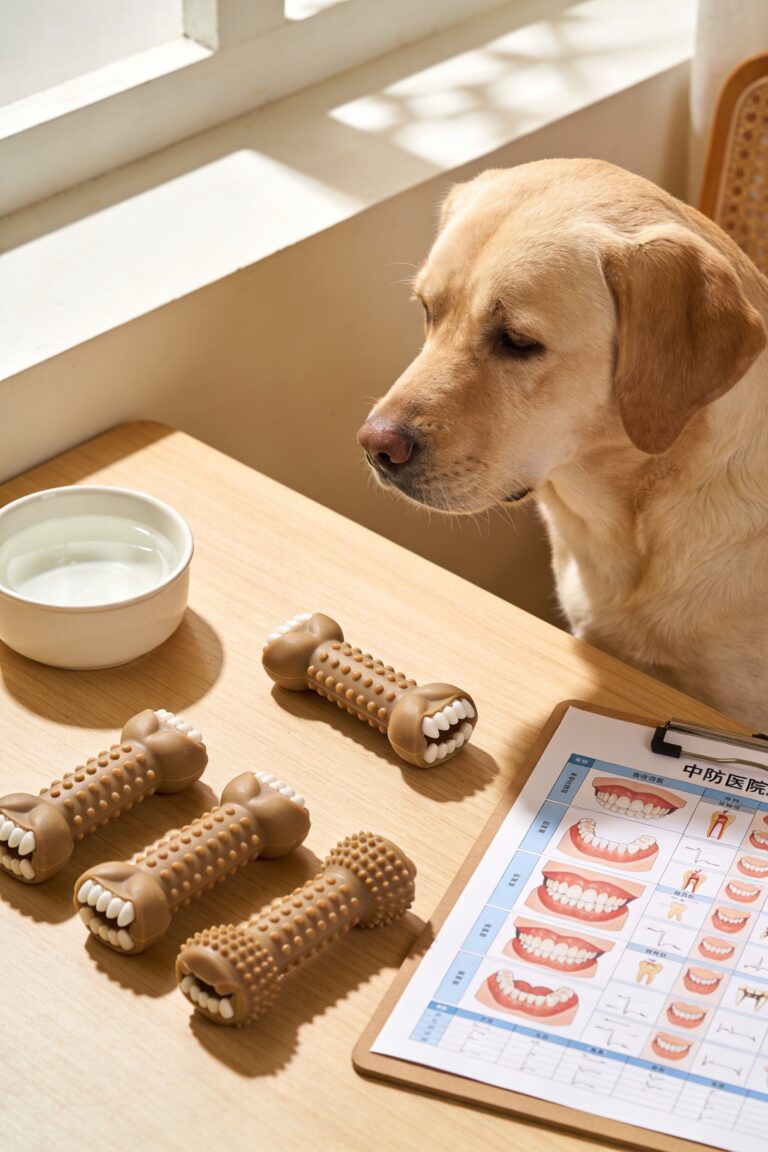
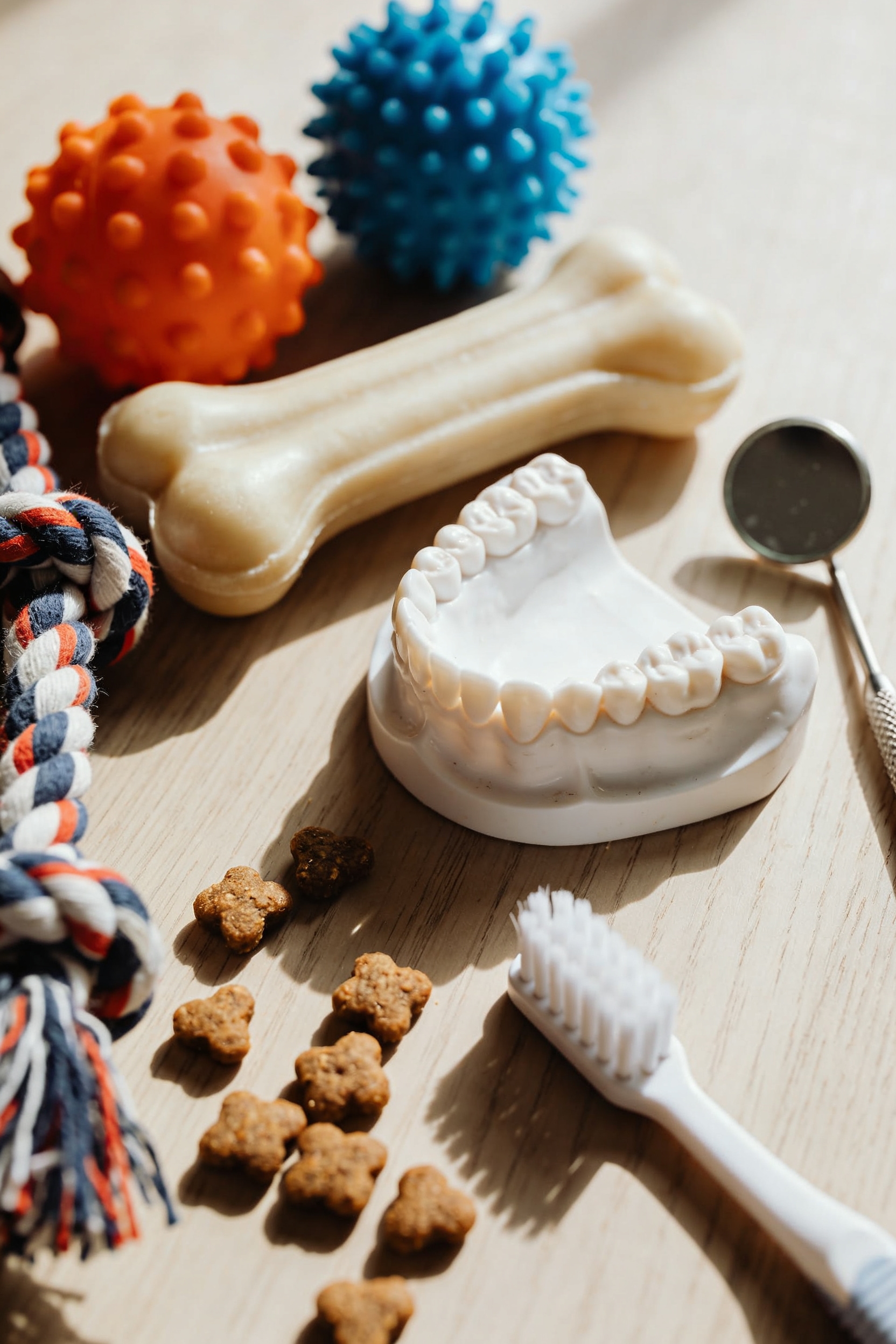
Look, I’m sure you’ve noticed your dog goes to town on a chew toy like it’s the most important thing ever—and honestly, it does help scrape away some plaque and food bits. But here’s the thing: chew toys are more like a rough napkin than an actual toothbrush. They offer supplemental cleaning at best. The real dental heavy lifting? That’s brushing, which actually reaches the gum line where plaque loves to hide. Chew toys are great for enrichment and behavior, but they’re not a standalone solution. Stick around to discover what actually works.
Key Takeaways
- Chew toys provide partial mechanical cleaning through textural abrasion but cannot replace daily brushing.
- Ridged and nubbed surfaces help scrape away some plaque and food debris during chewing.
- Salivary enzymes assist in cleaning, but chew toys act like rough napkins versus toothbrushes.
- Dental chews engineered with active ingredients offer better oral health benefits than regular chew toys.
- Professional veterinary cleanings and daily brushing remain necessary; chew toys only supplement comprehensive dental care.
What Chew Toys Actually Clean (and Why Brushing Wins)
You may be interested
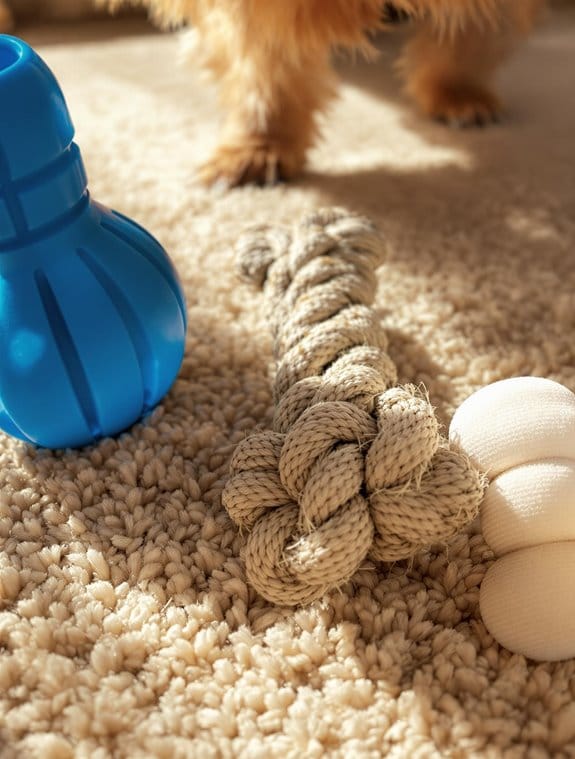
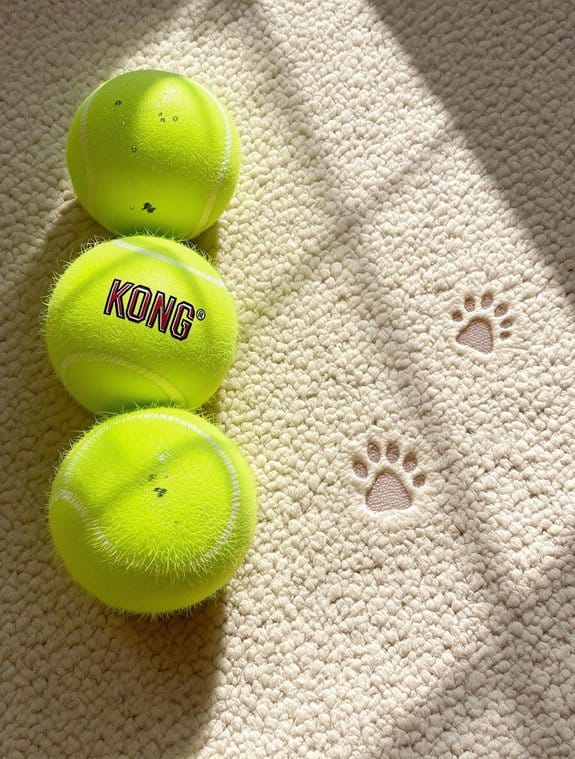
While chew toys *do* clean your dog’s teeth to some extent, I’m sure you’ve noticed that “to some extent” is doing a lot of heavy lifting in that sentence. Here’s the thing: textural abrasion from a toy’s ridges and nubs can scrape away some plaque and food bits. Your dog’s saliva helps too—salivary enzymes work alongside that mechanical action. But and this is a big but, chew toys aren’t magic. They’re like using a rough napkin instead of an actual toothbrush. Now, brushing your dog’s teeth? That’s the real MVP. It actually reaches everywhere plaque hides. I mean, toys support your dog’s chewing instincts and keep them entertained, which is fantastic. Just don’t expect them to replace daily brushing or professional cleanings. Products specifically marketed for dental benefits—like those with textured surfaces that promote dental health—can offer some support, but they work best as a supplement to a comprehensive oral care routine.
Recommended Products

✅ Keep Your Dogs' Oral Health and Fresh — Dog tooth
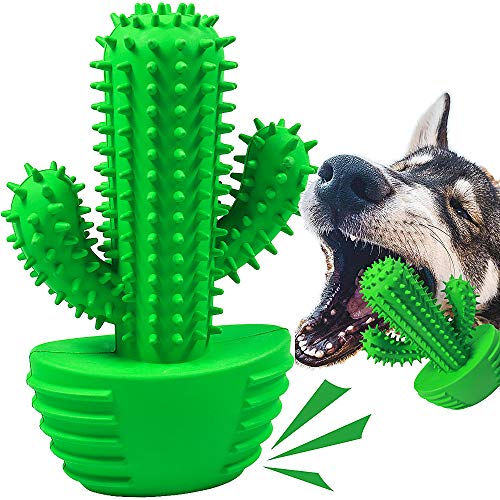
GREAT WAY TO ENTERTAIN AND PRACTICE DENTAL HYGIENE: The bristles on the dog toothbrush are arranged neatly; Put dog toothpaste into the grooves of the dog toothbrush stick; When dogs chew the toy will effectively clean teeth, and promote your dog's strong jaws; For an added surprise, the base squeaks! Squeaky dog toys create fun sounds provide long-lasting engagement making chewing more exciting for dogs

TPR NUBS REACH THE GUM LINE TO HELP REDUCE PLAQUE AND TARTAR: Soft TPR (thermoplastic rubber) nubs on the chew surface flex during chewing to reach the gum line, supporting mechanical plaque and tartar reduction with every chewing session.
How to Pick Dental-Friendly Toys
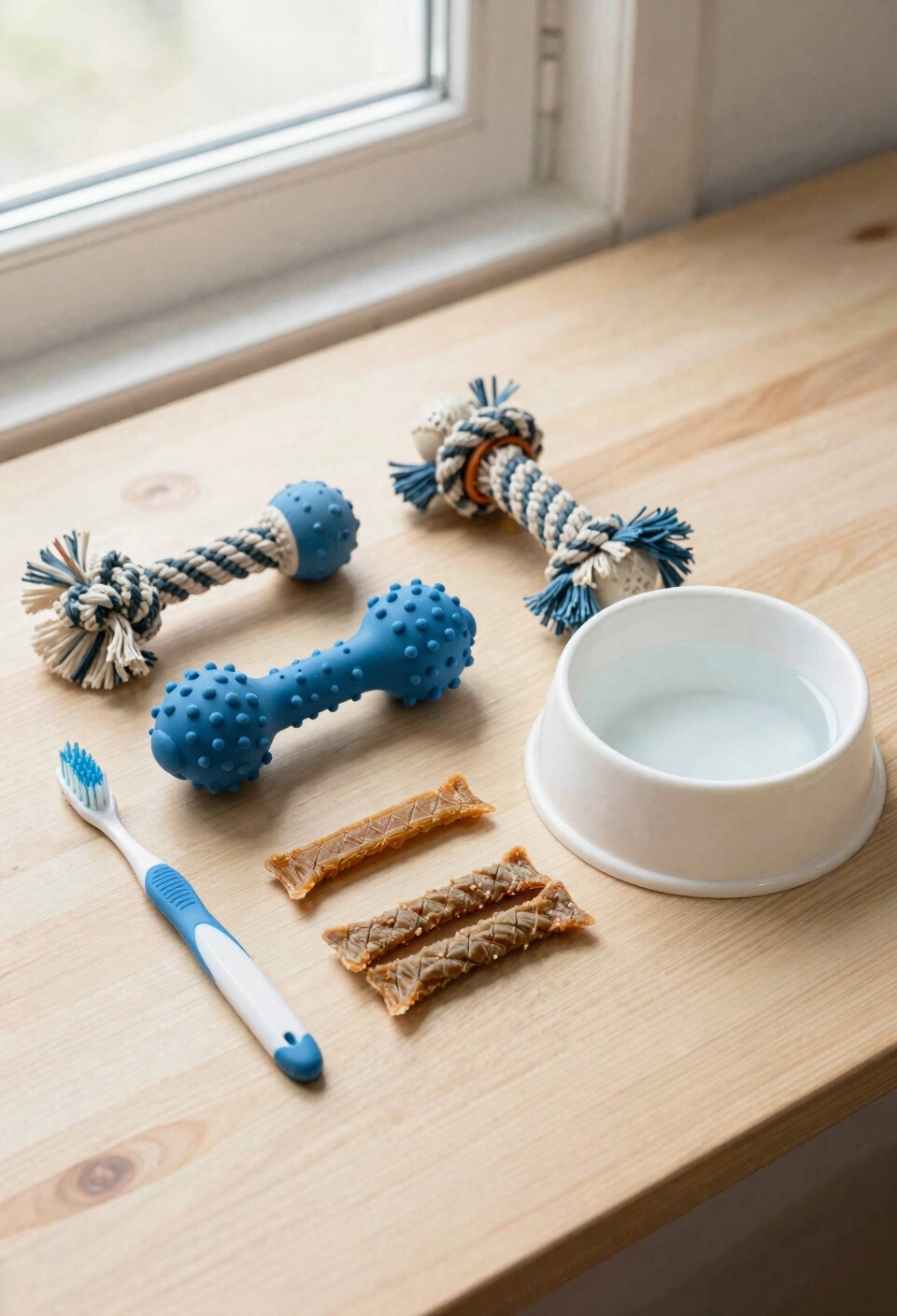
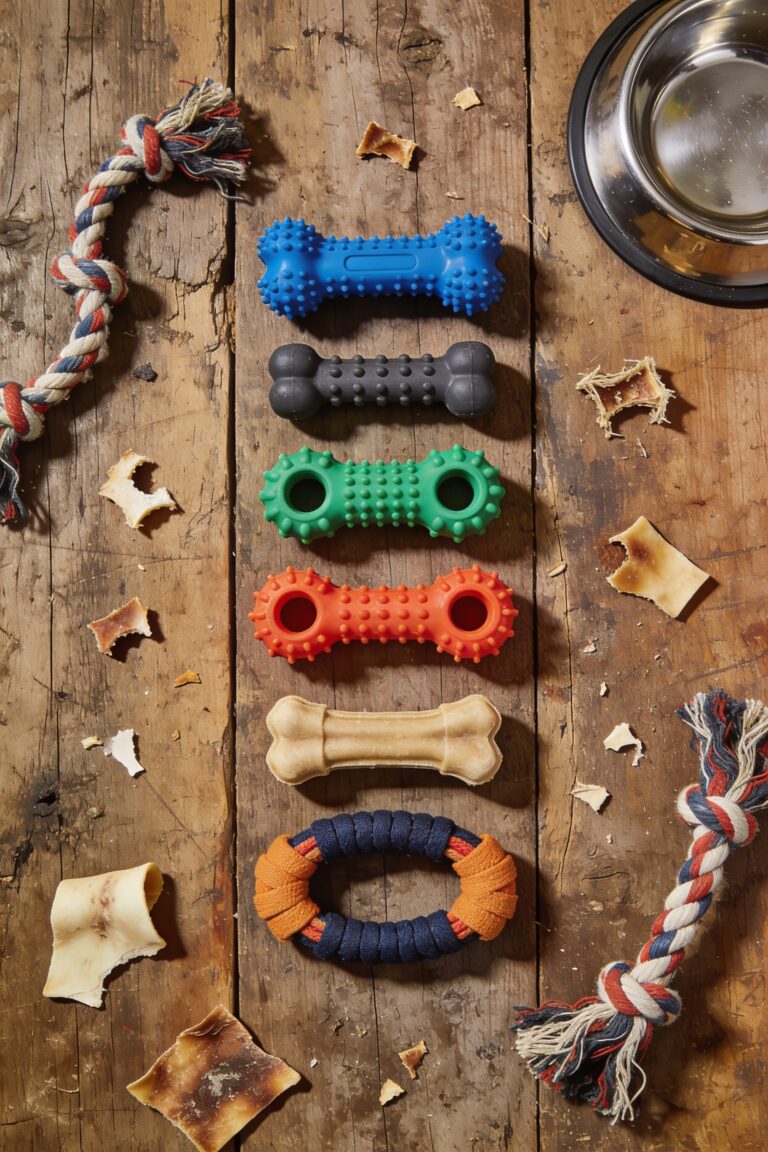
Now that you know chew toys aren’t going to single-handedly save your dog’s teeth, let me help you pick ones that’ll at least pull their weight. I’m sure you’ve noticed toys come in basically two flavors: smooth and boring, or textured and actually useful. You want the textured ones. Look for toys with ridges, nubs, or grooves—basically anything that’ll actually scrub your dog’s teeth instead of just looking pretty on the shelf.
Material durability matters too. Avoid anything rock-hard that could crack teeth. You’re aiming for that sweet spot: durable enough to last, but slightly yielding when your dog chomps down. Bonus points if the toy’s VOHC-approved—that’s your sign it’s actually been vetted by dental experts. Natural rubber toys with treat-dispensing features offer both durability and dental benefits, making them a smart choice for aggressive chewers. Match the toy’s size to your dog’s jaw strength, and you’re golden.
Recommended Products

【Dog Teeth Cleaning Toy】The Bristles On The Surface Of This Dog Toothbrush Toy Are Aligned To Effectively Clean The Dog’S Teeth And Promote A Strong Jaw When The Dog Chews On It. Additionally, The Ends Of The Toy Squeak, Which Makes The Dog More Excited To Chew For A Longer Period Of Time!"

CONTAINS: Contains 3 Hartz Medium Chew ‘n Clean Dental Duo dog toys. Other sizes available are extra small through extra large and in a variety of colors.

A chew toy and treat all in one! Satisfy your dog's natural urge to chew while promoting the dental benefits of clean teeth and general oral health
Dental Chews vs. Chew Toys: What Works Better?
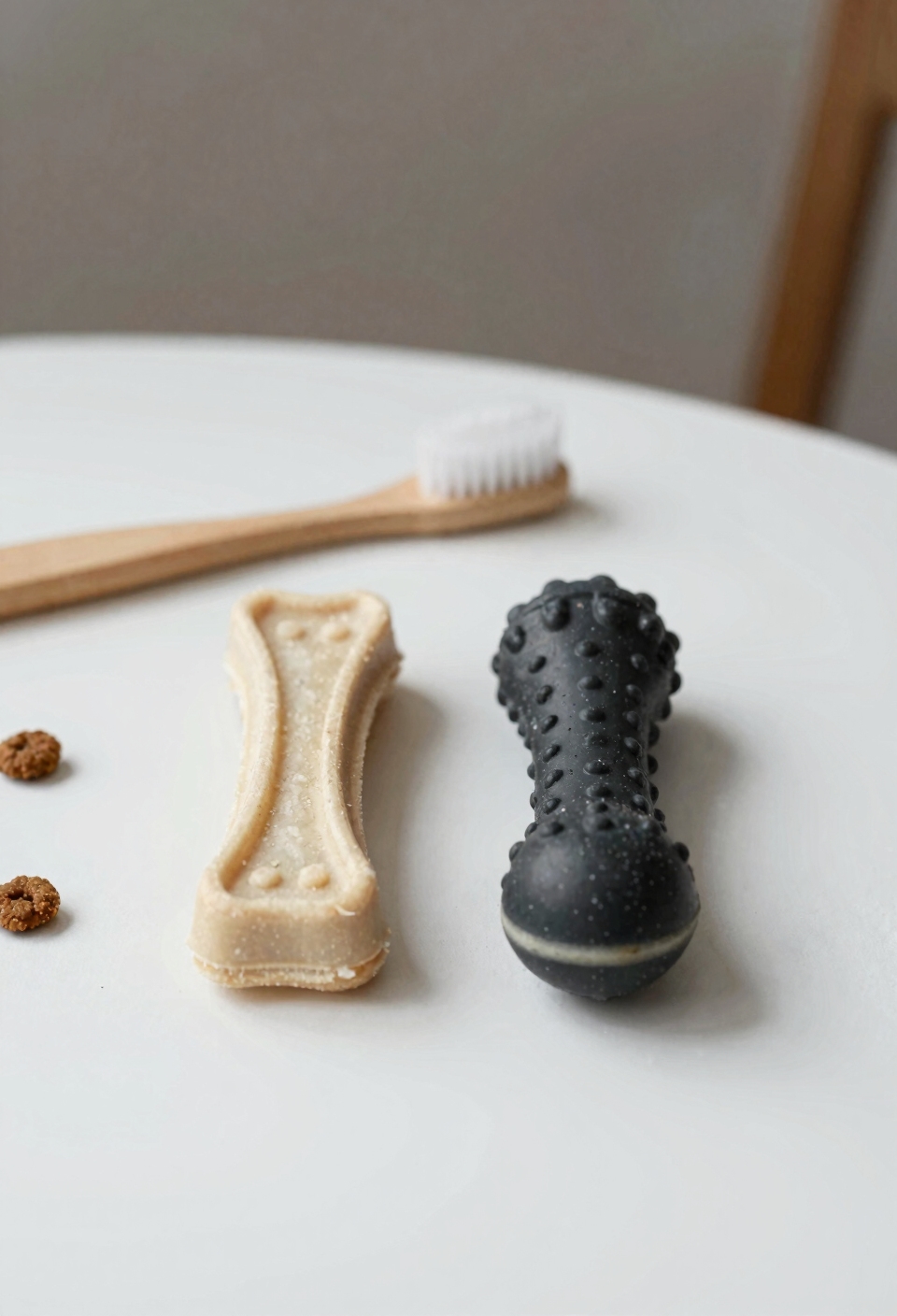
If you’ve been thinking chew toys and dental chews are basically the same thing with different marketing, I’ve got some news for you—they’re actually pretty different beasts. Regular chew toys mainly give your dog something to gnaw on—which is great for behavioral reinforcement and keeping them occupied. Dental chews, though? They’re engineered specifically for oral health. I mean, they’ve got textured surfaces like toys do, but they also pack active ingredients. Some include enzymatic chews with compounds that actually fight plaque and tartar buildup. Now, here’s the honest part: chew toys alone won’t cut it for serious dental care. You’re better off combining dental chews with daily brushing. Neither replaces professional cleanings, obviously. Think of dental chews as the upgrade that actually delivers what the marketing promises. For aggressive chewers, selecting toys made from high-quality nylon and natural rubber provides both the durability needed for sustained chewing and the textured surfaces that support dental health benefits.
Recommended Products
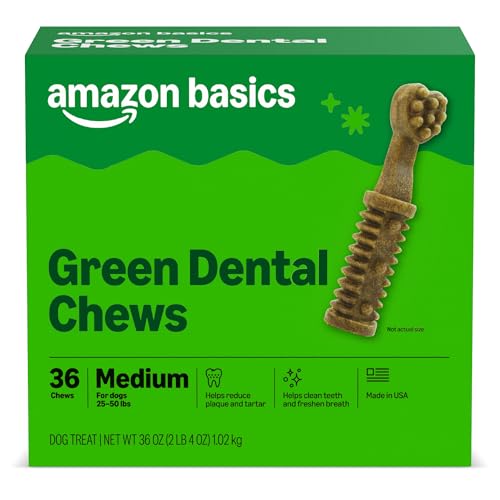
SHIPMENT CONTAINS: 36 textured dental treats for medium dogs, 25-50 lbs

6-Ridge Shape for Dental Health - Our Wonder Bound Beef Flavor Dental Sticks boast a unique 6-ridge shape to clean your dog’s teeth, effectively minimizing plaque and tartar buildup with each savory chew

SHIPMENT CONTAINS: 130 textured dental treats for tiny dogs, 5-15 lbs
Brushing Beats Chew Toys Alone: Build a Complete Routine
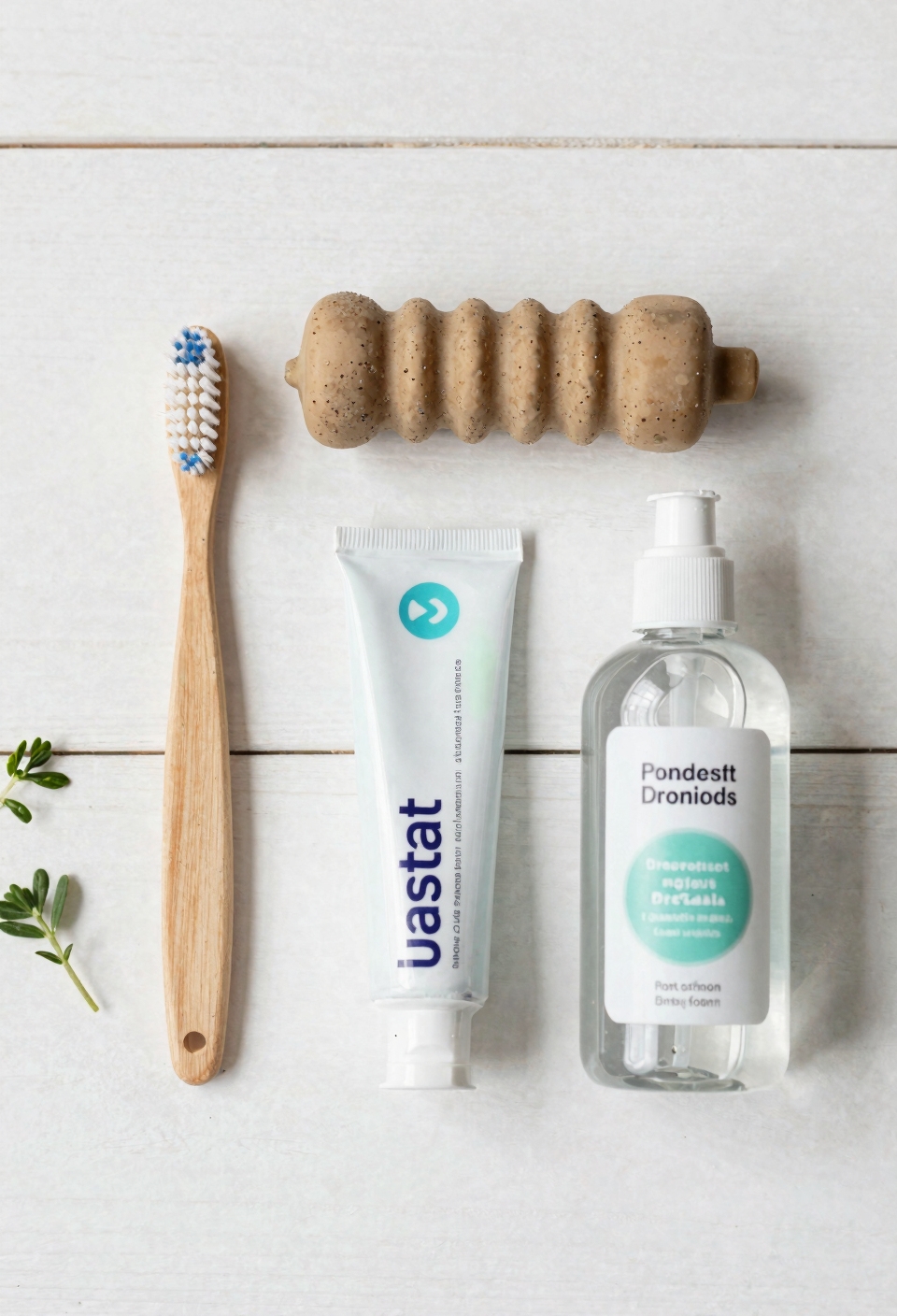
Relying on chew toys to handle your dog’s dental health is like expecting a salad to count as your yearly doctor’s visit—sure, it’s *something*, but it’s not going to cut it. I’m sure you’ve noticed that chew toys alone won’t prevent plaque and tartar buildup. All right, here’s the truth: daily brushing is your heavy hitter. Your owner technique matters too—you’ve gotta get those bristles at the gum line where the real action happens. Now, combine that brushing habit with chew toys as a bonus tool, throw in regular vet checkups, and you’ve actually built something solid. Chew toys with textured surfaces can support your dental routine by promoting mechanical cleaning during chewing sessions. Chew toys support the routine, they don’t replace it. Think of them as your dental insurance policy’s copay, not the whole coverage.
Recommended Products

Age Range Description: All Ages

Toothbrush-Shaped Dental Chew for Small Dogs: Raised nubs and textured ridges work like a toothbrush during chewing, gently scrubbing teeth and massaging gums to help reduce plaque and tartar buildup in dogs 10 to 30 pounds, including French Bulldogs, Beagles, Corgis, and Cocker Spaniels.
Toothbrush in A Toy: Includes rubber nubs and nylon bristles to help stimulate gums and keep teeth clean
How to Protect Your Dog’s Teeth While Chewing
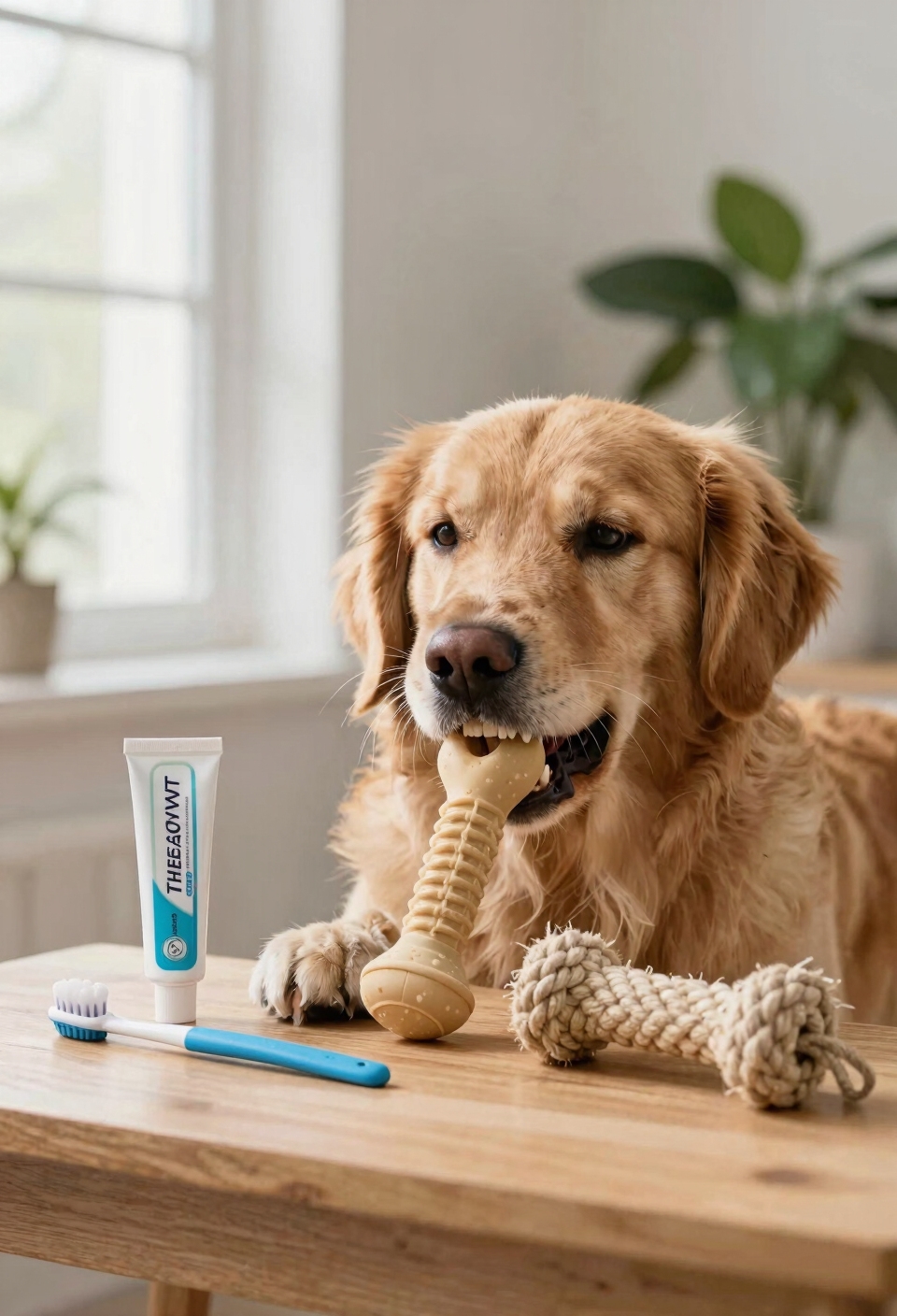
you need supervised sessions where you’re actually watching what’s happening. I mean, I get it—you’re busy—but those hard nylon bones and antlers? Teeth-crackers. Swap them for textured rubber toys designed with dental care in mind. Jaw strengthening puzzles are solid choices too; they’re durable enough to handle serious chewing without becoming weapons. Match the toy’s hardness to your dog’s bite strength. Obviously, replace anything that’s fraying or breaking down. Toys with dental ridges and coatings like DentaShield technology help reduce tartar buildup while your dog chews. Your vet can spot tooth damage early, but prevention beats repair every single time.
Recommended Products

Helps Eliminate Destructive Chewing – This sturdy t bone dog chew toy offers a safe outlet for aggressive chewers, keeping them engaged while reducing destructive chewing habits. Perfect as dog enrichment toys, especially for super chewers.

BAKING SODA INFUSED FRESHENS BREATH DURING CHEWING: The Nubbies TriBone is infused with Arm & Hammer baking soda to help freshen breath and neutralize mouth odors while dogs chew, play, and grip the toy during daily sessions.

DURABLE, LONG-LASTING – Super chewer? Bring it on. Benebones are tougher than real bones and last for weeks.
Frequently Asked Questions
Can Chew Toys Cause Tooth Damage if My Dog Chews Too Aggressively?
Yes, I’d caution you that overly hard toys can cause hard fractures and enamel abrasion when your dog chews aggressively. I’d recommend choosing softer, textured toys and supervising play to protect their teeth.
Are Vohc-Approved Dental Products Worth the Extra Cost?
Yes, they’re worth it. VOHC-approved products are like gold standards—backed by efficacy studies proving real plaque reduction. Though costlier upfront, the price comparison favors them over repeatedly replacing ineffective toys and potential vet bills.
What Signs Indicate a Chew Toy Is Worn Out and Needs Replacement?
I’d replace your dog’s chew toy when you notice frayed edges, reduced texture, or visible wear that compromises its cleaning ability. Damaged toys can injure teeth and gums, so don’t wait until they’re destroyed.
Do Dental Chews With Enzymes Really Reduce Plaque and Tartar Buildup?
Like a sponge absorbing spills, enzymes in dental chews can help reduce bacteria, though I’d say enzyme efficacy shows promise for bacterial reduction. However, they’re most effective combined with brushing and professional cleanings.
How Often Should I Supervise My Dog While Using Chew Toys?
I’d recommend supervising your dog during all chew sessions, especially with puppies who’re still learning boundaries. For older dogs with established habits, you can gradually reduce supervision, but I’d still monitor regularly to catch any tooth damage or choking risks early.
Conclusion
Look, here’s the thing—studies show that dogs who get regular brushing have up to 80% fewer dental problems than those relying on chew toys alone. I’m not saying toys are useless, obviously you should still give your dog them, but I mean they’re more like the appetizer, not the main course. You’ve gotta brush those teeth if you actually want to keep them around. Your dog’s future self will thank you.