As an Amazon Associate, we earn from qualifying purchases. Some links on this site are affiliate links at no extra cost to you. Our recommendations are based on thorough research and editorial judgment.
Puzzle Toy vs. Cognitive Training Toy: What’s the Difference?

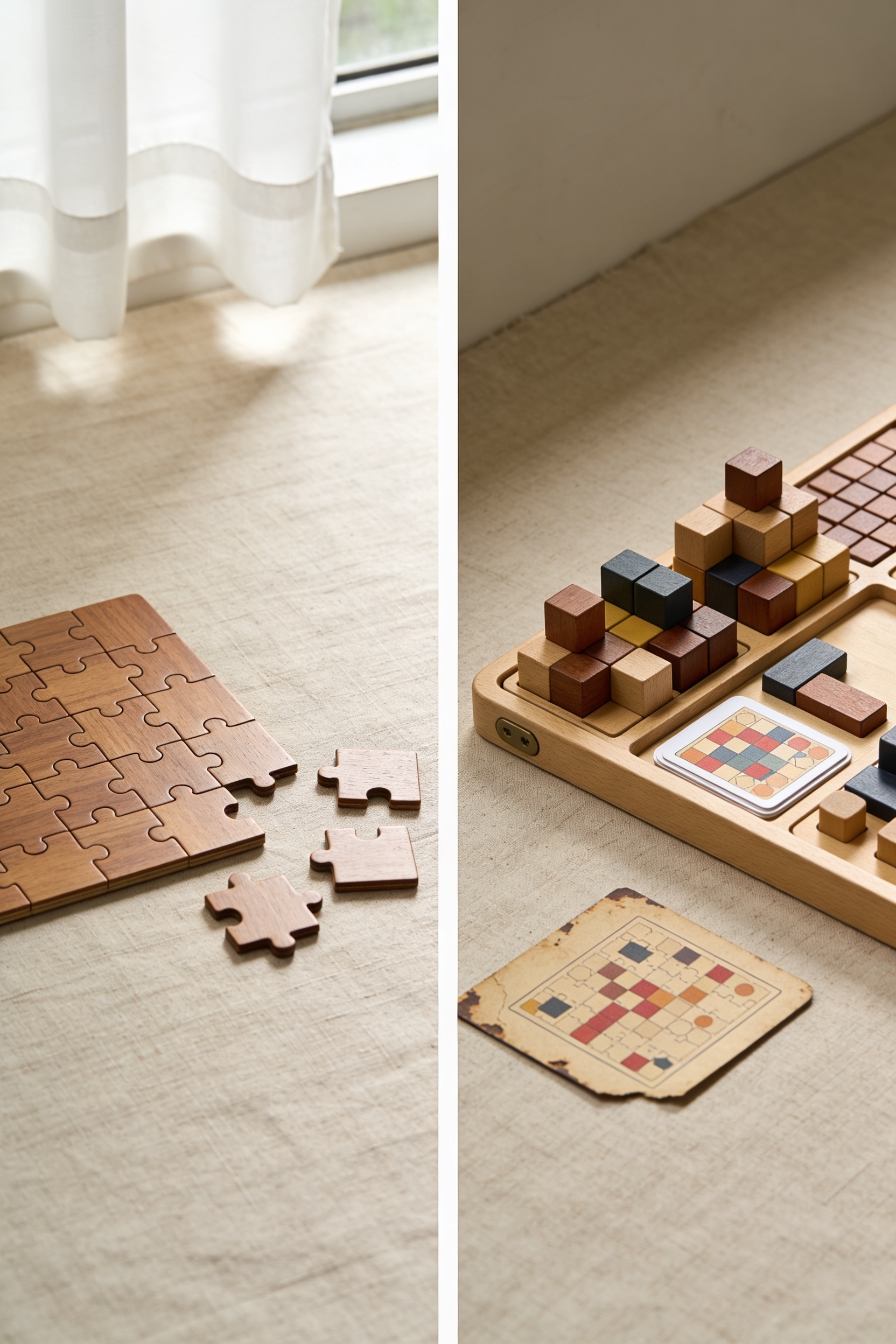
puzzle toys are basically treat dispensers that reward effort—your dog nudges, paws, and slides stuff around to grab snacks. Cognitive training toys? Those actually teach your pup to think through steps and remember what works, with you guiding the way. Puzzle toys fight boredom; training toys build skills. Most dogs benefit from both, honestly. Stick around if you want to figure out which one’s right for your specific pup.
Key Takeaways
- Puzzle toys hide treats in compartments requiring nose work and pawing; cognitive training toys use buttons and sequences teaching step-by-step problem-solving.
- Puzzle toys reward effort through treat access; cognitive training toys reward understanding and correct responses through structured learning with owner guidance.
- Puzzle toys primarily function as treat dispensers and slow feeders; cognitive training toys build memory, focus, and decision-making skills progressively.
- Puzzle toys extend playtime through sensory enrichment; cognitive training toys require owner involvement to guide steps and increase difficulty over time.
- Puzzle toys reduce anxiety and boredom-related behaviors; cognitive training toys build confidence through achievable, progressively challenging tasks and sustained focus.
What’s the Core Difference Between These Toys?
You may be interested
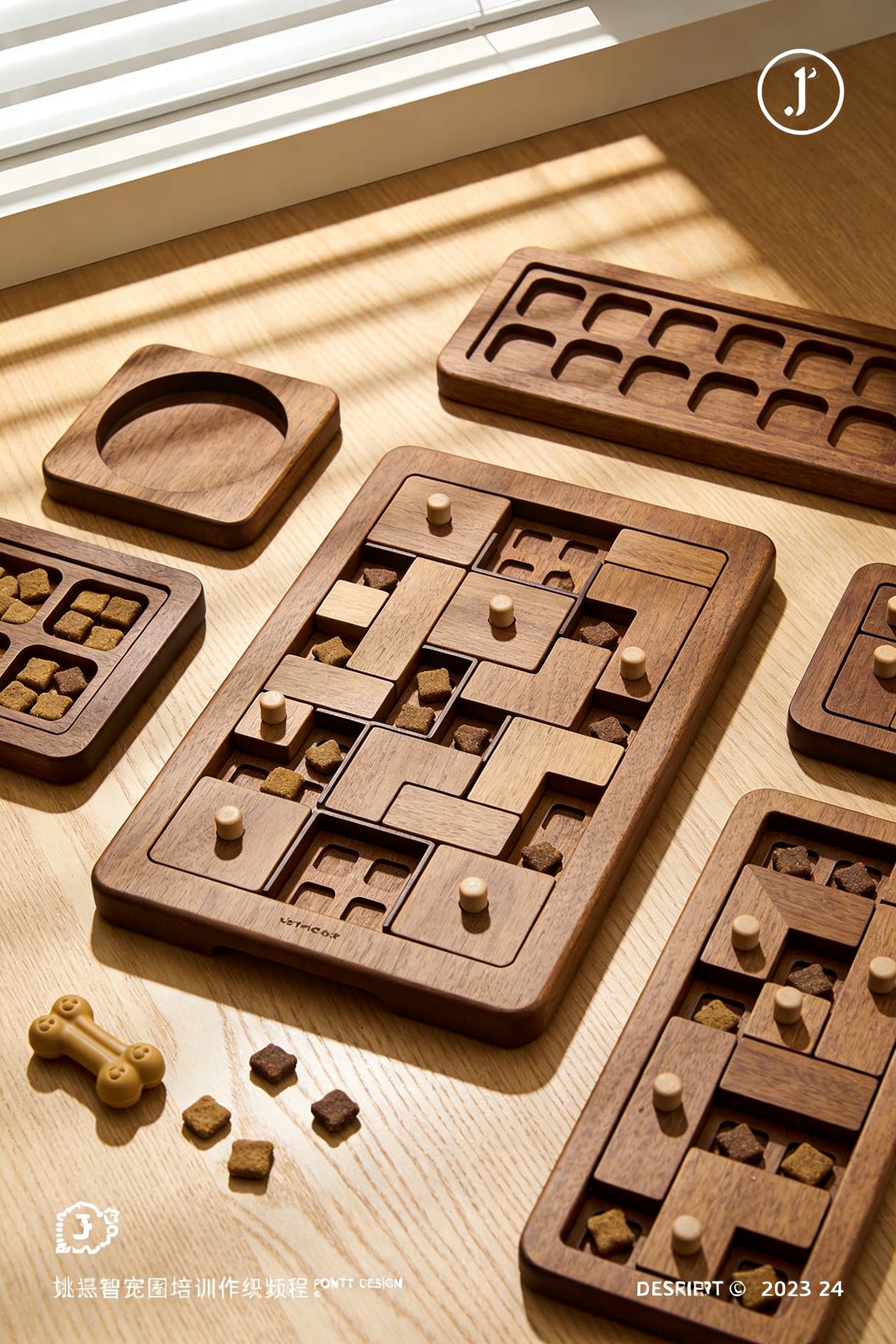
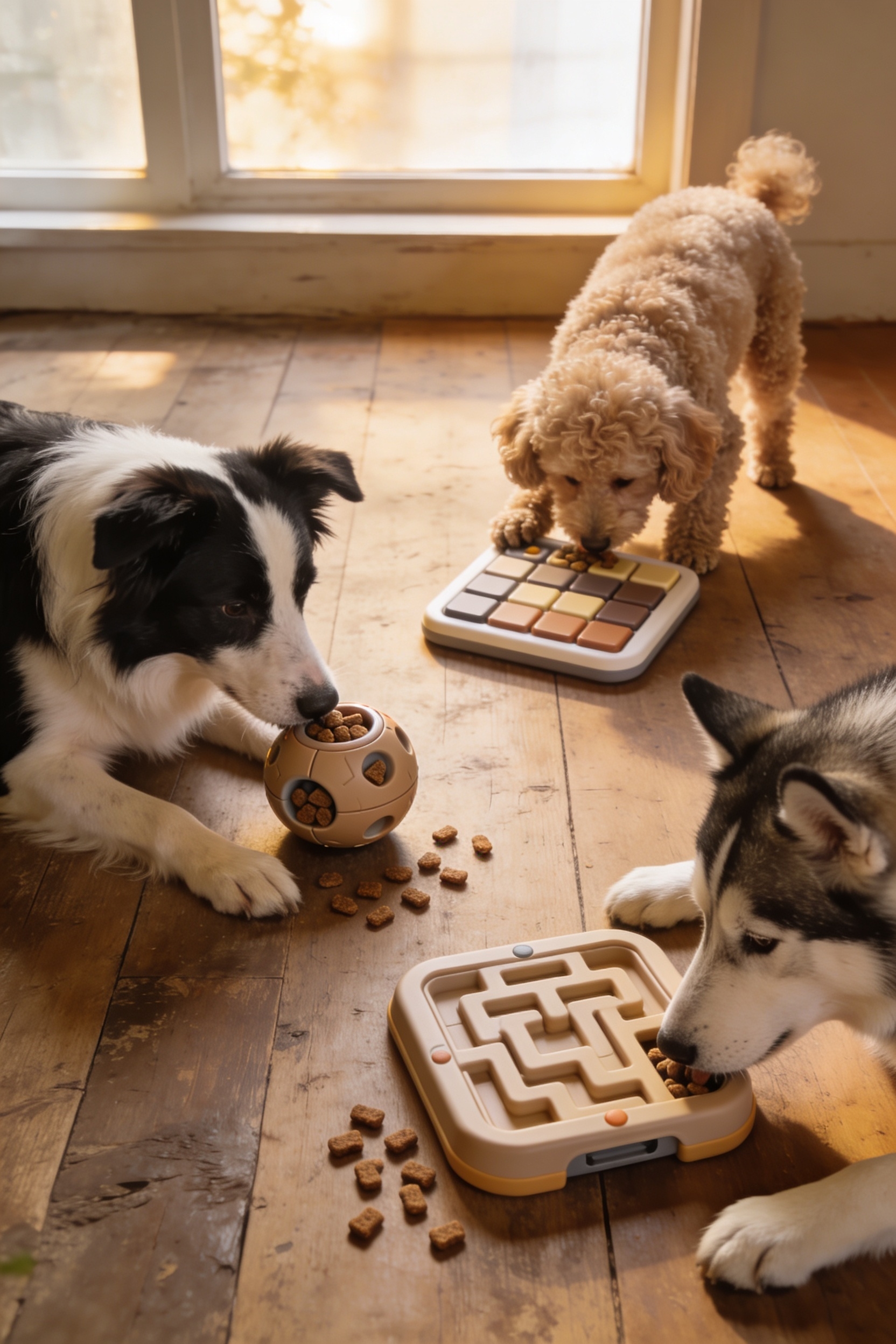
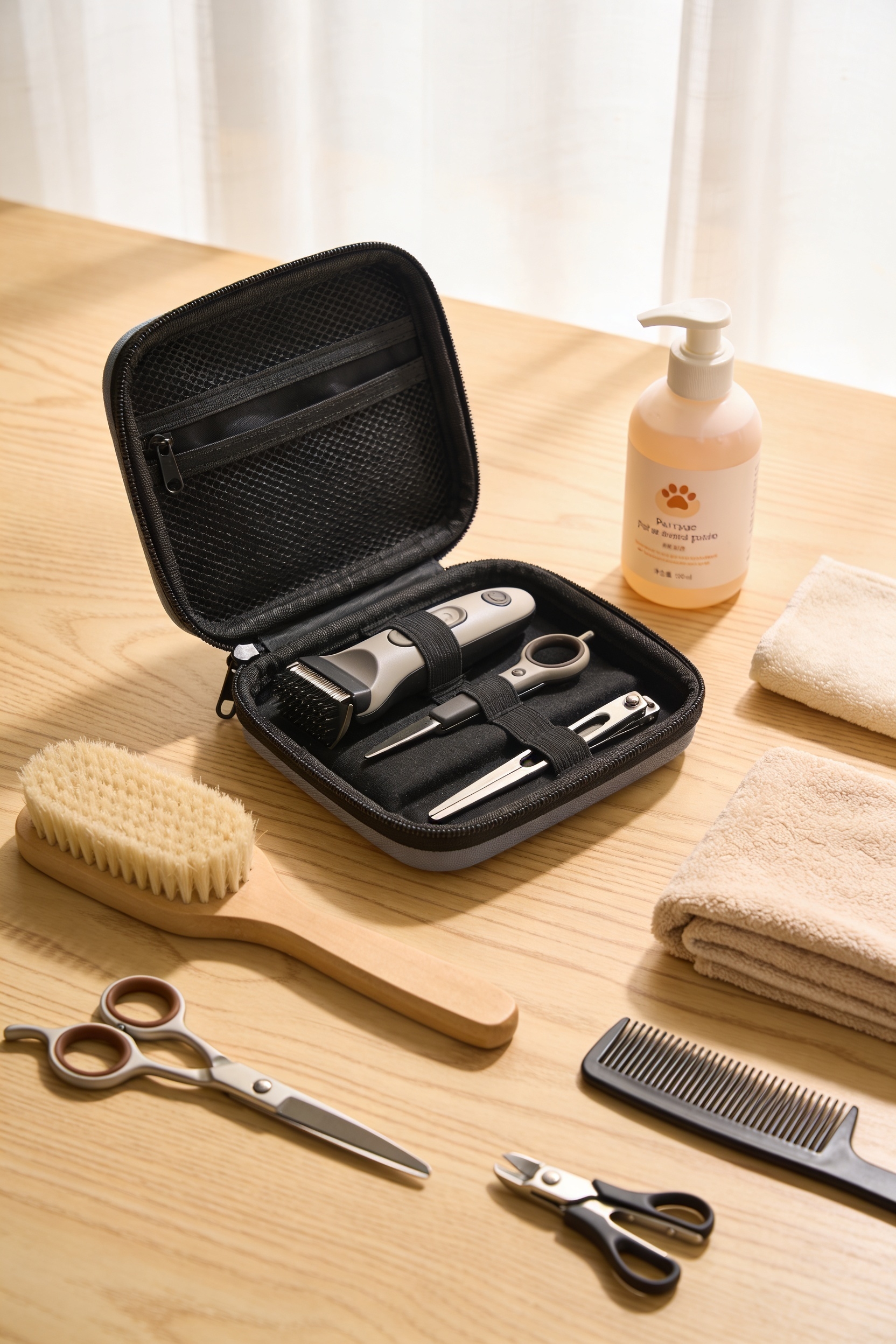
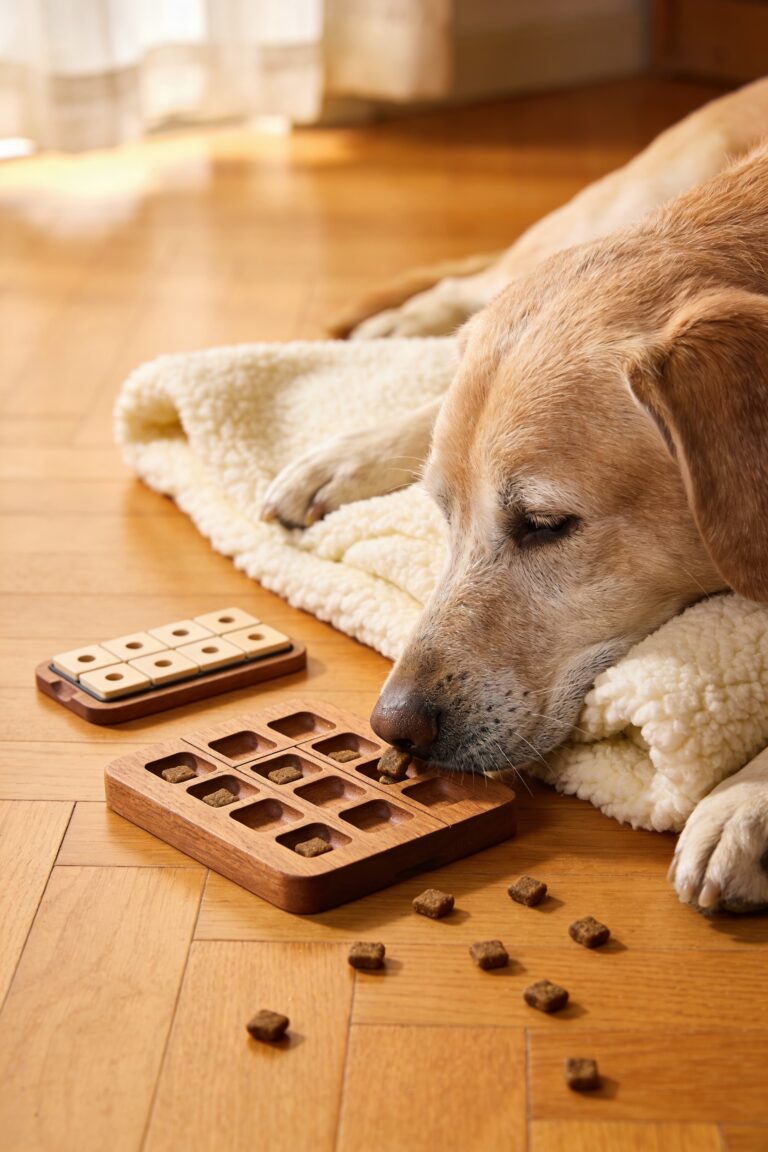
While puzzle toys and cognitive training toys might look like they’re doing the same job—keeping your dog’s brain busy while you’re trying to get stuff done—I’m sure you’ve noticed they’re actually pretty different animals. See, puzzle toys are all about sensory enrichment and letting your dog figure out how to access a treat by sliding, pushing, or pawing at stuff. They’re basically food games, right? Cognitive training toys, though? They’re stepping into instruction territory. They’re teaching your dog specific skills, building memory, and improving focus through structured tasks. One’s enrichment with a side of problem-solving. The other’s actual skill-building with rewards attached. Both keep dogs engaged, obviously, but they’re hitting different goals in your dog’s brain. Puzzle toys like the Starmark Bob-A-Lot use treat-dispensing mechanisms to encourage problem-solving while also doubling as slow feeders to aid digestion.
Puzzle Toys for Enrichment and Boredom Relief
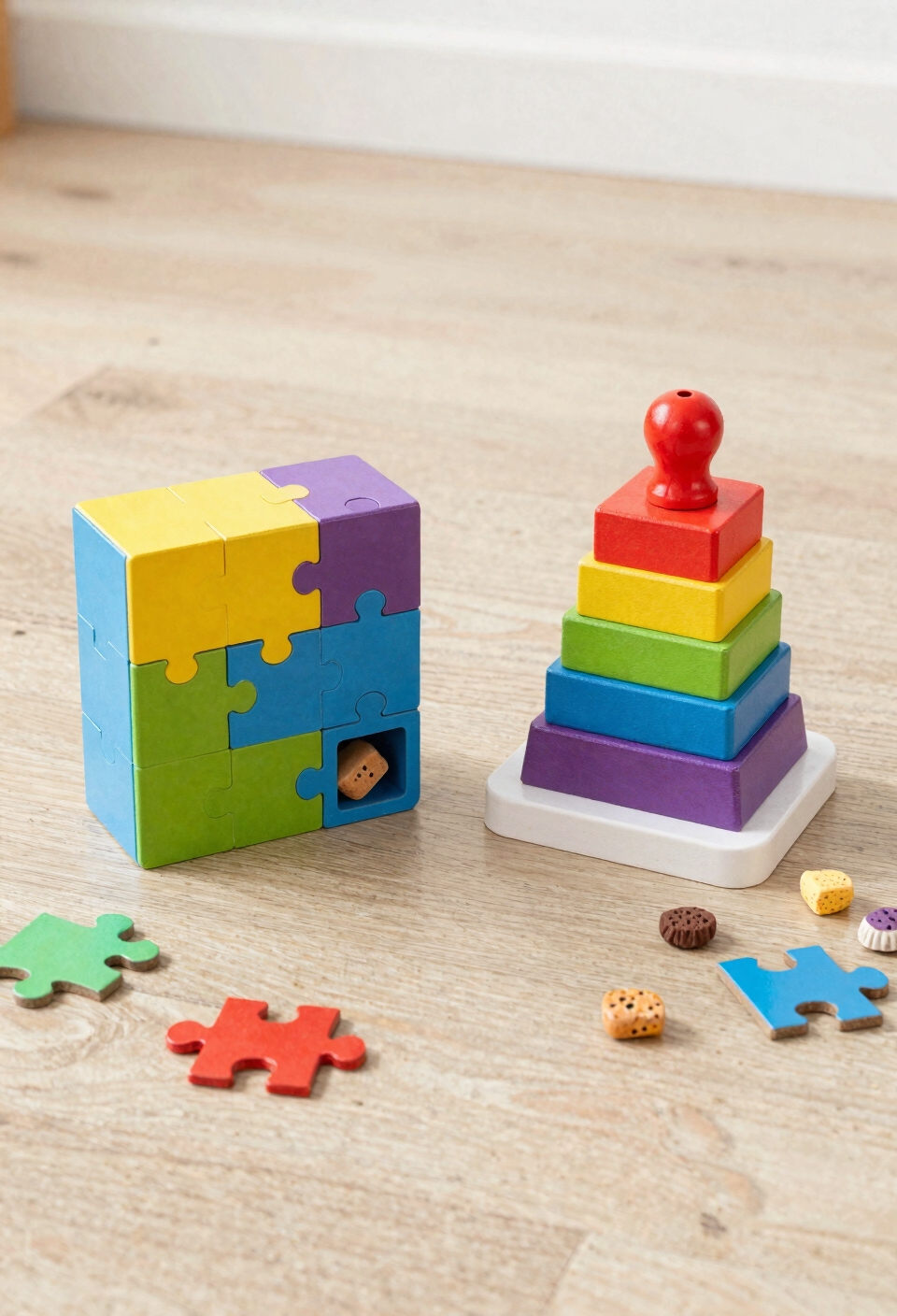
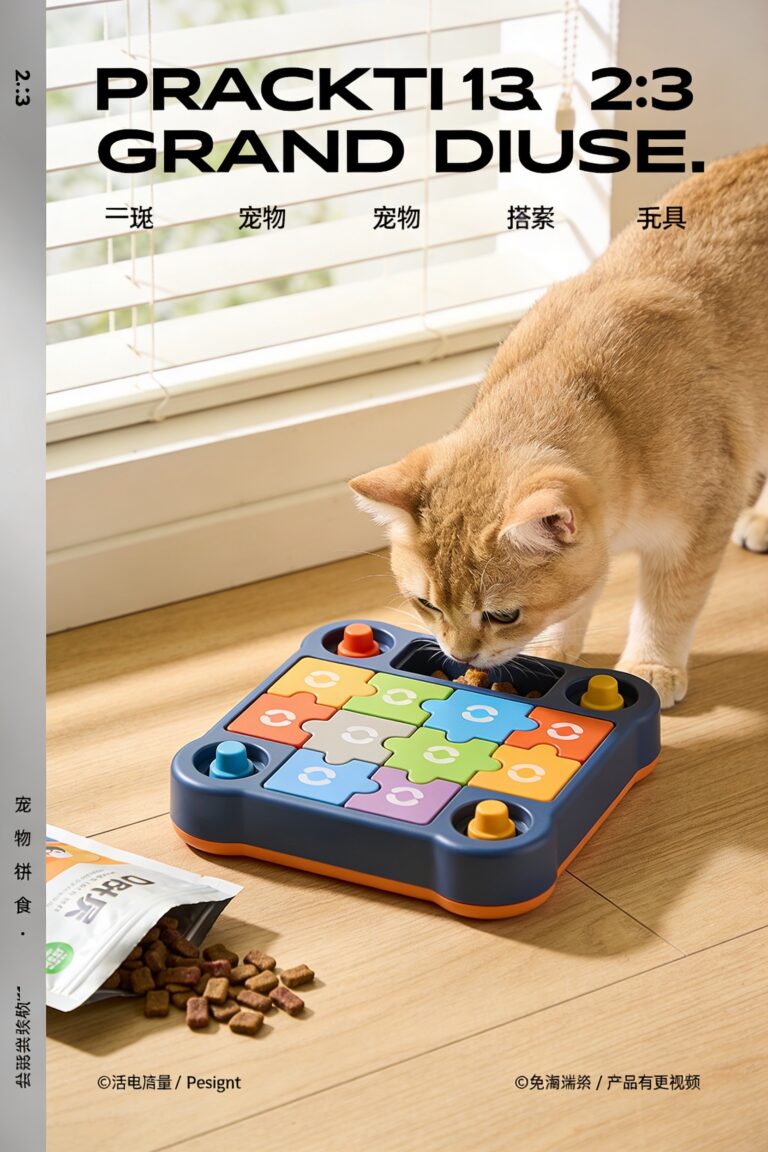
I’m sure you’ve noticed how quickly boredom sets in. Puzzle toys solve that by hiding treats inside compartments or sliding panels. You can also use rotational novelty—rotating different puzzles weekly—to keep things fresh. Add some scent enrichment by rubbing a favorite toy with treats beforehand, and you’ve basically created a doggy amusement park in your living room. Treat-dispensing puzzle toys reward problem-solving behaviors while extending playtime through mental stimulation, making them particularly effective for dogs prone to anxiety or destructive habits.
Recommended Products

[Treat Distribution] Our food dispenser has differently sized spheres at both ends. As dogs push the toy, it moves within a fixed area, allowing dogs to continuously chase and play with it. During movement, food is dispensed from the food holes on both sides of the toy.

Dog Puzzle Toy – Level 1 Beginner: Perfect for puppies and dogs new to puzzles, this Nina Ottosson dog puzzle introduces treat-dispensing fun and enrichment

✅ PUZZLE LIMITED EDITION COLOR – SMART DESIGN MEETS FUN: Brighten up your dog's playtime with this dog treat dispenser toy limited edition,Designed to grab attention and spark curiosity, it's perfect for puzzle dog toys lovers who want interactive toys for dogs
Cognitive Training Toys for Skill Building and Confidence
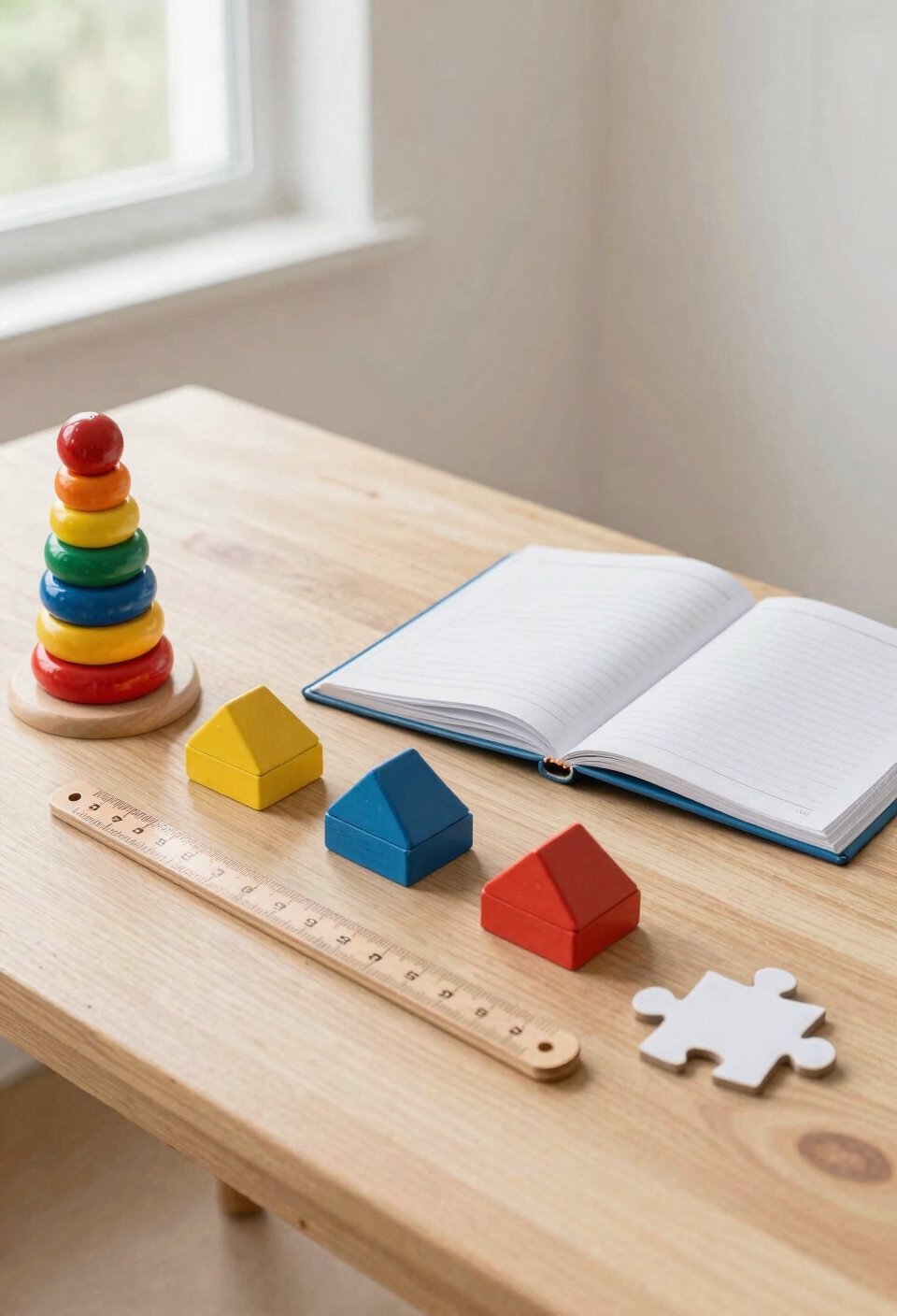
Once your dog’s gotten bored of the standard puzzle toy rotation, it’s time to level up with cognitive training toys—and trust me, this is where things get actually interesting. These aren’t just about finding treats; they’re designed to build your dog’s problem-solving skills and confidence through structured learning.
I’m sure you’ve noticed how dogs respond differently when they succeed at something challenging. Cognitive training toys use sound cues and sequential tasks to teach your pup how to think through problems step-by-step. You start simple, then gradually increase difficulty, which keeps your dog engaged without overwhelming them.
The real magic? Your dog develops genuine confidence because they’re learning, not just searching randomly. All right, that’s the foundation here. By combining treat-dispensing puzzles with progressive difficulty levels, you create a comprehensive mental stimulation experience that builds both problem-solving ability and self-assurance over time.
Recommended Products

【Size】: L9.44" * W9.44"* H1.14" suitable for cats, puppies and small dogs.
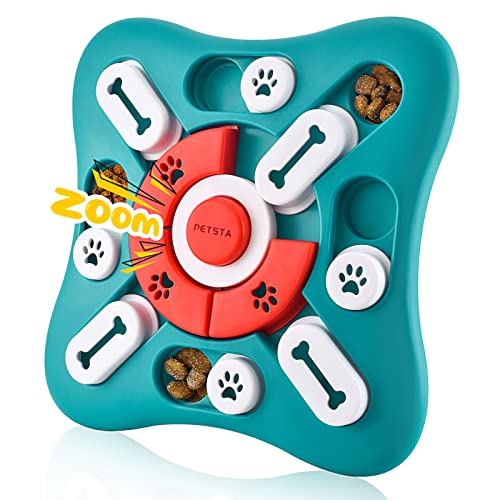

【Upgrade Dog Puzzle】Our dog puzzle toy is moderate level with more challenging ,difficult than level 2, not only easy slide steps, but require your dog's ability to learn sequential steps and combinations to seek hidden treats while keeping mental active .There are easy slide step and harder step in the puzzle box , dogs have to find a right way to move the red round sliders and the center parts for food, higher skills and mind required , great for the smart dogs.
How Puzzle and Training Toys Work: Key Mechanics Explained
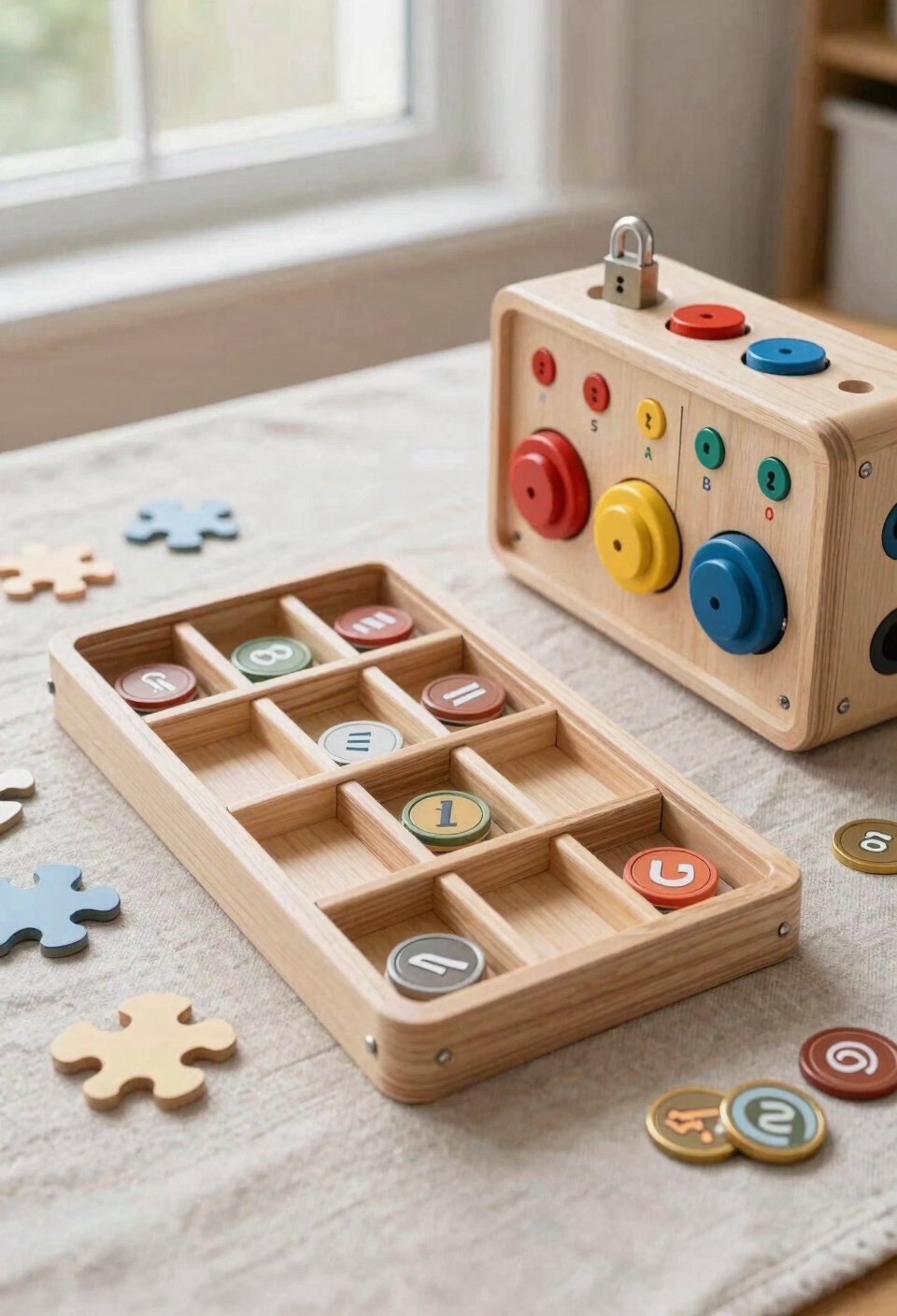
Now that you understand the difference between enrichment and instruction, let’s talk about what’s actually happening inside these toys—because honestly, knowing the mechanics makes you way better at picking the right one for your dog.
Puzzle toys work through hidden compartments and movable parts. Your dog uses nose work or paws to slide, lift, or spin components, accessing treats as rewards. I mean, it’s straightforward: action equals food.
Training toys add layers. They often involve sensory integration—buttons, sounds, sequences—that teach specific responses. Owner involvement matters here. You’re typically guiding your dog through steps, reinforcing correct choices, and gradually increasing difficulty. All right, the key difference? Puzzle toys reward effort. Training toys reward understanding. One keeps your dog busy; the other actually builds their thinking skills.
Research shows that fifteen minutes of puzzle play equates to roughly thirty minutes of physical exercise, making these toys exceptionally efficient for mental enrichment and anxiety reduction.
Mental Stimulation vs. Behavioral Skill-Building: What Each Toy Delivers
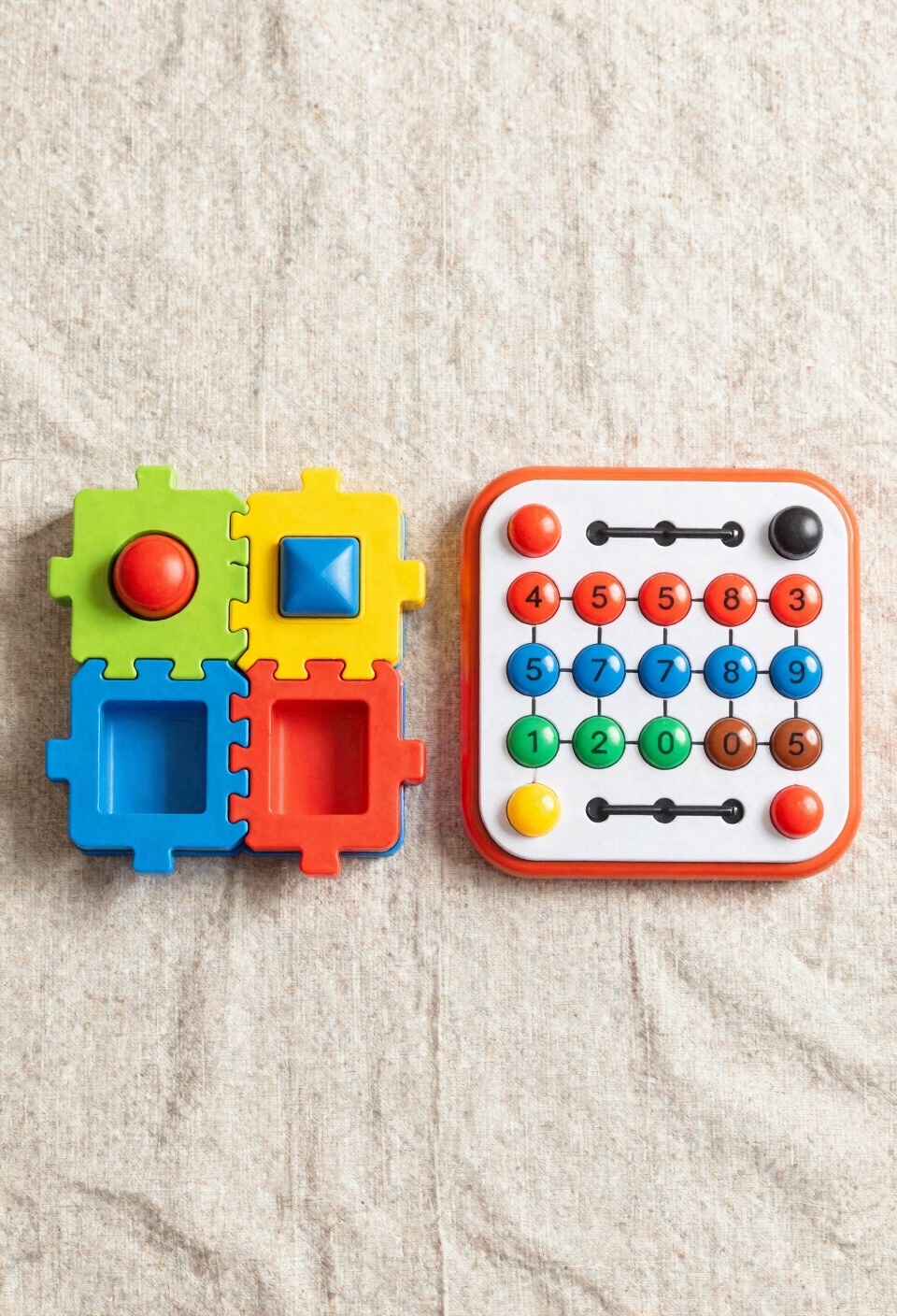
When you watch your dog work a puzzle toy versus tackle a training toy, you’re basically watching two totally different things happen in their brain. Puzzle toys deliver sensory enrichment—your dog’s sniffing, pawing, sliding pieces around, totally locked in on the reward. It’s mental stimulation, sure, but it’s more about keeping them occupied than teaching them anything specific.
Training toys, though? I’m sure you’ve noticed they’re way more structured. They’re building actual behavioral skills—memory, focus, decision-making. Your dog learns that certain actions create certain outcomes. Now, here’s the thing: puzzle toys can include social engagement if you’re playing alongside your dog, but training toys actively develop how your dog thinks and learns over time. KONG’s treat-dispensing designs are a practical example of how toys can bridge both categories by combining mental engagement with reward-driven learning.
Building Difficulty: Progressive Puzzles and Training Challenges
As your dog gets better at solving puzzles or nailing training tasks, you’ve got to keep turning up the heat—otherwise they’ll lose interest faster than you can say “bored dog, destroyed couch.” Both puzzle toys and cognitive training toys follow the same basic rule: start easy, gradually make it harder, and watch your dog’s confidence grow along the way. I’m sure you’ve noticed that graduated reinforcement keeps motivation high without overwhelming them. Now, adaptive complexity is where the real magic happens. You tweak difficulty based on what your dog actually masters, not some predetermined schedule. A puzzle that was tough last month becomes boring now, so you swap compartments, add steps, or introduce new hide-and-seek angles. This keeps their brain firing and prevents that frustrating plateau where they just give up. Rotating between different toy types—like combining plush toys with nylon options—ensures your dog stays mentally engaged while maintaining their natural play instincts across various difficulty levels.
Recommended Products

[Treat Distribution] Our food slow dispenser has differently sized spheres at both ends. As dogs push the toy, it moves within a fixed area, allowing dogs to continuously chase and play with it. During movement, food is dispensed from the food holes on both sides of the toy.

【Note】Product Dimensions: 7.56 x 2.95 x 2.95 inches. Not intended for large dog breeds with aggressive chewing habits.This treat dispensing dog toy is made of food-grade Ultra-Rigid Nylon—sturdy (a type of food-safe plastic), meeting pet safety standards, ideal as dog enrichment toys.

【For Treat Dispensing Play】Made of ABS and nylon, this puzzle toy is designed for rolling, nudging, and treat-reward play. It is not intended as a chew toy and is best for dogs with gentle to moderate play styles.
How to Choose Between Puzzle and Training Toys
You’ve got your dog leveling up through progressively harder puzzles, which is awesome—but here’s where a lot of people get stuck: figuring out which type of toy actually fits what you’re trying to accomplish. All right, so here’s the deal: if you’re mainly looking to keep your dog entertained during the day, puzzle toys are your friend. They work great in most household setups and require minimal involvement from you. Now, if you’re serious about building actual skills and working on training frequency—like daily sessions where your dog learns something new—cognitive training toys are worth the investment. I mean, think of puzzles as the Netflix of dog toys and training toys as the personal gym membership. Both have their place, but your goal determines which one deserves real estate on your floor. For high-energy dogs prone to boredom-related destructive behavior, interactive and puzzle-style toys can significantly reduce unwanted actions while keeping their minds engaged.
Recommended Products

【Foraging Instinct Play】Built-in squeaker unit grabs pets’ attention instantly, tapping into their natural foraging instincts for nose work and treat hiding fun. Pets use paws and smell to solve puzzles for hidden treats, ideal for cognitive dog toys play
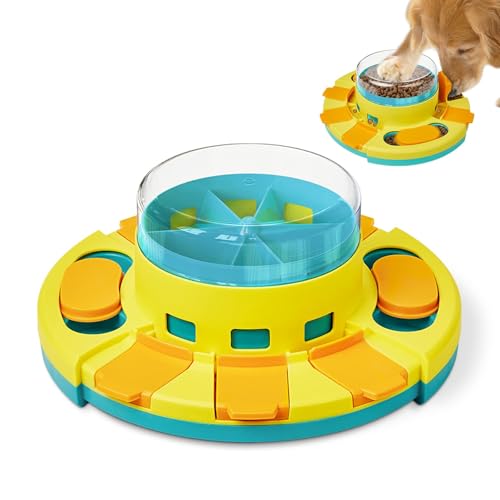
2 Levels in 1 Toy: start your pups off with a level 1 puzzle, add some treats in the base compartments and watch your dogs get their tasty reward by nudging the lids. For dogs who have mastered level 1, for added challenge in level 2, just put some treats in the top compartments, teach your dogs to press the top cover to dispense treats down into the base compartments and finally enjoy their reward

RUBBER MATERIAL: HIPPIH treat dispensing dog ball is made of extra-tough rubber with good elasticity, good for your sweet dog grinding and fresh their teeth. ( Blue color-2.75 in, Green color-3.14 in, suitable for medium and large dogs. Not suitable for miniature small dogs, such as Yorkshire Maltese, etc) NOTE: The dog puzzle ball must be wider than your dog's mouth
Best Fit: Puzzle and Training Toys by Age and Temperament
Now, I’m sure you’ve noticed that your eight-week-old puppy and your ten-year-old senior dog aren’t exactly cut from the same cloth—and that’s where things get interesting, because one toy that absolutely rocks for a bouncy adolescent might just end up gathering dust when your older pup’s more interested in napping than solving riddles.
For puppy suitability, I’d lean toward simpler puzzle toys that build confidence without frustrating them. Young dogs need wins, not constant failure. With anxious sensitivity, though, you’ll want to avoid overly complicated cognitive training toys that might trigger stress. Your nervous pup benefits from straightforward, rewarding experiences. Seniors? They typically prefer gentler puzzles that keep their minds engaged without demanding Olympic-level athleticism. Match the toy’s complexity to your dog’s actual life stage, and you’ll nail it. Additionally, incorporating toys with textured surfaces designed for sustained chewing can help maintain cognitive engagement across all life stages while supporting dental health.
Recommended Products

Super-Value Dog Enrichment Toy Set:The set includes 2 lick mats with Suction Cups, 1 puzzle toy, 3 treat balls, 1 silicone spatula,1 brush and 2 bags. Suitable for various activities, including using treat balls indoors or finding the puzzle toy in the garden

🛡️ Reinforced Plush & Stuffing-Free Safety Upgraded Double-Layer Plush With Reinforced Seams Resists Tearing, While Non-Stuffed Design Eliminates Choking Hazards And Messy Cleanup - Ideal For Small/Medium Breeds!

Treat Dispenser Puzzle Toy: Stuff food or treats into the toy to create mentally stimulating treat puzzles for your dogs. They will have fun flipping and tossing it to get the treats out, which keeps them busy and entertained with endless treating fun and keeps them away from destructive chewing.
Should You Combine Both Toy Types?
Use rotational scheduling to keep things fresh. One day, your pup tackles a puzzle feeder; the next, they’re working through a training sequence. This prevents boredom and lets their brain tackle different challenge types. Obviously, you’re maximizing enrichment this way. Now, the real magic happens when you layer them—hide a cognitive training toy *inside* a puzzle toy. Your dog solves the puzzle, then engages the training element. It’s basically a brain workout wrapped in a treat dispenser. I mean, what’s not to love? Low-calorie training treats like Buddy Biscuits make this layered approach even more effective, allowing extended play sessions without overfeeding your pup.
Frequently Asked Questions
How Often Should I Rotate Puzzle and Cognitive Training Toys to Maintain My Dog’s Interest?
I’d recommend a weekly rotation of your dog’s puzzle and cognitive training toys. This keeps them fresh and exciting. I also suggest seasonal variety to prevent boredom and maintain engagement throughout the year.
Are Puzzle Toys Safe for Dogs Left Unsupervised, or Do They Require Monitoring?
I’d recommend supervision initially—studies show 15% of toy-related injuries involve choking hazards. Follow supervision guidelines based on your dog’s chewing style and the toy’s durability. Durable puzzles are safer unsupervised once you’ve verified they’re appropriate.
What’s the Average Cost Difference Between Puzzle Toys and Cognitive Training Toys?
I’ve found that puzzle toys typically cost $15–$40, while cognitive training toys range from $25–$80. Price comparison shows cognitive toys command premiums due to advanced features. Market trends indicate interactive, app-connected options drive higher pricing overall.
Can Puzzle Toys Help With Separation Anxiety, or Are Training Toys Better for That?
I’ve seen anxious dogs transform when given puzzle toys—they’re like anchors during storms. Puzzle toys excel at attention redirection and separation conditioning through focused engagement, though pairing them with training toys strengthens results.
How Do I Know if My Dog Has Outgrown a Particular Puzzle or Training Toy?
You’ll notice declining engagement when your dog loses interest quickly or ignores the toy entirely. Task boredom shows through reduced challenge—he’ll solve it too fast. Watch for preference shift toward harder toys or activities you’ve introduced recently.
Conclusion
Here’s the thing—I’m sure you’ve noticed how sometimes your pet grabs exactly the toy they needed, right when you were about to buy it. That’s the magic of mixing both types. Puzzle toys keep boredom at bay while training toys build confidence. You don’t have to choose one. Stack them together, rotate them, watch your pet thrive. Coincidence? Maybe. Smart parenting? Definitely.