As an Amazon Associate, we earn from qualifying purchases. Some links on this site are affiliate links at no extra cost to you. Our recommendations are based on thorough research and editorial judgment.
Nina Ottosson vs. Outward Hound: Which Puzzle Brand Wins?

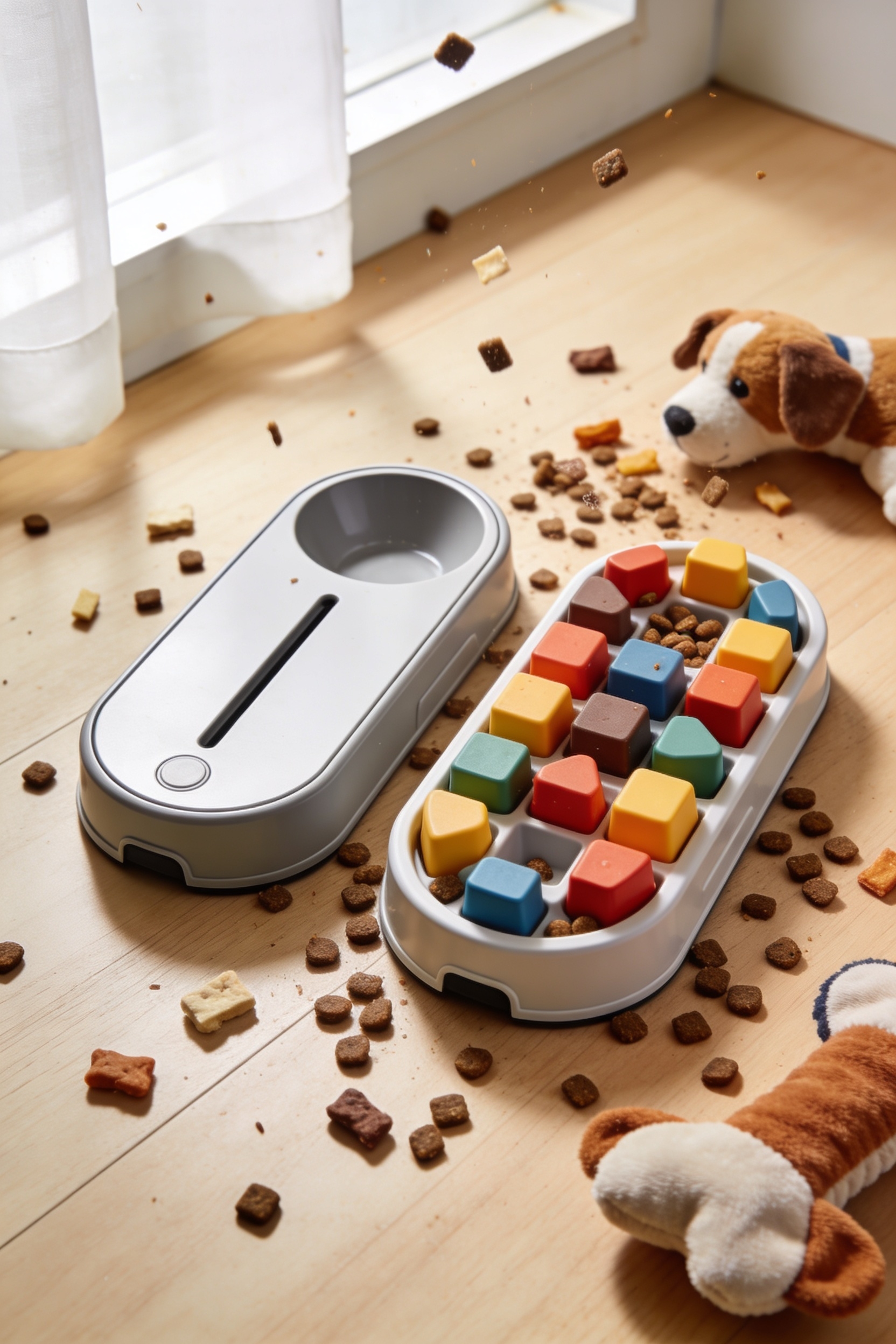
Look, here’s the thing—there’s no actual feud happening. Nina Ottosson designed them, Outward Hound manufactures and distributes them, and you’re seeing the same puzzle line labeled two different ways on Chewy and Amazon. I’m sure you’ve noticed the “versus” framing everywhere, but that’s mostly marketing noise. Your real job? Matching the puzzle level to what your dog’s brain can actually handle, not picking sides between what’s basically one company wearing two name tags.
Key Takeaways
- Nina Ottosson is the designer; Outward Hound manufactures and distributes—they’re the same product line, not competitors.
- Choose puzzles based on your dog’s experience level, not brand rivalry, starting with Level 1 for beginners.
- Sliding tiles and spinning wheels develop motor skills; locking components encourage causal reasoning through trial-and-error learning.
- Match puzzle difficulty and treat size to your dog’s age and mouth to maintain engagement without frustration.
- Durability varies by individual dog; inspect moving parts regularly since puzzle toys prioritize engagement over bite resistance.
Why This Is One Brand Ecosystem, Not a Rivalry
You may be interested

All right, so here’s the thing—when you’re scrolling through Chewy or Amazon looking for a puzzle toy for your dog, you’re probably seeing “Nina Ottosson by Outward Hound” everywhere, and I’m sure you’ve noticed it sometimes feels like there’s a versus happening, right? Here’s the reality: it’s not actually a rivalry. Nina Ottosson is the designer who created these puzzles and gets the designer credit, while Outward Hound is the parent company that manufactures and distributes them. It’s a brand partnership, fundamentally. Think of it like how you see certain products labeled “designer name by manufacturer”—they’re the same line, same products, same company ecosystem. So when you’re comparing these two “brands,” you’re really just looking at different ways the same product gets labeled depending on where you’re shopping. Like KONG toys that come from USA manufacturing and offer similar treat-dispensing and mental stimulation capabilities, Nina Ottosson puzzle toys represent a single brand ecosystem rather than competing lines. The versus is honestly more marketing talk than reality.
Match Your Dog’s Puzzle Level to Their Experience
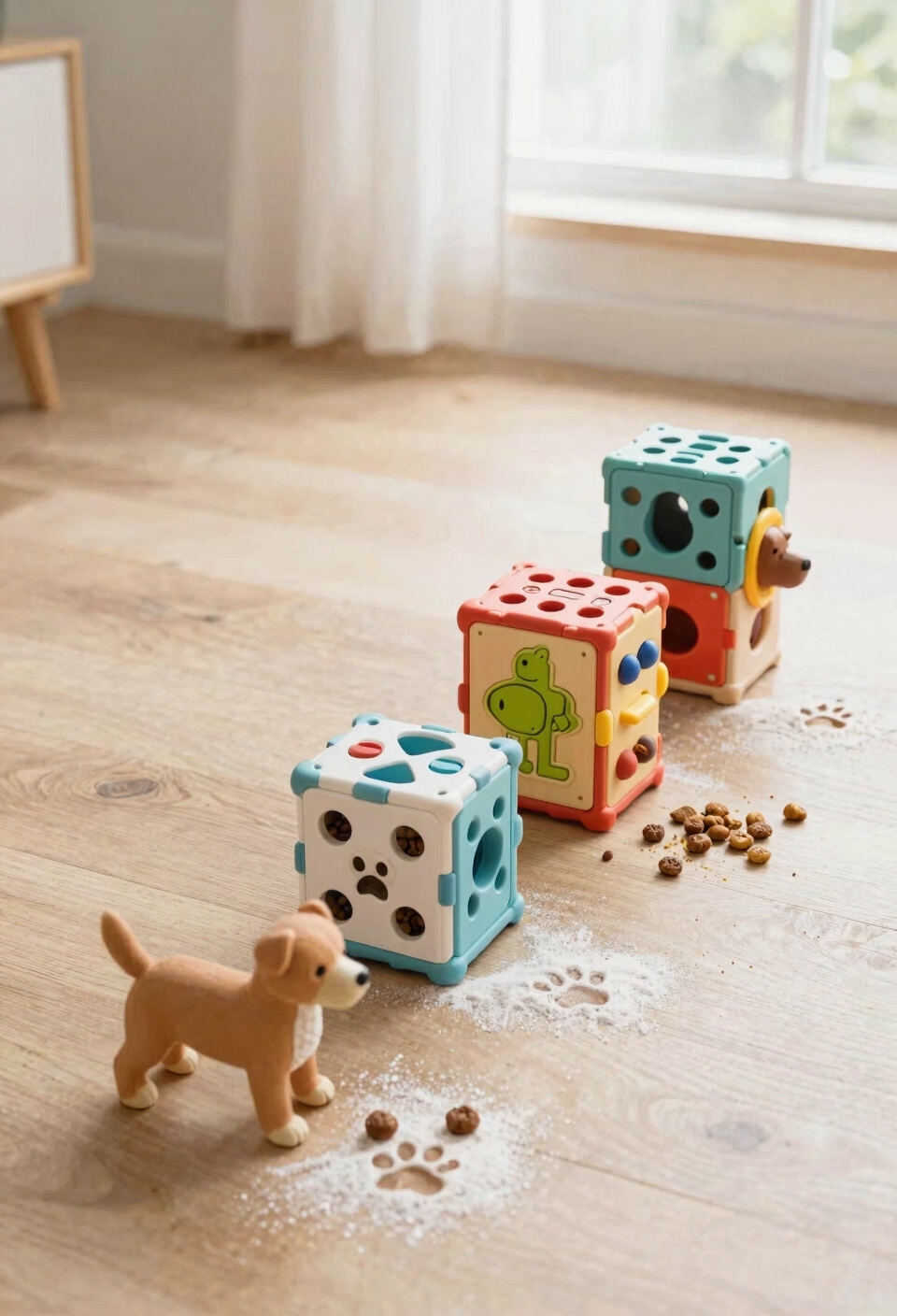
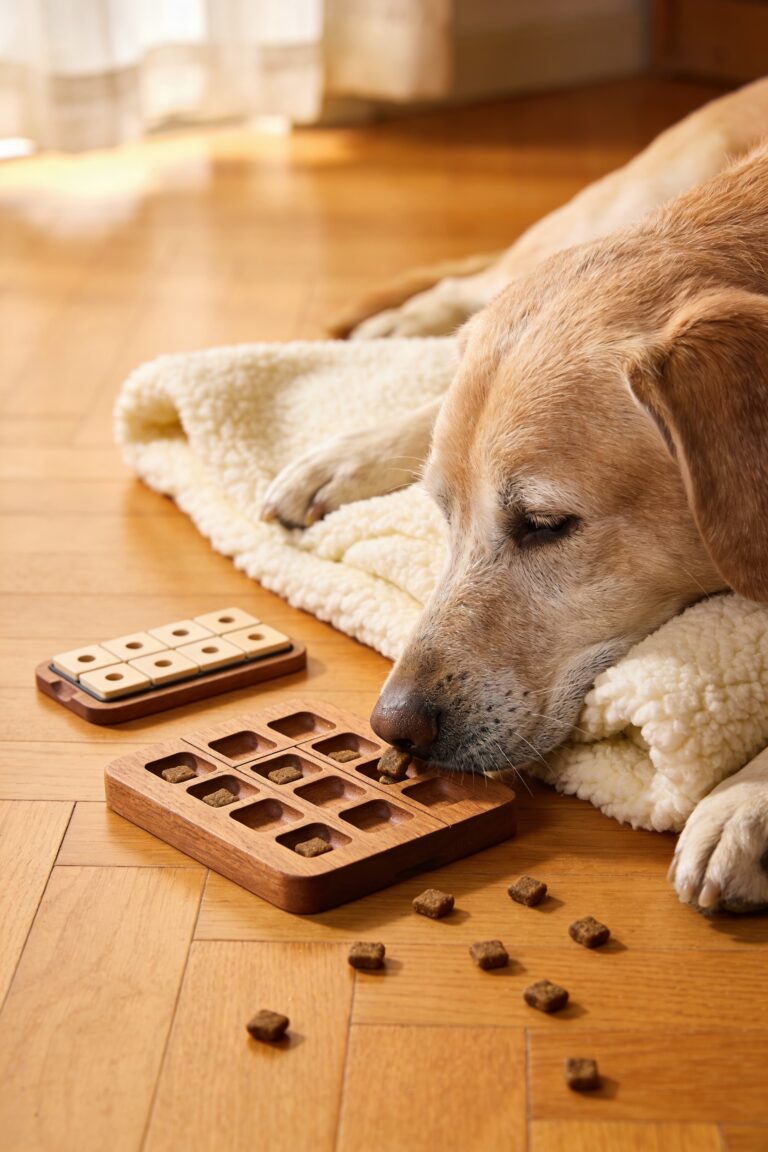
Here’s the thing about puzzle toys—I’m sure you’ve noticed that throwing your dog a Level 4 MultiPuzzle when they’ve never seen one before is basically asking them to have an existential crisis in your living room. Your pup needs skill progression, not frustration. Start with Level 1 beginner boards that use simple sliding or spinning actions. Once your dog gets those down, move up the difficulty ladder gradually. The real magic happens when you match treat placement to their current abilities. A frustrated dog quits fast, but a successful dog? They’re hooked. I’m not exaggerating when I say picking the right starting level makes or breaks whether your dog actually enjoys these things or just stares at you confused. Pairing puzzle toys with mental stimulation through varied textures and problem-solving elements keeps your dog engaged long after they master the mechanics.
Recommended Products
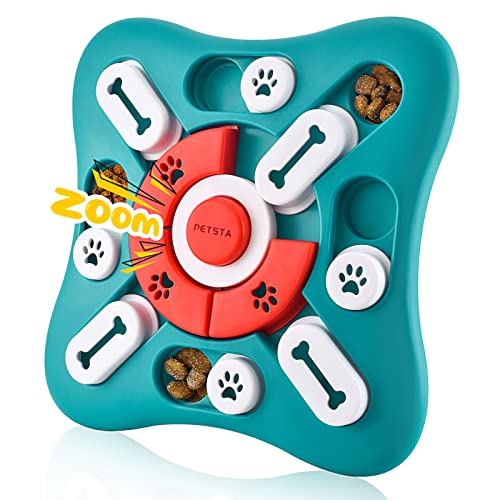

【Upgrade Dog Puzzle】Our dog puzzle toy is moderate level with more challenging ,difficult than level 2, not only easy slide steps, but require your dog's ability to learn sequential steps and combinations to seek hidden treats while keeping mental active .There are easy slide step and harder step in the puzzle box , dogs have to find a right way to move the red round sliders and the center parts for food, higher skills and mind required , great for the smart dogs.
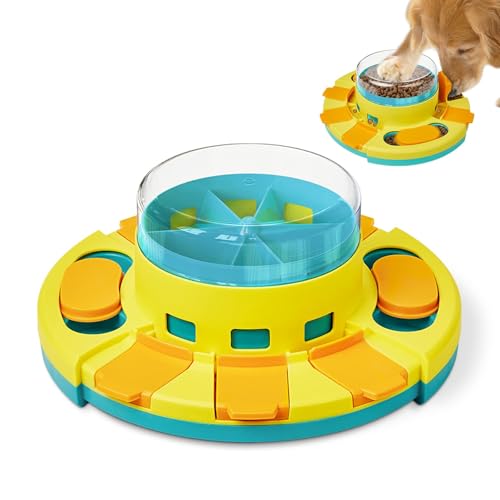
2 Levels in 1 Toy: start your pups off with a level 1 puzzle, add some treats in the base compartments and watch your dogs get their tasty reward by nudging the lids. For dogs who have mastered level 1, for added challenge in level 2, just put some treats in the top compartments, teach your dogs to press the top cover to dispense treats down into the base compartments and finally enjoy their reward
How Sliding, Spinning, and Locking Mechanisms Build Problem-Solving
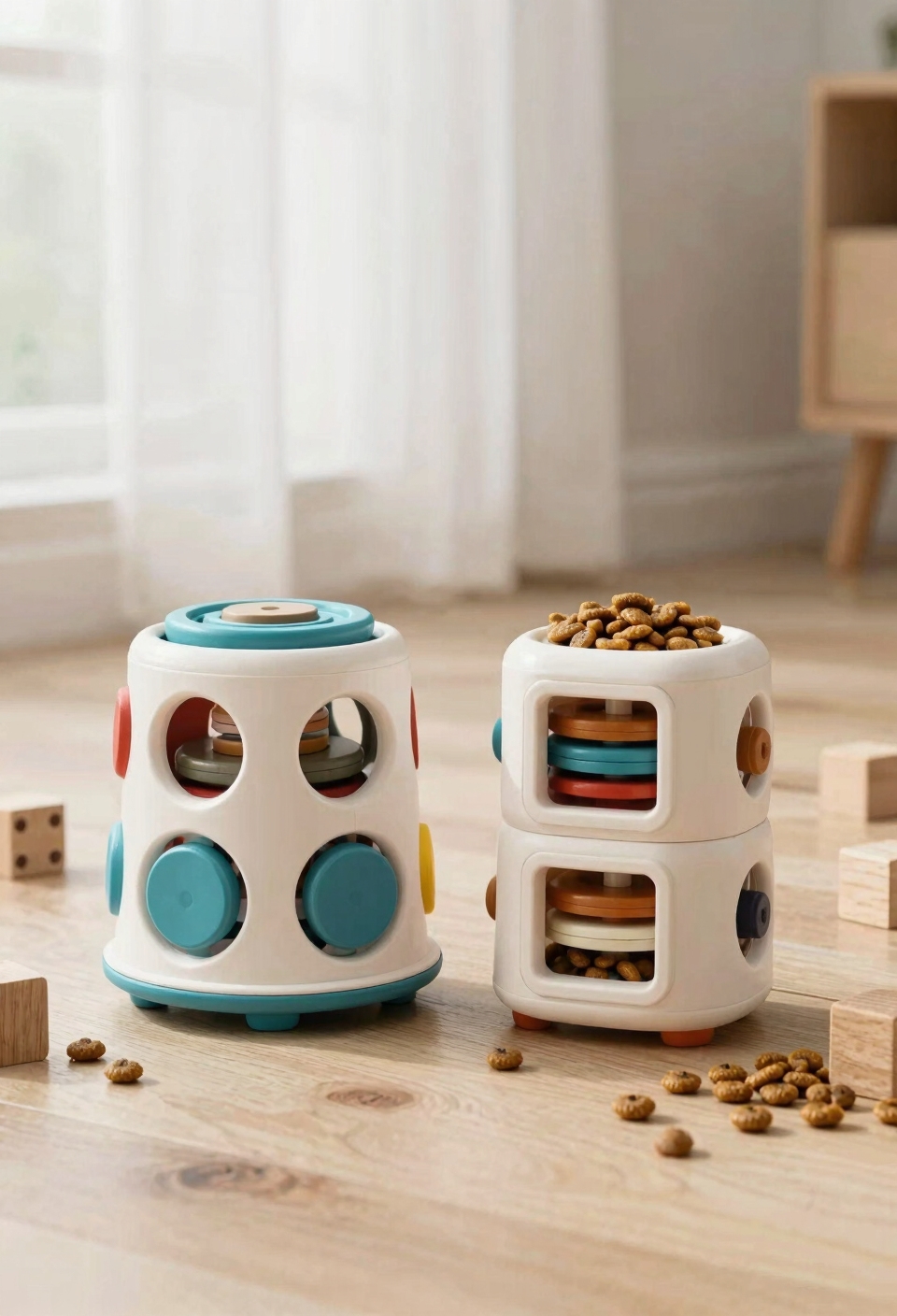
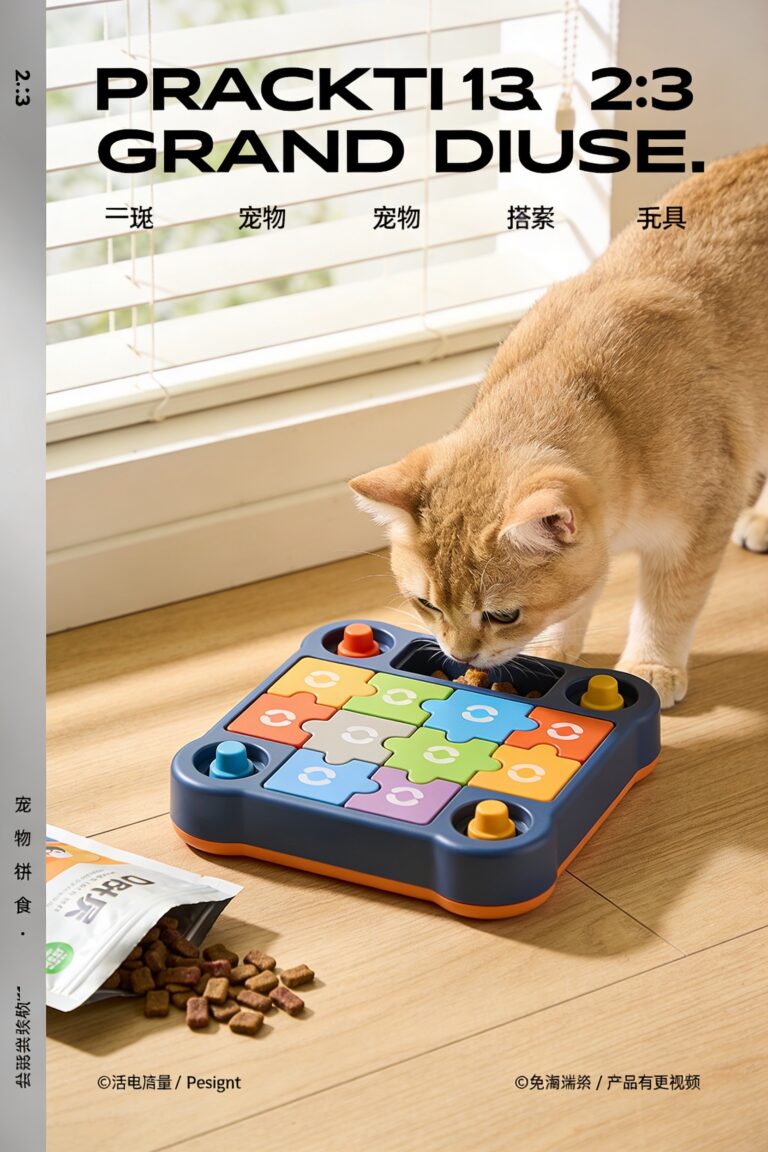
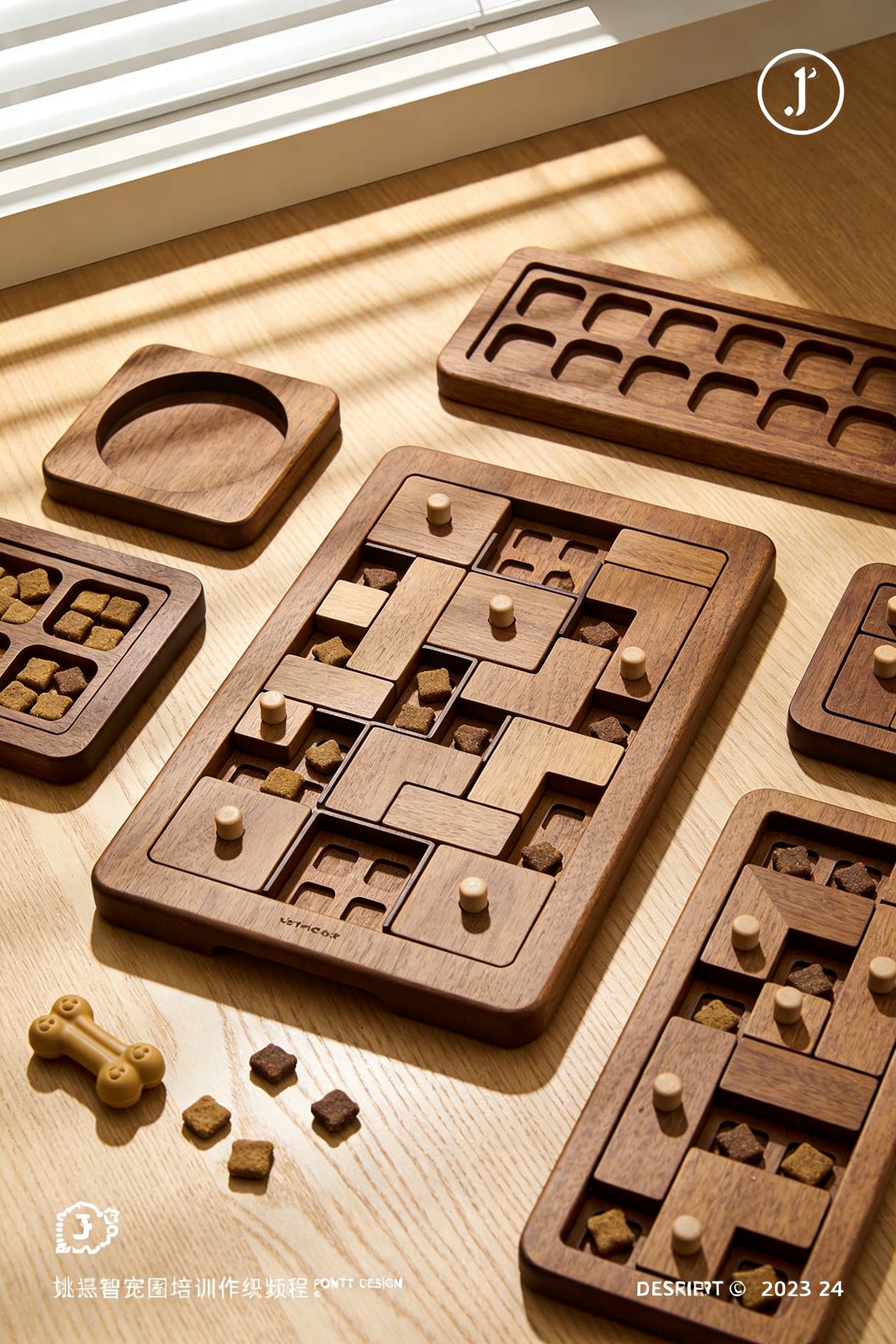
Each puzzle mechanism you’ll find on a Nina Ottosson board—whether it’s a sliding tile, spinning wheel, or locking component—forces your dog to think through a specific problem before they get their reward. I’m sure you’ve noticed how dogs don’t just randomly paw at these toys; they’re actually learning through trial and error. The sliding tiles teach motor planning because your dog’s paws need precision to move them in the right direction. Spinning wheels develop sequence learning—your dog figures out the order of moves needed. Locking components demand causal reasoning; your dog connects the action to the result. All right, here’s the thing: those sensory cues from clicking, spinning, and sliding? They’re reinforcing what works, building genuine problem-solving skills over time. Like treat-dispensing puzzles such as the Starmark Bob-A-Lot, Nina Ottosson toys combine mental stimulation with food rewards to encourage deeper engagement and problem-solving behavior.
Recommended Products

Dog Friendly Materials: Not Suitable for Aggressive Chewers. Treat dispensing dog toys are made of ABS and nylon material. It is a sturdy, safe food container that resists pet damage, provides a long-lasting and safe play experience. You can give your dog confidently use interactive dog toys. At the same time, in order to make the dog puzzles for smart dogs quieter when rolling, the material of the dog enrichment toys for large dogs roller is made of rubber, less noise


SUITABLE FOR SMALL AND MEDIUM DOGS, CATS - The size of this snuffle mat is 26 x 16.5 inches, which is perfect for small dogs, medium dogs, cats and rabbits. It makes a wonderful gift for pet owners! NOT recommended for extra large and aggressive chewers dogs who could tear it up
Pick the Right Nina Ottosson Model for Your Dog’s Needs

Now that you understand how these puzzle mechanisms actually train your dog’s brain, the real question becomes: which Nina Ottosson model won’t end up collecting dust in your closet because it’s either too boring or too frustrating for your dog?
I mean, picking the right model really comes down to three things: your dog’s experience level, age appropriateness, and portion sizes you’re working with. Start your puppy or puzzle newbie with Level 1—simpler spinning or sliding actions keep them from getting discouraged. Got an older dog who’s already mastered the basics? Jump to Level 3 or 4 for that mental workout they’re craving. Obviously, you’ll want to match treat sizes to your dog’s mouth too. Mental stimulation through extraction games, like those found in interactive hide-and-seek toys, can prevent boredom and keep your dog engaged beyond just puzzle solving alone. Honestly, the sweet spot is finding that goldilocks zone where your pup stays engaged without quitting in frustration.
Recommended Products

[Treat Distribution] Our food dispenser has differently sized spheres at both ends. As dogs push the toy, it moves within a fixed area, allowing dogs to continuously chase and play with it. During movement, food is dispensed from the food holes on both sides of the toy.

【Foraging Instinct Play】Built-in squeaker unit grabs pets’ attention instantly, tapping into their natural foraging instincts for nose work and treat hiding fun. Pets use paws and smell to solve puzzles for hidden treats, ideal for cognitive dog toys play

RUBBER MATERIAL: HIPPIH treat dispensing dog ball is made of extra-tough rubber with good elasticity, good for your sweet dog grinding and fresh their teeth. ( Blue color-2.75 in, Green color-3.14 in, suitable for medium and large dogs. Not suitable for miniature small dogs, such as Yorkshire Maltese, etc) NOTE: The dog puzzle ball must be wider than your dog's mouth
Durability and Real-World Performance Across the Lineup
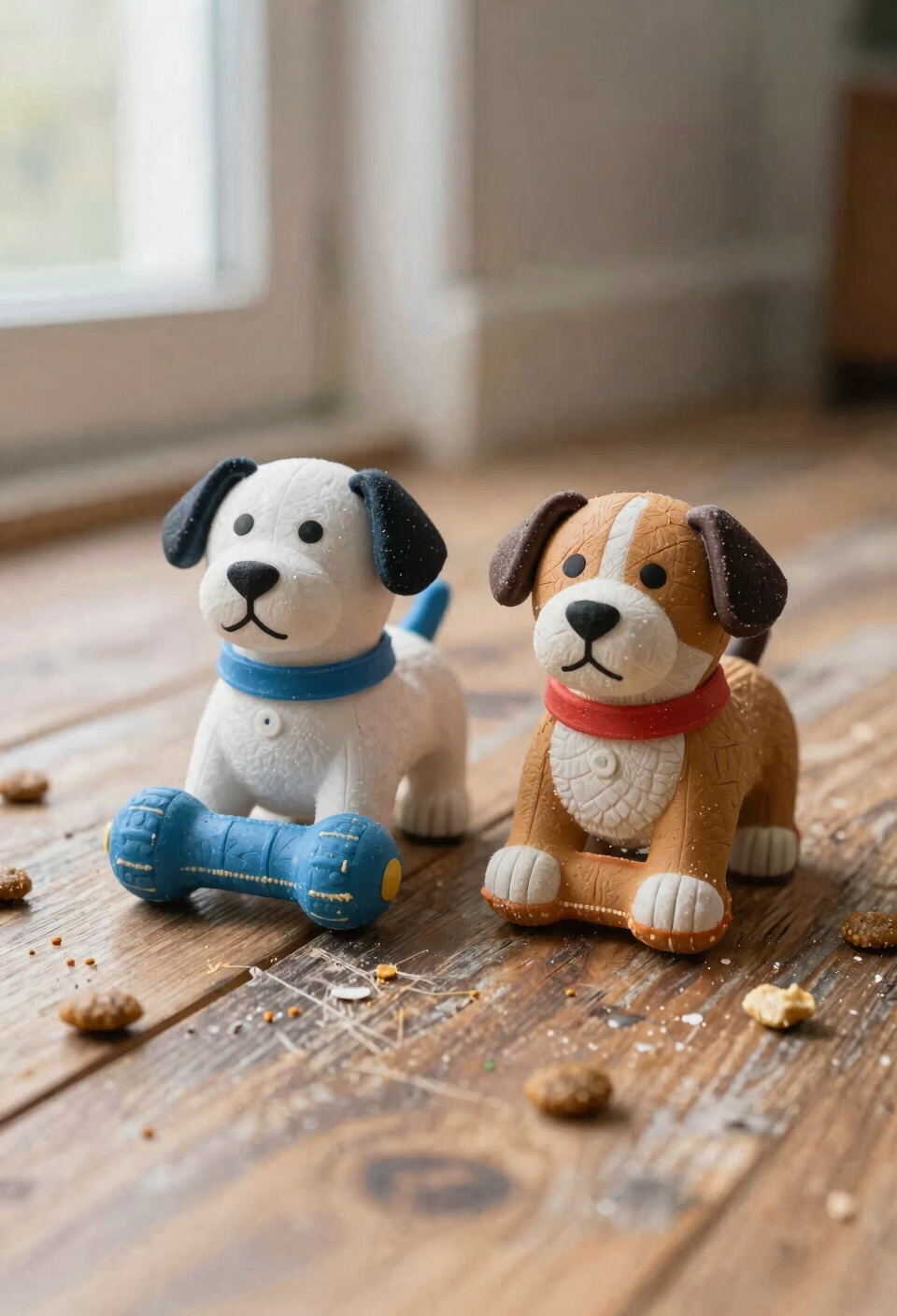
All right, so you’ve picked the right puzzle for your dog’s skill level—but here’s where a lot of folks get blindsided: a puzzle that’s perfect for engagement means nothing if it falls apart after three weeks of enthusiastic nose-work and paw-scratching.
I’ve watched real world testing show that Nina Ottosson boards handle repeated use pretty well, thanks to durable plastic construction. The moving parts—spinning wheels, sliding tiles, flappers—tend to resist material fatigue better than you’d expect. That said, chew resistance varies. Some dogs destroy them faster than others.
Cleaning ease matters too. You can usually rinse them or wipe them down between sessions. The honest truth? Advanced models take more of a beating than beginner boards, so durability scales with complexity and your dog’s intensity level. Unlike rigid chew toys made from nylon and TPR materials, puzzle toys prioritize interactive engagement over pure bite resistance, which means they require more frequent inspection for wear and tear.
Recommended Products

Dog Puzzle Toy – Level 2 Intermediate: Perfect for beginners or smart pups, this Nina Ottosson dog puzzle offers a 3-in-1 challenge with easy, medium, and hard levels

Four Challenges & Levels 1-3: Multiple games with a flip game and a linear track sliding game, all requiring dogs to learn steps and find treats. This puzzle is designed to be more fun and difficult, with more unique ways to play. It can enhance your dog's IQ and train their sense of smell

Super-Value Dog Enrichment Toy Set:The set includes 2 lick mats with Suction Cups, 1 puzzle toy, 3 treat balls, 1 silicone spatula,1 brush and 2 bags. Suitable for various activities, including using treat balls indoors or finding the puzzle toy in the garden
Frequently Asked Questions
Are Nina Ottosson Puzzle Toys Safe for Dogs With Aggressive Chewing Habits?
I’d recommend caution with aggressive chewers. While Nina Ottosson puzzles feature chew resistant designs and non-toxic plastic materials, they’re not indestructible. Supervise play and consider reinforced alternatives if your dog’s aggressive chewing poses risks.
How Often Should I Rotate or Replace Puzzle Toys to Maintain Engagement?
I’d recommend rotating puzzle toys every few weeks to maintain your dog’s interest. Replace them annually or when parts wear down. A solid rotation schedule keeps engagement high and prevents boredom while extending your toy’s lifespan.
Can Puzzle Toys Help Reduce Separation Anxiety or Destructive Behavior in Dogs?
Puzzle toys provide powerful problem-solving pathways for behavior modification and anxiety reduction. They’re beneficial for separation training by keeping your dog mentally engaged during alone time, reducing destructive tendencies through enrichment benefits.
What’s the Price Range Difference Between Beginner and Expert-Level Puzzle Boards?
I’d say you’re looking at roughly $15–25 for beginner boards, while expert-level puzzles run $30–50+. The price tiers reflect the complexity gap; you’re paying for more mechanisms, hidden compartments, and durability built into advanced designs.
Do Nina Ottosson Puzzles Work With All Treat Types, or Specific Sizes?
I’ll be honest—Nina Ottosson puzzles aren’t one-size-fits-all treat vending machines. You’ll find treat compatibility varies with size variations across difficulty levels. Beginner boards typically accommodate standard kibble, while advanced models demand smaller, softer rewards fitting their intricate compartments.
Conclusion
Look, here’s the thing—I’m sure you’ve noticed that dogs who regularly tackle puzzle toys show measurably better behavior overall. Studies suggest interactive play reduces destructive habits by something like 30 percent, though honestly I’d verify that exact number. All right, bottom line? You’re not picking between brands here; you’re picking the right puzzle level for your dog’s brain. Both options’ll get the job done, and your pup will thank you either way.