As an Amazon Associate, we earn from qualifying purchases. Some links on this site are affiliate links at no extra cost to you. Our recommendations are based on thorough research and editorial judgment.
How Mental Stimulation Reduces Anxiety in Pets

I’m sure you’ve noticed your anxious dog pacing like they’re training for a marathon, right? Mental stimulation works like a pressure valve—it redirects all that nervous energy into focused problem-solving, which physically exhausts their brain and interrupts the worry cycle before it even starts. You throw in some puzzle toys or scent work, and suddenly your dog’s too busy solving problems to stress about the mailman. All right, stick around, and I’ll show you exactly which toys and games actually work.
Key Takeaways
- Mental stimulation redirects nervous energy into focused problem-solving, interrupting the anxiety cycle and reducing worry.
- Puzzle toys and scent work tap into natural instincts, providing genuinely rewarding engagement that builds confidence.
- Mental fatigue from consistent enrichment creates calmer overall behavior and emotional resilience over time.
- Combining mental games with physical exercise provides dual exhaustion, maximizing both energy burn and cognitive engagement.
- Short, varied daily sessions with rotating enrichment tools prevent habituation while maintaining sustained mental challenge.
How to Spot Anxiety in Your Dog (and Why Mental Games Help)
You may be interested
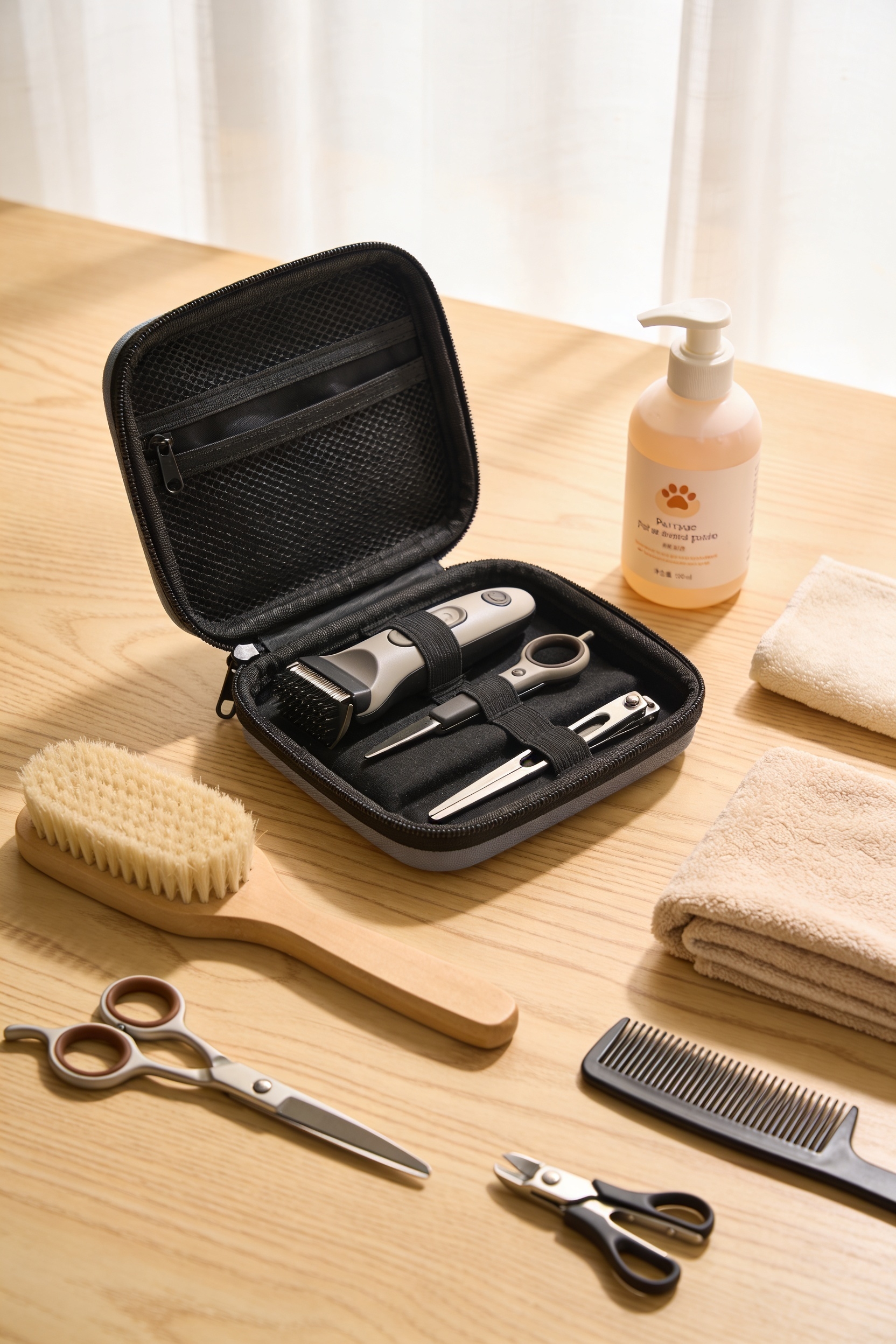
Now, I’m sure you’ve noticed that dogs aren’t exactly subtle—when something’s wrong, they usually let you know about it in the most dramatic way possible. Anxious dogs often display specific body language: tucked tails, pinned-back ears, and that stressed expression that breaks your heart. You might see them pacing constantly or notice avoidance behaviors like hiding when guests arrive or refusing their favorite toys.
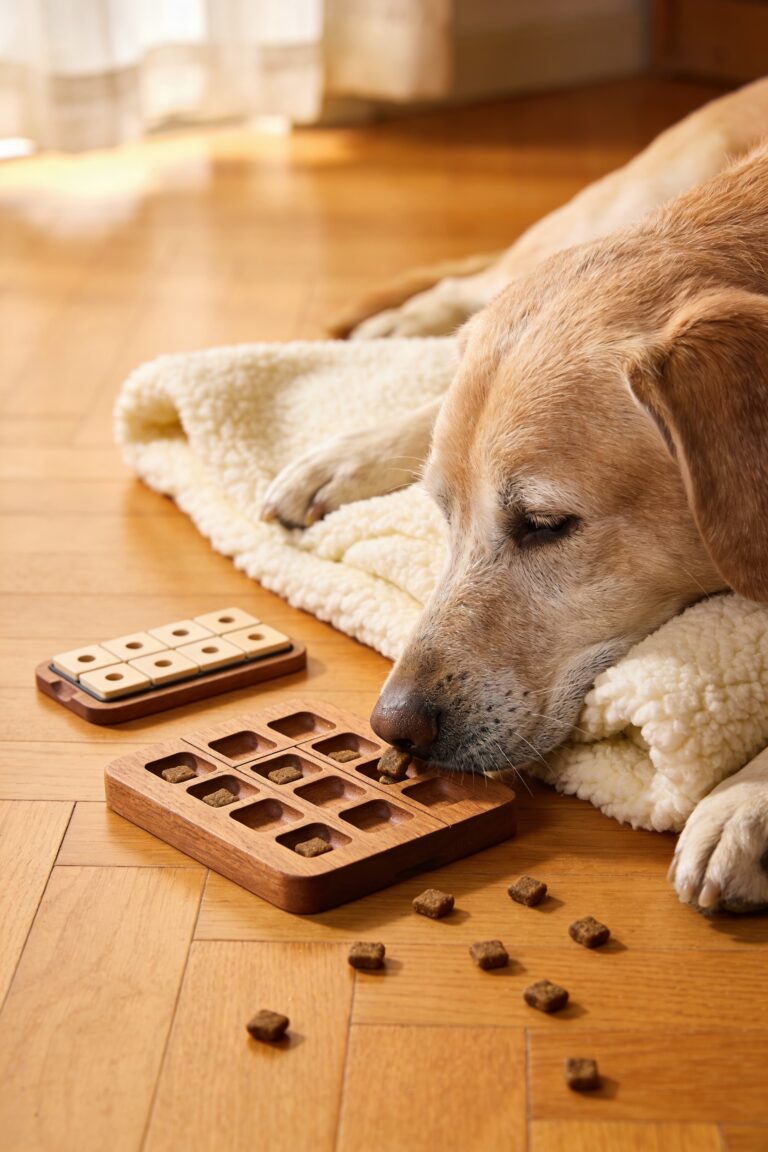
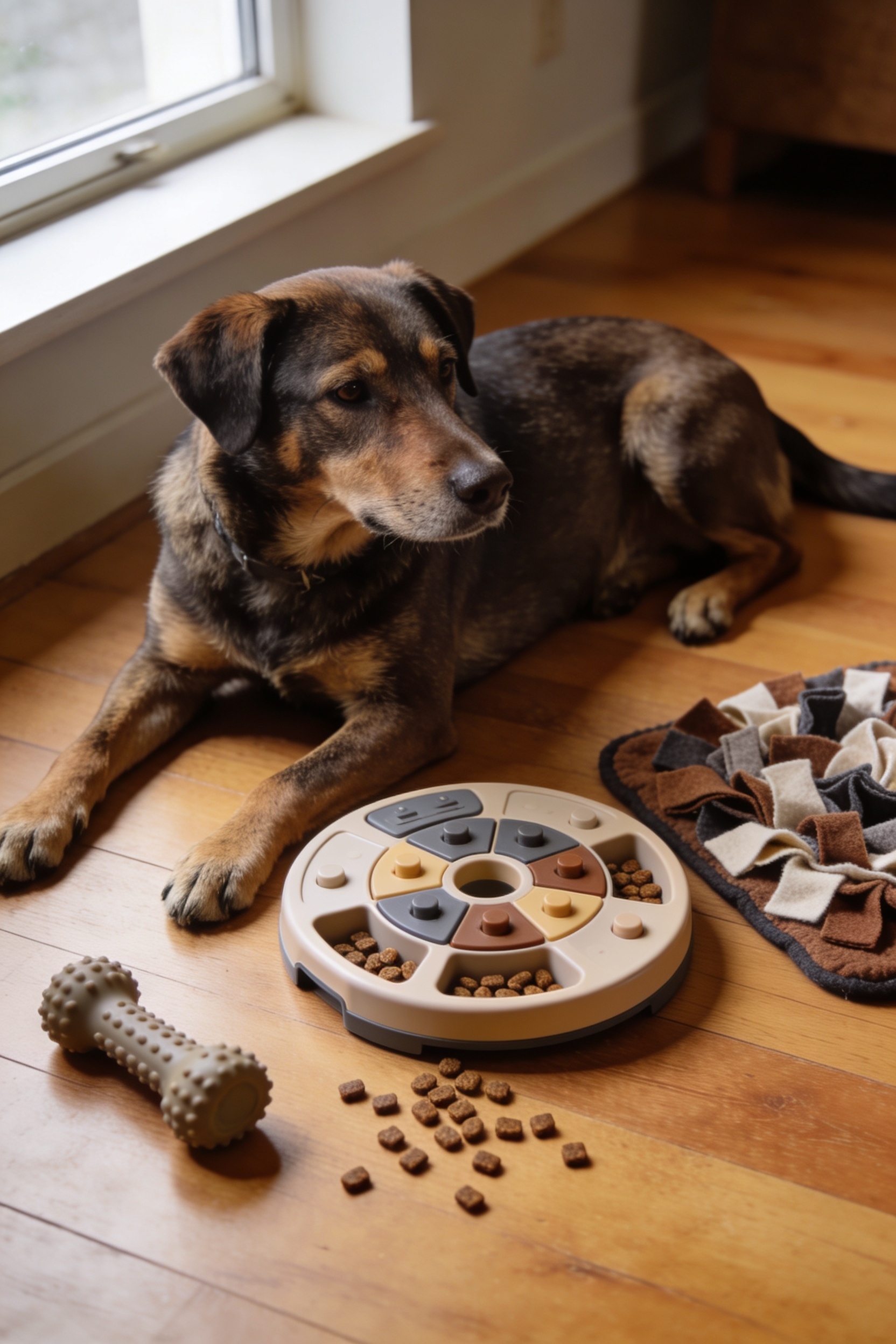
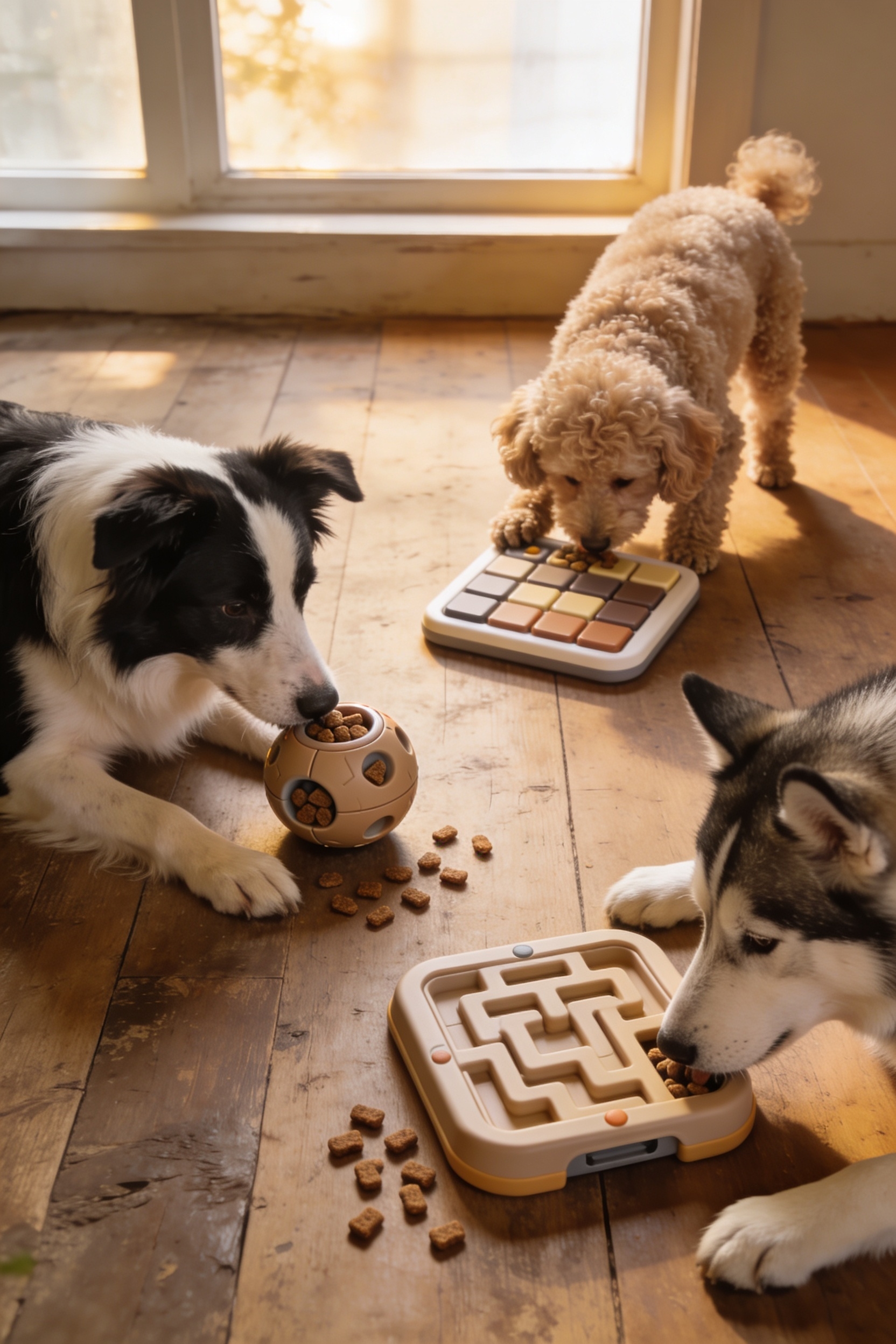
Here’s the thing—mental games actually interrupt that anxiety cycle. When you engage your dog’s brain with puzzle toys or training sessions, you’re redirecting all that nervous energy into problem-solving. I mean, it’s tough to worry about everything when you’re focused on finding treats in a snuffle mat. That mental fatigue kicks in, calming them down naturally. Incorporating treat-dispensing puzzles and snuffle balls is particularly effective because they combine foraging, problem-solving, and varied textures to maximize mental stimulation. Pretty brilliant, right?
Puzzle Toys and Treat-Dispensing Devices That Actually Work
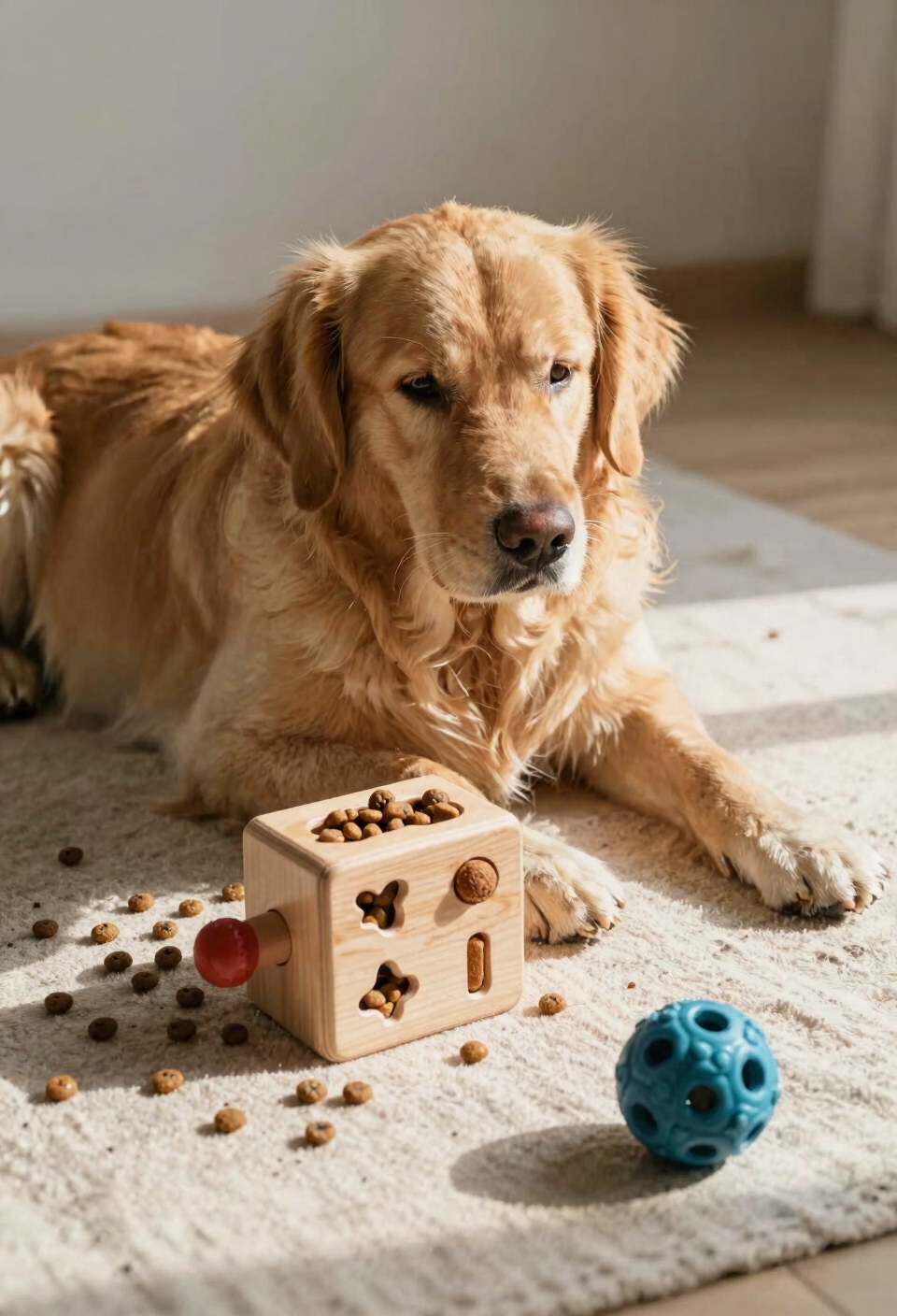
When it comes to keeping your anxious dog’s brain occupied, you’ve probably noticed that a regular tennis ball only holds their attention for about five minutes before they’re back to pacing and stress-chewing your furniture. I’m sure you’ve noticed that too.
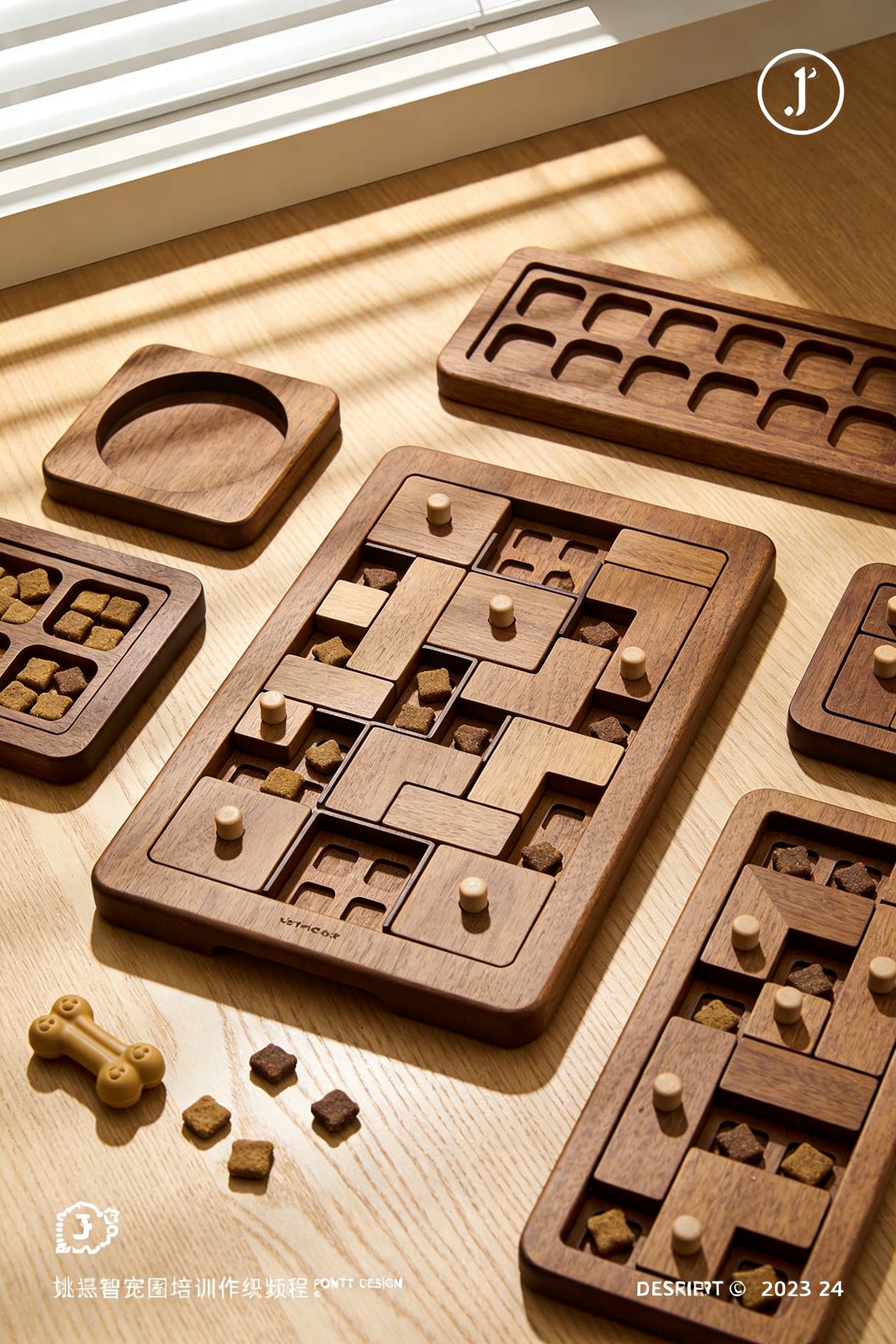
Now, puzzle toys and treat-dispensing devices actually work because they force your dog to problem-solve for rewards. I mean, it’s basically a job for their brain. Slow feeders stretch out mealtime into a mental workout, while interactive lures keep them engaged way longer than you’d expect.
All right, here’s the thing—these tools tap into your dog’s natural foraging instincts. They’re not just distracting; they’re genuinely rewarding. Your anxious pup gets mental stimulation, confidence boosts, and honestly, some peace and quiet for you. That’s a win-win situation. Motion-activated rolling balls with touch-sensitive technology can provide autonomous entertainment that keeps anxious dogs engaged through unpredictable movements and extended play sessions.
Recommended Products
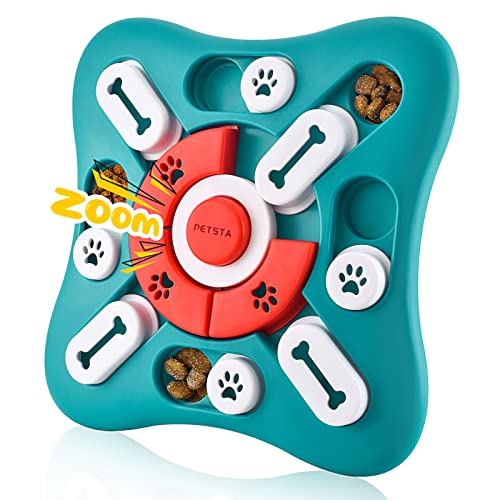

【Foraging Instinct Play】Built-in squeaker unit grabs pets’ attention instantly, tapping into their natural foraging instincts for nose work and treat hiding fun. Pets use paws and smell to solve puzzles for hidden treats, ideal for cognitive dog toys play

SUITABLE FOR SMALL AND MEDIUM DOGS, CATS - The size of this snuffle mat is 26 x 16.5 inches, which is perfect for small dogs, medium dogs, cats and rabbits. It makes a wonderful gift for pet owners! NOT recommended for extra large and aggressive chewers dogs who could tear it up
Scent Work and Nose Games for Natural Engagement
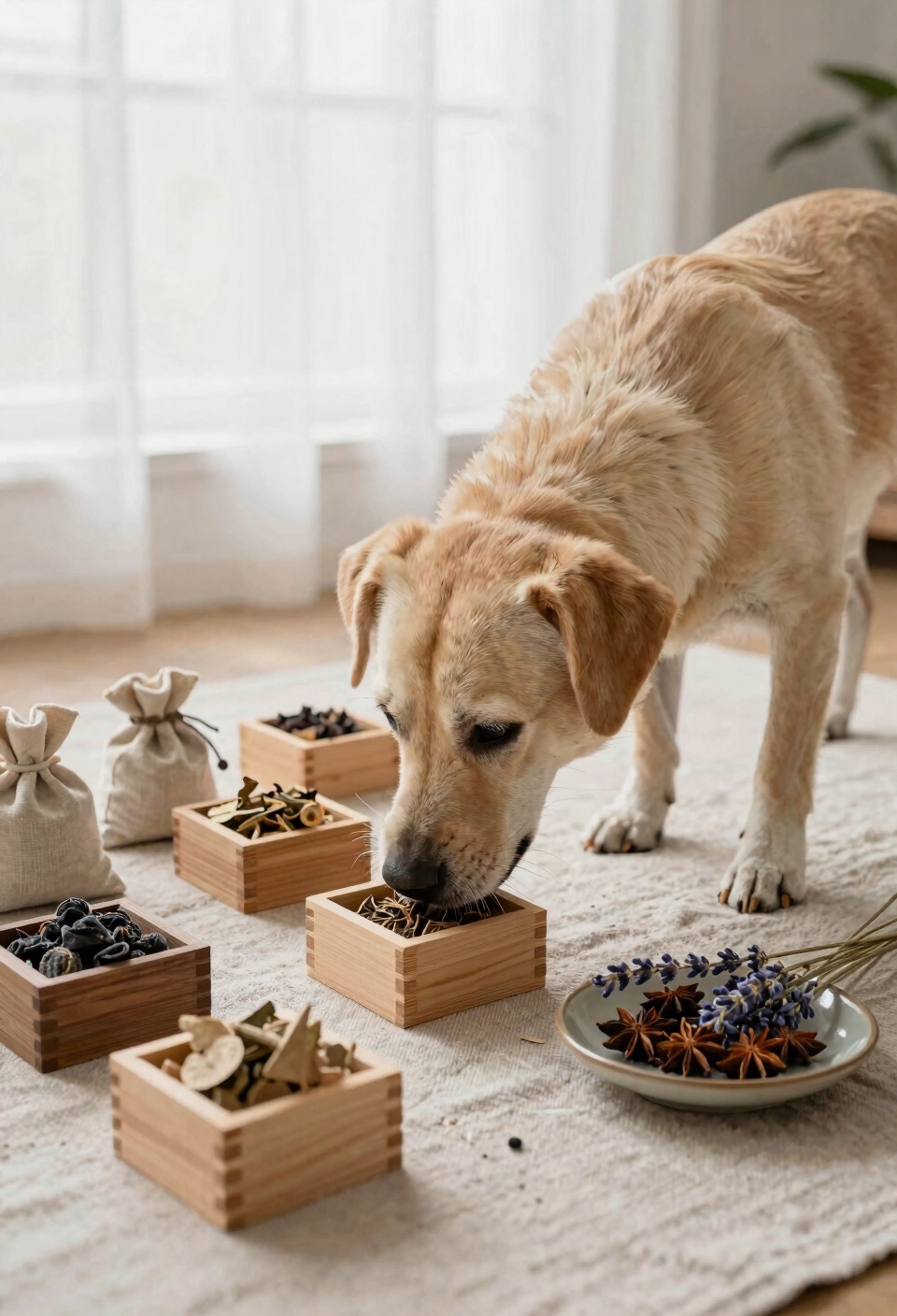
Dogs are basically little furry detectives, and I’m sure you’ve noticed how they’d rather spend two hours investigating a single blade of grass than play fetch like a normal pet. Now, here’s where scent work becomes your secret weapon against pet anxiety. I mean, you’re tapping directly into their natural instincts—sniffing is basically what they were born to do.
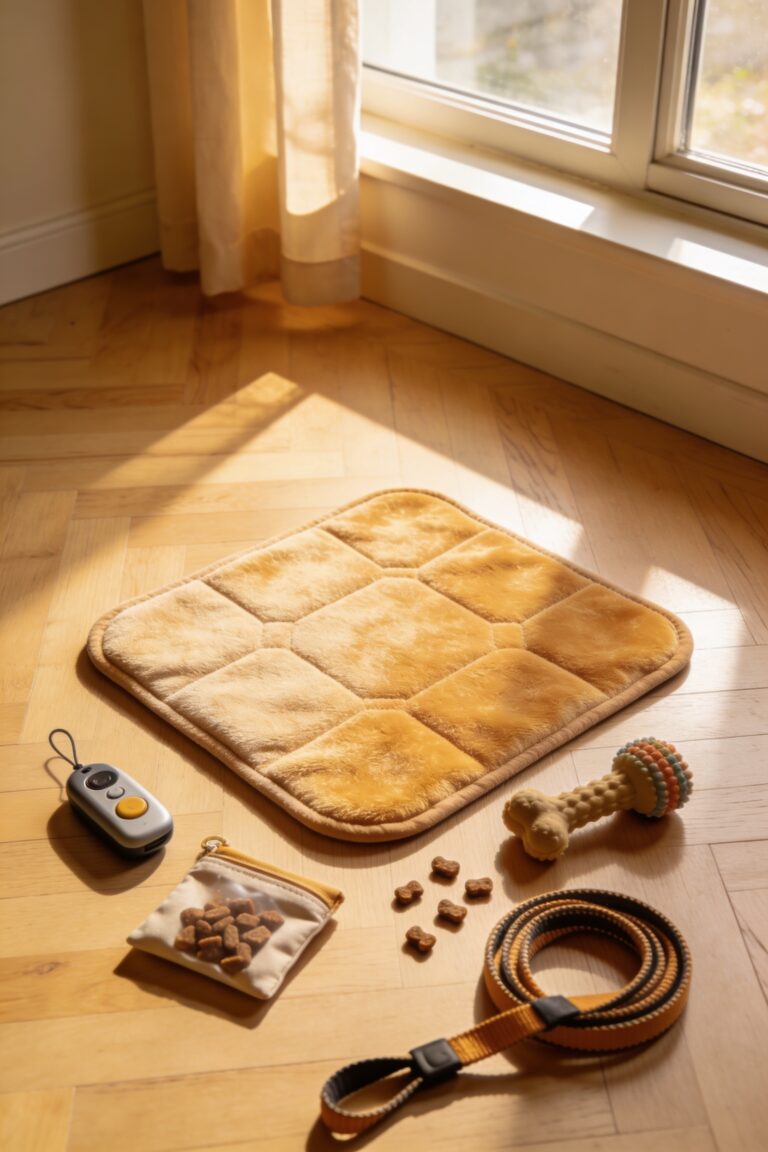
Scent puzzles and aroma targeting activities engage that detective brain in ways regular toys just can’t match. You hide treats in a snuffle mat, scatter them through grass, or use puzzle feeders with different scents. Your dog’s nose goes to work, and suddenly they’re mentally exhausted in the best way possible. Obviously, a tired mind means less anxiety and fewer destructive behaviors. These textured surfaces and enrichment tools also promote dental hygiene while keeping your pup engaged during playtime. All right, try it this week—your anxious pup will thank you.
Recommended Products
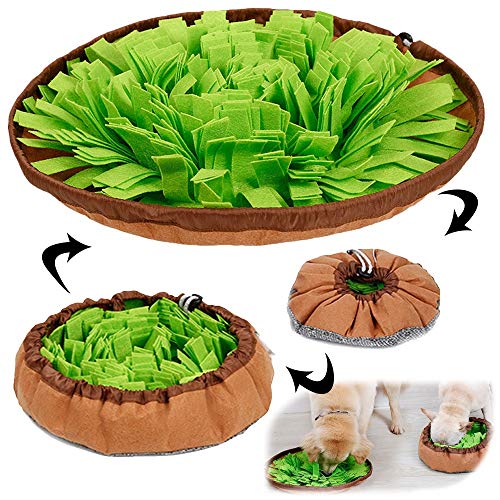
★ Dog Training Toys: It is a unique dog training mat that allows your dog to find snacks or small toys hidden in the mat. It helps to train your dog's smell, consume your dog's energy and lose weight. Keep your dog occupied and avoid your dog being bored and engaged in destructive behavior.

RICH FEEDING GAME – Look at the Big Orange Flower in the middle of the snuffle mat dog puzzle toys. Total 4 layers of orange petals can hide large chunks of food easily. Outer ring of the rich and messy grass suitable for small size of food. Unlike other snuffle mat’s rare and regular grass can’t hide any food! It doesn’t help your dog at all.
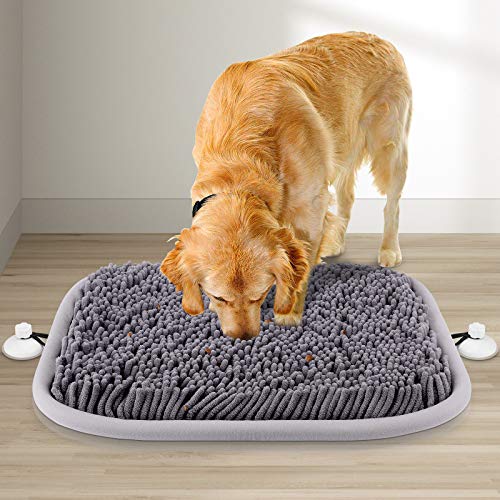
【Dog training toys】It is a unique dog training mat that allows your dog to find snacks or small toys hidden in the mat. It helps to train your dog's smell, consume your dog's energy and lose weight. Keep your dog occupied and avoid your dog being bored and engaged in destructive behavior.
Training Sessions: Structured Mental Challenges That Calm
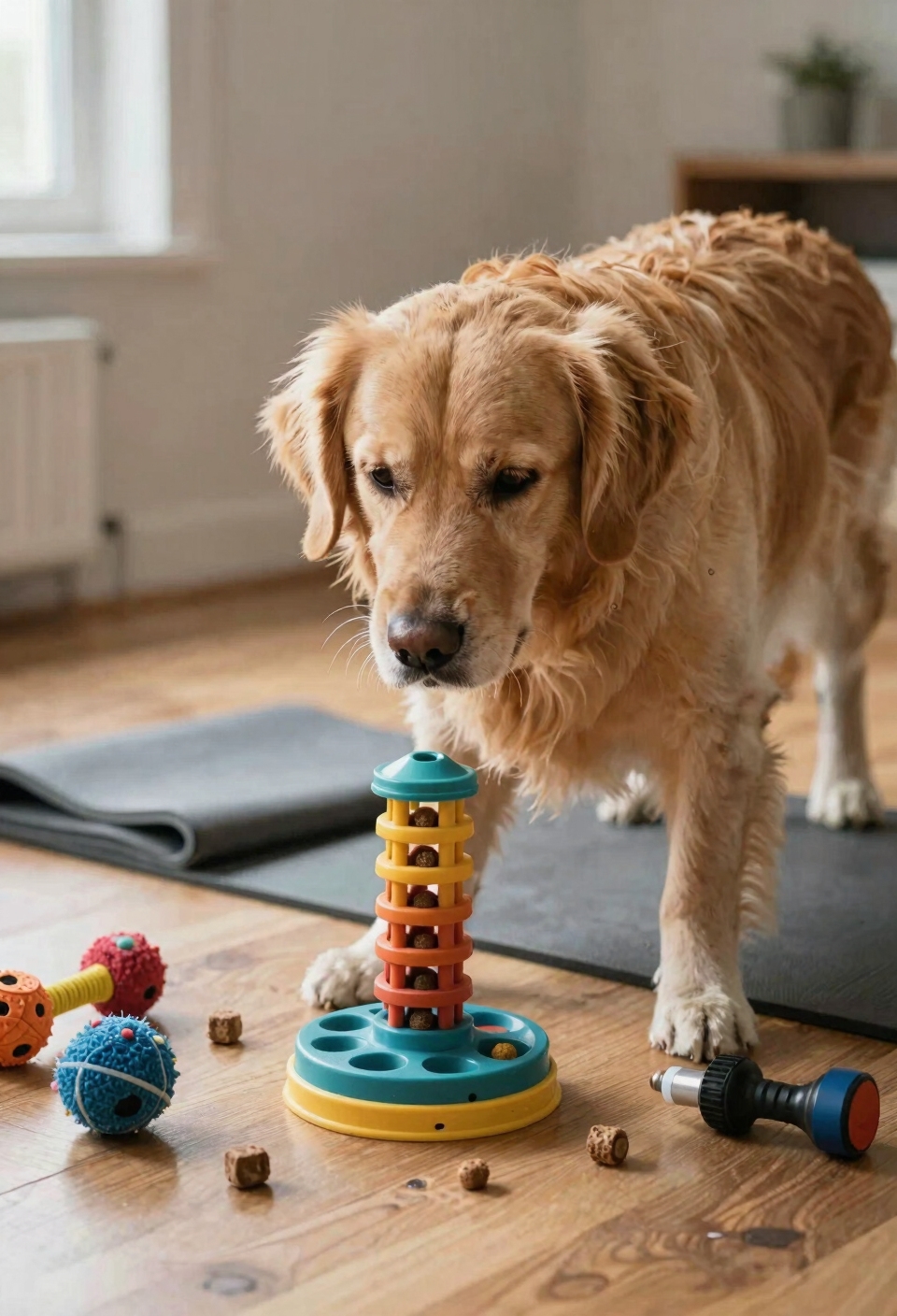
Shift your training sessions from “sit and treat” monotony into your pet’s personal anxiety-busting gym, and you’ll unleash something genuinely powerful. I’m sure you’ve noticed how dogs settle down after focused work—that’s not coincidence. When you structure training with proper reward timing, your pet’s brain gets genuinely occupied, which crowds out anxious thoughts. Now, here’s the thing: cue fading teaches your dog to respond without constant treats, building real confidence. All right, I mean, you’re basically rewiring their nervous system through repetition and positive reinforcement. Short, consistent sessions work better than marathon training dumps. Obviously your dog needs this mental workout, especially if they’re the pacing type. Pairing training with interactive toys like treat-dispensing puzzles creates dual engagement that amplifies the calming effect during your structured sessions. Training isn’t just about obedience—it’s legit therapy wrapped in treats and praise.
Recommended Products

BITE SIZED TREATS: These all natural bite-sized crunchy treats come in an assortment of chicken, liver, and vegetable flavors for a treat your dog will love

Highly Palatable with natural pork liver base

USA Made Natural Dog Treats with No Artificial Additives: These natural dog treats are free from artificial flavors, colors, and preservatives; Made without corn, wheat, or soy ingredients, offering a healthy and wholesome snack option for your dog
Introducing New Environments Without Triggering Anxiety
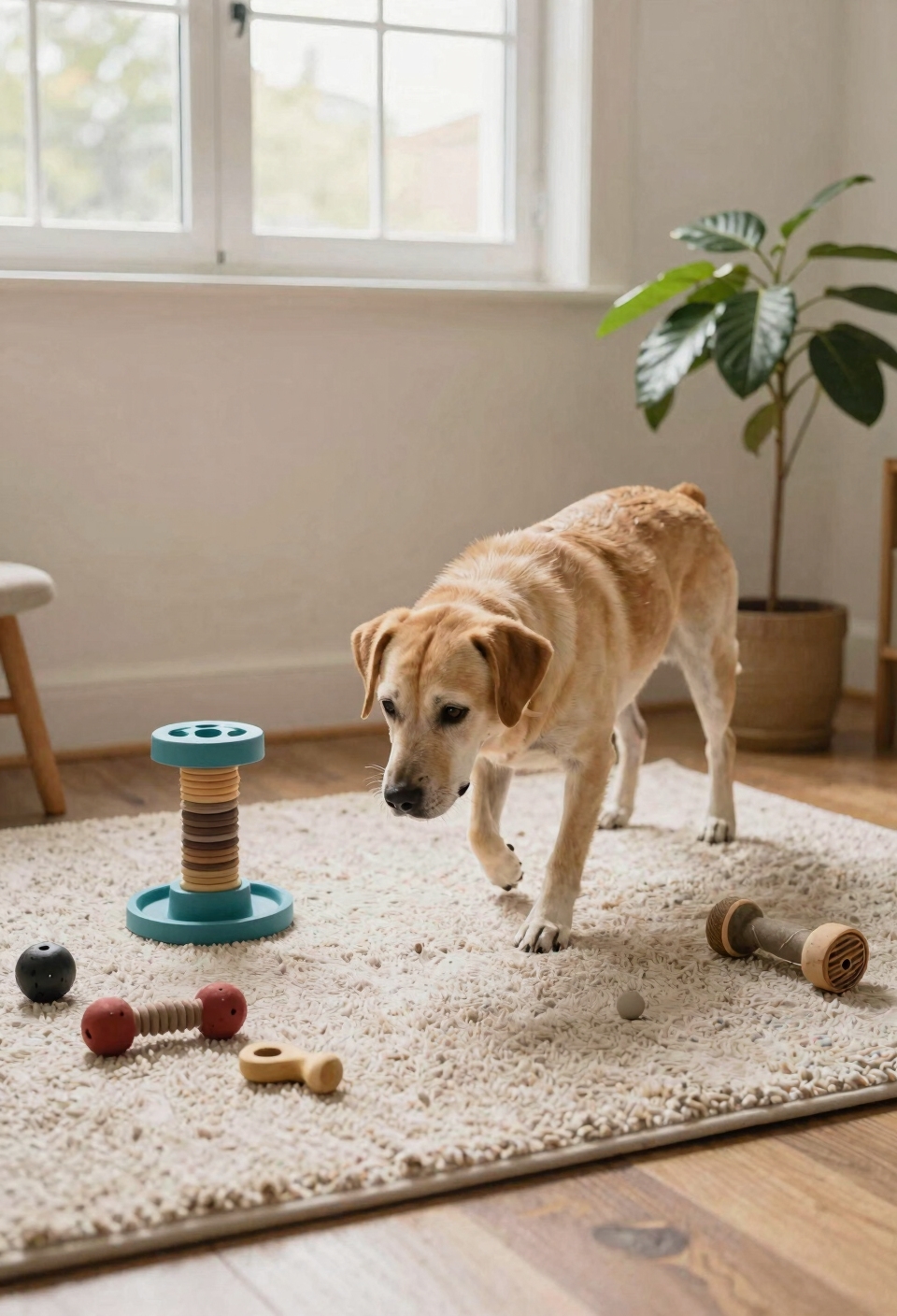
Because your dog’s anxiety doesn’t just vanish the moment you walk through a new door, you’ve got to think strategically about exposure. I’m sure you’ve noticed how some dogs freeze up in unfamiliar spaces, right?
Gradual exposure is your best friend here. Start small—maybe a quiet corner of a park before hitting the main trails. Now, sensory acclimation matters too. Let your pup sniff around, get comfortable with the sounds and smells. Don’t rush them through it like you’re late for dinner.
All right, here’s the thing: bring familiar toys or that cozy blanket along. It’s like carrying a piece of home in your back pocket. Short visits work better than marathon expeditions, obviously. Your dog builds confidence through these small wins, which honestly beats any treat you could offer. Consider packing interactive plush toys to provide mental engagement during transitions to new spaces, helping redirect anxious energy toward positive play experiences.
Building Your Dog’s Daily Mental Stimulation Routine
Now that you’ve got your pup comfortable exploring new spaces without completely losing their mind, it’s time to build something that’ll actually stick—a solid daily routine that keeps their brain engaged and their anxiety in check. I’m sure you’ve noticed that dogs thrive on consistency, so aim for the same enrichment times each day. Start mornings with crate puzzles that make them work for breakfast—seriously, it’s like a gym membership for their brain. Midday, set up window watching sessions where they can observe the neighborhood action. Afternoons work great for interactive toys or training drills, which provide mental stimulation through extraction games and treat-dispensing mechanisms that keep anxiety at bay. Evening wind-downs could involve scent work or treat-dispensing toys. The key? Rotating activities keeps things fresh so your dog doesn’t get bored. Obviously, you’re building a routine that fights anxiety before it even starts.
Recommended Products

[Treat Distribution] Our food dispenser has differently sized spheres at both ends. As dogs push the toy, it moves within a fixed area, allowing dogs to continuously chase and play with it. During movement, food is dispensed from the food holes on both sides of the toy.

Treat Dispensing Puzzle Toy for Dogs – This treat dispensing dog toy turns snack time into an interactive reward game. Fill the dog treat ball with kibble or small treats, then let your dog roll, chase, sniff, and work for the reward. Great for dog puzzle toy, puppy puzzle toys, interactive dog puzzles, and dog toys with treats inside for daily enrichment play.

RUBBER MATERIAL: HIPPIH treat dispensing dog ball is made of extra-tough rubber with good elasticity, good for your sweet dog grinding and fresh their teeth. ( Blue color-2.75 in, Green color-3.14 in, suitable for medium and large dogs. Not suitable for miniature small dogs, such as Yorkshire Maltese, etc) NOTE: The dog puzzle ball must be wider than your dog's mouth
How Much Mental Enrichment Is Enough?
Figuring out your dog’s mental enrichment sweet spot isn’t exactly a science you can measure with a ruler—I mean, obviously every dog’s different, which is both the fun part and the frustrating part. I’m sure you’ve noticed that some dogs need constant stimulation while others get tired after ten minutes.
Now, I’d say most dogs benefit from short bursts of mental challenges throughout the day rather than one marathon session. All right, here’s the thing: varied intensity works better than doing the same puzzle toy every single time. Mix in training, sniff games, and interactive play without burning them out completely. Interactive toys like motion-activated rolling balls can reduce stress and separation anxiety through active engagement when incorporated into your dog’s daily routine. Think of it like seasoning—you want enough to make things interesting, not so much they’re exhausted before lunch.
Pairing Mental Games With Physical Exercise for Best Results
Through the lens of your dog’s daily routine, you’ll find that mental games and physical exercise work best when they’re dancing together rather than taking turns on the stage. I’m sure you’ve noticed that a tired dog isn’t just physically exhausted—they’re mentally worn out too. That’s where dual tasking comes in. You can combine interval play with puzzle toys, alternating between sprints and brain work. Now, here’s the thing: your pup gets the best of both worlds. Their body burns energy while their mind stays engaged, creating this perfect stress-relief combo. All right, skip doing one or the other, and you’re missing half the magic. Honestly, it’s like going to the gym but leaving your phone at home—you’re only getting part of the workout. Interactive toys with touch activation or motion sensors provide cognitive challenges that tap into your dog’s natural hunting instincts while they’re burning physical energy.
Recommended Products

【Upgrade Dog Puzzle】Our dog puzzle toy is moderate level with more challenging ,difficult than level 2, not only easy slide steps, but require your dog's ability to learn sequential steps and combinations to seek hidden treats while keeping mental active .There are easy slide step and harder step in the puzzle box , dogs have to find a right way to move the red round sliders and the center parts for food, higher skills and mind required , great for the smart dogs.
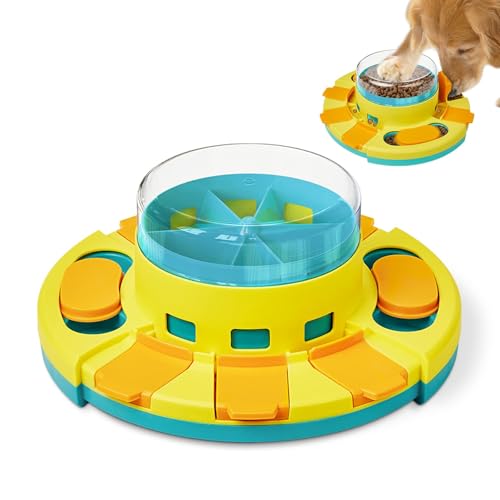
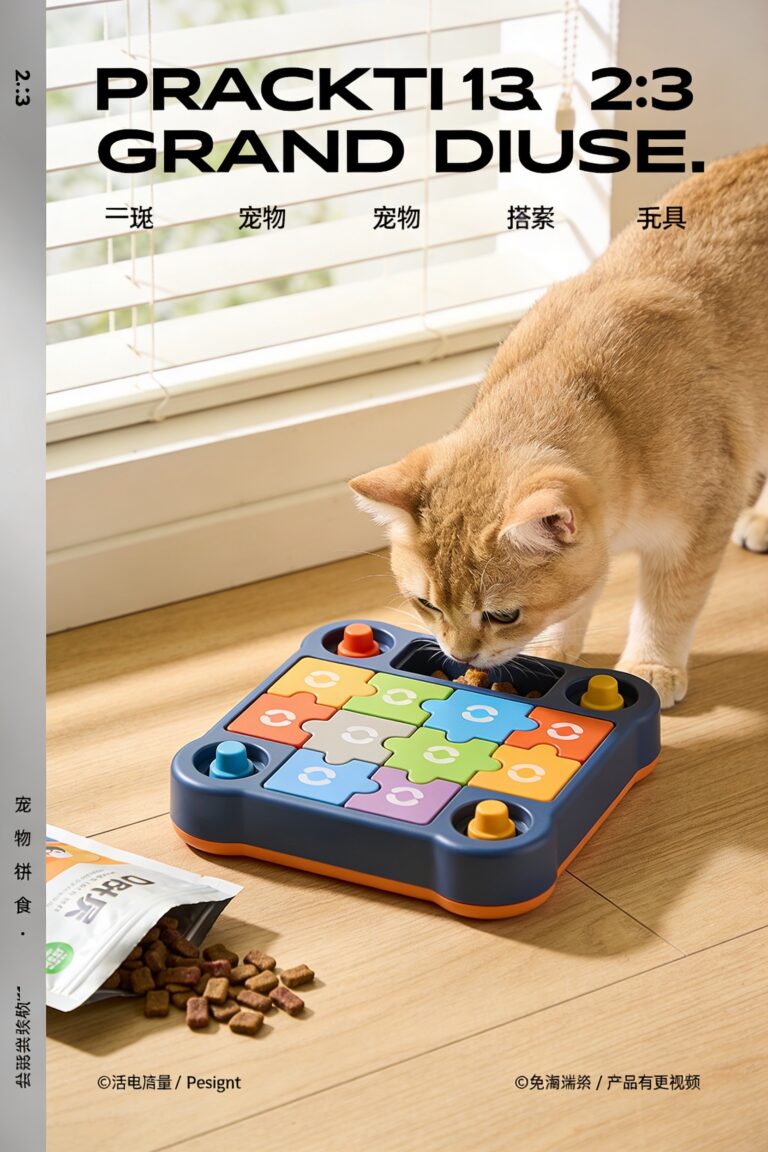
2 Levels in 1 Toy: start your pups off with a level 1 puzzle, add some treats in the base compartments and watch your dogs get their tasty reward by nudging the lids. For dogs who have mastered level 1, for added challenge in level 2, just put some treats in the top compartments, teach your dogs to press the top cover to dispense treats down into the base compartments and finally enjoy their reward

2 Levels for IQ Training: This dog puzzle for smart dogs will challenge your pet's mind with two fun modes.The outer sliders on these two difficulty levels of these dog puzzle toys are identical; the main difference lies in the inner sliders. At Level 1, dogs or cats can choose to slide the inner sliders of the dog enrichment toys either clockwise or counterclockwise; however, when the difficulty increases to Level 2, dogs must rotate the sliders strictly CLOCKWISE to access the treats hidden inside. These interactive dog toys features a multi-mode design that not only makes playtime more fun but also provides excellent mental stimulation for dogs
Signs Your Dog’s Anxiety Is Improving (and What to Do If It Isn’t)
When you’ve been putting in the work with mental stimulation and physical exercise, you’ll want to know if it’s actually paying off—and I mean really paying off, not just in your head. Look for improved sleep as your first win. If your dog’s actually resting instead of pacing all night, that’s huge. You’ll also notice reduced reactivity—fewer meltdowns at the mailman, less jumping at every sound.
Now, if you’re not seeing progress after a few weeks, don’t panic. Sometimes you need to switch up your puzzle toys or try different training approaches. Consider rotating treat-dispensing toys to maintain novelty and engagement, as variety helps reduce boredom and prevents habituation to the same enrichment tools. Honestly, I’d suggest consulting your vet to rule out medical stuff. Obviously, every dog’s different, so what works for your neighbor’s golden might totally bomb with yours.
Long-Term Benefits of Consistent Mental Stimulation
Keeping your dog’s brain consistently challenged isn’t just about getting through today—it’s about setting them up for a genuinely better life down the road. I’m sure you’ve noticed that dogs with regular mental workouts just seem… calmer. That’s because you’re literally building their emotional resilience over time.
Now, here’s what gets me excited: consistent enrichment protects senior cognition. Your older dog’s brain stays sharper longer when you keep puzzle toys and dietary enrichment rotating through their routine. I mean, it’s basically like keeping their mind’s engine running smoothly. Interactive toys with varied textures and refillable treat compartments provide multisensory engagement that strengthens cognitive pathways and maintains mental acuity throughout your dog’s life.
All right, the real payoff? You’re preventing anxiety disorders before they start. Your dog develops confidence, better focus, and genuine contentment. Obviously, that means fewer behavioral headaches for you. It’s honestly the best long-term investment you can make.
Frequently Asked Questions
Can Mental Stimulation Alone Treat Anxiety, or Is Professional Help Sometimes Necessary?
Mental stimulation helps substantially, but I’d recommend professional help for severe anxiety. A veterinarian can evaluate medication needs, while a behaviorist designs behavioral therapy tailored to your pet’s specific condition.
How Do I Know Which Mental Enrichment Activities Suit My Dog’s Personality Best?
Studies show 89% of dogs exhibit reduced anxiety with personalized enrichment. I’d observe your dog’s breed traits and play preferences—whether they’re natural foragers, retrievers, or problem-solvers—then match activities accordingly.
What’s the Difference Between Mental Stimulation and Physical Exercise for Anxiety Reduction?
Mental stimulation engages your dog’s brain through cognitive tasks and sensory play, reducing anxiety by redirecting focus inward. Physical exercise tires muscles; mental stimulation creates calming mental fatigue, addressing anxiety’s root cause more effectively.
Are There Any Risks or Downsides to Over-Stimulating an Anxious Dog Mentally?
I’ve seen anxious dogs pushed like overworked employees—they’ll crash. Yes, too much stimulation creates burnout risk. Your dog needs balance: challenge followed by genuine rest, not constant mental marathons that amplify their anxiety.
How Quickly Should I Expect to See Behavioral Improvements From Mental Enrichment Activities?
You’ll notice short term gains within days as your dog settles during activities, but gradual progress toward lasting behavioral improvement typically takes weeks or months. Consistency matters more than speed for sustainable results.
Conclusion
All right, here’s the thing—studies suggest that dogs getting consistent mental enrichment show up to 30% less anxiety-related behavior. I mean, that’s pretty solid, right? You’ve probably noticed your pup’s calmer when their brain’s actually working. The takeaway? You’re not just keeping them busy; you’re literally rewiring how they handle stress. So start small with those puzzle toys, and watch your anxious buddy transform into something resembling a chill companion.