As an Amazon Associate, we earn from qualifying purchases. Some links on this site are affiliate links at no extra cost to you. Our recommendations are based on thorough research and editorial judgment.

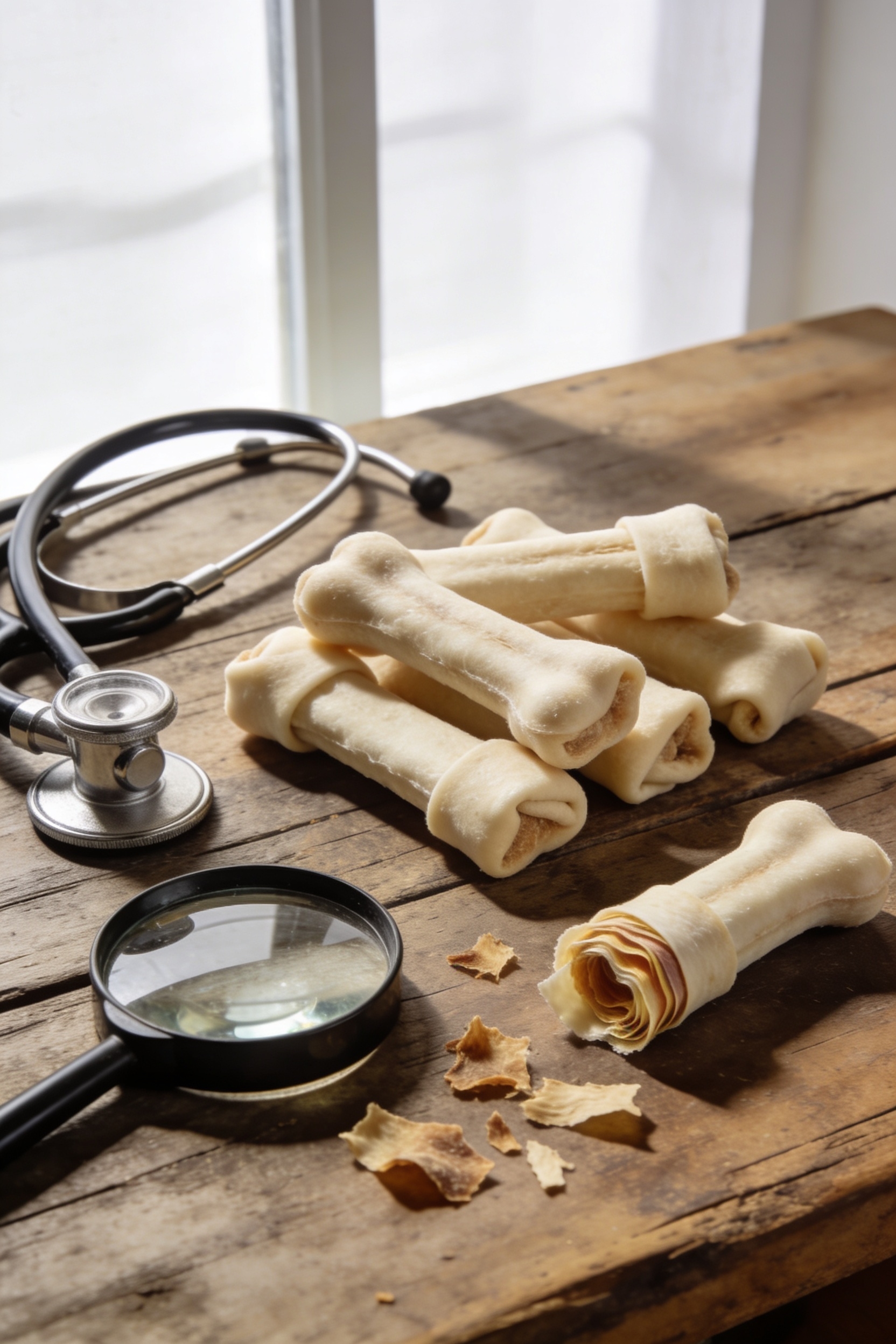
Rawhide Chews: Are They Safe or Dangerous?

Look, I’m not gonna sugarcoat it—rawhide chews are riskier than most people think. Your dog can choke on chunks, develop intestinal blockages, or crack teeth, especially if they’re an aggressive chewer or gulp treats whole. The real problem? Rawhide doesn’t digest well, so it just sits there causing trouble. You’ll want to watch for vomiting, lethargy, or constipation afterward. There’s a reason safer alternatives exist, and honestly, knowing which dogs should avoid rawhide entirely might save you an emergency vet visit.
Key Takeaways
- Rawhide poses serious choking and intestinal blockage risks, especially for puppies, aggressive chewers, and small breeds with immature digestive systems.
- Dog digestive enzymes cannot effectively break down processed rawhide, causing it to pass through the system nearly intact and potentially obstruct the gut.
- Aggressive chewing can crack teeth, leading to pain, infection, and expensive dental damage, particularly in senior dogs with worn teeth.
- Watch for vomiting, loss of appetite, lethargy, abdominal pain, or labored breathing after chewing; seek immediate veterinary care if symptoms appear.
- Supervised sessions with time limits, proper sizing, and removal before shredding are essential; safer alternatives include rubber toys, bully sticks, and nylon toys.
The Main Risks: Choking, Blockage, and Dental Damage
You may be interested
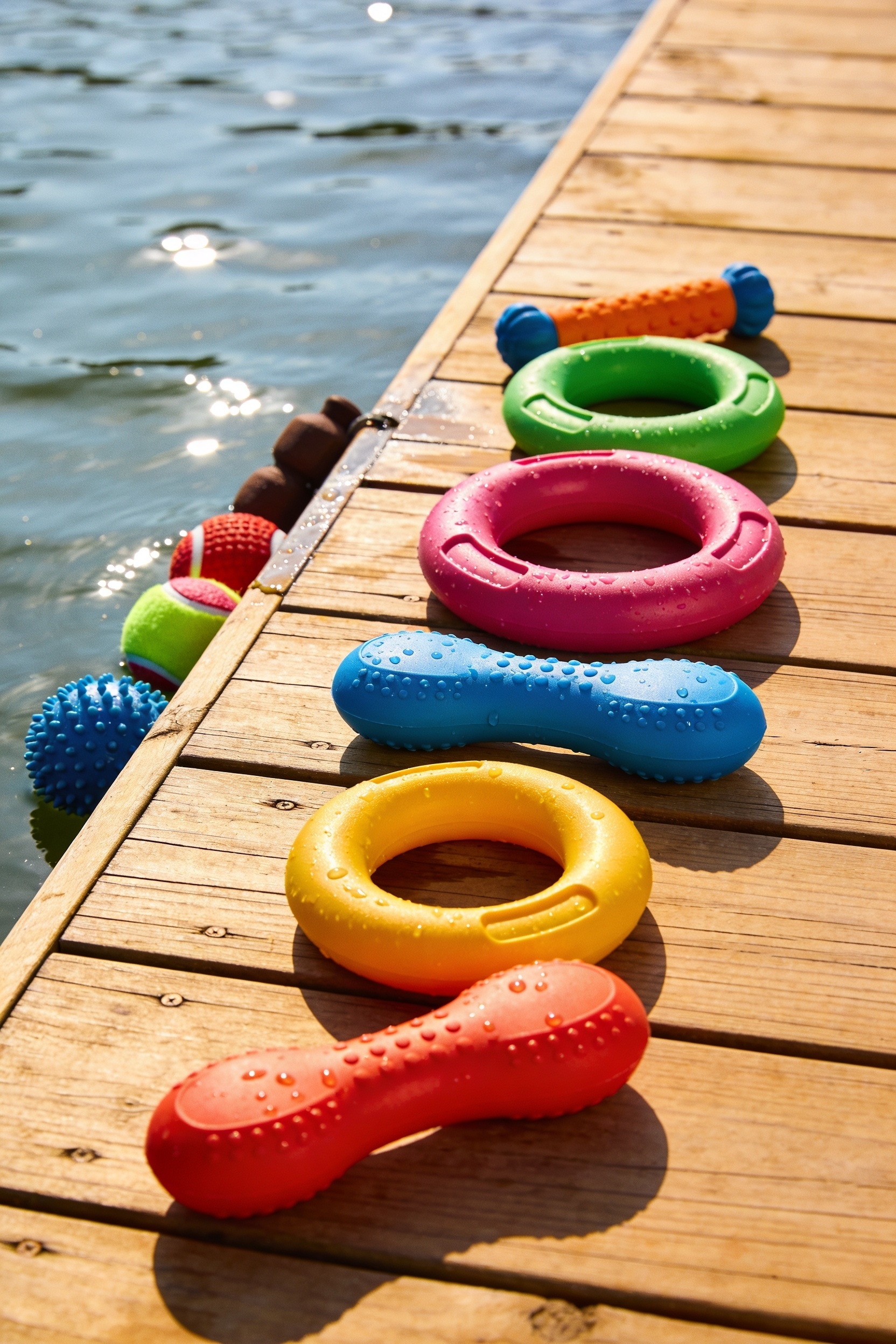
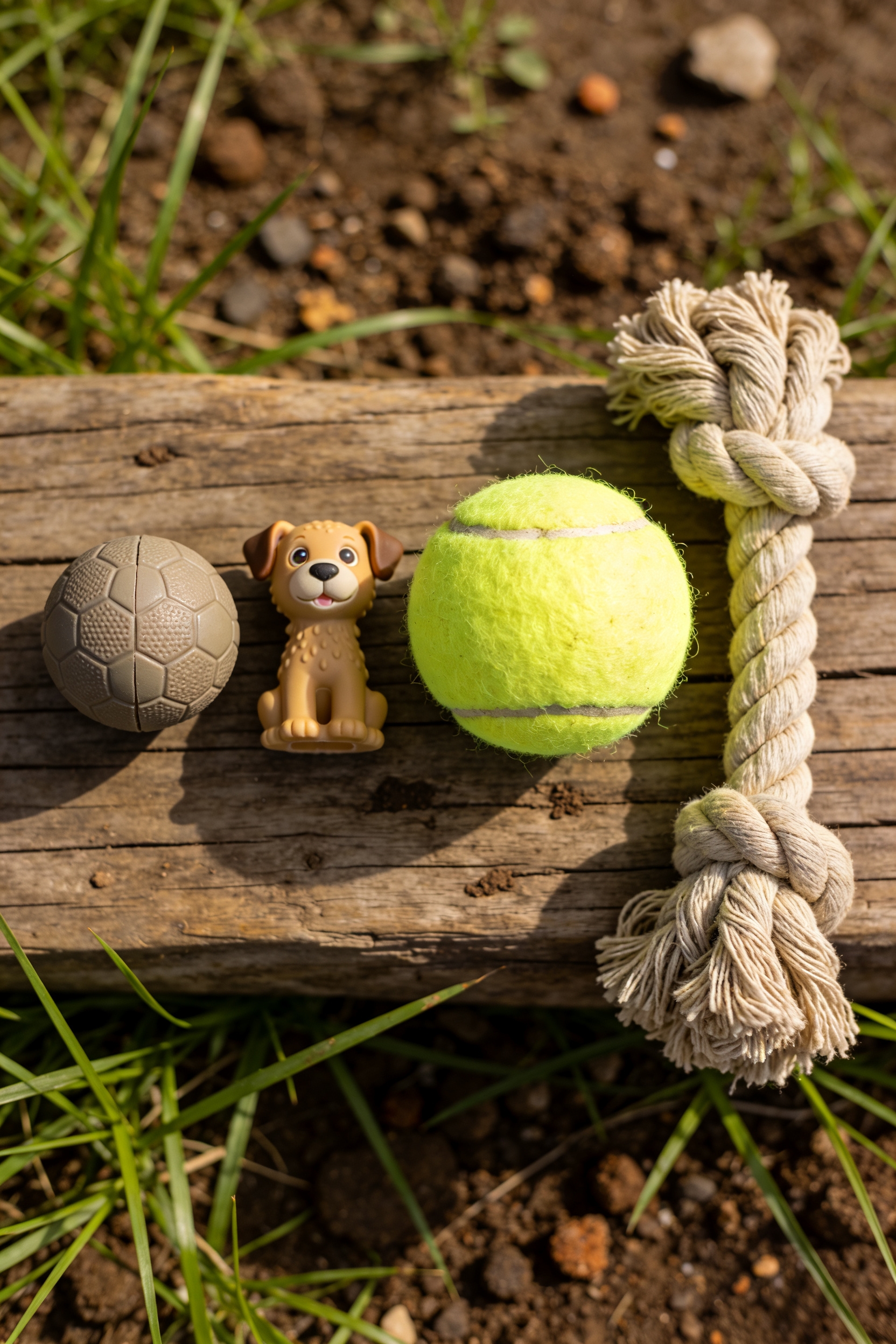
Although rawhide chews are everywhere—seriously, they’re like the default dog gift nobody questions—I’ve got to be honest with you: the main risks are genuinely worth worrying about. The choking mechanics are pretty straightforward: your dog gnaws off a chunk, it gets lodged in the throat, and you’re heading to the emergency vet. Fragment size matters way more than people realize. Round knots are especially sketchy because they break into swallowable pieces. Now, intestinal blockage happens when those fragments can’t digest—rawhide basically just sits there expanding inside your dog’s gut. All right, and then there’s dental damage. Aggressive chewers can crack teeth on super-hard rawhide, which means pain, infection, and expensive dental work. I mean, you’re paying for a chew toy to avoid boredom, not to fund your vet’s vacation home. The good news is that 99% digestible products made from USA-sourced ingredients can significantly reduce blockage risks compared to imported alternatives.
Recommended Products

Beef rawhide‑Free, Highly Digestible Dog Chews — Safe, gentle chew treats made without beef rawhide for easier digestion and everyday peace of mind.

HIGHLY DIGESTIBLE: Digests 2x faster than standard rawhide* – our unique manufacturing process helps break down rawhide fibers.

HIGHLY DIGESTIBLE: Digests 2x faster than standard pork hide* – our unique manufacturing process helps break down pork hide fibers.
Is Your Dog a Candidate for Rawhide? (High-Risk Breeds and Conditions)
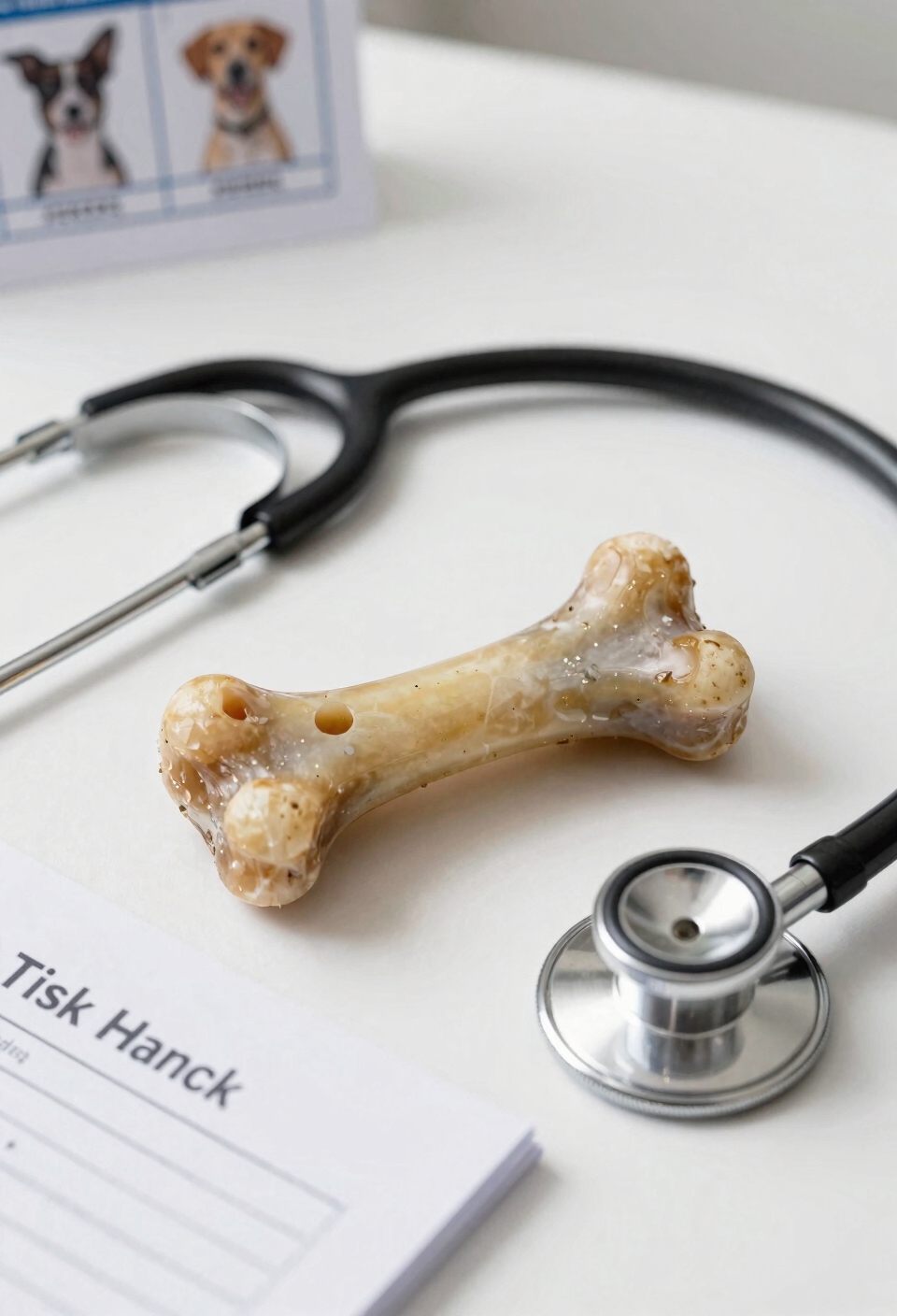
If you’ve got a puppy, a tiny dog, an aggressive chewer, or a pup with a history of choking or blockage issues, I’m gonna be real with you—rawhide probably isn’t your best bet. Now, do a quick behavioral assessment of your dog. Is she the type to gulp treats whole? Yeah, that’s a hard pass on rawhide. Senior dogs with worn teeth or dental disease should definitely avoid them too. Small breeds physically can’t handle large chunks, and puppies? Their digestive systems are still figuring things out. For dogs prone to destructive chewing, durable alternatives like nylon or rope toys designed specifically for aggressive chewers offer safer engagement options without the choking hazards. All right, here’s the thing—if your dog has any of these risk factors, you’re better off exploring safer alternatives. It’s not worth the emergency vet visit, trust me.
Recommended Products

COST-EFFECTIVE 3 PACK WITH MULTIPLE OPTIONS: This 3-pack of dog chew toys provides great value for multi-dog households or as convenient replacements; choose 6/9-pack for even better value. These durable dog toys make a perfect gift for your furry friend, ideal as practical chew toys for dogs and long-lasting dog bones.

Stop Wasting Money on 2-Minute Toys: Engineered for the crushing jaw pressure of 20-80 lb breeds like Labs and German Shepherds, this dual-material bone features a rock-solid nylon core reinforced with a dense rubber sleeve to outlast standard plush toys and finally give you a break from constant replacements

Built for Long-Lasting Play: Made from tough, high-quality nylon, these dog chew toys stand up to aggressive chewers and won't break apart easily. Whether your dog is relaxing on the couch after a morning walk, gnawing happily in the backyard, or enjoying a quiet moment in the living room, these dog toys let them chew freely. You can feel confident leaving them to enjoy themselves, knowing the toy will hold up, keeping playtime safe, satisfying, and stress-free
How Your Dog’s Body Handles Rawhide (and Why It Struggles)
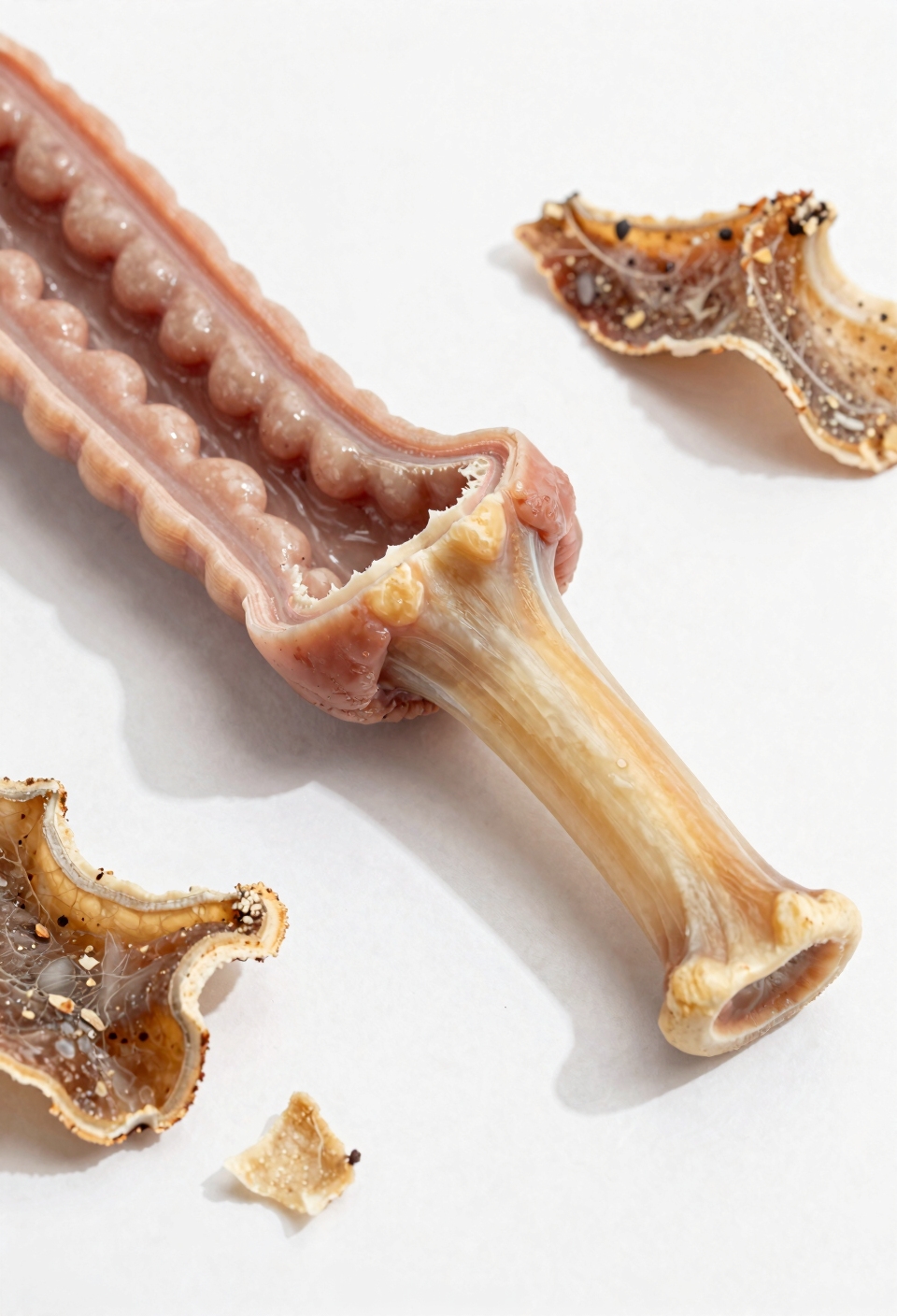
Understanding what happens when your dog swallows rawhide is basically the key to understanding why so many vets get a little twitchy when you mention them. Your dog’s gut just isn’t built to break down rawhide the way it handles real meat. I mean, your pup’s enzyme limitations mean rawhide basically passes through their system nearly intact—like an unwelcome houseguest that overstays its welcome. All right, here’s the thing: rawhide doesn’t play well with your dog’s gut microbiome either. When large chunks get stuck, they can ferment and cause serious digestive drama. Your dog’s stomach acid and digestive enzymes? They’re practically useless against processed rawhide. That’s why blockages happen. It’s not a flaw in your dog—it’s rawhide being fundamentally incompatible with how their body actually works. In contrast, durable synthetic toys designed with food-grade materials and textured surfaces are engineered to work with your dog’s digestive system rather than against it.
Emergency Warning Signs After Rawhide Chewing
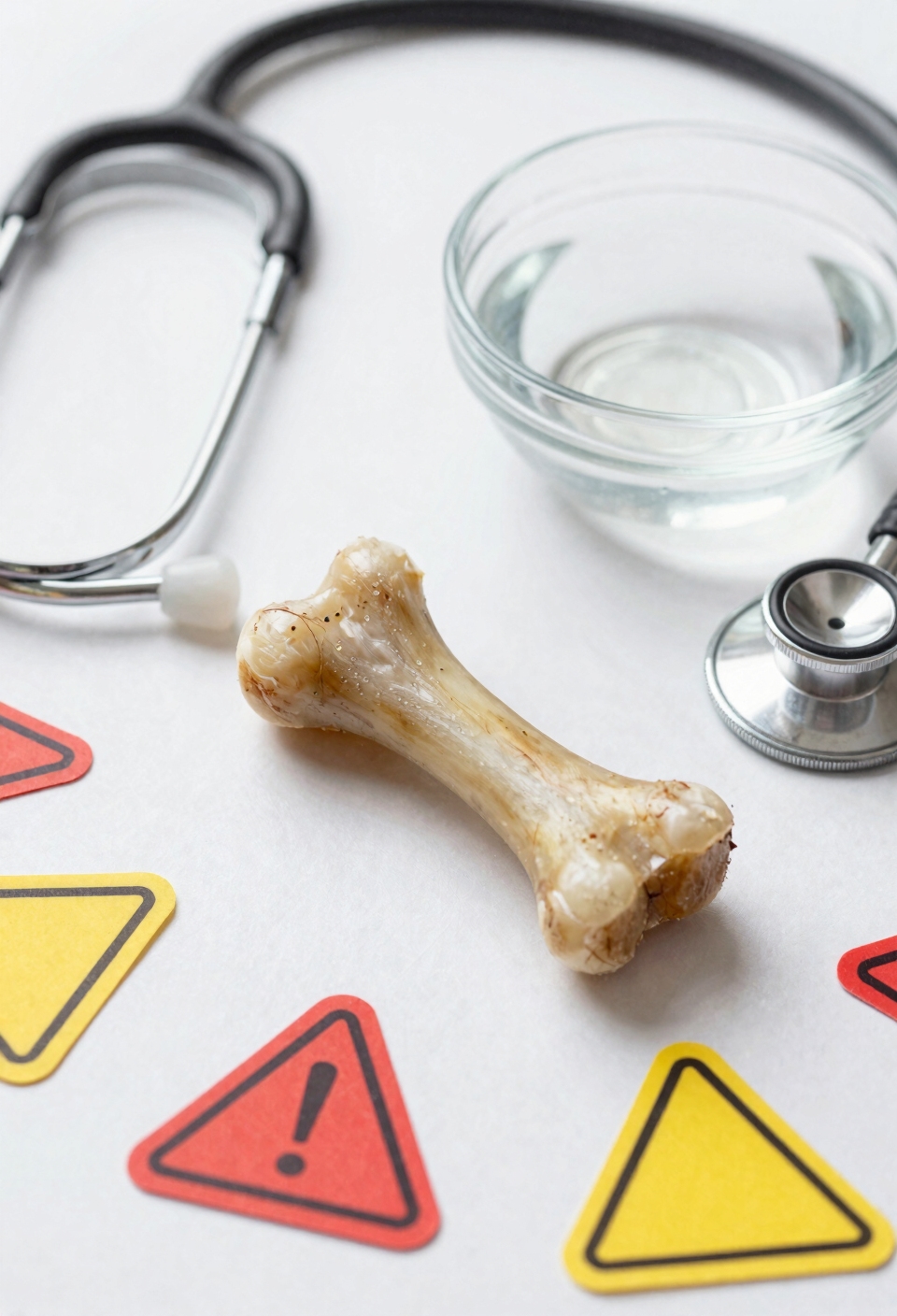
Since your dog’s digestive system basically can’t process rawhide, you’re dealing with a situation where blockages and complications can develop hours or even days after your pup’s finished chewing—and that’s the part that keeps me up at night, honestly. Now, here’s what you need to watch for: vomiting, loss of appetite, lethargy, or abdominal pain are red flags I’d take seriously. If you notice sudden collapse or labored breathing, that’s a veterinary emergency—don’t wait around. Constipation followed by diarrhea can signal intestinal trouble brewing. I mean, these symptoms might seem mild at first, but rawhide blockages can escalate fast. Unlike safer alternatives such as industrial-strength nylon toys, rawhide presents ongoing digestive risks that require vigilant monitoring. Your vet needs to know immediately if anything seems off after your dog’s chewed rawhide. Better safe than sorry, right?
Recommended Products

PREPARED HERO PEACE OF MIND - Pets are pets. They get into things, especially when you're not looking. Be ready when your pet accidentally eats something toxic. Keep PawMergency in your kitchen, car, or travel bag—instant protection for those critical moments at home, the beach, or anywhere life takes you.

PREPARED HERO PEACE OF MIND - Pets are pets. They get into things, especially when you're not looking. Be ready when your pet accidentally eats something toxic. Keep PawMergency in your kitchen, car, or travel bag—instant protection for those critical moments at home, the beach, or anywhere life takes you.

Act Fast in Pet Emergencies: Be prepared for accidental ingestion of common toxins like chocolate, grapes, or onions. Our ready-to-use paste allows you to provide immediate support at home, in the car, or while traveling, buying crucial time before veterinary care
Safe Rawhide Practices: Supervision, Sizing, and Removal
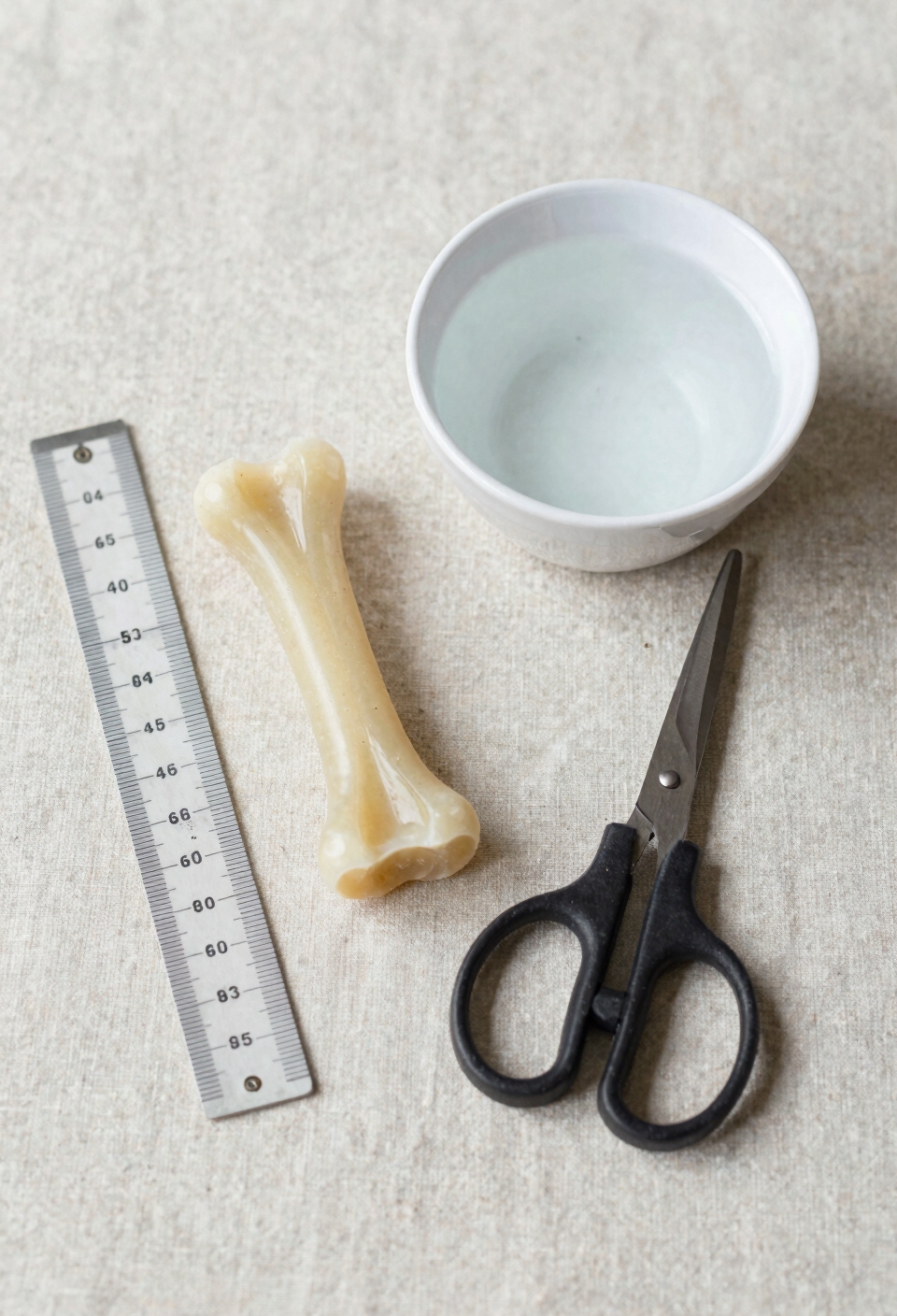
Look, I’ll be honest—if you’re going to give your dog rawhide at all, you’ve basically got to treat it like you’re babysitting a toddler with a lollipop. Supervised sessions are non-negotiable. I mean, you can’t just toss it down and disappear for twenty minutes hoping for the best.
Now, portion control matters hugely. Pick a size your dog can’t swallow whole, and honestly, go smaller than you think necessary. Watch how aggressively your pup chews—if they’re shredding it into tiny pieces like some kind of rawhide paper shredder, that’s your cue to pull it away. If your dog is an aggressive chewer, consider alternatives with superior durability like nylon or TPR chew toys that are specifically engineered to withstand extreme chewing.
Here’s the thing: remove what’s left before it becomes small enough to gulp down. Set a time limit, maybe ten or fifteen minutes, then swap it out. Yeah, they’ll give you that look, but your vet bills won’t be astronomical.
Recommended Products

[2 Pack Dog ChewToys] Vivid Design with lifelike meat-shaped coloring and surface detailing to entice aggressive chewers. Far more appealing than plain dog bones, help trigger dogs’ natural urge to play and chew.This value 2-pack set is perfect for multi-dog households and can also be used as replacement toys

BUILT FOR POWER CHEWERS WHO DESTROY ORDINARY TOYS: Designed for dogs that quickly tear through plush, rubber, and softer chew toys. Made from durable nylon to provide a longer-lasting chewing outlet for strong jaws and determined chewers
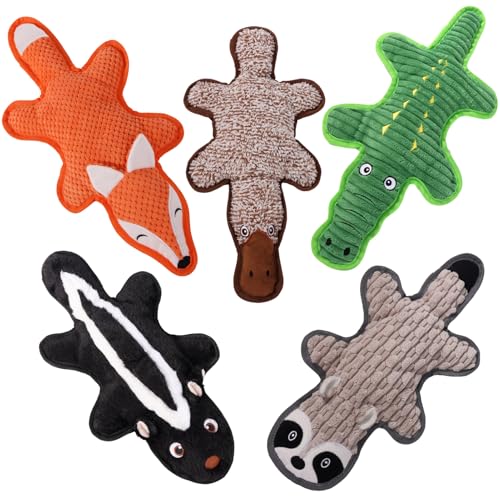
No Stuffing Dog Toys Design for Safer Play: Say goodbye to messy stuffing cleanup! These toys feature a stuffing-free interior, which not only reduces the risk of dogs swallowing filling but also keeps playtime neat and tidy. The stuffing-free design minimizes choking hazards, while post-play cleanup becomes a total breeze for pet parents
Better Alternatives to Rawhide Chews
Now, if you’ve decided rawhide isn’t worth the risk—and honestly, I wouldn’t blame you—your dog’s still gonna need something to chew on, because that’s basically hardwired into their brain.
The good news? You’ve got options. Rubber alternatives like Kong toys give your pup that satisfying chew without the blockage nightmares. They’re tough, they last forever, and you can stuff ’em with peanut butter for extra entertainment value. According to veterinarian recommendations, KONG Extreme toys are specifically designed for power chewers and feature ultra-durable natural rubber that withstands aggressive chewing better than standard rubber alternatives.
Then there’s digestible treats—bully sticks, yak chews, and dental-specific chews designed to break down safely in your dog’s stomach. I mean, your vet’s probably already mentioned these, right?
The bottom line: your dog gets to chew, you get to sleep without worrying about emergency vet bills. Win-win situation, if you ask me.
Recommended Products

Easier to Grip & Chew: Specially curved on both ends, our tough dog toys for aggressive chewers fit comfortably in your pet's paws, making this dog chew toys for aggressive chewers easier for them to grip and chew. Unlike flat alternatives, our indestructible dog toys for aggressive chewers ensure a more engaging chewing experience and stimulate longer play. Size at 8.6in x 2.9in, great dog toys for large dogs and medium dogs 30-100lbs
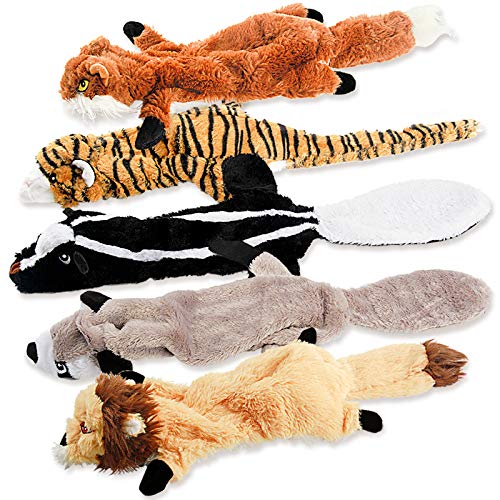
🐶 Plush Dog Squeaky Toys: This assortment value bundle plush pet toy contains 5 pack big woodland animals: Raccoon Squirrel Tiger Fox and Lion. The funny and enrichment toys help dogs to exercise more and improve their health. A good dog products for boredom and stimulating. They can do chewing and teething, tug of war games. Quality interactive playing time together will also increase their bond with owner. It's the best gift supplies for dogs Birthday Christmas Halloween or any holiday

Long-Lasting Durable Nylon Construction: Built tough for daily aggressive chewing, this sturdy dog toy supports healthy teeth and gums, gently cleans teeth to reduce tartar buildup and freshen bad breath naturally. It satisfies your dog's innate chewing instincts, keeping them occupied and stopping destructive chewing on furniture, shoes and household items. Specially made for aggressive chewers, suitable for medium to large dogs with strong chewing habits. Made of reliable, heavy-duty nylon, it delivers endless, fun playtime for your pup
Frequently Asked Questions
Can Rawhide Chews Cause Allergic Reactions or Food Sensitivities in Dogs?
I’ve seen rawhide trigger allergic reactions in some dogs, though it’s not the primary concern. Contact dermatitis or food sensitivities can occur, especially if your dog has seasonal allergies or sensitive skin. Individual reactions vary considerably.
How Do Rawhide Products Differ From Other Animal-Based Chews Like Bully Sticks?
Bully sticks are better built for digestion since I’ve seen them break down readily, while rawhide remains relatively resistant. Their texture variation differs dramatically—bully sticks soften naturally; rawhide resists, risking blockages.
What Chemicals or Preservatives Are Typically Used in Rawhide Processing?
I’ll tell you that rawhide processing typically involves whitening agents, preservatives, and chemical residues from tanning. You’ll find processing additives like ash, formaldehyde, and various antimicrobials—though transparency varies greatly among manufacturers.
Is Rawhide Sourcing Regulated, and Do Countries of Origin Matter for Safety?
I’d argue that rawhide sourcing’s barely regulated internationally. Import regulations vary wildly by country, and origin testing’s often minimal, making some sources substantially riskier than others for contaminants.
How Long Can Dogs Safely Chew Rawhide Before It Becomes a Hazard?
I’d recommend limiting chew duration to 10-15 minutes maximum. Watch for safety signs like pieces breaking off or the rawhide becoming too soft. Remove it immediately if it’s small enough to swallow—that’s your cue to stop.
Conclusion
I’m sure you’ve noticed your pup’s eyes light up at the sight of a rawhide chew—that’s the appeal, right? But here’s the thing: watching those strips dissolve in their mouth while you’re imagining blockages isn’t exactly relaxing. All right, you don’t have to banish rawhide completely, just stay vigilant. Supervise, size-match, and know when to yank it away. Your dog’s safety trumps their chewing bliss every single time.