As an Amazon Associate, we earn from qualifying purchases. Some links on this site are affiliate links at no extra cost to you. Our recommendations are based on thorough research and editorial judgment.


Teaching Basic Commands Using Toy-Based Rewards

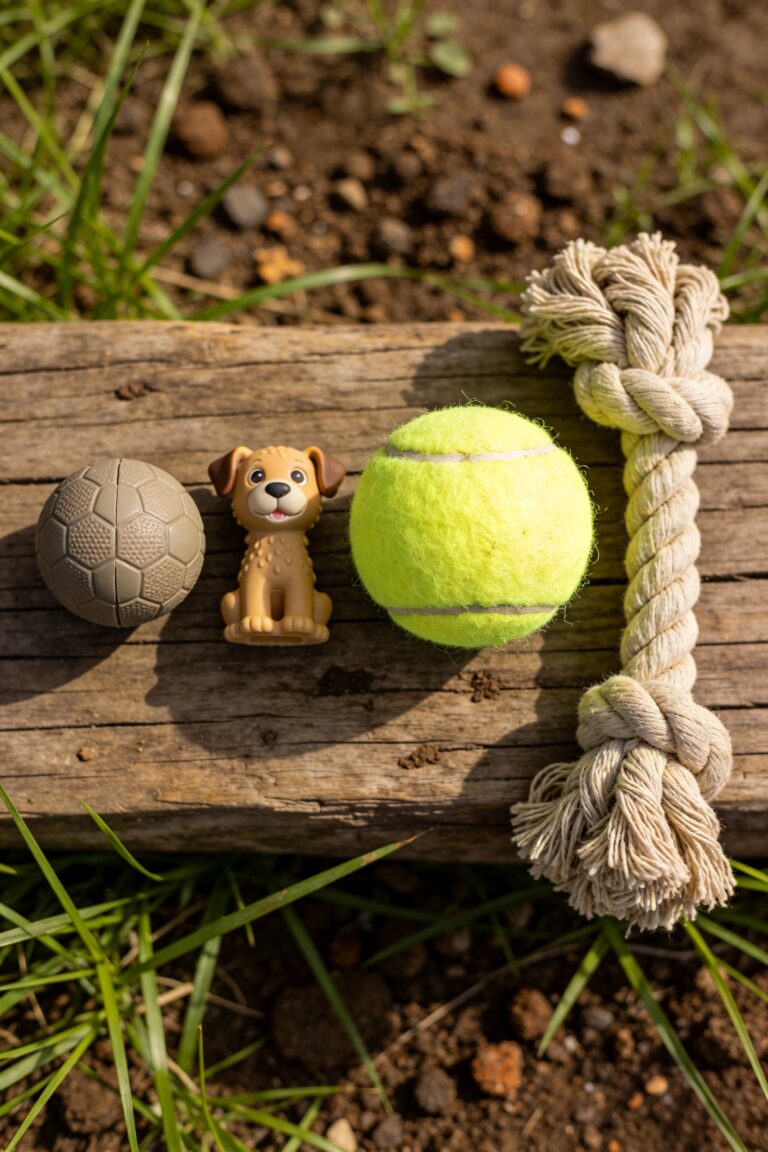
I’m sure you’ve noticed some dogs go absolutely bonkers for a tennis ball while others couldn’t care less about kibble—that’s exactly why toy rewards are often the secret sauce to training active pups. You’ve got to master the release command first, then use a consistent marker word like “yes” before tossing the toy. Now, keep those play sessions short—think three-second tugs, not five-minute wrestling matches—so you can actually rack up training reps. Stick with high-energy commands like recalls and fetch, then gradually fade to random rewards for lasting results, but there’s definitely more technique to dial in.
Key Takeaways
- Teach a solid “drop it” command before using toy rewards to prevent chaotic sessions and enable structured play exchanges.
- Use consistent marker words like “yes” to signal correct behavior, creating a predictable connection between action and toy reward.
- Keep toy play sessions brief (3 seconds) to allow rapid resets and maximize training repetitions per session.
- Match toy rewards to high-energy commands like recalls and fetch rather than stationary behaviors like sit or down.
- Transition from continuous toy rewards to variable reinforcement schedules to maintain engagement and build long-term command reliability.
Why Toy Rewards Work Better for Active Dogs
You may be interested

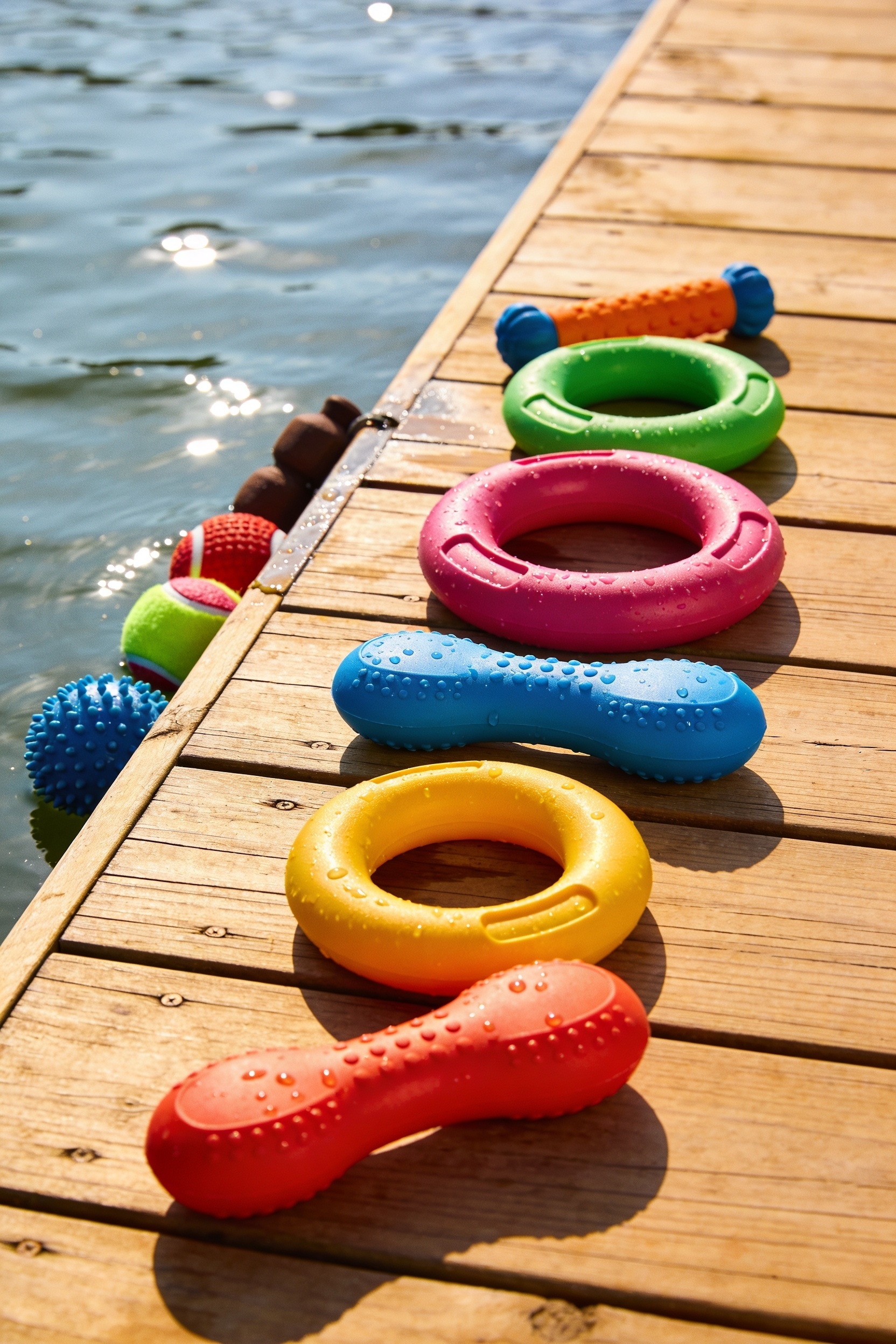
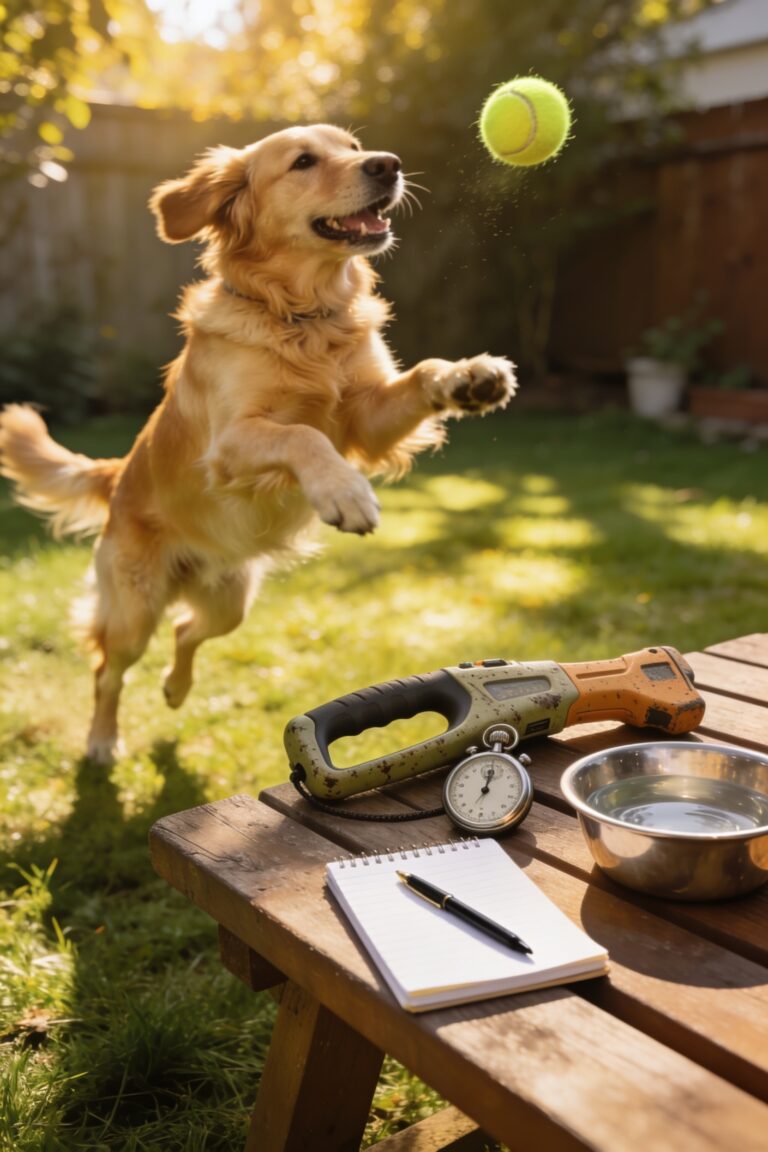
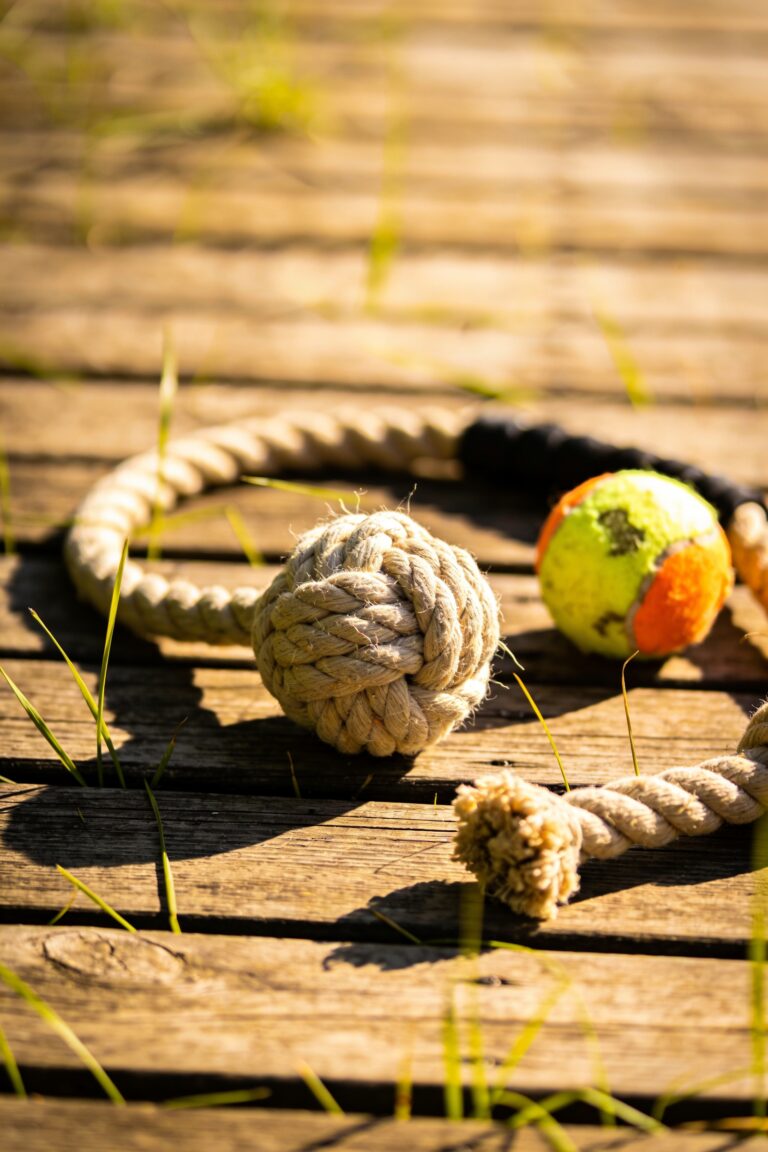
I’m sure you’ve noticed that some dogs will literally lose their minds over a tennis ball while others couldn’t care less if you waved a steak in their face—and that’s actually the whole reason toy rewards work so well for active dogs. You’re tapping into their high energy motivation, which is basically hardwired into their DNA. These dogs don’t just want the toy; they *need* the chase instinct reinforcement that comes with it. I mean, when you throw a ball, you’re not just handing over a reward—you’re unleashing their entire purpose. Food rewards? Sure, they’ll take them. But toys? That’s where their heart actually lives. For your high-drive pup, a toy reward hits different because it satisfies something deeper than hunger. Interactive toys like tug toys are particularly effective for redirecting natural tugging instincts while strengthening the bond between you and your dog during training sessions.
Recommended Products

Tug of War Dog Toy: One Chuckit! Ultra Ball is attached to the end of a durable two-ply nylon cord handle to specifically designed to take fetch and tug of war to the next level. Not a chew toy; always supervise your dog when playing with this toy

Simple Fun Dog Toy and Training Assistant: The wodoca dog tug toy is a brilliant dog tug toy for building agility, practicing recall, boosting motivation, and creating an urge to play. It is suitable for all dogs of all ages, from tiny tuggers to large dog breeds

ROBUST DESIGN: The Coachi Tuggi Ball is a super tough foam ball with stretchy bungee handle, great for reward, fetch and tug. The soft neoprene handle makes it comfy for you too!
Master Release Before Using Toy Rewards for Training
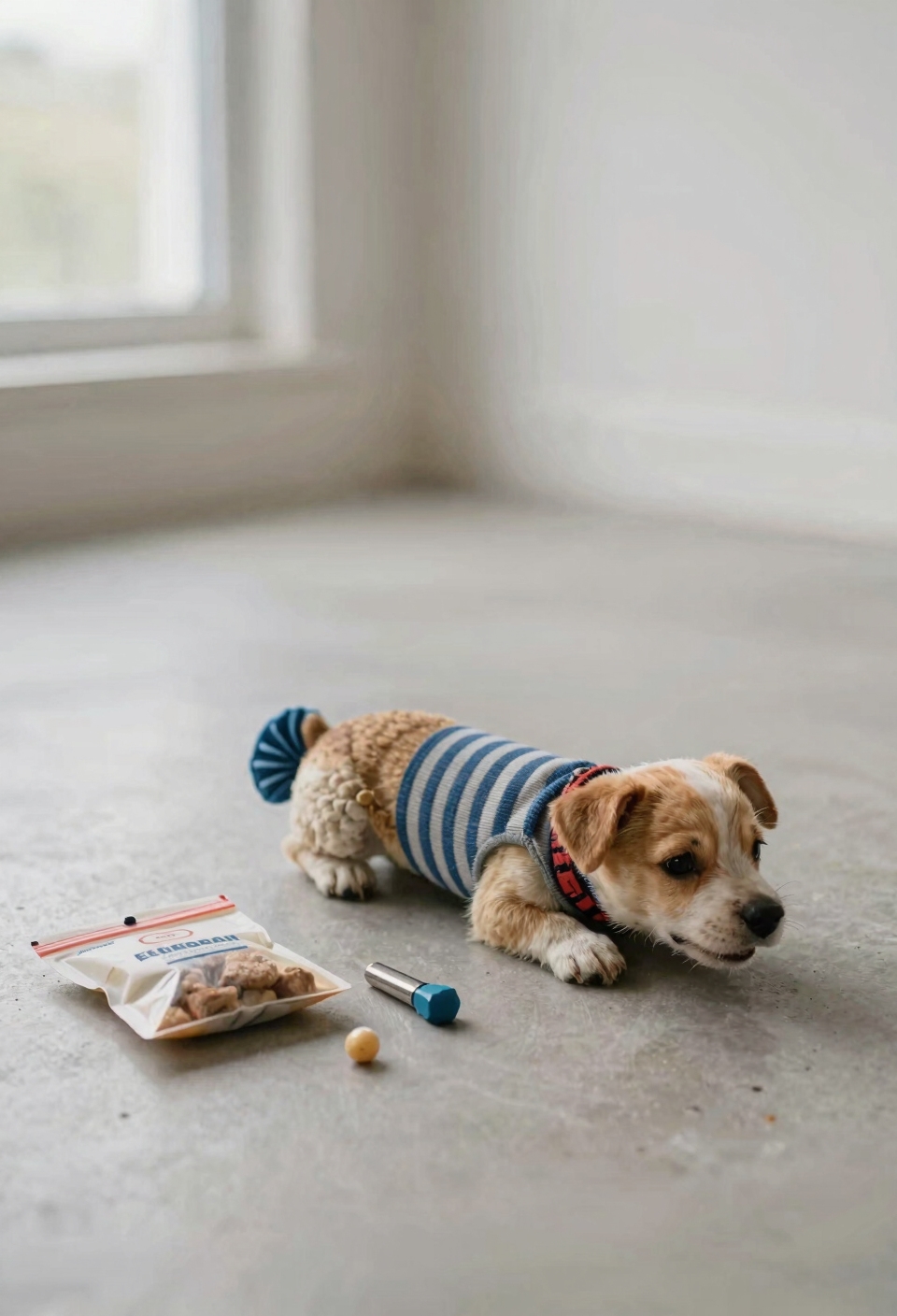
Before you even think about grabbing that toy and starting your training sessions, you’ve got to build up a solid release command—and I mean *really* solid. I’m sure you’ve noticed that dogs don’t naturally want to let go of something fun, right? That’s why you need to teach disengagement first. Start with “drop it” using low-value items, then work your way up to the toys you’ll use for rewards. Once your dog understands structured handing—meaning they’ll release on cue without a fight—your actual training becomes way smoother. Trust me, skipping this step turns into chaos fast. You’ll spend more time wrestling toys away than actually training commands. When selecting reward toys, consider ergonomic shapes and sizes tailored to your dog’s breed, as these features make it easier for your dog to hold and release the toy on command.
Recommended Products

FETCH MEETS TUG-OF-WAR: The Ultra Tug Duo combines two Ultra Balls with a tough two-ply nylon strap, perfect for fetch, tug-of-war, and pack play between two dogs. Compatible with medium Chuckit! ball launchers, it offers endless ways to keep your dog active and engaged.

Tug Toy for Interactive Training: Designed for interactive tug-of-war games to exercise your pet and help release extra energy. Also ideal for chasing, fetching, retriever training and other indoor & outdoor play to improve agility and strengthen the relationship between you and your puppies.
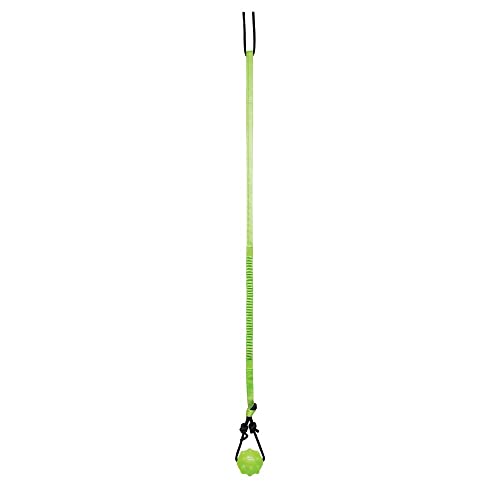
Interactive bungee gently tugs back for entertaining solo play
Mark the Right Moment, Then Deliver the Toy Reward

Marker consistency matters just as much. If you’re using “yes,” use it every single time. Don’t switch to “good girl” halfway through. Your dog’s brain needs that predictable signal. It’s like a bell that says, “Hey, that move you just did? That’s the jackpot.” Once they understand the marker-to-toy connection, learning speeds up dramatically. Toys with reinforced stitching and squeakers create stronger auditory and tactile markers that dogs can associate with successful command execution, amplifying the reward signal.
Recommended Products
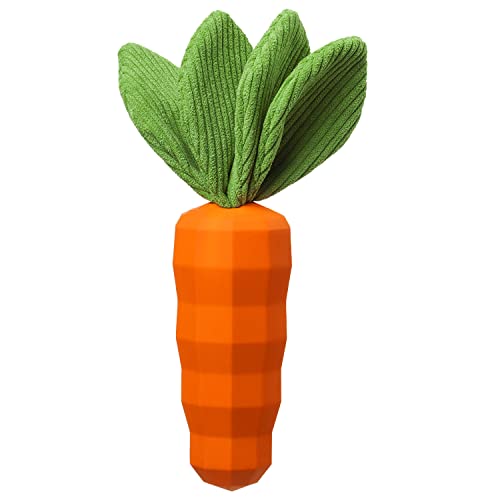
Green Leaves made of no stuffing plush with crinkle paper inside. Orange Carrot Body made of natural rubber. Toy dimensions is 9 in * 1.8 in.

【Soft Plush Dog Toys for Puppy, Small, Medium, Large Dogs】Fuufome plush dog toys come with cute cartoon designs to keep your dog engaged and satisfy their natural urge to chew. Ideal for daily companionship and interactive playtime for puppies, small and medium‑sized dogs. The toy measures 13 inches in length, great for gentle chewers

Two tough layers on either side: a strong fused chew-resistant lining plus a thick molded layer provide the ultimate durability
Keep Reward Play Short to Maximize Training Repetitions

Think of it like this: a three-second tug or one toss of the ball keeps momentum rolling. You mark, reward briefly, then rapid resets let you repeat the exercise over and over. More reps means faster learning. Obviously, longer play sessions feel rewarding to your dog, but they tank your training efficiency. Pull the toy back into hiding after that burst, reset your pup’s focus, and run it again. Your results’ll speak for themselves. Toys with treat-dispensing functions allow you to reinforce correct behavior immediately while maintaining the quick reward cycles that maximize repetitions during training sessions.
Recommended Products

[Treat Distribution] Our food dispenser has differently sized spheres at both ends. As dogs push the toy, it moves within a fixed area, allowing dogs to continuously chase and play with it. During movement, food is dispensed from the food holes on both sides of the toy.

RUBBER MATERIAL: HIPPIH treat dispensing dog ball is made of extra-tough rubber with good elasticity, good for your sweet dog grinding and fresh their teeth. ( Blue color-2.75 in, Green color-3.14 in, suitable for medium and large dogs. Not suitable for miniature small dogs, such as Yorkshire Maltese, etc) NOTE: The dog puzzle ball must be wider than your dog's mouth

BITE SIZED TREATS: These all natural bite-sized crunchy treats come in an assortment of chicken, liver, and vegetable flavors for a treat your dog will love
Which Commands Respond Best to Toy Rewards (and Which Don’t)?

Now, here’s where a lot of people run into trouble: not every command plays nice with toys. I’m sure you’ve noticed that high energy recalls work beautifully with toy rewards—your dog comes flying back because they know playtime’s coming. Same goes for fetch and tug drills. But here’s the thing: stationary position struggles are real. Commands like sit, down, and stay? They don’t mesh well with toys because the reward itself causes movement. Your dog gets the toy and suddenly she’s bouncing around instead of holding that position. I mean, obviously you could work around it, but it’s awkward. For active commands like fetch, toys with erratic bounce patterns can enhance engagement during training sessions. Stick with toys for active behaviors, and save treats for when you need your pup to stay put.
Recommended Products
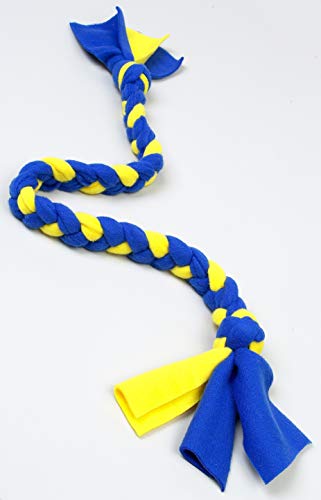
Pick 3 Fleece Colors and a Size

What's Included: the package comes with 4 pieces of dog tug toy in 4 different colors, namely black, yellow, blue, red and white lace, both colors are popular with puppies; These dog training toys are applied to train dogs' agility and daily play, very suitable for indoor and outdoor use play outside
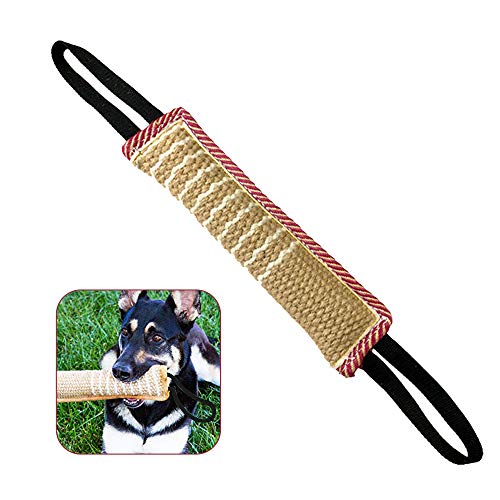
OUT OF THE ORDINARY: High quality dog bite tug toy with double stitching and a tough biting sleeve surface made of jute, withstand the daily tugging. 2 rope handles is comfortable and easy to grip, full control and stability.
Progress From Continuous Rewards to Random Reinforcement
Once your dog’s nailing those commands consistently with a toy reward after every single rep, you’re actually ready to dial back the frequency—and that’s where a lot of people get nervous because it feels like you’re taking something away. I mean, it’s the opposite. You’re building real reliability.
Start fading frequency by rewarding every other repetition, then every third one. This shift to variable schedules keeps your dog guessing, which honestly makes them try harder. I’m sure you’ve noticed how slot machines work—the unpredictability hooks people in. Same principle applies here.
All right, the beauty of variable reinforcement? Your dog stays engaged even when the toy doesn’t show up every time. You’ll maintain that drive while reducing treat dependency, which makes training way more practical long-term. For dogs that need extra mental stimulation during training sessions, motion-activated toys can bridge gaps between formal command practice and independent play.
Frequently Asked Questions
How Do I Increase My Dog’s Toy Value if They’re Not Naturally Toy-Motivated?
I’d condition toy value by pairing toys with food rewards and engaging in scent play. Rub treats on the toy, toss it excitedly, and reward interaction. This builds positive associations, gradually increasing your dog’s toy motivation.
Can I Use Multiple Different Toys During a Single Training Session Effectively?
Yes, I’ll rotate different textures and varied sizes throughout your session to maintain engagement and prevent habituation. Switching toys keeps your dog’s interest fresh, reinforces release behavior, and lets you cycle rewards faster between repetitions.
What Should I Do if My Dog Refuses to Release the Toy on Cue?
Your training’s hitting a wall, but you can break through it. I’d redirect games toward “trade up”—offering higher-value rewards for releasing the toy. Practice this exchange repeatedly until he’s reliably dropping on cue.
How Quickly Should I Transition From Food Rewards to Toy Rewards in Training?
I’d shift gradually based on your dog’s individual variation in toy drive. Start with a progressive shift by mixing food and toy rewards, then slowly increase toy frequency as you build reliable release cues and command responses.
Is It Possible to Combine Toy Rewards With Food Rewards in the Same Session?
Yes, I’d recommend mixing rewards strategically. You’ll maintain engagement by alternating toys and food within session balance. This approach keeps your dog motivated while preventing reward saturation and supporting different command types effectively.
Conclusion
All right, here’s the thing—wouldn’t you love watching your hyperactive pup finally sit still for five seconds because they’re obsessed with that tennis ball? Toy rewards work because they tap into what your dog actually wants, not just treats. You’ve gotta nail the release command first, keep sessions snappy, and gradually shift toward random rewards. Your active dog’ll get more reps, stay engaged, and you’ll actually enjoy training instead of drowning in treats.