As an Amazon Associate, we earn from qualifying purchases. Some links on this site are affiliate links at no extra cost to you. Our recommendations are based on thorough research and editorial judgment.

Fetch Toys for Puppies: Starting Good Habits Early

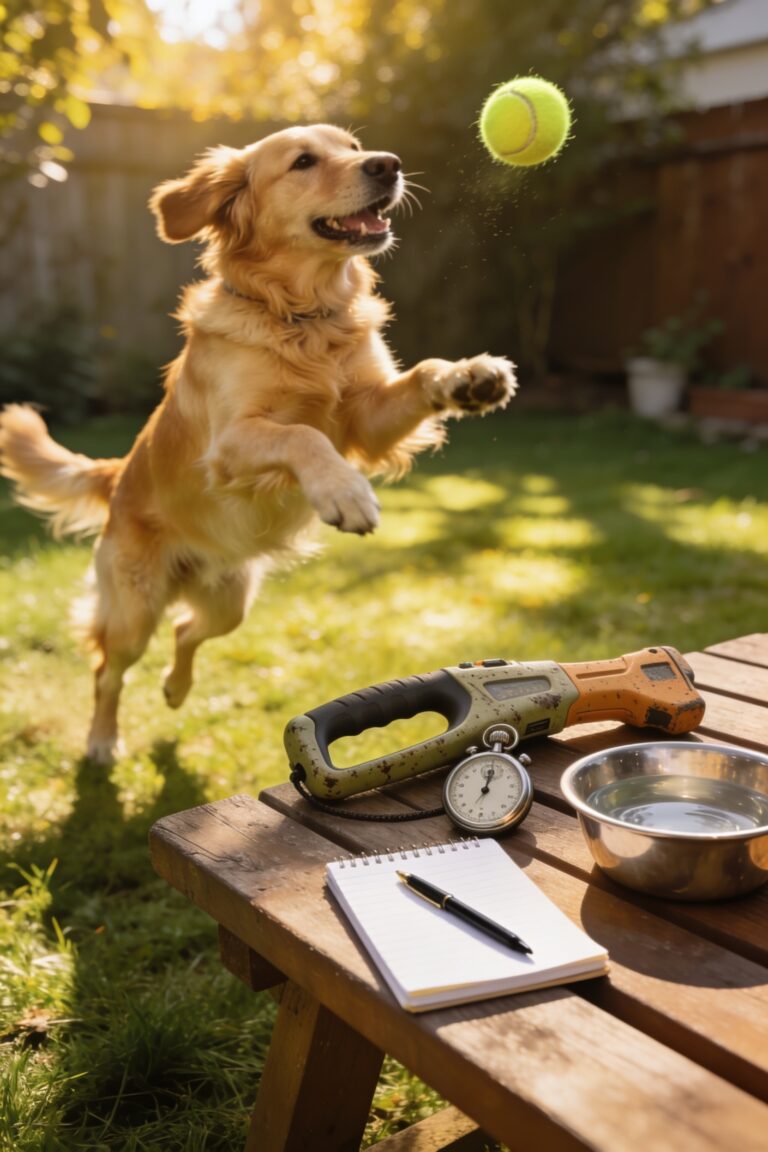
I’m sure you’ve noticed your puppy’s got chaotic energy that needs somewhere to go, right? Fetch is honestly your secret weapon—it builds coordination, cardio fitness, and obedience all wrapped into one. Start simple around 8-12 weeks with soft, durable toys that won’t wreck developing teeth, keep sessions short (five to ten minutes), and reward returns immediately so your pup gets the connection. You’ll redirect that furniture-destroying impulse into something actually productive while strengthening your bond. Stick around to discover exactly which toys work best and how to dodge the training mistakes most people make.
Key Takeaways
- Start fetch training around 8-12 weeks using soft, puppy-safe toys that protect developing teeth and suit individual readiness levels.
- Keep sessions short (5-10 minutes) once or twice daily to protect growing joints while building focus and impulse control.
- Choose durable rubber toys with textured surfaces and unpredictable bounce patterns to maintain engagement and prevent choking hazards.
- Reward toy returns immediately with praise or treats to create clear behavior associations and strengthen the human-puppy bond.
- Rotate 4-6 toys regularly and practice “drop it” separately to prevent boredom and establish reliable retrieval habits early.
Why Fetch Matters for Puppy Development
You may be interested
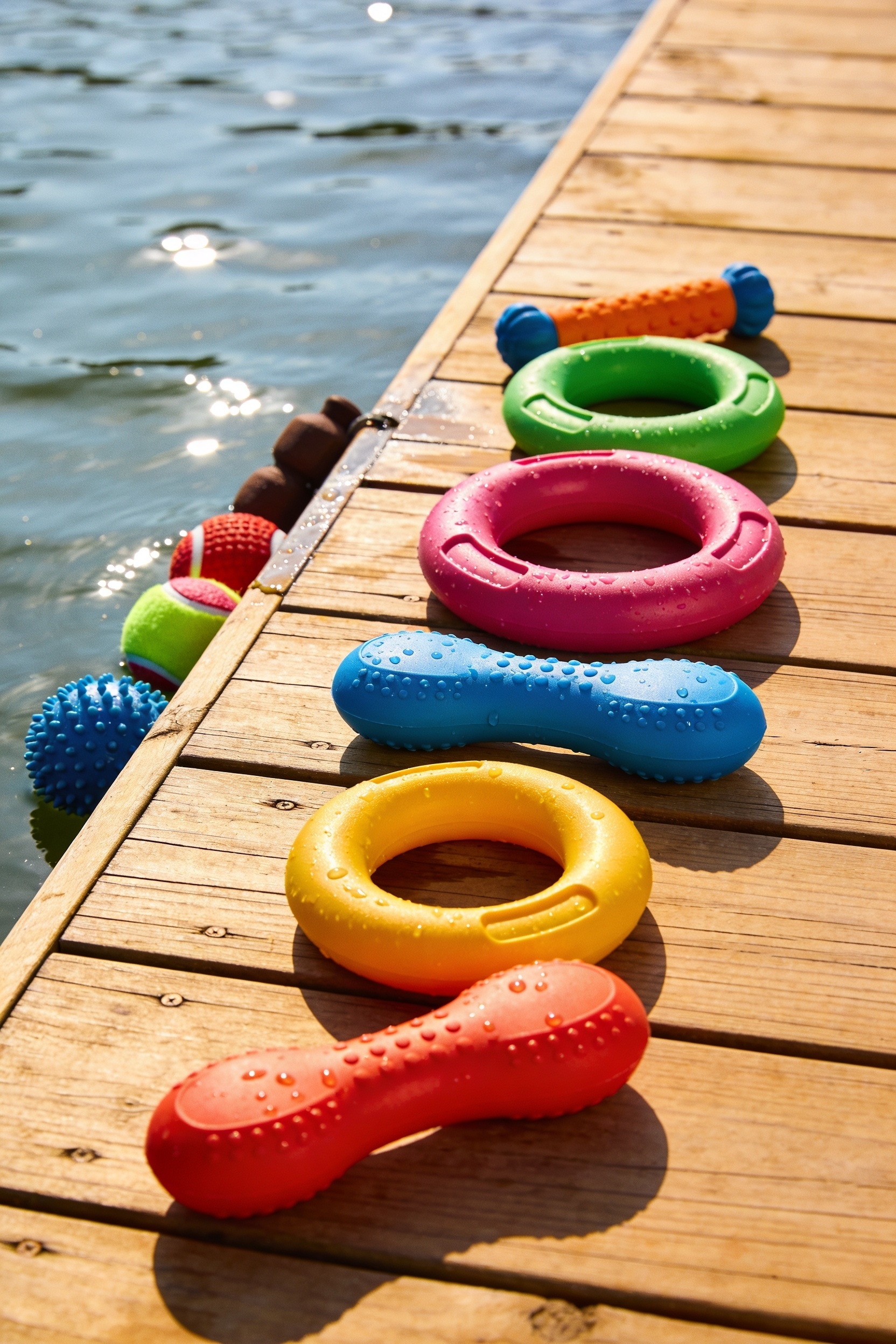
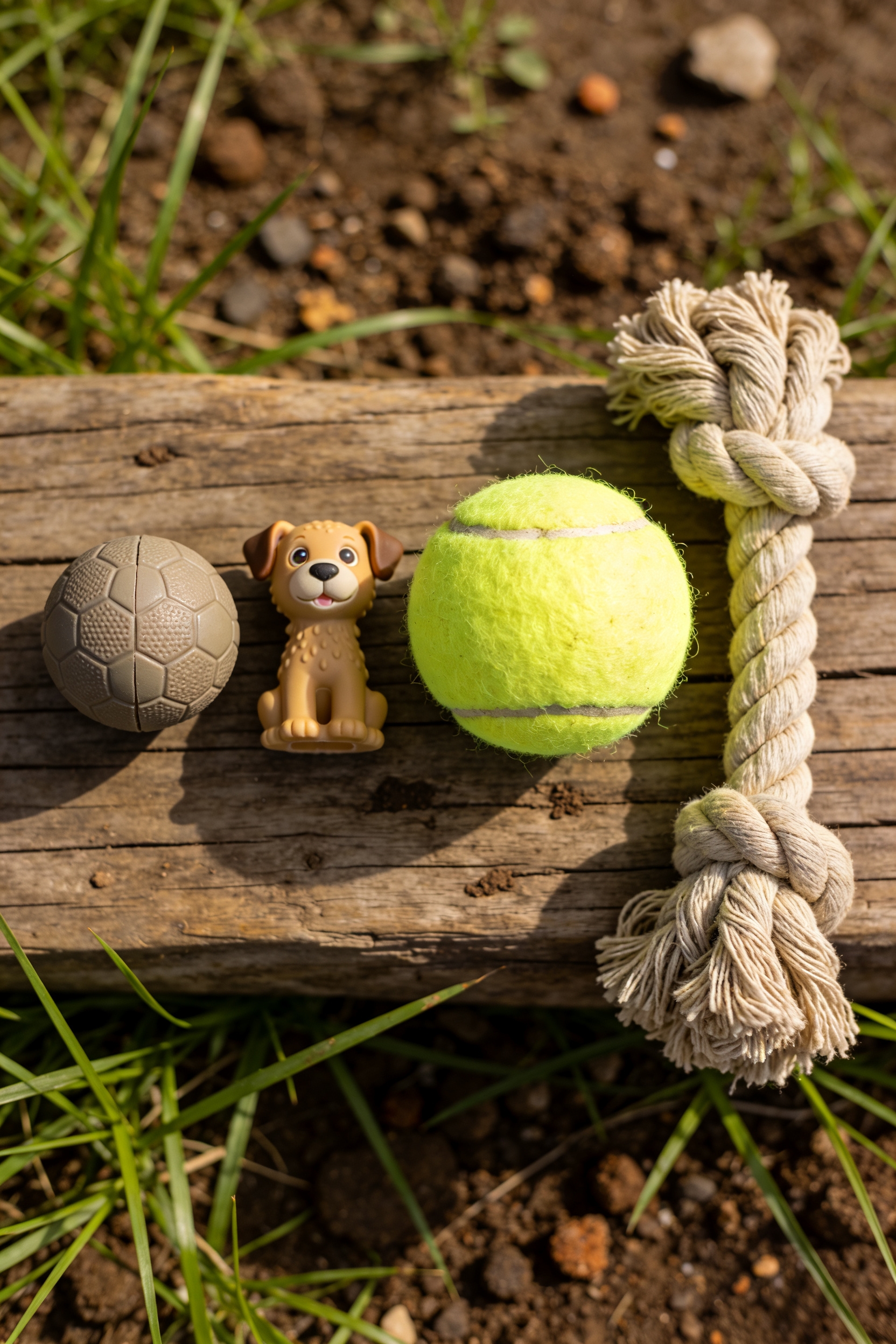
I’m sure you’ve noticed that puppies have basically infinite energy—they’re like tiny furry batteries that somehow never run out of charge. Fetch isn’t just about burning off that chaos, though. When your puppy chases, locates, and retrieves a toy, you’re actually building their coordination and cardiovascular fitness at the same time. I mean, it’s basically exercise disguised as fun.
Now, here’s what makes fetch really valuable: it provides environmental enrichment that keeps boredom from turning your puppy into a destructive furball. Regular retrieval games also help puppies pick up on socialization cues and learn how to interact appropriately during play. Plus, fetch strengthens your bond together. You’re not just tossing a toy—you’re teaching your puppy that working with you feels rewarding. Selecting puppy-specific toy versions that are softer and safer for developing teeth ensures your puppy can enjoy fetch while their gums remain comfortable during the teething phase.
How Fetch Builds Training Foundations
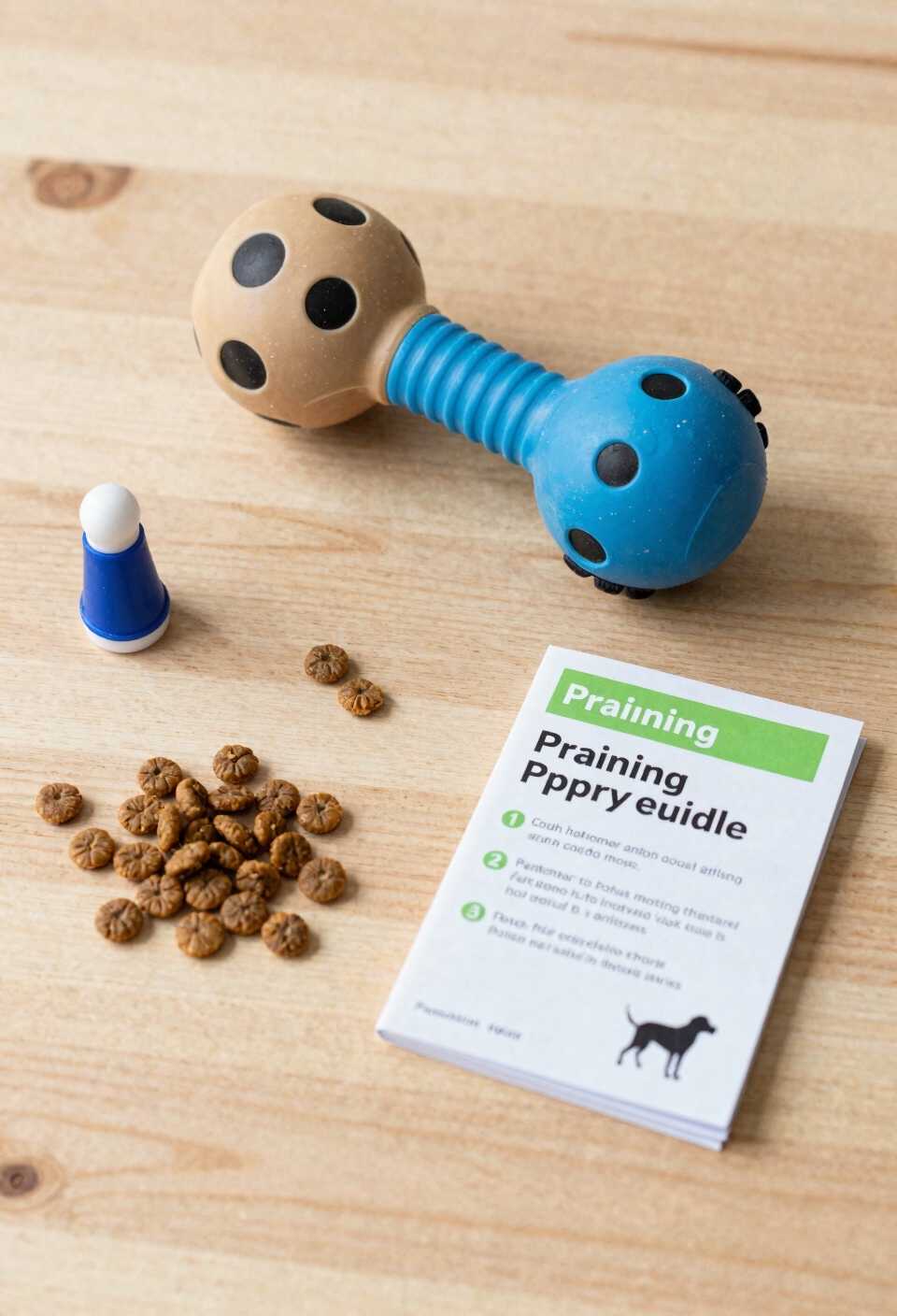
Puppies who get regular fetch sessions tend to develop better focus and impulse control because they’re learning to channel their energy toward a specific action and then wait for your approval. I’m sure you’ve noticed how quickly they catch on when you’re consistent about it.
Now, reward timing is absolutely essential here. You want to praise or treat your pup the instant they bring that toy back—not five seconds later. That immediate connection helps them understand what behavior you actually want. Hand targeting works similarly; teaching your puppy to touch your hand builds that foundational obedience without feeling like a chore. All right, combine these techniques with fetch, and you’re basically sneaking training into playtime. Your puppy thinks they’re just having fun, but they’re actually learning sit, stay, and come in the most natural way possible. Selecting a durable natural rubber toy like those designed for puppies ensures the fetch toy can withstand their growing chewing instincts during these critical training months.
When to Start Fetch: Age and Readiness Signs

While there’s no magic age where puppies suddenly become fetch champions, most pups are ready to start simple retrieval games somewhere around 8 to 12 weeks old—though I’ll be honest, some are enthusiastic little retrievers at 6 weeks and others couldn’t care less about a toy until they’re months older. Now, vaccination timing matters here. I’m sure you’ve noticed your vet recommends waiting until your puppy’s had their core shots before hitting the dog park. Same thinking applies to fetch—you want your pup protected before intense play sessions with other dogs. Watch for teething readiness too. Once those baby teeth start falling out around 3 to 4 months, your puppy’s actually getting *more* interested in retrieving stuff, which makes it an ideal training window. Consider selecting toys that match your puppy’s chewing style and developmental stage to keep them engaged while supporting healthy oral development during this critical period.
Choosing the Right Fetch Toy for Your Puppy

Now that you’ve got a sense of when your puppy’s ready to start fetch, let’s talk about what they’re actually going to chase—because grabbing whatever tennis ball is lying around isn’t always your best move.
Material durability matters way more than you’d think. I’m sure you’ve noticed puppies destroy things, so you’ll want toys that can handle some serious gnawing without falling apart or becoming a choking hazard. Rubber balls are solid choices—they bounce, they last, and your pup won’t shred them in five minute. For larger breeds, large size reduces choking hazard by design, making oversized options like giant tennis balls safer alternatives to standard toys.
Color preference? Honestly, your puppy probably doesn’t care if it’s neon orange or hot pink. Pick bright colors anyway so you can actually spot the thing in grass. Trust me on this one.
Recommended Products

HIGH QUALITY DOG TOY: Crafted from tough materials, this dog toy, like the Ultra Ball, makes for long-lasting interactive play for energetic fetch games with your dog.

SUPER HIGH BOUNCE: Take fetch to new heights with the Ultra Ball, compatible with medium Chuckit! launchers. Made from durable rubber, this ultra-bouncy ball outperforms standard tennis balls. Lightweight and buoyant, it's perfect for exciting adventures on land and water.

Tug of War Dog Toy: One Chuckit! Ultra Ball is attached to the end of a durable two-ply nylon cord handle to specifically designed to take fetch and tug of war to the next level. Not a chew toy; always supervise your dog when playing with this toy
How to Teach Your Puppy to Retrieve and Return
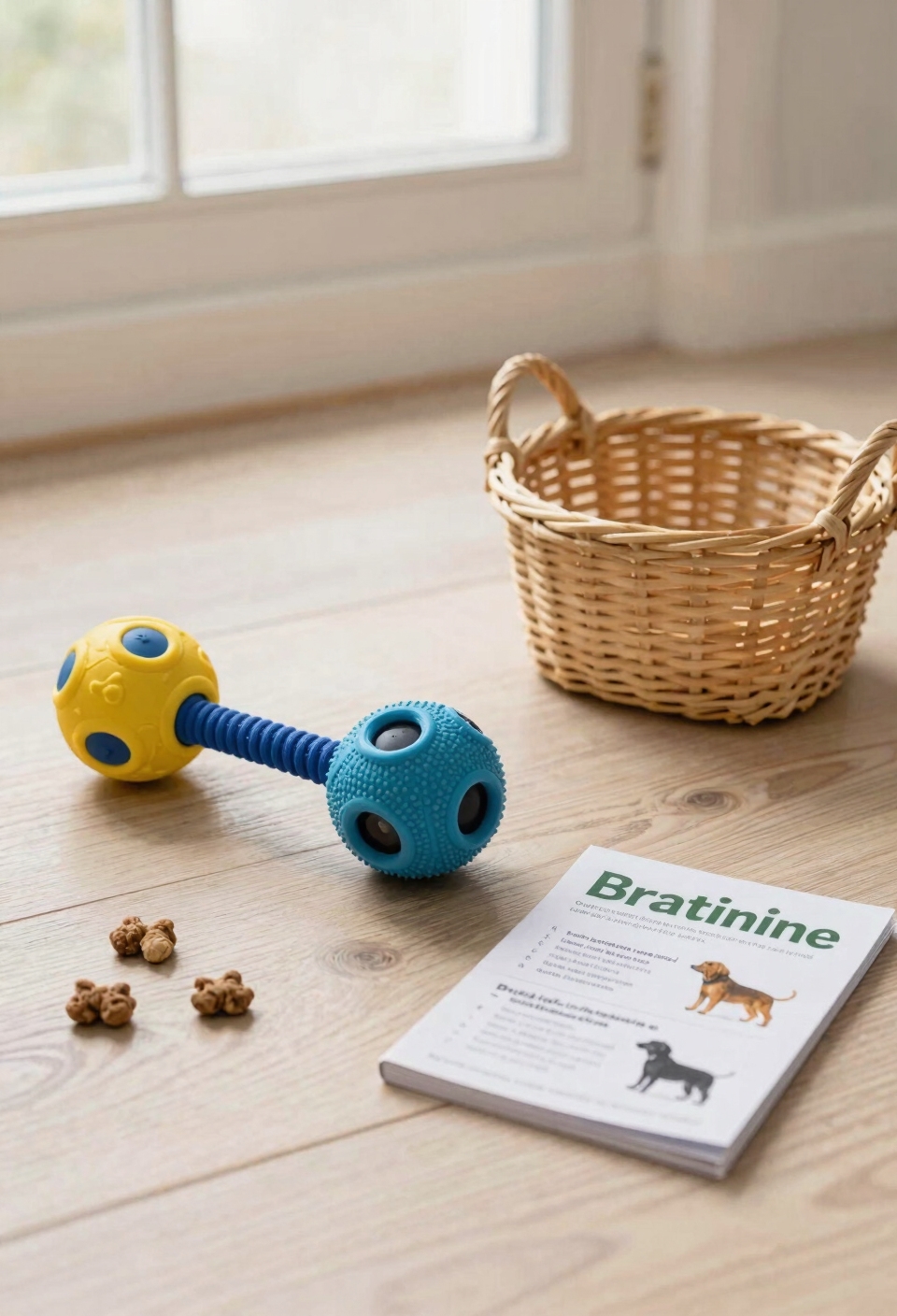
Having the right toy in your hands is half the battle, but here’s the thing—your puppy’s got to actually want to bring it back to you, and that’s where a lot of people get stuck. I’m sure you’ve noticed that puppies naturally chase things, but returning them? That’s a learned skill.
Start with lure training using high-value treats. Toss the toy a short distance, then excite your pup when they grab it. The second they head toward you, reward like crazy. Now, handling manners matter here—gently teach your puppy to release the toy into your hand without a wrestling match. Keep sessions brief and fun. Repeat this pattern consistently, and you’ll build a retriever who actually wants to bring that toy back instead of treating it like contraband. For puppies that are teething, toys with multiple textures can help support their dental development while keeping them engaged during training sessions.
Recommended Products
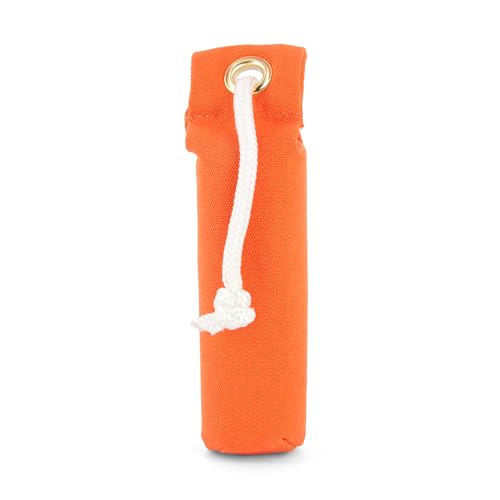
Build Strong Fetch Skills: The SportDOG Canvas Dummies are essential canvas fetch dummy tools for introducing game-retrieval with weight and scent-holding canvas fabric


Soft Puppy Rubber: The KONG Puppy is developed with a customized natural rubber for a growing puppy's teeth; it is gentle on their 28-baby teeth, and offers appropriate chewing enrichment
Safe Fetch Sessions: Duration, Frequency, and Supervision
Keep your short sessions to about five or ten minutes, max. I mean, their little bodies are still developing, and overdoing it can mess with their joints. Now, frequency-wise, I’d aim for one or two sessions daily rather than one marathon play date.
Supervised introductions to new toys matter too. Watch for signs they’re getting tired—heavy panting, slower responses, that glazed look. That’s your cue to wrap up and let them rest. Consider rotating different toy types to prevent boredom while maintaining engagement, just as you would with multipurpose toy designs that support various play styles. Trust me, a tired puppy is great, but an injured one isn’t worth it.
Recommended Products

INDOOR PLAY COMPANION: Designed as a fun dog toy, this lightweight fetching toy is great for indoor fun on rainy days or late-night games

Teething Stick for Puppies: Satisfies the need to chew during the teething phase

Hol-ee Rubber Dog Toys: The Hol-ee is the classic do-it-all Puzzle Ball that comes in multiple shapes and sizes. Enrich playtime by stuffing with toys, treats to help develop problem-solving skills or get active with tugging, tossing and rolling
How Fetch Builds Strength, Coordination, and Endurance
Every time your puppy bounds after that ball, they’re basically doing a tiny CrossFit workout without the overpriced smoothie bar. I mean, think about it—all that sprinting, pivoting, and sudden stopping? That’s serious muscle coordination training happening right there.
Now, here’s the thing about stamina building: puppies aren’t born knowing how to pace themselves. Fetch teaches them gradually. You’re not pushing them into exhaustion; you’re helping their little bodies learn how to work efficiently. Their leg muscles strengthen, their cardiovascular system gets challenged in manageable bursts, and honestly, their joints stay healthier from controlled movement. Durable toys like natural rubber balls are essential for consistent fetch training since they withstand the repetitive impact and chewing that comes with regular play sessions.
All right, I’m sure you’ve noticed how puppies get way calmer after a solid fetch session. That’s not magic—that’s a tired puppy with actual endurance. Basically, you’re building their foundation for a stronger, fitter adult dog.
Using Fetch to Stop Destructive Behavior
When your puppy’s chewing through your baseboards like they’re auditioning for a home renovation show, fetch might just be the secret weapon you’re looking for. I’m sure you’ve noticed that bored puppies become destructive puppies—it’s basically science.
Here’s the thing: fetch gives your pup a legitimate outlet for all that chaotic energy. When you’re doing regular play sessions, you’re providing environmental enrichment that actually satisfies their brain and body. Toy redirection works because you’re giving them something better to chase than your furniture.
Now, the magic happens when your puppy realizes that fetch is way more fun than destroying stuff. Short, consistent sessions mean less destructive behavior at home. Obviously, a tired puppy’s a well-behaved puppy. For best results, rotate through 4-6 toys to keep your puppy engaged and maintain their interest during play sessions. Start making fetch your secret weapon against the chaos.
Recommended Products
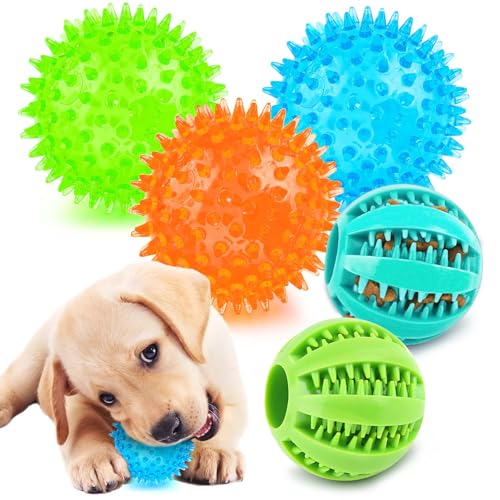
【Non-toxic Dog Treat Ball Toy】 5Pcs dog balls are made from natural rubber material, bite-resistant and nontoxic,non-abrasive,safe for your pets.Puppy ball can helps to clean dog's teeth and massage their gums. Promoting oral health.Our dog toy ball will give your dog comfortable experience.
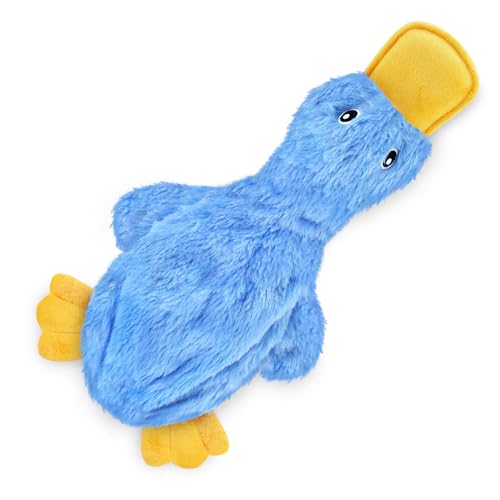
Premium Soft Chew Toys for Dogs - These adorable dog crinkle toys no stuffing ducks provide your four-legged best friend with an interactive chew toy that makes noise, keeps them engaged, and is gentler on teeth, gums, and dental health

Ultra Flight: Your dog will love this ultra long flying fetch toy features a durable rubber edge, and a full inner sail that's designed to extend distance and flight time for an ultimate game of fetch
Common Fetch Mistakes (and How to Fix Them)
Even the best-intentioned fetch sessions can go sideways faster than a puppy chasing its own tail, and honestly, most of the mistakes I see come down to a few predictable patterns.
Here’s the thing: loose launching—just tossing the toy without any structure—teaches your puppy that the game’s chaotic instead of controlled. I mean, you’re basically rewarding random behavior. Another major culprit? Recall frustration. When you can’t get your puppy to actually *return* the toy, you’re building bad habits that’ll haunt you later.
All right, the fix is simple. Keep sessions short and structured. Use high-value treats so your puppy actually wants to come back. Practice “drop it” separately before combining it with fetch. Obviously, patience beats frustration every single time. Trust me on this one. Make sure you’re using textured surfaces or toys with built-in engagement features, as these help maintain your puppy’s interest during training sessions.
Recommended Products

Quayside Publishing-Quarry Books: 101 Dog Tricks Kids Edition

RUBBER MATERIAL: HIPPIH treat dispensing dog ball is made of extra-tough rubber with good elasticity, good for your sweet dog grinding and fresh their teeth. ( Blue color-2.75 in, Green color-3.14 in, suitable for medium and large dogs. Not suitable for miniature small dogs, such as Yorkshire Maltese, etc) NOTE: The dog puzzle ball must be wider than your dog's mouth

Build Strong Fetch Skills: The SportDOG Canvas Dummies are essential canvas fetch dummy tools for introducing game-retrieval with weight and scent-holding canvas fabric
Sustaining Fetch Play Throughout Your Puppy’s First Year
As your puppy grows from a stumbling eight-week-old fluffball into an actual dog with opinions and energy levels, you’re going to notice that fetch needs to evolve right alongside them. I’m sure you’ve noticed that what worked in month two feels way too easy by month six.
Progressive challenges are your secret weapon here. Introduce longer distances, trickier terrain, or multiple toys to keep things interesting. Now, seasonal adjustments matter too—you’ll want shorter sessions in brutal heat and maybe more frequent play when weather’s finally decent. Consider incorporating erratic bounce pattern toys that replicate unpredictable movement and enhance engagement during fetch sessions.
All right, here’s the thing: consistency beats intensity every single time. Your puppy’s attention span and physical capacity change constantly throughout that first year, so staying flexible keeps fetch fun rather than frustrating for both of you.
Frequently Asked Questions
Can Fetch Toys Help With My Puppy’s Anxiety or Fear-Related Behaviors?
Yes, fetch toys can help your puppy’s anxiety. I’ve found that enrichment toys combined with interactive play provide excellent stress reduction. Regular fetch sessions give your puppy a healthy outlet for nervous energy, promoting calmer behavior overall.
Are There Specific Fetch Toy Materials I Should Avoid for Puppies?
I’d avoid toys with toxic rubber hazards or questionable fabric dyes that could upset your puppy’s stomach. Stick with soft, durable rubber balls and rope toys you can supervise closely to prevent choking risks during play.
What Should I Do if My Puppy Refuses to Return the Toy?
Like a stubborn mule, I’d suggest using training games with a “trade up” approach—offering a higher-value treat or toy in exchange for the retrieved item. This reinforces returning behavior positively.
How Do I Know if My Puppy Is Getting Too Tired During Fetch?
I watch for panting signals and a slowed gait—these tell me my puppy’s exhausted. I’ll also notice decreased interest in the toy, lagging behind, or sitting down frequently. That’s when I stop the session and let them rest with water nearby.
Can Fetch Play Support My Puppy’s Recovery From a Minor Injury?
You’re thinking like a physical therapist, and I’d say yes—but only with your vet’s green light. They’ll guide you on gentle rehabilitation exercises that’ll keep your pup’s recovery on track safely.
Conclusion
You’ve now got all the tools you need to build a fetch habit that sticks. You’re teaching discipline while you’re building strength. You’re preventing destruction while you’re creating joy. You’re establishing trust while you’re developing coordination. I’m sure you’ve noticed how fetch does all this at once—it’s basically the Swiss Army knife of puppy training. So grab that toy, head outside, and start building those good habits today.