As an Amazon Associate, we earn from qualifying purchases. Some links on this site are affiliate links at no extra cost to you. Our recommendations are based on thorough research and editorial judgment.

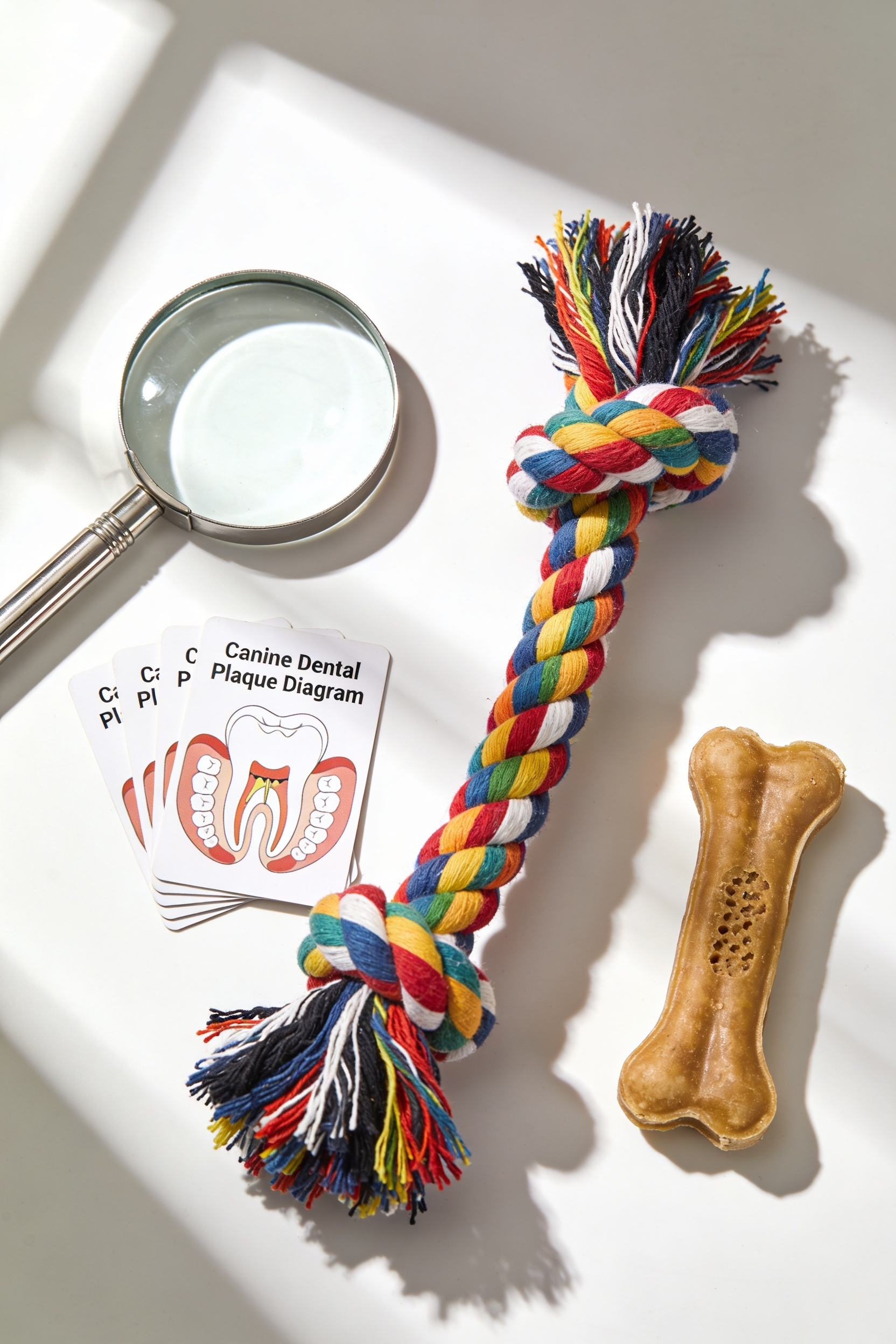
Do Rope Toys Really Help Clean Dog Teeth?

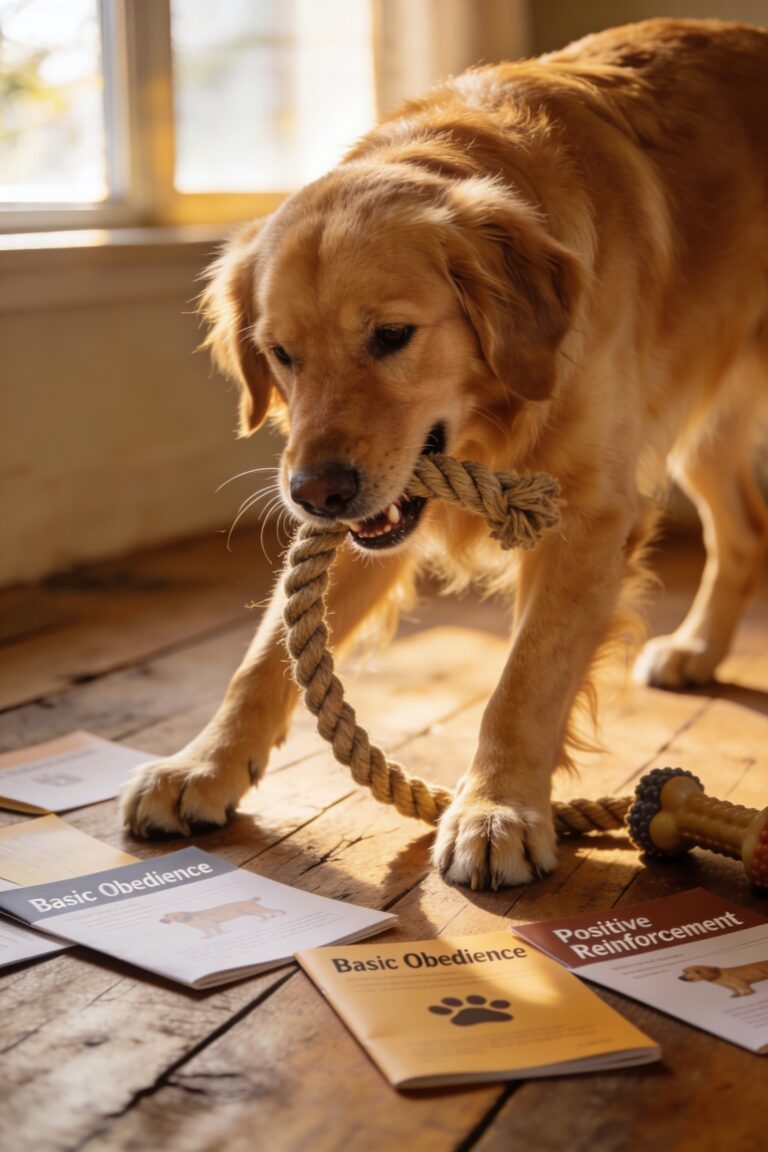
I’m sure you’ve noticed your dog going to town on a rope toy and wondered if you’re actually helping their teeth or just giving them a fun chew session. Here’s the deal: rope toys do help—the fibers act like tiny toothbrushes that scrub away plaque when your dog chews, and they boost saliva production, which fights bacteria. But—and this is a big but—they’re not a replacement for professional cleanings, and if your dog’s aggressive with them, those same fibers can damage enamel or cause dangerous intestinal blockages if swallowed. Turns out there’s a lot more to the story.
Key Takeaways
- Rope toys help reduce plaque through mechanical scrubbing and stimulated saliva production during chewing sessions.
- Daily chewing with rope toys works best as a supplement to regular brushing and professional cleanings.
- Aggressive chewing can damage tooth enamel, especially in senior dogs with already-worn teeth.
- Ingested fibers from rope toys can cause dangerous intestinal blockages requiring emergency surgery.
- Supervised use, proper toy sizing, and regular inspections for fraying significantly reduce health risks.
How Rope Fibers Actually Clean Dog Teeth
You may be interested
When your dog’s gnawing on a rope toy like it’s their job, you’re probably thinking they’re just having fun—and don’t get me wrong, they are—but here’s what’s actually happening inside their mouth.
Those woven fibers work like tiny toothbrushes through something called fiber micro abrasion. I mean, it’s basically controlled scrubbing. As your dog chews, the strands get between their teeth and mechanically scrub away plaque and food particles. Think of it as dental floss meets sandpaper, except your dog actually wants to use it.
Now, here’s the bonus part: all that chewing triggers saliva stimulation. Your dog’s mouth floods with saliva, which naturally washes away bacteria. Combined with the physical scrubbing action, you’ve got a pretty solid one-two punch for keeping those chompers cleaner. While rope toys offer real dental benefits through their fiber action, they work best as part of a broader approach to dental health that includes regular brushing and professional cleanings.
Rope Toys’ Dental Benefits: What Science Shows
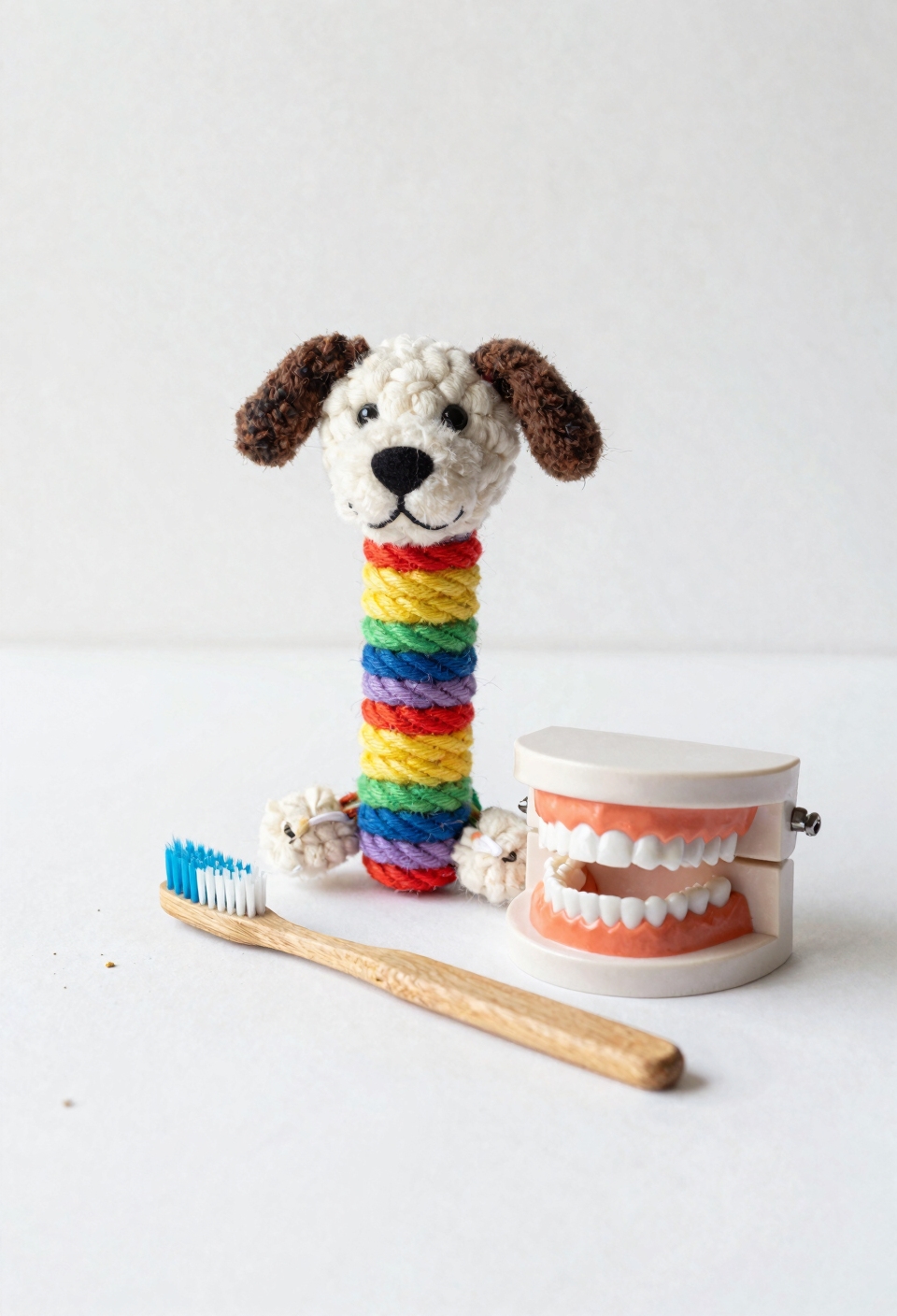
So we’ve established that rope toys work like tiny toothbrushes in your dog’s mouth, but here’s where I get real with you—does it actually *work*?
The truth? It depends on chew frequency. I mean, if your dog gnaws on that rope daily, you’ll probably see some plaque reduction. Studies suggest consistent chewing does help disrupt buildup and stimulate saliva flow, which fights bacteria naturally. Products with textured surfaces and molar bumps are specifically designed to clean teeth and control plaque more effectively than basic rope toys.
Now, here’s my honest take: rope toys aren’t replacing your vet’s professional cleaning. They’re more like a helpful sidekick than the hero. The real magic happens when you combine regular rope chewing with your dog’s existing oral microbiome health through proper diet and dental care.
Why Rope Toys Can Damage Teeth Instead
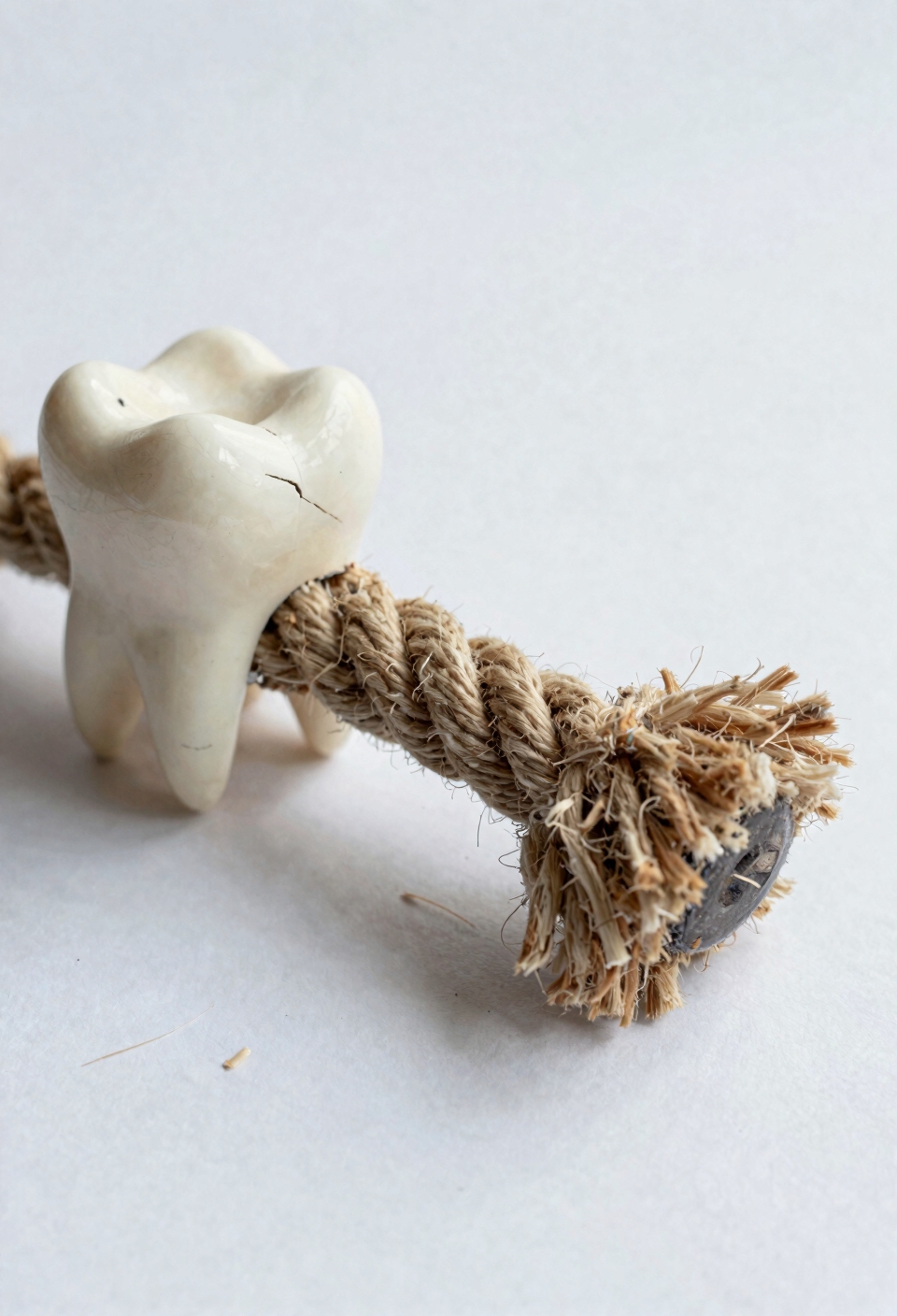
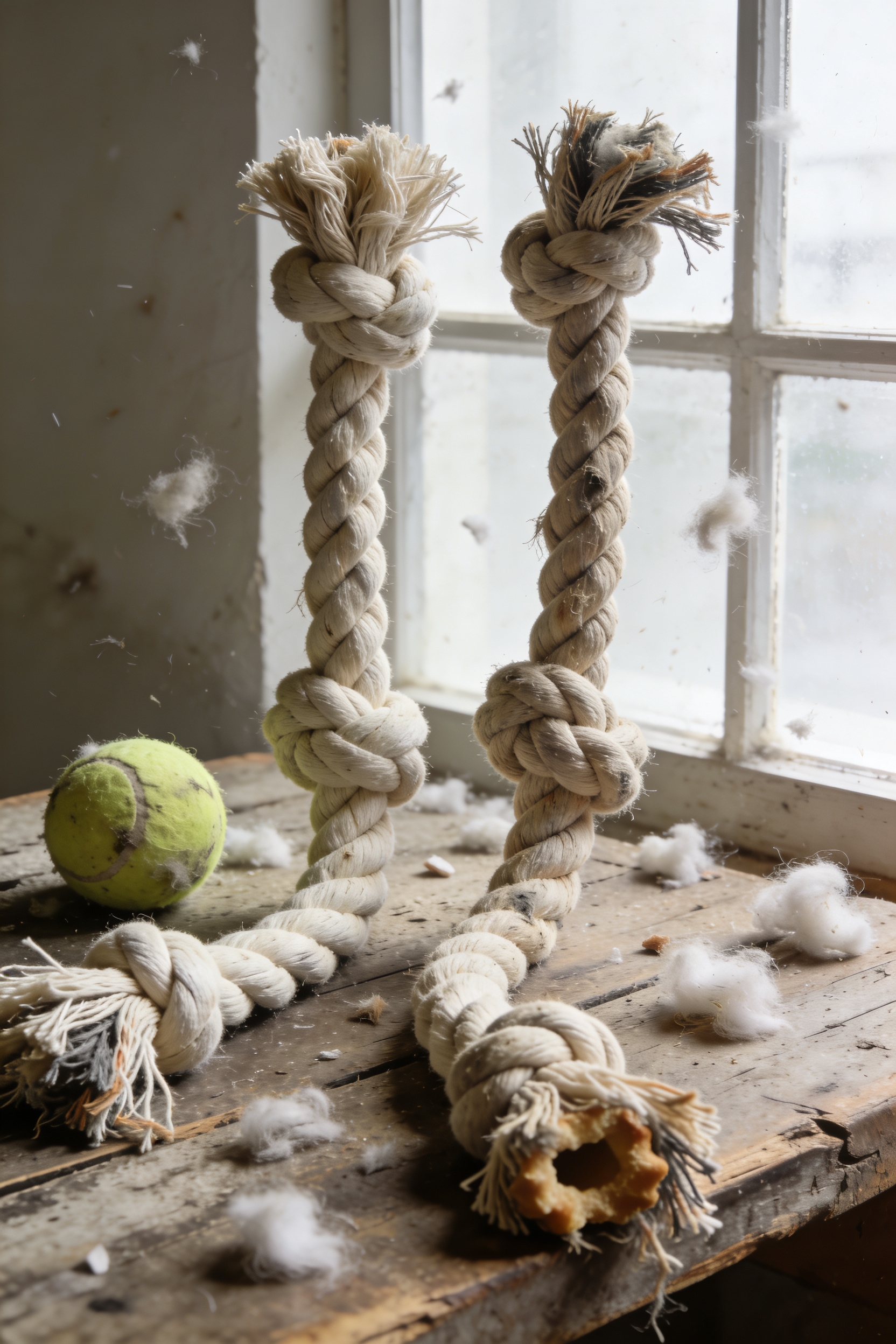
Here’s the ironic part—the same texture that makes rope toys seem like natural toothbrushes can actually wreck your dog’s teeth. I mean, those rough fibers designed for abrasive wear? They’re basically sandpaper for your pup’s molars. Over time, aggressive chewing on rope can cause enamel fractures that’ll have your vet shaking their head and your wallet crying.
Now, senior dogs are especially vulnerable since their teeth are already worn down. You’re effectively accelerating the damage. And honestly, if your dog’s got aggressive chewing habits, rope toys might be the worst choice possible. The irony stings a bit—you’re trying to help their dental health but potentially causing the exact opposite problem. In contrast, heavy-duty nylon toys with convex point textures and ridges are specifically engineered to clean teeth during gnawing without the same risk of enamel damage that rope fibers present. That’s why I always recommend checking with your vet first before introducing rope toys into your dog’s toy rotation.
Rope Toy Ingestion Risks: Why Emergency Surgery Happens
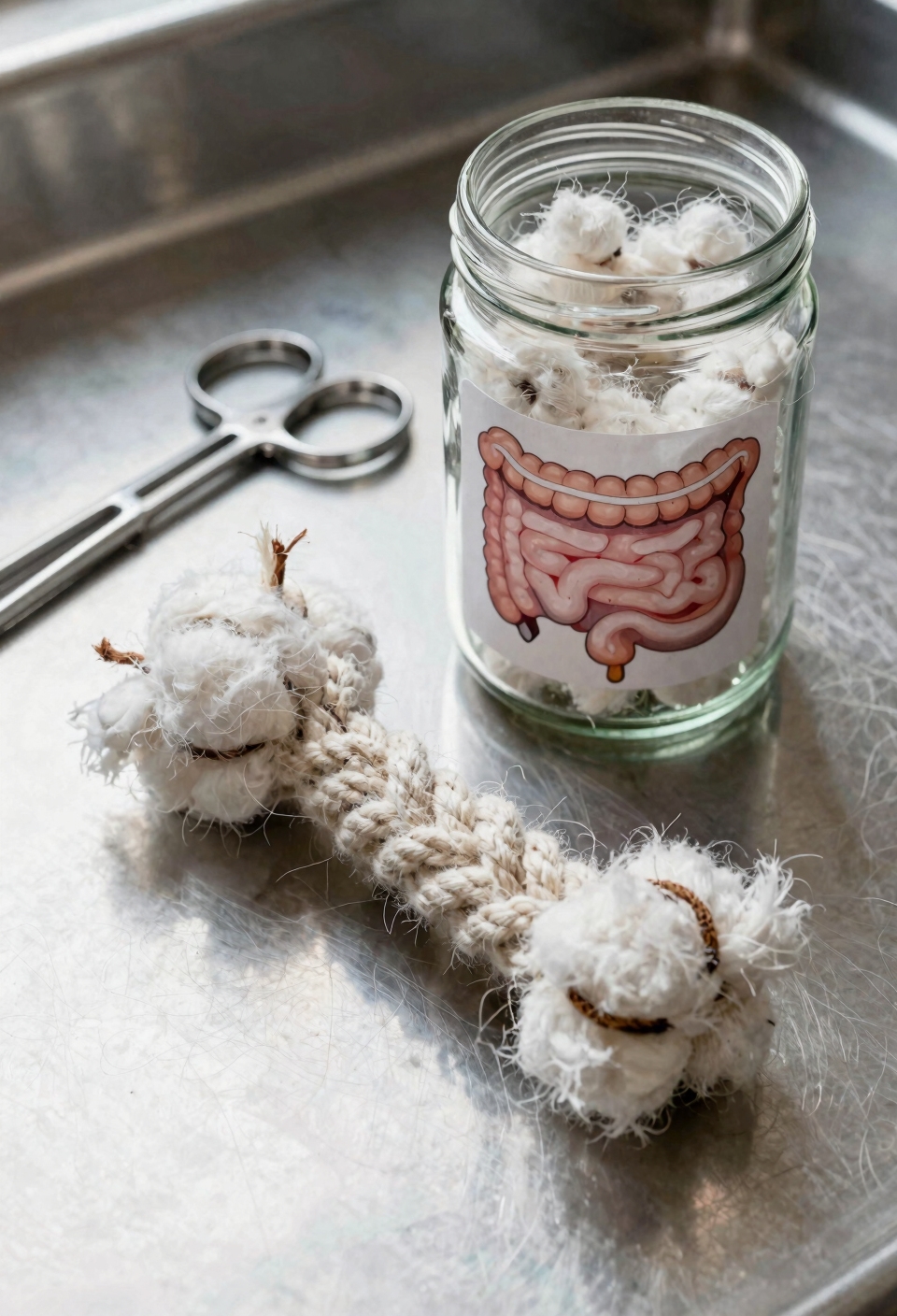
Beyond the tooth damage we just talked about, there’s honestly a scarier problem lurking with rope toys—and it’s the kind of thing that’ll have you sitting in an emergency vet clinic at midnight wondering how you got here.
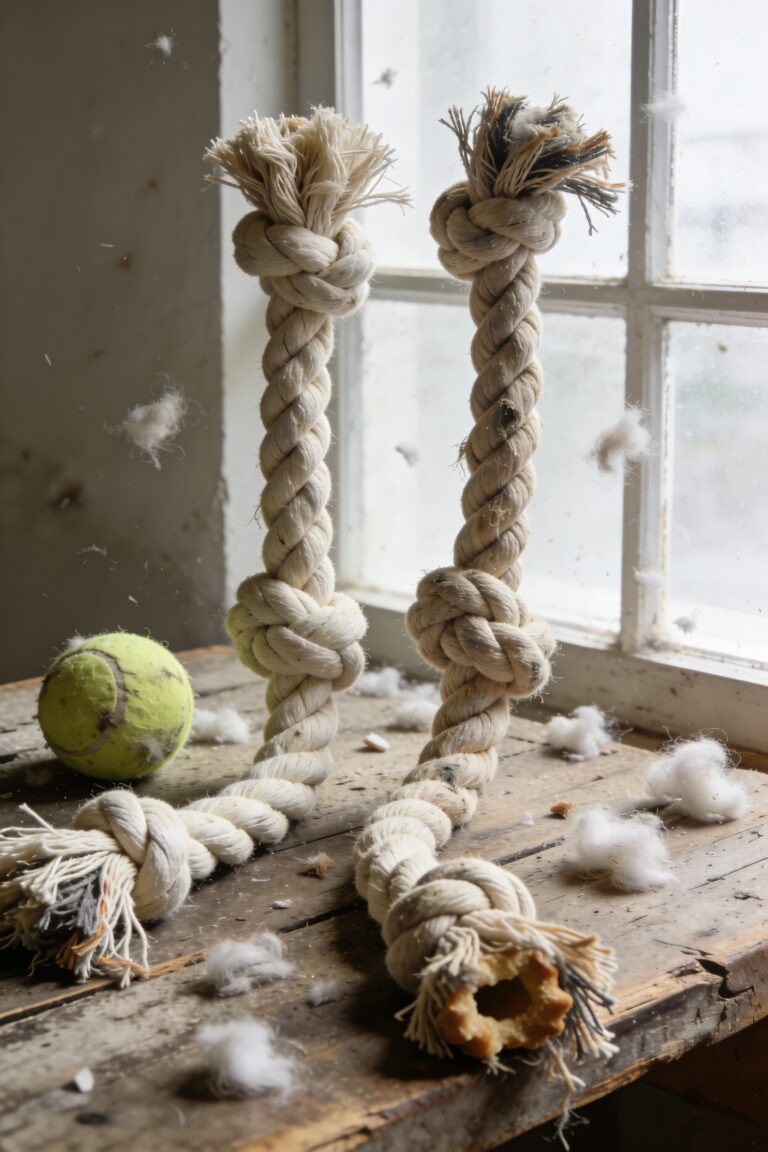
Now, here’s what happens with ingestion mechanics: your dog chews a rope toy, fibers separate, and boom—those strands go down the hatch. I mean, dogs aren’t exactly known for their discerning palates. Once inside, those fibers don’t just pass through like normal food. They tangle around your dog’s intestines, effectively creating a deadly knot that blocks everything up.
The kicker? You’re looking at emergency surgery, which’ll drain your wallet faster than you’d expect. We’re talking serious veterinary costs that make you wish you’d just bought a tennis ball instead. If you want to avoid this scenario altogether, consider selecting toys made from non-toxic polyester materials with double-stitched seams that won’t shed fibers during play.
Size and Breed Matter: Choosing Safe Options
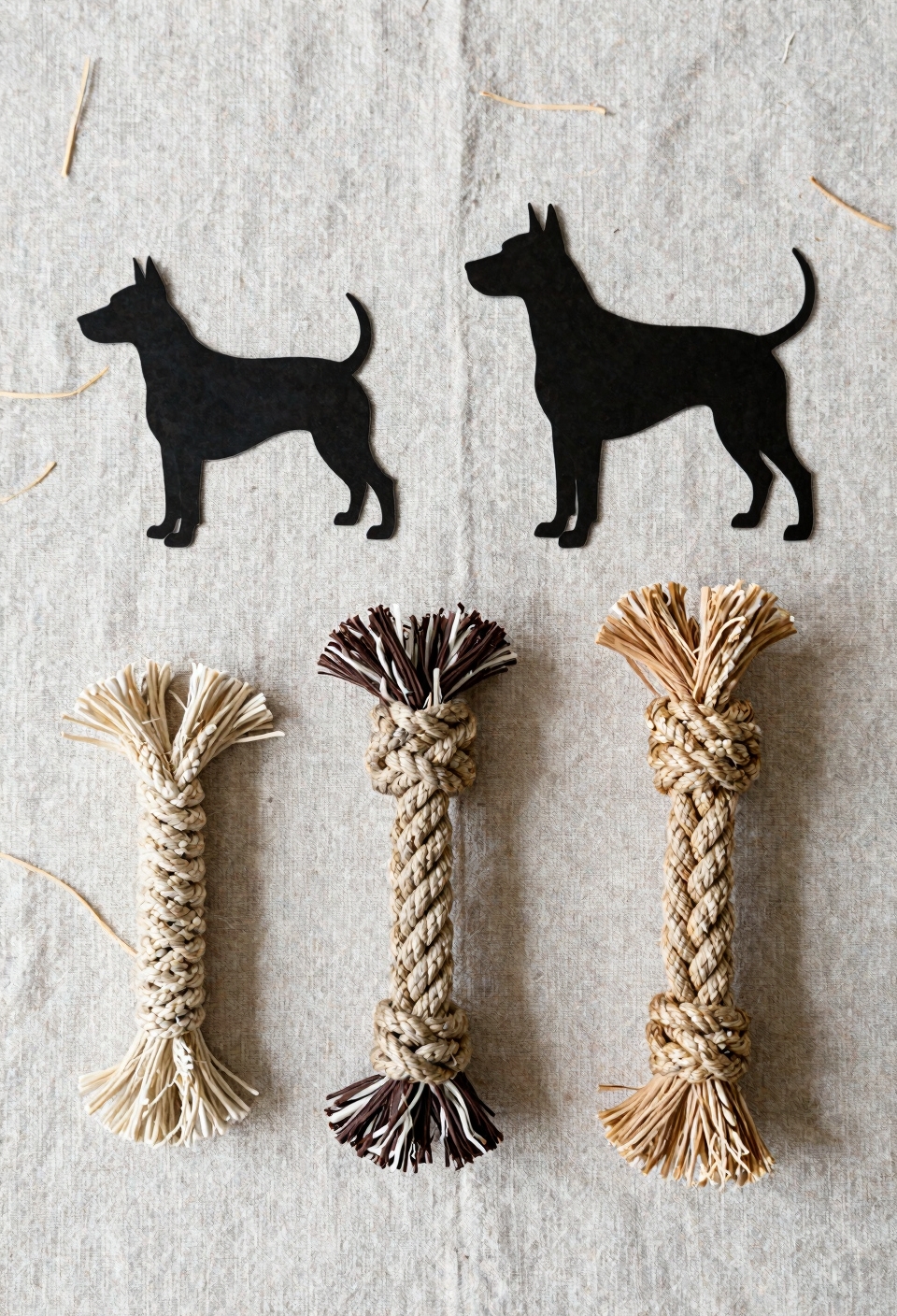
When you’re shopping for rope toys, one thing I’m sure you’ve noticed is that they’re basically one-size-fits-all on most store shelves, which is kind of wild considering that a Chihuahua and a German Shepherd have basically nothing in common except they both love destroying toys. All right, so here’s the thing: toy scaling actually matters a ton for safety. Smaller breeds need smaller, less aggressive rope toys that won’t lodge in their throats or cause blockages. Larger dogs? They can handle thicker ropes, but even they need supervision. I mean, matching rope toys to breed sizes isn’t just about comfort—it’s genuinely about preventing emergencies. For dogs that are heavy chewers, heavier toys with textured surfaces offer both durability and additional dental health benefits through plaque reduction. Now, if you’ve got a senior dog with weaker teeth, I’d honestly skip the rope altogether and grab something gentler instead.
Recommended Products
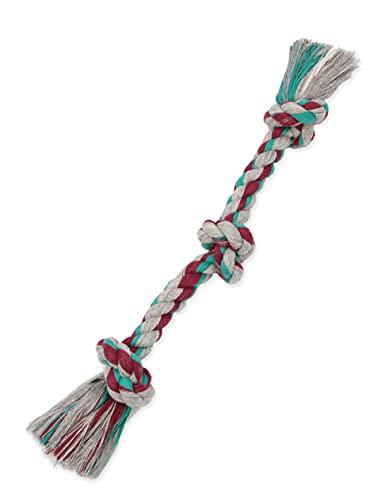
INTERACTIVE FUN: Designed for playing tug of war with dogs, this knotted rope dog toy is perfect for tossing, catching and pulling during interactive play, or as a dog chew toy for solo play time.

2 Pack XL Dog Rope Toy: Design for large dogs and aggressive chewers, consists of 2 durable XL rope toys, 27 inches of 4 knots and 20 inches of 5 knots

Value-Packed Rope Toys Set: Includes 3 durable rope toys for tug-of-war, chewing, and dental cleaning, with 2 dog bags for convenient cleanup. Designed for large dogs and aggressive chewers, it combines fun and practicality to keep your pet entertained
Identify When Your Rope Toy Needs Replacing
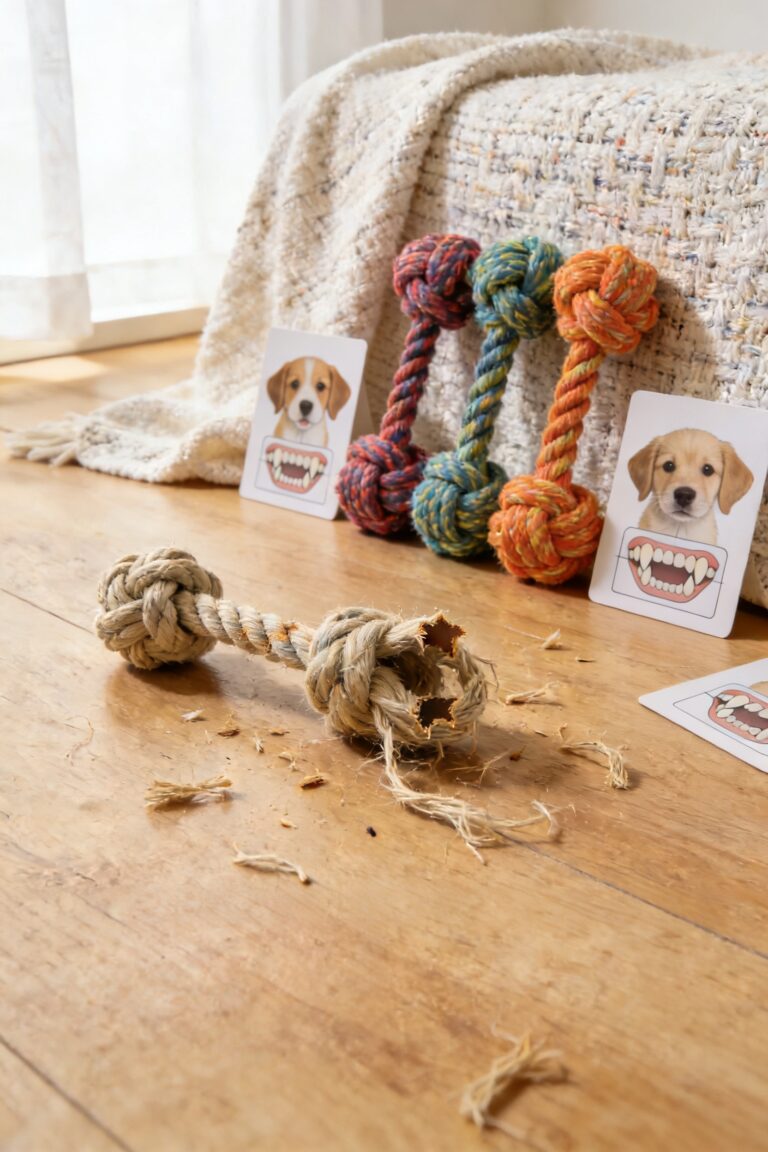
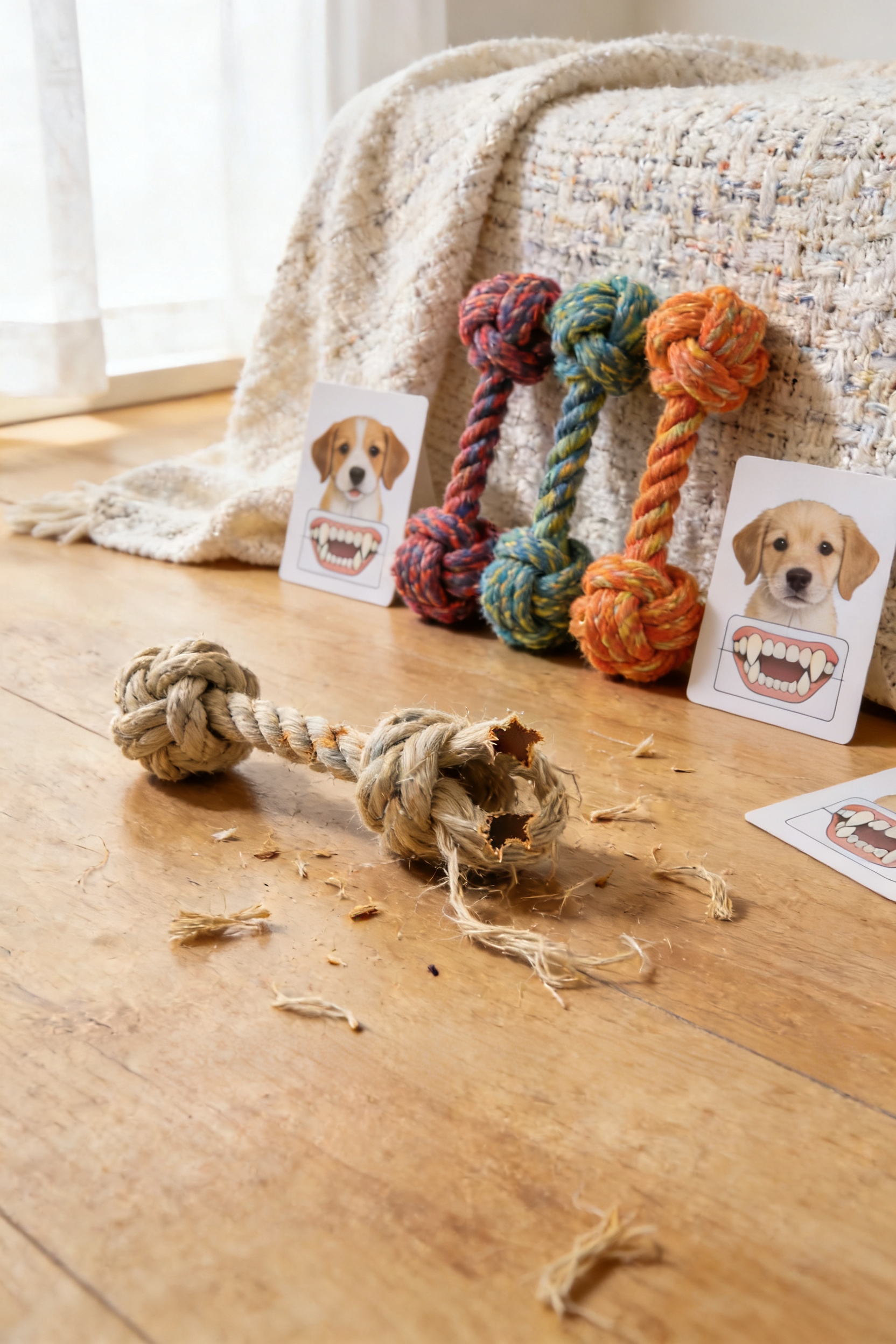
You’ll probably want to inspect your rope toy every couple of weeks, honestly—because even the sturdiest ones start falling apart eventually, and that’s when things get sketchy. I’m sure you’ve noticed how quickly fraying happens once it begins.
Here’s what I look for: loose strands everywhere, visible fiber monitoring that shows bare spots, or pieces already separating. Now, you don’t need perfection—minor wear’s fine. But once you hit that replace threshold where the toy’s basically shedding like a dog in summer, it’s time to toss it.
All right, the thing is, those ingestion risks we talked about? They spike dramatically with deteriorating toys. Regularly inspect toys for damage to catch wear before it becomes dangerous. Obviously you want your pup’s teeth clean, not your vet’s emergency fund fattened. When in doubt, swap it out.
Safer Alternatives to Traditional Rope Toys
If you’ve been sweating the ingestion risks with traditional rope toys—and honestly, who hasn’t after reading about intestinal blockages—there’s some genuinely solid middle ground between ditching chew toys altogether and playing Russian roulette with your pup’s digestive system.
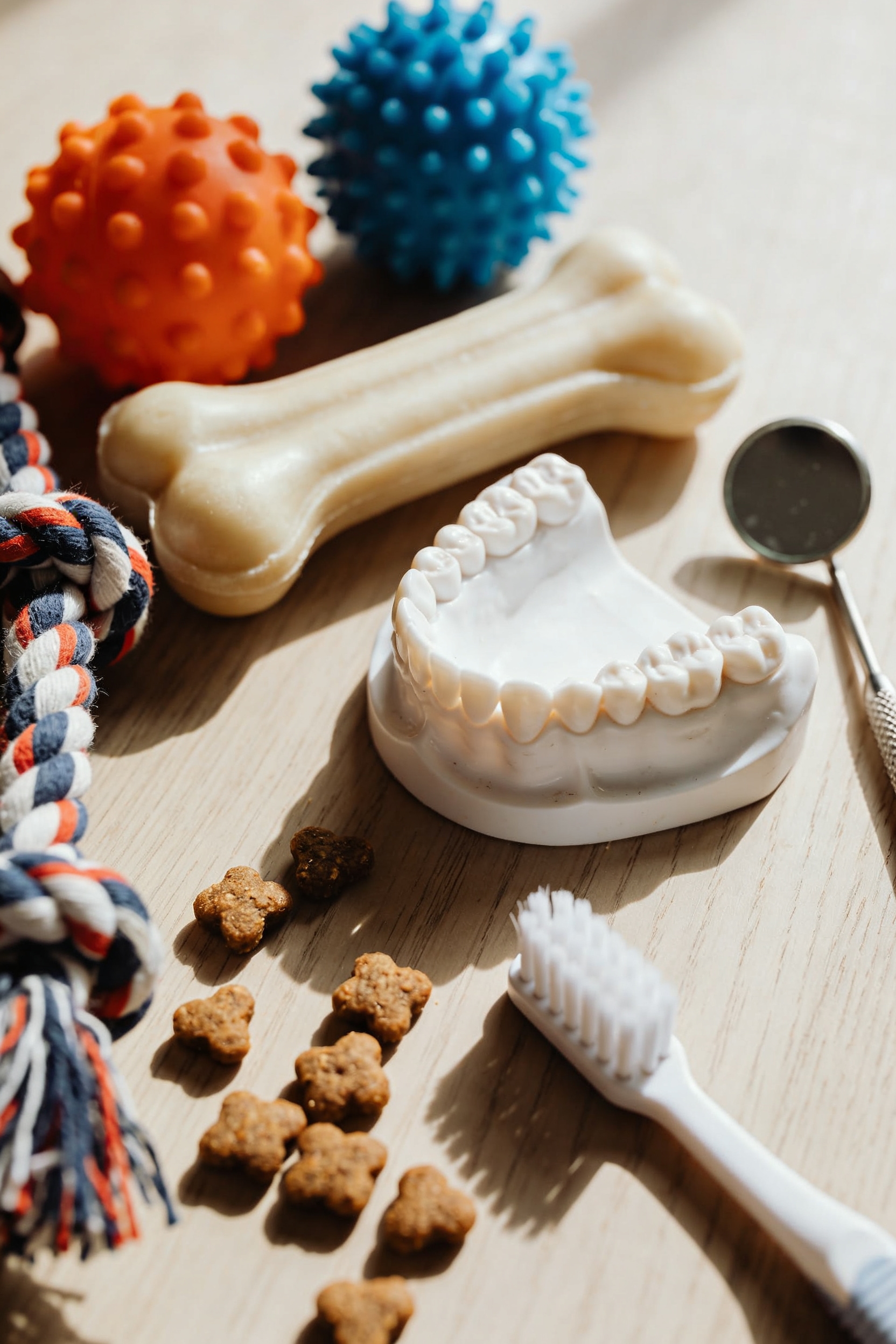
I’m sure you’ve noticed the explosion of non-toxic materials hitting pet store shelves lately. Natural rubber toys, for instance, won’t unravel into dangerous fibers. Now, here’s where interactive design comes in handy—toys with textured surfaces and built-in treat compartments actually keep your dog engaged without the fraying nightmare. Nylon alternatives with wax coating reduce separation risks too.
All right, the real win? These options still provide that mechanical cleaning action your dog’s teeth need while eliminating the blockage anxiety. Textured surfaces designed for dental health, like those found in premium chew toys, actively promote tooth cleaning during play. Obviously, you’re not eliminating dental risks entirely, but you’re cutting them down substantially.
Recommended Products

Dog Chew Toy: Designed for teething pups and small adult dogs, this toy grows with your furry friend through every life stage

TPR NUBS REACH THE GUM LINE TO HELP REDUCE PLAQUE AND TARTAR: Soft TPR (thermoplastic rubber) nubs on the chew surface flex during chewing to reach the gum line, supporting mechanical plaque and tartar reduction with every chewing session.

DENTAL TEXTURES - Nubs on this dog chew toy for teeth help reduce plaque and tartar as your dog chews
Best Practices for Supervising Rope Toy Chewing
Honestly, supervision isn’t just some nice-to-have suggestion—it’s the difference between your dog enjoying a healthy chew session and you sitting in an emergency vet clinic at midnight wondering where it all went wrong. I’m sure you’ve noticed how fast dogs can shred things when you’re not looking. All right, here’s the deal: supervised sessions mean you’re actually watching while your pup chews, not scrolling on your phone in the other room. Obviously, this catches fraying strands before they become intestinal nightmares. Now, teaching solid chew etiquette matters too—your dog needs to understand that rope toys aren’t meant for destruction derbies. For dogs prone to aggressive chewing, consider alternatives like metal cable leashes that offer superior durability and resistance to destruction. I mean, catch the problem early, and you’ll avoid that expensive vet visit.
Recommended Products
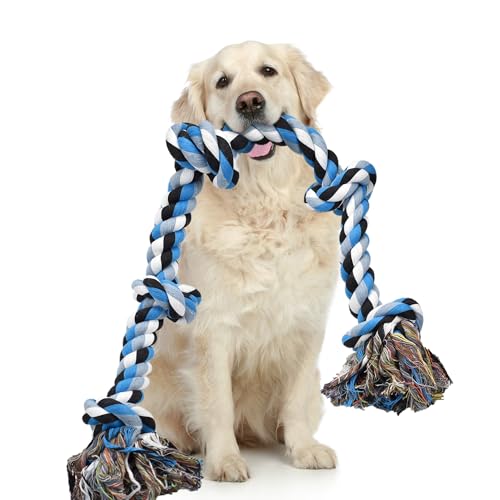
Safe and Tough Dog Toys : This rope dog toy is made from nature washable cotton, safe for you pet chewing and playing. This nearly indestructible dog toys will entertain your dog for hours

8 Pack Dog Toys for Aggressive Chewers: Includes 2 knotted tug ropes, 2 large rope balls, 1 rope ball with handle, and 3 knotted chew ropes in different styles and sizes. This dog rope toy set gives large dogs more ways to chew, tug, fetch, toss, carry, and play.

REAL-TIRE TOUGH: These strong dog toys are ideal dog toys for extreme chewers Dog toys in the TireBiterII range are made in North America from an advanced natural rubber formula for extra long lasting play.
Why Professional Dental Care Complements Rope Toy Use
While rope toys do a surprisingly solid job of scrubbing away plaque during those satisfying chewing sessions, they’re really only part of the equation when it comes to keeping your dog’s teeth in top shape. I mean, think of it this way—you brush your teeth daily, right? But you still need regular cleanings at the dentist. Same deal with your pup. Professional exams catch problems rope toys simply can’t, like hidden decay or gum disease lurking beneath the surface. Your vet spots issues before they become expensive emergencies. Toys with dental ridges and textured designs like zigzag patterns actively help fight tartar buildup by brushing teeth horizontally and vertically during chewing. All right, here’s the real talk: rope toys are fantastic for maintenance between visits, but they’re not a substitute for professional dental care. You’ve got to combine both approaches for optimal outcomes.
Recommended Products
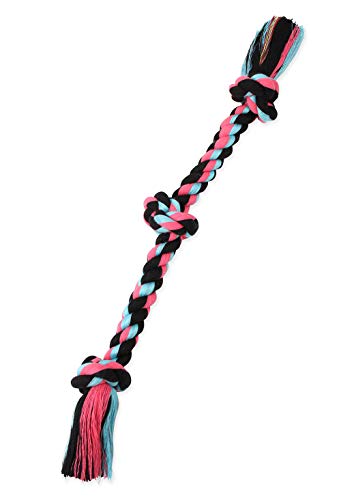
INTERACTIVE FUN: Designed for playing tug of war with dogs, this knotted rope dog toy is perfect for tossing, catching and pulling during interactive play, or as a dog chew toy for solo play time.

Safe and Harmless: Dog chew toys are made of high quality cotton material, no odor and chemical dyes, environmentally friendly and healthy, safe and harmless, gentle to your dog's mouth, sturdy and soft dog toys give your dog a comfortable chewing sensation, your pet can feel free to chew and play.
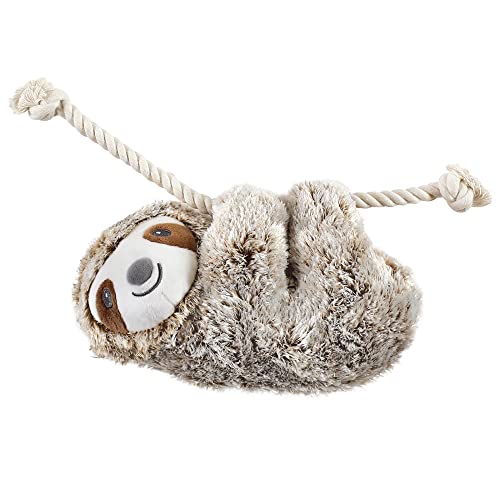
Squeaky plush dog toy with rope: Fun, interactive, and entertaining toy for your dog
Frequently Asked Questions
How Often Should Dogs Chew Rope Toys for Optimal Dental Health Benefits?
I’d recommend short daily sessions with your dog’s rope toy, but I’d suggest a weekly rotation with other toy types to prevent overuse and reduce ingestion risks while maintaining dental benefits.
Can Puppies Safely Use Rope Toys, or Should Owners Wait Until They’re Older?
I’d recommend waiting until your puppy’s adult teeth fully develop before introducing rope toys. During teething stages, softer alternatives are safer. When you’re ready, I emphasize puppy supervision to prevent fiber ingestion and dental damage.
Are Certain Rope Toy Materials Safer Than Others for Aggressive Chewers?
I’d recommend natural fibers like hemp for aggressive chewers since they’re gentler on teeth than synthetic blends. However, you’ll still need supervision to prevent ingestion of frayed strands that could cause intestinal blockages.
What Signs Indicate a Dog Has Swallowed Dangerous Rope Fibers Requiring Veterinary Care?
I’d watch for bloody stool, abdominal pain, vomiting, loss of appetite, and lethargy—these indicate your dog’s swallowed dangerous rope fibers. Seek immediate veterinary care if you notice these symptoms, as intestinal blockages require emergency treatment.
Do Rope Toys Work Effectively for Dogs With Existing Dental Disease or Problems?
I’d strongly advise against rope toys for dogs with existing dental disease—they’re not recommended without veterinary evaluation. Damaged teeth and gums need gentler options. I recommend consulting your vet before introducing any chewing toys to prevent further complications.
Conclusion
Look, rope toys aren’t magic teeth cleaners—they’re more like your dog’s gym membership than their toothbrush. Yeah, they help somewhat, but here’s the thing: they’re just one piece of the puzzle. You’ve gotta pair ’em with actual dental care, vet checkups, and safer alternatives sometimes. Think of rope toys as the appetizer, not the main course. Your pup’ll love ’em either way.