As an Amazon Associate, we earn from qualifying purchases. Some links on this site are affiliate links at no extra cost to you. Our recommendations are based on thorough research and editorial judgment.

Is Tug-of-War Bad for Dogs? The Dominance Myth Debunked

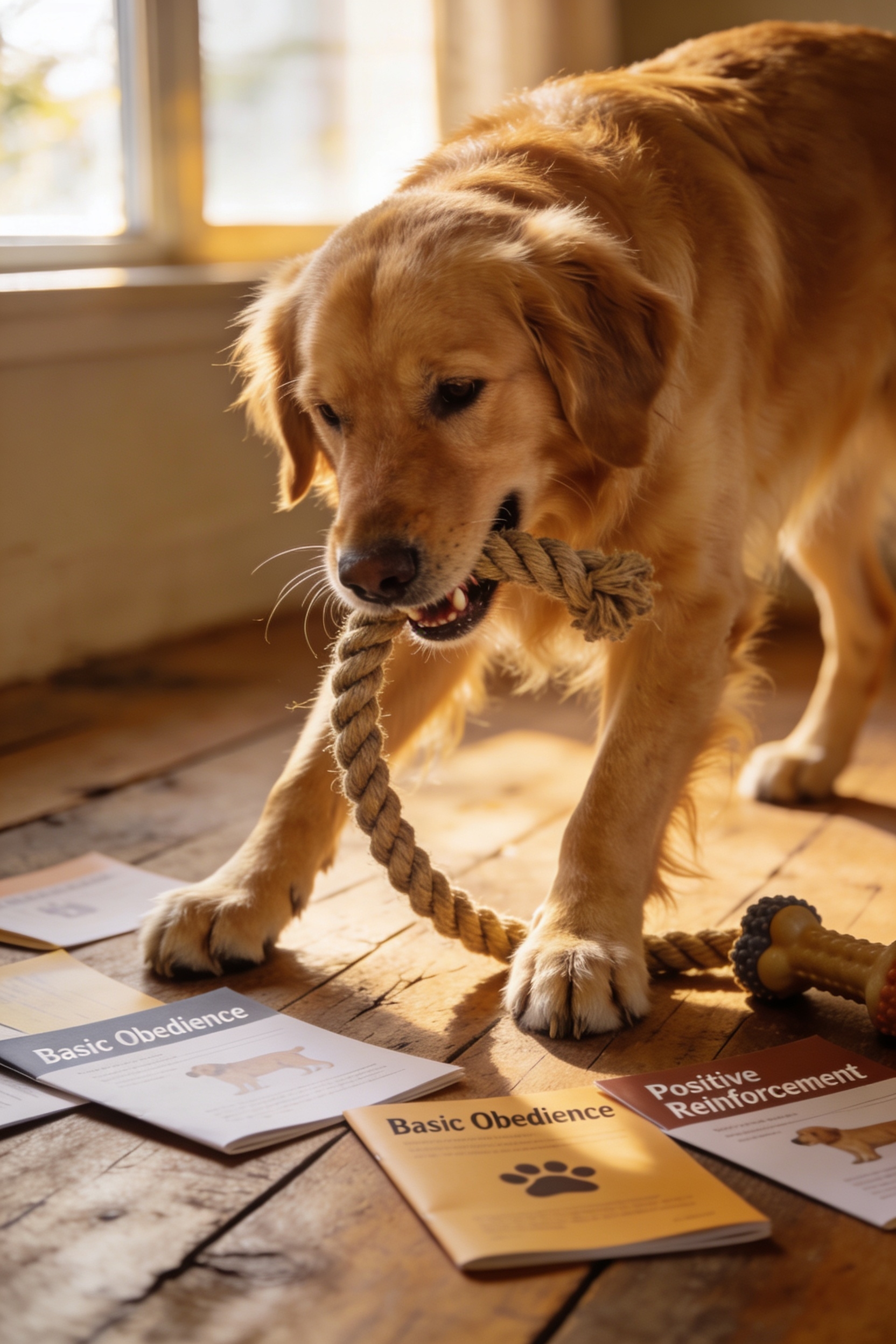
Look, I’m sure you’ve noticed that old “alpha dog” thing floating around—turns out it’s total nonsense. Research shows tug-of-war doesn’t actually make your dog aggressive or bossy. All right, here’s the thing: when you let them win sometimes, you’re not handing over the house keys. You’re building a bonding ritual, plain and simple. Now, that doesn’t mean you can just grab any toy and start yanking. There’s definitely a right way to do this that keeps both of you injury-free, and honestly, the specifics matter way more than you’d think.
Key Takeaways
- Tug-of-war does not create dominance or make your dog the “boss”—it’s cooperative play, not a power struggle.
- Research shows no meaningful link between tug play and increased aggression in dogs; context and training matter more.
- Teach “drop it” command, maintain human control over game start/end, and watch for red flags like stiffness or refusal to release.
- Use soft-handled, reinforced tug toys with solid cores to prevent tooth damage, gum injury, and sharp edges from forming.
- Safe tug strengthens bonding through shared play rituals and cooperative reinforcement when supervised properly with appropriate intensity management.
The Dominance Myth: Why Tug-of-War Doesn’t Make Dogs “Alpha”
You may be interested
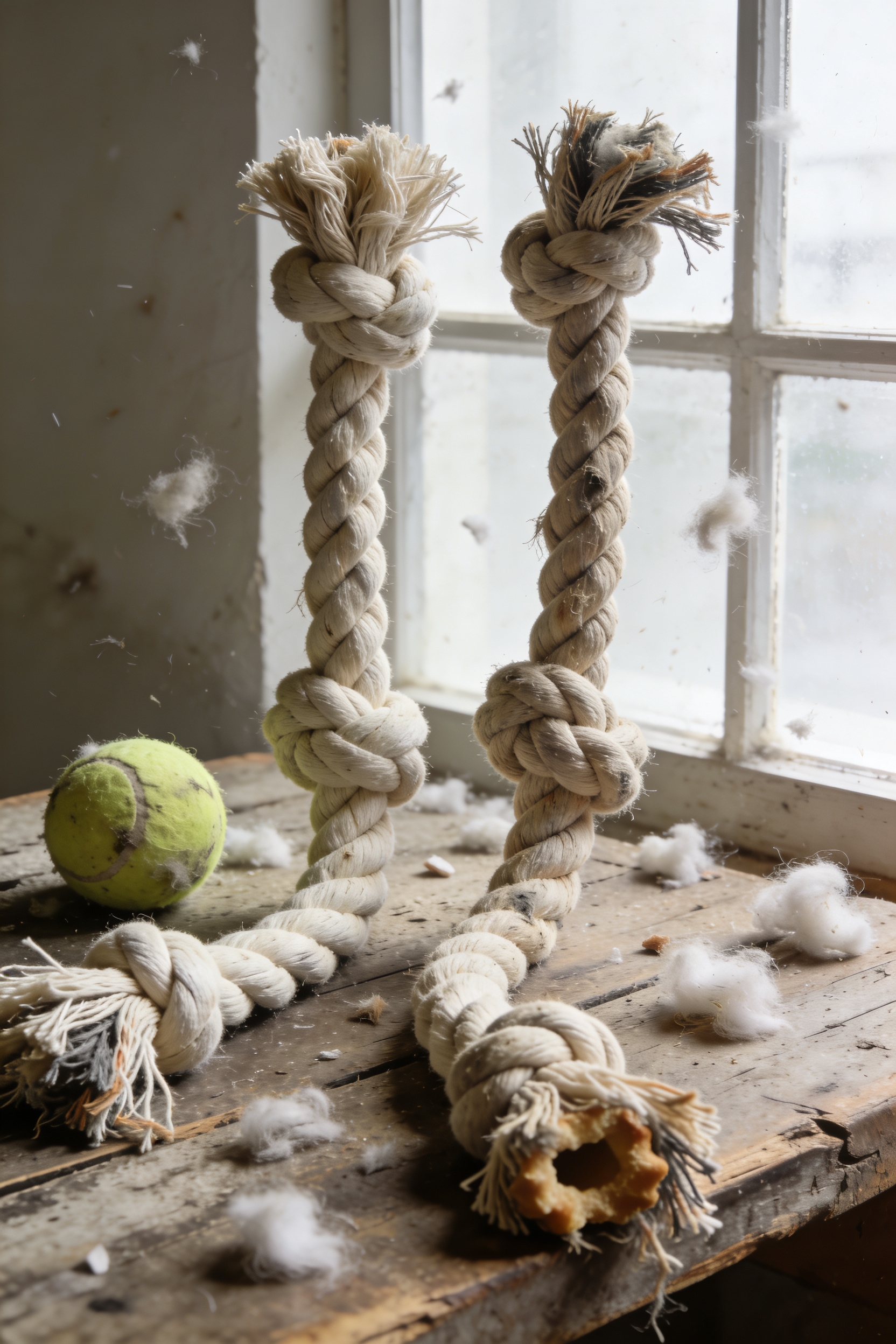
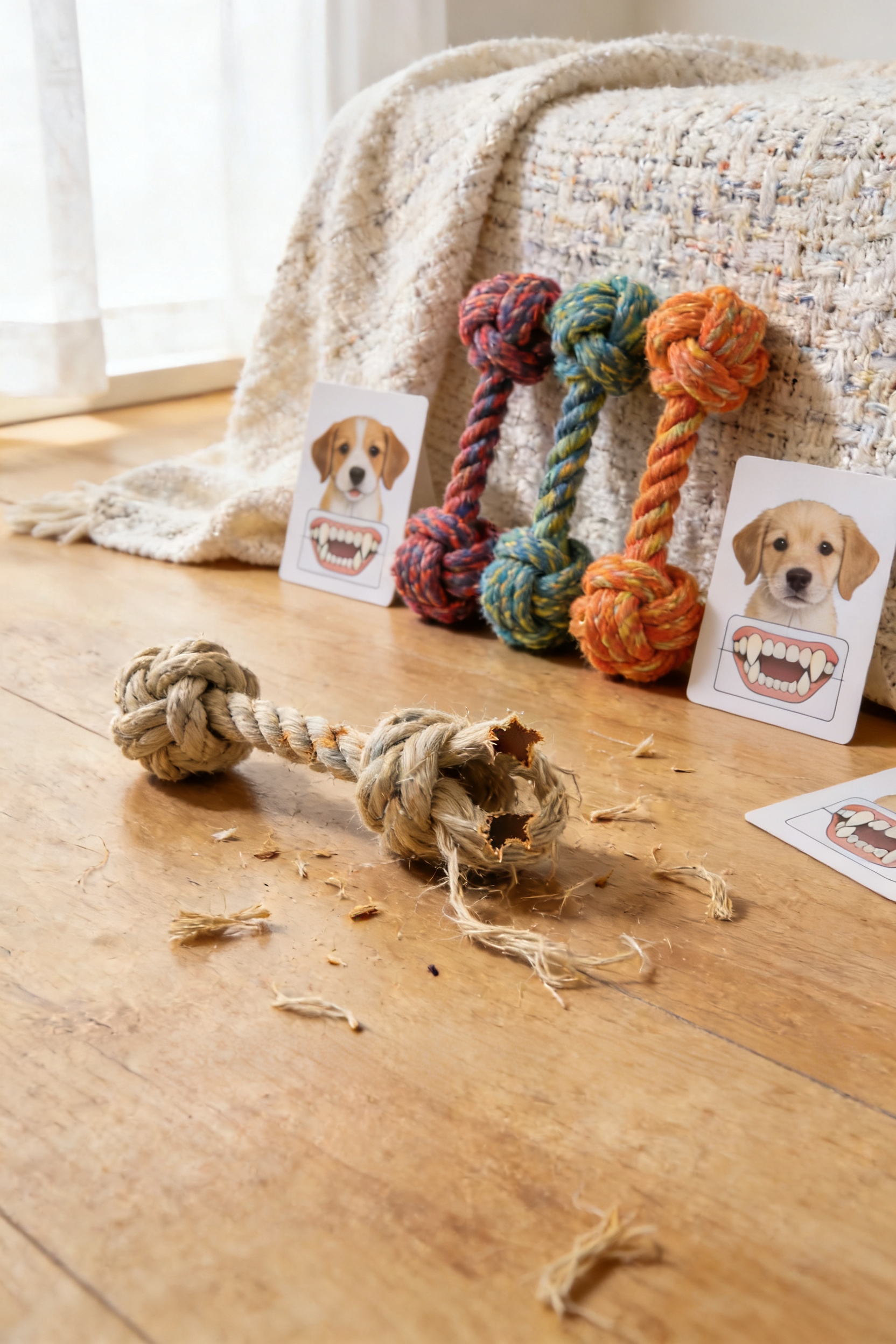
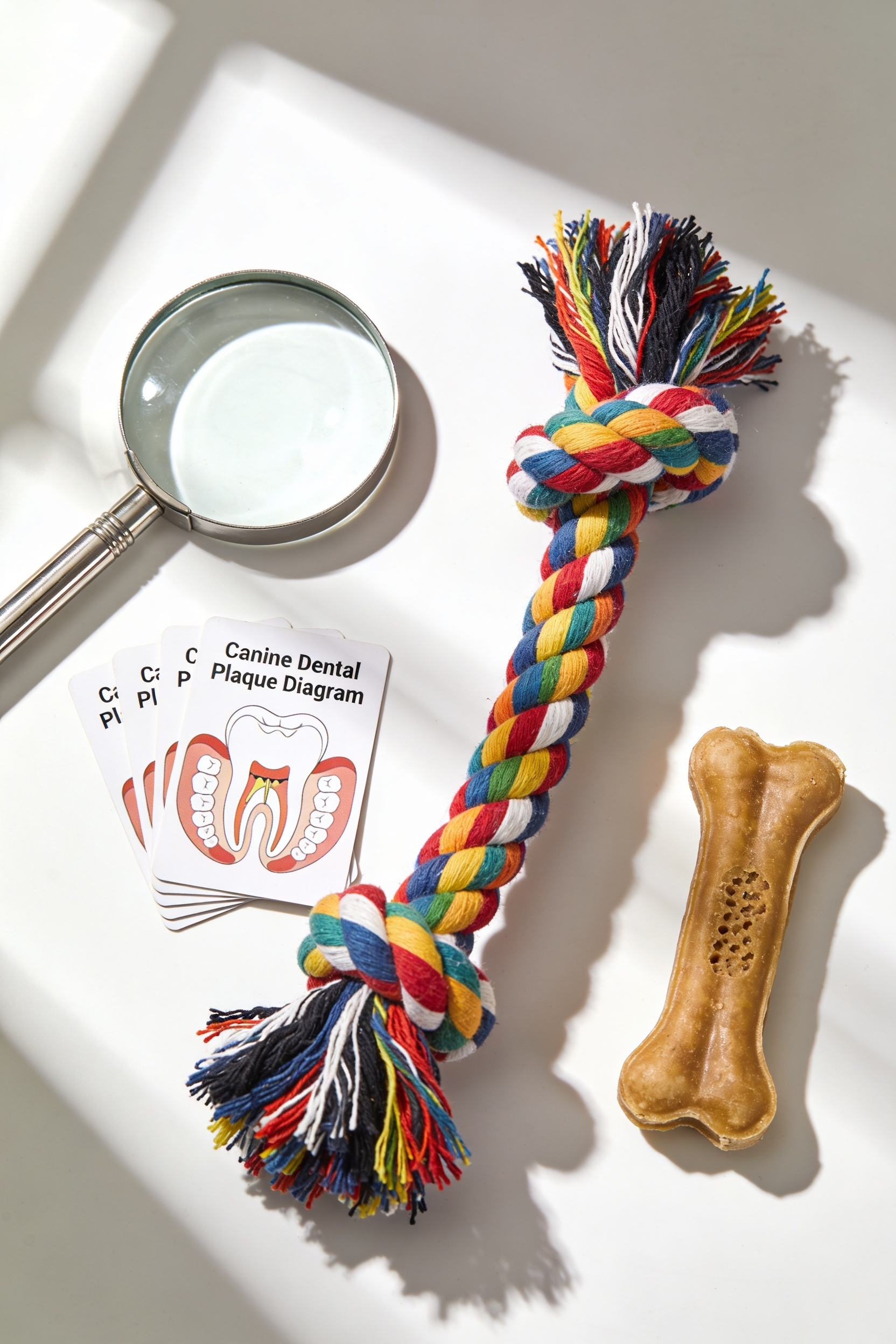
If you’ve ever been told you shouldn’t play tug-of-war with your dog because it’ll make them think they’re the boss of you, I’m sure you’ve noticed that advice gets thrown around a lot—usually right after someone warns you about letting your dog win at anything ever. Here’s the thing: that dominance misconception is pretty much outdated. Research shows tug is actually cooperative signaling between you and your dog, not a power struggle. You’re basically teaming up against the toy together. Letting your dog win doesn’t magically transform them into an alpha overlord. It just means they had fun and want to play again. The real key? Consistent rules and you calling the shots about when the game starts and stops. For aggressive chewers, rope toys designed for tug-of-war offer durable alternatives that can withstand the intense pulling and biting that comes with interactive play.
What Research Shows: Tug-of-War Doesn’t Cause Aggression
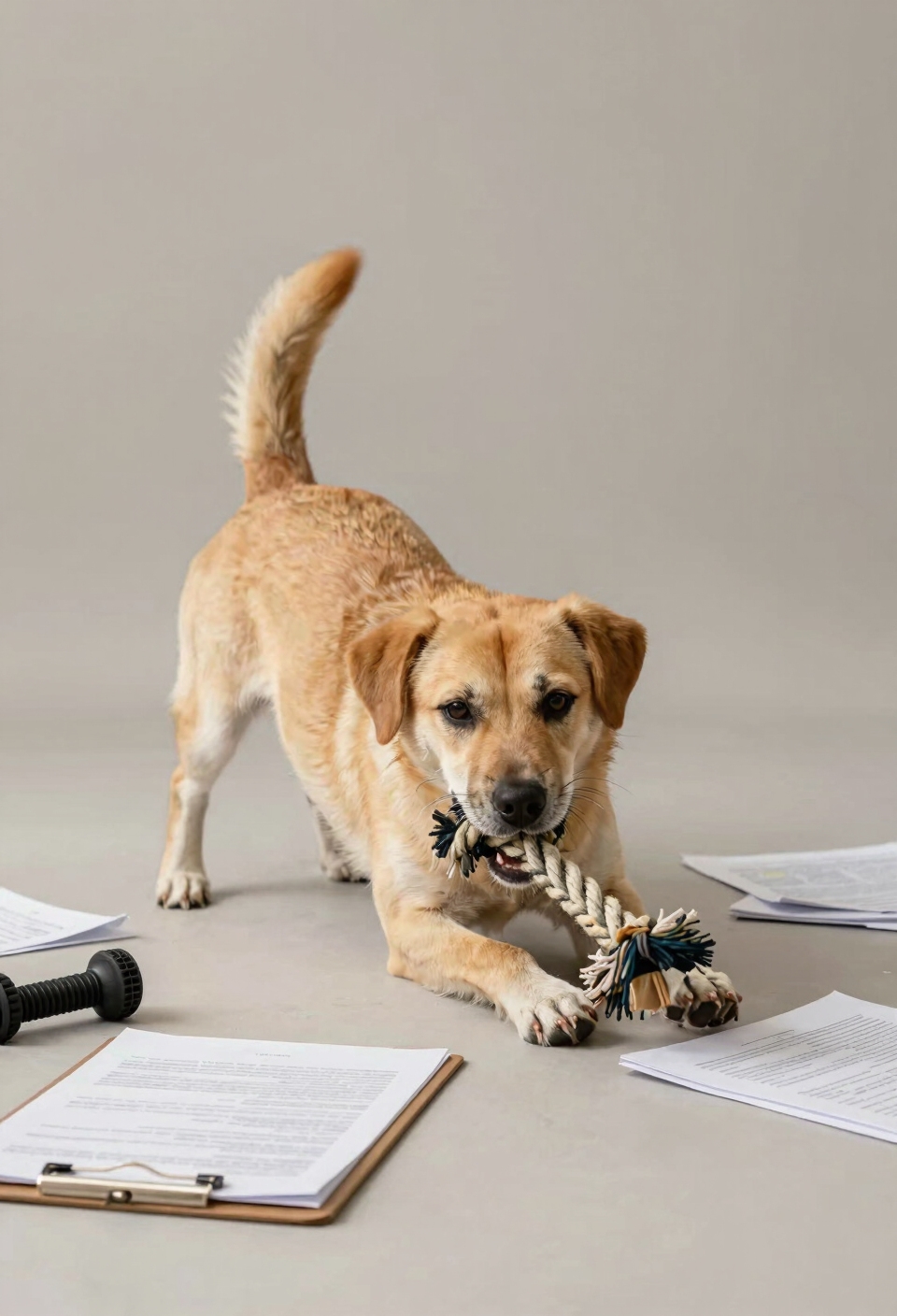
Now that we’ve cleared up the whole dominance thing, let’s tackle the other big worry people have about tug—that it’ll turn your dog into an aggression machine. I mean, behavioral studies actually show the opposite. Researchers looking at aggression metrics in dogs who play tug versus those who don’t? They’re not finding a meaningful link. What’s interesting is that developmental differences matter way more—a puppy’s play context looks totally different from an adult dog’s, but neither group gets aggressive from the game itself. The research basically says that tug doesn’t create aggression. What *does* matter is how you manage it, including providing appropriate indestructible dog toys and supervising play sessions to ensure safe engagement. So you can stop worrying that you’re accidentally weaponizing your pup just by playing fetch’s stubborn cousin.
Is Your Dog Ready? How to Assess Before Starting?

So here’s the thing about tug-of-war—just because the game itself doesn’t cause aggression doesn’t mean every dog is ready to play it right now. Before you grab a rope toy, you’ll want to run through a quick readiness checklist. Does your dog already know “drop it”? Can they handle frustration without mouthing your hands? I’m sure you’ve noticed whether your dog shows healthy play signals—loose body, soft eyes, natural breaks in intensity. All right, here’s what matters: if your dog guards toys, snaps when excited, or can’t settle between rounds, they’re not ready yet. Now, that doesn’t mean never. It just means you might need some training first. Consider rotating multiple toys and using durable nylon or rubber materials designed for aggressive chewers to build positive toy interactions before introducing tug-of-war. Obviously, a behavior professional can help build those skills.
Recommended Products

2 Pack XL Dog Rope Toy: Design for large dogs and aggressive chewers, consists of 2 durable XL rope toys, 27 inches of 4 knots and 20 inches of 5 knots
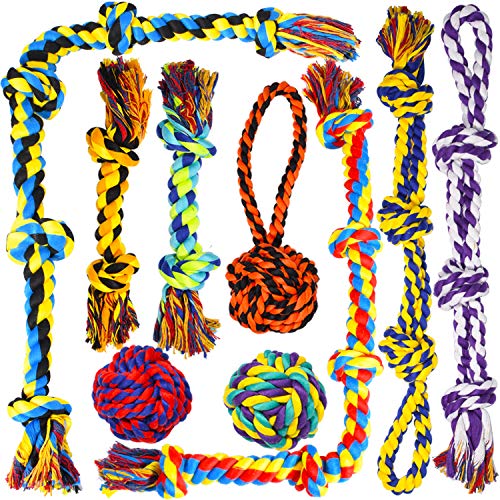
INDESTRUCTIBLE DOG TOYS FOR AGGRESSIVE CHEWERS MEDIUM TO LARGE BREED: XL sized strong dog toys set are popular combination of rope dog chew toys, contains 27 inches of 5 knots dog rope toys for aggressive chewers, round rope ball dog toys, multi knots cotton rope dog chew toys and tug of war rope ball

Tug of War Dog Toy: One Chuckit! Ultra Ball is attached to the end of a durable two-ply nylon cord handle to specifically designed to take fetch and tug of war to the next level. Not a chew toy; always supervise your dog when playing with this toy
Common Injuries During Tug-of-War (And How to Prevent Them)

While tug-of-war itself doesn’t create aggressive dogs, the game can absolutely produce injuries if you’re not paying attention to what’s actually happening in your dog’s mouth and hands. I mean, teeth aren’t indestructible, right?
The biggest culprits? Hard toy handles that encourage your dog to bite down with serious force—that’s a dental care nightmare waiting to happen. You’re risking cracked teeth or gum damage. Wrist sprains can happen too, especially if your dog plants their feet and yanks hard while you’re not ready. Sprain prevention is simple: keep movements controlled and avoid sudden jerking.
Now, accidental nips to your hands during play are pretty common. Use toys with soft, grippable handles instead of rigid ones, similar to the comfortable grip designs found in many durable toys designed for safe chewing and interactive play. Watch for stiffness or intense arousal, and call it quits before things escalate.
Recommended Products

Durable & Fun: Made with upgraded material and reinforced stitching along the edges, this dog ball with handles is built to last. The dog ball is perfect for interactive tug-of-war for medium and large dogs.

Simple Fun Dog Toy and Training Assistant: The wodoca dog tug toy is a brilliant dog tug toy for building agility, practicing recall, boosting motivation, and creating an urge to play. It is suitable for all dogs of all ages, from tiny tuggers to large dog breeds

Tug Toy for Dogs: This unique natural rubber dog toy encourages interactive play sessions; perfect for indoor and outdoor playtime
Six Rules for Safe Tug Play
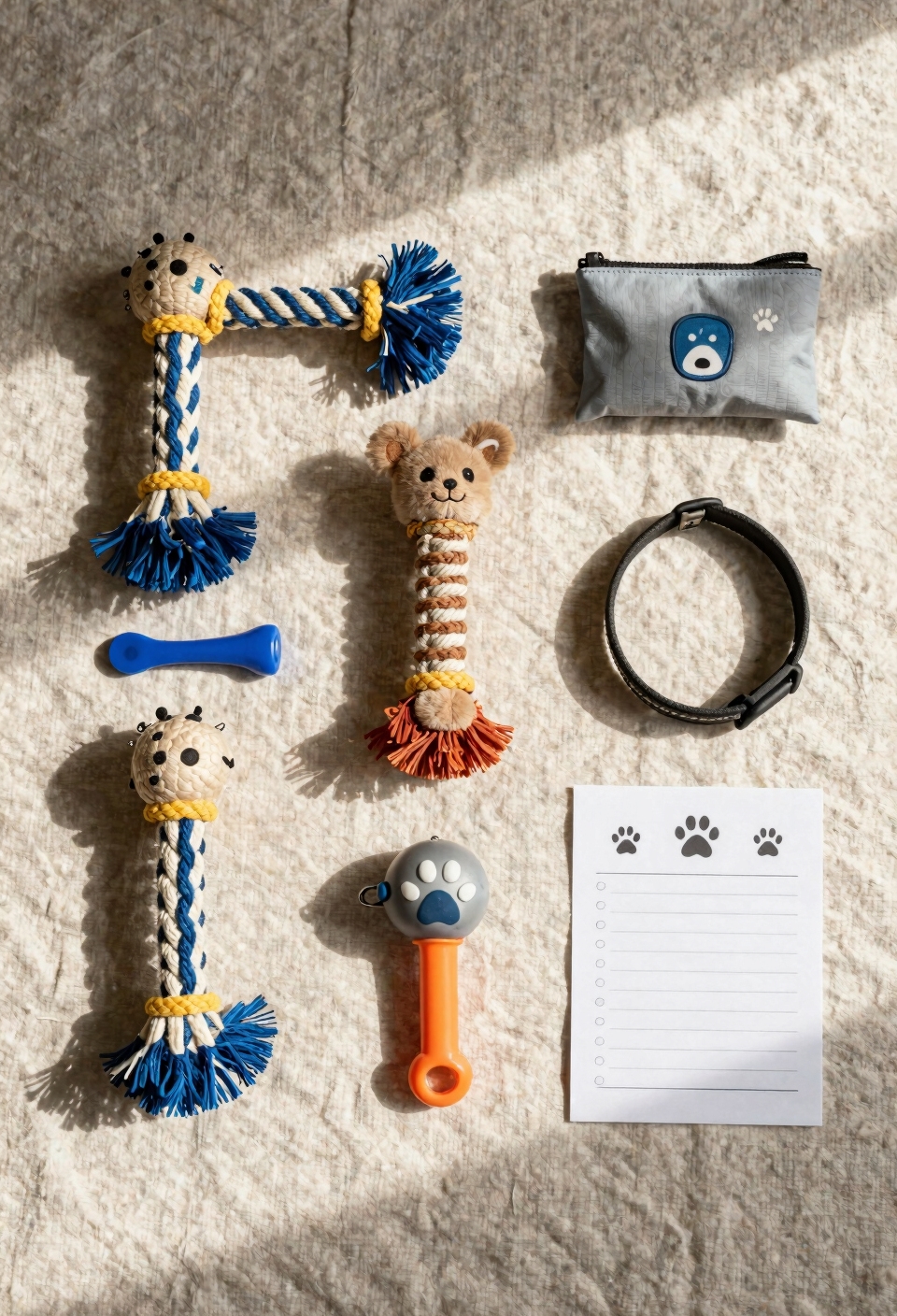
If you’ve been letting your dog win every tug match and wondering whether you’re accidentally creating a tiny, furry tyrant, I’ve got good news—you’re probably fine. What actually matters is structure. Here’s what I mean: you should always start and end the game—that gives you control without being weird about it. Teach a solid “drop it” command before you even begin, so your dog knows releasing the toy gets them praise. Take regular breaks to let arousal settle. Keep safety checks simple: if your dog’s eyes get hard or they’re not letting go, you stop. Obviously, use toys designed for gripping, not hard handles that’ll wreck their teeth. For intense play sessions, consider a collar with a built-in control handle to maintain better restraint and guidance if needed. These game rules aren’t complicated, but they’re everything.
Recommended Products

★ 【The Most Dominant Rope Toy】The large dog rope toy is 24 inches in length with 5 knots, the plastic handle is a plus for pet owners to interact with dogs. 2 rope branches allows to play tug of war with two dogs simultaneously. The best dog chewing rope for small medium and large dogs.

FETCH MEETS TUG-OF-WAR: The Ultra Tug Duo combines two Ultra Balls with a tough two-ply nylon strap, perfect for fetch, tug-of-war, and pack play between two dogs. Compatible with medium Chuckit! ball launchers, it offers endless ways to keep your dog active and engaged.
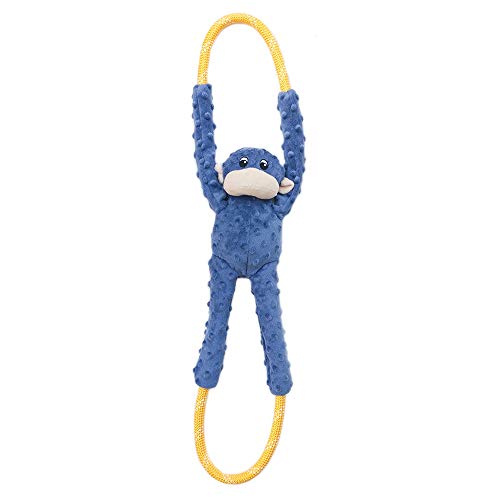
BUILT FOR BIG TUGS: Featuring heavy duty climbing rope, this stuffed Monkey RopeTugz is designed for epic games of tug of war, making playtime stronger, more interactive, and full of fun
Red Flags: When to Skip Tug and Call a Trainer
Not every dog’s ready for tug, and honestly, that’s totally okay—it doesn’t mean your pup’s broken or that you’ve messed something up. I’m sure you’ve noticed warning signs like stiffness, intense staring, or refusal to release the toy. If your dog snaps at your hands, guards objects obsessively, or gets so worked up they’re mouthing people afterward, those are your cues to pump the brakes. Now, some dogs have impulse control issues that make tug risky right now, and that’s not permanent—it just means they need different skills first. Consider rotating toys like rope toys for tug-of-war to build engagement gradually while your dog develops better self-control. All right, here’s the thing: a trainer referral isn’t failure. A behavior professional can actually teach your dog to play safely, transforming tug from a no-go into a legitimate bonding tool.
Recommended Products
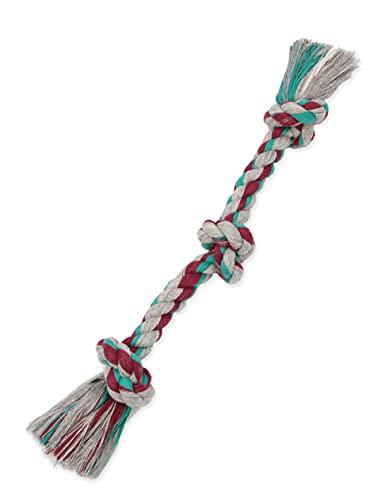
INTERACTIVE FUN: Designed for playing tug of war with dogs, this knotted rope dog toy is perfect for tossing, catching and pulling during interactive play, or as a dog chew toy for solo play time.
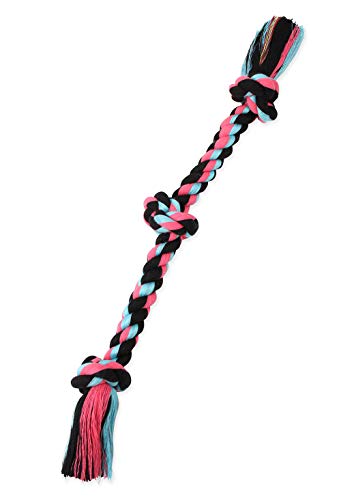
INTERACTIVE FUN: Designed for playing tug of war with dogs, this knotted rope dog toy is perfect for tossing, catching and pulling during interactive play, or as a dog chew toy for solo play time.

Xl dog toy, rope toy is one of longest rope in amazon, approximately 30.5 inches long , for big and extra large dog
How Tug-of-War Strengthens Your Bond With Your Dog?
Once you’ve got the green light to play tug—or you’ve worked through those red flags with a trainer—something pretty cool starts happening: you’re not just playing a game, you’re actually building real connection with your dog. I mean, think about it: you’re creating play rituals together, developing your own rhythm and inside jokes (yes, dogs get those). Every time you initiate a round or celebrate those shared victories when your dog nails a perfect “drop it,” you’re reinforcing that you’re a team. The repetition matters too—your dog learns you’re someone who engages, plays fair, and keeps coming back. That’s bonding in its purest form. If you want to supplement tug-of-war with other engaging activities, consider motion-activated toys that provide hands-free play and mental stimulation. Obviously it beats yelling commands at them all day.
Introduce Tug Safely: A Step-by-Step Start
So you’re ready to actually start playing tug with your dog—great call. I’d recommend a progressive introduction rather than just yanking on a toy and hoping for the best. Start with short, calm sessions using a proper tug toy—something with soft handles, not hard plastic that’ll wreck their teeth. Let your dog win sometimes; I know that sounds weird, but it keeps them engaged.
Now here’s the boundary shaping part: you initiate the game, you set the rules, and you end it. Teach “drop it” before things get rowdy. Watch for signs of overexcitement—stiffness, intense arousal, that glassy-eyed look. Take breaks between rounds. Obviously, if your dog guards toys or mouths your hands, pump the brakes and consult a trainer first. Choose tug toys with reinforced seams and solid core materials to ensure they withstand the tugging force without developing sharp edges that could harm your dog’s mouth. Keep it fun, keep it controlled.
Recommended Products

FETCH MEETS TUG-OF-WAR: The Ultra Tug Duo combines two Ultra Balls with a tough two-ply nylon strap, perfect for fetch, tug-of-war, and pack play between two dogs. Compatible with large Chuckit! ball launchers, it offers endless ways to keep your dog active and engaged.

The Tug-N-Toss Jolly Ball features an iconic, integrated handle that provides endless ways to carry, play, fetch and tug this durable toy

The Tug-N-Toss Jolly Ball features an iconic, integrated handle that provides endless ways to carry, play, fetch and tug this durable toy
Frequently Asked Questions
Can Tug-Of-War Be Used as a Training Reward for Dogs With Low Motivation?
Yes, I find tug-of-war works excellently as a training reward for low-motivation dogs. It taps into their natural prey drive and engagement. I’d explore other reward alternatives too—toys, food, play—to identify your dog’s strongest motivation triggers.
How Often per Week Should I Play Tug With My Dog for Optimal Exercise?
I’d recommend three to four short sessions weekly with varied intensity. Mix vigorous pulling with calm pauses to prevent overexcitement. Adjust frequency based on your dog’s age, fitness level, and overall exercise needs.
What Type of Toy Material Is Safest for Tug Play With Senior Dogs?
I’d recommend soft rubber or braided fleece toys for senior dogs. They’re gentler on aging teeth and gums while still providing good grip. Avoid hard handles that risk dental damage, and always supervise play sessions.
Can Tug-Of-War Help Redirect a Dog’s Prey Drive Away From Other Pets?
Yes, I’d say tug-of-war can redirect focus toward structured outlets for prey drive. When I introduce controlled tug sessions, I’m channeling predatory instincts safely, which helps reduce targeting of other pets at home.
Is Tug-Of-War Appropriate for Puppies, and if So, at What Age?
I’ve found puppies can start tug around 12 weeks, like teaching a young sapling to bend rather than break. It builds bite inhibition when you’re consistent with release commands, ensuring they’re ready before their adult teeth arrive.
Conclusion
So here’s the thing—you can absolutely play tug with your dog without creating some dominant monster. You’ll strengthen your bond, you’ll build their confidence, and honestly, you’ll both have a blast. Just play smart, watch for injuries, and follow those safety rules I mentioned. Your dog isn’t plotting a coup during tug time; they’re just enjoying time with you. That’s it.