As an Amazon Associate, we earn from qualifying purchases. Some links on this site are affiliate links at no extra cost to you. Our recommendations are based on thorough research and editorial judgment.

Best Rope Toys for Puppies: Gentle on Growing Teeth

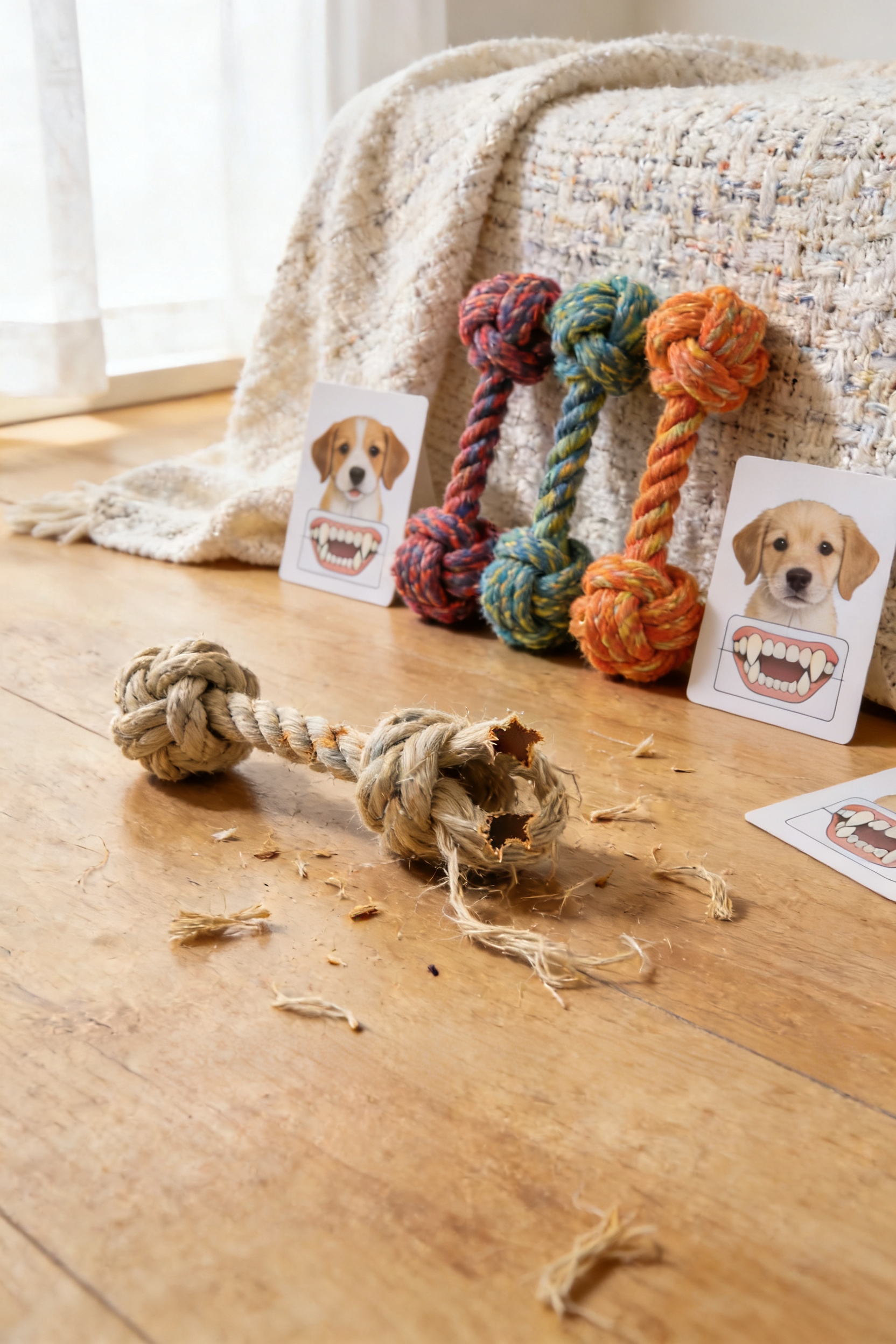
I’m sure you’ve noticed your puppy gnawing on everything—and honestly, a quality rope toy is basically teething gold. You’ll want tightly braided construction with multiple knots that resist fraying, plus non-toxic, food-grade materials. All right, here’s the thing: loose fibers are a real choking hazard, so inspect before purchase and supervise play sessions. Now, keep chewing to ten or fifteen minutes, two or three times daily, and retire toys the moment you spot unraveling. Stick around to discover exactly which designs work best for your pup’s growing teeth.
Key Takeaways
- Tightly braided rope toys with multiple knots resist fraying and safely relieve puppy teething discomfort.
- Choose puppy-sized, lightweight toys with reinforced seams made from non-toxic, food-grade materials for safety.
- Supervise chewing sessions of ten to fifteen minutes, two to three times daily during teething.
- Inspect toys every few days for loose fibers, fraying edges, or worn spots requiring replacement.
- Rotate toys and adjust frequency based on puppy energy levels and developmental stages.
Understand Why Puppies Need Rope Toys
You may be interested
I’m sure you’ve noticed that puppies basically want to chew on everything—your shoes, the couch corner, that one table leg nobody likes anyway. Well, there’s actually a reason for this chaos. Your puppy’s gums are sore from teething, and chewing helps relieve that discomfort. It’s their way of managing the pain while those tiny teeth push through.
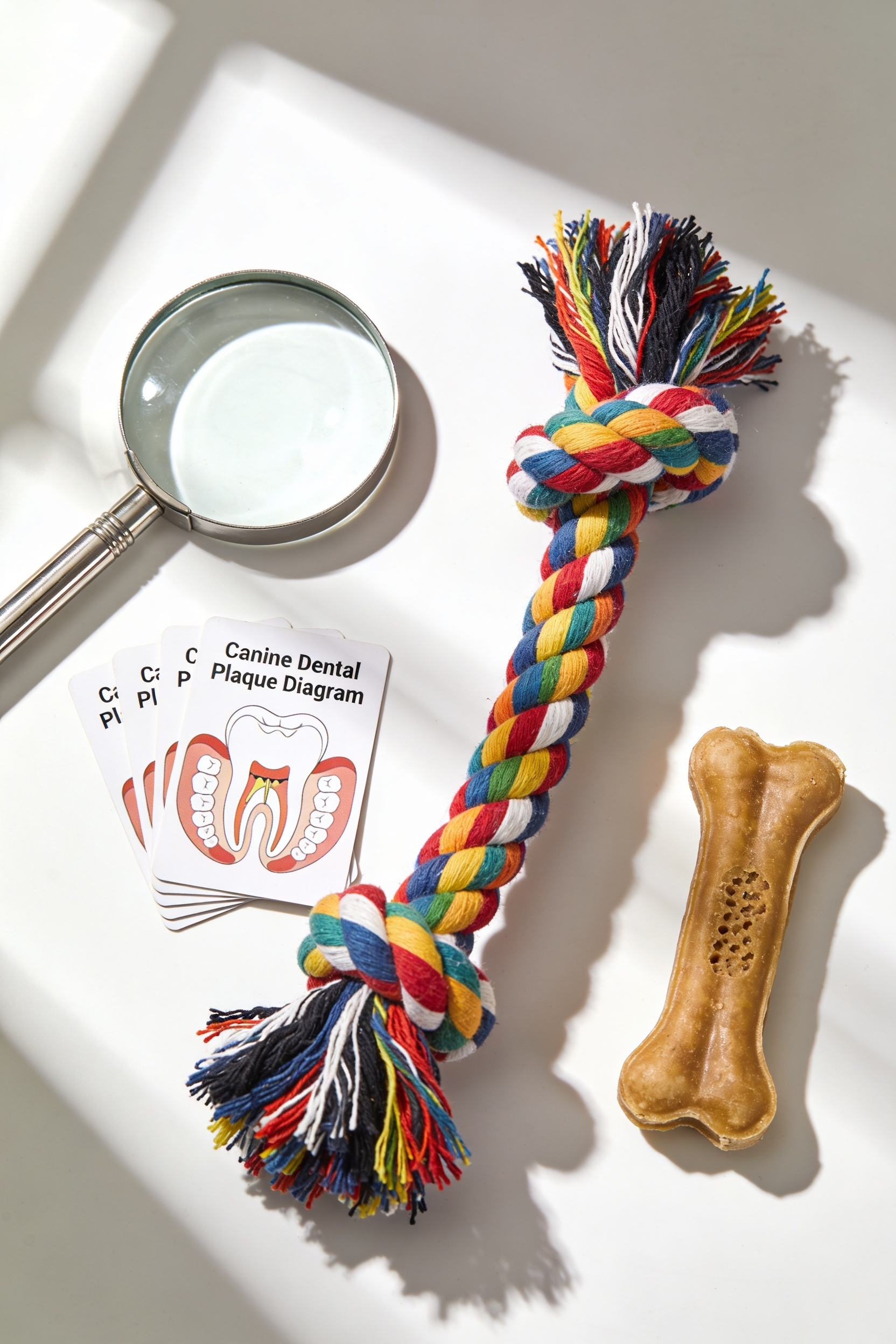
Rope toys work because they’re perfect for sensory exploration. Your puppy gets to feel different textures, and honestly, it keeps their mouth occupied so they’re not destroying your belongings. The fibers provide gentle stimulation along their gums and teeth, which feels pretty good when everything hurts. Plus, all that chewing redirects their natural instincts toward something you’ve actually approved. It’s a win for everyone involved. The dental benefit of rope toys comes from the fiber action that helps clean teeth during chewing, similar to how floss works to prevent plaque accumulation.
How to Spot a Safe Rope Toy
Now that you understand why your puppy needs a rope toy, you’ve got to actually pick one that won’t turn into a choking hazard. I’m sure you’ve noticed that not all rope toys are created equal—some unravel faster than my attempts at home repair.
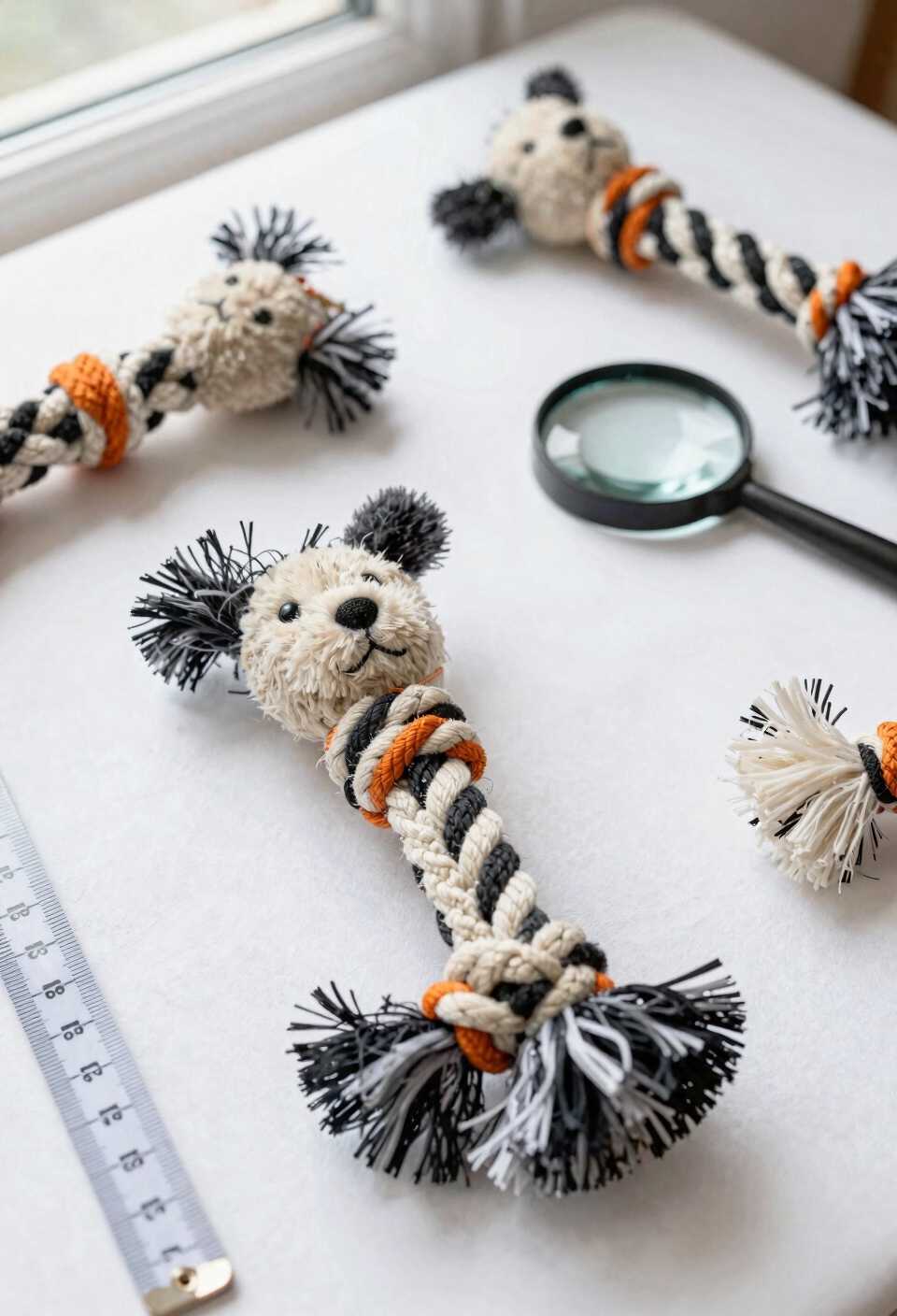
Look for toys with tightly braided construction and multiple knots, which resist fraying way better than loose weaves. Check the material safety standards on packaging; reputable manufacturers follow strict guidelines to keep your pup safe. Obviously, inspect the toy before buying—squeeze it, tug it, make sure fibers aren’t already loosening. Supervision and regular inspection are essential, as no toy is truly indestructible and worn pieces can pose ingestion risks.
All right, here’s the real talk: if threads start coming loose, toss it. Your puppy’s intestines aren’t a textile experiment. Smaller, lighter toys designed specifically for puppies beat those heavy tug ropes every time.
Braided vs. Knotted: Which Design Works Better

When you’re standing in the pet store aisle squinting at rope toys, you’ll notice they fall into two main camps: the tightly braided ones and the knot-style toys. I’m sure you’ve noticed the difference already.
Here’s the thing: braid density matters way more than you’d think. Tightly woven braids resist unraveling like they’ve got their life together, which means fewer loose strands your puppy might swallow. Knot-style toys work differently—their knot placement acts as natural stoppers that contain damage.
Now, I lean toward braided toys for most puppies because they’re more forgiving. But honestly? Knots give your pup something satisfying to grip during gentle tug sessions. The real answer is both work fine if you inspect them constantly and supervise play. Just pick whichever won’t stress you out. Remember to replace worn toys before they become hazards, as loose fibers can pose choking risks for your growing puppy.
Select the Right Rope Toy by Play Style
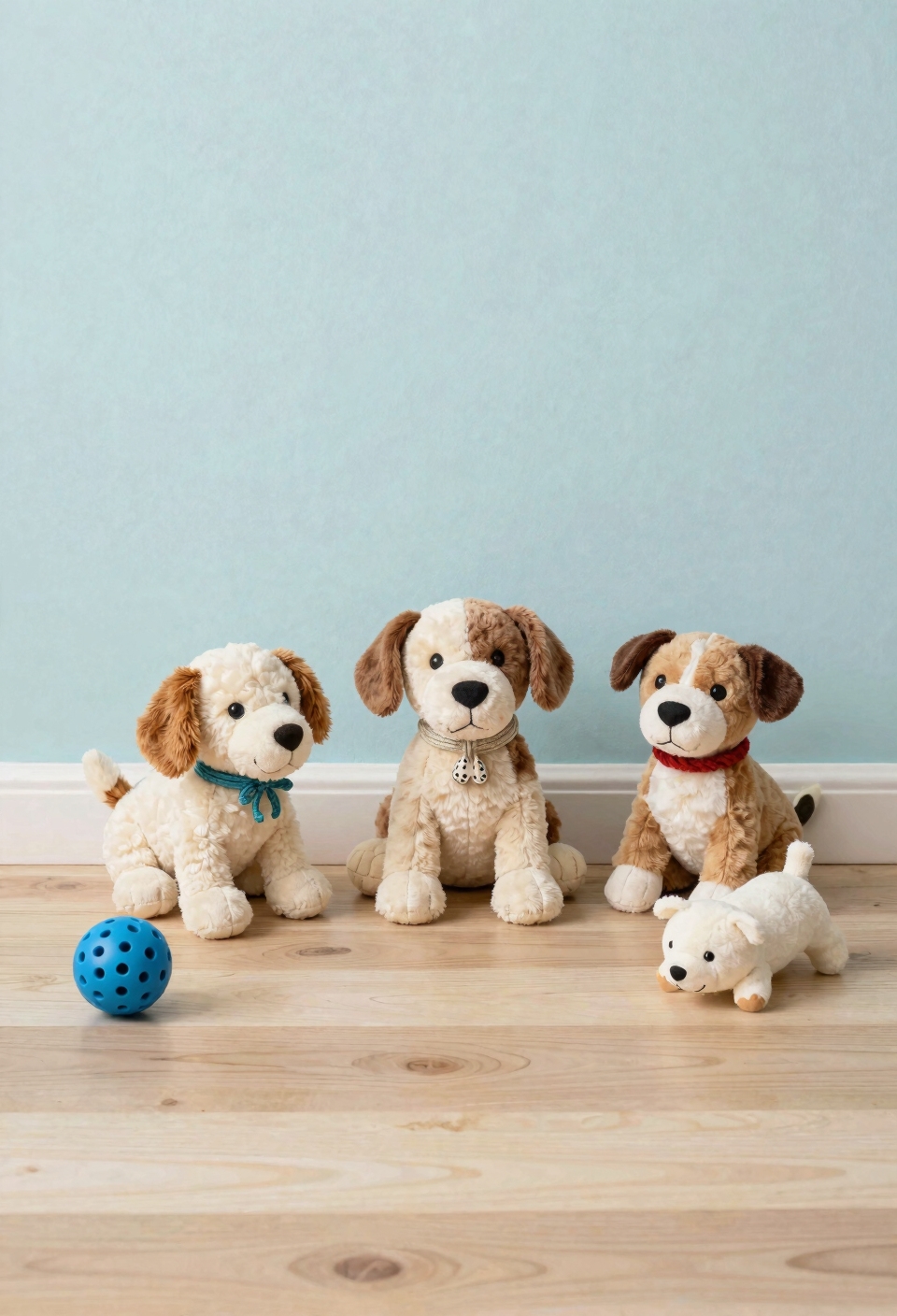
Your puppy’s favorite way to play should basically dictate which rope toy ends up in your cart. I’m sure you’ve noticed that some pups want constant interaction while others prefer solo chewing sessions. That’s where understanding your puppy’s interactive preferences and energy levels really matters.
Now, if you’ve got a high-energy pup who loves tugging with you, grab a knotted rope toy for a solid grip during play. All right, for the independent chewer who’d rather gnaw alone? A braided rope works great. I mean, obviously you want something that matches how your puppy actually behaves, not what some toy company thinks they should do. Match the toy to the player, and you’re basically golden. Just remember that matching toys to chewing strength ensures your puppy stays safe during play and the toy lasts longer.
Mistakes That Make Rope Toys Risky
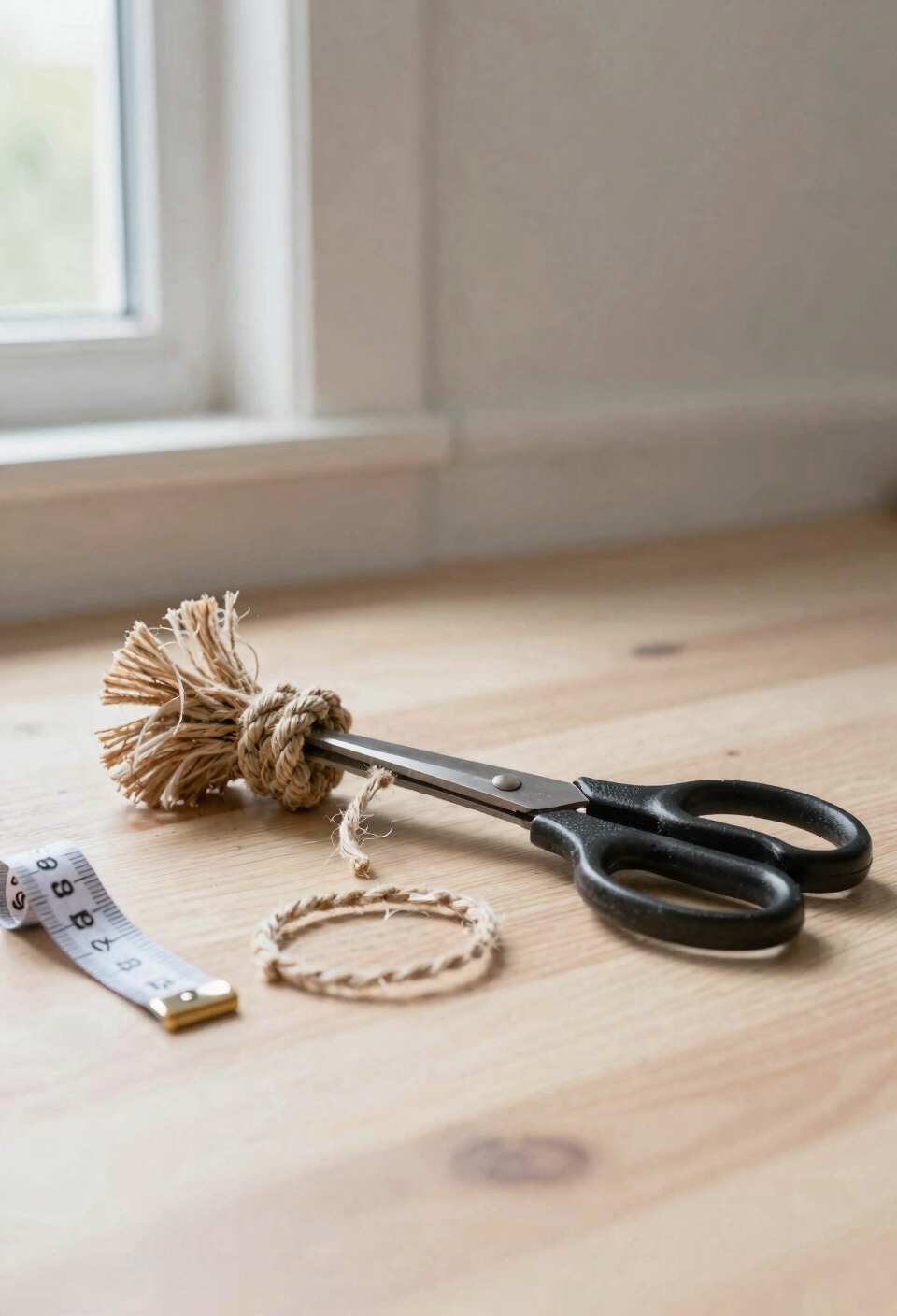
Even the best rope toy can turn into a hazard when we’re not paying attention to how our puppies interact with them. I’m sure you’ve noticed how quickly things can go wrong when ignored supervision happens. Your pup’s innocent chewing session can spiral into real danger pretty fast.
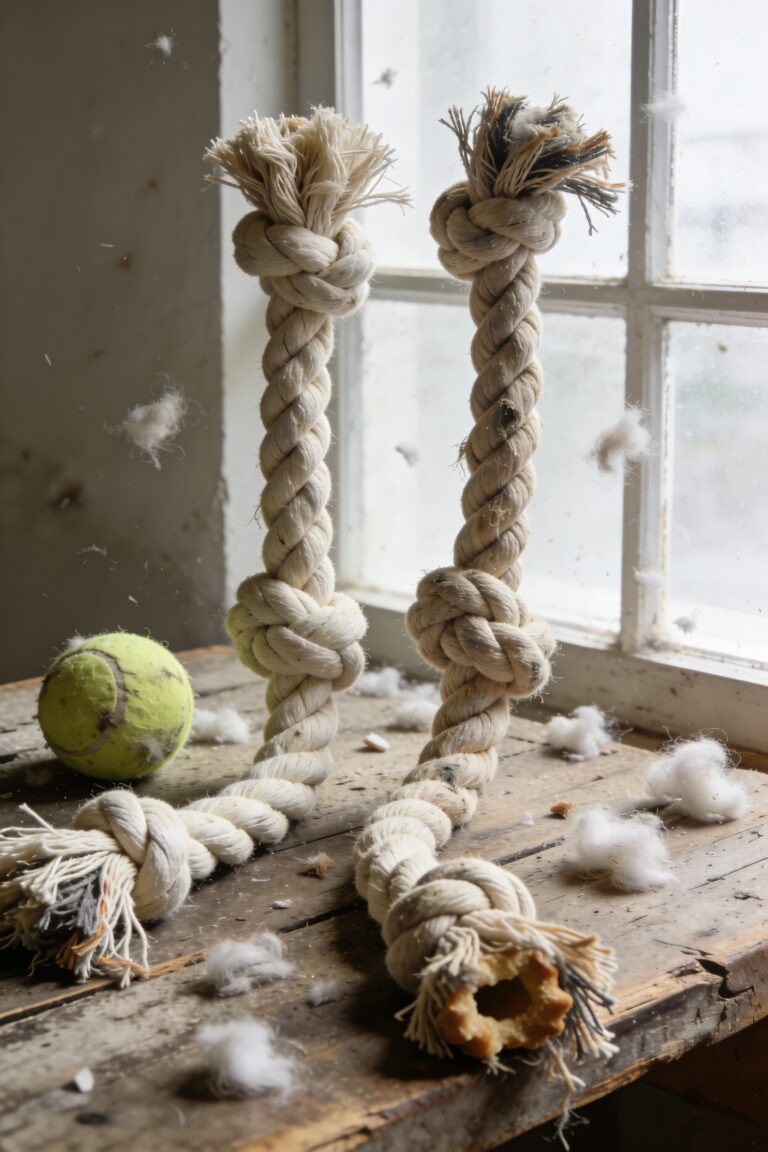
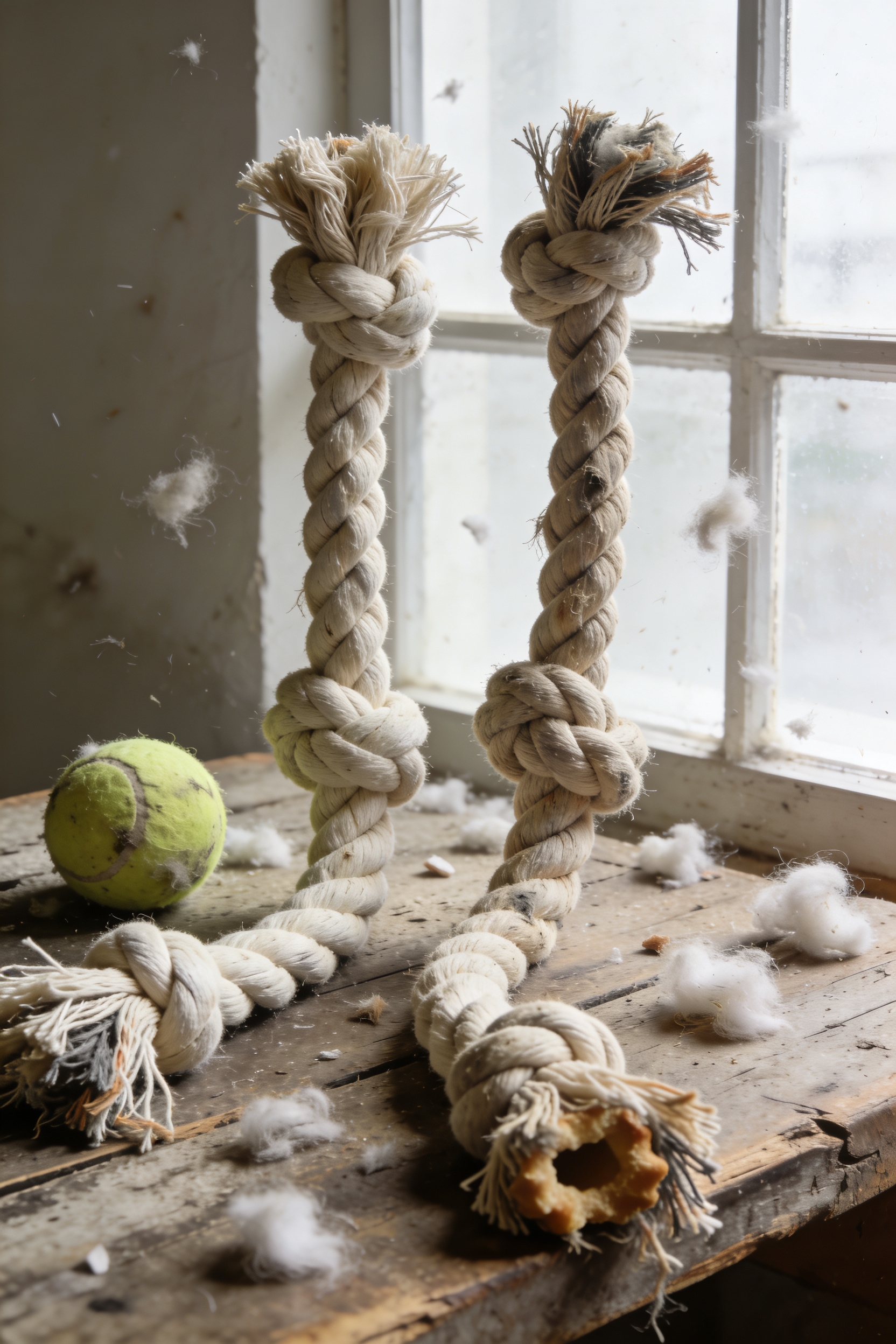
Now, here’s what I see happen most often: puppies swallow loose fibers, which creates intestinal blockages that honestly scare me more than most things. Those strands can also cause entanglement hazards around the tongue or throat—basically a strangulation risk that nobody wants to deal with. All right, so inspect your rope toys constantly for fraying. Replace them the moment they start unraveling. And yeah, watch your puppy while they’re playing. I know it sounds obvious, but I mean it. Don’t just hand over the toy and walk away. Consider choosing stuffing-free designs instead, which eliminate loose fibers and significantly reduce choking and mess risks for developing puppies.
Inspect and Replace Rope Toys Safely
Regular inspection is honestly the difference between a safe toy and a trip to the vet’s office—I’m sure you’ve noticed how quickly a rope toy can go from pristine to falling apart. All right, here’s what I do: I check my puppy’s rope toys every few days for loose threads, thinning spots, or fraying edges. That thread hazard isn’t something to mess around with, since swallowed fibers can cause serious intestinal problems. A swallowed squeaker mechanism can similarly cause intestinal blockages or choking and requires immediate veterinary care.
Now, regular replacement is key. The moment you spot unraveling or missing pieces, it’s time to retire that toy. I mean, puppies aren’t exactly gentle critics. I’ve seen toys that looked fine one day turn into shredded disasters the next. Obviously, you want to replace them before they become a choking risk, not after your pup’s already munching on loose strands.
When to Watch Your Puppy With Rope Toys
So you’ve got your inspection routine down and you’re swapping out the gnarly toys before they become choking hazards—that’s awesome. Now here’s the thing: even the best rope toy needs supervised chewing, especially with puppies. I mean, you can’t just hand your pup a toy and disappear for an hour, right?
Watch for teething indicators like excessive drooling or swollen gums—that’s when your puppy’s most likely to gnaw aggressively and potentially swallow fibers. All right, here’s my take: keep rope toys visible during play sessions. You’ll catch fraying early and spot any strands your pup might’ve already loosened. Gentle tug games are fine, but avoid rough pulling matches. Obviously, unsupervised rope chewing is basically a no-go for puppies. Stay present, stay alert. Remember that reinforced seams and non-toxic materials are key features to look for when selecting rope toys, as veterinarians recommend these safety standards to protect your growing puppy.
When and How Often to Use Rope Toys
Once you’ve got your supervision game locked in, you’ll want to think about *when* your puppy actually needs access to rope toys and how much playtime they should really get. I’m sure you’ve noticed puppies have the attention span of, well, puppies—so shorter, frequent sessions beat marathon chewing marathons. All right, here’s the thing: during key age milestones like teething (around three to six months), rope toys become your secret weapon. I’d suggest rotating them into your schedule frequency maybe two to three times daily, keeping each session to ten or fifteen minutes. Now, this prevents boredom and reduces the odds your pup gets overzealous and starts unraveling the thing like it owes them money. Obviously, you’re adjusting based on your puppy’s energy and development stage. For puppies with developing teeth, you’ll want to prioritize non-toxic, food-grade materials to ensure their safety during extended chewing sessions.
Frequently Asked Questions
At What Age Can Puppies Safely Start Playing With Rope Toys?
I’d recommend starting rope toys around 8-12 weeks old, though age milestones vary by breed. Larger breeds may wait longer, while smaller puppies benefit earlier. I always supervise play closely and choose appropriately sized toys for their developmental stage.
How Do Rope Toys Compare to Other Teething Toy Materials for Puppies?
I’d say rope toys excel at fiber durability and chew engagement compared to rubber or plastic alternatives. They provide gentle gum massage through their texture, while rubber toys offer firmer resistance. Rope’s soft fibers satisfy natural chewing instincts better.
Can Rope Toys Help With Puppy Breath or Bad Odor Issues?
I’ve found rope toys absolutely revolutionize puppy breath through chewing hygiene and natural breath enzymes. They’re not miracle workers, but gentle chewing can help reduce odor by massaging gums and promoting saliva flow that fights bacteria.
What Should I Do if My Puppy Swallows Rope Toy Fibers?
If your puppy swallows rope fibers, I’d recommend you seek veterinary attention promptly. Monitor their stool for signs of obstruction, letharness, or vomiting. Your vet can assess whether intervention’s needed to prevent intestinal complications.
Are There Rope Toy Alternatives for Puppies With Sensitive Gums?
I’d suggest soft silicone and natural rubber toys as gentler alternatives. Like a cushioned bridge easing tender crossings, these materials provide soothing relief for sensitive gums while satisfying your puppy’s chewing instincts without harsh friction.
Conclusion
I’m sure you’ve noticed your puppy’s teething phase hits like a tiny tornado in your home. Now, here’s the thing—a good rope toy isn’t just a toy, it’s your secret weapon against destructive chaos. You’ve got the knowledge to pick winners and spot danger zones. All right, use what you’ve learned, stay vigilant during playtime, and watch your pup transform from a chewing tornado into a well-adjusted dog who actually listens sometimes.