As an Amazon Associate, we earn from qualifying purchases. Some links on this site are affiliate links at no extra cost to you. Our recommendations are based on thorough research and editorial judgment.


Signs Your Chew Toy Is Worn Out and Needs Replacing

I’m sure you’ve noticed that chew toys don’t stay pristine forever—and that’s when the real danger starts, because a worn-out toy isn’t just less fun, it’s a potential health hazard waiting to happen. You’ll want to watch for cracks, missing pieces, sharp edges, and fraying fibers that can injure gums or get swallowed. Now, if the toy’s shrunk, softened weirdly, or smells funky, it’s time to retire it. Obviously, condition trumps whatever the manufacturer suggests—your pet’s individual chewing habits matter way more than a calendar.
Key Takeaways
- Visible cracks, tears, missing parts, or unraveled stitches require immediate disposal to prevent injury.
- Significant shrinkage or deformation can create choking hazards by altering the toy’s fit in the mouth.
- Smooth surfaces becoming rough, gritty, or sharp-feeling indicate degradation and potential gum damage.
- Fraying fibers, loose strands, or excessive fuzzing present dental entanglement and ingestion risks.
- Assess condition weekly through supervised inspection; replace based on wear signs, not manufacturer timelines.
Visible Damage: Cracks, Tears, and Missing Parts
You may be interested
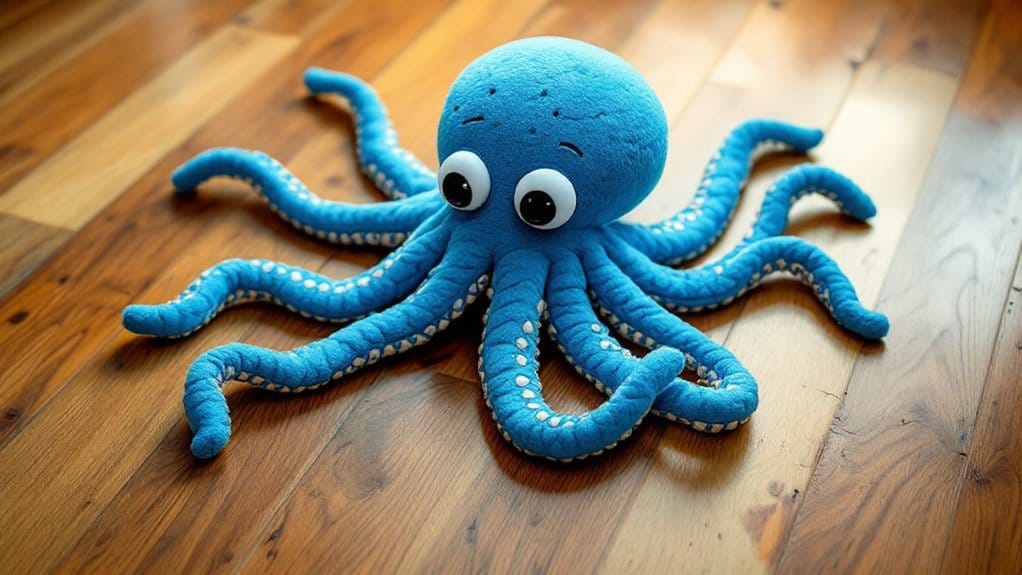
When you’re watching your dog demolish a chew toy like it owes them money, visible damage is honestly the easiest replacement sign to spot—and probably the most important one to actually act on. Cracks and tears are your first replacement triggers because they create jagged edges that’ll shred your dog’s gums or teeth. I mean, that’s not ideal. Missing parts—squeakers, knots, chunks—signal structural failure and mean breakage’s coming fast. Unravelled stitches? Those trap around teeth or get swallowed. Natural fiber toys and ropes can fray and pose ingestion risks that make regular inspection critical. Here’s where your safety inspection matters: check the toy weekly during supervised play. Any part that’s broken off or left a gap where something used to be? That’s your cue to toss it. Don’t overthink it.
Recommended Products

COST-EFFECTIVE 3 PACK WITH MULTIPLE OPTIONS: This 3-pack of dog chew toys provides great value for multi-dog households or as convenient replacements; choose 6/9-pack for even better value. These durable dog toys make a perfect gift for your furry friend, ideal as practical chew toys for dogs and long-lasting dog bones.

Stop Wasting Money on 2-Minute Toys: Engineered for the crushing jaw pressure of 20-80 lb breeds like Labs and German Shepherds, this dual-material bone features a rock-solid nylon core reinforced with a dense rubber sleeve to outlast standard plush toys and finally give you a break from constant replacements
BUILT FOR POWER CHEWERS WHO DESTROY ORDINARY TOYS: Designed for dogs that quickly tear through plush, rubber, and softer chew toys. Made from durable nylon to provide a longer-lasting chewing outlet for strong jaws and determined chewers
Shrinking and Deformation: Why They Create Choking Hazards
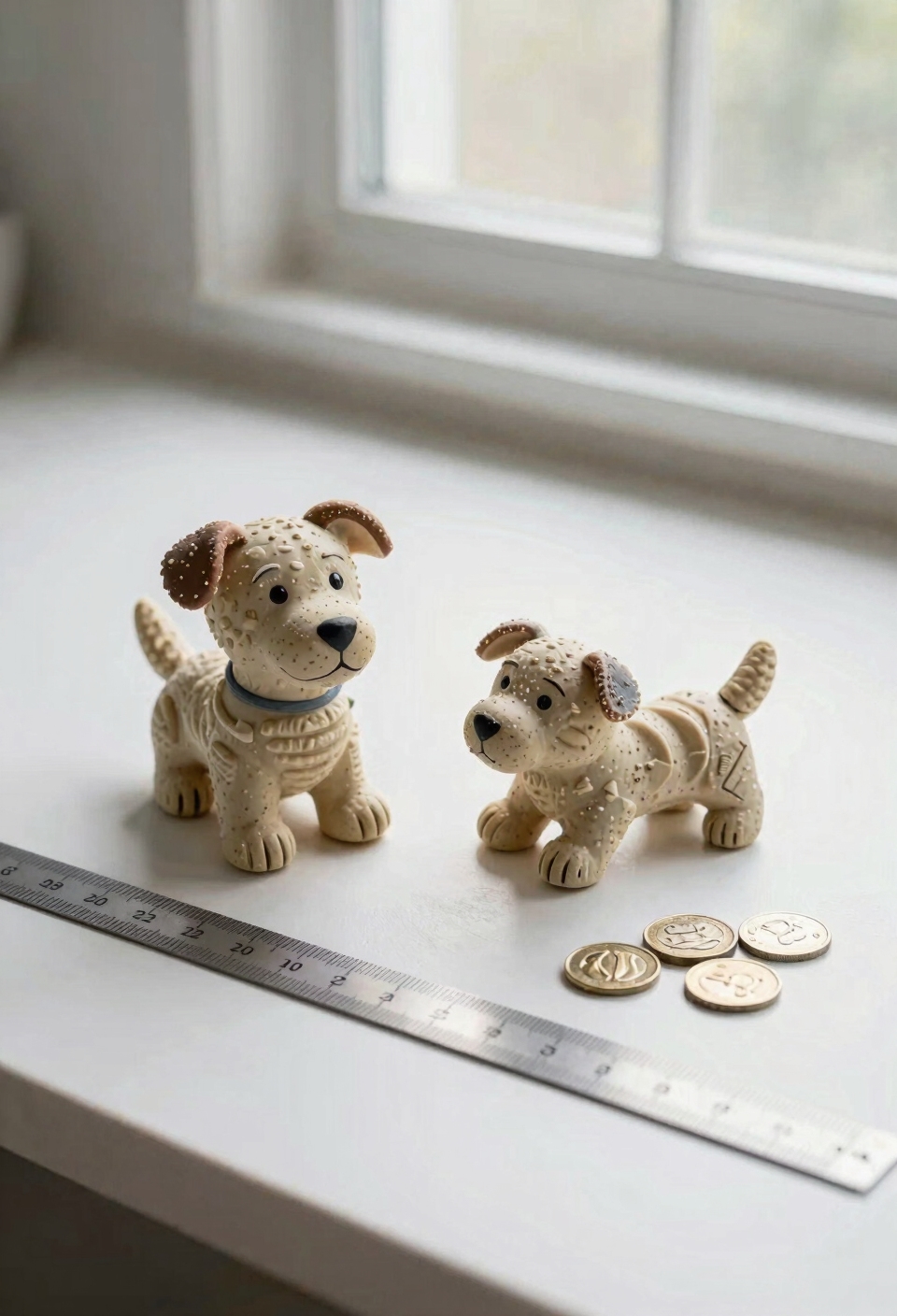
Your dog’s chew toy shrinking down to the size of a golf ball isn’t actually cute—it’s a straight-up choking hazard. I’m sure you’ve noticed how toys wear down with use, but here’s the thing: size distortion changes everything about safety.
When a toy loses its original dimensions through heavy chewing, the mouth fit becomes dangerously unpredictable. What once sat comfortably in your dog’s mouth can now slip toward the throat unexpectedly. Now, structural collapse happens when worn toys lose their rigidity, increasing airway risk during vigorous chewing sessions.
All right, the real problem? A markedly shrunk toy can lodge in your dog’s throat or cause intestinal blockage if swallowed. I mean, that’s genuinely serious. Durable products like natural rubber construction are designed to retain their shape and bounce, but even the best toys eventually wear down with aggressive chewing. Toss it before it becomes an emergency vet visit.
Sharp Edges and Rough Textures That Demand Retirement
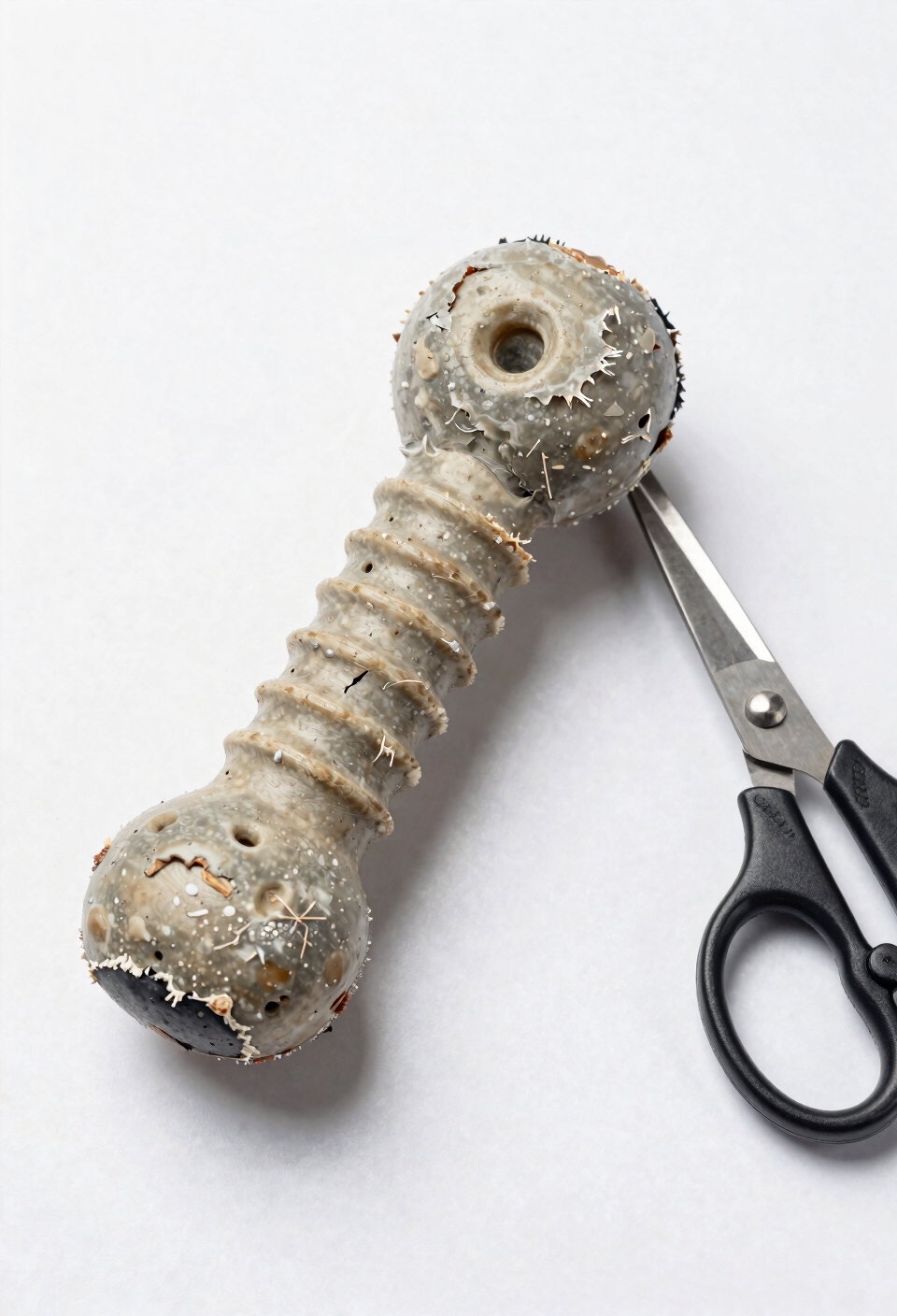
As your dog’s chew toy breaks down, the surface texture transforms from safe and smooth to something that resembles sandpaper—or worse, a medieval weapon. I’m sure you’ve noticed how toys can go from perfect to sketchy in what feels like overnight.
Now, here’s the thing: abrasive edges aren’t just uncomfortable. They actually cause dental irritation and can scrape your dog’s gums and mouth during chewing. All right, so if you run your finger across the toy and it feels gritty or sharp, that’s your sign to toss it.
Brittle plastic or rubber can splinter too, which means your pup could swallow fragments. Obviously, you want to catch this before it becomes a problem. Regular inspection recommended to identify heavy damage or choking risks before they escalate. When a toy stops feeling smooth, it’s genuinely time to retire it.
When Material Softens or Hardens: Signs of Failure
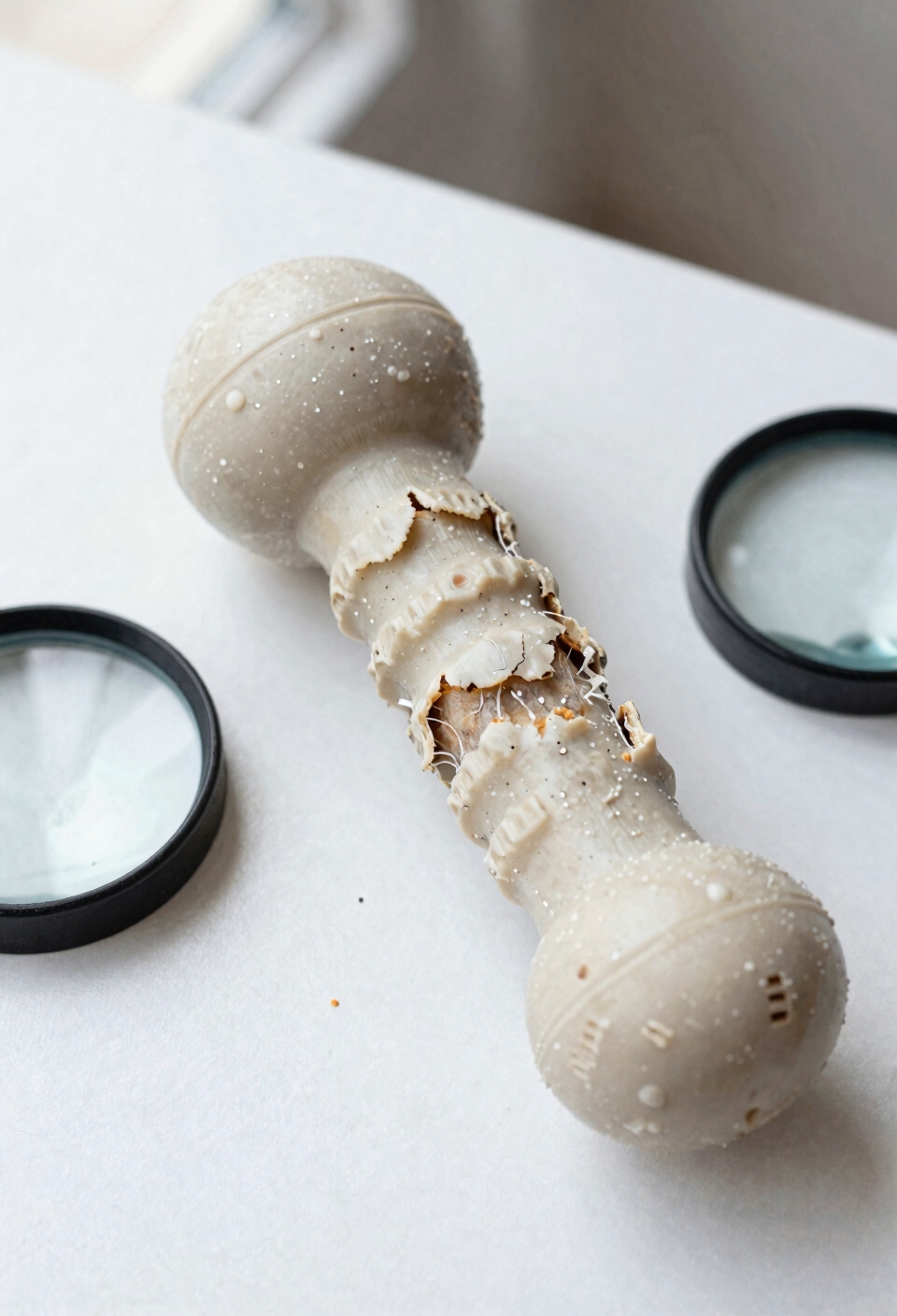
Watching a chew toy lose its structural integrity is kind of like seeing a bridge slowly collapse—except way less dramatic and way more gross. Now, here’s the thing: rubber and plastic aren’t immortal. They degrade over time through material fatigue and thermal degradation, especially if your pup’s been gnawing away in the sun or chewing during hot months.
When rubber softens, your dog’s teeth can pierce right through it, and suddenly you’re fishing strips out of their stomach. On the flip side, hardened toys crack and splinter into nasty sharp fragments. I’m sure you’ve noticed when a toy loses that original firmness—that’s your signal. A toy that’s gone mushy or rock-hard isn’t safe anymore, regardless of how it looks on the surface. Regular inspection for wear and tear is essential, as veterinarians recommend checking for reinforced seams and other structural weaknesses that compromise safety. Time to retire it.
Watch for Fraying, Fuzzing, and Loose Fibers

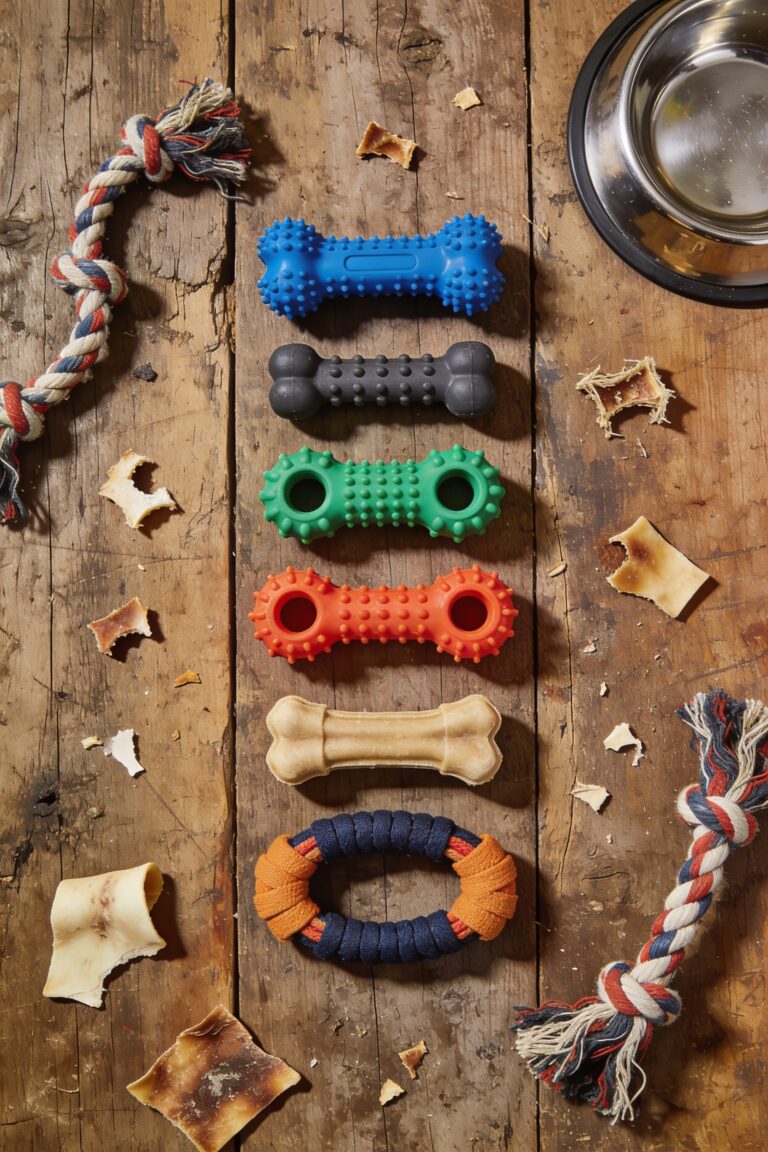
Rope toys and plush buddies are basically designed to eventually fall apart—I mean, that’s kind of the whole point of them being soft and chewy—but there’s a difference between normal wear and “oh no, my dog just inhaled a sock’s worth of fibers.” Once you start noticing loose strands hanging off the toy like it’s shedding its winter coat, that’s your cue to pull it from rotation.
I’m sure you’ve noticed how rope toys fray naturally, but when those strands come away easily in your hand? That’s dental entanglement territory. Long fibers can wrap around your dog’s teeth or lodge between molars, and swallowed strands risk fiber ingestion, which nobody wants. Same goes for plush toys that fuzz excessively—they become impossible to keep genuinely clean. Regularly inspect toys for damage and replace worn toys to prevent choking hazards and other health complications. All right, retire them before they become a vet visit waiting to happen.
Hygiene Red Flags: Mold, Odors, and Stubborn Dirt
Even if a toy looks relatively intact on the surface, what you can’t see—or smell—might be reason enough to toss it. I’m sure you’ve noticed that funky odor creeping in after weeks of chewing—that’s your mold prevention failing. Odor sources typically hide in crevices and stuffing where moisture gets trapped and bacteria thrive. Now, here’s the thing: deep cleaning might temporarily help, but if that stench comes roaring back, the toy’s done. Obviously, visible mold is an immediate red flag. I mean, you wouldn’t eat moldy bread, so why let your dog chew it? Heavy dirt buildup that won’t wash away signals the material’s degraded beyond safe play. Toys with dishwasher-safe construction are easier to maintain and can help prevent hygiene issues from developing in the first place. When hygiene becomes a losing battle, replacement time isn’t optional—it’s necessary.
Inspect During Play: Spotting Wear Before It Becomes Dangerous
Catch wear early by keeping your eyes peeled during supervised inspection—seriously, this is where you’ll spot the trouble before it spirals into a safety issue. I’m sure you’ve noticed how dogs give you interactive cues while they’re chewing. Pay attention to those moments. If your dog suddenly drops the toy, loses interest, or starts pawing at their mouth, something’s probably wrong. Watch for hesitation before they bite down, which can mean sharp edges or loose bits are making them uncomfortable. Now, I mean really watch—not just glance over while scrolling your phone. You’re looking for the stuff that inspection can’t catch under normal light: hairline cracks appearing, stitches unraveling mid-chew, or texture shifting. Remember to inspect toys monthly like checking car tires to catch deterioration before it becomes a serious problem. All right, catching these early stops minor wear from becoming a choking hazard.
Replace Based on Condition, Not Calendar Days
Your dog’s chew toy doesn’t care about the calendar. I mean, sure, you could swap it out every month like clockwork, but that’s honestly missing the point. What actually matters is your dog’s usage patterns and bite force. A gentle chewer might get three months from a toy, while a power-jawed destroyer could obliterate one in weeks. I’m sure you’ve noticed this yourself. Now, here’s the thing: replacing based on condition means you’re actually paying attention to what’s happening. That worn-down knuckle or fraying rope? That’s your signal, not some arbitrary date. Your dog’s individual habits should drive your replacement schedule, not some manufacturer’s suggestion or my recommendations. Watch for sharp edges forming over time, as nylon and rubber materials can develop hazards with aggressive chewing. Obviously, condition trumps calendar every single time.
Frequently Asked Questions
How Often Should I Rotate Chew Toys to Prevent Excessive Wear on Any Single Toy?
I’d recommend rotating toys regularly through scheduled swaps to extend each one’s lifespan. By offering play variety and alternating which toys your dog accesses daily, you’ll distribute wear evenly and catch damage earlier.
Can I Donate or Repurpose Worn-Out Chew Toys Instead of Throwing Them Away?
I’d advise against donating damaged chew toys to charity donations since they’re unsafe for pets. However, you can upcycle projects—repurpose materials for crafts, pet bedding, or cleaning rags instead of discarding them entirely.
What’s the Safest Way to Dispose of Damaged Chew Toys My Dog Can’t Use?
I’d recommend placing damaged chew toys in your regular trash bin for eco disposal while ensuring hazard mitigation. This prevents your dog from accessing them. If they’re mostly intact, check if local shelters or rescue organizations accept donations for textile recycling programs.
Are There Specific Chew Toy Brands That Last Longer Than Others for Strong Chewers?
I’ve found Kong durability and Benebone longevity stand out for strong chewers. Both brands engineer toys to withstand intense chewing. However, I’d still inspect them regularly since individual chewing intensity varies greatly among dogs.
How Can I Tell if My Dog Swallowed a Piece From a Damaged Chew Toy?
I’d keep my eyes peeled for choking warning signs like gagging or difficulty swallowing. Watch for abdominal discomfort indicators such as vomiting, lethargy, or loss of appetite—these suggest your dog needs immediate veterinary attention.
Conclusion
All right, here’s the thing—your pup’s favorite toy won’t last a million years, no matter how indestructible you thought it was. I’m sure you’ve noticed that worn-out chew toys can literally turn into a choking hazard overnight. So don’t wait for your vet to tell you it’s time. Replace toys when they’re falling apart, not when your dog’s swallowing pieces. Your dog’s safety beats nostalgia every single time.