As an Amazon Associate, we earn from qualifying purchases. Some links on this site are affiliate links at no extra cost to you. Our recommendations are based on thorough research and editorial judgment.

How to Play Tug Safely Without Encouraging Aggression

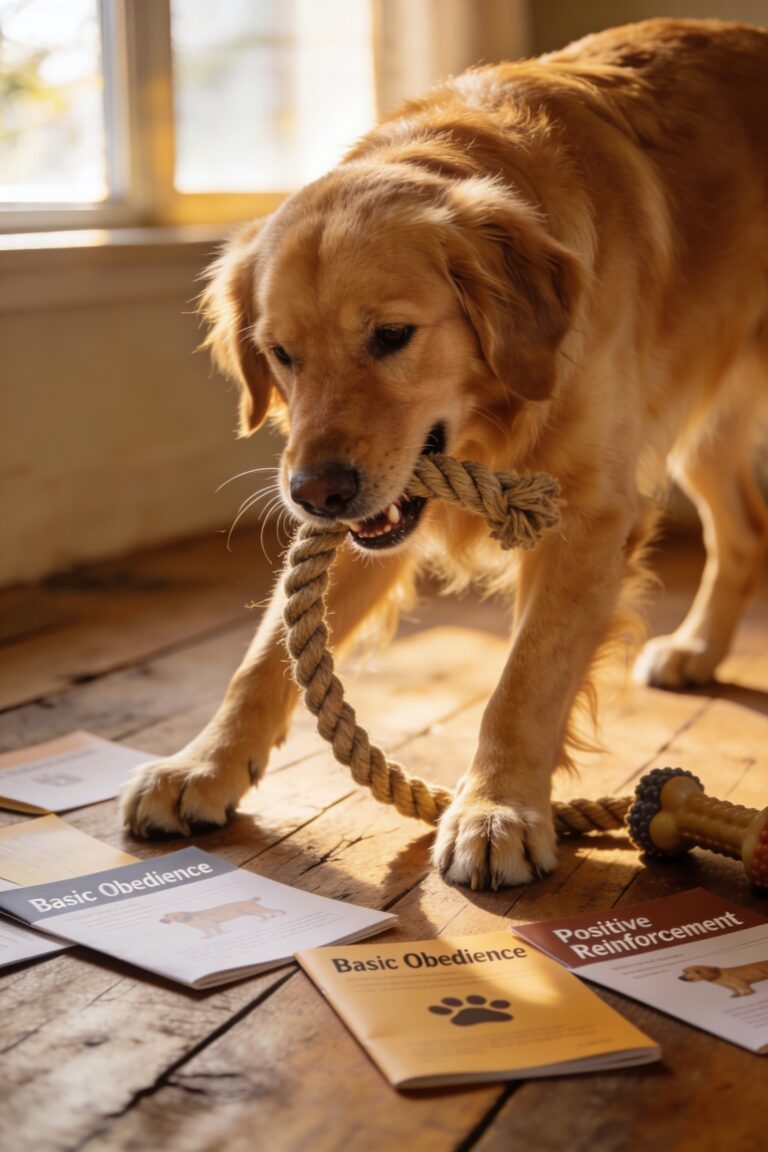
tug doesn’t create aggression—it actually builds trust when you play it right. I’m sure you’ve noticed the myth floating around, but research shows that controlled tug teaches your dog that interacting with you is fun and safe. The key? Stop immediately if teeth touch skin, use a clear start and stop cue, and match the intensity to your dog’s size. Stick to low, horizontal movements instead of wild yanking, and you’ll have a game that strengthens your bond without the drama—though there’s definitely more to nail down for perfect technique.
Key Takeaways
- Stop play immediately whenever teeth contact skin to establish that mouthy behavior ends the game.
- Use low, side-to-side movements instead of violent yanking to keep play controlled and safe.
- Teach clear start and release cues so you maintain control over when play begins and ends.
- Choose toys with long handles and durable materials to reduce accidental contact with hands.
- Pause tug during health concerns, vet appointments, or overstimulation to keep play appropriate and injury-free.
Tug Play Doesn’t Cause Aggression
You may be interested
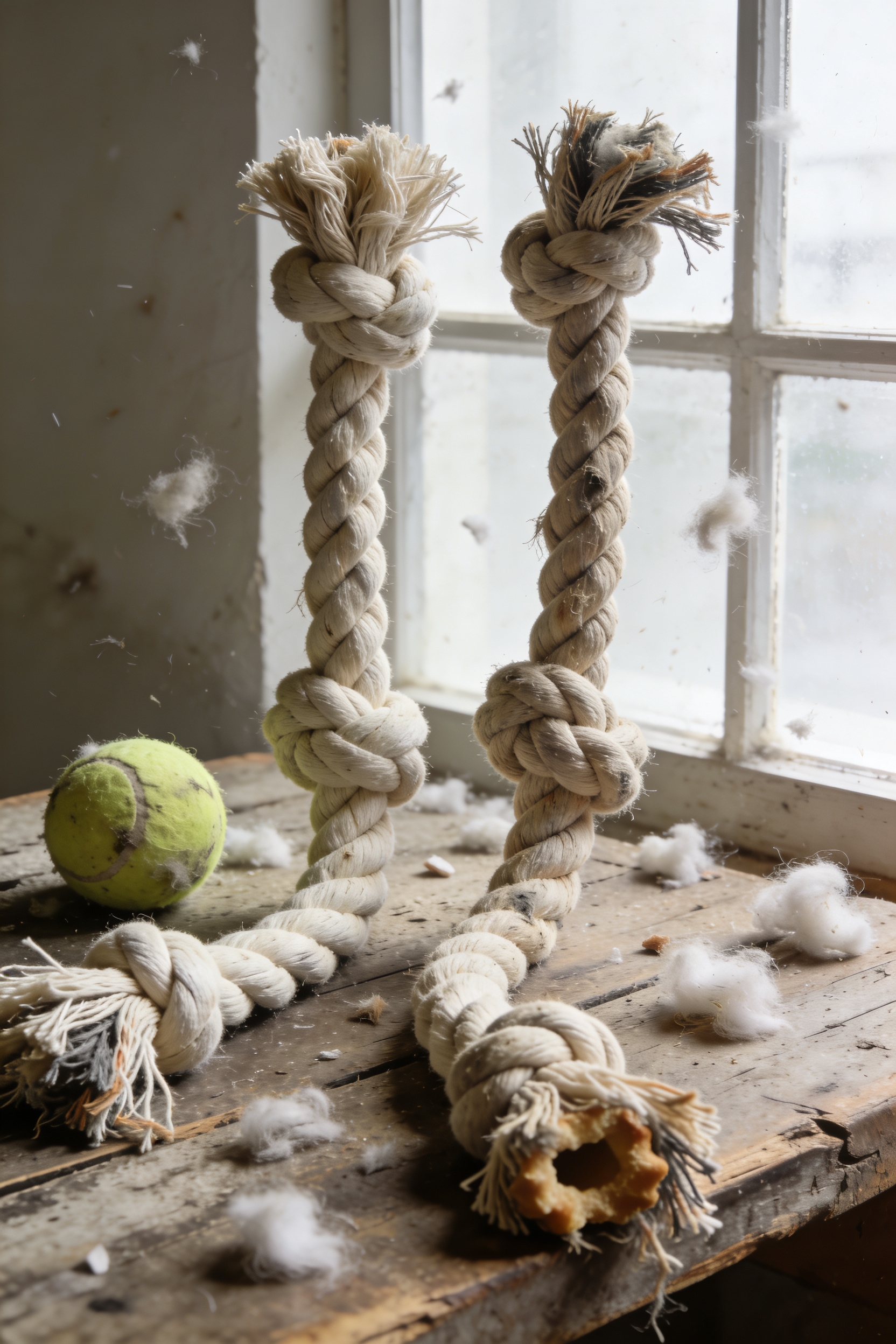
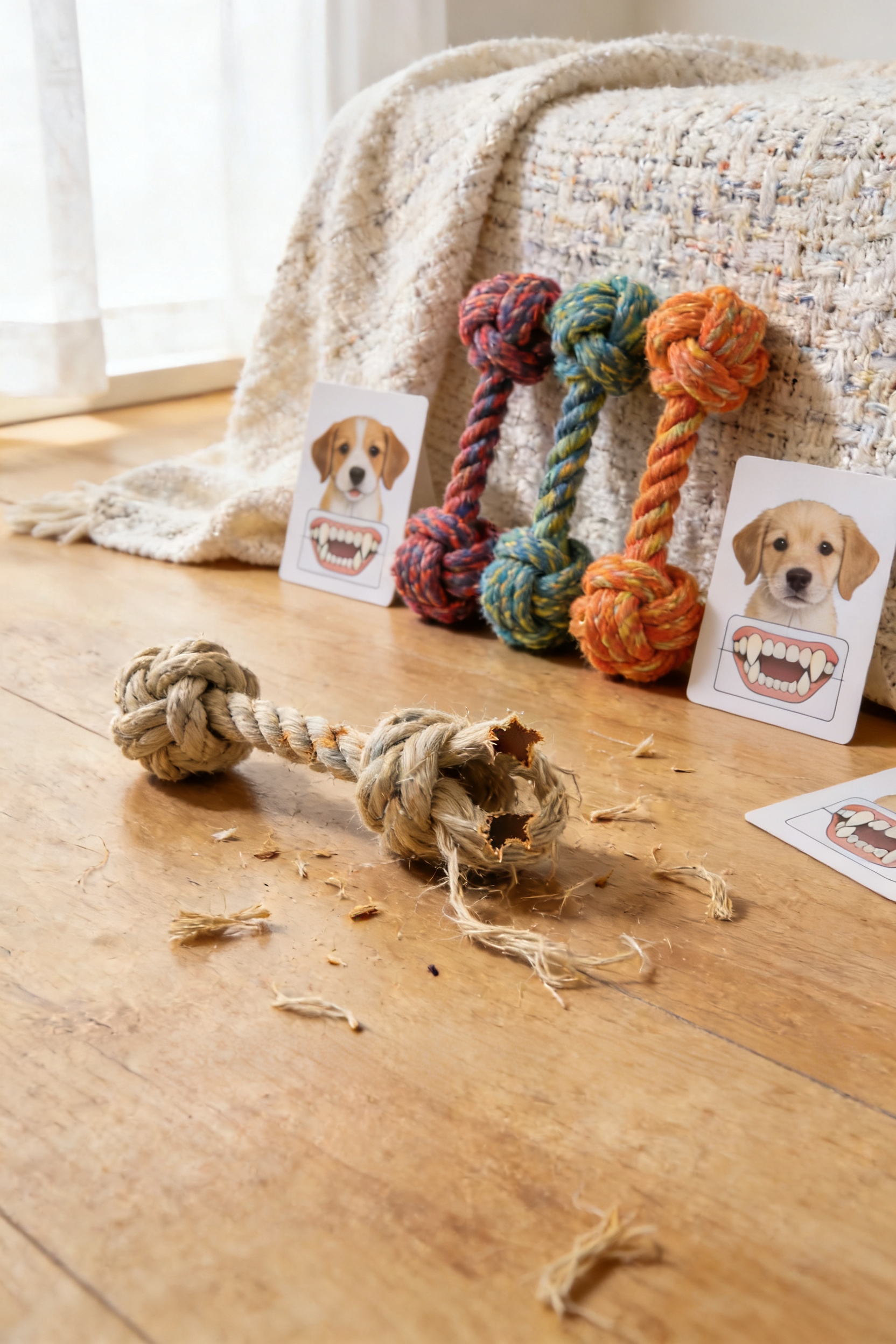
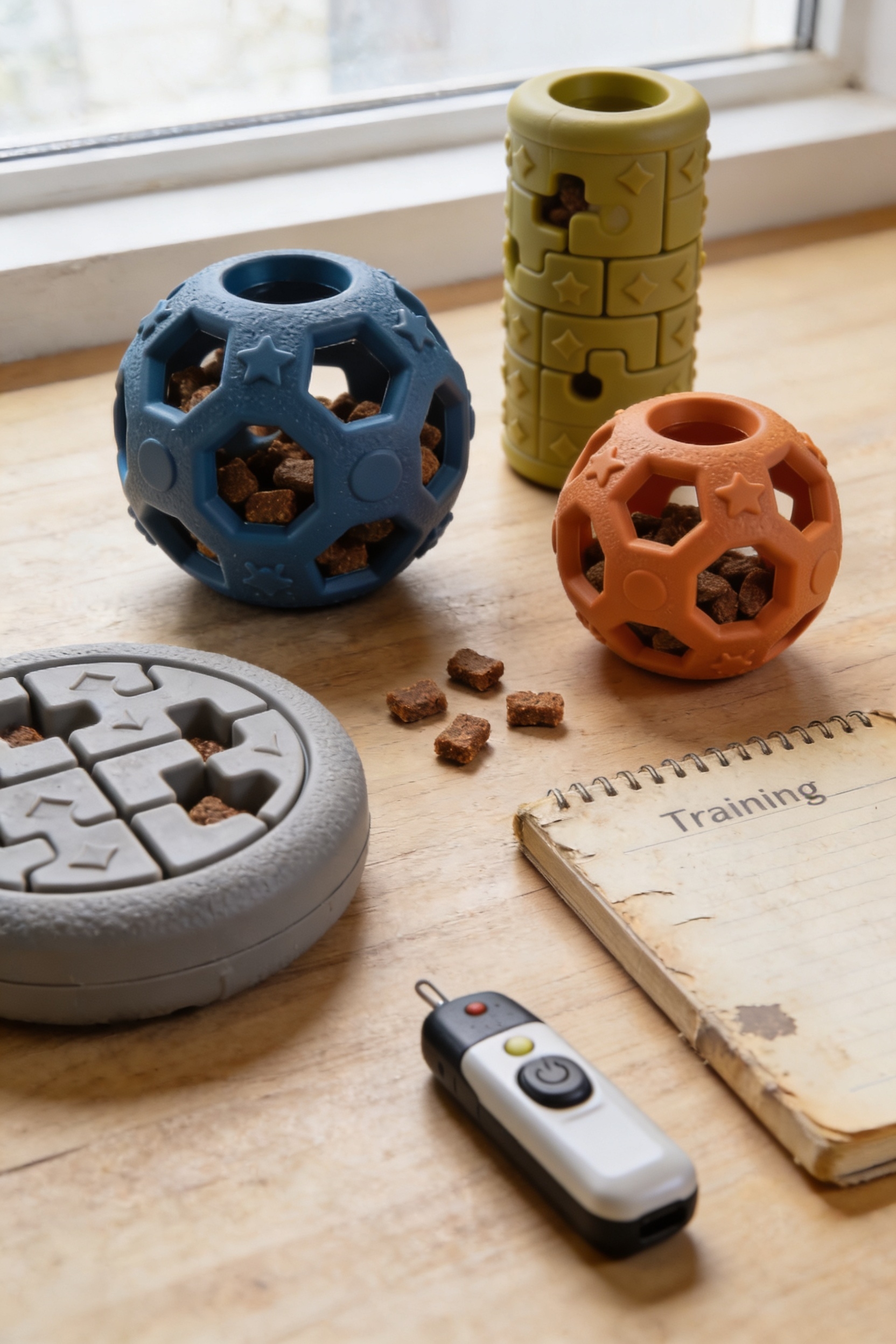
Here’s the thing about tug—I’m sure you’ve noticed that myth floating around about how it’ll turn your dog into some kind of aggression machine. It won’t. I mean, research pretty consistently shows that tug play doesn’t cause aggression when you’re doing it right. You’re actually building positive play associations with your dog, which is the opposite of what aggression looks like.
Now, breed differences matter here too. Some dogs are naturally more intense players than others, but that’s just their temperament—it’s not something tug creates. What actually happens is you’re teaching your dog that interacting with you is fun and controlled. You’re establishing trust, honestly. So yeah, forget that myth. You can play tug without accidentally turning your pup into a furry problem.
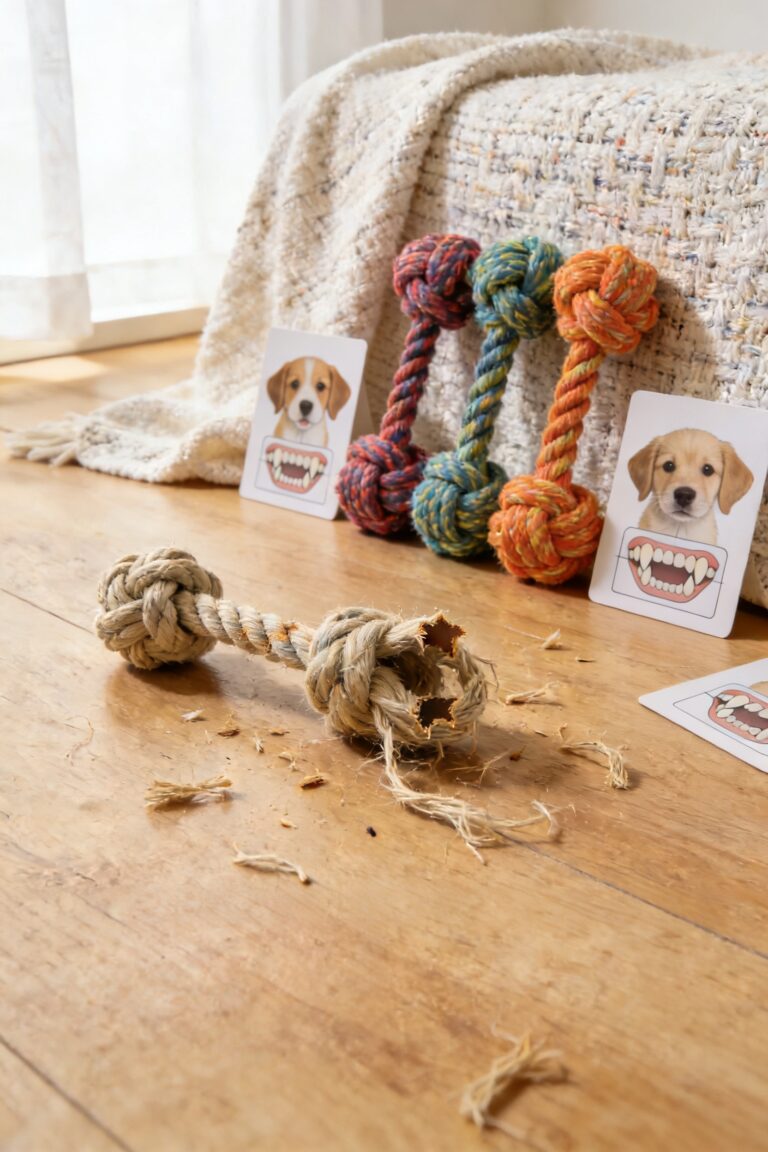
When selecting a tug toy, consider your dog’s chewing style to ensure the toy will withstand your play sessions and keep your dog safe during interactive play.
Physical Boundaries in Tug Play Prevent Injury
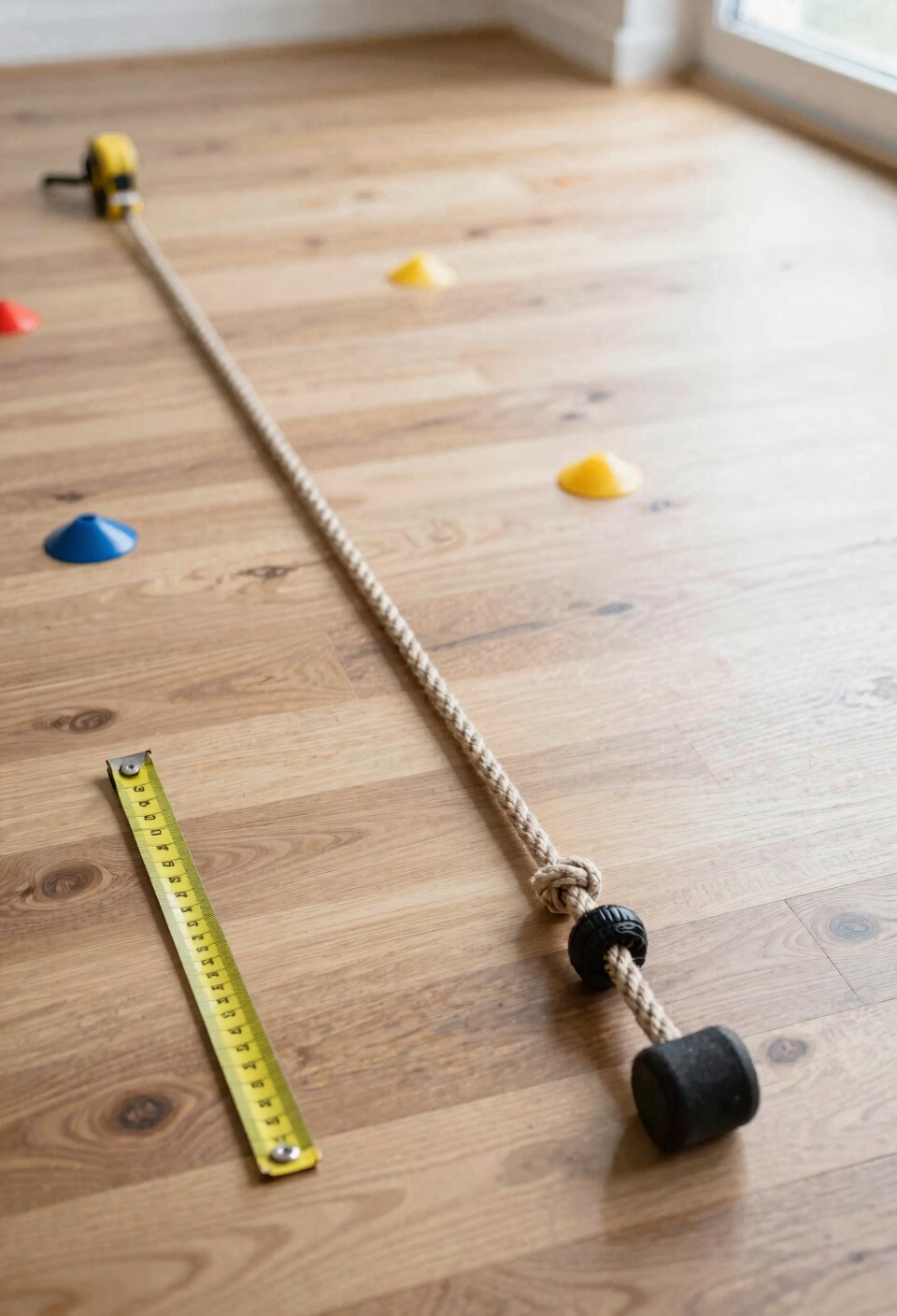
Now that we’ve established tug won’t turn your dog into an aggression machine, let’s talk about something that actually matters—keeping your dog’s body safe while you’re playing.
I’m sure you’ve noticed some dogs go all-out during tug, and that’s where things get risky. Your dog’s neck and spine aren’t made for violent yanking or extreme up-and-down movements. Instead, stick with low impact movements—think side-to-side motion that lets your dog do the pulling while you hold steady.
Keep the toy at a spine safe positioning, staying low and horizontal. Avoid lifting high enough for your dog to hang from it. Match intensity to their size and build, use smooth motions instead of jerking, and you’ll keep playtime fun without the vet visit. When playing tug with larger or more powerful dogs, consider using a heavy-duty dog leash as your tug toy to ensure the equipment can withstand intense pulling without breaking.
Recommended Products

Tangle-Free Design: Enjoy worry-free walks with our 360 tangle-free retractable tape leash, ensuring smooth and hassle-free movement
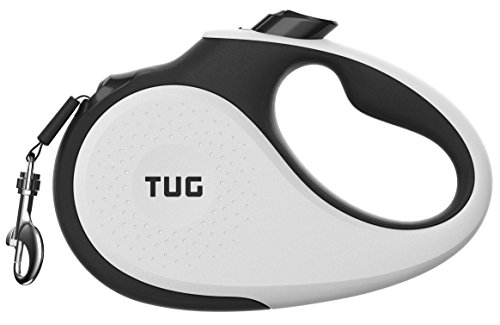
Small Leash is Suitable for Dogs Under 35 lbs; Medium For Dogs Under 55 lbs; Large For Dogs Under 110 lbs; Retractable Leashes Not Suitable For Chewing
Small Retractable Dog Leash is Suitable for Dogs Under 35 lbs; Medium For Dogs Under 55 lbs; Large For Dogs Under 110 lbs; Retractable Leashes Not Suitable For Chewing
Stop the Game Immediately If Teeth Touch Skin
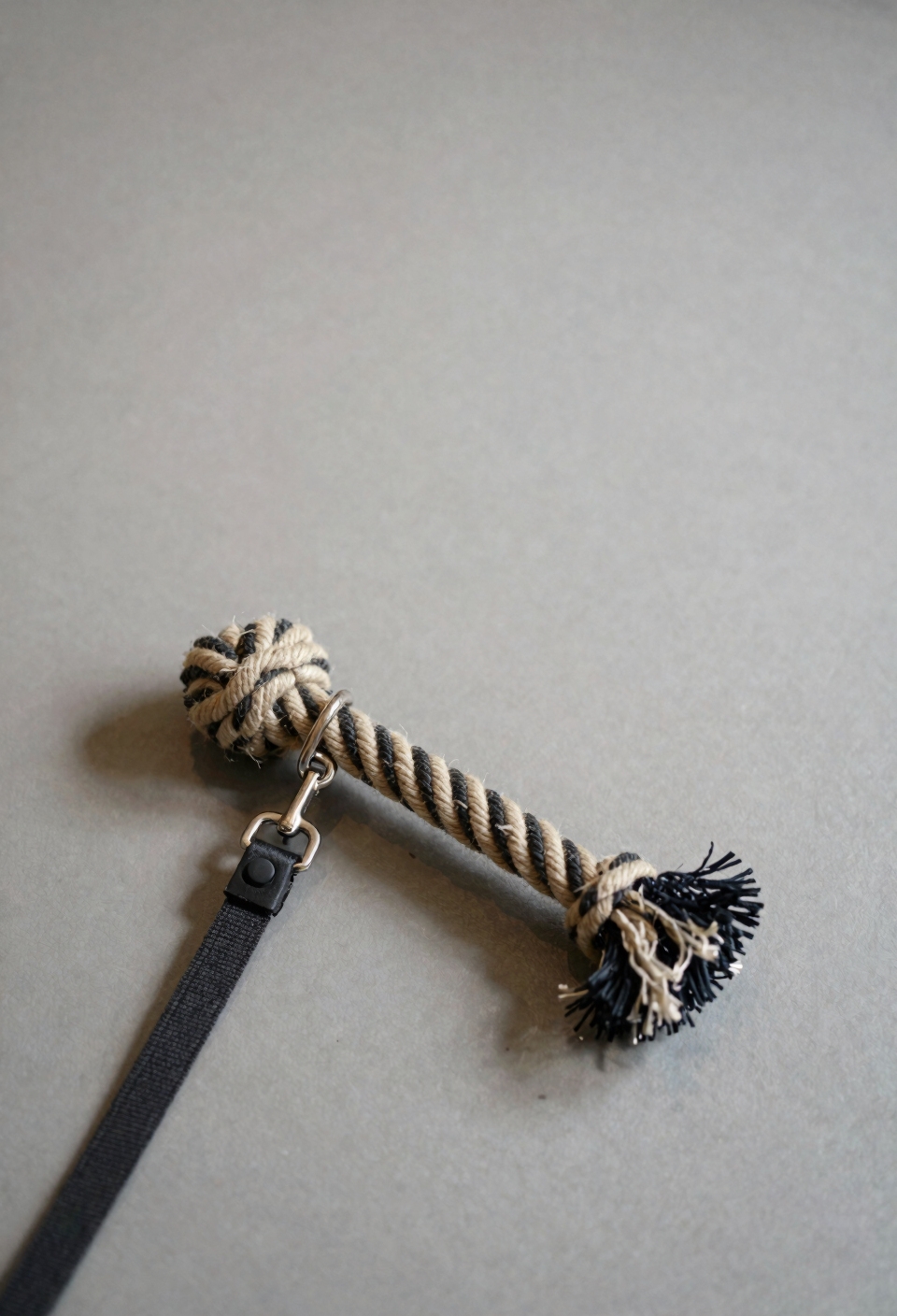
Every single time your dog’s teeth make contact with your skin, hands, arms, legs, or even your clothing, you’ve got to hit the brakes on tug right then and there. I know it sounds harsh, but those moments are gold for teaching bite inhibition. A brief time-out—like thirty seconds of ignoring your pup—helps them connect the dots between mouthy behavior and the game ending. Now, if accidents keep happening, consider wearing bite gloves during sessions. They protect your hands while you teach time outs consistently. Repeated contact in one session? Stop for the day. Your dog needs to learn that teeth on skin means game over, period. This clear boundary builds better control and keeps everyone safer long-term. For dogs prone to destructive chewing during downtime between play sessions, providing durable nylon toys can redirect their natural urge to bite into appropriate outlets rather than your hands or clothing.
Recommended Products
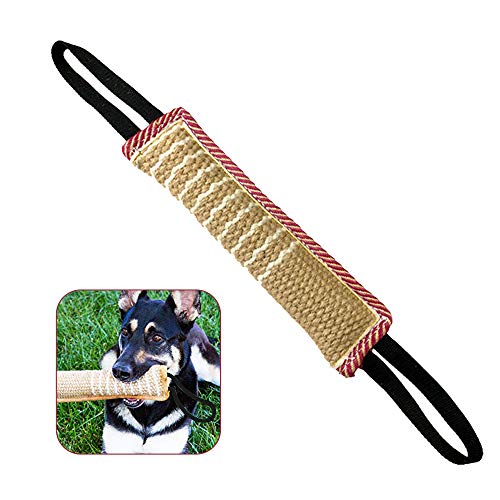
OUT OF THE ORDINARY: High quality dog bite tug toy with double stitching and a tough biting sleeve surface made of jute, withstand the daily tugging. 2 rope handles is comfortable and easy to grip, full control and stability.

Extra Durable & Safe - Our dog tug toy with double stitching is made of the highest quality jute material to ensure that your dog will never tear it when having fun. Biting surface is super tough yet soft for canine's teeth, to keep both of you absolutely safe.

Durable Leather Construction: Made from Kevlar reinforced leather for maximum protection and grip
Control When the Game Starts and Stops
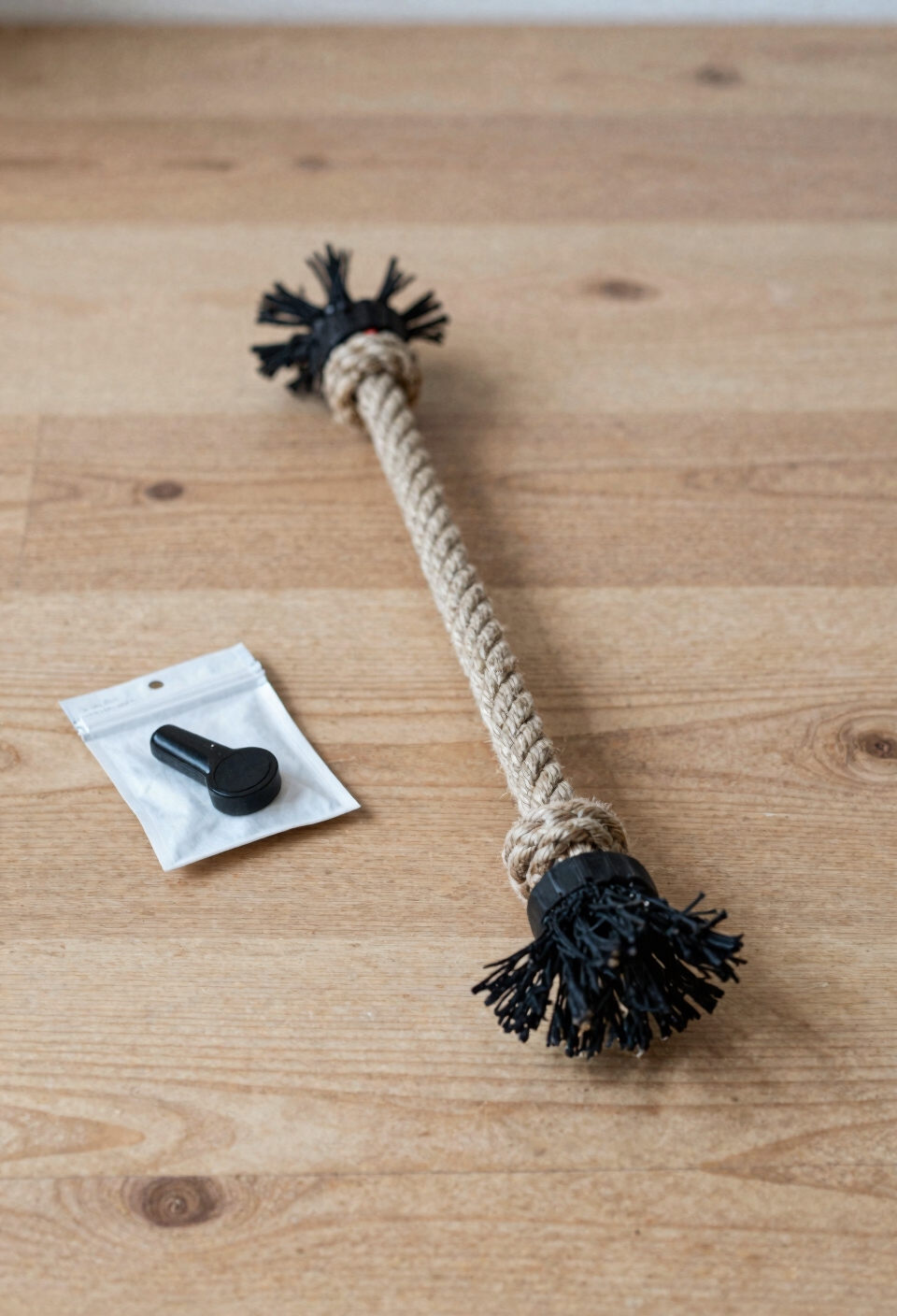
While it might feel natural to let your dog grab the toy whenever they want, you’re actually missing out on one of the most powerful training tools tug has to offer. I’m sure you’ve noticed that dogs respond way better when they know the rules. That’s where a start cue comes in—something like “get it” tells your dog the game’s officially on. Now, here’s the real game-changer: release training. A clear release cue such as “out” or “drop” teaches your dog that you control when playtime ends, not them. All right, I know it sounds a bit bossy, but it’s actually about communication. When you manage the on-and-off switch, your dog learns tug is a privilege they earn through good behavior, not something they can demand whenever they feel like it. Using a durable tug toy like one with Control-Flex technology prevents dangerous snap-back during intense games, ensuring safe interactive play for both you and your dog.
Recommended Products

Tug of War Dog Toy: One Chuckit! Ultra Ball is attached to the end of a durable two-ply nylon cord handle to specifically designed to take fetch and tug of war to the next level. Not a chew toy; always supervise your dog when playing with this toy

★ 【The Most Dominant Rope Toy】The large dog rope toy is 24 inches in length with 5 knots, the plastic handle is a plus for pet owners to interact with dogs. 2 rope branches allows to play tug of war with two dogs simultaneously. The best dog chewing rope for small medium and large dogs.

FETCH MEETS TUG-OF-WAR: The Ultra Tug Duo combines two Ultra Balls with a tough two-ply nylon strap, perfect for fetch, tug-of-war, and pack play between two dogs. Compatible with medium Chuckit! ball launchers, it offers endless ways to keep your dog active and engaged.
Choose the Right Toy and Handle Length
Not all tug toys are created equal, and trust me, I’ve learned this the hard way after watching my own dog nearly yank my shoulder out of its socket with a wimpy little rope toy that offered zero handle grip. Long handles are your best friend here—they keep your hands safely away from those chompers. I mean, the distance alone reduces accidental teeth-on-skin contact, which is basically half the battle.
Now, fabric texture matters too. You want something with decent grip that won’t slip through sweaty palms mid-tug. A braided or textured handle gives you actual control instead of wrestling a greased-up noodle. Bungee handles are fantastic if your dog pulls like a sled team. Obviously, match the toy size to your dog’s mouth. Get this right, and you’re not just playing safer—you’re setting yourself up for way better games overall. Materials like tough nylon or rubber are particularly effective for maintaining durability during intense tug sessions with powerful chewers.
Recommended Products

Nearly 5 ft long durable rope toy

Bite tug toy supports training, interactive play, and helps build bite strength and focus.

Tug Toy for Dogs: This unique natural rubber dog toy encourages interactive play sessions; perfect for indoor and outdoor playtime
Match Tug Intensity to Your Dog’s Body and Age
Tugging with a five-pound Chihuahua demands a completely different approach than tugging with a seventy-pound Labrador, and I’m sure you’ve noticed that what feels like a gentle game to one dog can absolutely wreck another’s neck and shoulders. I mean, strength variations between breeds are pretty wild. Puppies especially need gentler motion since their joints and bones are still developing through growth milestones. You’re basically working with a skeleton that’s not fully formed yet. Large dogs can handle more force, but that doesn’t mean you should go full Hulk mode. Even big guys benefit from controlled, side-to-side play rather than violent yanking. Consider using ergonomic rope toys designed specifically for tug-of-war that distribute force evenly across your dog’s mouth and jaw. The rule I stick to? Let your dog’s size and age guide your grip pressure and movement speed, not your ego.
Reward Calm Play, Not Wild Excitement
Now, here’s the thing—once you’ve got the intensity dialed in for your dog’s size and age, you’re probably thinking you can just let the game rip whenever your pup wants to play. Not quite. I mean, rewarding calm cues is where the real magic happens. When your dog grabs the toy politely instead of launching at it like a furry missile, that’s your moment. Praise hard. Keep your reward timing tight so they connect the dots between chill behavior and good stuff happening.
Obviously, you want them excited enough to actually play. But if they’re bouncing off walls and losing their mind, pause everything. Let them reset. Resume only when they’ve dialed it back. Short bursts work best here. You’re basically teaching them that controlled enthusiasm gets more playtime than absolute chaos. It’s counterintuitive, but it works. Consider using textured surfaces on your tug toys, as they can provide the dental health benefits of controlled chewing while maintaining engagement during calm play sessions.
When to Pause or Skip Tug Altogether?
Even though tug‘s a fantastic game when it’s dialed in right, there are definitely times when you should pump the brakes or skip it entirely. I’m sure you’ve noticed your dog’s behavior changes throughout the day—that’s your signal to pay attention.
Now, health checks matter big time. If your dog’s recovering from an injury or your vet’s flagged neck issues, tug’s off the table. Scheduling conflicts with vet appointments or physical therapy? Obviously, you’re pausing play that week.
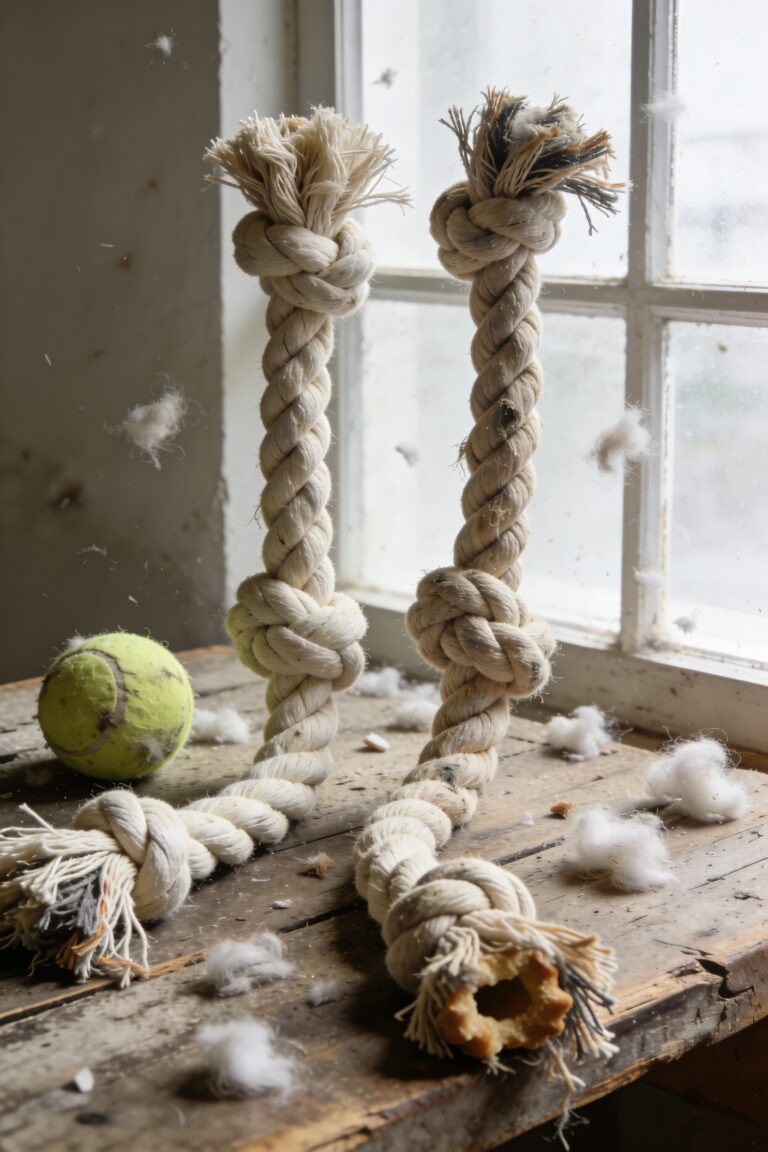
Watch for signs you should stop: excessive excitement you can’t dial back, teeth making contact with skin, or your pup getting frustrated. Even if you’ve got the perfect toy and technique down, a tired or overstimulated dog doesn’t need tug. Make sure to regularly inspect toys for damage and replace them when worn to prevent choking hazards during play. Sometimes the smartest move is knowing when to put that toy away.
Recommended Products

2 Pack XL Dog Rope Toy: Design for large dogs and aggressive chewers, consists of 2 durable XL rope toys, 27 inches of 4 knots and 20 inches of 5 knots
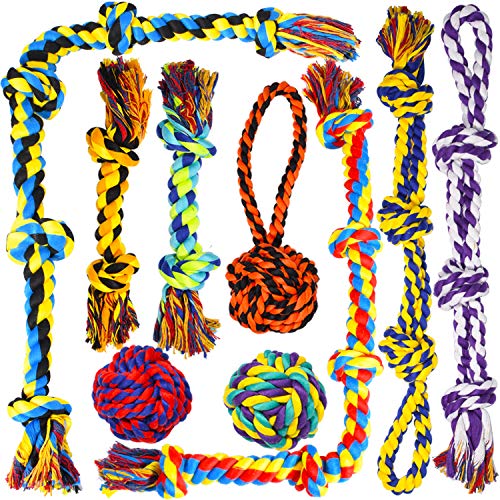
INDESTRUCTIBLE DOG TOYS FOR AGGRESSIVE CHEWERS MEDIUM TO LARGE BREED: XL sized strong dog toys set are popular combination of rope dog chew toys, contains 27 inches of 5 knots dog rope toys for aggressive chewers, round rope ball dog toys, multi knots cotton rope dog chew toys and tug of war rope ball
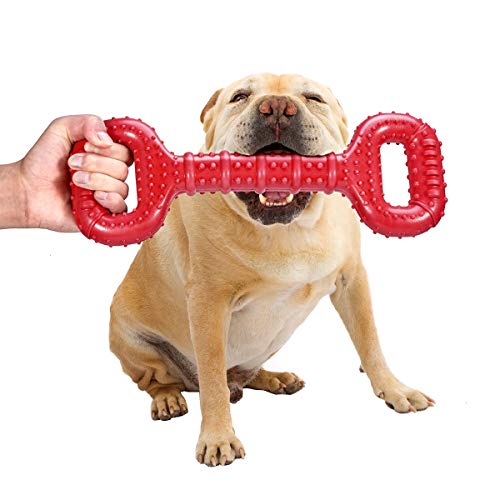
Help Your Dogs: Meet The Instinct Needs of dogs, release extra energy by chewing, help develop healthy chewing habits, clean teeth, relieve anxiety, train, reduce pet boredom and barking problems
Frequently Asked Questions
How Long Should Each Tug Play Session Last, Especially for Puppies or Inexperienced Dogs?
I’d recommend starting with short bursts—just a few minutes per session for puppies and inexperienced dogs. Through supervised repetition, you’ll gradually build their endurance while monitoring excitement levels and ensuring they stay calm and engaged.
Can I Use a Second Toy to Teach My Dog the “Drop It” Command More Effectively?
Studies show dogs with trained “drop it” commands are 40% less likely to resource guard. Yes, I’d use double toy trade-away drills—I swap the toy in your dog’s mouth for an equally valuable one, reinforcing release without conflict or frustration.
What Should I Do if My Dog Gets Too Excited and Won’t Calm Down During Tug?
I’ll pause the game immediately and give your dog a timeout cue like “break.” Once they’ve calmed down, I redirect their energy with a different activity before resuming tug with gentler motions and shorter sessions.
How Can I Tell if My Dog Has a Physical Condition That Makes Tug Play Unsafe?
I’d watch for signs like limping, neck stiffness, or reluctance to move. If your dog has joint pain or spinal issues, ask your vet before tugging. They’ll tell you if modified low-force play’s safe for your dog’s condition.
Is It Okay to Let My Dog Win the Toy Sometimes During Tug Play?
Yes, absolutely. Studies show dogs who occasionally win toys during play display 23% better engagement. I let them win to reinforce confidence, alternate leadership, and build trust—it keeps sessions fun without encouraging aggression.
Conclusion
Look, I’m sure you’ve noticed dogs absolutely lose their minds for tug toys. Here’s the thing—studies show that roughly 80% of dog owners worry tug play triggers aggression, but it honestly doesn’t. What actually matters? You controlling the game. Set boundaries, reward calmness, and keep it fun. Your dog isn’t becoming a tiny wolf; they’re just playing with you. Do it right, and everyone wins.