As an Amazon Associate, we earn from qualifying purchases. Some links on this site are affiliate links at no extra cost to you. Our recommendations are based on thorough research and editorial judgment.

Vet-Recommended Dental Chews Ranked

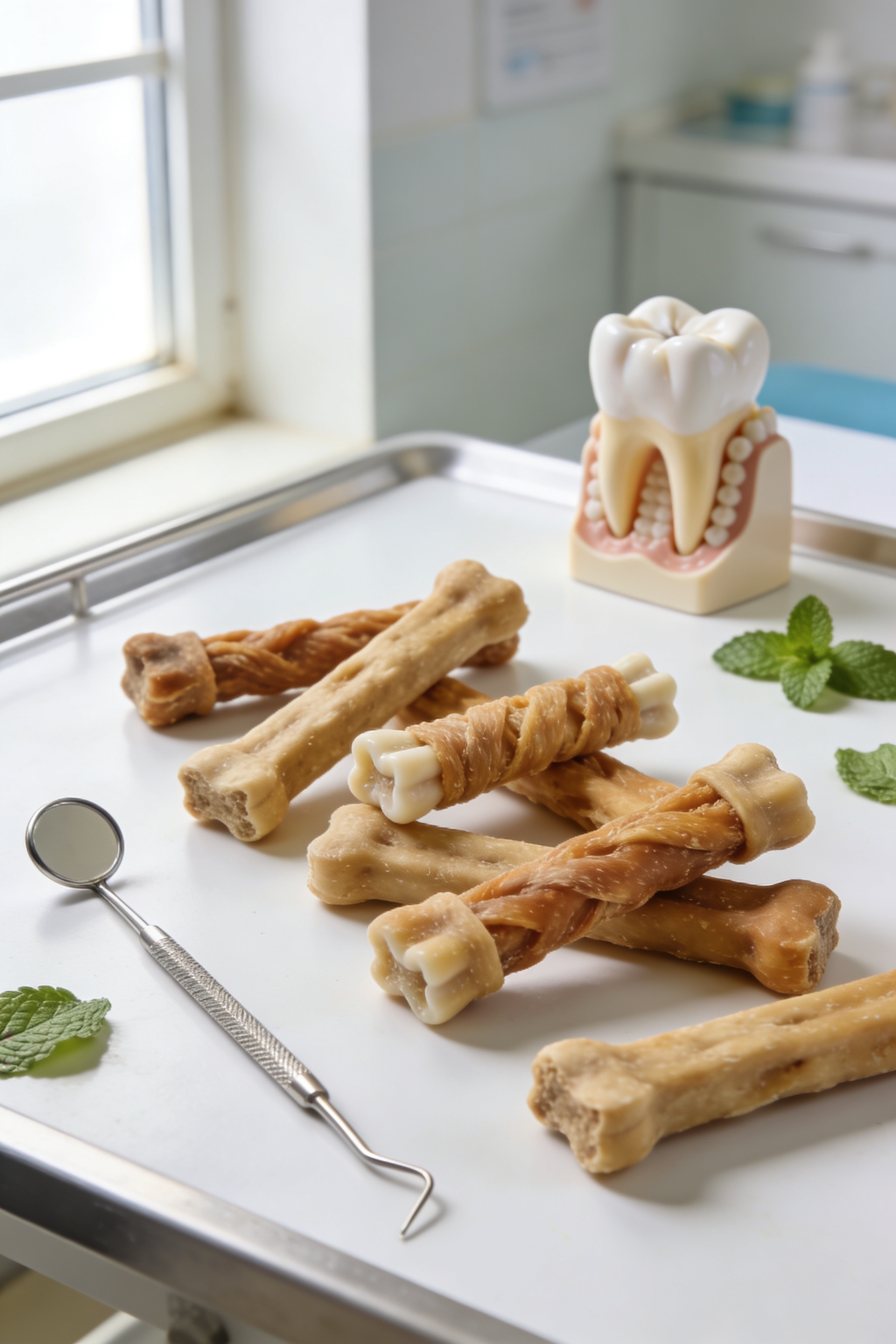
I’m sure you’ve noticed that literally every dental chew claims to be the best, right? Well, vets actually cut through that noise by looking for VOHC approval—basically, clinical proof that a chew reduces plaque or tartar instead of just tasting like chicken. Greenies, Virbac C.E.T. VeggieDent, and WHIMZEES all have that seal of approval. Now, which one’s right for *your* dog depends on their chewing style, stomach sensitivity, and size. The good news? You don’t have to guess—there’s a whole breakdown coming up that’ll tell you exactly what each chew does best.
Key Takeaways
- VOHC-approved chews like Greenies, Virbac C.E.T. VeggieDent, and WHIMZEES have clinical validation for plaque and tartar reduction.
- Match chew texture to dog’s chewing style: softer for moderate chewers, harder for aggressive chewers to ensure safety and effectiveness.
- Budget-friendly options like OraVet, Purina DentaLife, and Milk-Bone offer VOHC approval or proven efficacy at lower costs.
- Choose plant-based or limited-ingredient formulas like VeggieDent for dogs with digestive sensitivity or known food allergies.
- Dental chews work best alongside professional veterinary cleanings and annual exams, not as standalone oral care solutions.
Why VOHC Approval Is Your First Filter
You may be interested
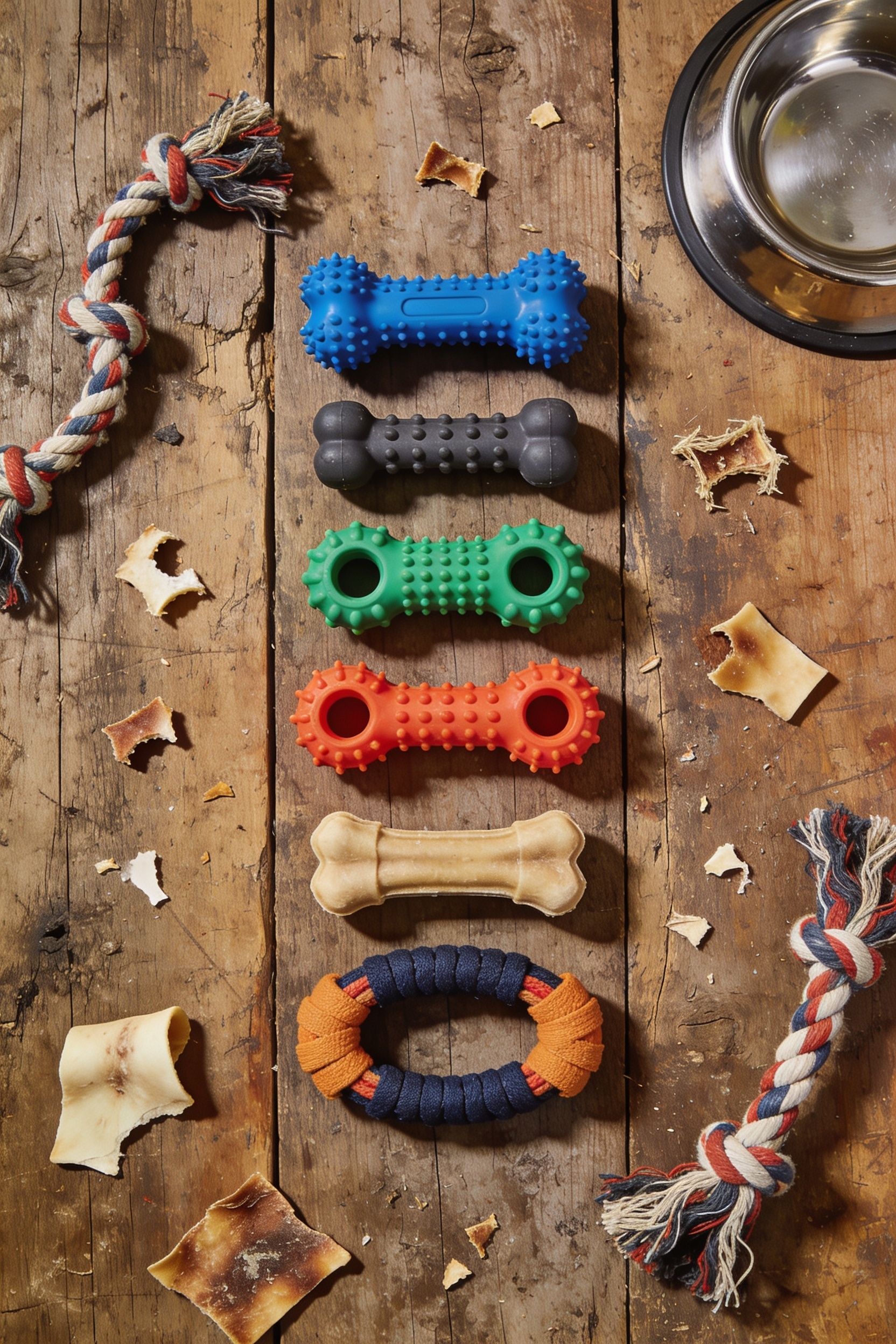
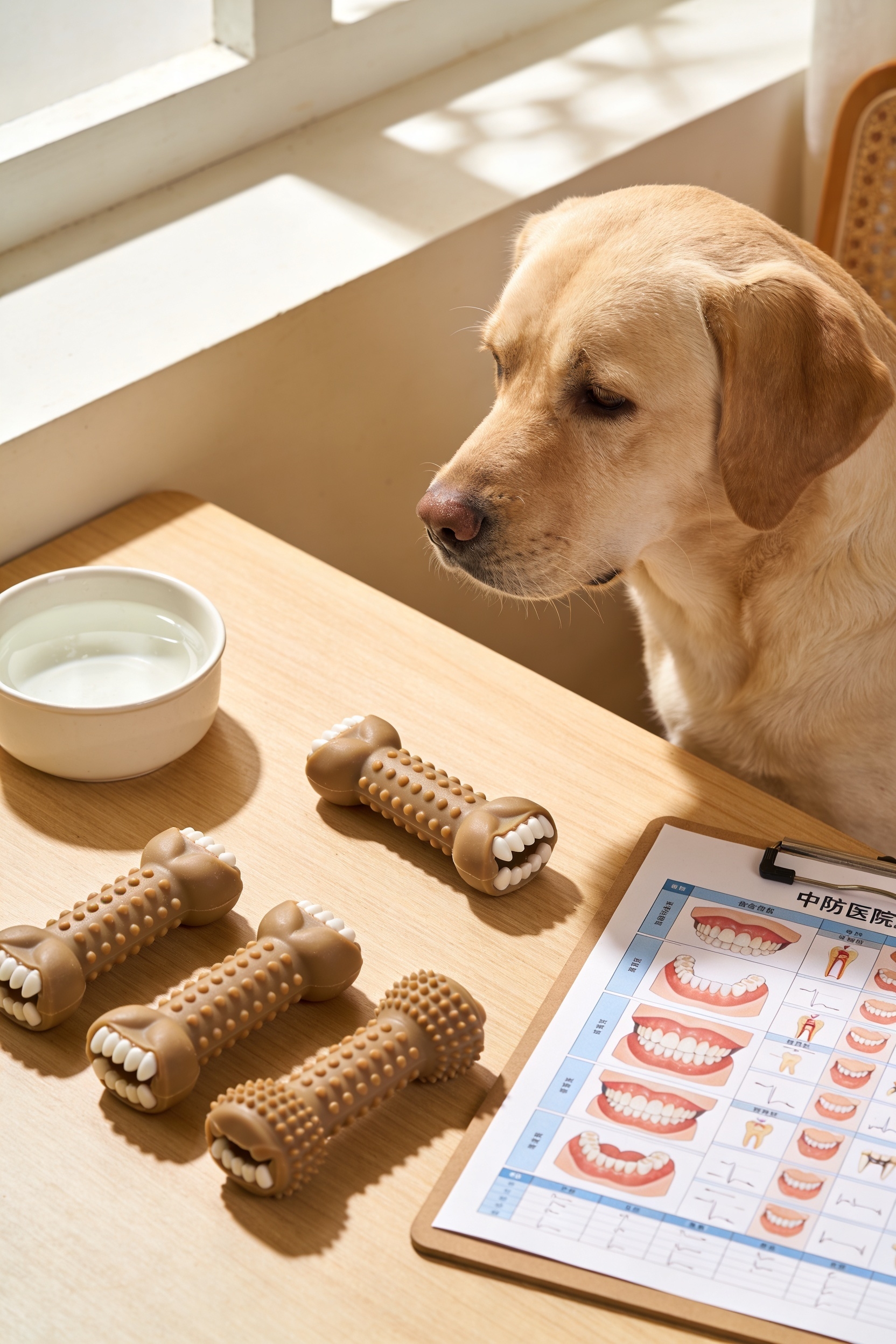
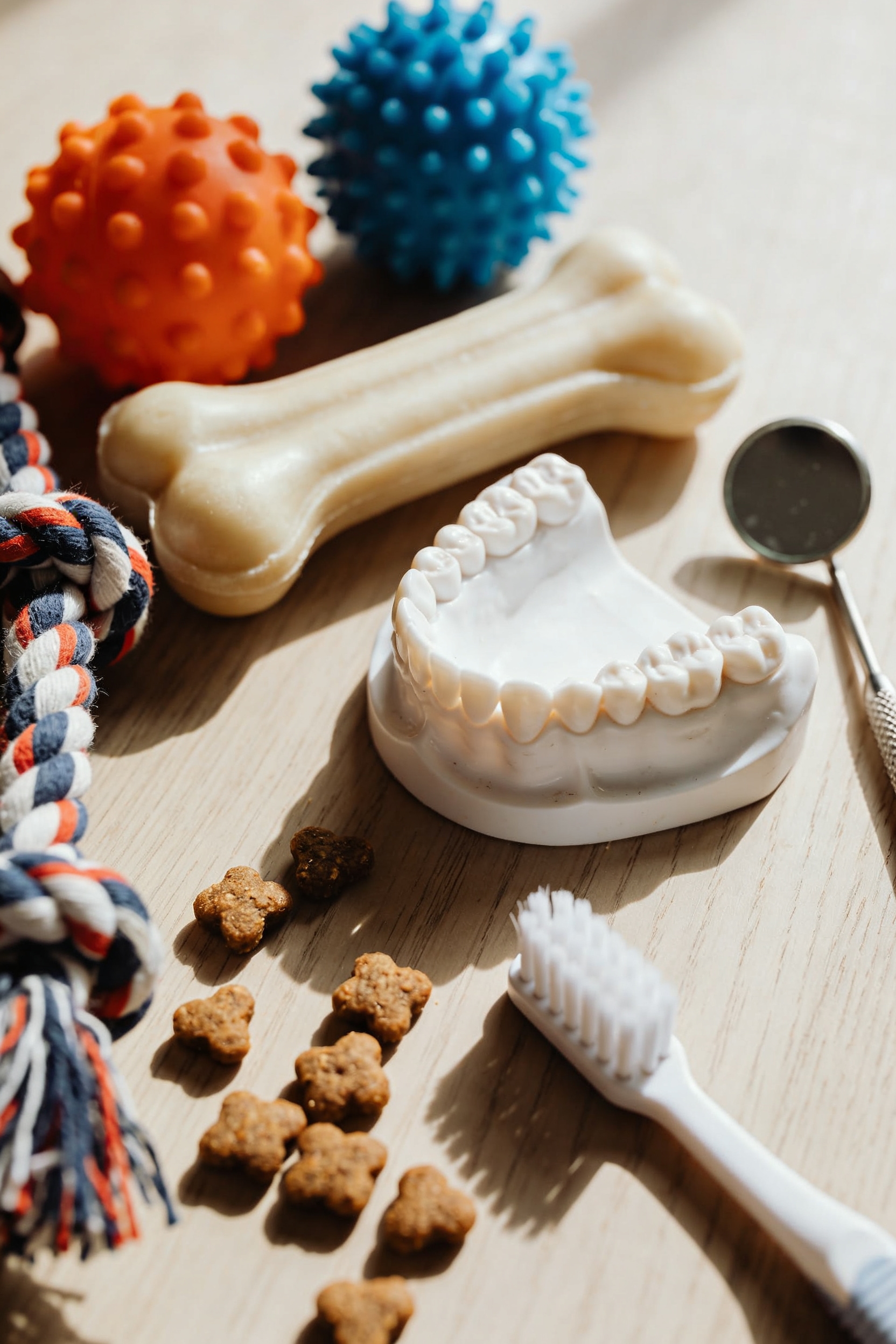
Look, I’m sure you’ve noticed that every pet store shelf looks like a dental chew explosion—there’s literally hundreds of options, all claiming to be the best thing since sliced bread for your dog’s teeth. Here’s the thing though: most of those claims are just marketing fluff. That’s where VOHC approval comes in. The Veterinary Oral Health Council actually tests these chews for real results—clinical validation that matters. You’re not looking at regulatory standards just for show; VOHC-approved products have proven they reduce plaque or tartar. When you see that VOHC seal, you know someone did the homework, not just the hype. It’s basically your shortcut through the noise. Products like textured surfaces and nubs on quality chews work mechanically to clean teeth and control plaque buildup, which is why vets consistently recommend toys designed with these dental-focused features. Skip the guessing game and start with VOHC-approved options. Your dog’s teeth will thank you.
Greenies: The Toothbrush-Shaped Gold Standard
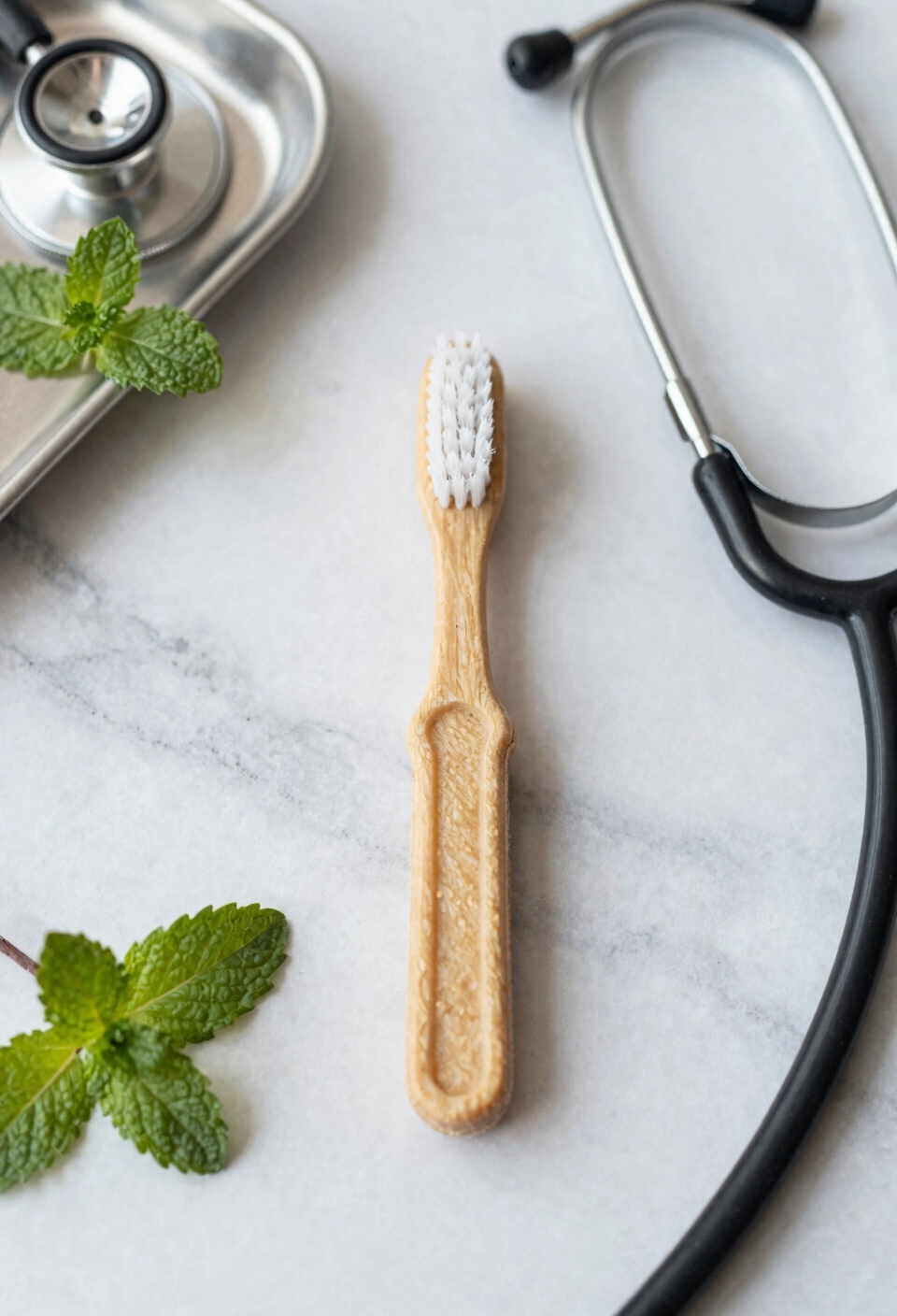
Now that you’ve got VOHC approval locked in as your filter, let’s talk about the chew that basically invented the category—Greenies. I’m sure you’ve noticed these toothbrush-shaped treats everywhere, and honestly, there’s a reason they’re the industry standard. You’re looking at roughly 60% tartar reduction and that trusty VOHC stamp of approval backing it up.
The shape isn’t just for show—it’s actually designed to mimic brushing action on your dog’s teeth. You’ll find flavor variety across the line, so picky eaters have options. The eco packaging is a nice touch if you care about that stuff. Now, here’s the catch: they work best for moderate chewers. Power chewers? They’ll demolish these in seconds, which defeats the purpose entirely. For dogs that aggressively destroy toys, consider pairing Greenies with durable nylon or rubber toys that can withstand sustained intense chewing without breaking down into dangerous pieces.
Virbac C.E.T. VeggieDent: Best for Sensitive Stomachs
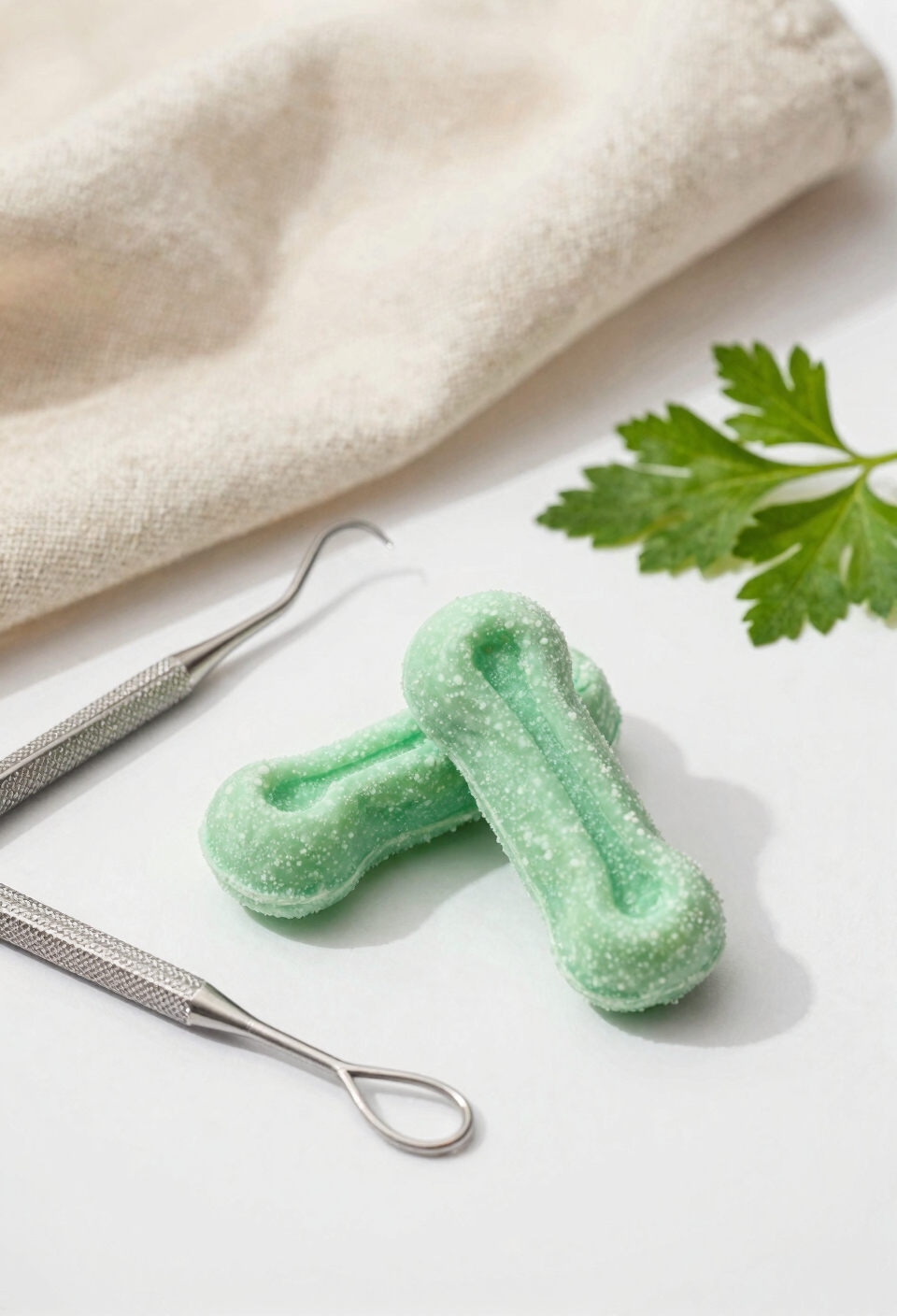
If your dog’s stomach tends to stage a rebellion every time you introduce a new treat, Virbac C.E.T. VeggieDent might be your answer. I’m sure you’ve noticed how plant-based enzymes in these chews break down food way more gently than traditional options. The low allergen formulation makes them perfect for picky digestive systems, and honestly, that’s a game-changer if your pup’s sensitive.
Now, here’s the real deal: these chews pack VOHC approval for actual plaque and tartar control. The Z-shaped design maximizes contact with tooth surfaces—basically nature’s toothbrush. Zinc helps reduce tartar mineralization, which is fancy-speak for keeping your dog’s teeth cleaner longer. For toys and chews alike, it’s important to choose products with naturally derived ingredients to ensure safety if your dog ingests small particles during chewing. Obviously, they won’t replace brushing, but they’re seriously solid for dental support without upsetting your dog’s gut.
WHIMZEES: Natural Grain-Free Alternative
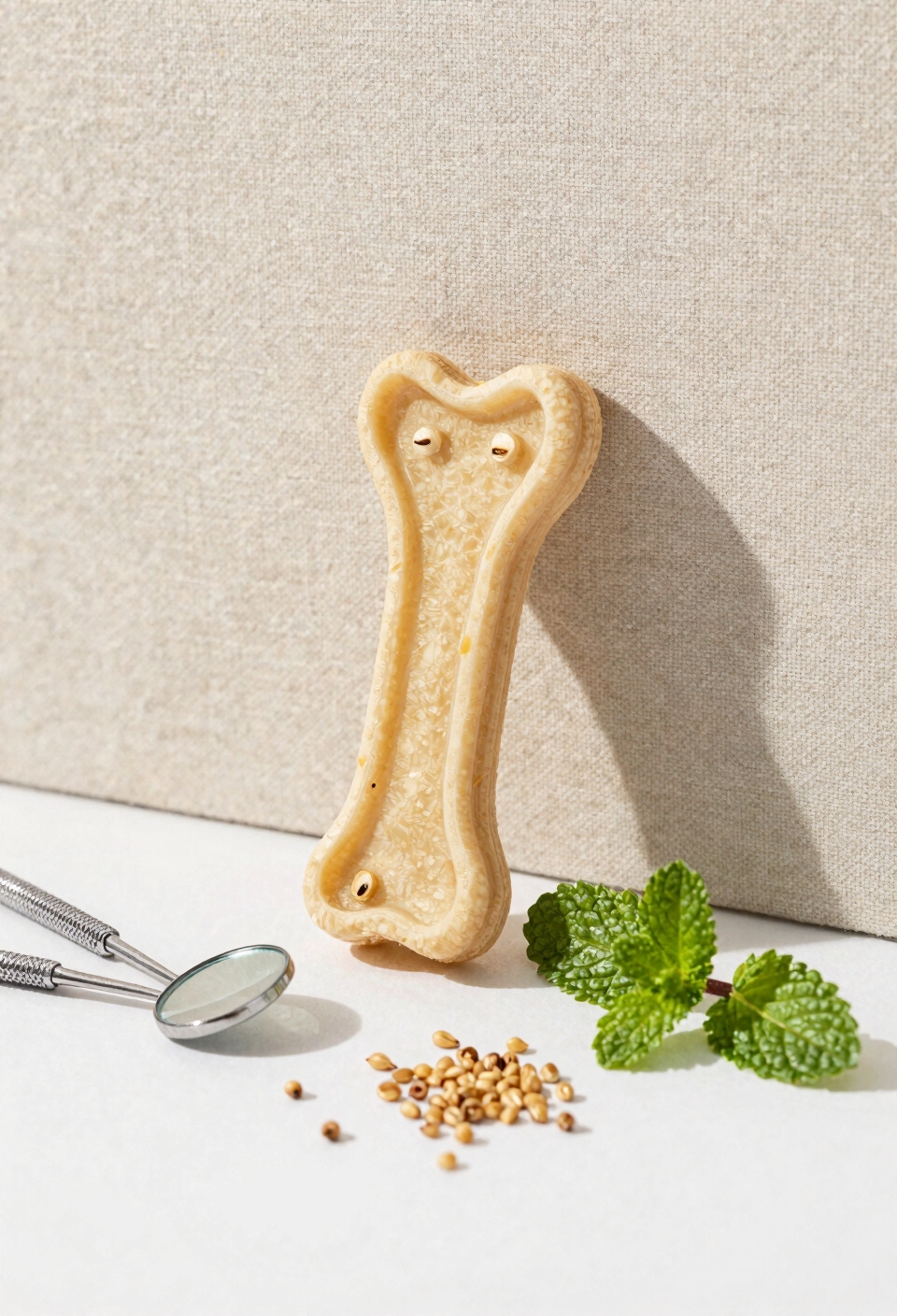
While Virbac C.E.T. VeggieDent tackles sensitive stomachs, WHIMZEES takes a different angle—they’re your plant-based formula option if you’re after something naturally grain-free. I’m sure you’ve noticed how many dogs do better on limited ingredient recipes, and that’s exactly where WHIMZEES shines. Now, what I really like about these is their unique shape. Those grooves and nubs aren’t just for show; they’re designed to mechanically clean hard-to-reach teeth while your dog chews. The texture hits a sweet spot too—harder than Greenies, but not so tough that aggressive chewers finish in seconds. They’ve got VOHC approval backing their plaque and tartar claims, which obviously matters. Like other dental toys, supervision during initial sessions helps assess whether your dog’s chewing style is compatible with this product. All right, they’re not perfect for every dog, but if you want natural ingredients without the grain filler, WHIMZEES deserve serious consideration.
Budget-Friendly Dental Chews: OraVet, Purina DentaLife, Milk-Bone
You’ve probably noticed that dental chews can get pricey fast, especially if you’ve got multiple dogs or you’re the type who likes to rotate products to keep things interesting.
Now, if your wallet’s feeling a little light, I’ve got three solid options worth your attention. OraVet affordability makes it accessible without sacrificing VOHC approval—you’re getting real plaque-fighting power at a reasonable price. Purina value speaks for itself; DentaLife chews are porous and ridge-filled, meaning they actually work despite the modest cost. Then there’s Milk-Bone ubiquity—obviously you’ll find these everywhere, which honestly matters when you’re doing regular shopping anyway.
Here’s the thing: budget digestibility doesn’t mean cutting corners on safety. All three chew well and won’t wreck your dog’s stomach. American manufacturers of dental products follow ASTM guidelines and CPSIA standards to ensure your dog gets a safe product without breaking the bank.
Aggressive vs. Moderate Chewers: Why Texture Matters
Because your dog’s chewing style basically determines which dental chew will actually work—and which one might become a choking hazard before it ever touches a tooth.
I’m sure you’ve noticed that some dogs demolish a chew in thirty seconds while others work one for days. That’s bite force at play, and it’s essential. Aggressive chewers need something legitimately tough—think Virbac C.E.T. VeggieDent or Whimzees—so the chew lifespan actually outlasts your dog’s enthusiasm. Moderate chewers? Greenies work great because they soften slightly without falling apart immediately.
Give a power chewer something too soft and you’re basically handing them a choking hazard wrapped in good intentions. Regularly inspect toys for damage and replace when worn to ensure safety throughout your dog’s chewing sessions. All right, match the texture to your dog’s style, and you’ll actually get the dental benefit you’re paying for.
Prevent Choking: Why Size Selection Is Non-Negotiable
Picking the right size dental chew might sound like the most obvious step—I mean, obviously you don’t give a toy-sized dog a chew meant for a German Shepherd—but here’s where it gets real: size mismatches cause more choking incidents than you’d think, and it’s not always about going too big. Sometimes a chew that’s too *small* becomes a swallowing hazard faster than your dog can process what happened. You’ve gotta measure your dog’s gape—basically how wide they can open their mouth—and match it to the chew dimensions. For aggressive chewers specifically, products like nylon and rope options are available in multiple sizes tailored to medium and large breeds to help ensure a proper fit. All right, here’s the non-negotiable part: supervise sessions every single time. Watch your pup work through that chew like you’re officiating a sport. Trust me, it’s worth the five minutes of attention.
Avoid Allergies: Screen Ingredients Before Buying
While size selection keeps the physical hazard at bay, what’s actually *in* that chew can cause just as much trouble—maybe even more, depending on your dog’s gut. I’m sure you’ve noticed how some dogs go absolutely bonkers after eating certain treats, right? That’s where ingredient transparency becomes your best friend. All right, here’s the deal: you’ll want to scan labels for common allergens like chicken, beef, wheat, or soy. Virbac C.E.T. VeggieDent offers a solid plant-based option if your pup’s stomach’s on the sensitive side. Now, hypoallergenic formulations aren’t magic, but they’re way less likely to trigger reactions. Obviously, if your dog’s got known allergies, stick with limited-ingredient brands. Products made in the USA with real food ingredients without artificial additives provide an extra layer of transparency for concerned pet owners. Trust me, spending five extra minutes reading labels beats emergency vet visits every single time.
Beyond Chews: Why Professional Care Still Matters
You brush your teeth every day, right? Well, here’s the thing—dental chews are awesome, but they’re not a substitute for the real deal. I mean, they help, don’t get me wrong, but professional cleanings are where the magic happens. Your vet can spot problems you’d totally miss, like early tartar buildup hiding below the gum line. That’s where periodontal monitoring comes in. It’s basically your vet’s job to catch issues before they turn into expensive root canals or extractions. All right, so keep up with those chews as part of your routine, but schedule annual dental exams too. Toys like durable nylon chews can support dental health through regular chewing action, but they work best alongside professional veterinary care. Think of it this way: chews are like flossing, professional cleanings are like getting your teeth professionally cleaned. You need both.
Frequently Asked Questions
How Often Should I Give My Dog Dental Chews for Optimal Plaque and Tartar Control?
I’d recommend giving your dog a dental chew daily for prime plaque and tartar control. Most vet-approved products show best results with consistent, long-term use. However, you’ll want to pair this routine with regular brushing and professional cleanings.
Can Dental Chews Replace Regular Tooth Brushing and Professional Cleanings Completely?
No—dental chews are like a seatbelt, not airbags. They’re supplemental care that can’t replace brushing or professional cleanings. I’d recommend using them alongside regular tooth brushing and annual vet exams for peak oral health.
What’s the Difference Between Vohc-Approved Chews and Non-Approved Dental Treats?
VOHC-approved chews undergo clinical testing proving plaque and tartar reduction, while non-approved treats rely on unverified label claims. I’d trust VOHC’s rigorous approval process over marketing alone when selecting your dog’s dental treat.
At What Age Can Puppies Safely Start Chewing Dental Treats?
I’d recommend waiting until your puppy’s adult teeth come in around six months old. Then choose size-appropriate treats matching their teething timeline to prevent choking and guarantee safe, effective dental care during this pivotal developmental stage.
Are There Any Dog Breeds That Shouldn’t Use Certain Dental Chew Types?
I’d love to tell you all dogs chew alike—they don’t. Brachycephalic breeds need softer options; senior sensitivities demand digestible, appropriately-sized chews. Aggressive chewers risk choking on delicate treats. Match breed characteristics carefully.
Conclusion
All right, here’s the thing—you’re probably thinking chews are the whole dental game now, but they’re really just one player on the team. Studies show that dogs with regular professional cleanings have 80% fewer tooth problems than those relying on chews alone. I mean, I’m sure you’ve noticed your vet harping on this, right? So yeah, grab those VOHC-approved chews, but don’t skip the actual brushing and cleanings. Your pup’s teeth’ll thank you.