As an Amazon Associate, we earn from qualifying purchases. Some links on this site are affiliate links at no extra cost to you. Our recommendations are based on thorough research and editorial judgment.

How Often Should You Play Fetch With Your Dog?

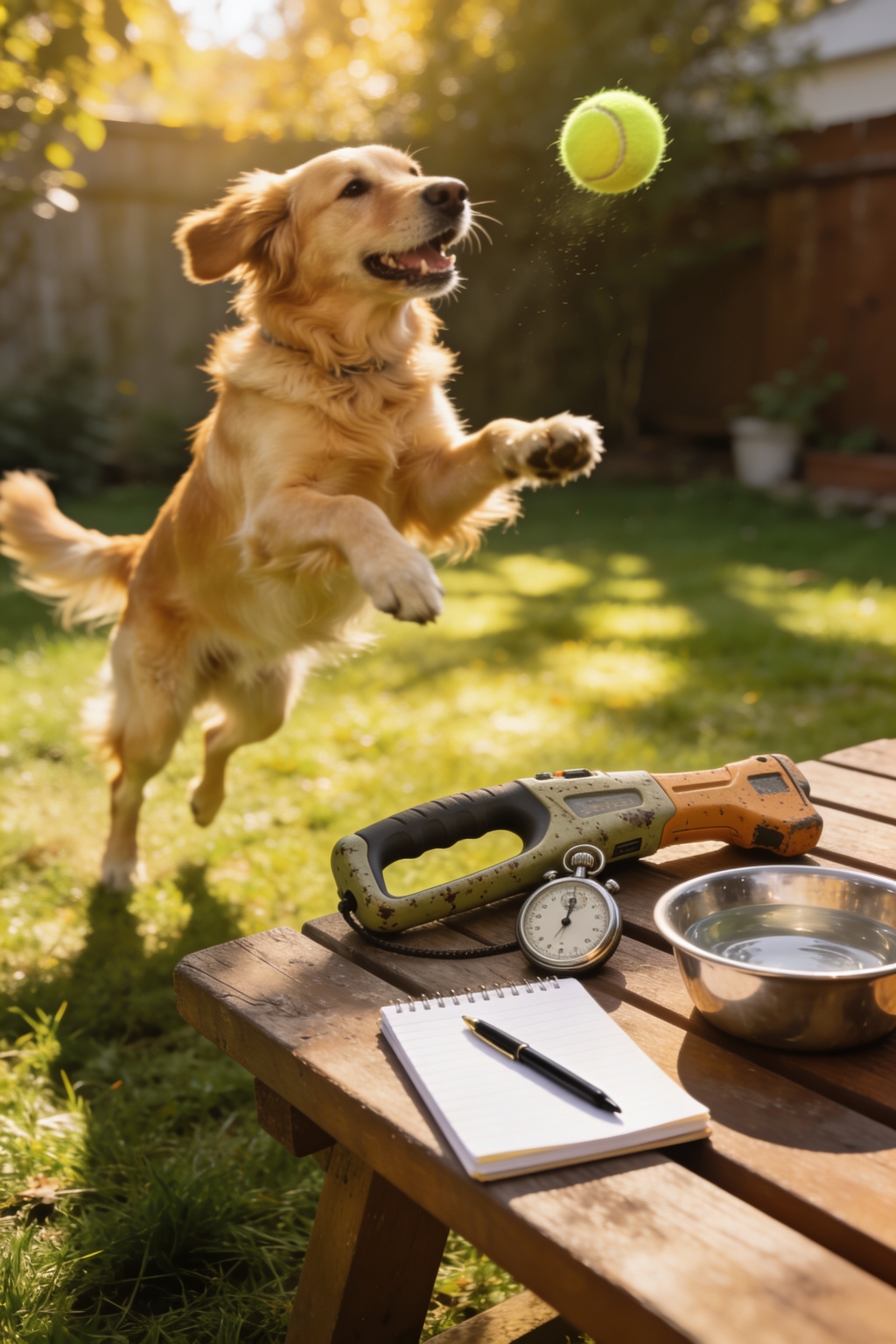
Most dogs thrive on fetch three to five days a week, but I’m sure you’ve noticed your pup’s way more unique than their breed suggests. Some Labs are total couch potatoes while others want constant action—you’ve gotta watch *your* dog’s actual energy, not the stereotype. I mean, aim for 20–30 minute sessions with short breaks, though seniors do better with 10–15 minutes. Stop when they’re panting hard, not sprinting like they just stole your sandwich. Now, there’s way more to dial in once you factor in weather, age, and whether your dog’s recovering from anything.
Key Takeaways
- Most adult dogs benefit from fetch three to five days weekly with 20–30 minute sessions for optimal health.
- Puppies may need daily sessions while seniors prefer two to three times weekly for 10–15 minutes.
- Break sessions into short intervals with rest periods; stop before excessive panting to prevent overexertion.
- Include non-fetch rest days for joint recovery and complement them with puzzle toys for mental stimulation.
- Adjust frequency based on individual energy levels, weather conditions, and health status rather than breed stereotypes.
How Much Fetch Does Your Dog Need?
You may be interested
Look, I’m sure you’ve noticed that some dogs will literally chase a ball until they collapse, while others give you that look like “Why would I run when I’m perfectly comfortable right here?” The truth is there’s no one-size-fits-all answer to how much fetch your dog actually needs, and that’s both the good news and the slightly annoying news depending on how much energy you’ve got to burn.
Your dog’s age-adjusted needs matter way more than breed alone. Young, energetic pups might want daily sessions, while seniors do better with a few times weekly. I mean, you’ve got to watch your dog’s play patterns—are they slowing down or losing steam? That’s your signal to adjust. Try toy rotation to keep things fresh and maintain those interest triggers that make fetch actually fun instead of just routine work. Consider incorporating fetch-oriented toys like durable flying discs or balls designed specifically for throwing and catching to accommodate different play styles and keep your dog engaged with varied equipment.
Recommended Products

HIGH QUALITY DOG TOY: Crafted from tough materials, this dog toy, like the Ultra Ball, makes for long-lasting interactive play for energetic fetch games with your dog.
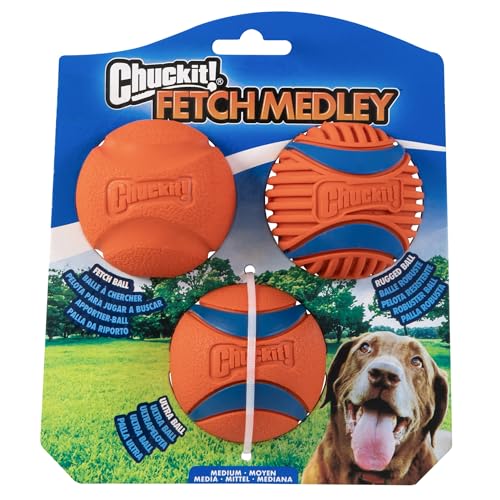
VERSATILE PLAY OPTIONS: The Fetch Medley 3-pack includes bouncy rubber balls for dogs to fetch, keeping dogs engaged and excited during fetch games with these interactive dog toys

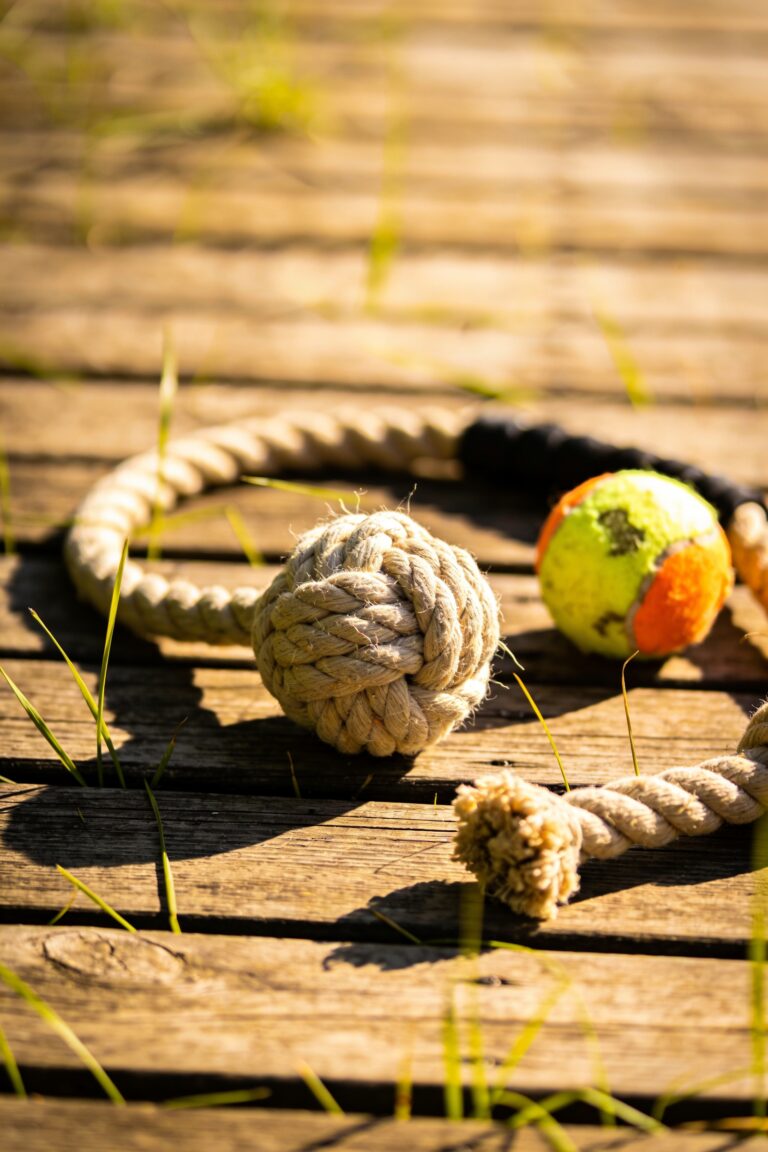
KEEP THE FUN AFLOAT: The Amphibious Bumper brings fetch to the water. With a non-slip rope handle for a secure grip and precise throws, this floating dog toy turns any day at the pool, beach, or lake into an action-packed adventure.
Why Your Dog’s Energy Level Matters More Than Breed
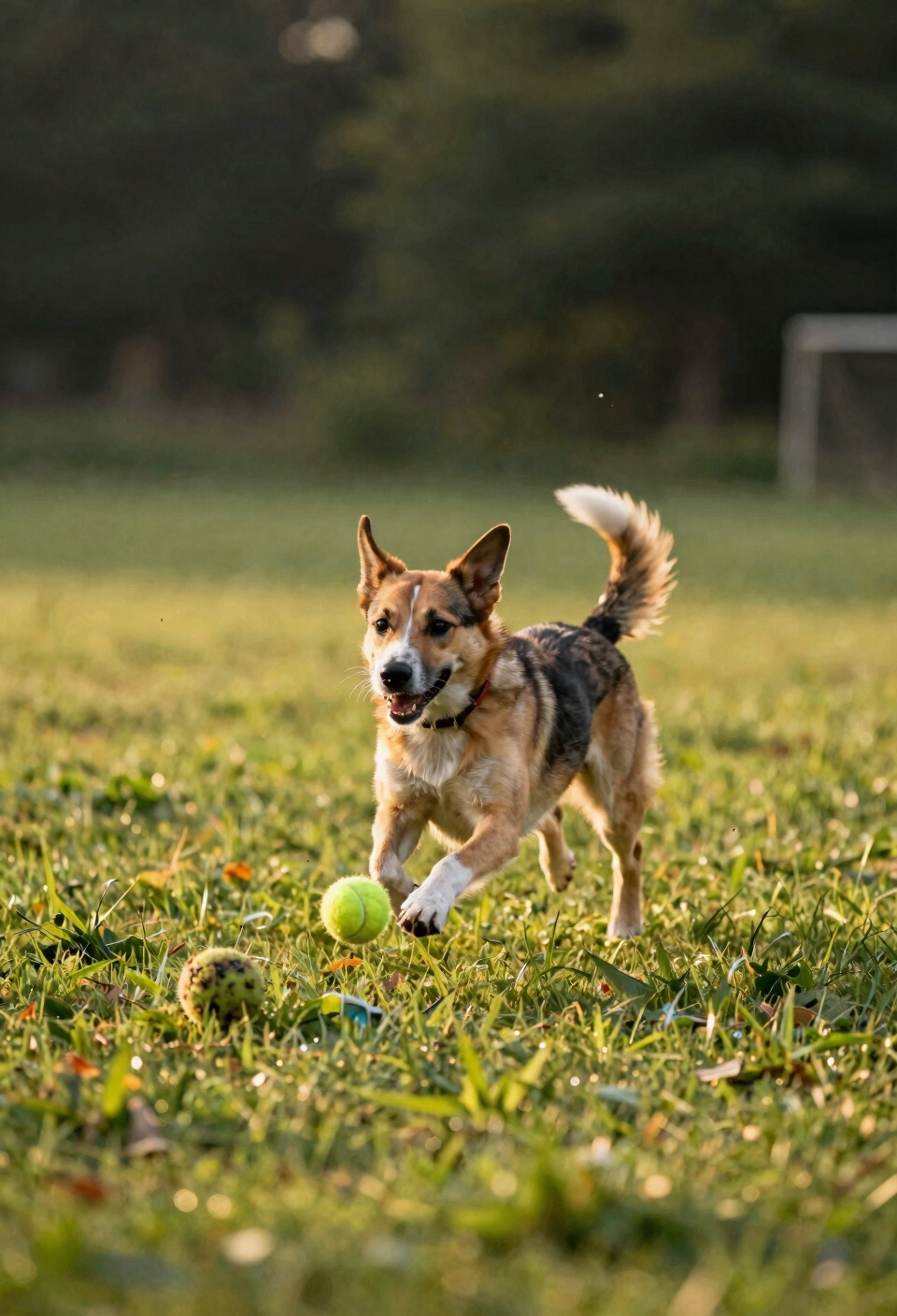
You’ve probably thrown a ball for a Chihuahua and a Border Collie and wondered why one looked ready to nap while the other seemed like it could chase that thing into the next county. Here’s the thing: breed matters way less than you’d think. What actually matters is your individual dog’s energy assessment. Some Labs are couch potatoes. Some Bulldogs somehow never stop moving. I know, weird.
Your dog’s play preferences tell you everything. Watch how they react to fetch. Do they sprint like their life depends on it, or do they grab the toy and saunter back like they’re doing you a favor? That’s your answer right there. An energetic senior dog might want daily sessions. A chill young dog? Maybe twice weekly works fine. Interactive toys like hide-and-seek plush sets can complement fetch sessions by providing mental stimulation on days when your dog needs lighter physical activity. Skip the breed stereotypes and actually pay attention to your dog. They’ll tell you what they need.
The Right Fetch Session Length for Every Dog
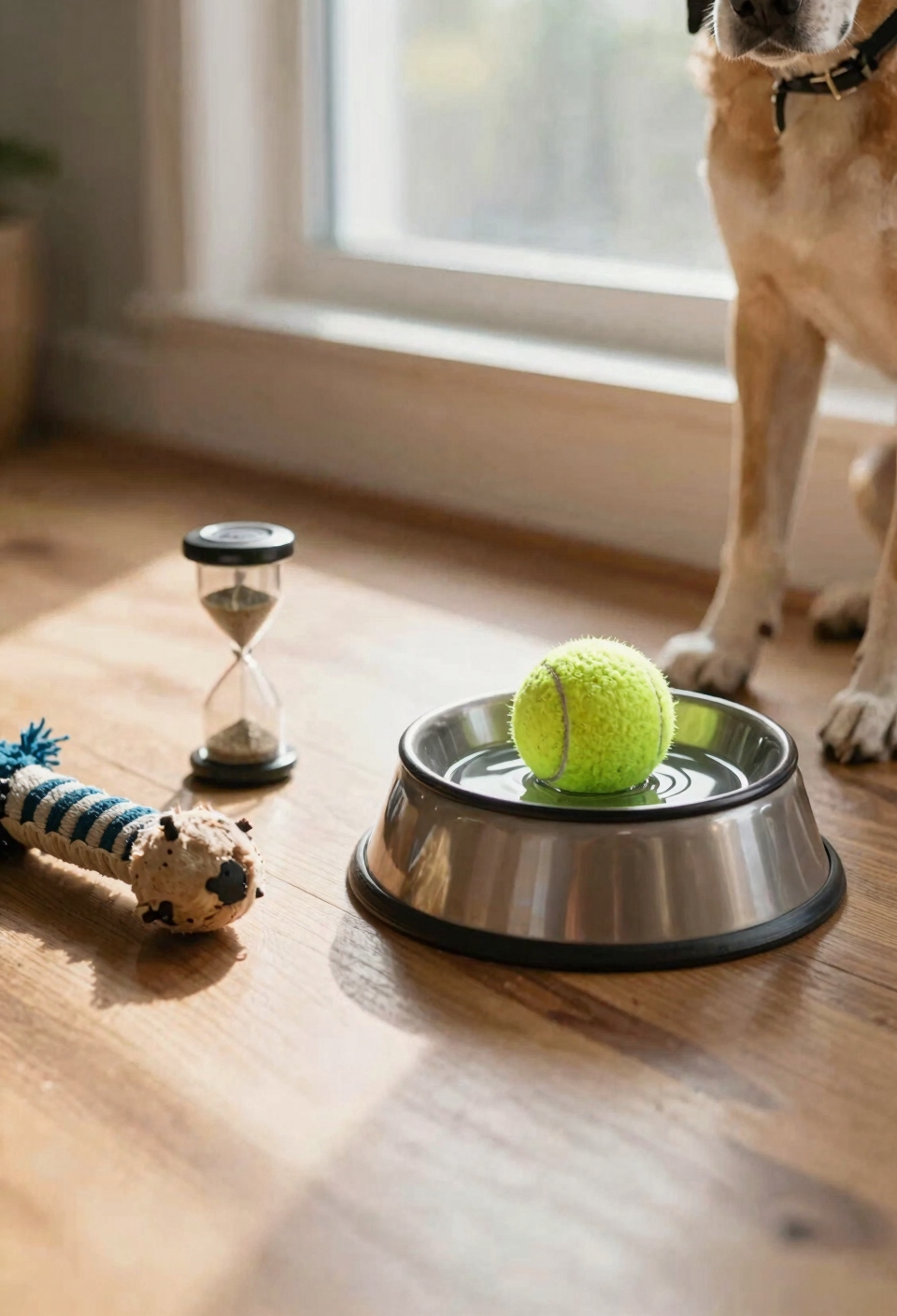
Nailing the right fetch session length is where a lot of dog owners accidentally turn play into work—for both you and your pup. I’m sure you’ve noticed that a tired dog isn’t always a happy dog—sometimes they’re just cranky.
Most adult dogs do great with 20 to 30 minutes, though seniors prefer closer to 10 or 15. Now, here’s the thing: interval pacing matters more than going nonstop. Break it into chunks with short rests between rounds. Your dog stays fresh, and honestly, so do you.
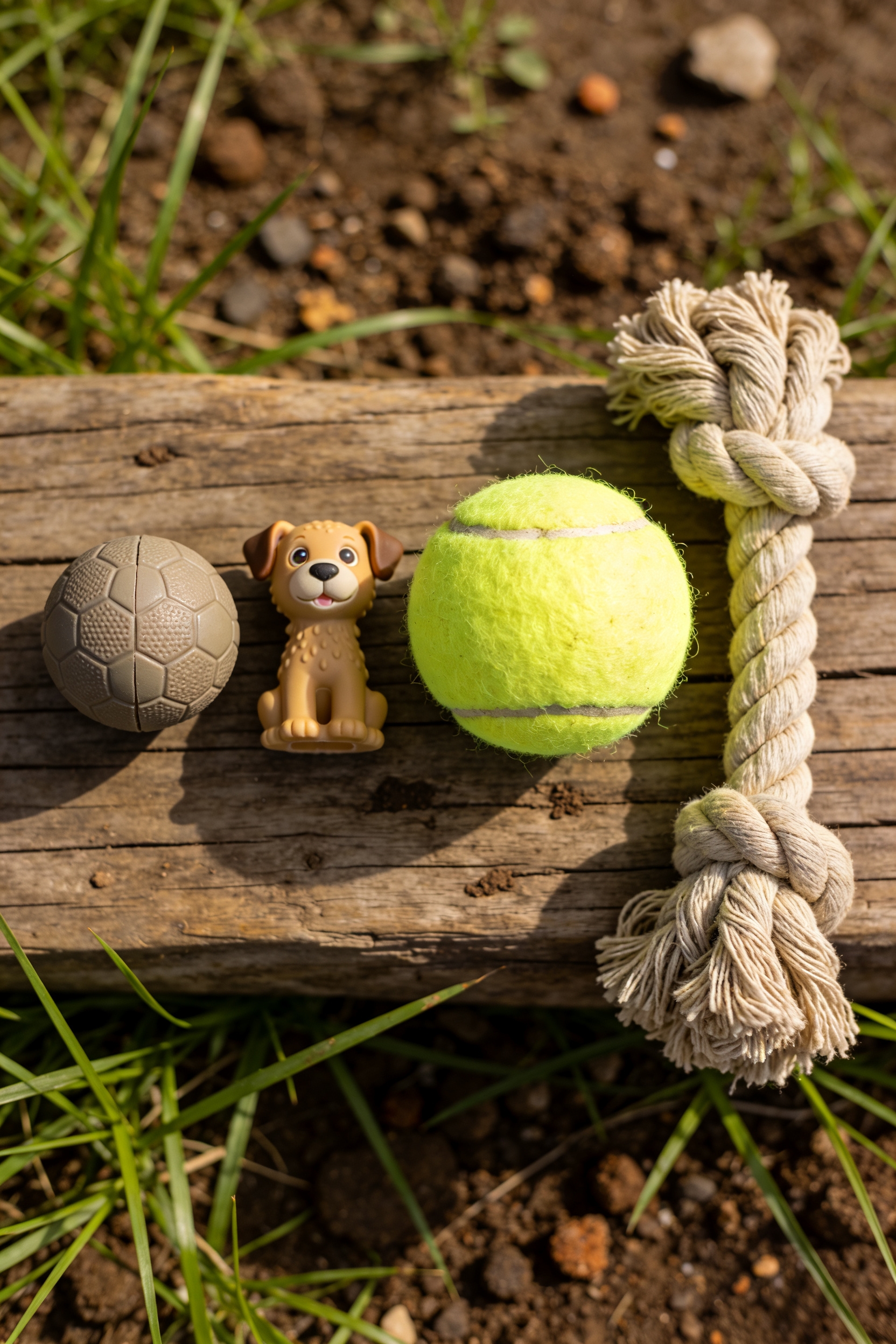
Toy variety keeps things interesting too. Switching between a ball and a rope toy prevents boredom and hits different muscle groups. Consider rotating in interactive puzzle toys with treat dispensers to add mental stimulation alongside physical exercise during your fetch sessions. Obviously, stop before your pup’s panting like they just ran a marathon. That’s your cue you’ve nailed the sweet spot.
Warning Signs Your Dog Is Getting Too Much Fetch
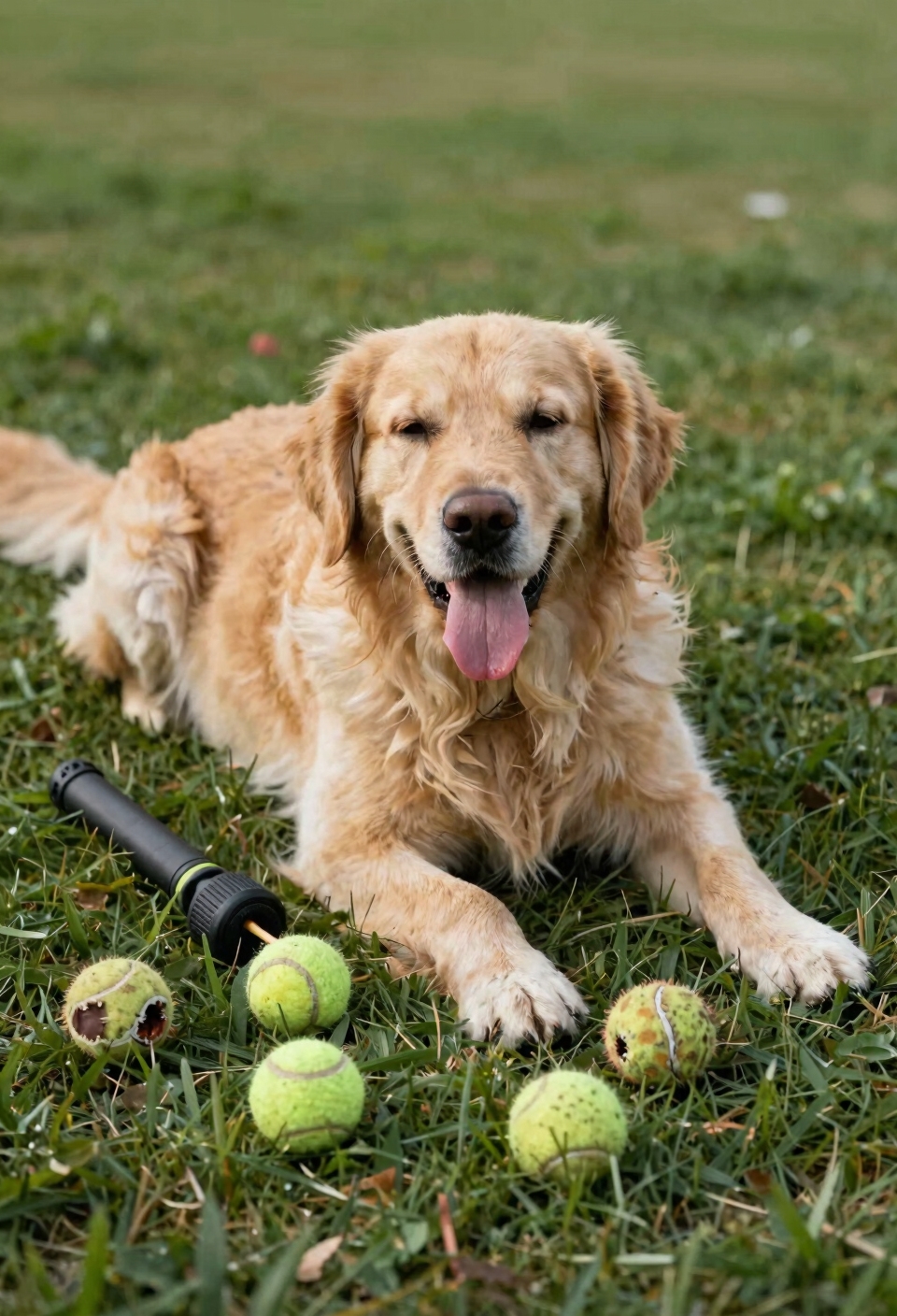
Even though you’ve got the timing down, there’s another layer to this whole fetch thing—and it’s where things can go sideways pretty fast. I mean, your dog might love fetch so much they’d play until their legs give out, which is where you come in as the responsible adult.
Watch for panting indicators that go beyond normal heavy breathing—if your dog’s tongue is hanging out like they’re auditioning for a cartoon, that’s your cue to stop. Behavioral changes matter too. Notice if they’re slowing down mid-game, losing interest, or getting cranky instead of excited? Those are your red flags.
Obviously, joint strain sneaks up quietly, especially with younger and older dogs. Trust me, preventing injury beats treating it. Consider providing durable chew toys as alternatives to fetch on high-exertion days, giving your dog enrichment while reducing repetitive impact on their joints.
How Weather and Health Affect Fetch Frequency

When the temperature climbs or your dog’s got some health stuff going on, fetch suddenly becomes a lot more complicated than just grabbing a tennis ball and heading outside. I’m sure you’ve noticed that hot days hit differently for dogs—heat stroke isn’t something you want messing around with. Now, hydration breaks become non-negotiable; seriously, bring water. If your dog’s dealing with allergies or medication interactions, you might need to dial back intensity or timing. All right, here’s the thing: a dog recovering from injury needs shorter, controlled sessions under your vet’s thumbs-up. Cold weather‘s actually gentler, but you’re still watching for fatigue. Consider using a water-resistant leash to keep your dog secure during fetch sessions in unpredictable weather conditions. Obviously, when health or weather’s in the mix, frequency changes. I mean, your dog’s comfort matters way more than hitting some arbitrary fetch quota.
Short Sessions Throughout the Day vs. One Long Play
So you’ve got the weather sorted and your dog’s health is looking good—now comes the fun part of actually figuring out how to structure your fetch sessions, because it turns out there’s a real difference between one massive twenty-minute marathon in the backyard and, say, three quick five-minute bursts spread throughout your day.
I’m sure you’ve noticed that your dog gets way more excited about multiple shorter sessions. That’s where interval training comes in handy—you’re fundamentally giving your pup cognitive breaks between bursts of activity, which keeps their brain engaged and prevents them from totally burning out. All right, here’s the thing: multiple short sessions actually beat one long slog. Your dog stays interested, their joints don’t take as much pounding, and honestly, you’re less likely to end up with a couch-destroying bored dog later. Pairing fetch with mental stimulation toys between sessions can further enhance your dog’s overall engagement and prevent destructive behavior.
Structuring Fetch Into Your Weekly Routine
Now that you’ve figured out the daily rhythm of shorter sessions versus marathon fetch marathons, the real question becomes how to weave all that into your actual life—you know, the part where you’ve got work, errands, and probably a Netflix show you’re pretending you’ll finish.
I’m sure you’ve noticed that consistency beats perfection every time. Build your week plan around what you can actually sustain, not what some dog influencer does. Aim for fetch three to five days weekly for most adult dogs, mixing it up so your pup stays engaged. Throw in rest days—your dog’s joints need recovery time, and honestly, so does your arm. Think of it like a workout schedule: you wouldn’t hit the gym seven days straight, right? Same logic applies here. On non-fetch days, consider incorporating treat-dispensing toys to keep your dog mentally stimulated while giving their joints a break from the physical demands of repetitive running.
Fetch Frequency for Senior Dogs
Your senior dog’s fetch routine looks a lot different than your hyperactive five-year-old’s, and that’s completely fine—actually, it’s necessary. I’m sure you’ve noticed your older pup isn’t bouncing off the walls anymore, right?
Now, here’s the thing: senior dogs typically benefit from fetch just a few times per week rather than daily. I’d aim for shorter sessions—think 10 to 20 minutes tops. All right, so why the difference? Their joints aren’t what they used to be, and overexertion can cause real problems.
Stick with gentle games and low impact toys that won’t stress aging bones. Watch for heavy panting or that telltale slowdown mid-session. When your senior starts losing steam, that’s your cue to wrap up. You’re looking for quality playtime that keeps them engaged without pushing too hard.
Adjusting Fetch During Injury Recovery
When your dog’s been sidelined by an injury, fetch goes from being a fun daily ritual to something you’ve got to think through pretty carefully. I’m sure you’ve noticed how enthusiastic they get at the sight of that tennis ball—which makes recovery harder, not easier.
Now, here’s the thing: your vet’s going to be your best friend during this period. They’ll guide you on controlled recall exercises that don’t aggravate the injury. I mean, you’re basically retraining your dog to take it easy, which feels backward but works.
All right, so think shorter sessions with guided stretching afterward. Skip the full-sprint stuff. It’s tempting to let them go wild once they seem better, but patience pays off. During recovery, consider using textured surface toys with treats instead of high-impact fetch to keep them mentally engaged while minimizing physical strain. Trust me, slow recovery beats setbacks.
How Consistent Fetch Improves Behavior and Physical Health
Once your dog’s back to their normal routine after injury recovery, you’ll start seeing something pretty cool happen—and I’m not just talking about them finally being able to chase that ball again without limping. Consistency benefits really kick in when you establish a solid fetch routine. You’ll notice your dog’s behavior shifts—they’re calmer, more focused, and way less likely to demolish your couch out of boredom. I mean, a tired dog is basically a well-behaved dog, right? Beyond behavior, routine bonding through regular play sessions strengthens your connection while building their muscle tone and maintaining healthy weight. Mental stimulation through interactive play also reduces destructive behavior that stems from boredom and keeps their cognitive engagement sharp. You’re fundamentally hitting two birds with one ball here. Your dog gets the physical exercise they need, and you get the satisfaction of knowing you’re doing right by them.
Frequently Asked Questions
What Type of Toy Is Safest for Frequent Fetch Sessions With My Dog?
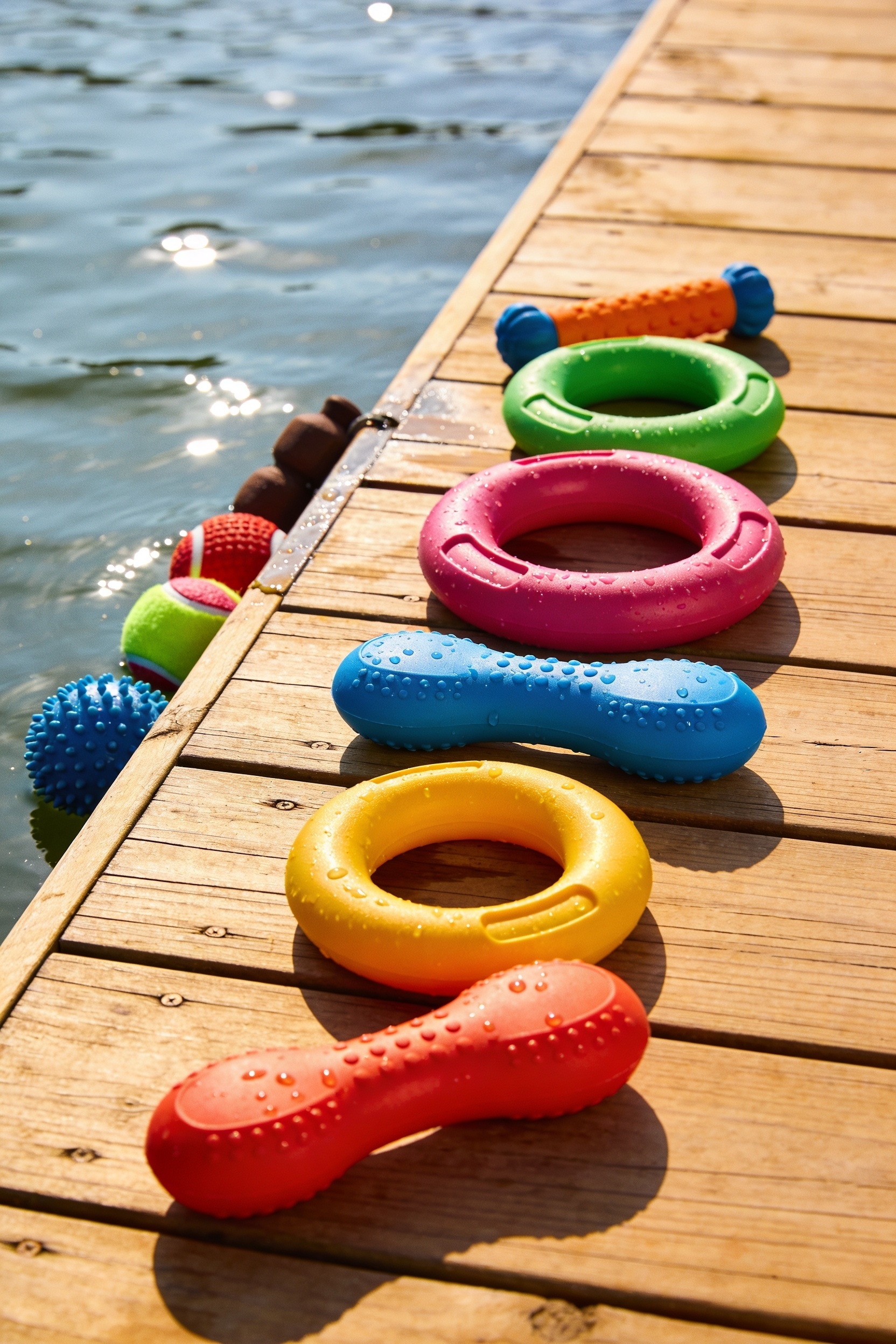
I’d recommend durable rubber toys and floating toys for frequent fetch sessions. They’re designed to withstand repeated throwing and catching, reducing injury risk while keeping your dog safe during extended play.
Can Fetch Replace Other Forms of Exercise in My Dog’s Daily Routine?
While fetch builds cardio, I’d caution you—it shouldn’t replace your dog’s full routine. You’ll want to blend in walks, mental enrichment, and varied activities. That’s how I’ve found dogs thrive best with balanced, engaging exercise.
How Do I Know if My Dog Naturally Enjoys Playing Fetch?
You’ll know your dog enjoys fetch when they initiate play by bringing you toys, maintain excited eye contact, and repeatedly return the object. Their enthusiasm and willingness to engage consistently signal genuine enjoyment.
Should I Use the Same Fetch Location Every Day or Vary It?
I’d vary your fetch locations. While routine’s comforting, I’ve found that different environments and varied surfaces—grass, sand, trails—keep dogs mentally stimulated, reduce repetitive joint strain, and maintain their enthusiasm better than predictable spots.
What Should I Do if My Dog Refuses to Return the Toy?
I’d try reward training to encourage return—offer high-value treats when your dog brings the toy back. Boundary games also help; practice dropping the toy within a designated area, reinforcing that returning it’s rewarding and fun.
Conclusion
So here’s the thing—you’re probably overthinking this. Your dog’s telling you exactly what they need if you’re actually watching. Too much fetch? They’ll collapse like a deflated balloon. Too little? They’re demolishing your couch. Find that sweet spot where your pup’s happy, healthy, and not driving you absolutely bonkers. That’s it. Mystery solved.