As an Amazon Associate, we earn from qualifying purchases. Some links on this site are affiliate links at no extra cost to you. Our recommendations are based on thorough research and editorial judgment.

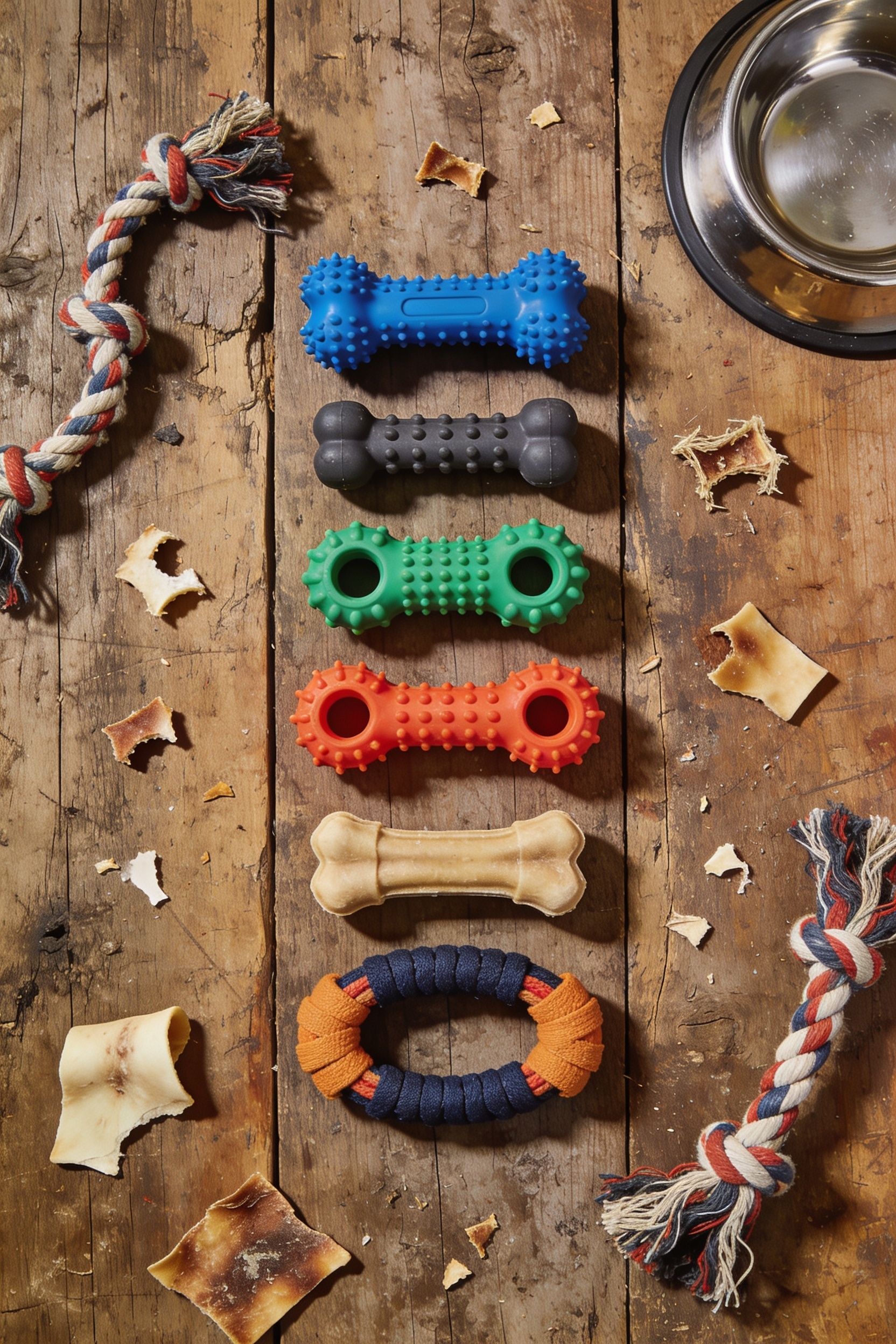
Best Chew Toys for Aggressive Chewers That Actually Last

I’m sure you’ve noticed most chew toys turn into confetti within weeks, but here’s the thing: dense, single-piece toys actually hold up. You want to skip the fluff and go straight for rubber or nylon rings and tire shapes—they distribute bite pressure evenly without weak seams to exploit. Brands like Goughnuts and Kong Extreme genuinely withstand power chewers. Now, material matters too, and there’s definitely a rotation strategy that’ll double your toy’s lifespan, so stick around to discover what separates the survivors from the casualties.
Key Takeaways
- Dense, single-piece construction without seams resists tears and distributes bite pressure evenly for longer durability.
- Ring and tire-shaped designs survive aggressive chewing better than thin-limbed toys with multiple weak points.
- Natural rubber balances tooth protection with durability, outperforming nylon and synthetic materials in longevity testing.
- Rotate three to four toys and inspect weekly to catch damage early and extend lifespan.
- Avoid “indestructible” marketing claims; verify non-toxic materials, match toy size to dog size, and supervise use.
Why Dense, Single-Piece Chew Toys Outlast Plush
You may be interested
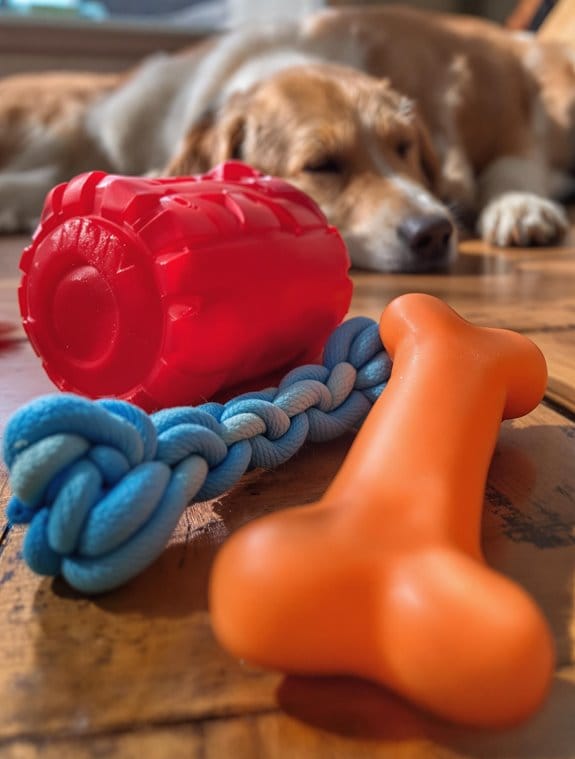
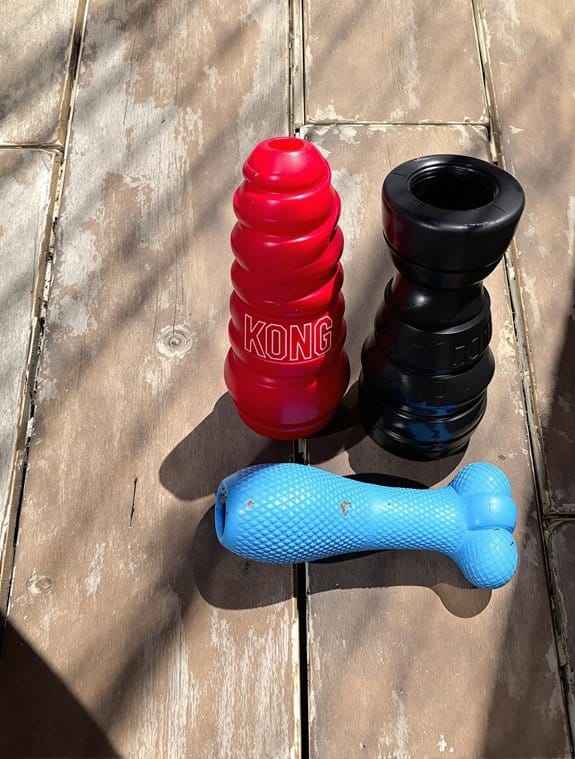
If you’ve ever watched a power chewer demolish a plush toy in under five minutes, you’ve basically watched a crime scene unfold in real time. I’m sure you’ve noticed the stuffing everywhere—it’s wild.
Here’s the thing: plush toys lose because they’re soft and full of air. Dense materials like solid nylon and tough rubber? They work differently. Material density means there’s less to tear through, and every bite meets actual resistance instead of giving way instantly.
Now, one piece construction matters just as much. When toys have seams or multiple parts, your dog finds those weak spots immediately—it’s like they’ve got a cheat code. Single-piece designs eliminate those tear points entirely.
Materials like TPR-based construction have been specifically engineered to resist deformation from prolonged aggressive chewing and maintain their integrity under intense pressure.
All right, combine dense material with one piece construction, and you’re basically giving your aggressive chewer something that actually puts up a fight.
Top 5 Chew Toys for Aggressive Chewers (and Why They Win)
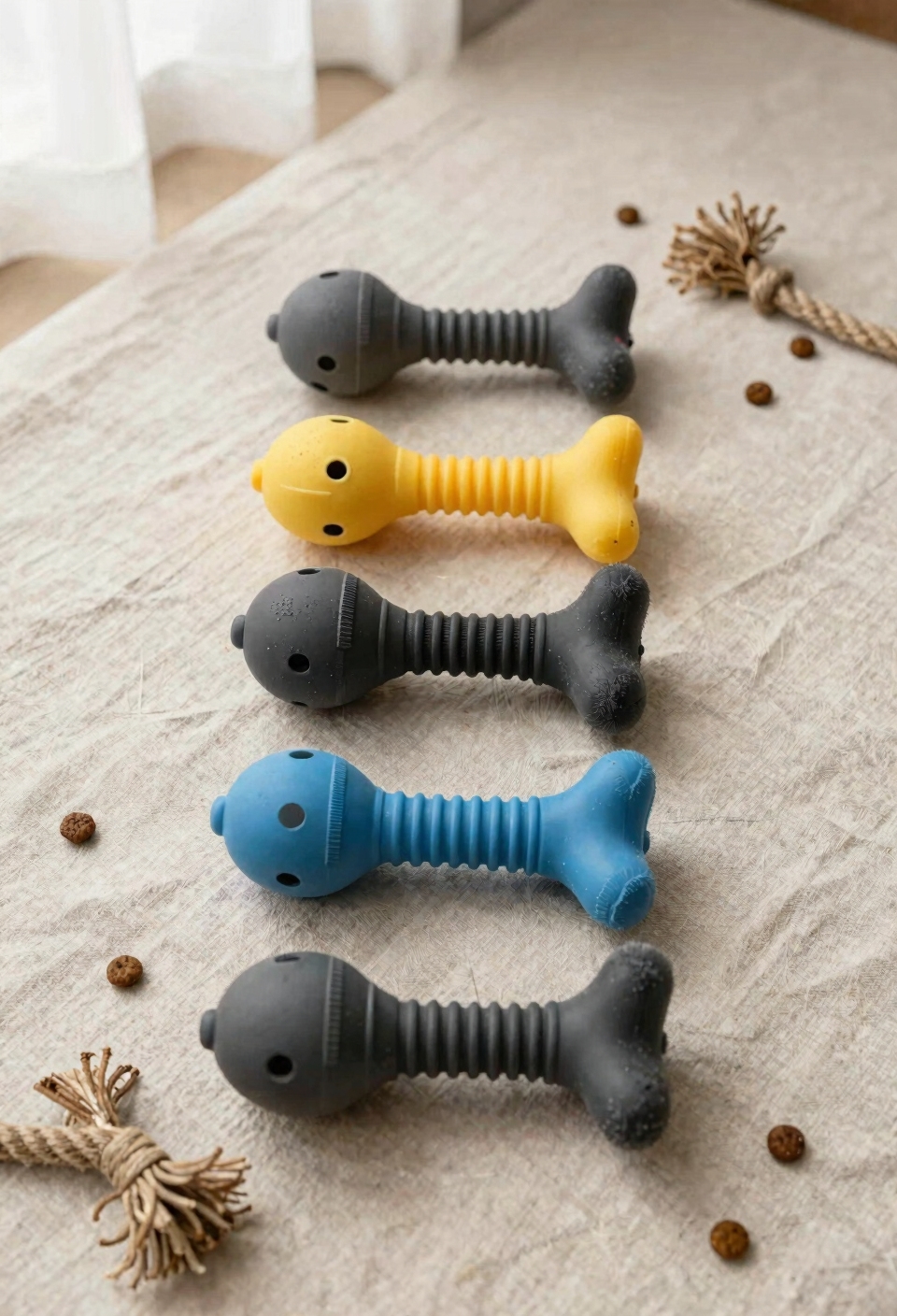
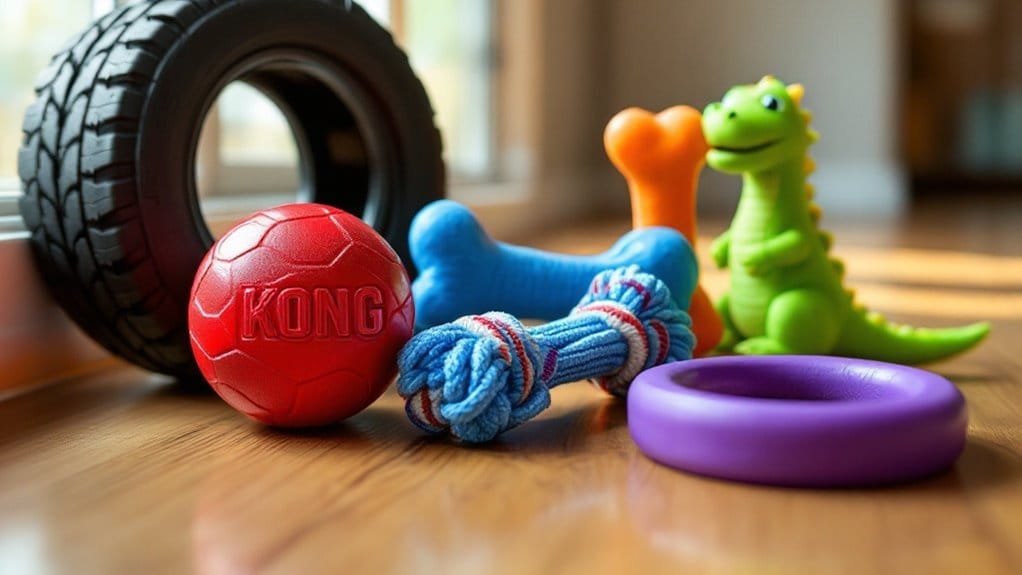
Now that you understand why dense, single-piece construction wins, let’s talk about the actual toys that nail this formula. I’m sure you’ve noticed that some chew toys vanish in days while others hang around for months. All right, here’s the thing: the Goughnuts Ring consistently tops durability lists because that closed-loop design distributes bite pressure evenly—no weak seams to exploit. Kong Extreme Tires roll unpredictably, keeping your dog engaged longer, which means less destructive chewing elsewhere. Benebone Wishbone offers flavor variety that actually matters for repeated gnawing sessions. Nylabone’s Barbell Power Chew doubles as a dental toy. Monster K9’s Indestructible Ring Ball handles fetch durability without sacrificing toughness. Each one’s built for power chewers, not casual nibblers. That’s what separates the keepers from the trash bin. When selecting among these options, prioritize toys with reinforced seams and solid core materials to ensure maximum longevity and value for your investment.
The Shapes That Survive Aggressive Chewing
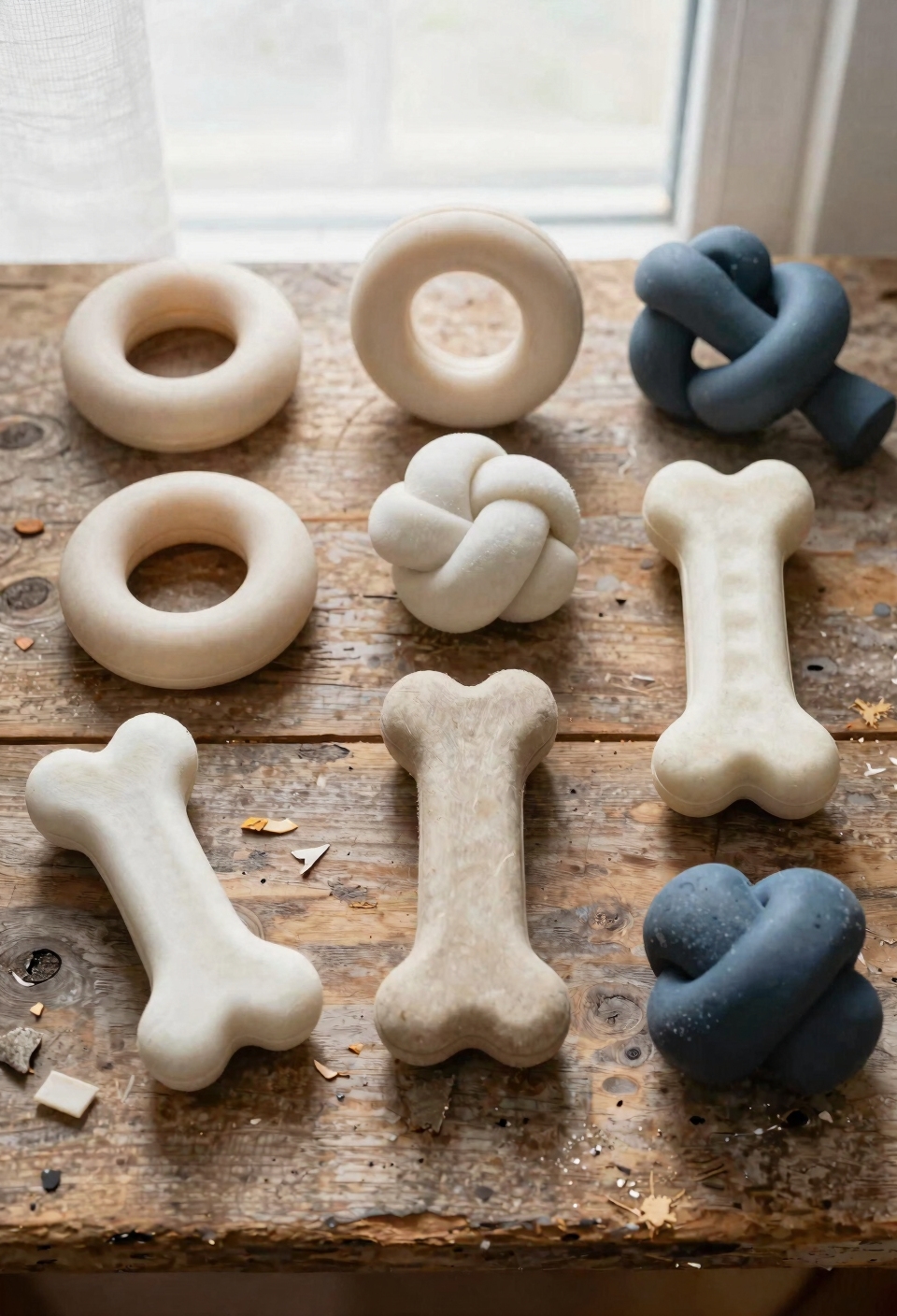
Shape matters way more than most people think when you’re hunting for a chew toy that’ll actually survive your dog’s demolition crew. I’m sure you’ve noticed that some toys get shredded in days while others last months—and honestly, shape‘s doing half the heavy lifting there.
Ring resilience is real. Those closed-loop designs distribute your dog’s bite pressure evenly instead of letting them focus all their force on one weak spot. Now, tire dynamics work similarly but throw in unpredictability—your pup can’t predict how it’ll roll or move, which keeps them engaged longer and reduces that laser-focused chewing that destroys toys fast.
Stick-shaped chews? They give your dog natural grip points. Balls? They’re versatile. All right, the takeaway here is simple: avoid thin limbs and seams. Single-piece construction wins every time. Textured surfaces also help withstand intense chewing while providing dental benefits like plaque reduction during play.
Rubber vs. Nylon vs. Bone: Which Material Lasts Longest?
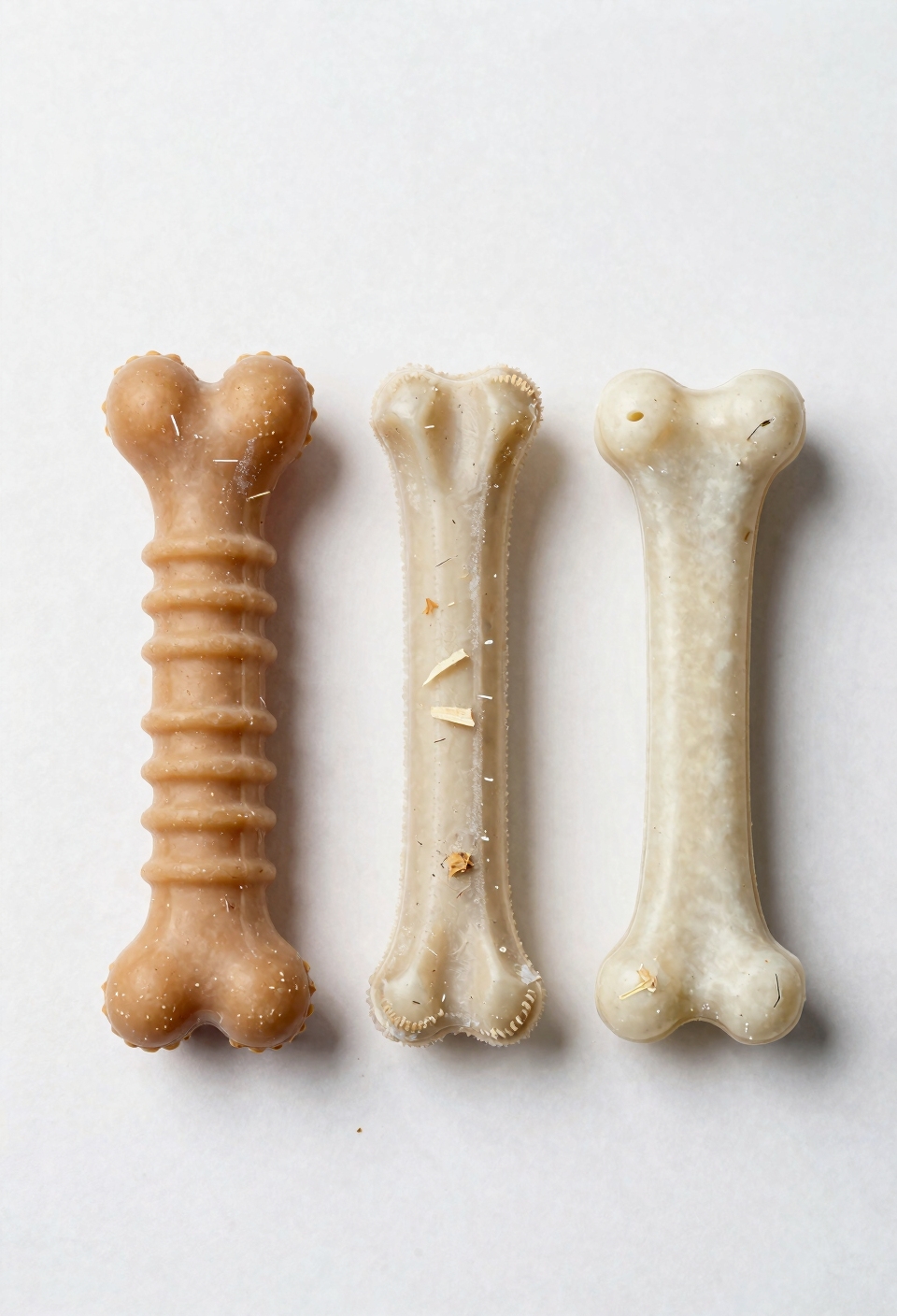
Material choice is where a lot of people get stuck, and honestly, I don’t blame you—there’s a ton of marketing noise out there claiming everything’s “indestructible.” But here’s the thing: rubber, nylon, and bone all play by totally different rules when your aggressive chewer gets their teeth into them.
Rubber toys rank high in longevity testing because they flex without splintering. Nylon holds up through repetitive gnawing but can shed fibers you’d rather your dog not swallow. Bone-shaped toys? They’re fantastic for texture impact and often include flavor additives that keep dogs engaged longer, though hardness varies wildly depending on the material comparison. Natural rubber toys with treat-dispensing features have shown superior durability compared to standard options in expert testing.
My honest take: rubber edges out the others for most power chewers. It’s forgiving enough to protect teeth while tough enough to survive serious sessions.
Recommended Products
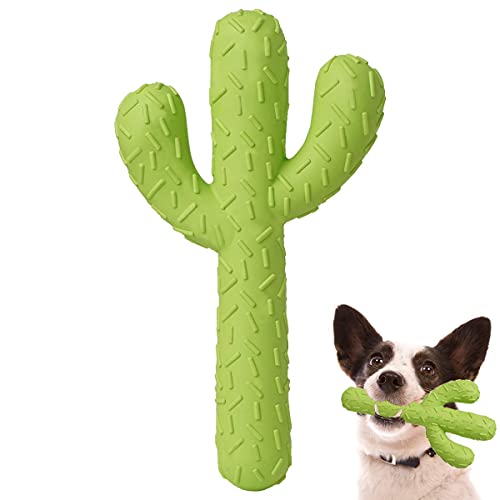
UNIQUE MODELING- The shape of the cactus makes the dog more excited, it is suitable for small dog, medium and large breed. There is also a unique milk flavor that makes dogs fall in love with cleaning his teeth. A great dog toy for your puppy!

Durable Dog Toys for Aggressive Chewers: Shark interactive dog chew toys for aggressive chewers are easy to use and tougher than real bone to satisfy dogs' urge to chew and gnaw. The dog toy for aggressive chewers rubber part is 30% thicker than other toys. Dog toys for large dogs are tough dog toys and last for weeks. Dog chew toys are almost indestructible dog toys for aggressive chewers and can withstand more vigorous chewing. This long-lasting hard dog toy is the best gift for 20-80 lbs dogs

Durable Dog Ring Toy: KONG's Ring chew toys are designed with KONG's durable natural rubber, making it a long-lasting dog toy essential
Red Flags: Chew Toys That Won’t Survive Your Dog
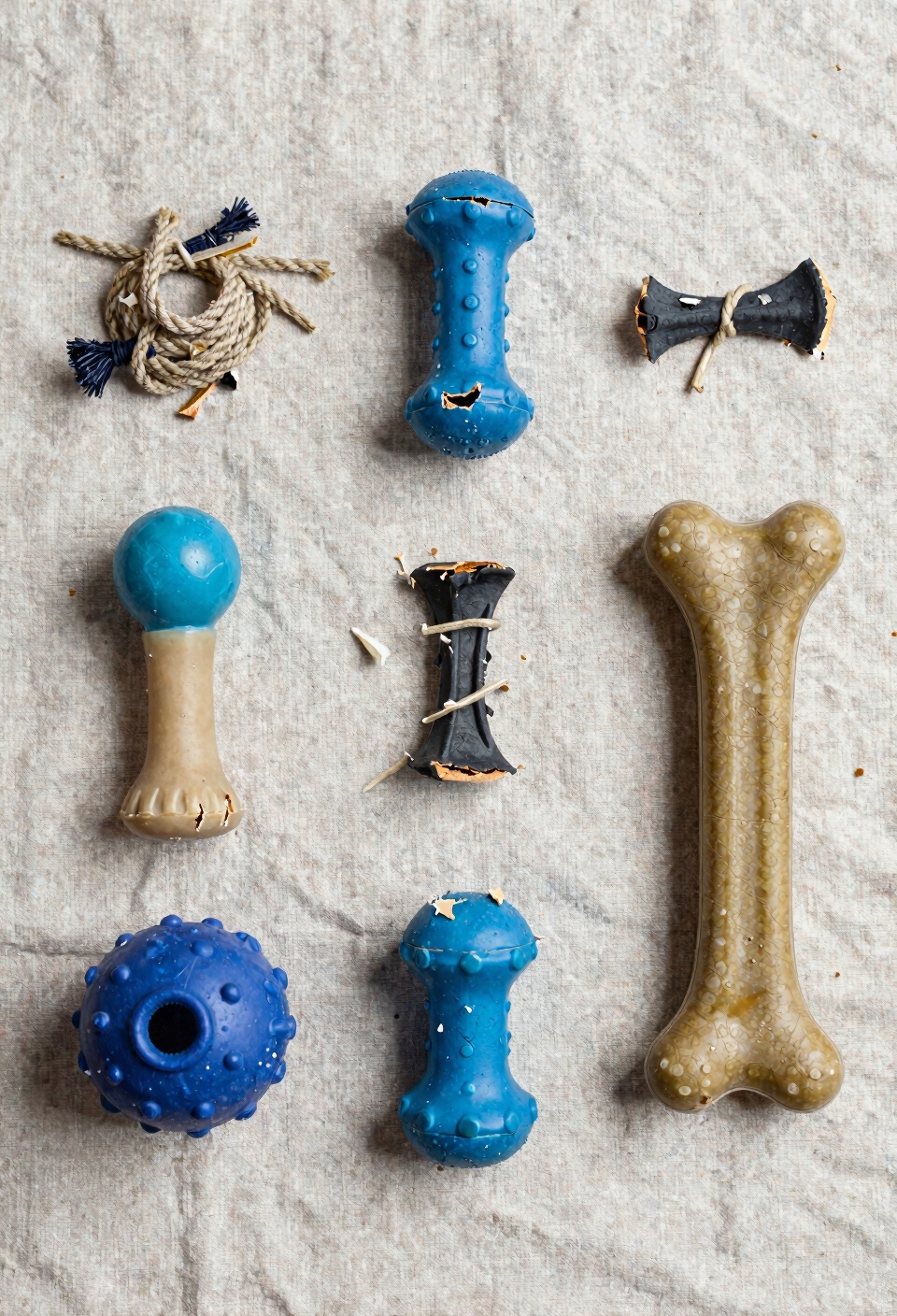
Look, I’m sure you’ve noticed that some chew toys fall apart faster than a sandcastle in a rainstorm, and there’s usually a pattern to which ones tank. Avoid anything with loose seams, stuffing, or thin rubber that peels like old paint. I mean, fluff-filled toys are basically asking your dog to swallow something sketchy.
Now, here’s where marketing claims get sneaky. That “indestructible” label? Total nonsense for power chewers. Watch out for toys with chemical hazards too—cheap plastics can leach nasty stuff. Skip rope toys if your dog shreds them into confetti, and obviously steer clear of anything smaller than your dog’s mouth. One-piece construction is your friend. Materials like durable nylon and TPR have proven track records of withstanding aggressive chewing without breaking down into dangerous fragments. Trust me, your vet bill will thank you later.
Pre-Purchase Safety Checklist for Aggressive-Chewer Toys
Before you toss that shiny new chew toy into your cart, I want you to do yourself a solid and actually think through what you’re buying—because yeah, I know it’s tempting to just grab whatever has the best reviews and call it a day. Here’s what I actually check: First, match the toy to your dog’s size using a size guide so nothing becomes a choking hazard. Second, keep those purchase receipts handy in case something breaks or causes problems. Third, scan for hazard signage on packaging—if the brand warns against unsupervised use, listen to them. Fourth, verify that materials are non-toxic and safe in case of accidental ingestion during aggressive chewing sessions. Finally, create a supervision plan before the toy arrives. I mean, “indestructible” doesn’t mean you can ignore your dog for hours. Trust me on this one.
Rotation and Maintenance: How to Double Your Toy’s Lifespan
Now, I’m sure you’ve noticed that even the toughest chew toy eventually shows signs of wear—and honestly, that’s where most people just toss it in the trash and buy another one, which is basically throwing money at the problem instead of actually solving it.
Here’s the thing: toy rotation is your secret weapon. I mean, if you’re cycling through three or four toys instead of letting one get absolutely demolished, you’re spreading out the damage. Your dog stays engaged, and each toy gets actual downtime to recover.
I also recommend a basic cleaning schedule—maybe weekly rinses with warm water. You’d be shocked how much gunk accumulates. Plus, a clean toy feels fresher to your pup, which honestly makes them chew it more consistently rather than abandoning it for something else. Regular inspection is equally important—watch for pieces breaking off or heavy damage that signals it’s time to replace before safety becomes an issue. Double the lifespan? Totally doable.
Frequently Asked Questions
How Do I Know if My Dog’s Bite Force Is Strong Enough to Need Aggressive-Chewer Toys?
I’d watch how quickly your dog destroys standard toys and how long they sustain chew duration on regular options. If they shred most toys within days and show intense bite strength, you’ll need aggressive-chewer alternatives.
Can Very Hard Chew Toys Damage My Dog’s Teeth or Cause Dental Problems?
Yes, very hard toys can damage your dog’s teeth. I’d recommend supervising chewing sessions and watching for tooth enamel wear or gum recession. Dogs with sensitive teeth shouldn’t have extremely rigid options.
What’s the Right Toy Size to Prevent Choking Hazards for My Specific Dog Breed?
“Measure twice, chew once.” I’d match your dog’s toy size to their mouth—it shouldn’t fit entirely in their throat. For breed-specific sizing, consult your vet about neck safety considerations and choking risks.
Are “Indestructible” Chew Toys Actually Guaranteed, or Is That Just Marketing Hype?
“Indestructible” is marketing hype, not a guarantee. I’d look beyond the claims to material testing and your dog’s bite force. Durability depends on your pup’s size and chewing style, not just the label.
How Often Should I Replace Chew Toys Before They Become Unsafe to Use?
I’d recommend inspecting your dog’s chew toys weekly for wear and replacing them immediately when you notice cracks, splinters, or loose pieces. Replacement frequency depends on your dog’s bite force—aggressive chewers may need monthly rotations.
Conclusion
Look, I’m sure you’ve noticed your aggressive chewer destroys toys like a tornado through a trailer park. The good news? You now know that dense, single-piece toys actually stand a fighting chance. Rotate them, inspect them weekly, and you’ll save money while keeping your pup happy. Obviously, no toy’s truly indestructible, but these strategies get you pretty darn close.