As an Amazon Associate, we earn from qualifying purchases. Some links on this site are affiliate links at no extra cost to you. Our recommendations are based on thorough research and editorial judgment.

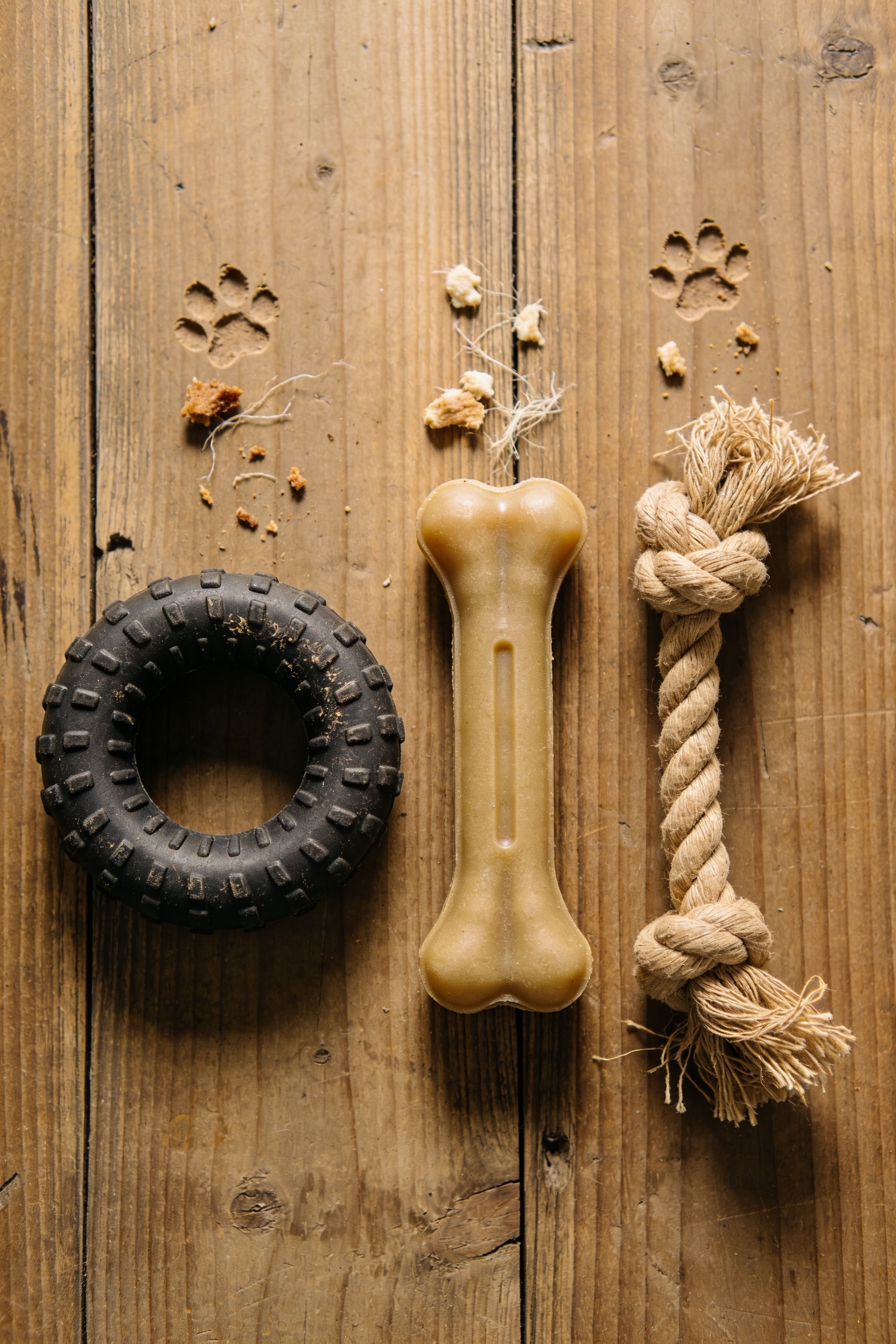
Rubber vs. Nylon vs. Natural Chew Toys: Pros and Cons

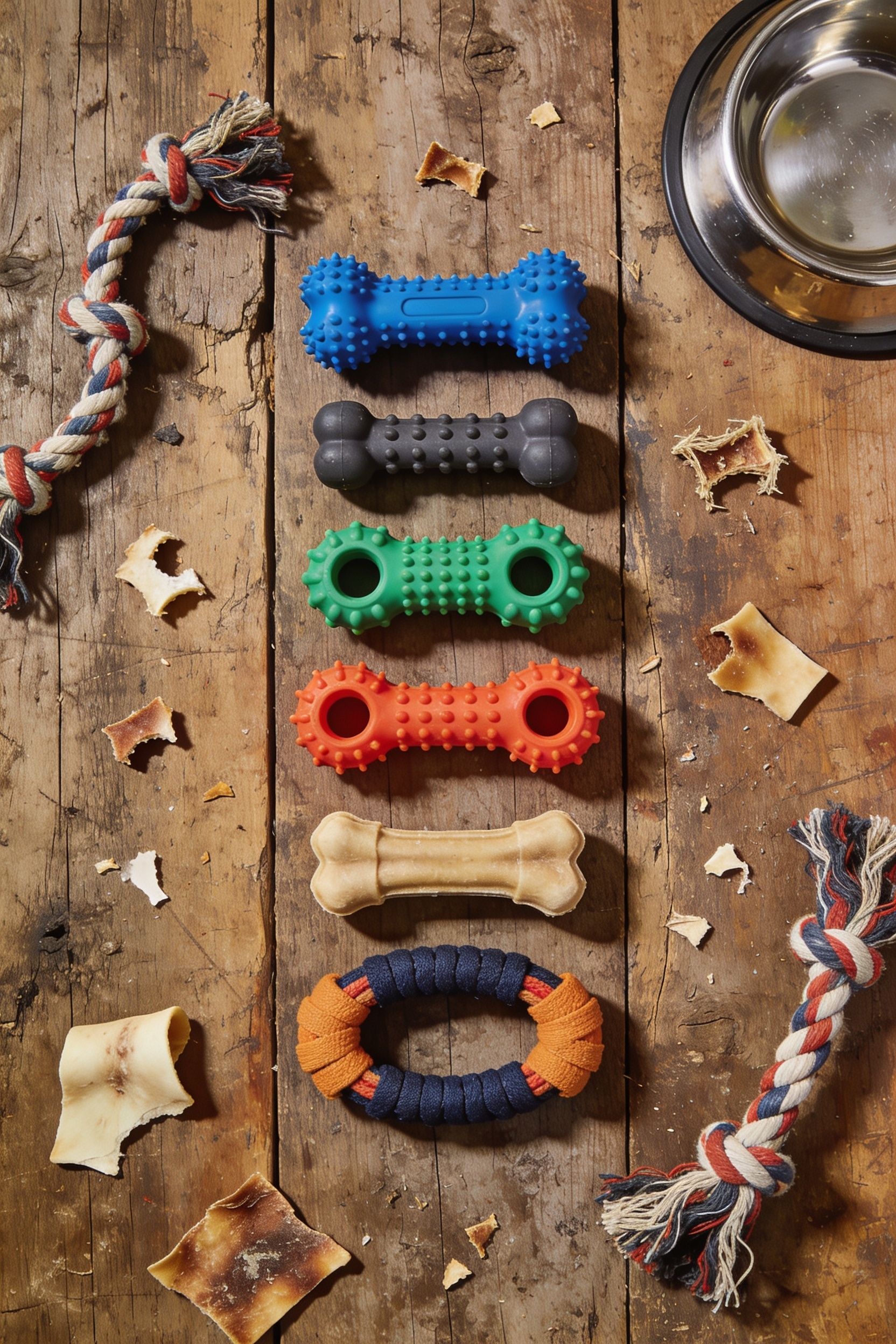
I’m sure you’ve noticed that grabbing any chew toy off the shelf is basically a gamble. Natural rubber gives you flexibility and bounce—perfect for moderate chewers who won’t destroy it in two days. Now, if you’ve got an aggressive destroyer, nylon’s your durability champion, though it can wear down teeth over time. Natural chews? They’re instinctively satisfying but risk tooth cracks and splinters. All right, here’s the real talk: matching your dog’s chew strength to the right material saves money and keeps those teeth intact, but there’s definitely more to take into account about safety and long-term costs.
Key Takeaways
- Rubber toys offer flexibility and mental stimulation through treat-dispensing features while reducing tooth stress compared to rigid materials.
- Nylon provides extreme durability but can splinter into hazardous pieces; replace before wear becomes severe to prevent choking.
- Natural chews satisfy deep instinctual urges and last longer than plastics, though hard materials risk cracking teeth with monitoring required.
- Material choice depends on chew strength: gentle nibblers suit natural rubber, moderate chewers need flexible options, aggressive destroyers need TPR-based durability.
- Inspect toys weekly and replace at first signs of wear; quality products cost more upfront but reduce replacement frequency and vet bills.
Choose by Chew Strength: A Decision Matrix for Every Dog
You may be interested
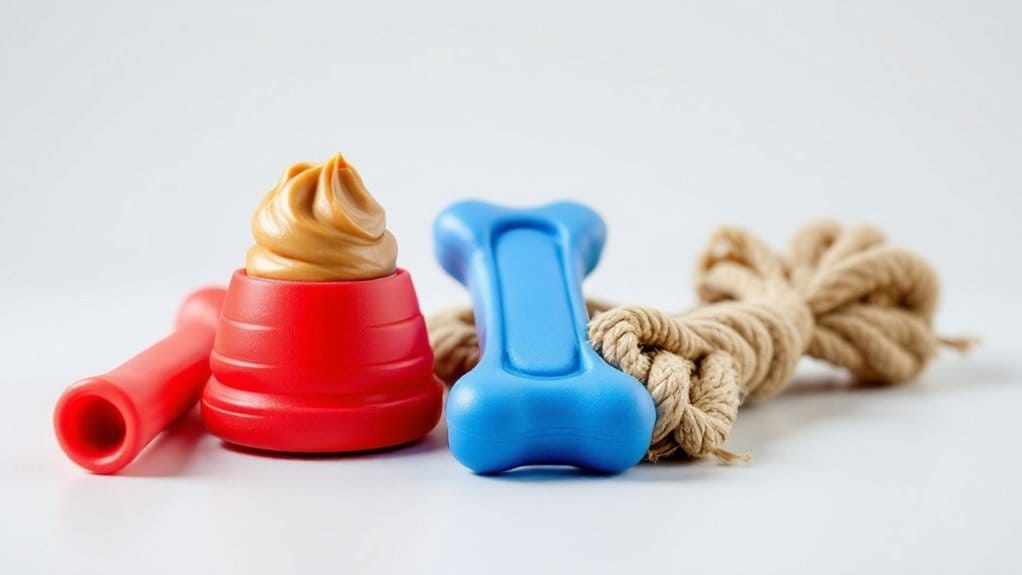
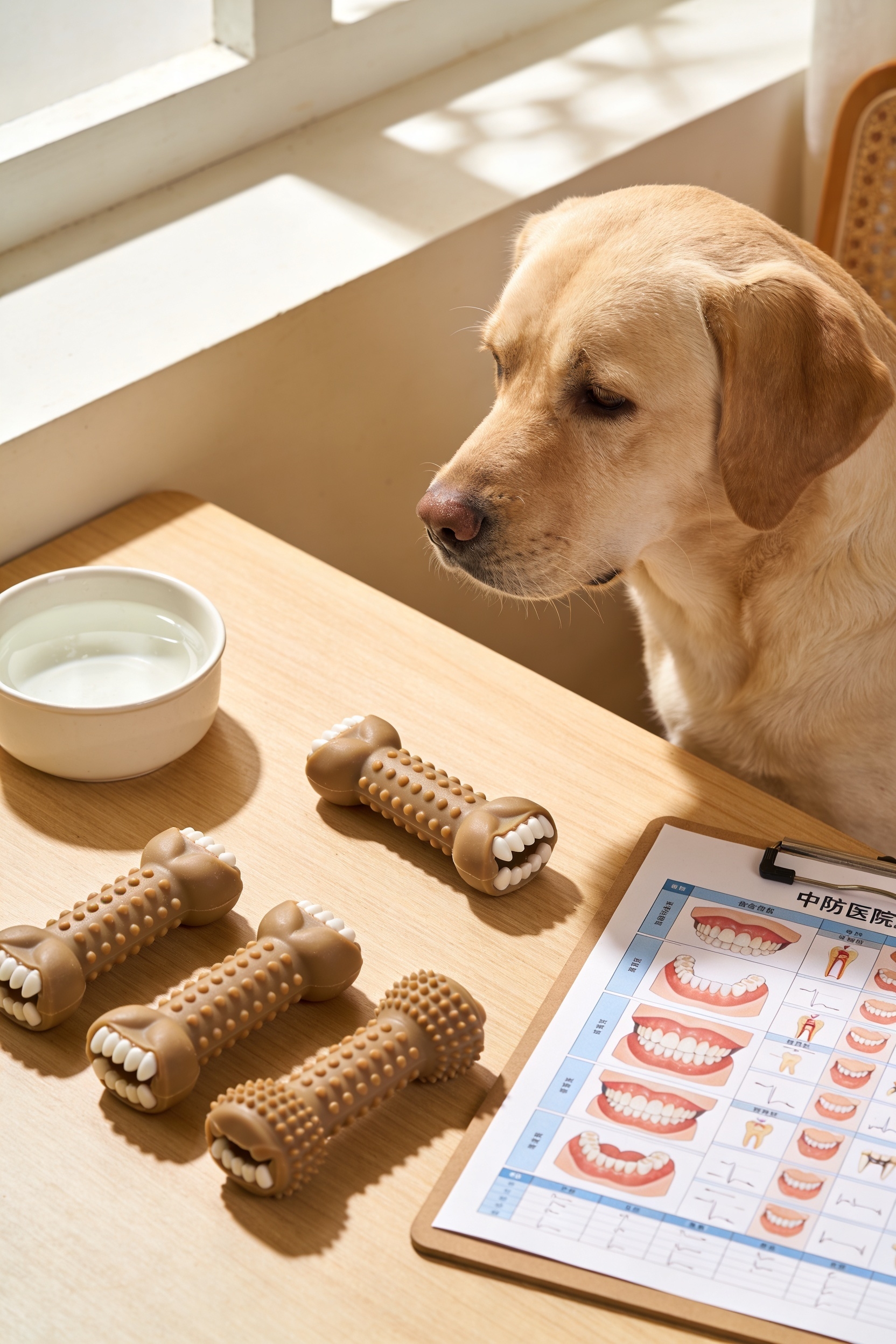
Here’s the thing about chew toys—they’re not one-size-fits-all, and I’m sure you’ve noticed that your dog’s chewing style is basically their personality on full display. All right, so here’s where chew strength comes in. You’ve got your gentle nibblers who’d be totally fine with natural rubber, then your moderate chewers who can handle rubber blends, and then—well, you know the type—those absolute destroyers who’ll obliterate anything softer than nylon within days.
Age considerations matter too. Puppies need softer options because their teeth are still developing, while senior dogs might have dental sensitivity. Now, behavioral triggers play a role here. Is your dog stress-chewing or just naturally intense? That’ll help you pick the right material. Materials like TPR-based rubber are specifically engineered to resist deformation under aggressive chewing and maintain durability over extended use. I mean, matching durability to chew strength basically saves you money and keeps your dog safer.
Recommended Products

COST-EFFECTIVE 3 PACK WITH MULTIPLE OPTIONS: This 3-pack of dog chew toys provides great value for multi-dog households or as convenient replacements; choose 6/9-pack for even better value. These durable dog toys make a perfect gift for your furry friend, ideal as practical chew toys for dogs and long-lasting dog bones.

Stop Wasting Money on 2-Minute Toys: Engineered for the crushing jaw pressure of 20-80 lb breeds like Labs and German Shepherds, this dual-material bone features a rock-solid nylon core reinforced with a dense rubber sleeve to outlast standard plush toys and finally give you a break from constant replacements
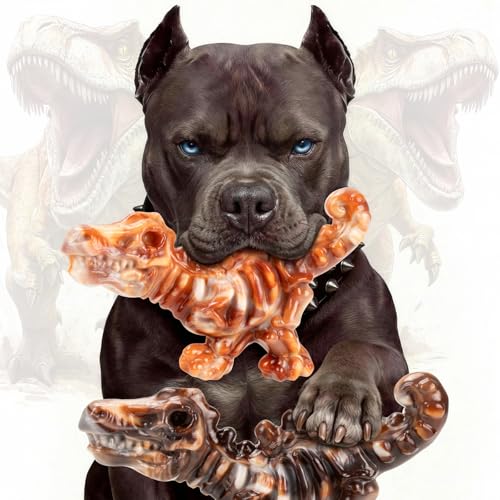
BUILT FOR POWER CHEWERS WHO DESTROY ORDINARY TOYS: Designed for dogs that quickly tear through plush, rubber, and softer chew toys. Made from durable nylon to provide a longer-lasting chewing outlet for strong jaws and determined chewers
Natural Rubber Material: Flexibility and Bounce for Average Chewers

Now that you’ve matched your dog’s personality to their chew strength, let’s talk about one of the most popular go-to materials for dogs who fall right in that sweet spot of moderate chewing: natural rubber. I’m sure you’ve noticed how these toys feel—they’ve got this satisfying give under pressure that nylon just can’t match. The texture variety you’ll find in natural rubber toys is pretty wild; some have nubs, others are smooth, and some combine both. What really sets them apart is the bounce comparison. Natural rubber actually bounces, which means your dog gets that interactive element during play. All right, here’s the thing: that flexibility means less tooth stress than rigid materials, which is exactly why average chewers tend to gravitate toward them. Natural rubber toys with treat-dispensing features are particularly effective at extending playtime while providing mental stimulation for your dog.
Recommended Products

Durable Dog Ring Toy: KONG's Ring chew toys are designed with KONG's durable natural rubber, making it a long-lasting dog toy essential

Squeaking toy: our product is a toy with built-in sound generating device, which makes squeaking sound during the chewing process of dogs. Squeaks are not easily damaged and lose their function. Generally, the squeaking function can be used for a long time.
Durable Dog Ring Toy: KONG's Ring chew toys are designed with KONG's durable natural rubber, making it a long-lasting dog toy essential
Nylon Material: Maximum Durability for Aggressive Chewers
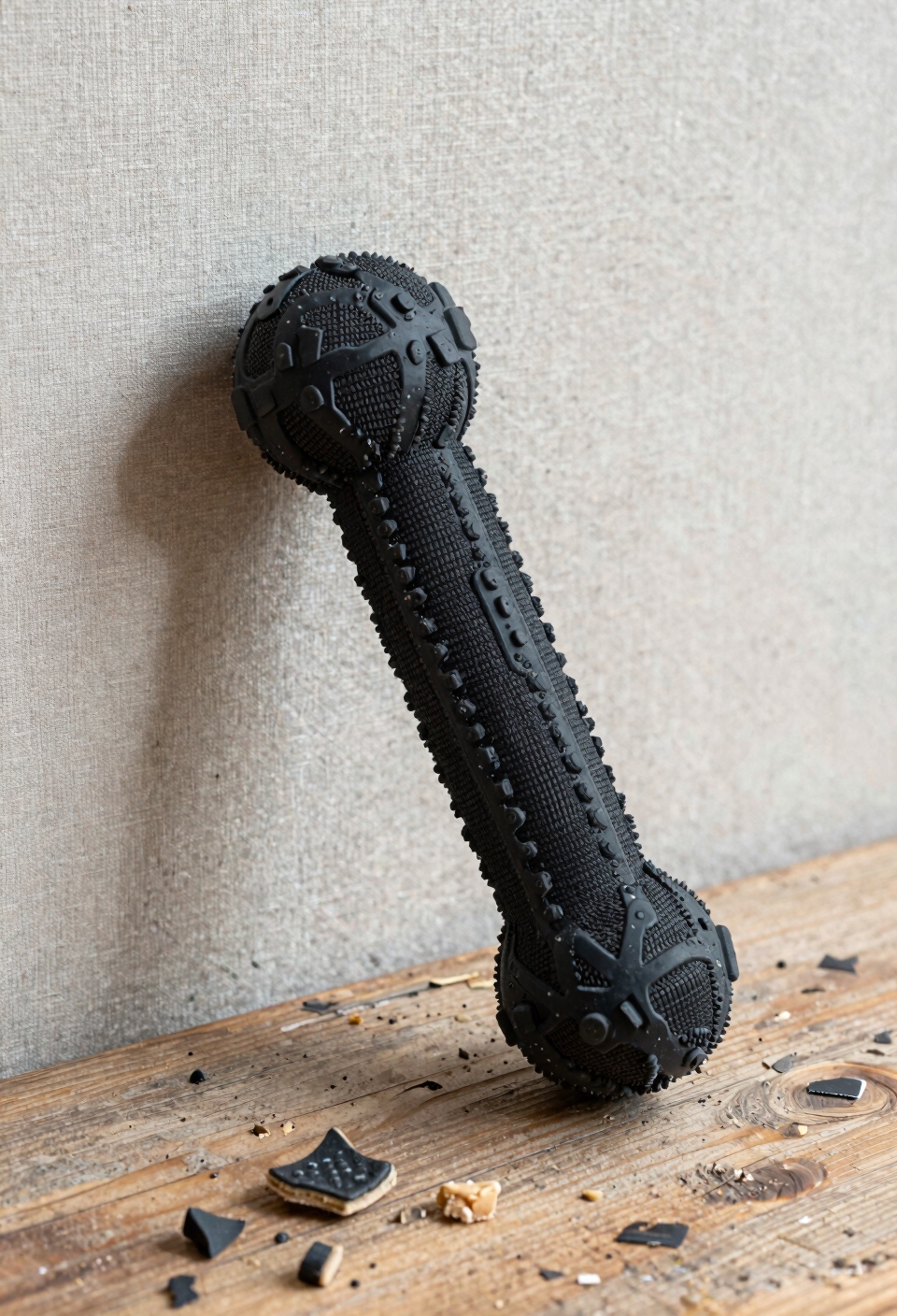
If your dog treats toys like they’re training for a demolition derby, nylon’s probably your answer. I’m sure you’ve noticed that some dogs just have bite mechanics built for destruction—they’re not trying to be difficult, that’s just how they’re wired.
Nylon delivers extreme durability that rubber can’t match. It resists shredding and holds up under relentless gnawing way longer than natural rubber toys. Now, here’s the trade-off: nylon’s rigid, which some dogs love, but that hardness can actually wear down teeth over time if your pup’s really going at it. Veterinarians recommend checking for reinforced seams and non-toxic materials to ensure safety during aggressive chewing sessions.
All right, the real deal is monitoring matters. As nylon wears, it can splinter into small pieces that aren’t safe to swallow. Replace it before it gets too small or damaged. For aggressive chewers though, nylon’s basically the heavy-duty workhorse of the toy world.
Recommended Products

【THREE DIFFERNET SHAPES DESIGN】: Our dog toys for chewers have a unique ocean themed design, starfish, shells, lobster, cute and fun. It's perfect for dogs who like to chew. It satisfies their natural urge to chew and helps them develop good chewing habits

It's Claw-Some - We dog-ified a lobster to create an exciting chew toy for small dogs that will add extra fun and flair to your best friend's chew toy collection

Built for Long-Lasting Play: Made from tough, high-quality nylon, these dog chew toys stand up to aggressive chewers and won't break apart easily. Whether your dog is relaxing on the couch after a morning walk, gnawing happily in the backyard, or enjoying a quiet moment in the living room, these dog toys let them chew freely. You can feel confident leaving them to enjoy themselves, knowing the toy will hold up, keeping playtime safe, satisfying, and stress-free
Natural Chew Materials: Instinctive Satisfaction and Lasting Appeal

Because some dogs are basically just wolves in a smaller package, natural chews tap into something way deeper than your standard rubber toy ever could. I’m sure you’ve noticed how your dog goes absolutely feral for an antler or bone—that’s instinctual appeal hitting hard. The smell and taste trigger something primal, honestly. Now, here’s where sourcing ethics gets tricky: where those antlers and bones come from actually matters. Some brands handle it responsibly; others, I mean, not so much. Natural chews can last surprisingly long, and they’ll satisfy that deep chewing urge better than most plastics. For dogs with particularly aggressive chewing habits, ultra-durable natural rubber construction offers a safer alternative that still provides satisfying engagement without the risk of tooth fractures. Obviously they’re not perfect—hard chews can crack teeth, and you’ve gotta monitor for splintering. But if your dog craves that authentic, meaty satisfaction? Natural chews might be your answer.
Recommended Products

Natural Bison Flavor - Real bison taste dogs crave, made with wholesome ingredients for a delicious chewing experience

100% Natural, Single Ingredient: Our cow knee caps are made from only 1 simple ingredient - 100% grass fed cattle! This makes them an all natural and healthy treat for your four legged family members!

Perfect for Power Chewers: These extra-hard yak chews are designed for aggressive chewers who need a durable, long-lasting chew to stay occupied and happy! Great for mental enrichment!
Safety First: Choking Risks, Splinter Potential, and Monitoring for Each Material
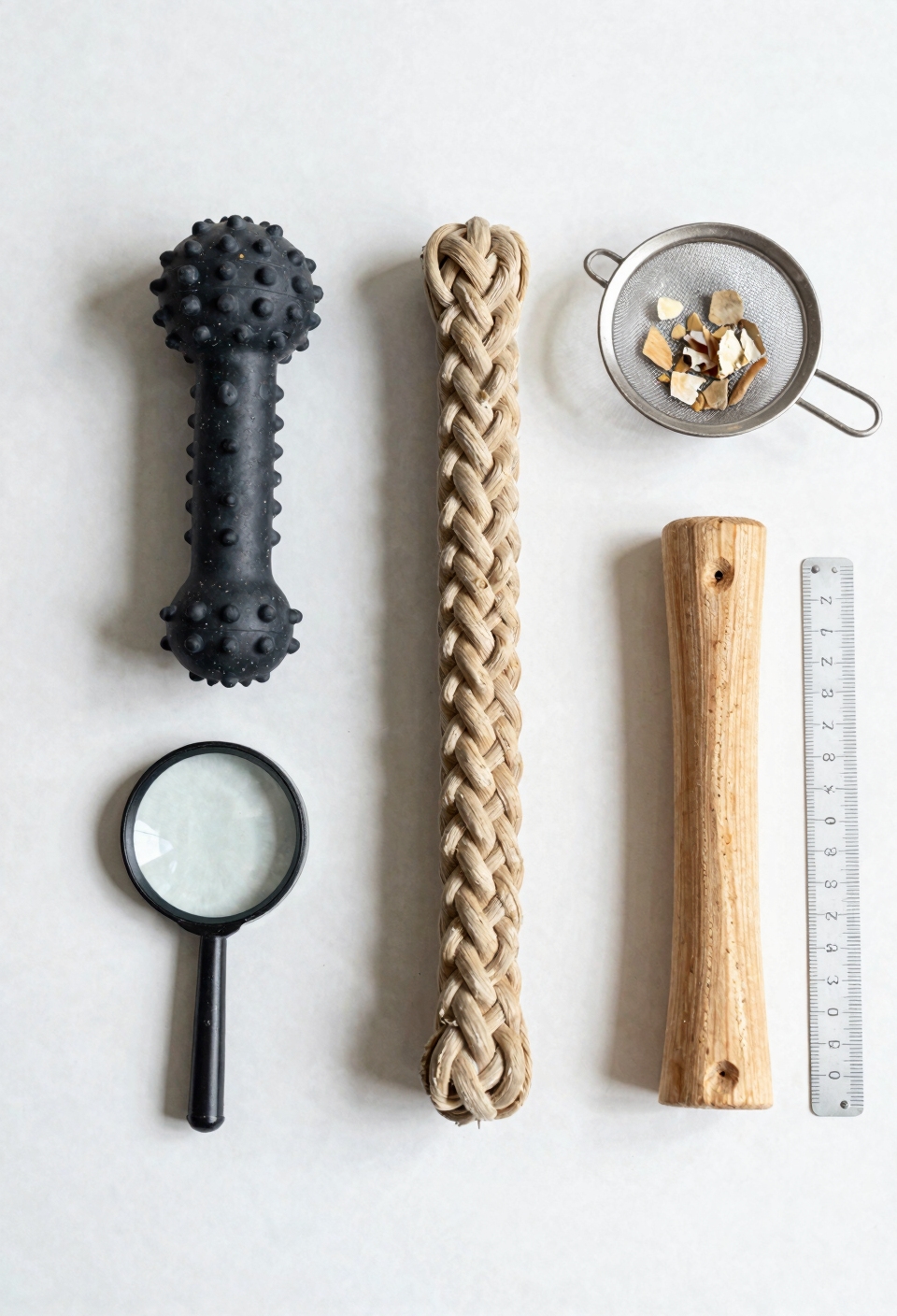
Every chew toy looks innocent until your dog swallows a chunk and you’re staring down a vet bill that makes you question all your life choices, so let’s talk about what actually makes each material risky. Natural rubber bends rather than shatters, which honestly seems safer than nylon‘s tendency to break into sharp fragments. Nylon’s durability is a double-edged sword—great for lasting power, terrible when worn pieces become choking hazards. Natural chews won’t splinter like plastic, but hard antlers can still crack teeth. I’m sure you’ve noticed that supervision protocols matter regardless of material. Keep emergency responses ready: know your vet’s hours and watch for signs of blockage. Inspect toys weekly and replace them at first signs of wear such as fraying, tears, or loose parts. Swap toys regularly and inspect them religiously.
Real-World Costs: Initial Price vs. Replacement Frequency
Now that you know which toys won’t send you to the emergency vet at 2 a.m., let’s talk about the money side of things—because honestly, the cheapest chew toy upfront isn’t always the cheapest one by the time you’re done replacing it every three weeks.
Here’s the thing: nylon toys cost less initially, sure, but their lifecycle cost depends on your dog’s chew strength. Natural rubber sits in the middle price-wise and lasts decently for average chewers. Natural chews? They vanish fastest, which means your replacement cadence skyrockets and your wallet suffers.
I’ve watched people grab the bargain-bin nylon toy, then buy three more within a month. Meanwhile, a pricier rubber option kept chugging along. Do the math on what you’re *actually* spending over a year, not just that first purchase. Products like KONG Ring and Benebone have demonstrated superior longevity over time, with thousands of customer reviews confirming they outlast cheaper alternatives despite their higher initial cost.
Match Your Dog’s Chew Strength to the Right Material
All right, here’s where the rubber meets the road—or doesn’t, depending on your dog’s teeth. I’m sure you’ve noticed that not every dog chews the same way—breed differences matter huge. A Chihuahua’s gentle nibble isn’t the same as a German Shepherd’s industrial-strength jaw work. Now, teething stages complicate things further. Puppies exploring their mouths need softer rubber toys that won’t damage developing teeth. Adult power chewers? They’ll demolish rubber in weeks. That’s when nylon steps up. I mean, if your dog can snap a pencil with their bite, natural rubber’s basically a snack. Both nylon and rubber can develop sharp edges with aggressive chewing, creating potential hazards that require regular inspection and supervision. Consider what you’re actually dealing with—your dog’s age, breed, and chewing intensity. Honestly, matching material to personality keeps everyone safer and happier.
Frequently Asked Questions
Can Natural Rubber Toys Trigger Latex Allergies in Dogs or Their Owners?
Yes, I’ve found that natural rubber toys can trigger latex sensitivity in both dogs and owners. Some pets develop canine hives from rubber proteins, while owners with latex allergies may react during handling. It’s a real concern worth considering.
How Do I Know When a Chew Toy Is Too Worn and Needs Replacement?
I’d inspect your toy when it’s small enough to fit in your dog’s mouth whole or shows visible wear like tears, cracks, or chunks missing. Once structural integrity’s compromised, replace it immediately to prevent choking.
Which Material Best Supports Dental Health and Reduces Plaque Buildup?
I’d recommend natural chews for ideal dental health. Their textured surfaces naturally scrape plaque and tartar during chewing. Some products feature enzymatic coatings that actively reduce buildup, making them your best choice for supporting your dog’s oral hygiene.
Are Nylon Toy Fragments Digestible if Accidentally Swallowed by My Dog?
No—nylon fragments aren’t digestible and can’t pass through your dog’s system. I’d watch for digestive risks like intestinal blockage, which requires veterinary imaging. Fragment size matters; even small pieces pose danger.
How Does Environmental Impact Differ Between Renewable Rubber and Fossil-Fuel Plastics?
Natural rubber’s renewable source reduces its carbon footprint compared to nylon’s fossil-fuel derivation, though I’d note both materials’ full life cycle—sourcing, production, and transport—affects their true environmental impact differently.
Conclusion
Look, here’s the thing—you can’t go wrong if you remember that old saying: “right tool for the right job.” Your aggressive chewer needs nylon’s toughness, while your gentle nipper’ll love natural rubber’s bounce. Natural chews? They’re the crowd-pleaser, honestly. I’m sure you’ve noticed every dog’s different, so honestly, grab a few options and see what sticks. Your wallet—and your pup—will thank you.