As an Amazon Associate, we earn from qualifying purchases. Some links on this site are affiliate links at no extra cost to you. Our recommendations are based on thorough research and editorial judgment.

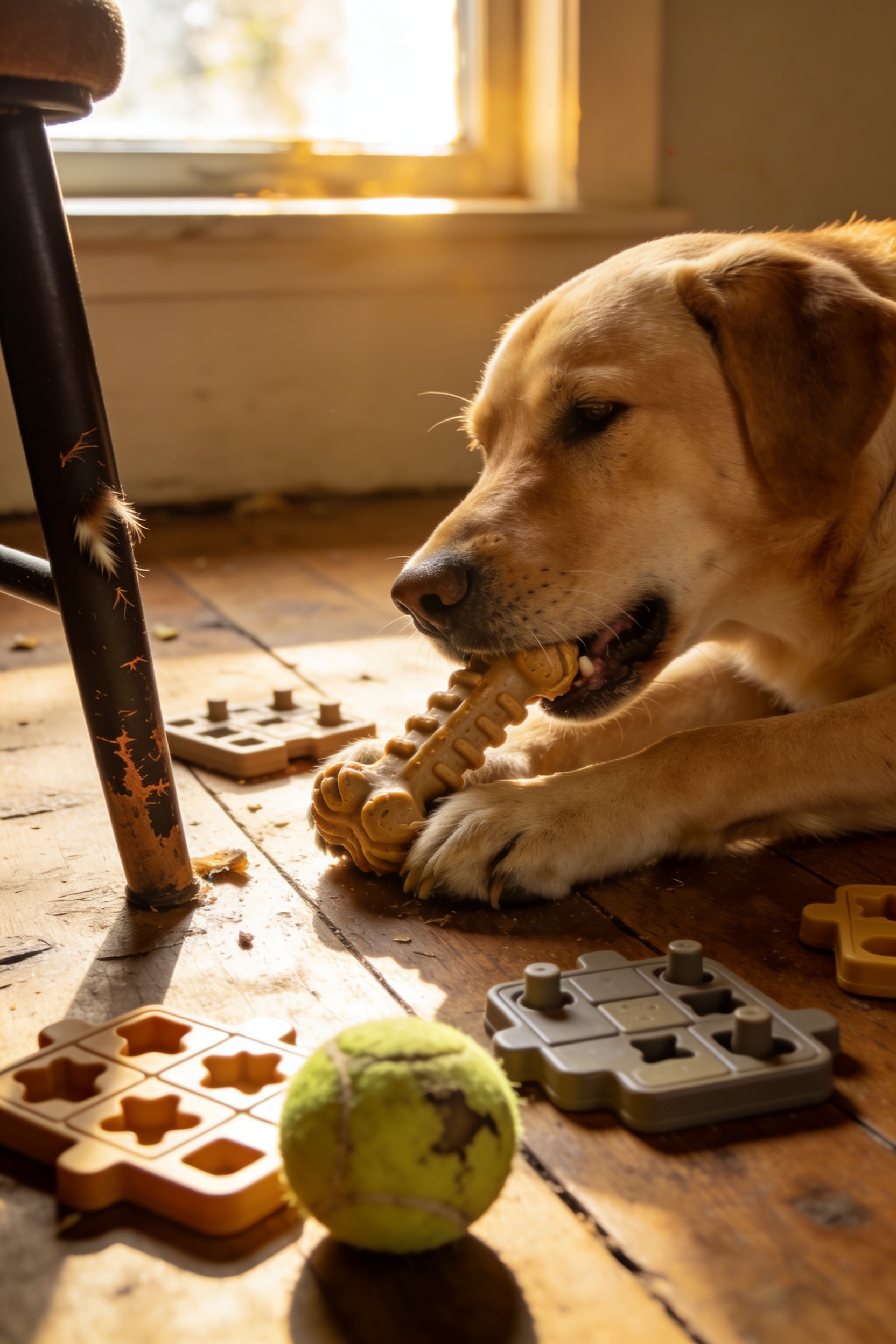
How Chewing Reduces Anxiety and Destructive Behavior

Here’s the thing—when you hand your dog a chew toy, you’re basically giving their brain a reset button. Chewing triggers saliva production and activates jaw nerves that send calming signals straight to your nervous system, which honestly sounds like something I made up, but it’s legit. The rhythmic motion rewires how your brain handles stress over time, meaning you’re not just getting temporary relief; you’re actually building long-term resilience. Stick with it daily and you’ll notice real changes in anxiety levels. There’s way more to unpack about how this actually works in your brain.
Key Takeaways
- Rhythmic chewing stimulates saliva production and jaw proprioception, triggering relaxation neurochemicals that calm the nervous system.
- Mastication reduces cortisol by roughly 16% and anxiety by over 17% during stressful situations in research samples.
- Chewing provides sensory focus and oral stimulation that redirects destructive behaviors like nail-biting and stress-eating.
- Consistent daily chewing (30+ minutes) rewires stress-handling brain regions through neural plasticity, building long-term resilience.
- Chewing offers immediate, accessible anxiety relief for both humans and pets but cannot replace clinical treatment for severe disorders.
Does Chewing Gum Really Reduce Anxiety?
You may be interested
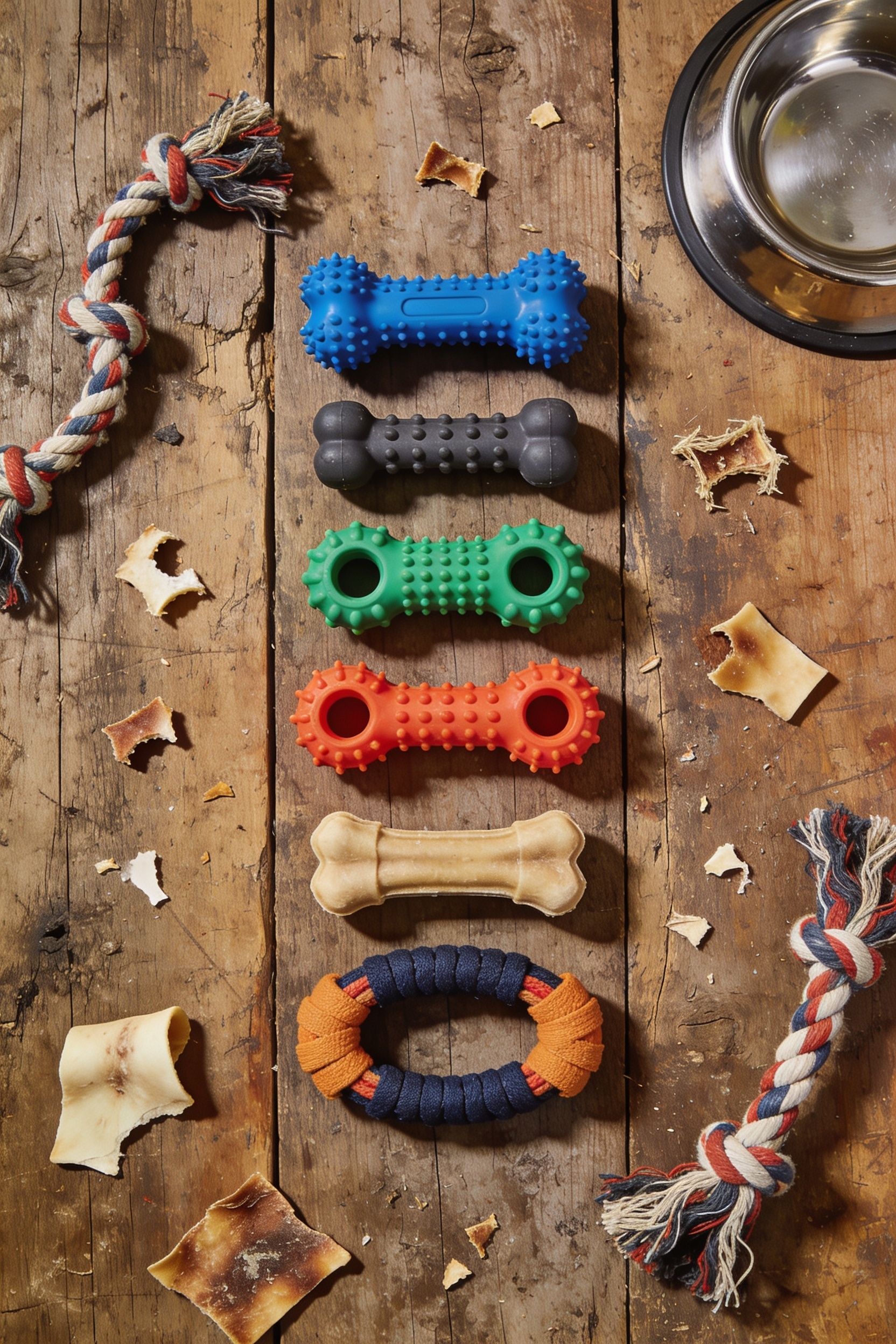
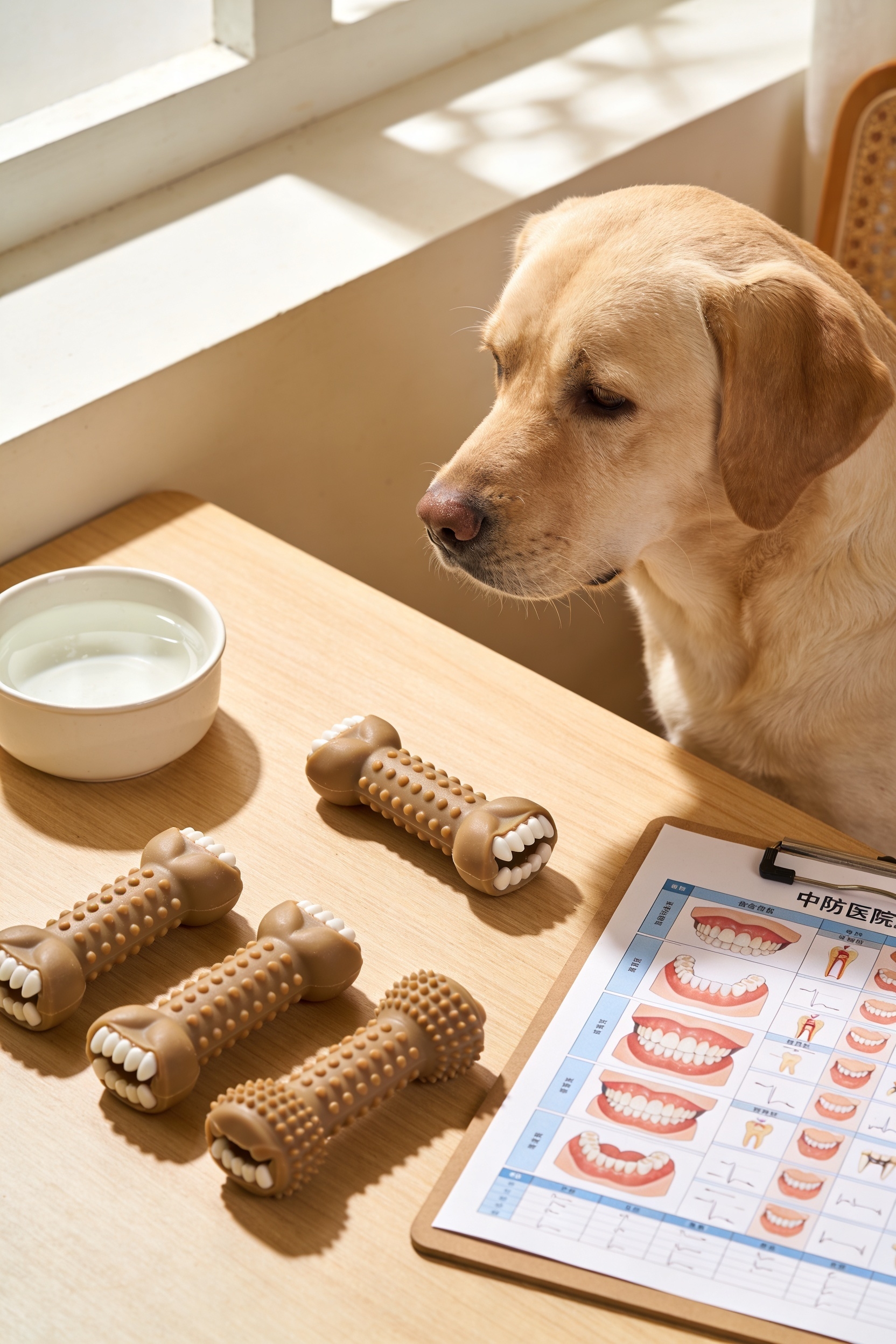
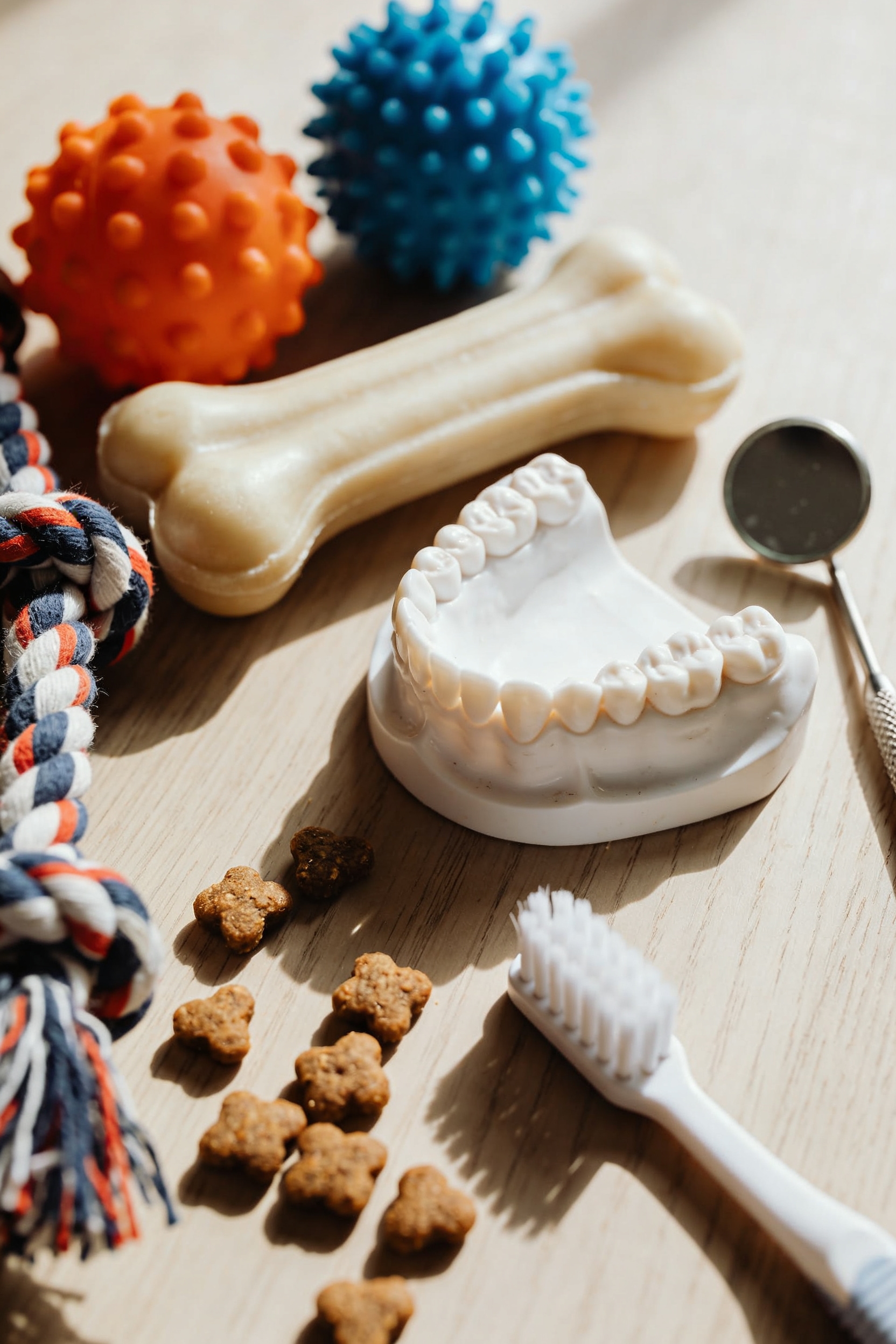
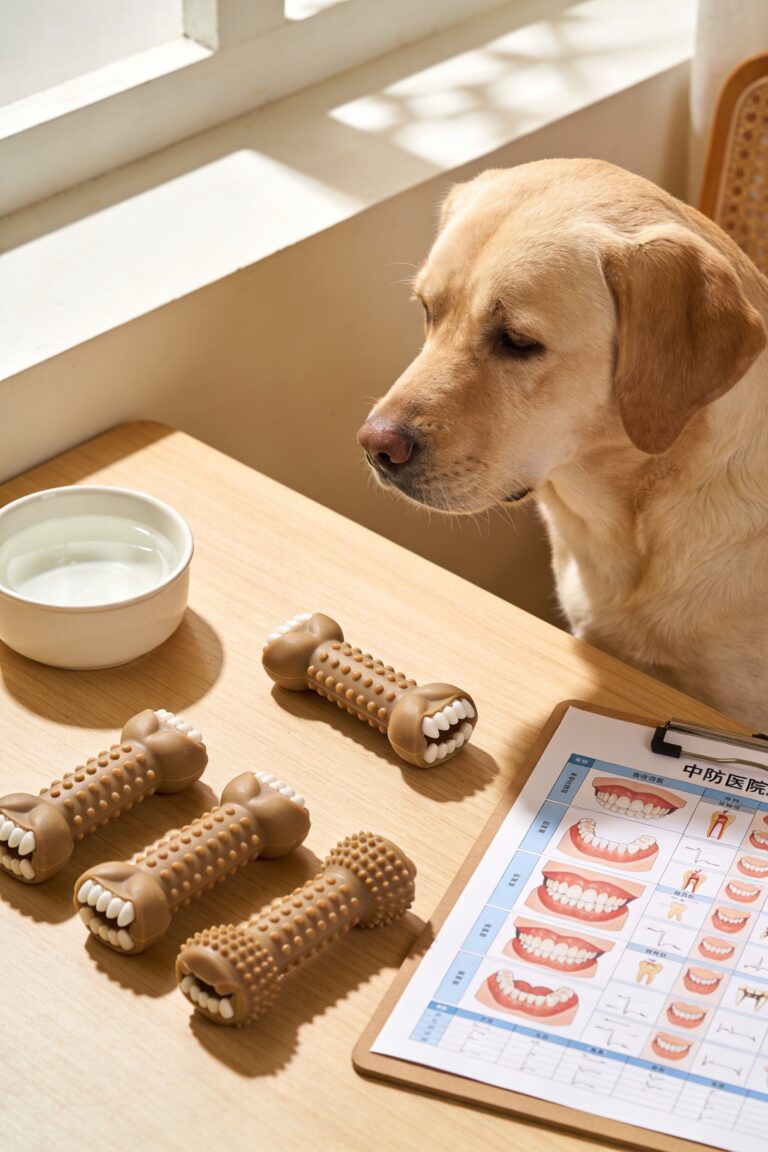
Now, I know what you’re thinking—chewing gum reduces anxiety? It sounds weird, but hear me out. Studies show that gum chewing actually cuts anxiety by more than 17 percent during stressful situations. I’m sure you’ve noticed how chewing becomes this oral fidgeting habit when you’re nervous, right? It’s basically your brain’s way of self-soothing. The mechanism involves cortisol reduction—that’s your stress hormone—dropping about 16 percent in regular chewers. Obviously, this isn’t some magical cure-all. Think of it like social signaling to your nervous system that says, “Hey, we’re calm now.” The research from over 400 adults confirms it works during mildly stressful tasks. For dogs, the benefits extend beyond anxiety relief, as textured surfaces and prolonged chewing sessions can also promote dental health by reducing plaque and tartar. So yeah, there’s legit science backing up what feels naturally calming about the whole chewing thing.
How Gum Chewing Lowers Your Cortisol Levels
Reducing your pet’s stress through something as simple as chewing might sound too good to be true, but here’s where the cortisol science gets interesting. When your dog or cat chews, their body actually lowers cortisol—that nasty stress hormone—by roughly 16 percent. I’m sure you’ve noticed how your pet calms down with a good chew toy.
Here’s the mechanism: chewing stimulates salivary buffering, which directly influences neuroendocrine signaling in your pet’s brain. Basically, the act of mastication tells their nervous system to chill out. All right, so your pet’s saliva production skyrockets during chewing, and that increased buffering capacity helps regulate stress biochemistry. It’s like their body’s built-in anxiety relief button. Pretty wild, honestly. Textured surfaces on durable chew toys can further enhance this calming effect while promoting dental health through gentle teeth cleaning during the chewing process.
Quick Stress Relief: What Happens When You Chew
While that cortisol drop we talked about is definitely happening in your pet’s brain, here’s what you’re actually *seeing* when your dog or cat goes to town on a chew toy—and it happens pretty fast. I’m sure you’ve noticed how they just zone in, totally locked onto that toy like nothing else exists. That’s oral proprioception kicking in—basically their jaw sending signals to their brain that everything’s okay. It’s jaw therapy in real time. Your pet gets this almost immediate calm wash over them. They’re not thinking about whatever stressed them out anymore. Their body’s flooding with relaxation chemicals while they’re chewing away. Products like treat-dispensing chew toys can extend this calming effect by maintaining engagement and mental stimulation throughout the chewing session. Obviously it doesn’t fix everything, but for quick stress relief? You’re looking at genuine, visible chill-out happening right before your eyes.
Why Daily Gum Chewing Builds Long-Term Calm
Building a chewing habit into your pet’s daily routine is like planting seeds for a calmer future—except instead of a garden, you’re growing a more relaxed, resilient animal. Now, here’s the thing: when you commit to consistent gum chewing over two weeks or longer, you’re not just getting quick fixes. You’re rewiring how your body handles stress altogether. I’m sure you’ve noticed that regular habits stick better than one-offs, right? The same goes here. Through oral mindfulness and rhythmic pacing, your pet’s nervous system basically learns to chill out. Studies show that folks chewing 30+ minutes daily experience seriously lower stress and anxiety. Interactive toys like treat-dispensing puzzles can enhance this calming effect by combining chewing with mental stimulation. It’s like establishing a built-in reset button you can access anytime. Obviously, consistency matters more than perfection.
When Chewing Gum Won’t Work (Honest Limitations)
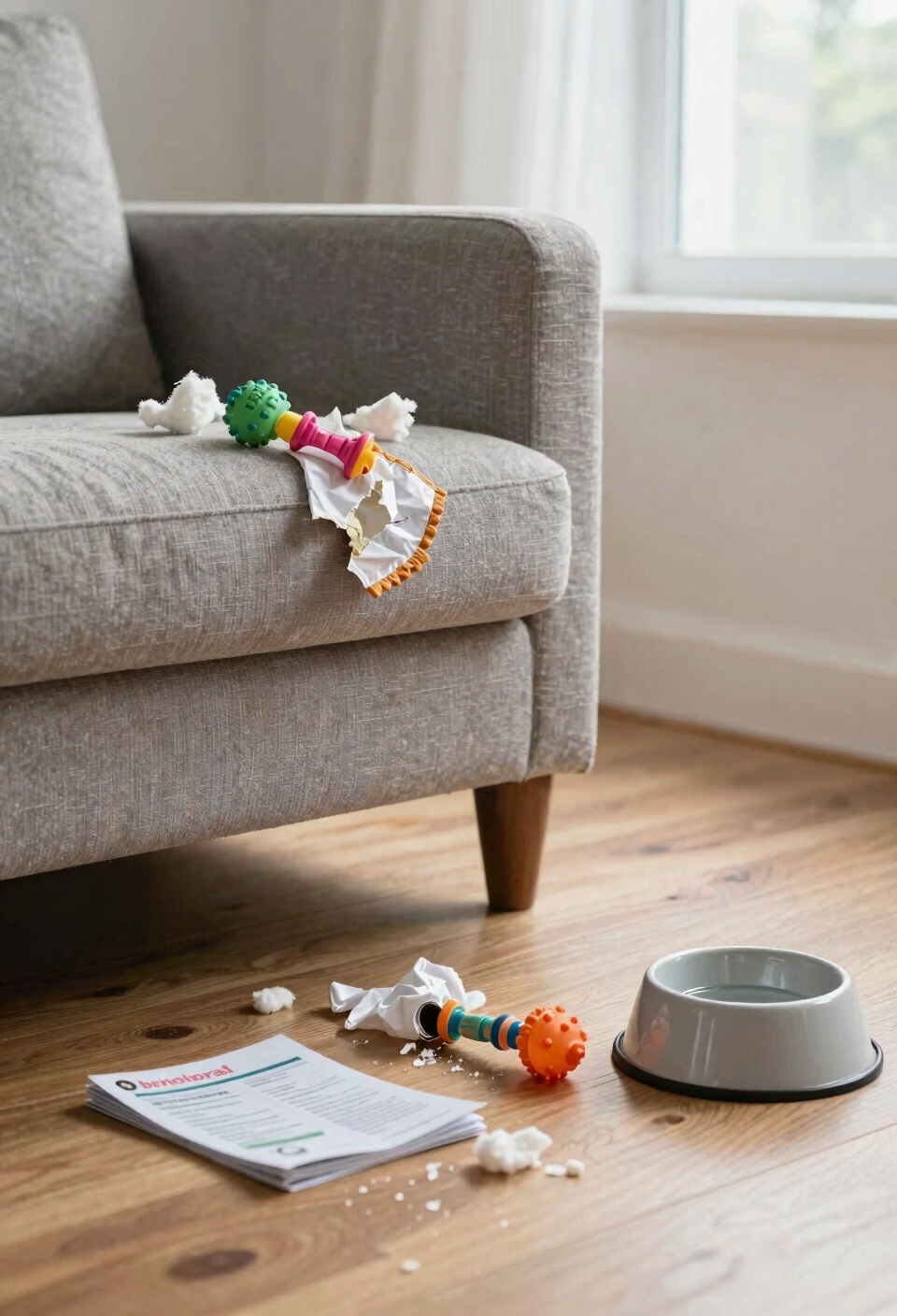
As much as I’d love to tell you that gum chewing’s basically a cure-all for every stressed-out pet out there, I’ve got to be honest—it’s not. I mean, there’s definitely a ceiling to what mastication can do. If your dog’s facing serious pharmacological limitations—like genuine anxiety disorders that need actual medication—chewing gum alone won’t cut it. You’re basically putting a band-aid on something that needs real intervention.
There’s also sensory habituation to take into account. I’m sure you’ve noticed how your pet gets bored with toys eventually? Same thing happens here. Chew long enough, and your nervous system just stops responding. For dogs experiencing separation anxiety specifically, selecting toys designed for engagement can provide temporary relief, but behavioral modification and professional support remain essential. Plus, when your pet faces genuinely unsolvable stress—like pre-surgery situations—gum chewing’s pretty much useless. Sometimes you need the heavy artillery, not just rubber and willpower.
Chewing as a Replacement for Destructive Stress Habits
Now, here’s where chewing really earns its keep—and I’m not just talking about keeping your pet’s teeth clean. You know how stress makes you want to bite your nails or fidget constantly? Oral fidgeting through chewing gives your brain a healthier outlet. Instead of destructive habits, you’re channeling that nervous energy into something productive. I’m sure you’ve noticed how chewing gum calms you down when you’re anxious. That’s sensory substitution in action—your mouth gets the stimulation it’s craving, and suddenly you’re not stress-eating junk food or destroying your cuticles. All right, so here’s the thing: when you replace harmful coping mechanisms with chewing, you’re literally rewiring how you handle pressure. It’s like giving yourself permission to fidget responsibly. For dogs specifically, providing appropriate chew toys helps redirect their anxiety into a constructive outlet that supports both their mental and dental health.
Unexpected Perks: Blood Pressure and Ulcer Prevention
While we’ve been focused on how chewing helps your pet—and you—stay calm under pressure, here’s something you probably didn’t expect: this simple habit might actually be protecting your body from some pretty serious stuff. Studies show that regular gum chewing correlates with lower blood pressure in workers dealing with occupational stress. I mean, that’s wild, right? Even more surprisingly, animal research demonstrates that mastication actually reduces stress-induced ulcer formation. Your body’s literally less likely to develop those nasty gastric ulcers when you’re chewing regularly. So beyond the anxiety relief we’ve already discussed, you’re potentially looking at cardiovascular benefits and better digestive health. Not bad for something you can do while scrolling your phone. For dogs, providing appropriate chew toys serves a similar purpose, helping reduce stress-related destructive behaviors while promoting dental health through regular mastication.
Mood Shifts: Depression and Anxiety Relief
The really wild part about regular gum chewing? It actually shifts your mood in measurable ways. I’m sure you’ve noticed how stress can spiral—one bad thing happens, and suddenly everything feels heavier. Well, here’s where sensory grounding comes in. When you chew, you’re giving your brain something concrete to focus on, and that simple act triggers real biochemical changes. Depression and anxiety levels dropped markedly in studies where people chewed consistently. Now, I mean, some folks reported noticing improvements during social connection moments too—like they felt more present and less wound up around others. Similarly, treat-dispensing toys have been shown to provide anxiety relief and mental stimulation for dogs through the same grounding mechanism of focused chewing activity. All right, the abstinence data‘s pretty telling: people who stopped chewing saw their stress skyrocket right back up. Obviously it’s not a cure-all, but for something this accessible and cheap? Pretty solid option.
Your Brain Changes With Consistent Chewing
Consistently chewing on gum doesn’t just calm your nerves in the moment—it actually rewires how your brain handles stress over time. I’m sure you’ve noticed how your pet settles down with a chew toy, right? Your brain works similarly. When you chew regularly, neural plasticity kicks in, meaning your brain literally reshapes itself through repeated activity. Think of it like training a dog—the more you practice, the stronger those pathways become.
Now, synaptic remodeling happens in key stress-handling areas like your hippocampus and hypothalamus. Animal studies show that consistent chewing reduces anxiety-related changes in these regions. Chewing also stimulates saliva production that neutralizes harmful acids in your mouth and body. Obviously, your brain’s structure doesn’t transform overnight, but after weeks of regular chewing, you’re fundamentally building a more resilient stress-response system. It’s basically mental conditioning through jaw movement. Pretty wild stuff, honestly.
Build a Lasting Gum-Chewing Habit
Every day’s a chance to build something lasting, and here’s the thing about gum chewing—it’s probably the easiest habit you’ll ever stick with because, well, you’re literally just chewing. I’m sure you’ve noticed how hard it is to maintain most habits, right? But gum’s different. Try cue stacking by pairing your chewing with something you already do daily—like after meals or during your commute. This habit formation trick makes the routine automatic, almost like muscle memory. Now, the key is consistency. Studies show that regular chewers pulling 30+ minutes daily actually see real benefits. I mean, you’re not exactly running a marathon here. Just keep that pack handy and let the repetition do its thing. Beyond human habits, chewing serves similar anxiety-reducing functions for dogs, with plush toys and squeakers providing mental stimulation that helps prevent destructive behaviors in pets.
Frequently Asked Questions
Does the Type of Gum Matter, or Will Any Gum Provide Stress Reduction Benefits?
I’d recommend sugarfree gum for peak stress reduction. While the research emphasizes sugarfree options, mint flavor varieties appear particularly effective. You’ll find that sugar content matters most—sugarfree formulations consistently demonstrate the strongest anxiety-reducing benefits.
How Quickly Should I Expect to Notice Anxiety Improvements After Starting Regular Gum Chewing?
You’ll notice short term relief within minutes of chewing, though I’d recommend consistent daily use for gradual adaptation. Studies show meaningful anxiety reduction develops over two weeks with regular practice.
Can Chewing Gum Replace Professional Mental Health Treatment for Anxiety Disorders?
No, I can’t recommend gum chewing as a therapy alternative for anxiety disorders. While it’s a helpful complementary tool, it has clinical limits. You’ll need professional mental health treatment for diagnosed conditions.
What Is the Ideal Daily Chewing Duration to Maximize Stress Reduction Without Jaw Problems?
Ever wondered if you’re chewing enough? I’d recommend 30 minutes daily as your ideal chewing schedule—it maximizes stress reduction while protecting jaw health. Don’t exceed this without consulting your dentist about sustainable habits.
Why Does Gum Chewing Fail to Help During Severe Medical Stress Like Surgery?
I’d argue gum chewing can’t compete with surgical anesthesia’s neurochemical dominance or nociceptive overload your body experiences. When pain signals overwhelm your nervous system, mastication’s modest cortisol reduction simply can’t match anesthesia’s profound suppression.
Conclusion
I’m sure you’ve noticed how a piece of gum can shift your whole mood. Look, I can’t promise it’s a magic bullet, but chewing genuinely helps. Your stress melts like ice cream on hot asphalt when you keep it consistent. Now, it won’t replace actual help if you’re really struggling, but as a daily habit? It’s one of those ridiculously simple tools that actually works. Give it a shot.