As an Amazon Associate, we earn from qualifying purchases. Some links on this site are affiliate links at no extra cost to you. Our recommendations are based on thorough research and editorial judgment.

Squeaker Inside Toys: A Hidden Choking Hazard?

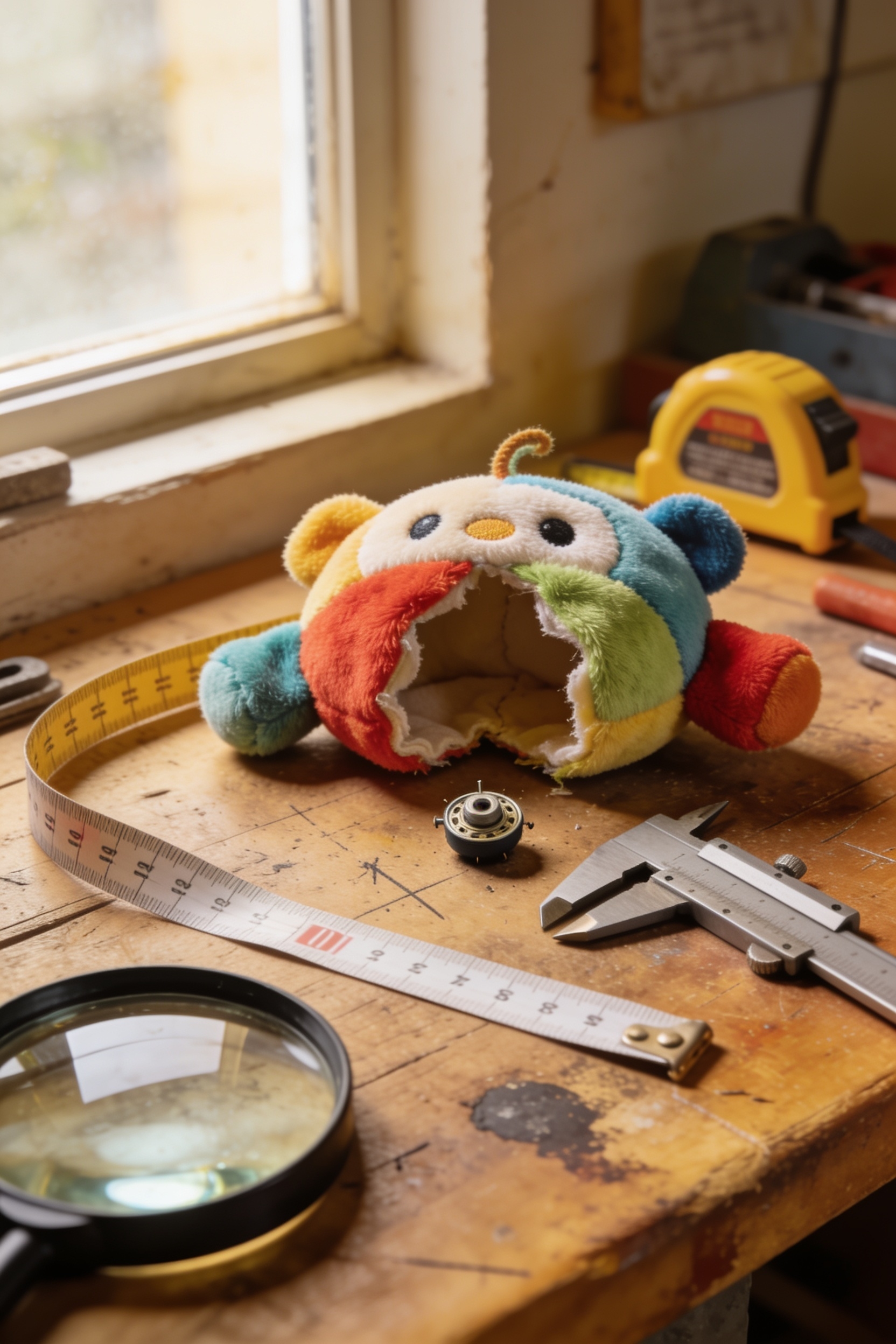
Yeah, squeakers are basically tiny choking hazards hiding inside your dog’s favorite toy. When your pup teethes or chews aggressively, that squeaker pops out and becomes a swallowable projectile. Once it’s down the hatch, you’re looking at potential intestinal blockages, internal injuries, or worse—none of which show obvious warning signs until things get serious. Vet bills pile up fast. The good news? You can dodge this whole mess by choosing durable, squeaker-free alternatives and inspecting toys regularly, but there’s way more to know about which toys actually matter.
Key Takeaways
- Squeakers pose significant choking hazards when extracted from toys, potentially lodging in throats and blocking airways.
- Aggressive chewing and play behaviors rapidly destroy toy seams, releasing squeakers as small, easily swallowable projectiles.
- Swallowed squeakers can cause intestinal blockages requiring emergency veterinary care and imaging.
- Durable, squeaker-free toys made from high-quality nylon, natural rubber, or TPR materials provide safer alternatives.
- Regular toy inspection for wear, cracks, and loose seams helps detect hazards before ingestion occurs.
What Makes Squeakers So Dangerous?
You may be interested

I’m sure you’ve noticed that squeaker toys are basically everywhere—they’re in the toy aisle, they’re in the dog park, they’re probably under your couch right now. Here’s the thing though: those tiny squeakers are legitimately dangerous, especially for dogs who love to destroy toys.
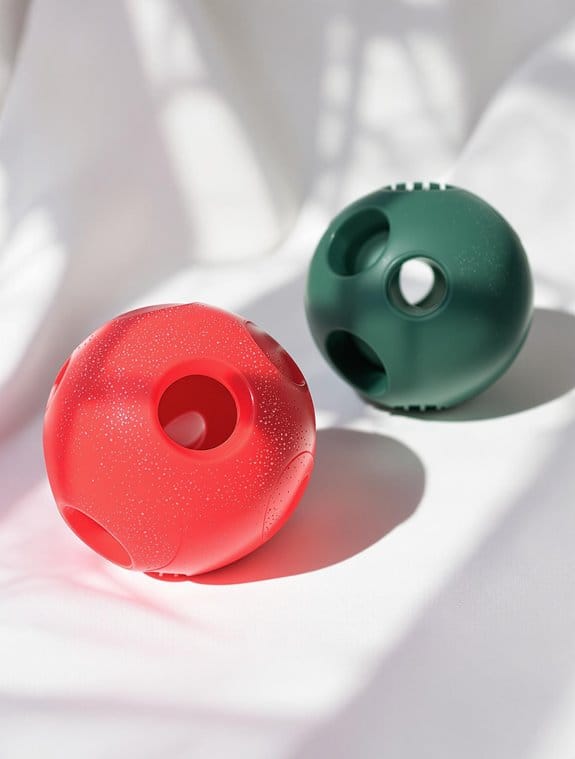
The main problem? Small parts. When your pup tears into that toy, the squeaker can pop right out and become a choking hazard. We’re talking about something the size of a marble or smaller that could lodge in your dog’s throat. And it’s not just the squeaker itself—you’ve got sharp plastic shards and rubber fragments flying around too.
I mean, the vocal stimulation might make playtime fun, but the risk? That’s where I draw the line. Stuffing-free designs eliminate this concern by removing internal materials that can be ingested. It’s genuinely not worth it.
How Puppies and Aggressive Chewers Extract Squeakers
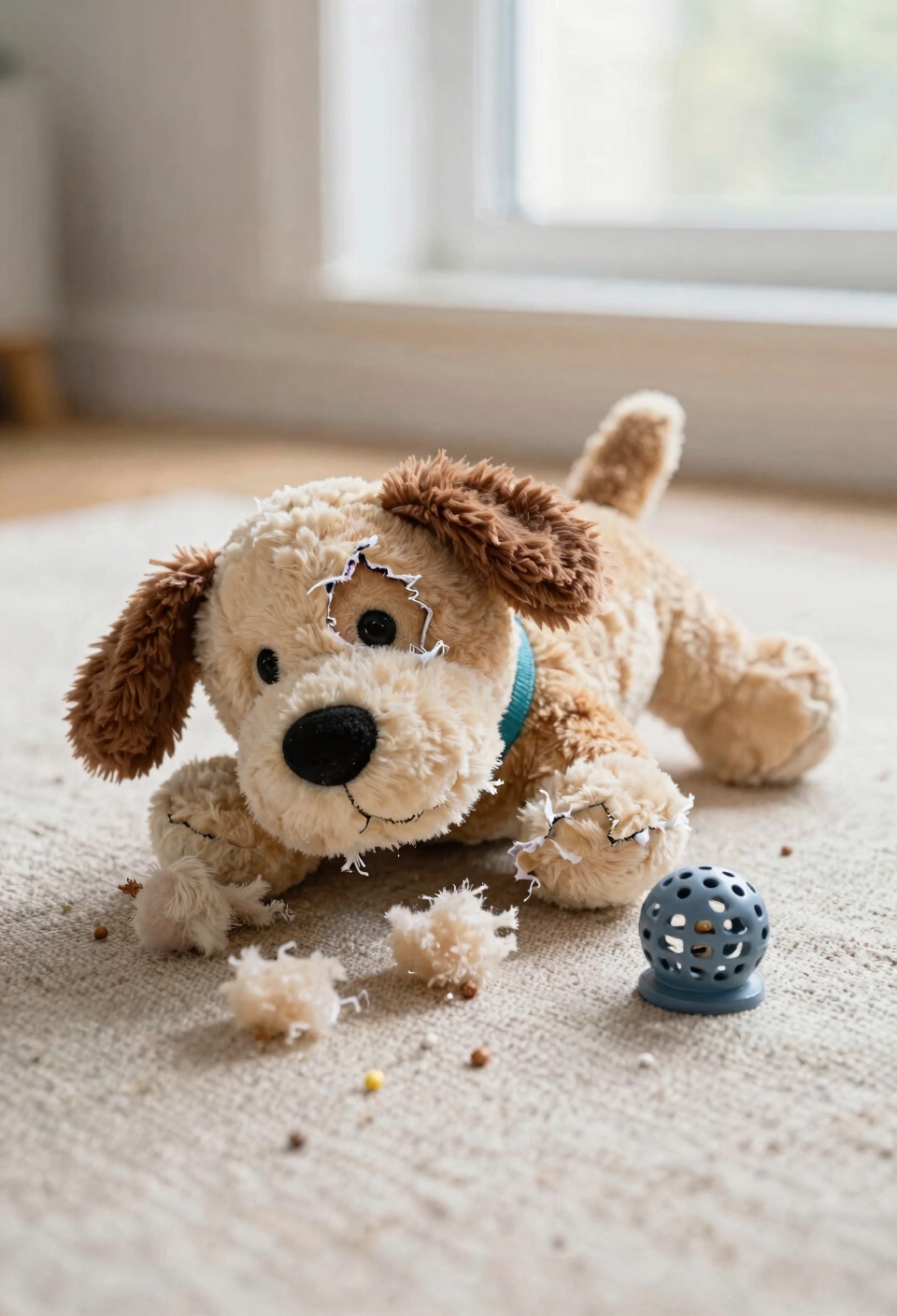
Watch any puppy go to town on a squeaker toy and you’ll see exactly how fast these things fall apart. I mean, teething mechanics are brutal—those baby teeth are literally designed to gnaw through stuff, and puppies use play motivation to practice their chewing skills on whatever you hand them. You’ve probably noticed how a pup will shake a toy violently, tear at the seams, and generally destroy it like they’re auditioning for a demolition crew. Aggressive chewers? They’re even worse. They’ll methodically work that toy until the squeaker pops free. All right, here’s the thing: once that squeaker’s loose, it’s basically a small, swallowable projectile waiting to cause trouble. Obviously, that’s the real danger right there. Swallowed squeaker mechanisms can cause intestinal blockages or choking and require immediate veterinary care, making proper toy selection and supervision essential for pet safety.
Recommended Products

Easier to Grip & Chew: Specially curved on both ends, our tough dog toys for aggressive chewers fit comfortably in your pet's paws, making this dog chew toys for aggressive chewers easier for them to grip and chew. Unlike flat alternatives, our indestructible dog toys for aggressive chewers ensure a more engaging chewing experience and stimulate longer play. Size at 8.6in x 2.9in, great dog toys for large dogs and medium dogs 30-100lbs
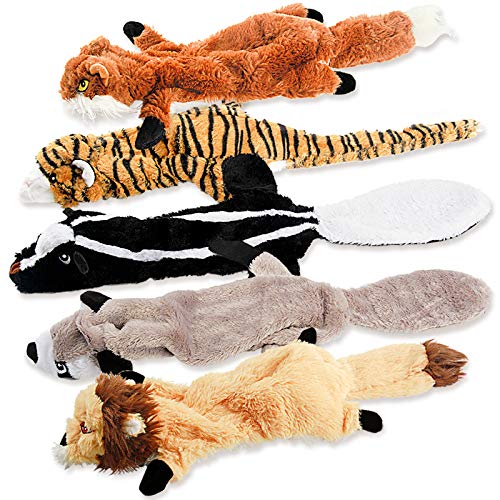
🐶 Plush Dog Squeaky Toys: This assortment value bundle plush pet toy contains 5 pack big woodland animals: Raccoon Squirrel Tiger Fox and Lion. The funny and enrichment toys help dogs to exercise more and improve their health. A good dog products for boredom and stimulating. They can do chewing and teething, tug of war games. Quality interactive playing time together will also increase their bond with owner. It's the best gift supplies for dogs Birthday Christmas Halloween or any holiday

Interactive Fun Play - These dog crinkle toys are shaped as an adorable six-legged octopus and comes in bright, vibrant colors that are both fun and engaging. A great way to play fetch with and stimulate their natural behaviors.
Signs Your Dog Swallowed a Squeaker

If your dog’s been gnawing on squeaker toys, you’re probably wondering what to watch for after the inevitable happens—because let’s face it, extraction is basically inevitable with aggressive chewers. Now, here’s the thing: swallowed squeakers don’t always announce themselves with dramatic symptoms. You might notice subtle changes like sudden lethargy or a changed appetite—your dog just seems off, you know? But I mean, blood in vomit or stool is your red flag moment. Straining to poop, refusing meals, or acting like they’re in pain? That’s vet-emergency territory. Obviously, vomiting and diarrhea are also signs something’s wrong. The tricky part is that sometimes there’s no warning at all. That’s why catching problems early matters so much. Regularly inspect toys for wear, damage, or potential choking hazards to prevent squeaker extraction in the first place.
What to Do if You Suspect Squeaker Ingestion?
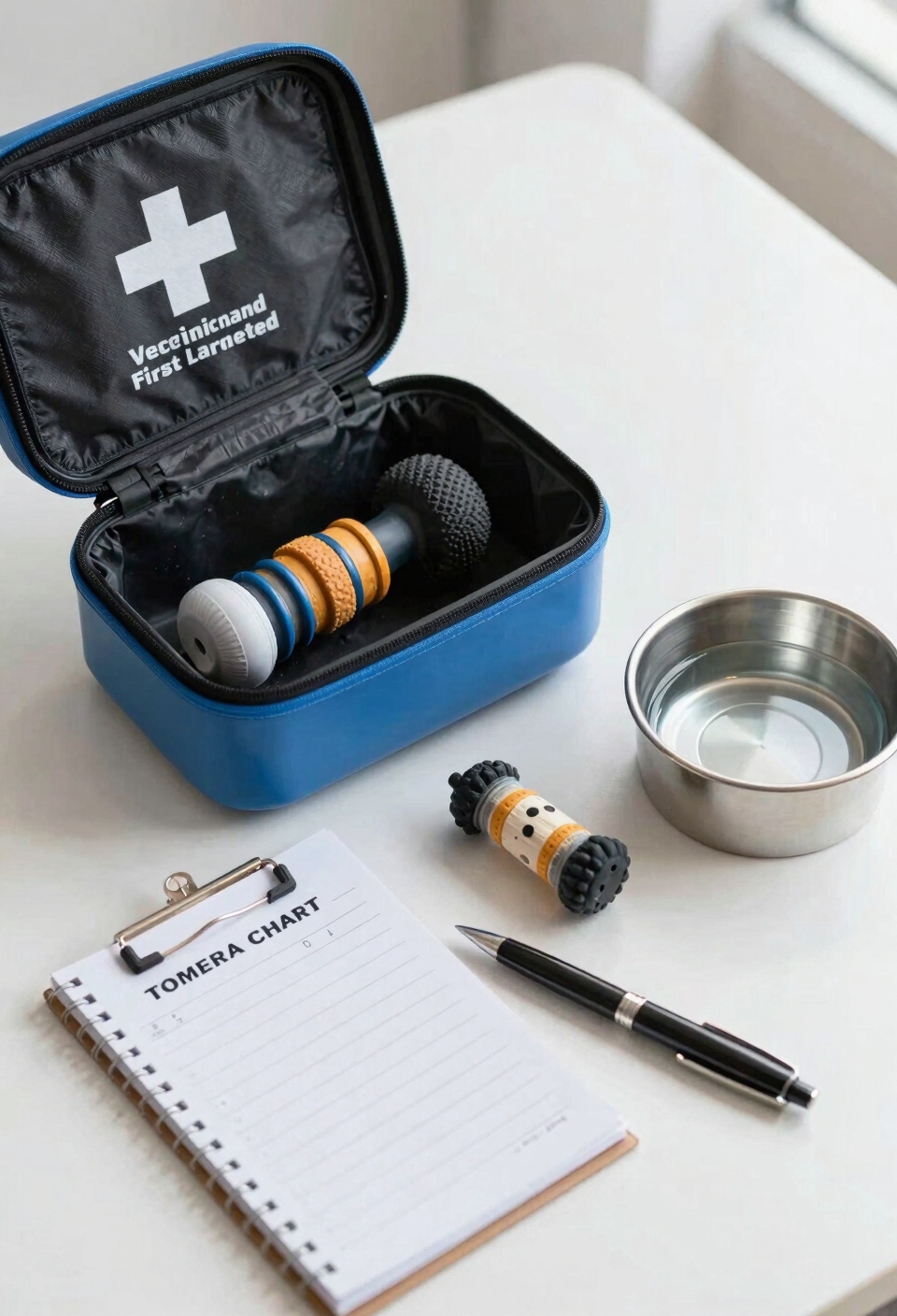
Once you’ve spotted those warning signs—or even if you’re just pretty sure your dog got into a squeaker—your next move is to get veterinary help right away, because honestly, this isn’t a situation where you wait and see if things improve on their own. I mean, internal blockages don’t typically resolve themselves. Contact your vet immediately and describe exactly what happened. While you’re heading there, monitor your dog’s breathing and behavior closely. Note any vomiting, blood, or unusual lethargy you observe. Your vet might need imaging to locate the squeaker and determine if surgery’s necessary. During this time, avoid offering your dog any toys with small parts or artificial additives that could complicate the situation—stick to high-quality nylon and natural rubber toys that are designed to withstand chewing without breaking into dangerous pieces. Obviously, the faster you act, the better your dog’s chances are. Don’t second-guess yourself here—veterinary professionals would rather check and find nothing wrong than miss a genuine emergency.
Recommended Products

Helps Eliminate Destructive Chewing – This sturdy t bone dog chew toy offers a safe outlet for aggressive chewers, keeping them engaged while reducing destructive chewing habits. Perfect as dog enrichment toys, especially for super chewers.

Built for Long-Lasting Play: Made from tough, high-quality nylon, these dog chew toys stand up to aggressive chewers and won't break apart easily. Whether your dog is relaxing on the couch after a morning walk, gnawing happily in the backyard, or enjoying a quiet moment in the living room, these dog toys let them chew freely. You can feel confident leaving them to enjoy themselves, knowing the toy will hold up, keeping playtime safe, satisfying, and stress-free

DURABLE, LONG-LASTING – Super chewer? Bring it on. Benebones are tougher than real bones and last for weeks.
Which Squeaker Toys Pose the Biggest Risk?
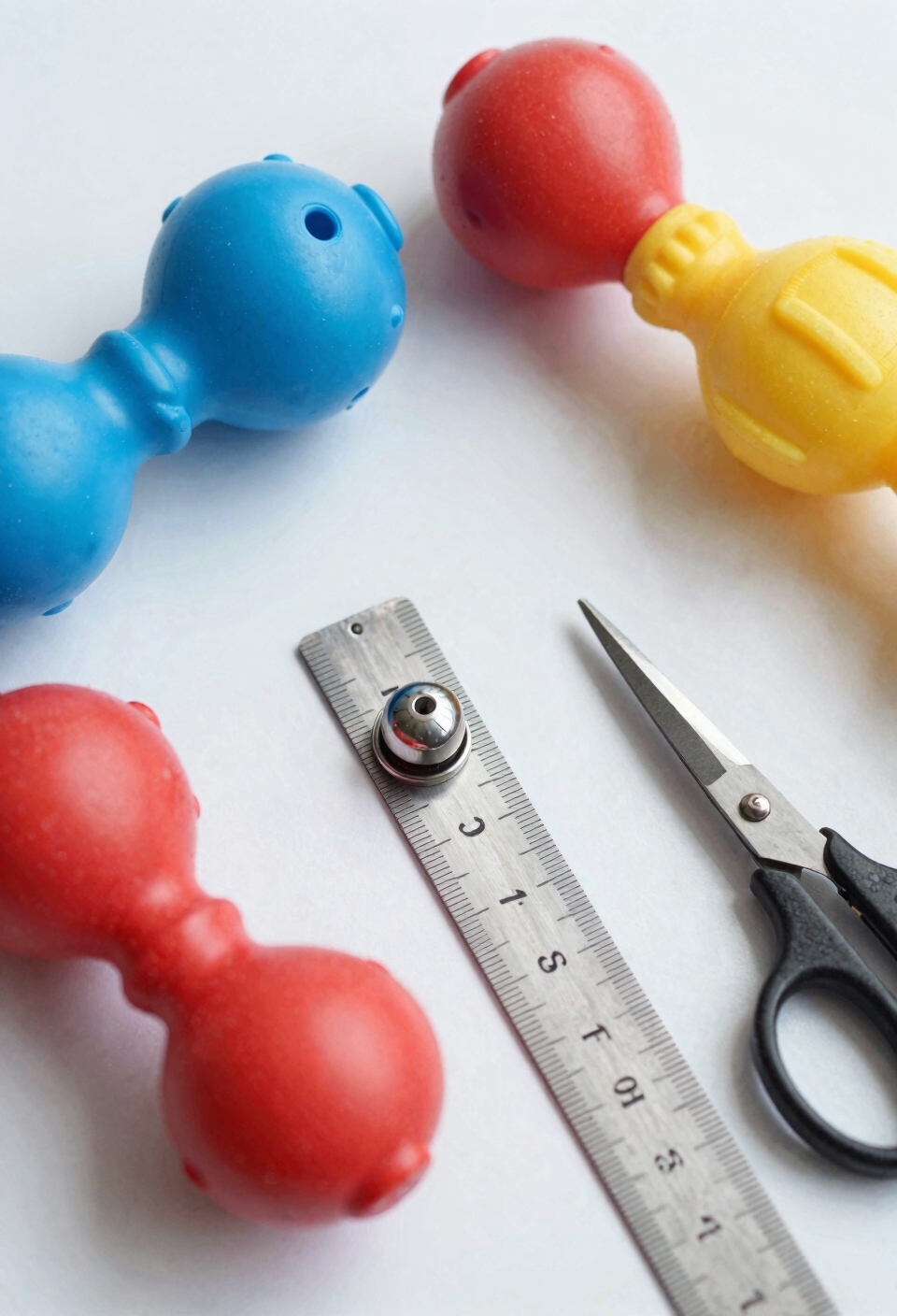
Not all squeaker toys are created equal—some are basically tiny time bombs waiting to happen, while others are pretty solid choices if you’re willing to pay a bit more. I’m sure you’ve noticed that cheap bath toys and novelty keychain squeakers are basically designed to fall apart. I mean, they’re practically begging your dog to extract that squeaker and swallow it whole. Now, stuffed plush toys with thin seams? Those are risky too, especially for voracious chewers. All right, here’s the thing: toys made from flimsy rubber or brittle plastic break apart way too easily. Obviously, the smaller and flimsier the squeaker itself, the worse the problem gets. Products like reinforced fabric toys with proper stitching and no stuffing design are safer alternatives that can withstand moderate play without easily releasing their squeaker components. Honestly, if you’ve got a strong chewer, you’re better off skipping squeaker toys altogether.
Recommended Products

Squeaky Dog Toys: Each plush toy has built-in squeaking sound that can make sounds that dogs like, attract them, and stimulate their natural instincts. Satisfying their natural chewing instinct. Or when you're not at home, dog squeak toys will accompany your dog, helping alleviate loneliness and anxiety while keeping them busy and reducing destructive behaviors.

SOFT & DURABLE: Platypus is a fun and super cute ultrasonic squeaky toy made with irresistibly soft plush fabric that dogs love to cuddle with; featuring reinforced seams and chew-resistant lining for long-lasting play and snuggles

Durable Dog Toys for Aggressive Chewers: Shark interactive dog chew toys for aggressive chewers are easy to use and tougher than real bone to satisfy dogs' urge to chew and gnaw. The dog toy for aggressive chewers rubber part is 30% thicker than other toys. Dog toys for large dogs are tough dog toys and last for weeks. Dog chew toys are almost indestructible dog toys for aggressive chewers and can withstand more vigorous chewing. This long-lasting hard dog toy is the best gift for 20-80 lbs dogs
Why Damaged Toys Turn Into Emergencies
The moment a squeaker toy gets damaged, it transforms from a fun plaything into a potential medical emergency, and honestly, that’s when things get scary. I’m sure you’ve noticed how quickly a toy with broken seams falls apart—suddenly those hidden fragments are everywhere, and your dog’s just happily munching away, completely oblivious to the danger.
Now, here’s the thing: damaged toys don’t just expose the squeaker itself. You’re also looking at sharp plastic shards, torn rubber pieces, and microplastics that can cause serious intestinal damage. Veterinarians recommend checking for reinforced seams and regular inspection to prevent these hazards from developing in the first place. That’s why I always tell people to inspect toys regularly and toss anything that’s falling apart immediately. I mean, it’s not worth the vet bill or the stress of potential blockages.
How to Choose and Inspect Toys Safely
All right, so now that you know how fast a damaged toy can spiral into an emergency, let’s talk about actually preventing that mess in the first place. First, do size checks before you buy anything—if it fits entirely in your dog’s mouth, it’s a no-go. Check the material labels too, because honestly, flimsy rubber and brittle plastic are basically asking for trouble. I’m sure you’ve noticed some toys just feel cheap, right? Those are your problem children. Inspect your dog’s current toys regularly for cracks, loose seams, and exposed squeakers. Pull out anything that’s falling apart. For maximum safety, look for toys made from ultra-durable natural rubber like those recommended by veterinarians for power chewers. Obviously, durability matters way more than how cute something looks, and squeaker-free options are your safest bet if your pup’s a voracious chewer.
Recommended Products

Two tough layers on either side: a strong fused chew-resistant lining plus a thick molded layer provide the ultimate durability

Keep Your Sanity - Say goodbye to annoying and noisy squeaky dog toys that drive you crazy. With its no-squeak design, this dog toy will stay quiet as your little pooch plays or chews on it.

FUN CHARACTERS - No stuffing dog toys with squeaker. These adorable funny toys will attract your dogs' attention. Your dogs will have hours of fun with these plush dog toys.
Safer Toy Alternatives for Heavy Chewers
If your dog’s a power chewer who treats toys like they’re made of cardboard, you’ve probably noticed that squeaky toys last about as long as ice cream in the sun. I’m sure you’re tired of replacing them constantly. Here’s the thing: indestructible alternatives exist, and they’re genuinely worth trying. I mean, rubber Kong toys and rope chews are built to withstand serious abuse. Now, I’d also recommend exploring non squeak options like bully sticks, dental chews, and nylon puzzle toys. These heavy-duty choices eliminate the squeaker hazard entirely while keeping your chewer mentally stimulated. Consider TPR-based materials which are specifically engineered to resist deformation from prolonged play and are nearly indestructible even for aggressive chewers. All right, obviously you’ll still need to monitor them, but you’re removing that internal choking risk completely. Trust me, your wallet and your vet bill will thank you.
Recommended Products

BUILT FOR POWER CHEWERS WHO DESTROY ORDINARY TOYS: Designed for dogs that quickly tear through plush, rubber, and softer chew toys. Made from durable nylon to provide a longer-lasting chewing outlet for strong jaws and determined chewers

COST-EFFECTIVE 3 PACK WITH MULTIPLE OPTIONS: This 3-pack of dog chew toys provides great value for multi-dog households or as convenient replacements; choose 6/9-pack for even better value. These durable dog toys make a perfect gift for your furry friend, ideal as practical chew toys for dogs and long-lasting dog bones.

Long-Lasting Durable Nylon Construction: Built tough for daily aggressive chewing, this sturdy dog toy supports healthy teeth and gums, gently cleans teeth to reduce tartar buildup and freshen bad breath naturally. It satisfies your dog's innate chewing instincts, keeping them occupied and stopping destructive chewing on furniture, shoes and household items. Specially made for aggressive chewers, suitable for medium to large dogs with strong chewing habits. Made of reliable, heavy-duty nylon, it delivers endless, fun playtime for your pup
Frequently Asked Questions
Can a Dog Pass a Swallowed Squeaker on Their Own Without Veterinary Intervention?
I can’t guarantee your dog’ll pass a squeaker naturally. While some small ones might achieve natural passage, I’d warn you—intestinal blockage is a serious risk. I’d strongly recommend immediate veterinary evaluation rather than waiting.
How Long Does It Typically Take for Squeaker Ingestion Symptoms to Appear in Dogs?
I’ll be honest—there’s no crystal ball for squeaker symptoms. I’ve found delayed onset and variable timing make this tricky; signs can appear within hours or take days, depending on the squeaker’s size and your dog’s digestive system.
Are Certain Dog Breeds More Susceptible to Squeaker-Related Injuries Than Others?
I’d say small breeds and brachycephalic breeds face heightened squeaker risks. Their smaller airways and mouths make choking more likely, while their facial structure can complicate airway obstruction. Supervision’s essential for these dogs.
What Is the Average Cost of Emergency Surgery for Squeaker Removal in Dogs?
I can’t pin down an exact figure, but I’ve found that emergency surgery for squeaker removal typically runs $1,500 to $3,000, though costs vary based on your vet’s location and complexity. It’s a financial bite that preventive care can help you avoid.
Can Squeakers From Different Toy Brands Vary in Their Toxicity or Danger Level?
Yes, squeakers vary in danger level based on material composition and manufacturing standards. I’d recommend checking brand reputation and toy durability—cheaper toys often use lower-quality plastics that break apart more easily, increasing ingestion risks for your dog.
Conclusion
Look, I’m sure you’ve noticed your pup eyeing that squeaky toy like it’s the Holy Grail. Now here’s the thing—that tiny plastic squeaker? It’s basically a ticking time bomb. One aggressive chew session and suddenly you’re white-knuckling it in an emergency vet’s office at midnight, wondering if you should’ve just bought the rubber Kong instead. Choose wisely, friend.