As an Amazon Associate, we earn from qualifying purchases. Some links on this site are affiliate links at no extra cost to you. Our recommendations are based on thorough research and editorial judgment.

Crinkle Toys vs. Feather Toys: Which Excites Cats More?

Here’s the thing—it really depends on your cat’s hunting style. I’m sure you’ve noticed some cats go absolutely bonkers for crinkle toys‘ rustling sounds, while others lose their minds over feather toys‘ unpredictable flutter. Crinkle toys trigger auditory-driven hunting mode and excel at lower-energy batting play, whereas feather toys spark dynamic leaping and acrobatics through visual tracking. Honestly, the smartest move? Use both and rotate them. You’ll hit different prey instincts and keep your cat engaged way longer—but there’s more strategy to this than you’d think.
Key Takeaways
- Feather toys spark more dynamic, acrobatic excitement through unpredictable motion that triggers visual hunting instincts and high-energy play.
- Crinkle toys excel at auditory stimulation, mimicking prey rustling and prompting batting behaviors during lower-energy play sessions.
- Cat preference varies by individual hunting style—some cats prioritize sound detection while others rely on visual tracking cues.
- Combining both toy types hits multiple sensory inputs, maximizing overall engagement and preventing habituation through novelty.
- Age influences toy preference; kittens typically prefer feather motion while older cats may enjoy lower-energy crinkle experiences.
Why Cats React Differently to Sound vs. Movement
You may be interested


Since cats are basically tiny predators with brains wired for the hunt, they’ve evolved to zero in on different sensory signals depending on what kind of prey they’re chasing. I’m sure you’ve noticed your cat goes absolutely bananas over certain toys while ignoring others—and there’s actual science behind that.
Your cat’s auditory sensitivity means crinkle sounds trigger hunting mode because they mimic rustling leaves or small prey movement. Now, feather toys work differently. They demand motion detection and predator recognition through visual tracking, which fires up a totally different part of your cat’s attention span.
Research shows that sound and movement elements like squeakers and rattles are particularly effective at triggering natural hunting instincts and extending engagement periods in cats. All right, here’s the thing: some cats are sound hunters, others are sight hunters. Your cat might be either or both, which honestly makes toy shopping a bit of a gamble.
Crinkle Toys: Sound-Driven Hunting Stimulation
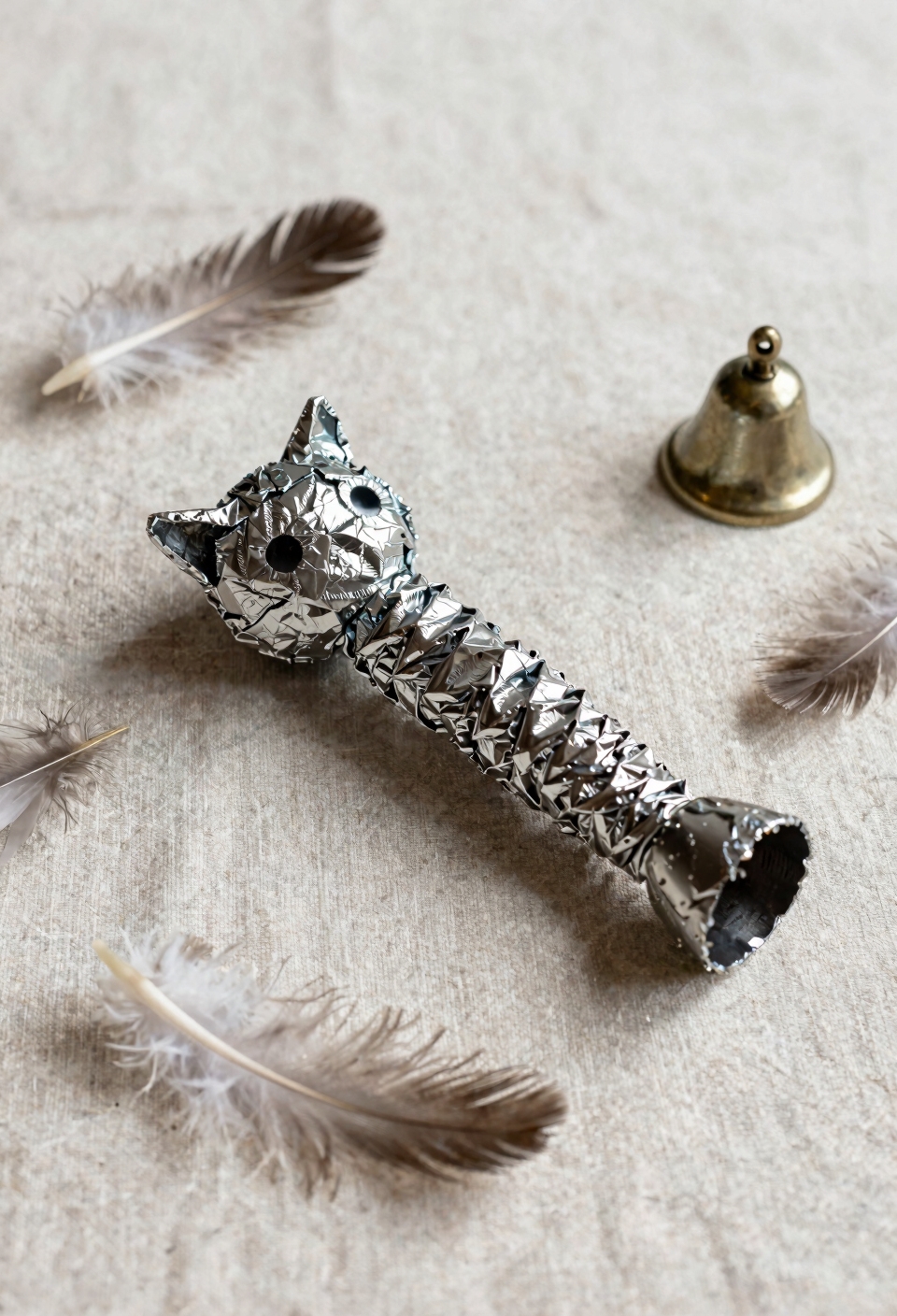
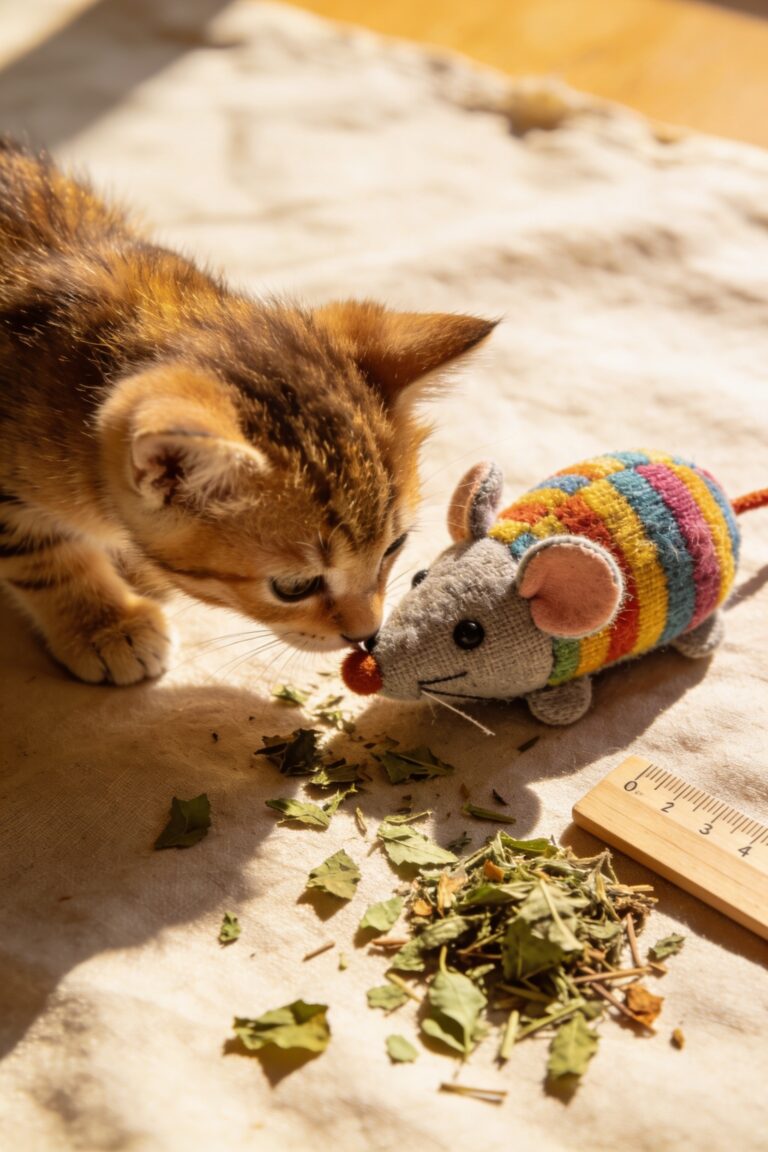
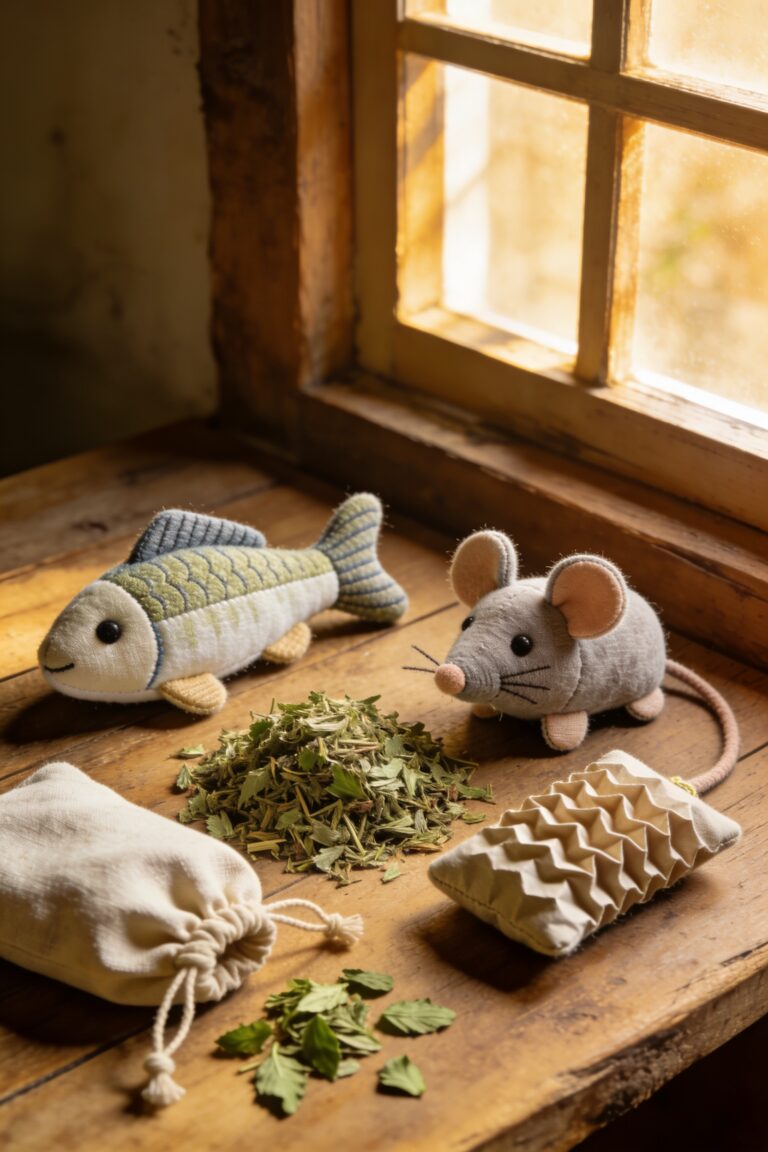
Activating your cat’s sound-hunting instincts is honestly one of the easiest ways to get them genuinely excited about a toy, and crinkle toys are basically the cheat code for that. I mean, that rustling sound? It mimics leaves moving or prey scurrying around, and your cat’s brain just lights up. The auditory enrichment from crinkle balls taps into something primal—your cat can’t help but pounce. Now, here’s the thing about texture preference: some cats go absolutely feral for the crinkly sensation combined with the noise. They’ll bat it, carry it, even crunch it in their mouth because it feels responsive and alive. If your cat’s the type who gets distracted by every sound, crinkle toys are basically your secret weapon for keeping them engaged. Similar to how squeaky toys trigger predatory instincts in dogs, crinkle toys can sometimes cause overexcitement or overstimulation in certain cats, so monitor your pet’s response during playtime.
Recommended Products

Lightweight and Compact: the cat toy is about 2g and approx. 2.36 inches, which is lightweight and compact, making it easy for cats to hit, grip or carry, and making your cats happy

Interactive balls --- It is important for your cat to keep fit and active, both mentally and physically. These wrinkled SunGrow Mylar balls will keep your cats entertained for hours. Giving them exercise and a walk will make even the most boring cats happy!

Attractiveness and Interaction: The vibrant colors of these ball toys can immediately catch your cat's attention and pique their curiosity. Playing with your cat by throwing, rolling these cat ball toys can be an excellent way to bond with them.
Feather Toys: Motion-Driven Prey Simulation
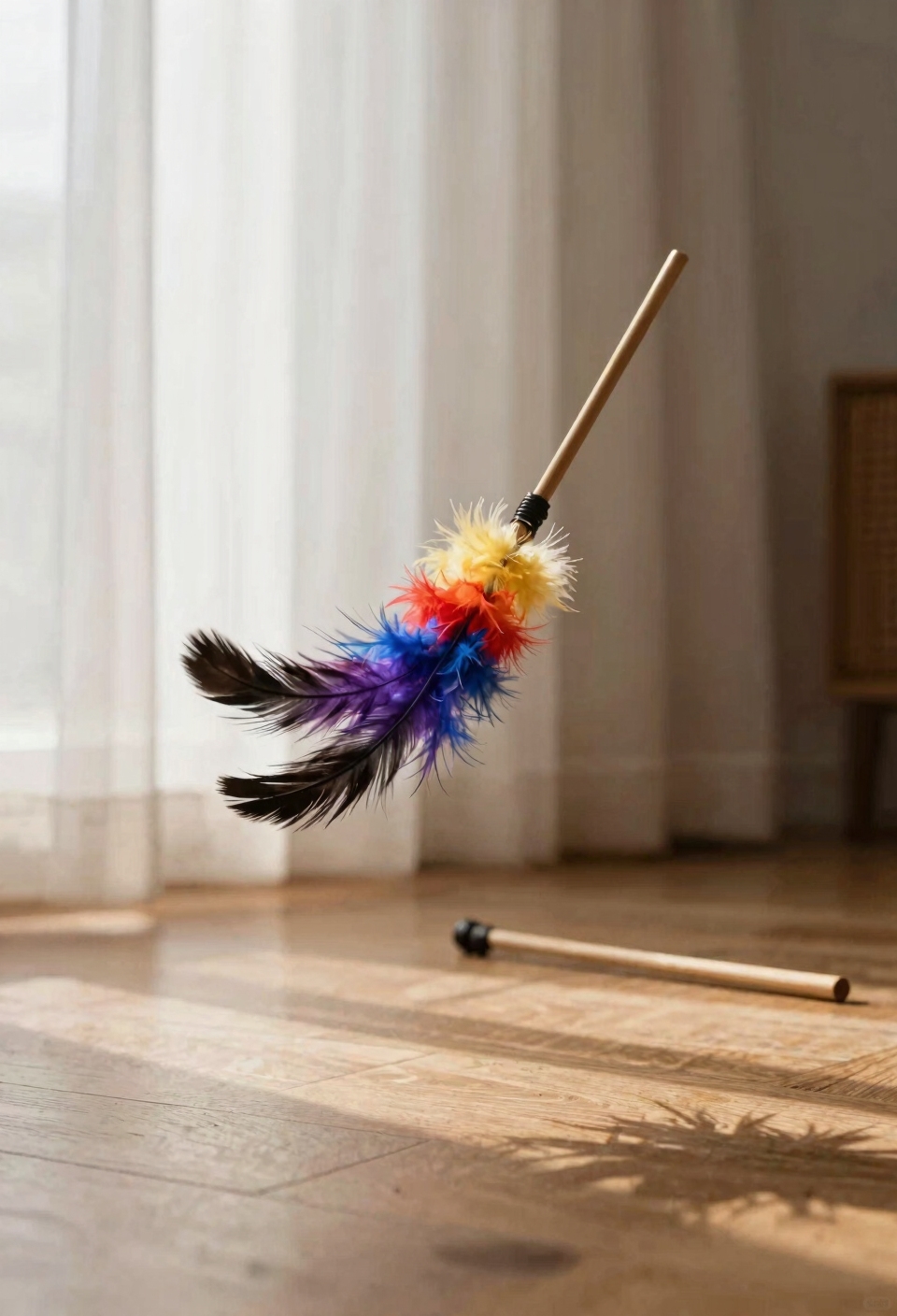
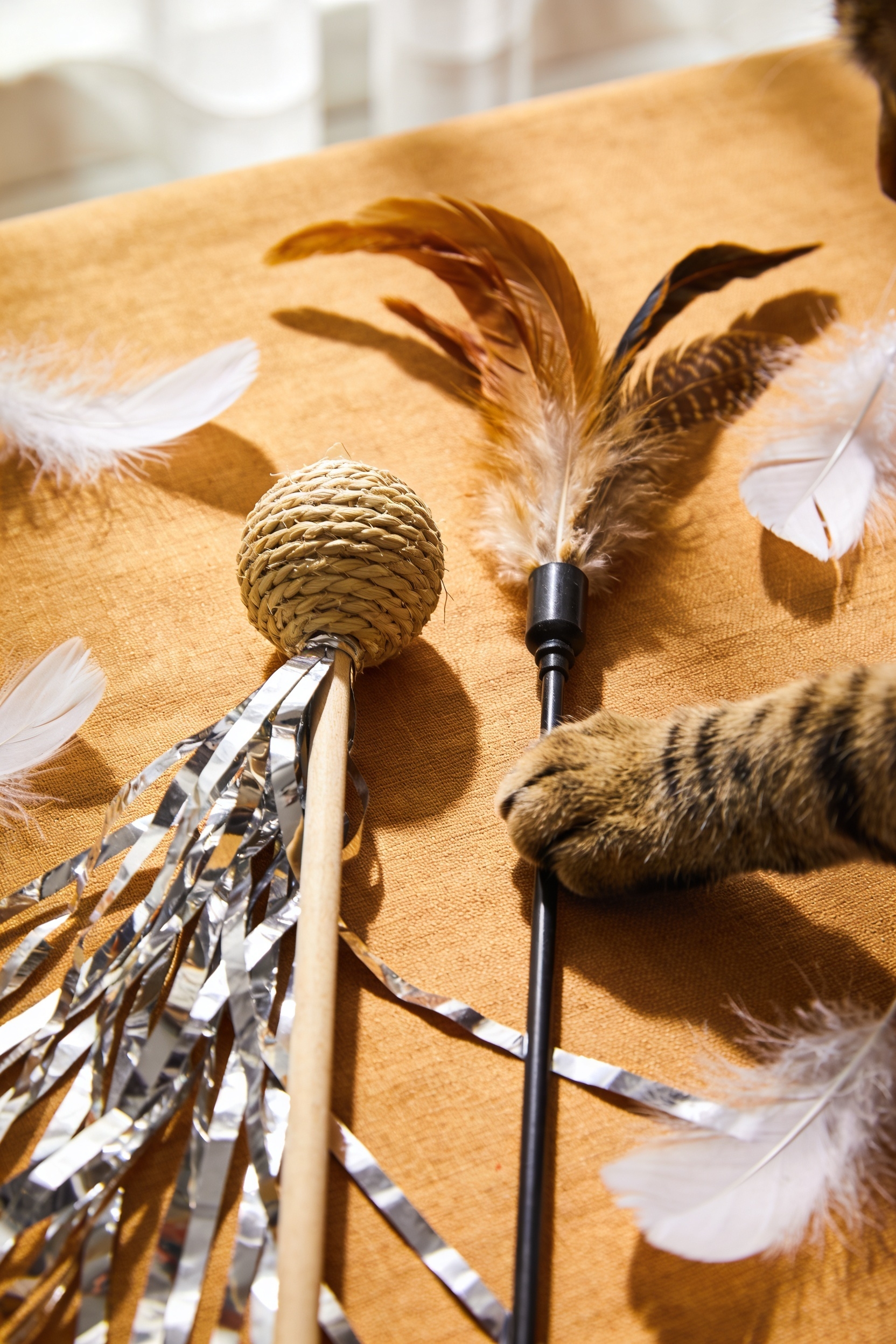
Where crinkle toys win through sound, feather toys take a completely different approach—they’re all about movement and visual chaos. I’m sure you’ve noticed how cats lock onto anything that flutters, right? That’s because feathers trigger their bird-hunting instincts hard. When you dangle a feather wand, you’re creating erratic flutter patterns that make your cat’s brain light up like a Christmas tree. The visual mimicry of an actual bird in flight is almost irresistible. You’ll see jumping, pouncing, and full aerial acrobatics that honestly rival Olympic gymnastics. Feather toys generate serious interactive excitement because you control the motion in real time, making them feel genuinely alive to your cat. Obviously, that unpredictability keeps them engaged way longer than passive toys ever could. Like other toys designed for active play, rotating feather toys regularly helps prevent boredom and maintains your cat’s interest in playtime.
Recommended Products
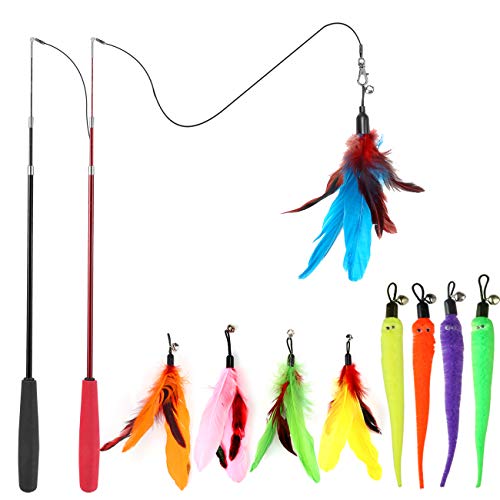
1. KEEP CATS VERY ENTERTAINED : Cats are crazy about chaser games! Combine string and feather into a great cat toys for indoor cats, this cat toy is an irresistible lure for cats! Swing the feathers " cat lure " will get your cats excited and stimulate their natural " hunt instinct ", making them run and jump like a wild animal, driving your cats crazy with joy! Even adult cat play like a kitten again!

Funny Feather Cat Toys for indoor cats : This cat wand can help your cats keep active and do more exercise. This interactive cat toys can build trust and companionship between cats and owner.

1. NO CHEMICAL DYES - Made from safe, eco-friendly, durable, and non-toxic materials, our wand comes with eight replacement feathers to ensure it can be used for extended periods of time. Our feathers are sterilized at high temperatures, and no dyes are used, making it safe for cats to play with and reducing the risk of them ingesting harmful chemicals.
Which Performs Better in Active Play: Crinkle or Feather?

Now here’s where things get interesting—when you’re actually sitting on the floor with your cat during playtime, which one actually keeps them coming back for more?
I’m sure you’ve noticed that feather toys usually spark more dynamic, acrobatic action. Your cat’s gonna leap, twist, and pounce because the unpredictable motion triggers serious hunting instincts. That’s motion-driven environmental enrichment at its finest.
Crinkle toys, though? They’re quieter competitors for active play, honestly. They shine when your cat’s in a batting-and-carrying mood rather than full-on aerial combat mode.
Multi-sensory toys that combine sound, scent, and texture can enhance engagement even further by mimicking prey characteristics beyond simple movement alone. All right, here’s my take: feather wands win the “most exciting active session” trophy most of the time. But your cat’s sensory preferences matter more than anything. Some cats go absolutely bananas for crinkle sounds during play. The real winner? Having both on rotation.
Recommended Products

The natural feather flying motion at the tip of the wand activate a cat's natural instinct to chase and pounce, encouraging healthy activity.

Clip-On Anywhere, Space-Saving for Indoor Homes - A universal clip on cat toy that mounts to door frames, tables, shelves, or window sills. Creates vertical play while floors stay clear—great cat toys for indoor cats in apartments and multi-cat homes

Fun Interactive Play For Cats: This cat toys set helps you play with your cat every day. The feather teaser moves like a bird. Your cat can chase, jump, and swat during playtime. This toy helps keep indoor cats active and engaged
Crinkle vs. Feather: Which Matches Your Cat’s Hunting Style?
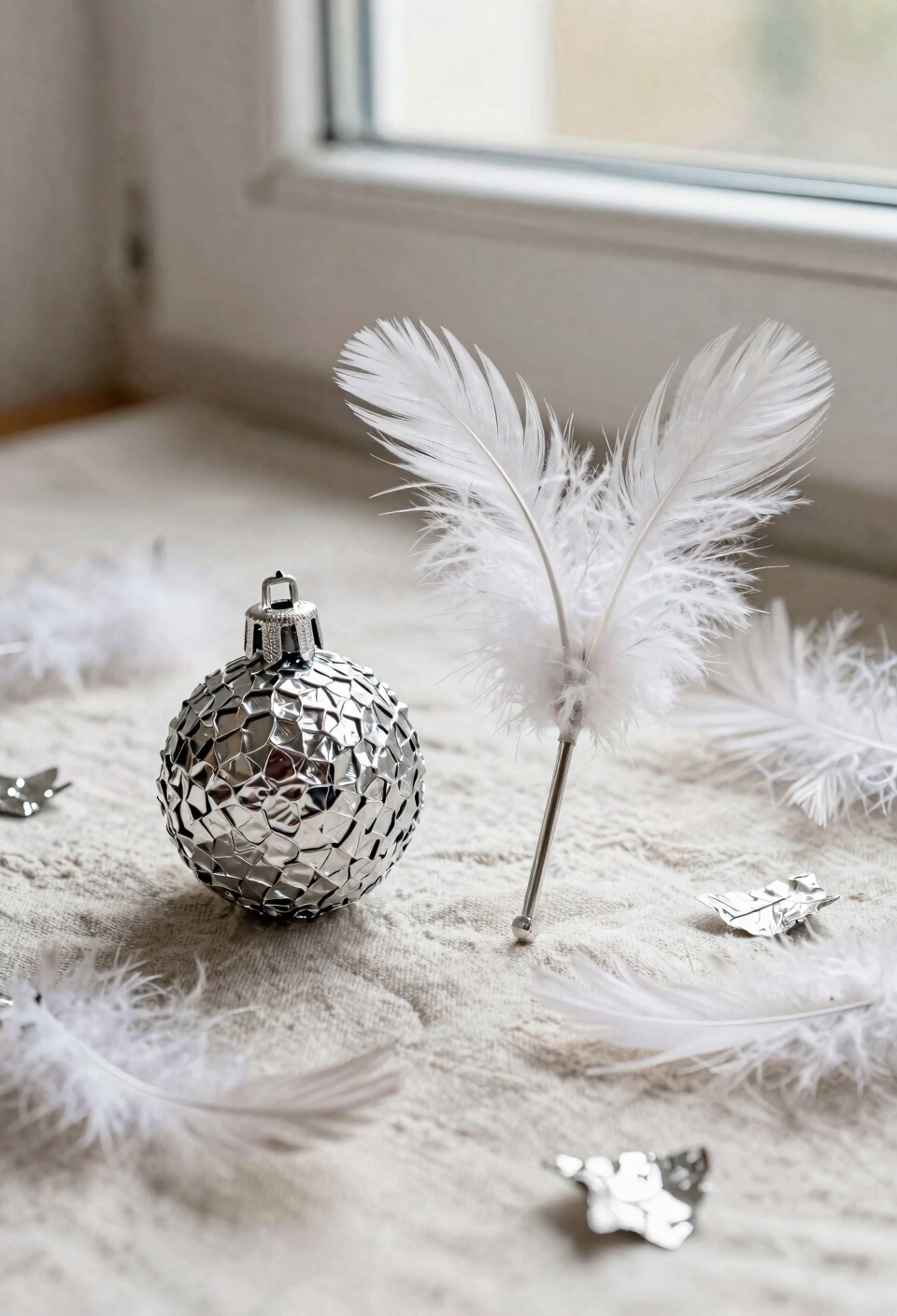
Age preference matters too. Kittens often go bonkers for feather motion, while older cats might prefer the controlled, lower-energy crinkle experience. Consider incorporating both physical exercise and mental challenges to keep your cat engaged across different life stages. All right, bottom line: match the toy to how your cat actually hunts, and you’ll nail enrichment.
Recommended Products

DESIGNED FOR ACTIVITY: Love Mates' lightweight soft plush bodies and natural knotted jute cord legs are ideal for swatting, pouncing, and tossing

Interactive balls: It is important for your cat to keep fit and active, both mentally and physically. These wrinkled SunGrow Mylar balls will keep your cats entertained for hours. Giving them exercise and a walk will make even the most boring cats happy

Triggers Natural Hunting Instincts with Feather Action – Adorned with bright, lifelike feathers, this cat feather toy mimics prey flight patterns with every wave and movement, instantly activating your cat's predatory drive. Ideal for indoor life, these interactive cat toys encourage active chasing, leaping, and pouncing—meeting your cat's instinctive need to hunt while providing essential mental and physical enrichment. Perfect for kittens and adult cats alike.
Safety Rules for Both Toy Types
Because both crinkle and feather toys trigger that predatory intensity in your cat, you’ve got to keep safety top-of-mind—and I mean really top-of-mind, not just a passing thought. Now, toy inspection is absolutely essential. Before each play session, I check for loose feathers, torn seams, or dangling strings that could become choking hazards. All right, feather wands especially need supervised play because cats can swallow string attachments faster than you’d think possible. With crinkle toys, watch for ripped material or small plastic pieces your cat might accidentally ingest. I’m sure you’ve noticed how rough cats can be during hunting mode. Rotate both toy types regularly—not only does this keep things fresh and exciting, but it also prevents excessive wear that creates safety risks. Just as you would inspect a dog harness for loose metal buckles and frayed straps before each use, the same diligence applies to cat toys to ensure they remain safe during play.
Keeping Cats Interested: The Rotation Trick That Works
You’ve probably already figured out that your cat gets bored with the same toy sitting in the corner day after day—I mean, wouldn’t you?
Here’s the trick: toy rotation. I’m serious. Hide half your crinkle and feather toys for a week, then swap them out. Your cat suddenly thinks they’re brand new again. It’s basically magic, except it’s just psychology.
Now, scent swapping takes this up a notch. Rub a feather toy on your cat’s favorite blanket before introducing it, or let a crinkle ball sit in their bed overnight. You’re making that toy smell like *home*, which honestly makes them way more interesting than some random thing you pulled from a drawer.
Sensory features like texture and scent stimulate your cat’s natural curiosity in ways that plain toys simply cannot, encouraging them to stay engaged and playful throughout the day.
Rotate regularly, and you’ll keep your cat genuinely engaged without buying toys constantly.
The Winning Combination: When to Use Both Crinkle and Feather Toys
While crinkle and feather toys each have their superpowers—sound versus motion, batting versus pouncing—here’s what I’ve learned from watching cats basically ignore my carefully curated toy selections: they’re not actually fighting over which one’s better, because the real magic happens when you use them together. I’m sure you’ve noticed your cat gets bored fast with just one toy. That’s where multi sensory pairing comes in. By combining crinkle and feather toys during play sessions, you’re hitting sound *and* sight simultaneously, which keeps your cat way more engaged. Now, this strategy transforms household enrichment from boring to genuinely exciting. Alternate between them during interactive play, and you’ll see your cat stay interested longer. Similar to how motion-activated toys provide varied engagement for dogs through multiple modes and sensors, cats benefit from rotating different sensory stimuli to maintain interest and prevent habituation. Trust me—it’s basically cat catnip for their brain.
Recommended Products

Multi-Stimulating Play: A unique candy-shaped design filled with a premium catnip blend, silvervine powder, and crinkle paper to excite your cat's senses, ideal for interactive cat toys and enrichment for indoor cats

Candy Themed Toys: 6 plush catnip toys with fun themes and colors, your kitty will be the life of the party with this play set

Interactive Playtime: Mushroom shaped plush toy with fluttery feathers engage your cat or kitten's hunting instincts for hours of active bat and pounce fun
Frequently Asked Questions
Can Crinkle Toys Help With Anxiety or Stress Relief in Indoor Cats?
I’d say crinkle toys can definitely help with stress reduction in indoor cats. The sensory enrichment from rustling sounds engages their hunting instincts, giving them a constructive outlet that calms anxiety through natural play behavior.
At What Age Should Kittens Start Playing With Crinkle or Feather Toys?
Did you know kitten development accelerates around 8-12 weeks? I’d introduce crinkle toys then for sensory stimulation. Feather wands work best at 12+ weeks when they’ve got better coordination for interactive chase play.
Do Deaf or Hard-Of-Hearing Cats Still Enjoy Crinkle Toys as Much?
I’d say deaf cats often enjoy crinkle toys less since they can’t hear the rustling. However, they’ll still benefit from tactile enrichment and the toy’s texture. You might find feather toys more engaging for their hearing adaptations.
How Often Should I Replace Worn Crinkle and Feather Toys for Safety?
I’d ironically say toys last forever—they don’t. I replace worn crinkle and feather toys every 4-8 weeks, depending on rough play. Regular safety inspections catch loose parts, tears, or choking hazards before they harm your cat.
Can Senior Cats or Those With Mobility Issues Enjoy Both Toy Types?
Yes, senior cats and those with mobility issues can enjoy both. I’d recommend gentle activation of crinkle toys for batting, and adaptive interaction with feather wands—keeping motion low and controlled so they’re comfortable participating.
Conclusion
Look, I’m sure you’ve noticed your cat’s got preferences like you do with snacks. The truth is, crinkle and feather toys aren’t opponents—they’re a dynamic duo. One fires up your cat’s ears, the other ignites their pounce reflex. Rotate them like you’re DJ-ing the world’s pickiest audience, and you’ll keep that hunting instinct sharp as a tack. Your cat wins. You win. Everyone’s entertained.