As an Amazon Associate, we earn from qualifying purchases. Some links on this site are affiliate links at no extra cost to you. Our recommendations are based on thorough research and editorial judgment.

How Does Catnip Work? The Science Behind It

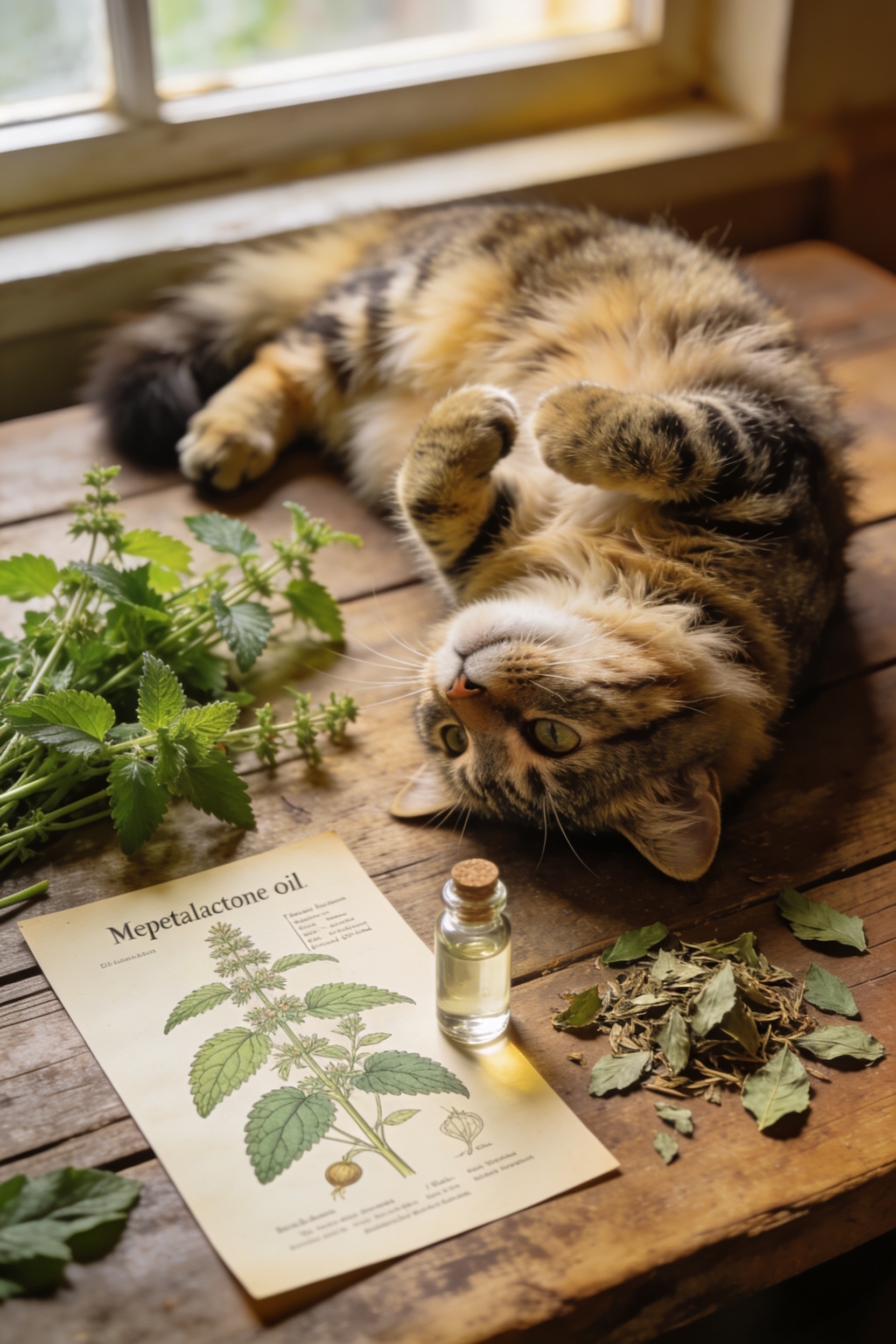
catnip releases a volatile oil called nepetalactone that your cat inhales through their nose and mouth. Those scent receptors send signals straight to your cat’s brain—specifically the amygdala and hypothalamus—triggering a reward response that’s honestly pretty similar to a pleasure high. The whole thing lasts about ten minutes, then your cat needs a thirty-minute break before they’ll care again. Not all cats respond, though; genetics plays a huge role. Stick around to discover why some felines are total catnip rebels.
Key Takeaways
- Nepetalactone, a volatile oil from catnip glands, triggers olfactory receptors in cats’ nasal and mouth membranes when inhaled.
- Detection signals travel to the olfactory bulb and engage the amygdala and hypothalamus, activating reward pathways in the brain.
- Catnip likely interacts with the feline opioid system, producing euphoric effects and distinctive behaviors like rolling and head-rubbing.
- Active responses typically last ten minutes, followed by a thirty-minute refractory period where cats become temporarily unresponsive to catnip.
- Genetic variation causes approximately 20–30% of cats to show no response, while kittens typically develop sensitivity near sexual maturity.
What Activates Catnip: Nepetalactone Explained
You may be interested


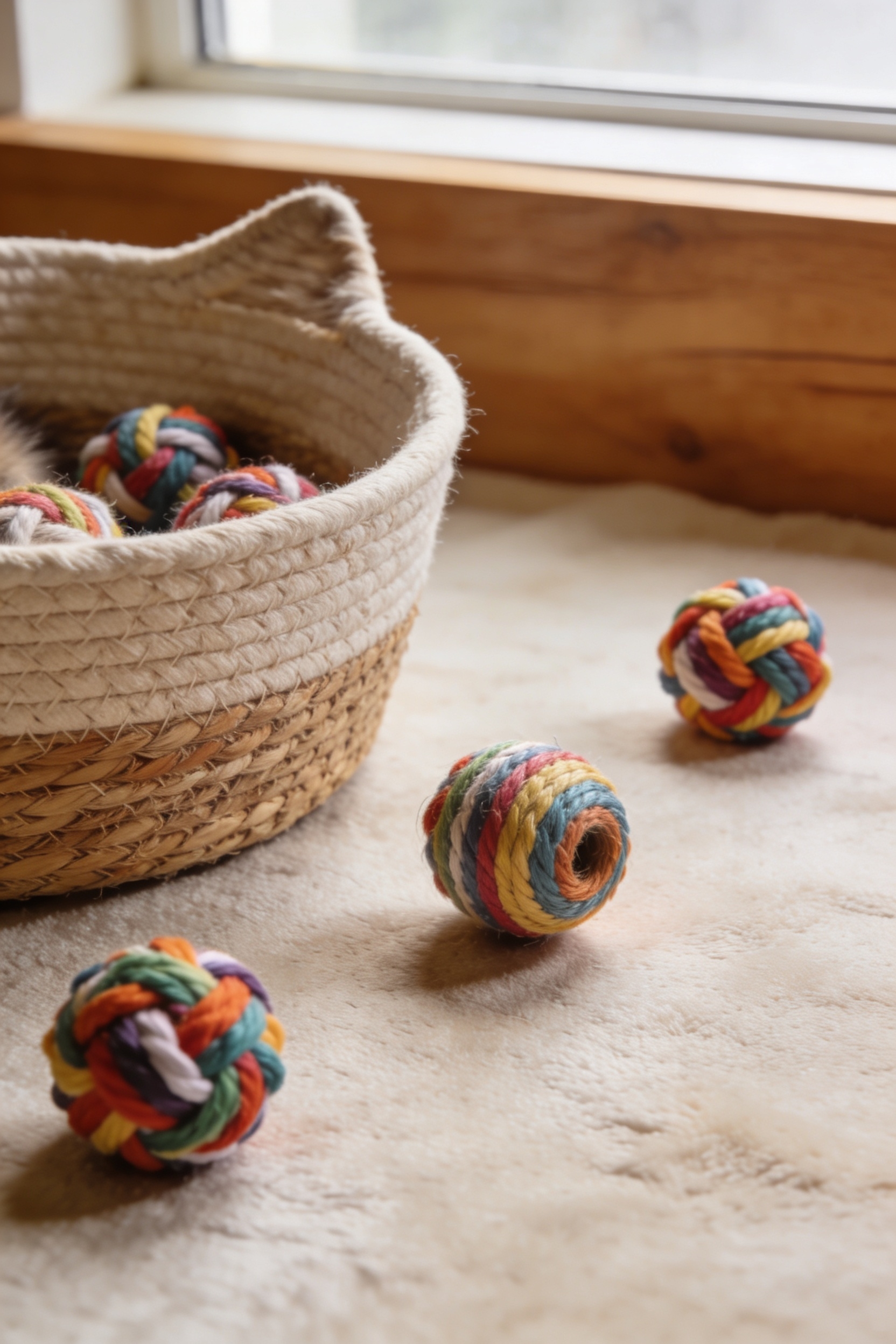
When you crush a handful of catnip leaves between your fingers and your cat suddenly loses their mind, you’re actually releasing a colorless volatile oil called nepetalactone—which, I’m sure you’ve noticed, is way easier to say than to spell. This magical compound comes from microscopic glands scattered across the plant’s leaves and flowers. When you rupture those glands through crushing or handling, boom—the volatile chemistry kicks in and nepetalactone floods into the air. It’s basically the plant’s natural defense system against insects, but your cat’s brain? Totally unprepared for it. The glandular secretion is so potent that even a tiny amount can send most cats into an absolute frenzy. Many cat toys combine catnip with other sensory stimulation elements like rattles and sounds to maximize engagement and extend playtime beyond the initial catnip response. Nature’s basically playing the ultimate prank on our feline friends.
How Cats Detect Catnip Through Smell
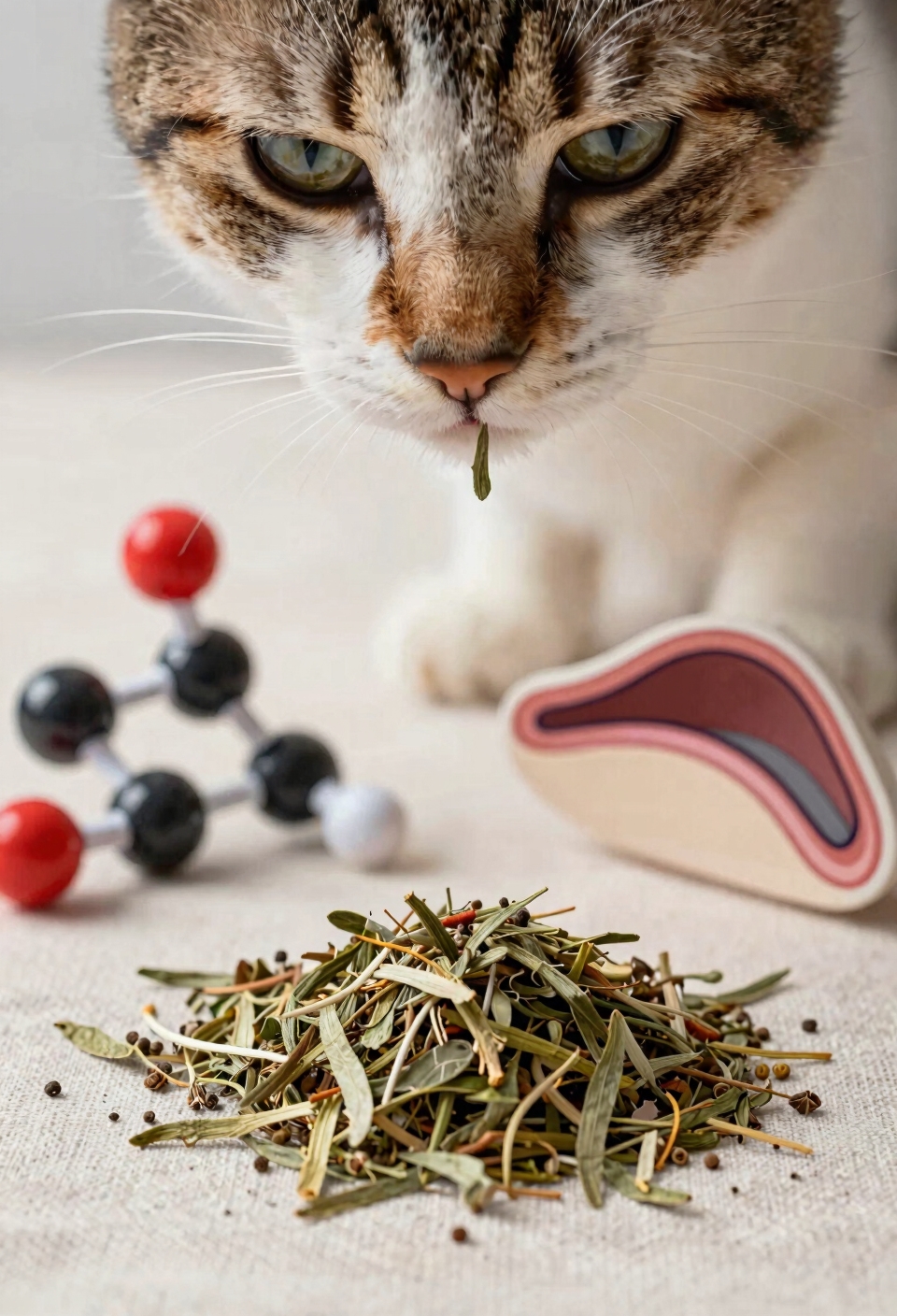
Floating through the air like some kind of invisible aromatic trap, nepetalactone doesn’t actually need your cat to eat it or even touch it directly—I’m sure you’ve noticed your kitty going absolutely bonkers the second you open a fresh catnip toy. Here’s where it gets wild: when your cat inhales that scent, nepetalactone molecules travel into her nasal anatomy and bind to special olfactory receptors lining her nose and mouth membranes. Think of these receptors like tiny locks, and nepetalactone as the key that releases a whole chain reaction. Those receptors then trigger sensory neurons that send signals straight to her olfactory bulb—basically her scent-processing command center. Now, cats also have this bonus scent organ called the vomeronasal organ that picks up on chemical signals humans completely miss. It’s basically giving her superpowers. Similar to how dogs rely on motion-activated sensors in interactive toys to detect movement and engagement, cats use these specialized sensory receptors to process environmental stimuli with remarkable precision.
How Catnip Affects Your Cat’s Brain

Once those nepetalactone molecules reach your cat’s brain, things get genuinely fascinating—and I mean *genuinely*, not just “your cat’s acting silly” fascinating. The scent triggers your cat’s olfactory learning, fundamentally training their brain to recognize catnip as something important. From there, the neural circuitry lights up in the amygdala and hypothalamus—basically your cat’s emotion and behavior control centers. I’m sure you’ve noticed how your cat goes from chill to chaos in seconds. That’s reward modulation happening in real time. Now, here’s the thing: researchers think catnip might tap into your cat’s opioid system, creating that euphoric response. It’s not exactly a drug high, but behavioral conditioning definitely plays a role. Similar to how interactive play mechanisms in pet toys provide mental stimulation and reduce boredom, catnip engages your cat’s brain through multiple sensory pathways. Obviously, we’re still figuring out all the details, but the science gets weirder the deeper you dig.
How Cats React to Catnip
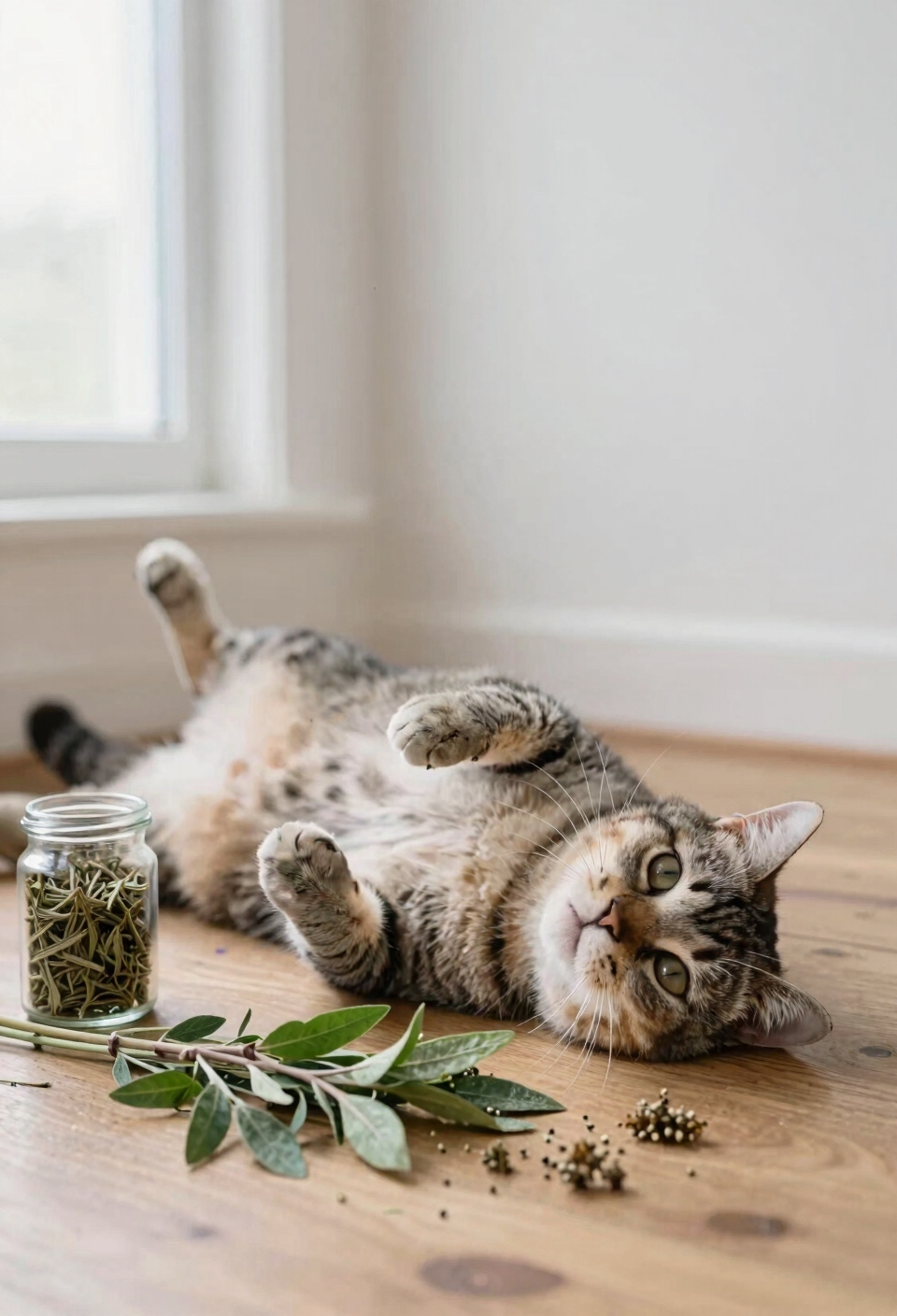
All right, so now that we grasp what’s happening inside your cat’s brain, let’s talk about what’s actually *happening* to your cat—you know, the part where they lose their mind in the best way possible. I’m sure you’ve noticed the head rubbing, body rolling, and jumping around like they’ve discovered they can fly. That’s your cat experiencing peak euphoria. Some cats get hyperactive and playful, while others chill out completely. Here’s the thing: eating catnip produces a calmer effect than smelling it, which is handy if your cat’s already bouncing off walls. The wild play behavior typically lasts about ten minutes before they need a thirty-minute break. For even more sustained mental stimulation during playtime, consider pairing catnip with interactive toys that offer varied sensory engagement. Obviously, watch for stress indicators like excessive vocalization or aggression—that’s when you dial it back.
Recommended Products

Cat Toy: Pickle-shaped plush with crinkly sounds that awaken your cat’s natural chase, pounce, and play instincts
![PetBusy Cat Toys with[5000mg A+Natural Catnip &Silvervine] [Baby Grade] Interactive Soft Chew Kicker Cat Toys for Indoor Cats & Kittens, [Crinkle &Bell] Fish Sound Toy, Drives Bored Cat Crazy with Fun](https://m.media-amazon.com/images/I/41D8wo7zb6L._SL500_.jpg)
[5000mg Premium A+ Organic Catnip &Silvervine–Drives Cats Wild & Helps Them Relax] Packed with 5000mg of premium A+ USA-grown Catnip and 2000mg of Silvervine. It drives your cat absolutely wild—then helps them blissfully relax. The irresistible natural scent sparks instant zoomies and playful pounces while melting away kitty boredom and stress. Ideal cat toy for bored indoor cats.
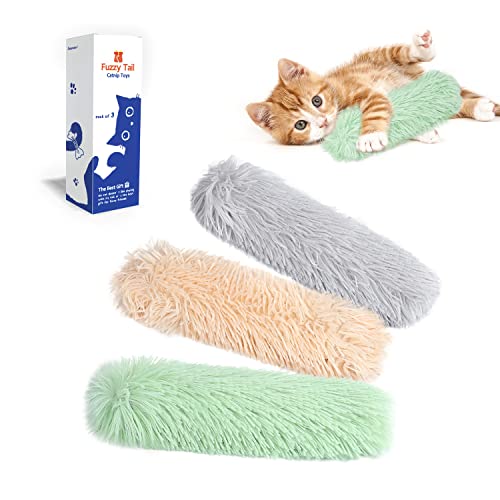
Cozy Companion: Our catnip kicker toys are all made of soft plush material and baby-level cotton, soft and comfortable enough for your feline friends to snuggle and chew.
Why Eating Catnip Differs From Smelling It

While the difference between smelling and eating catnip might seem minor—I mean, it’s the same plant either way—your cat’s brain processes these two routes pretty differently, and that’s where things get interesting. When your cat inhales nepetalactone, you’re watching the hyperactive, bouncy version. But oral ingestion? That’s a totally different ballgame. See, metabolic processing changes everything. When your cat actually eats catnip, gastric absorption kicks in, meaning the compound travels through the digestive system first. This neurochemical difference results in that calmer, more sedative vibe you’ll notice. I’m sure you’ve noticed one makes your cat zoom around like a furry pinball, while eating it’s basically feline meditation. Same plant, wildly different reactions. For smaller pets like mice, however, it’s important to note that natural chewing materials are far safer enrichment options than catnip, which isn’t formulated for rodent safety or metabolism.
Recommended Products

Perfect Cat Treats For Daily Dental Care: Feline Greenies dental treats for cats, adult formula, are crafted to support the 4 areas veterinarians check most: plaque, tartar, gums & breath; made with natural ingredients plus vitamins, minerals & nutrients
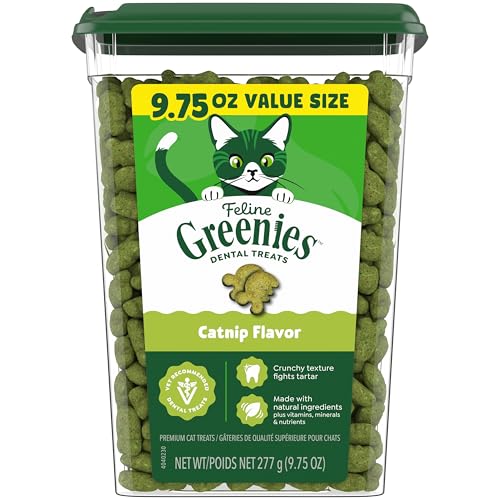
Perfect Cat Treats For Daily Dental Care: Feline Greenies dental treats for cats, adult formula, are crafted to support the 4 areas veterinarians check most: plaque, tartar, gums & breath; made with natural ingredients plus vitamins, minerals & nutrients

Guaranteed 100% Natural: Our silvervine sticks are made from 100% natural silvervine sticks, raffia, sisal rope and gall fruit (fruit of silvervine). Please rest assured when giving it to cats because they are absolutely safe for cats to chew and bite
How Long Does the Catnip Effect Last?
Now that you know your cat’s brain treats sniffed catnip totally different from the munched variety, here’s the thing nobody warns you about: the whole experience is actually pretty brief. I’m sure you’ve noticed your cat goes absolutely bonkers for about ten minutes, then just… stops. That’s it. After that initial window, your cat hits what I’d call behavioral immunity—they’re basically immune to catnip for roughly thirty minutes. It’s like their brain needs a reset. The duration and variability between cats matters too, since some respond faster than others depending on genetics. This same principle of behavioral immunity and reset periods applies to other forms of sensory stimulation, which is why pet experts recommend rotating toys and enrichment activities to prevent boredom in animals. So basically, you’ve got a solid ten-minute entertainment window before your cat’s interest completely bottoms out.
Recommended Products

3 PACK FUNNY CATNIP TOYS - Get triple the fun with our Nocciola 3 Pack Catnip Funny Toys! Each pack contains three individual catnip-filled toys designed to keep your cat entertained and engaged for hours. Perfect for sharing the fun with multiple pets or rotating toys for continuous play.

100% Organic Catnip Inside — Relieves Stress, Triggers Instincts: Loaded with 6000mg A+ grade natural catnip, this toy releases a strong, long-lasting aroma cats crave. Watch your kitty bite, chew, and kick with joy! Perfect for boredom relief, stress reduction, and daily enrichment. Great for interactive play and active stimulation, especially for adult cats and bored indoor pets.

Cozy Companion: Our catnip fish kicker toys are all made of soft plush material and baby-level cotton, soft and comfortable enough for your feline friends to snuggle and chew.
Why Some Cats Don’t Respond to Catnip
If your cat completely ignores that fancy catnip toy you spent actual money on, you’re not alone—and here’s the kicker: it’s probably not your cat being difficult. About 20 to 30 percent of cats don’t respond to catnip at all, and I’m sure you’ve noticed this creates some awkward moments with friends who swear their cats go absolutely bonkers for the stuff.
The real culprit? Genetic variation. Your cat either inherited the sensitivity genes or didn’t—it’s literally in their DNA. Now, early exposure might play a small role too, though honestly, I’m not entirely certain how much. Kittens under six months typically can’t respond anyway since the sensitivity develops around sexual maturity. So if your cat’s a non-responder, they’re not broken. They’re just wired differently. Similar to how bird toy enrichment requires matching individual preferences and sensitivities, cats also benefit from understanding their unique genetic predispositions rather than assuming one-size-fits-all solutions will work.
Recommended Products

Lizard Catnip Toys: The package comes with 4pcs lizard catnip toys featured in different colors. Adorn the vivid lizard-shaped design, activates your cat's hunting instincts, and is a great choice for a multi-cat household.
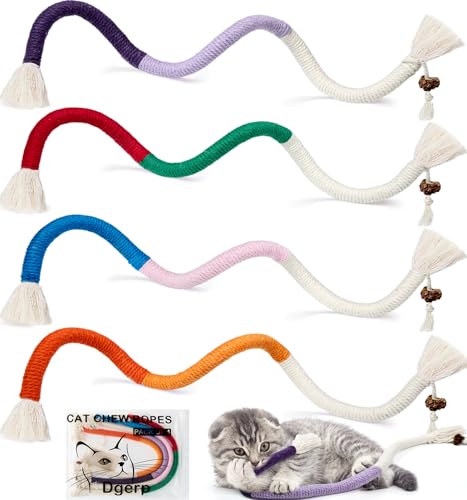
【SAFE AND FUN CHEW TOYS】Our cat chew toys are handcrafted from safe, soft organic cotton rope with no metal wires, making them safe for all cats. Paired with a reusable catnip pouch, they provide cats with joyful play that's both entertaining and safe.

Silver Vine: A Natural Catnip Alternative
So here’s the thing—if your cat’s one of those non-responders we just talked about, I’ve got good news. Silver vine might be your answer. This plant contains nepetalactol, a compound similar to catnip’s nepetalactone, and honestly, some cats go absolutely bonkers for it when they couldn’t care less about regular catnip.
Now, I’m not saying silver vine works for every cat, but studies suggest it triggers that same olfactory response in feline brains. You’ll notice the same head-rubbing, rolling, and playful behavior. For indoor enrichment, it’s genuinely useful—you can sprinkle it on toys or scratching posts for grooming stimulation and mental engagement. Like choosing the right dog toys for enrichment, selecting appropriate cat enrichment tools requires matching the stimulation to your pet’s individual preferences and play style. All right, if your cat’s ignoring catnip, definitely give silver vine a shot before you give up entirely.
Recommended Products

Guaranteed 100% Natural: Our silvervine sticks are made from 100% natural silvervine sticks, raffia, sisal rope and gall fruit (fruit of silvervine). Please rest assured when giving it to cats because they are absolutely safe for cats to chew and bite

【Guaranteed 100% Organic】Our cat cage balls are comprised of all natural silvervine sticks, catnip ball and gcatnip bag without any additives. Silvervine, also named Matatabi, grows in wild jungles of southeast Asia. Catnip is a perennial herb native to Central Asia. What’s more, the cages are 100% hand-woven with no chemical adhesives, thus cat’s health and safety is absolutely assured

Silvervine Chew Sticks for Cats: Cat teething chew toys are rich in Actinidine and B-phenyl ethanol. This smell is very attractive to cats and can help cats relieve stress, make them energetic and happy.
Is Catnip Actually a Drug?
I’m sure you’ve wondered whether catnip‘s basically getting your cat high, and honestly, it’s a question I hear all the time. Here’s the thing—catnip isn’t technically a drug in the legal status sense, but research suggests it activates your cat’s opioid system, which is wild. Now, I don’t want to draw human parallels too hard because cats aren’t popping catnip at parties, but the brain mechanism’s surprisingly similar to how certain compounds affect us. The difference? Catnip’s totally safe and legal, unlike some substances I probably shouldn’t mention. Your cat’s not addicted or harmed—they’re just experiencing a natural, temporary response. Think of it less like a drug trip and more like your cat’s brain hitting a pleasure button that evolution accidentally left exposed. Similar to how electronic pet toys use motion-activated sensors to engage cats naturally, catnip triggers instinctive responses that keep felines entertained without any harmful side effects.
What Researchers Still Need to Learn About Catnip
While we’ve figured out a lot about how catnip works—the nepetalactone, the brain pathways, all that good stuff—scientists are still scratching their heads over some pretty fundamental questions about what’s actually happening in your cat’s brain.
I mean, we don’t really understand the long term effects on cats who use it repeatedly. Does your kitty build up tolerance? Could there be any downsides to regular exposure? Nobody’s completely sure yet.
Then there’s the genetic mechanisms behind why some cats respond and others don’t. Obviously it’s hereditary, but the actual DNA stuff? Still fuzzy. All right, so basically researchers need way more studies before we nail down every detail about how this stuff actually works in feline brains.
Similar to how mental stimulation benefits other pets through enrichment activities, understanding the neurological mechanisms of catnip response could help researchers develop better behavioral interventions for cats.
Frequently Asked Questions
Can I Give My Cat Catnip Every Day, or Will They Build up Tolerance?
I’d recommend spacing out catnip use to prevent habituation. Giving it daily risks tolerance buildup, reducing its effectiveness for behavioral enrichment. Rotating daily use with 2-3 day breaks optimizes tolerance management and maintains your cat’s responsiveness.
Is Catnip Safe for Kittens, and at What Age Can I Introduce It?
I’d recommend waiting until your kitten’s around six months old before introducing catnip. At that age, they’ll actually respond to it. Follow safety guidelines by offering small amounts occasionally—it’s completely safe for healthy kittens.
Does Catnip Work on All Cat Breeds, or Are Some Breeds Immune?
Not all cats are catnip’s chosen ones. I’ve found genetic variability determines sensitivity—roughly 70-80% respond, while others’ sensory thresholds simply don’t register nepetalactone. Breed doesn’t matter; individual inheritance does.
Can Catnip Be Harmful to Cats With Certain Health Conditions or Medications?
I’d say yes—catnip can pose risks for cats with respiratory sensitivity or those taking certain medications. You’ll want to consult your vet about potential medication interactions before using catnip on your pet.
How Should I Store Catnip to Maintain Its Potency Over Time?
I’d recommend storing catnip in airtight containers kept in a cool, dark place. Since nepetalactone—the active compound—is volatile, it’ll degrade faster when exposed to heat, light, or air. This helps preserve potency longer.
Conclusion
I’m sure you’ve noticed your cat goes absolutely bonkers for catnip, but—and this might blow your mind—scientists still don’t totally understand *why* evolution gave cats this weird sensitivity to a plant chemical. researchers believe nepetalactone hijacks their brain, but the deeper “what’s it actually *for*?” question? Yeah, they’re still scratching their heads on that one. Pretty wild, right?