As an Amazon Associate, we earn from qualifying purchases. Some links on this site are affiliate links at no extra cost to you. Our recommendations are based on thorough research and editorial judgment.

Smart Pet Toys With App Control: Worth the Price?

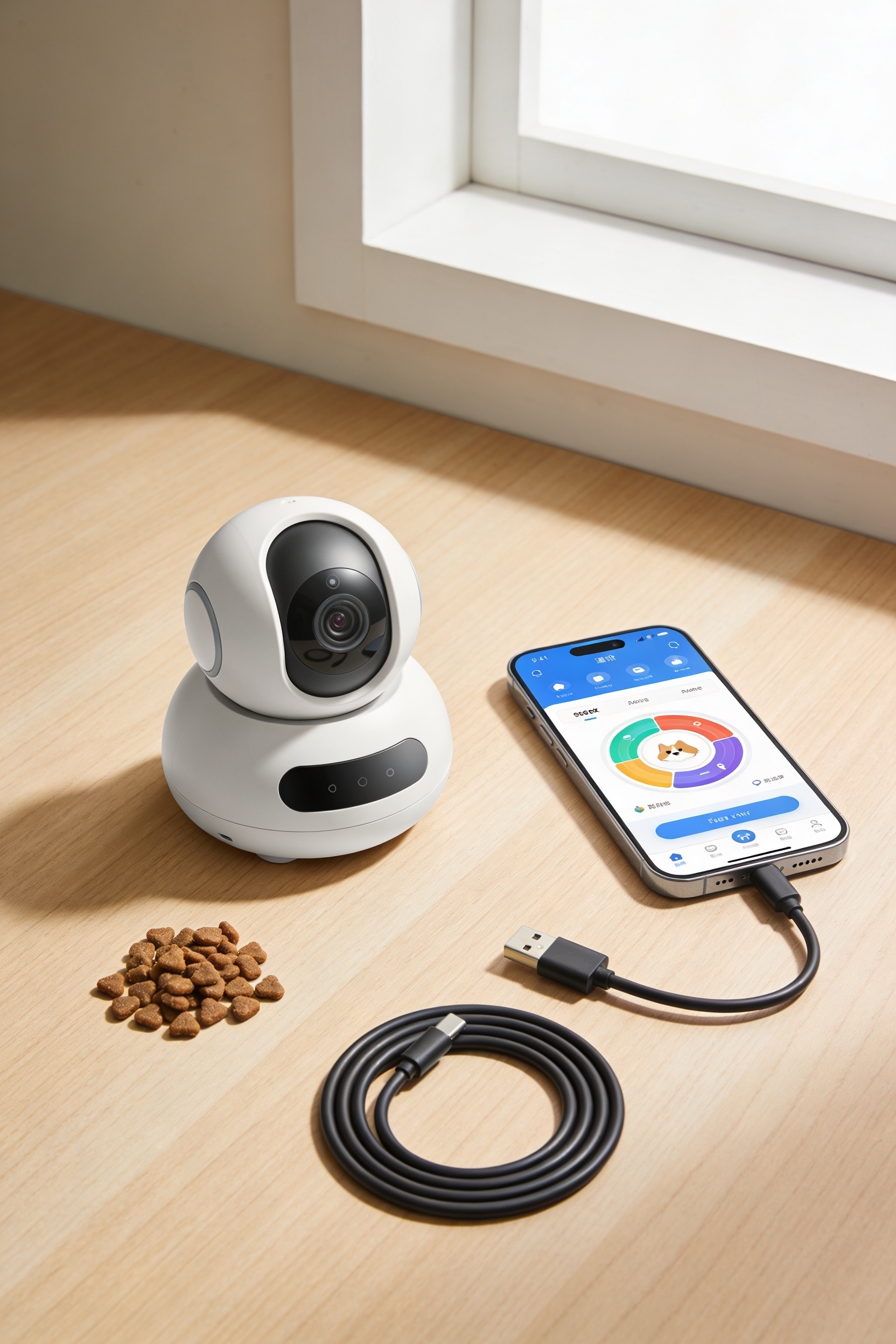
Look, I’m sure you’ve noticed smart pet toys promise the moon—live cameras, treat dispensing, laser pointers, all controlled from your phone. Here’s the thing: they’re genuinely useful for keeping anxious dogs entertained while you’re gone, but they come with real baggage. Expect battery drain, connection lag, motor noise, and apps that sometimes feel like they’re running on a potato. Whether they’re worth it really depends on your dog’s temperament and your tolerance for maintenance headaches. Stick around if you want me to break down which setups actually deliver.
Key Takeaways
- App-controlled toys justify their cost when matched to your pet’s temperament and activity level, but require stable app performance and responsiveness.
- Single-purpose devices typically outperform multi-function gadgets in durability and functionality, making two specialized toys better value than one mediocre all-in-one.
- Battery degradation, connection lag, and motor noise are common limitations that reduce long-term value despite premium pricing across most models.
- Subscriptions for cloud storage or customized matching can improve ROI by preventing unused items and tailoring features to your pet’s needs.
- Mid-range options like ROLA PetPal offer balanced features and reliability without excessive cost, while budget models often lack durability for regular use.
Remote Play, Cameras, and Treats: What Smart Pet Toys Actually Deliver
You may be interested


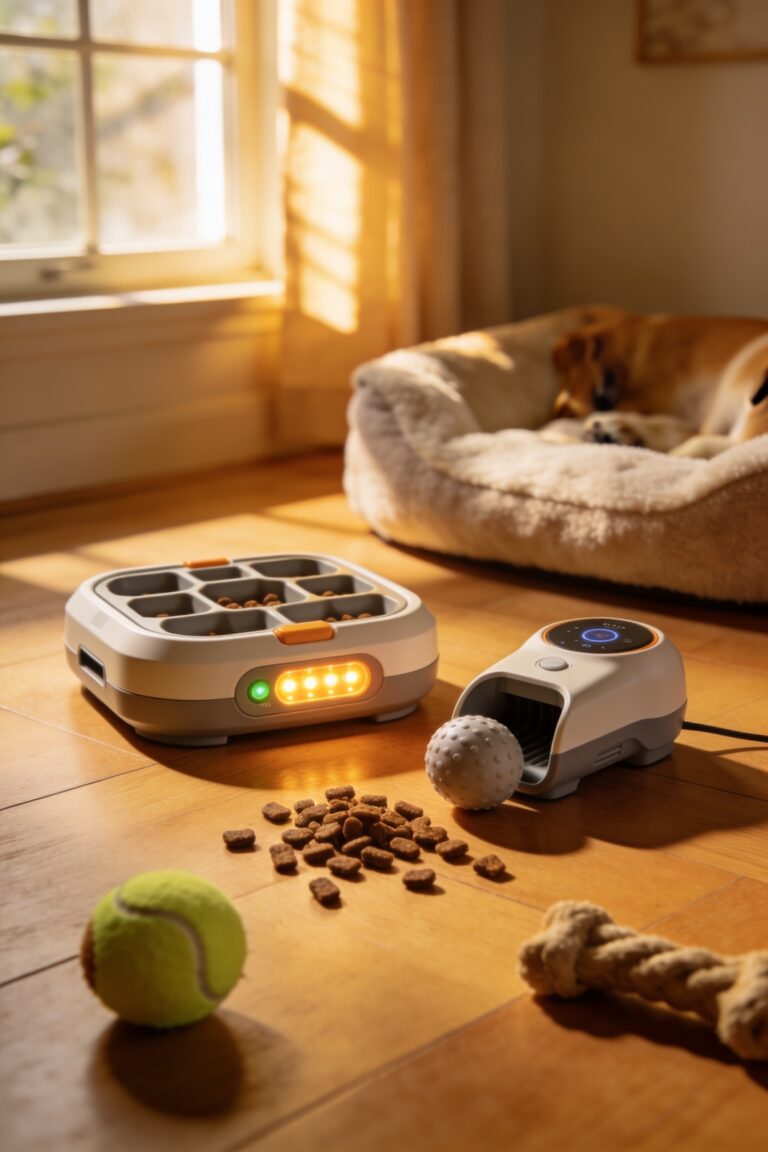
When you’re stuck at work scrolling through your phone for the hundredth time, I’m sure you’ve wondered whether your dog’s actually napping on the couch or tearing up your shoe collection—and that’s basically where smart pet toys come in. Here’s the thing: most of these gadgets pack cameras so you can actually peek in on your furry friend, which honestly beats pure guessing. You get live video feeds, microphones for talking to them, and treat dispensers that create real interactive enrichment while you’re gone. Now, the remote bonding angle is legit—controlling a toy from your phone keeps them engaged when you can’t be there. Treat-dispensing puzzles like the Starmark Bob-A-Lot deliver mental stimulation with food rewards, offering a proven way to prevent boredom during your absence. Obviously, it’s not replacing your actual presence, but it’s surprisingly solid for boredom prevention.
Real Limitations: Battery Life, Noise, and Connection Lag
All right, so here’s where the shine starts to wear off those fancy smart pet toys: they’ve got some real drawbacks that reviewers and frustrated owners keep bumping into. Battery degradation is a genuine headache—you’ll get solid runtime at first, but after a few months of regular charging, that playtime shrinks faster than you’d expect. Then there’s speaker feedback that can get pretty annoying during interactive sessions, especially if your pet’s sensitive to high-pitched sounds. Connection lag happens more often than you’d think, too. I mean, nothing’s worse than telling your dog to fetch while the app takes five seconds to respond. And motor noise? Yeah, some of these things sound like angry wasps in a box. Some toys emit sounds like chirping that may frighten anxious or noise-sensitive dogs during play. Obviously, you’re paying premium prices for gadgets with some pretty frustrating real-world limitations.
Which Pet Temperaments Benefit Most From Smart Toys

Not every pet’s going to lose their mind over a robot toy, and honestly, that’s the thing most people don’t think about when they’re dropping cash on these gadgets. I mean, shy adopters need something different than high energy hunters do. Your anxious rescue dog? She’s probably going to freak out if you blast a spinning laser toy at her. But give her treat dispensing and gentle motion, and suddenly you’ve got a confidence builder. Your high energy hunters, though—they’re basically made for this stuff. They want chase, they want unpredictability, they want that app-controlled motion keeping them engaged while you’re stuck at work. Dogs with separation anxiety or boredom particularly benefit from toys with lights, sounds, and movement features that provide continuous mental and physical stimulation. All right, know your dog first, then pick your toy.
ROLA PetPal vs. Pebby vs. Wickedbone: Side-by-Side Comparison
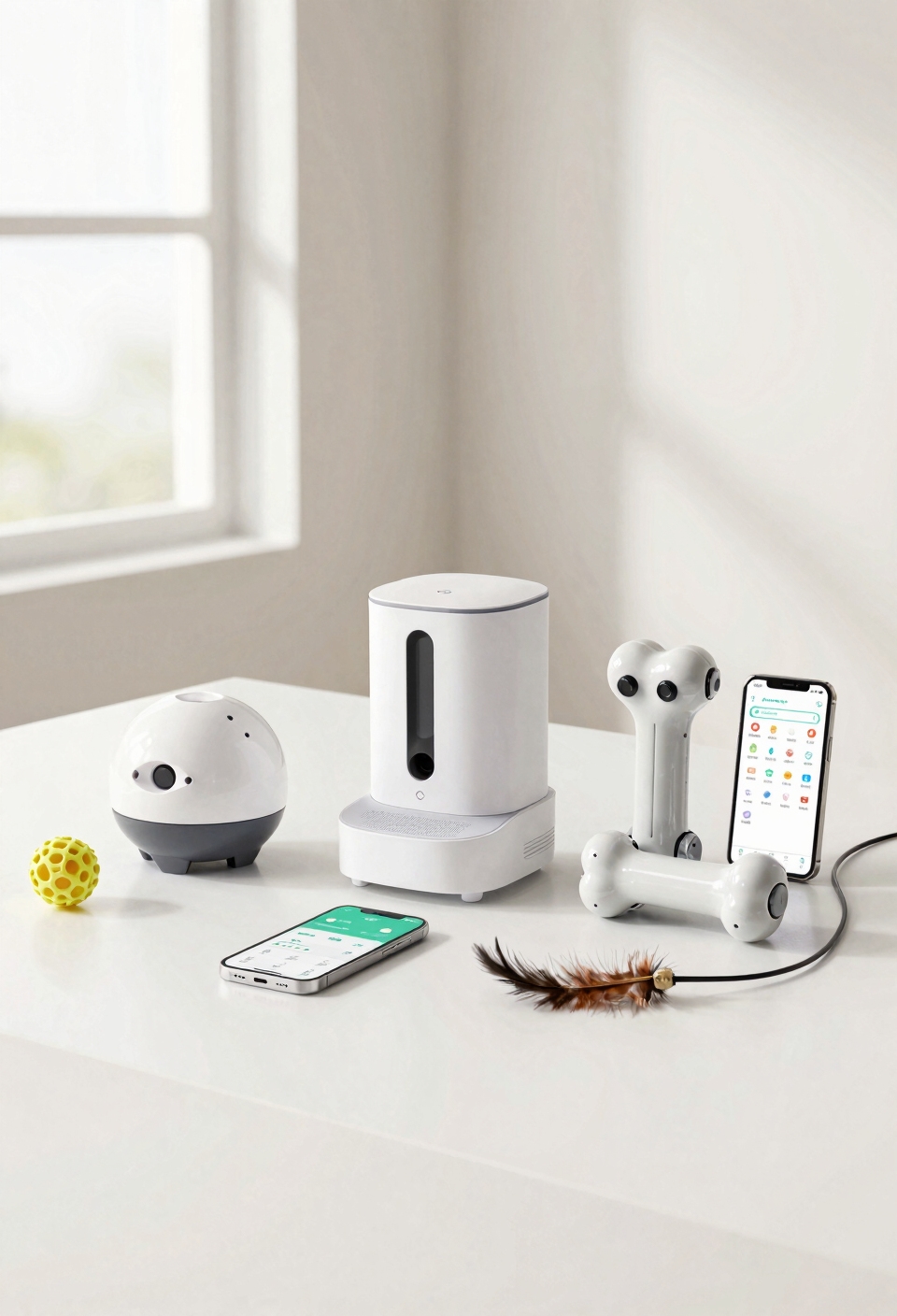
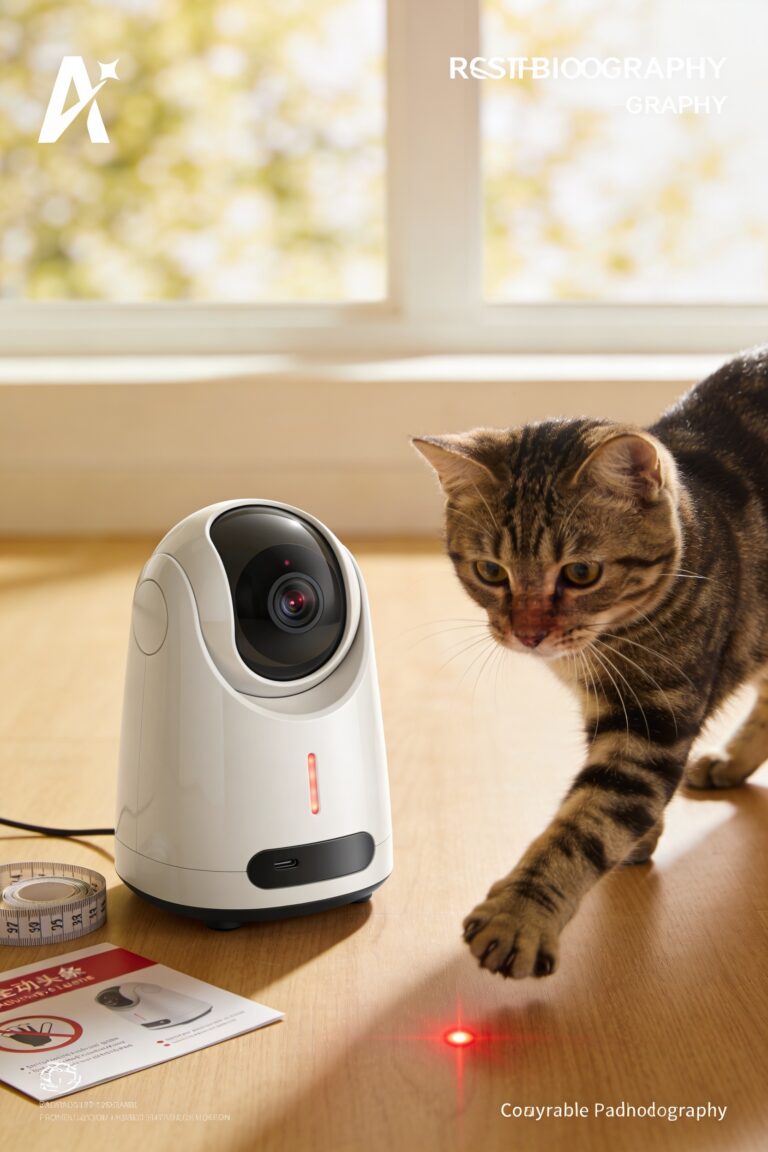
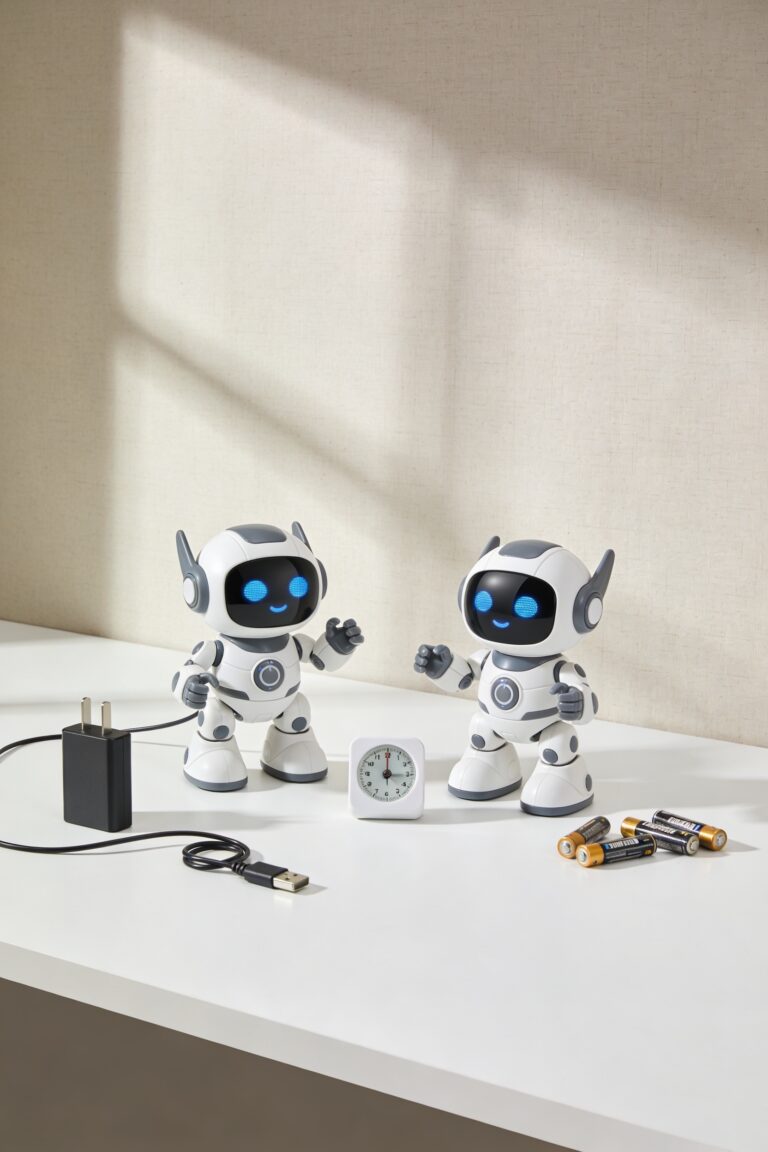
So you’ve figured out which temperament your dog’s got—now comes the fun part of actually picking a toy that won’t collect dust in your closet. Here’s the thing: these three heavyweights all deliver app-driven control, but they’re not interchangeable. The ROLA PetPal‘s your all-in-one beast with camera, treats, and motion packed together. Pebby goes lighter, focusing on that 720p camera and laser pointer combo. Wickedbone? It’s basically a tiny robot that responds to your pup with customizable motion patterns—spins, flips, the works. Durability-wise, I’m hearing mixed reports across the board. Consider each toy’s battery capacity and charging time to ensure consistent performance during active play sessions. All right, the real question isn’t which one’s objectively best. It’s which gaps in your home it actually fills. You tracking me?
Prioritize App Stability Over Flashy Features
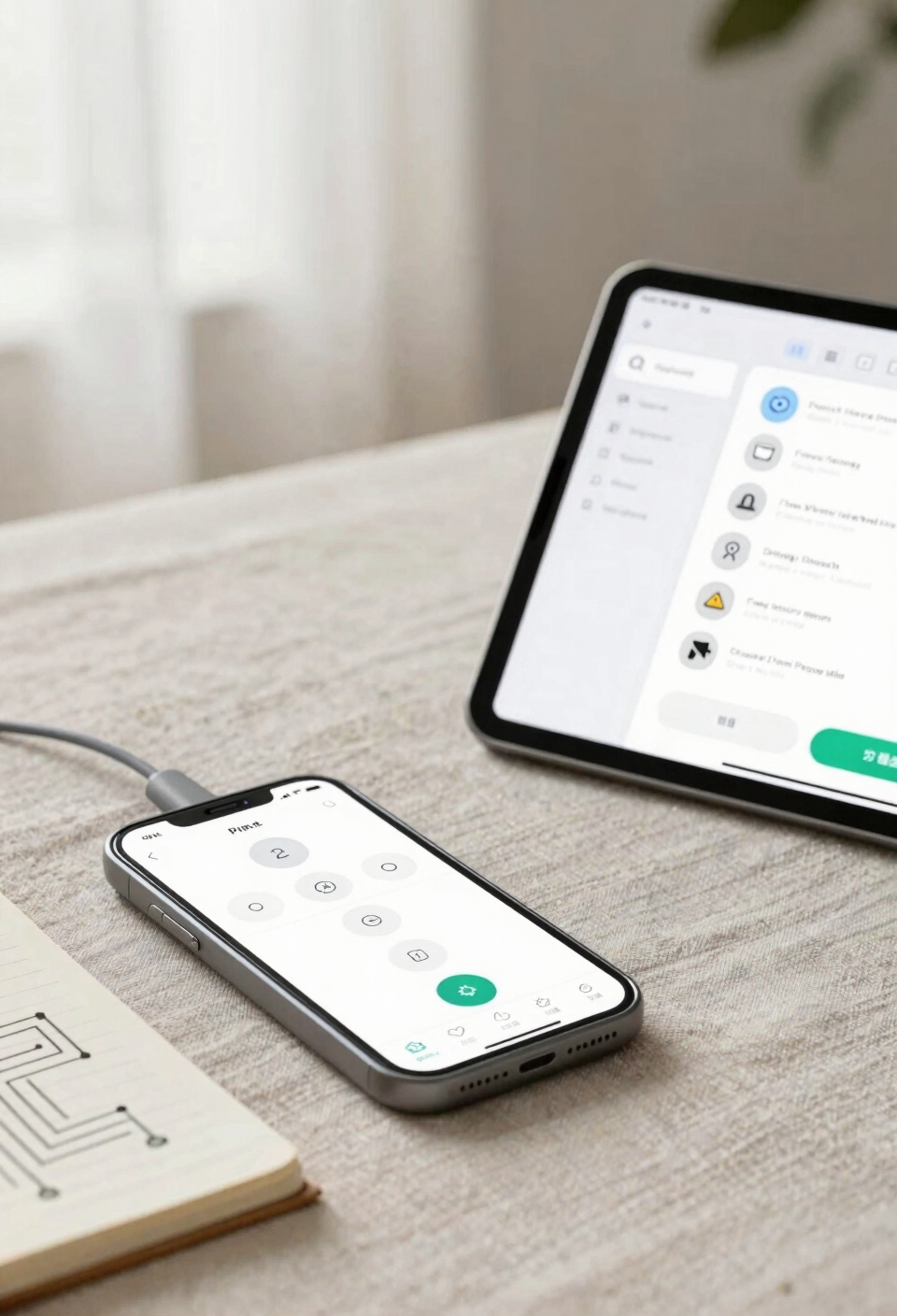
Here’s the thing about smart pet toys—and I’m pretty sure you’ve noticed this with any app-controlled gadget you’ve owned—the fanciest features mean absolutely nothing if the app itself is a hot mess.
I’m talking app reliability. You want smooth performance, not constant crashes when you’re trying to toss a treat to your dog from work. That’s why I always check update frequency before buying. Manufacturers who push regular updates? Those are the ones taking your experience seriously.
Models like Dog-E offer customizable profiles and needs tracking through their companion app, but only if the underlying connection remains stable. All right, here’s my honest take: a toy with three solid features and rock-solid app stability beats one packed with laser pointers and gyroscopes that disconnects every five minutes. You don’t need the fanciest gadget—you need one that actually works when you need it.
Why Treat Dispensing Works for Anxious Pets
Treat dispensing taps into something pretty fundamental about how anxious pets actually work—and I mean the real neurology behind it, not just “dogs like snacks.” When you’re triggering those reward moments through an app while you’re nowhere near home, you’re effectively teaching your pet that good things happen even when you’re gone. I’m sure you’ve noticed how anxious pets spiral when left alone. Now, treat conditioning breaks that cycle. You’re creating separation comfort by building positive associations with your absence. Obviously, it’s not a cure-all, but it shifts your pet’s brain from “oh no, they’re leaving” to “wait, good stuff happens now.” That mental reframe? That’s genuinely powerful for nervous dogs and cats alike. Multi-functional toys combining treat dispensing with other sensory elements like crinkle sounds and puzzle components can amplify this effect by providing sustained mental stimulation during periods of separation.
How Much to Spend: Budget Tiers and What You Get
Now that you’re sold on the treat-dispensing magic, the real question is how deep your wallet needs to go. I’m sure you’ve noticed prices range wildly—anywhere from fifty bucks to a few hundred, depending on what you’re after.
Budget models give you basic app control and maybe a camera, though materials durability can be sketchy. Mid-range toys like the ROLA Petpal offer solid features without destroying your bank account. Premium options pack everything in but expect subscription options for cloud storage or advanced features, which I’m not gonna lie, gets annoying.
When choosing between price tiers, consider pairing app-controlled toys with mental stimulation features to maximize your dog’s engagement and prevent boredom. All right, here’s the honest truth: spend what matches your actual needs. You don’t need the fanciest toy if your dog just wants to chase something for ten minutes.
One Toy or Three: When Consolidation Actually Saves Money
When you’re staring down the price tag on a mid-range smart toy, it’s tempting to think you could just grab three cheaper toys instead and call it a day. I’m sure you’ve noticed that all those separate gadgets—a camera monitor here, a treat dispenser there, a motion toy somewhere else—add up faster than you’d expect. Here’s the thing: a consolidation approach actually wins on cost comparison. You’re paying for one subscription, one charging cable, one app to wrestle with. Plus, there’s the space optimization angle. Your closet isn’t a toy graveyard. All right, one solid multi-function device beats three mediocre ones gathering dust. Consider that customizable subscriptions can be tailored to your dog’s specific needs, ensuring you’re investing in toys and treats that match your pup’s chewing strength and activity level rather than purchasing random items that might go unused.
What Real Users Report About App Performance
Since you’ve actually spent the money on one of these gadgets, you’re probably wondering if the app experience lives up to the hype—or if you’re about to discover that your shiny new smart toy turns into an expensive paperweight the moment the software hiccups. Here’s what real users are saying: app responsiveness matters way more than you’d think. The ROLA PetPal gets consistent praise for seamless control and smooth video streaming, while user feedback on other models highlights lag as a serious frustration. I mean, nothing kills the fun faster than tapping your phone only to watch your pet toy respond five seconds later. For comparison, toys with motion-activated sensors like the Giociv model activate immediately on touch, setting a standard for responsiveness that app-controlled alternatives should match. The takeaway? Check reviews specifically about app stability before buying. Your pet’s playtime depends on it.
Skip the Toy: Choose a Standalone Camera or Dispenser Instead
If you’re torn between dropping cash on an all-in-one smart pet toy and just getting something that does one job really well, I’m sure you’ve noticed that sometimes the fancy combo gadgets don’t actually excel at anything. Here’s the thing: you might be better off skipping the toy entirely. A dedicated remote viewer camera gives you crystal-clear footage without the distraction of motors and moving parts. A standalone treat dispenser focuses purely on rewarding your pet without maintenance compatibility headaches. Just like durable replacement trays built for a single purpose outlast multi-function alternatives, pet devices engineered for one task tend to perform better and last longer. I mean, why buy a gadget that’s half-decent at three things when you could own two products that absolutely nail their single purpose? Your wallet—and your pet—might thank you.
Frequently Asked Questions
Can App-Controlled Smart Pet Toys Replace Actual Human Interaction and Playtime With Pets?
No, they can’t fully replace you. While I find app-controlled toys offer mental stimulation and engagement when you’re away, they lack the emotional bonding that direct interaction creates. Your pet needs your physical presence and genuine playtime.
Do Smart Pet Toys Work Effectively for Cats, or Are They Designed Primarily for Dogs?
smart pet toys aren’t one-size-fits-all, and frankly, cats demand their own category. While dogs thrive with app-controlled motion and treats, cats respond better to interactive laser features and catnip dispensers—toys engineered specifically for feline instincts.
What Is the Typical Lifespan and Durability of App-Controlled Smart Pet Toys Before Failure?
I’d say most app-controlled smart pet toys last 2-3 years before issues emerge. Battery longevity typically degrades first, then component wear affects motors. Software updates sometimes help, but mechanical failure eventually happens without proper maintenance.
Are There Privacy or Security Concerns With Wi-Fi-Enabled Pet Toy Cameras in Home Networks?
Yes, I’d worry about your home network’s security. Imagine a poorly encrypted pet camera letting hackers access your Wi-Fi. You’ll want devices with robust data encryption and regular firmware updates protecting your system from vulnerabilities.
How Do I Introduce a Cautious or Senior Pet to a Smart Toy Without Causing Stress?
I’d recommend slow introductions with treats and gentle motion settings. Start with the toy inactive, letting your pet investigate at their own pace. Use sensory enrichment like low-volume sounds and reward curiosity with treats to build positive associations gradually.
Conclusion
Look, I’m sure you’ve noticed that smart pet toys promise *pristine* playtime but frequently fall *flat*. Before you bite the bullet on a *pricey* gadget, honestly assess your situation. You’ll probably pocket more peace of mind—and cash—investing in a straightforward camera or treat dispenser instead. Sometimes simpler solutions serve your pet better. Don’t get dazzled by bells and whistles when basics work brilliantly.