As an Amazon Associate, we earn from qualifying purchases. Some links on this site are affiliate links at no extra cost to you. Our recommendations are based on thorough research and editorial judgment.


At What Age Can Kittens Start Using Catnip Toys?

You can start introducing catnip toys around 3 to 6 months old, once your kitten’s neurological receptors have actually matured enough to respond. I’m sure you’ve noticed your 8-week-old couldn’t care less about catnip—that’s totally normal because their brain literally isn’t ready yet. Start with a lightly infused toy and short play sessions to see what happens. Some kittens respond earlier than others, and yeah, about 15% of cats never respond at all due to genetics. But stick around, because there’s definitely more to know about doing this right.
Key Takeaways
- Kittens’ neurological receptors for catnip don’t mature until 3–6 months old, making younger kittens unresponsive.
- Start introducing catnip toys at 3–6 months when sensory development allows them to detect and respond.
- Begin with lightly infused toys or tiny pinches of dried catnip during short, supervised play sessions.
- Offer catnip toys once or twice weekly to prevent overstimulation and maintain your kitten’s interest.
- About 15% of cats show no response due to genetics; explore alternative enrichment toys if needed.
Why Young Kittens Ignore Catnip (And Why That’s Okay)
You may be interested

If you’ve ever dangled a catnip toy in front of your 8-week-old kitten and watched them completely ignore it like you’re holding a sock instead of feline entertainment, I’m sure you’ve wondered if something’s wrong with your cat—or maybe with you. Here’s the thing: nothing’s wrong. Your kitten’s brain just isn’t ready yet. Catnip response depends on sensory development, and their neurological receptors won’t fully mature until around 3 to 6 months old. Plus, there’s genetic variation—some kittens are just wired differently. In the meantime, you might consider offering alternative toys like motion-activated toys or interactive play mats that provide entertainment through visual and auditory stimulation even before catnip sensitivity develops. I mean, you wouldn’t expect a newborn to appreciate pizza, right? Same concept. Your kitten will get there eventually, so don’t stress.
The Right Age to Introduce Catnip: 3–6 Months

Now that your kitten’s around 3 months old, their brain’s finally catching up to their adorable little body, and that’s when the real catnip magic can start happening. I’m sure you’ve noticed they’re getting more coordinated and curious about everything, right?
Here’s the thing: not every kitten reacts the same way. Age variations mean some cats show interest at 3 months while others need until 6 months to really get it. Genetic factors play a huge role too—some kittens are just wired to love catnip, while others couldn’t care less even as adults. It’s worth noting that approximately 15% of cats may show sensitivities to certain toy materials, so monitor your kitten’s reaction closely when introducing new toys.
All right, the sweet spot for introducing catnip toys is definitely between 3 and 6 months. Start small with lightly infused toys, keep play sessions short, and watch how your kitten responds. You’re basically opening a whole new level of entertainment.
Recommended Products

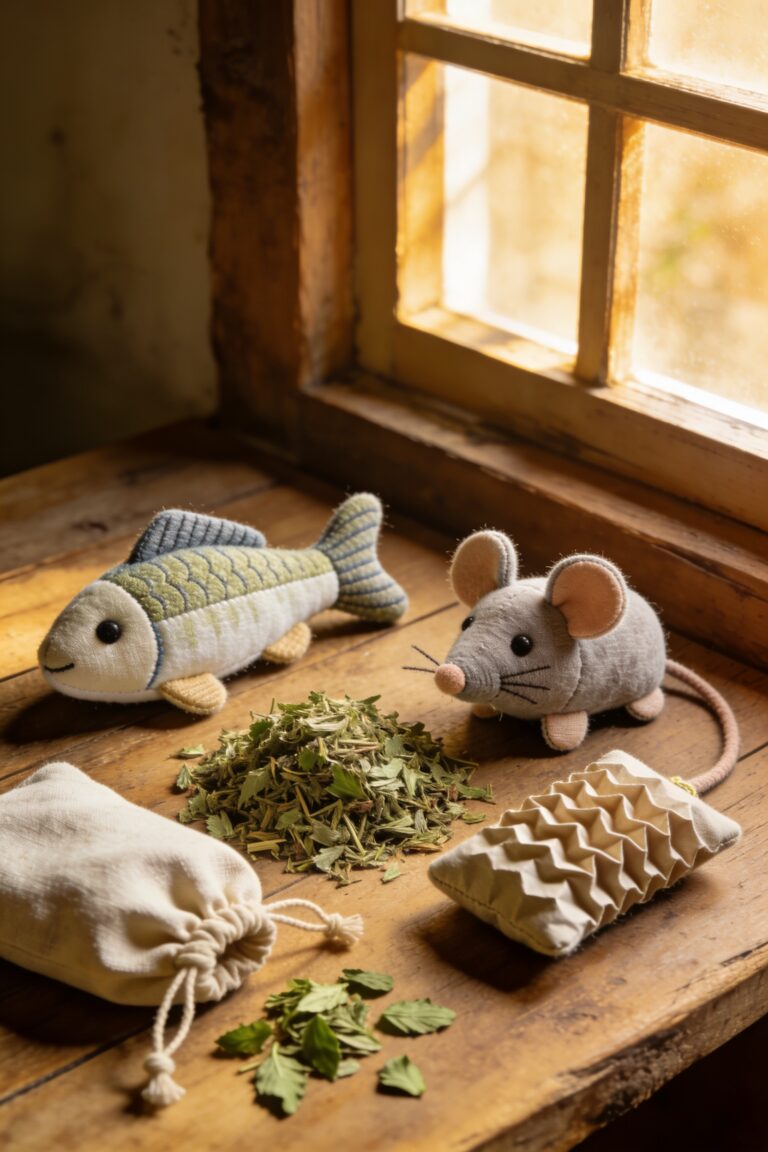
[Natural Catnip & Silvervine Infused]: Filled with 100% organic catnip and silvervine, these toys naturally excite cats while encouraging active play and providing stress relief - keeping your feline friend both happily stimulated and calmly relaxed
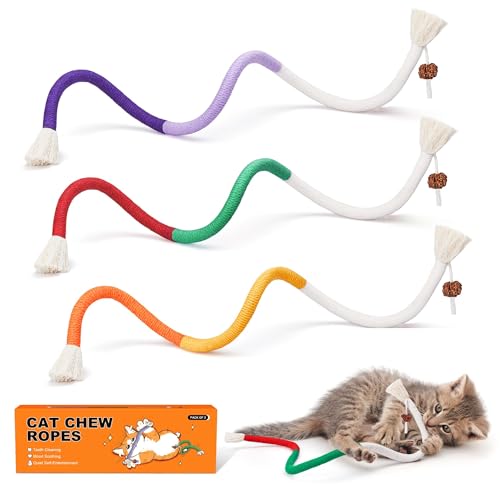
Teething Fun: Ideal for kittens and cats alike, these chew toys are an essential addition to your kitty’s dental care. With natural gall fruit and rope design, the toys are perfect for teething and teeth cleaning, they combat tartar and freshen breath, making dental hygiene a fun activity for your little one!

SAFE STRONG MATERIAL- Cat chew toys are made of cotton linen filled with PP cotton and catnip,suitable for chewing and dragging
How to Introduce Catnip Toys Gradually
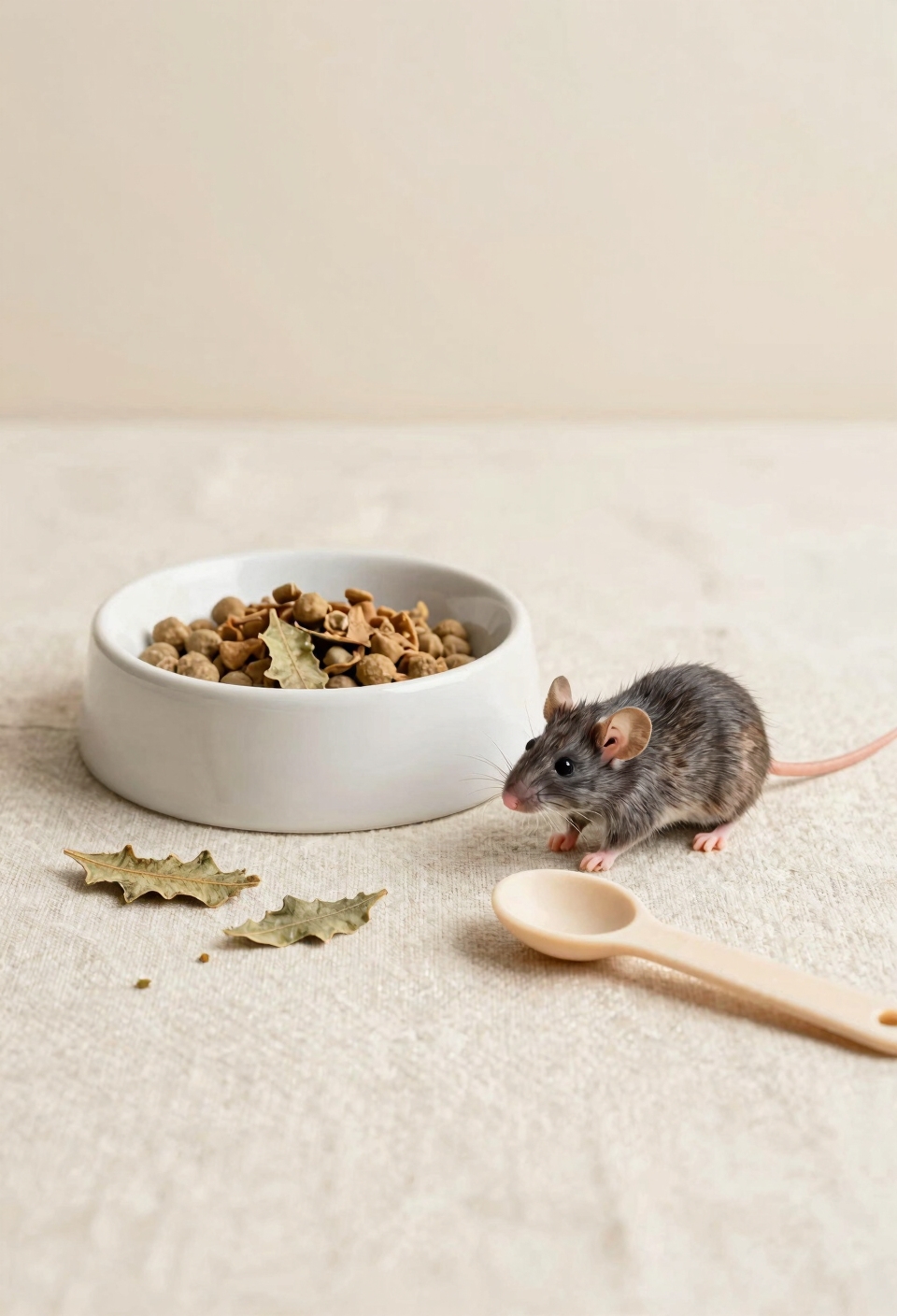
Once you’ve got your kitten in that sweet 3–6 month window, the real work begins—and I don’t mean work in a bad way, just that you’ll want to be intentional about how you roll out the catnip experience. Start with slow introductions using just a tiny pinch of dried catnip or a lightly infused toy. I’m sure you’ve noticed kittens can get overwhelmed easily, so short play sessions are your friend here. Now, scent pairing works great too—let your kitten explore the toy without pressure first, then introduce the catnip gradually. Just like with other small animals, rotating toys weekly prevents boredom and helps maintain your kitten’s long-term interest in their enrichment toys. If your kitten barely reacts, that’s totally normal. You can always try again in a week or two once their receptors catch up developmentally.
Recommended Products
![PetBusy Cat Toys with[5000mg A+Natural Catnip &Silvervine] [Baby Grade] Interactive Soft Chew Kicker Cat Toys for Indoor Cats & Kittens, [Crinkle &Bell] Fish Sound Toy, Drives Bored Cat Crazy with Fun](https://m.media-amazon.com/images/I/41D8wo7zb6L._SL500_.jpg)
[5000mg Premium A+ Organic Catnip &Silvervine–Drives Cats Wild & Helps Them Relax] Packed with 5000mg of premium A+ USA-grown Catnip and 2000mg of Silvervine. It drives your cat absolutely wild—then helps them blissfully relax. The irresistible natural scent sparks instant zoomies and playful pounces while melting away kitty boredom and stress. Ideal cat toy for bored indoor cats.

Cozy Companion: Our catnip fish kicker toys are all made of soft plush material and baby-level cotton, soft and comfortable enough for your feline friends to snuggle and chew.

Cat Toy: Pickle-shaped plush with crinkly sounds that awaken your cat’s natural chase, pounce, and play instincts
How Often and How Much: Safe Catnip Dosing for Kittens

Less is definitely more when it comes to catnip for kittens, and I’m sure you’ve noticed that young cats don’t exactly have the best self-control around anything fun. Our dosage guidelines are pretty straightforward: start with just a pinch of dried catnip or a lightly infused toy. I mean, you’re not trying to send your kitten into orbit here.
For play frequency, I’d suggest offering catnip toys once or twice weekly rather than daily. This prevents your kitten from getting overwhelmed or developing tolerance. Now, if your kitten swallows too much catnip, you might end up dealing with an upset stomach—trust me, that’s not the cleanup adventure you want.
Keep sessions short and supervised. Your kitten will appreciate the occasional treat more than constant access anyway. Toys combining catnip and rattle mechanisms can provide dual sensory stimulation that enhances engagement while you monitor play sessions.
Recommended Products

1. 12PCS Cat Mouse Toy Pack : 12PCS faux fur mouse cat toy for your feline friend, 6 bright colors mixed. Simply toss it to your cat and watch as they pounce, chase, bat at this mice and toss them around. The rattle and catnip can get cats obsessed and will keep them entertain themselves throughout the day, benefit to keep active and healthy for indoor cats.

Furry fabric exterior with plastic core,Perfectly weighted for makes it for cats easy to grip,bat and carry in their mouths.

【17 PACK CAT MOUSE TOYS FOR FELINE ENTERTAINMENT】Keep indoor cats entertained with 17 colorful plush mouse toys made for chasing, batting, carrying, hiding, and pouncing. Great for indoor home play, daily toy rotation, kittens, adult cats, and multi-cat households.
Catnip Mistakes That Overstimulate Young Kittens

Watch for overstimulation signs like excessive aggression, dilated pupils, or your kitten basically losing their mind. That’s your cue to pump the brakes. I recommend toy rotation—swap out catnip toys every few days so the novelty stays fresh without overwhelming their developing senses. You’re basically letting their brain reset between sessions. Trust me, a calm kitten beats a wired one every single time. After playtime, make sure to clean catnip toys regularly using pet-safe detergent to remove saliva and bacteria that can accumulate on the toy surface.
Recommended Products

3 PACK FUNNY CATNIP TOYS - Get triple the fun with our Nocciola 3 Pack Catnip Funny Toys! Each pack contains three individual catnip-filled toys designed to keep your cat entertained and engaged for hours. Perfect for sharing the fun with multiple pets or rotating toys for continuous play.

12-Pack Catnip Mouse Toys – Includes 12 brightly colored plush mice, each filled with irresistible catnip to keep cats and kittens engaged and entertained.

5 Colorful Cactus-Shaped Toys for Cats: This fun and vibrant 5-pack set features adorable cactus-shaped catnip cat toys that are perfect for indoor cats. The bright, multi-colored designs are sure to capture your cat’s attention and provide hours of playtime fun
Some Kittens Never Respond: And That’s Normal
Now, I know you’ve probably tried offering catnip to your kitten and got absolutely nothing—no head bumps, no rolling around like they’ve lost their mind, just a blank stare like you’d offered them a rock. Here’s the thing: some kittens genuinely don’t respond to catnip, and that’s totally fine. I mean, genetic variability means not every cat inherits the same sensitivity to that nepetalactone compound. Your kitten’s individual temperament plays a huge role too. Some cats are just wired differently, kind of like how some people hate cilantro while others think it’s the best thing ever. It’s not a problem with your kitten or your toy—it’s just biology doing its thing. Not every cat needs catnip to have a blast. Consider exploring alternative enrichment options like textured toys or interactive play instead to keep your kitten engaged and entertained.
Frequently Asked Questions
Is Catnip Toxic or Safe for Kittens Under Three Months Old?
Catnip’s safe for kittens under three months, though I’d note age sensitivity means they won’t respond yet. Developmental exposure at this stage won’t hurt them, but you’ll see stronger reactions once they’re older.
Can I Use Catnip Toys as a Substitute for Other Types of Kitten Toys?
Catnip toys aren’t a complete substitute—I’d recommend mixing them with interactive puzzles and textured wands to keep your kitten mentally stimulated and physically engaged across different play styles.
What Should I Do if My Kitten Eats Large Amounts of Catnip?
If your kitten eats large amounts of catnip, I’d recommend supervised observation for upset stomach symptoms. Contact your vet immediately if you’re concerned—they may suggest activated charcoal or other treatment options.
Are There Alternative Toys or Herbs Similar to Catnip for Young Kittens?
I’d recommend trying silver vine or valerian root as alternatives. Both can trigger similar responses in young kittens who aren’t yet responsive to catnip. They’re safe options worth exploring if you’re looking for engaging enrichment toys.
How Can I Tell if My Kitten’s Lack of Catnip Response Indicates a Health Problem?
A kitten’s lack of catnip response typically isn’t a health concern—it’s usually due to genetic factors or incomplete neurological development. If your kitten’s otherwise healthy and playful, I’d skip worrying about neurological assessment.
Conclusion
Now, here’s the thing—introducing your kitten to catnip’s a journey, not a sprint. You’re basically waiting for their brain to mature enough to appreciate the “good stuff,” which sounds fancier than it actually is. I’m sure you’ve noticed some kittens couldn’t care less about it anyway, and honestly? That’s totally fine. Your kitten’ll let you know when they’re ready to get a little silly with their toys.