As an Amazon Associate, we earn from qualifying purchases. Some links on this site are affiliate links at no extra cost to you. Our recommendations are based on thorough research and editorial judgment.

Best Dog Brushes by Coat Type: Short, Long, Double, Curly

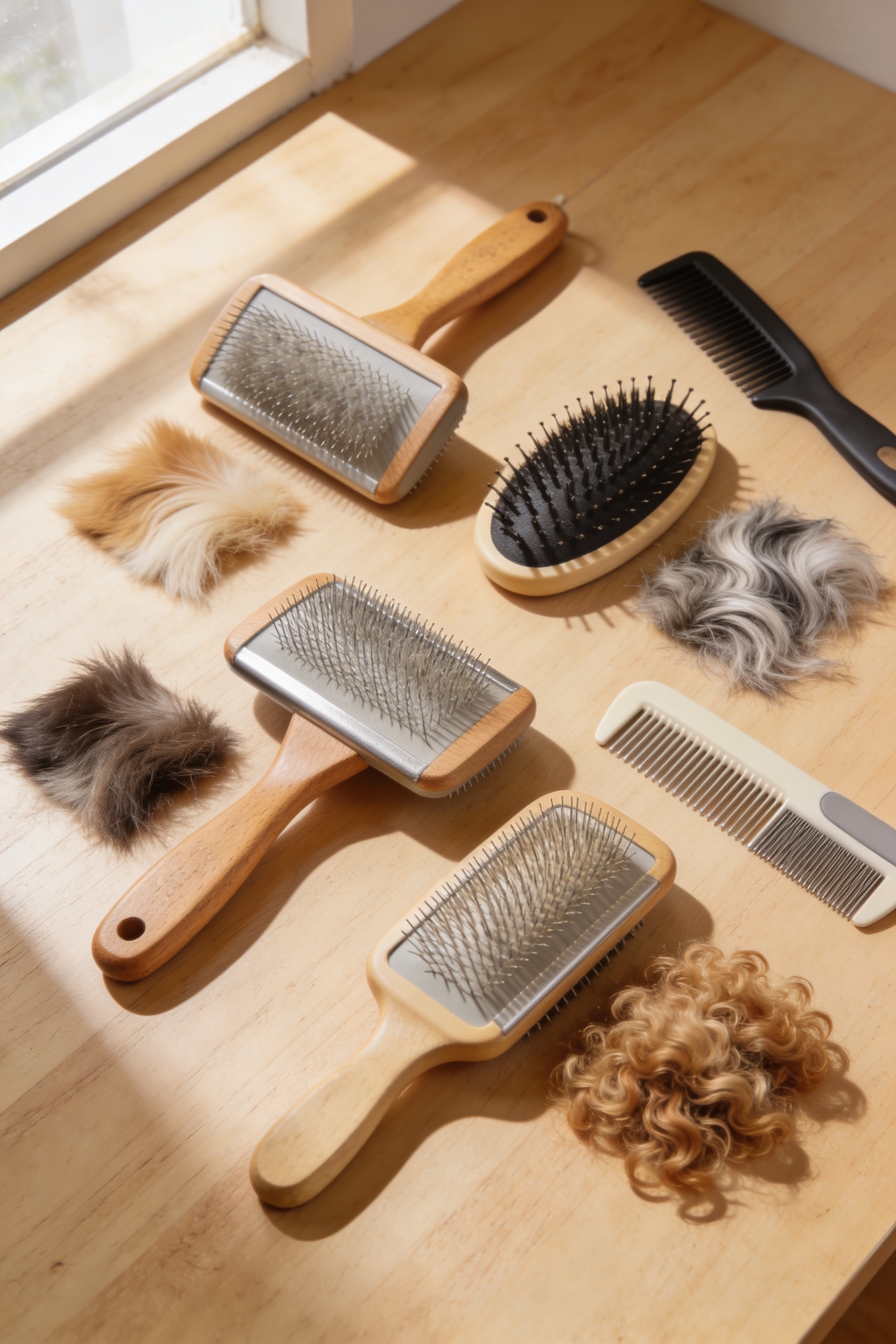
Here’s the thing—you’re probably using the wrong brush for your dog’s coat, and that’s why grooming feels like wrestling a greased pig. Short coats need soft bristles and rubber tools; long coats demand pin and slicker brushes for daily maintenance; double coats require undercoat rakes to handle that dense undercoat situation; and curly coats need slicker brushes with line-brushing technique to prevent matting. Brush frequency varies too, from twice weekly for short hair to daily for longer styles. Stick around and I’ll walk you through exactly which tools tackle what.
Key Takeaways
- Short coats benefit from soft-bristle brushes and rubber curry combs used twice weekly with gentle circular motions.
- Long coats require daily brushing with pin brushes and slicker brushes, always stroking in hair growth direction.
- Double coats need slicker brushes and undercoat rakes, especially during spring and fall shedding seasons.
- Curly coats require consistent slicker brush use with line-brushing technique to prevent mats and trapped moisture.
- All coat types demand gentle techniques to avoid skin irritation, matting, and yanking during detangling sessions.
Quick Coat Type Identification Quiz
You may be interested


All right, before you go full-on brush-buying spree, I’m sure you’ve noticed that not all dog coats are created equal—some dogs look like they’ve got a silky waterfall on their head while others rock that sleek, polished look. Here’s the thing: nailing down your dog’s coat type is half the battle. I mean, you can’t just grab whatever brush looks cool and hope for the best, right? That’s where a quick coat quiz comes in handy. By understanding breed matching and identifying whether your pup’s got a short, long, double, or curly coat, you’ll actually know which grooming tools won’t totally frustrate you. Just like selecting the right toy requires matching to your dog’s specific needs, choosing the proper brush means considering your individual dog’s characteristics and grooming requirements. Trust me, your dog—and your sanity—will thank you.
Short Coats: Soft Bristles and Rubber Tools

Now that you know what coat type your dog’s rocking, let’s talk about what actually works for the short-haired crew. I’m sure you’ve noticed that short coats need totally different grooming tools than longer ones.
For your smooth-coated buddy, soft or medium bristle brushes are your best friends. They’re gentle enough for sensitive skin while still getting the job done. All right, here’s where rubber tools shine—literally. A rubber curry comb or grooming mitt loosens dirt and dead hair without irritating your pup. I mean, these things practically massage your dog while grooming them.
Rubber brushes like the Kong ZoomGroom attract loose fur like magnets. During shedding season, throw in a de-shedding tool to stay ahead of the fur tumbleweeds. Once you’ve lifted the loose stuff, a bristle brush polishes everything and distributes natural oils beautifully. Regular grooming also helps reduce plaque and tartar, promoting your dog’s overall dental health and fresher breath.
Recommended Products

1. GREAT BRUSH FOR BATH TIME: Perfect rubber curry brush to lather shampoo and achieve a deeper clean. Rubber tips penetrate through the coat and make it really easy to scrub away dirt and loose fur.

ERGONOMIC MOUSE DESIGN - Surrounding bump-slip back allows to keep the brush steady safely within your grasp. Increasing the weight of the brush a little to ensure more easily and comfortable for us to hold it when using, provides you great control even when the brush is wet.

Dog Bath Brush: This rubber curry brush provides a relaxing massage while you brush wet or dry hair
Long Coats: Pin and Slicker Brushes for Detangling
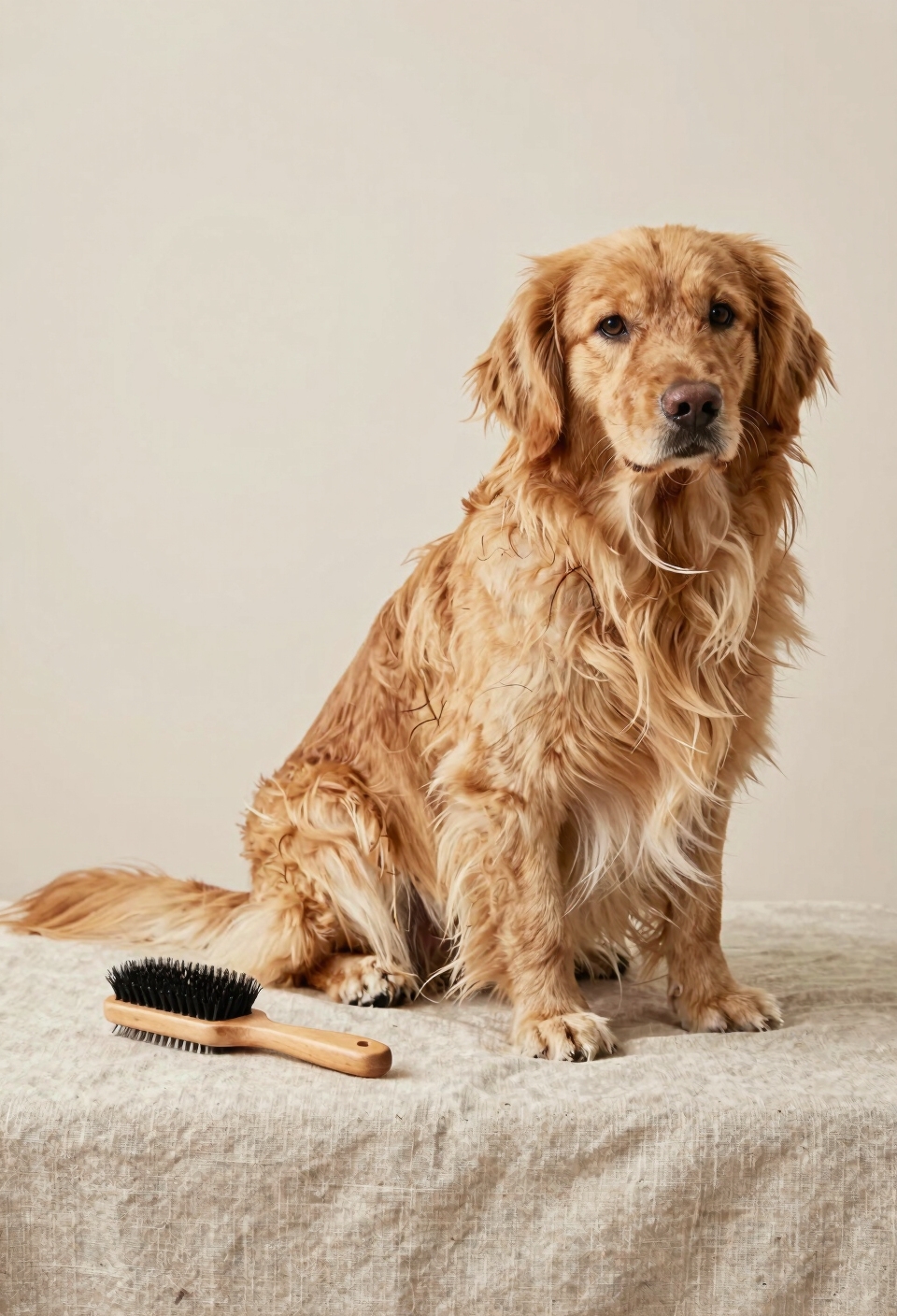
When your dog’s got long, flowing locks, you’re playing a totally different grooming game than the short-coat crowd. I’m sure you’ve noticed that pin brushes are your go-to for daily maintenance—they’ve got that blend flexibility that works through longer fur without yanking. Now, slicker brushes? Those are your detangling secret weapon. The angle variation in their design lets you tackle knots with serious pressure control, hitting problem spots without damaging that gorgeous coat.
All right, here’s the thing: you’ll want a medium-toothed metal comb for your cleaning routine afterward. It confirms whether you’ve actually defeated those sneaky tangles hiding underneath. Metal combs with wider-spaced tines work way better on long hair than fine-toothed ones. Obviously, your brushing frequency matters more than anything else—daily beats occasional heroic efforts. Just like treat-dispensing features keep dogs mentally stimulated during grooming sessions, regular brushing routines help maintain your long-coated dog’s engagement and comfort throughout the process.
Recommended Products

【Premium Dog Grooming Kit】Owning a professional dog slicker brush and a comb, you can effectively remove tangles, knots, and mats, significantly reducing brushing and drying time. Let you, as the groomer, give your furry companion a shiny, healthy coat , Goldendoodle Must Haves - The Best Dog Gifts - Merry Christmas

【Skin-friendly Massage Needles】 The mental pins on the slicker brush for dogs have round protective plastic tips on the ends. As a cat brush and dog dogs, it's perfect for shedding and massaging your pets without scratching your pet's skin, even the sensitive skin.
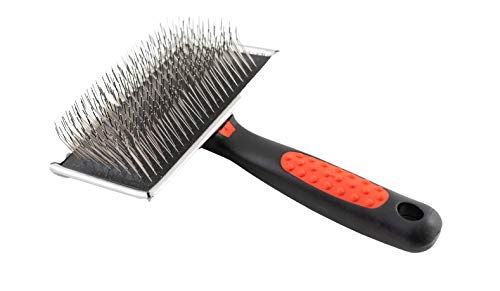
EXTRA LONG PINS - Crafted from high-quality materials, this professional-grade "Tuffer Than Tangles" brush features extra-long stainless steel pins that easily penetrate deep into your pet's coat, removing dirt and debris from the undercoat.
Double Coats: Undercoat Tools and Layered Brushing
Double-coated dogs—think German Shepherds, Golden Retrievers, that fluffy husky giving you the side-eye at the dog park—they’re basically wearing two sweaters at once, and that’s where things get tricky. I’m sure you’ve noticed how much hair they shed, right? That’s because you’re dealing with both an outer coat and a dense undercoat hiding beneath.
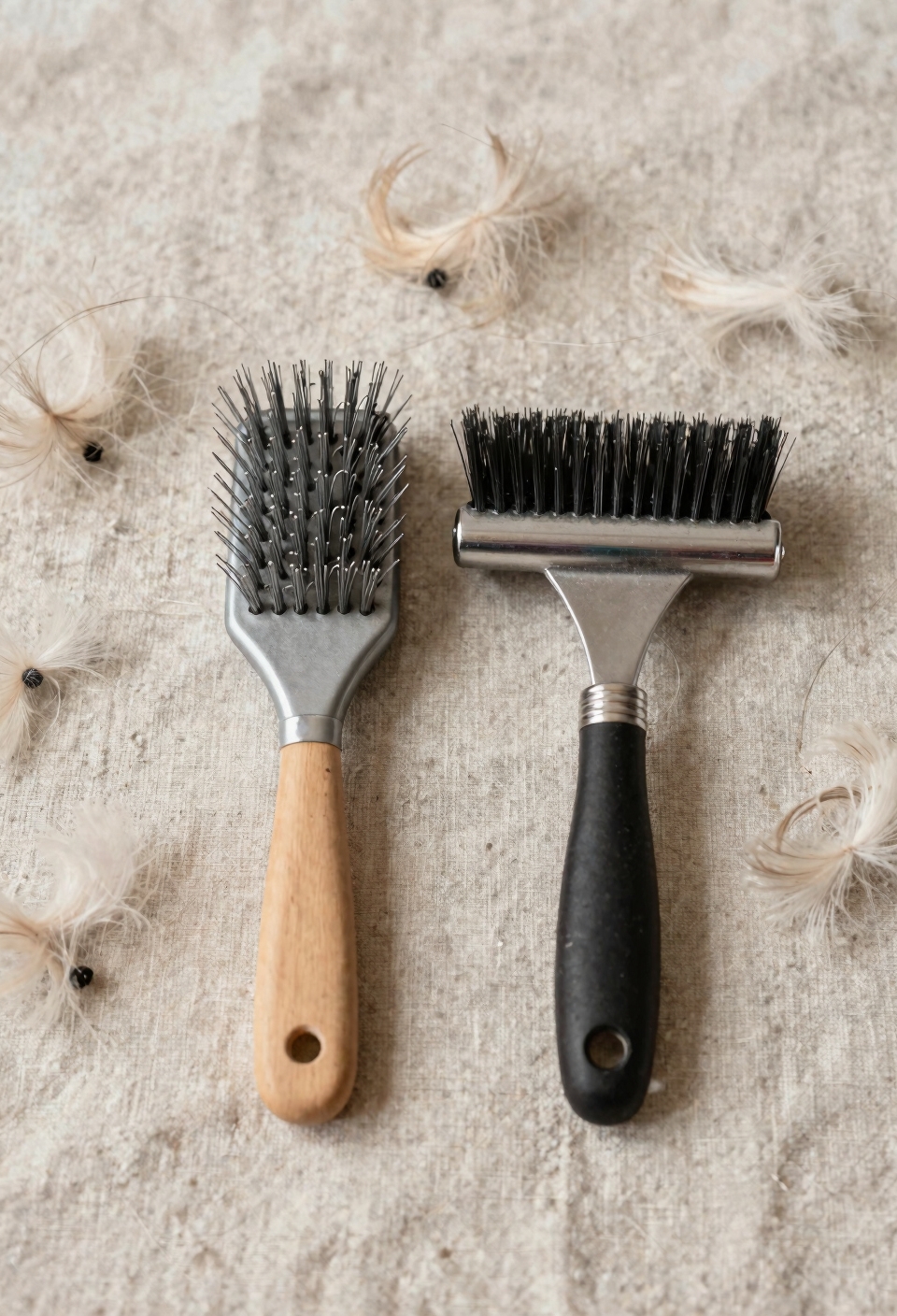
Now, here’s what I’ve learned: a slicker brush handles the top layer pretty well, but you really need undercoat rakes to actually reach that fluffy stuff underneath. During seasonal stripping periods—usually spring and fall—these tools become your best friends. Honestly, skipping them means you’re just grooming the surface. I mean, why bother? Just like how textured surfaces on dog toys help maintain dental health through consistent contact, regular undercoat removal helps maintain coat health by preventing matting and reducing excessive shedding.
A medium-toothed metal comb finishes the job, helping you inspect what you’ve actually removed.
Recommended Products

DUAL-SIDED DESIGN: Our Undercoat Rake Dog brush is perfect for deshedding your pet's coat. Designed with a dual-sided design, start with a 9-teeth side to tackle stubborn mats and tangles, and finish with a 17-teeth side to thin out and deshed after.

One of the best dog brushes on the market, It has a double row of stainless steel pins/teeth to reduce pulling the coat without damaging it or hurting your pet. It is a very gentle experience for your dog, cat, rabbit, or any other furry friend that needs brushing.

DUAL-SIDED DESIGN: Our grooming brush is perfect for dematting and deshedding your pet's coat! With a dual-sided design, use the 9-teeth side to tackle stubborn mats and tangles and the 17-teeth side to thin out and deshed your pet's fur.
Curly Coats: Slicker Brushes and Line-Brushing

If you’ve got a curly-coated pup—a Poodle, Doodle mix, or Bichon Frise—you’re dealing with a whole different animal than those double-coated shedders we just talked about. I’m sure you’ve noticed their coats mat like nobody’s business. Now, here’s where slicker brushes become your best friend. These tools actually detangle and tackle minor mats before they become disasters, which honestly saves you serious money on groomer visits.
All right, line-brushing is your secret weapon for mat maintenance. You work through the coat section by section, going all the way to the skin. This approach also helps with moisture control—you’re loosening trapped moisture that breeds matting. Just like interactive toys can reduce destructive behaviors, consistent grooming prevents matting and promotes overall coat health. Obviously, consistency matters more than aggression here. Regular brushing prevents that nightmare matted coat way better than occasional aggressive sessions.
Recommended Products

Professional Dog & Cat Grooming Brush: Premium slicker brush for dogs and cats designed for daily grooming and coat maintenance. A versatile dog brush and cat brush, also suitable as a pet brush that supports healthy coats and salon-quality grooming at home.

ELIMINATE TANGLES, KNOTS & MATS - Our dog brush for long haired dogs makes quick work of messy fur to have your puppy feeling their best. Dog brush for Goldendoodle friends works best as a dog brush for matted hair & a dog brush for shedding.

【Easier For Groomer To Untie The Tangle Spend Less Time Combing.】- Our Slicker brush is good to get in touch with the root of your pet's hair.Remove underlayer fluff to prevent tangles.The dog slicker brush has soft needle,buffer force,make brush have resilience,effectively avoid injury to the skin.Light weight save the time and energy of grooming and brushing.Great use for Fluff,detangle and style with one tool.Also good use for daily gently brush away loose hair,undercoat,mats,and tangles.
Brush Frequency and Technique by Coat Type
You’re probably going to want to brush your dog’s coat way more often than you think—and I mean, the frequency really depends on what kind of coat you’re working with. Short coats? Maybe twice a week. Long coats need daily attention or they’ll turn into a matted mess. Double coats demand consistent brushing, especially during shedding season when your vacuum’s going to hate you anyway.
Now, here’s where stroke technique matters. For short coats, I’m talking gentle circular motions with a rubber brush. Long-haired dogs need you to brush in the direction of hair growth using slower, deliberate strokes. All right, don’t go aggressive—your brushing schedules should feel like pampering, not punishment. You’ll notice your dog actually enjoys it when you’ve got the technique down. Regular brushing also provides mental stimulation and physical activity that keeps your dog engaged and healthy beyond just coat maintenance.
Recommended Products

【Professional Pet Grooming Kit 】3 Pet grooming tools selected by pet lovers, which can meet daily all the grooming needs of pets. Let you, as the groomer, personally give your furry friend a shiny and healthy coat. This is a must-have beauty product set for pet lovers! The Best Dog Gifts - Merry Christmas

Dual-Head Design: 2 sides, 2 coats, 1 tool! Use the 9-teeth side of this dog and cat brush for smooth dematting, and the 17-teeth side for quick coat thinning and deshedding.

Dual-Sided Design: Start with 9 teeth side for stubborn mats and tangles and finish with 17 teeth side for thinning and deshedding. Achieve faster and more professional dematting and grooming results
Brushing Mistakes to Avoid
All right, so here’s the thing—now that you’ve got your technique down and you’re brushing on a solid schedule, there’s a whole other minefield of mistakes that’ll absolutely wreck your dog’s coat if you’re not careful. Over brushing is probably the biggest culprit. I mean, just because you *can* brush daily doesn’t mean you should, especially with sensitive skin types. You’ll end up causing skin irritation that makes your dog miserable. Another trap? Improper detangling. Yanking through knots instead of gently working them out leads straight to mat formation, and trust me, mats are way harder to fix than prevent. Use the right tools for your dog’s coat type, take your time, and your pup’s coat will thank you. Regular inspection for wear is also critical, as neglecting this can lead to matting and tangling that compromises coat health, similar to how supervision and inspection protects dogs during chewing activities.
Frequently Asked Questions
Can I Use the Same Brush for Multiple Coat Types, or Does Each Need Specific Tools?
I’d recommend specific tools for each coat type, though some multi coat tools work across different breeds. Material compatibility matters—rubber brushes suit short coats while slicker brushes handle longer, curly varieties effectively.
How Do I Know if My Dog’s Shedding Is Seasonal or Indicates a Health Problem?
I’d say shedding’s like a canary in a coal mine—watch for seasonal patterns aligned with spring and fall. If it’s excessive year-round or accompanied by skin issues, medical causes warrant a vet visit.
What’s the Difference Between a Slicker Brush and a Pin Brush for Detangling?
I’d say the slicker comparison shows it’s better for detangling mats through dense coats, while the pin differentiation highlights its strength in routine maintenance on longer fur without aggressive mat removal.
How Can I Groom My Dog at Home Without Professional Equipment or Training?
I’d recommend starting with finger grooming and dry shampoo. You’ll gently work through your dog’s coat with your hands, then apply dry shampoo to freshen it between baths. This basic approach doesn’t require special equipment.
What Signs Indicate My Dog’s Coat Needs More Frequent Brushing or Professional Grooming?
You’ll notice your dog needs more frequent brushing when matted fur appears, especially in curly or long coats. Watch for skin irritation, excessive shedding, or visible tangles. Professional grooming helps prevent serious matting and maintains coat health.
Conclusion
I’m sure you’ve noticed your pup’s coat transforms under the right brush. Now, here’s the thing—you’ve got the tools, you’ve got the know-how, so stop dreading grooming day. Picture your dog lounging afterward, coat gleaming like silk, happier than they’ve ever been. All right, grab that brush. Your furry friend’s waiting, and honestly, they’ll thank you with extra tail wags.