As an Amazon Associate, we earn from qualifying purchases. Some links on this site are affiliate links at no extra cost to you. Our recommendations are based on thorough research and editorial judgment.

Non-Toxic Plush Toys: What Labels to Look For

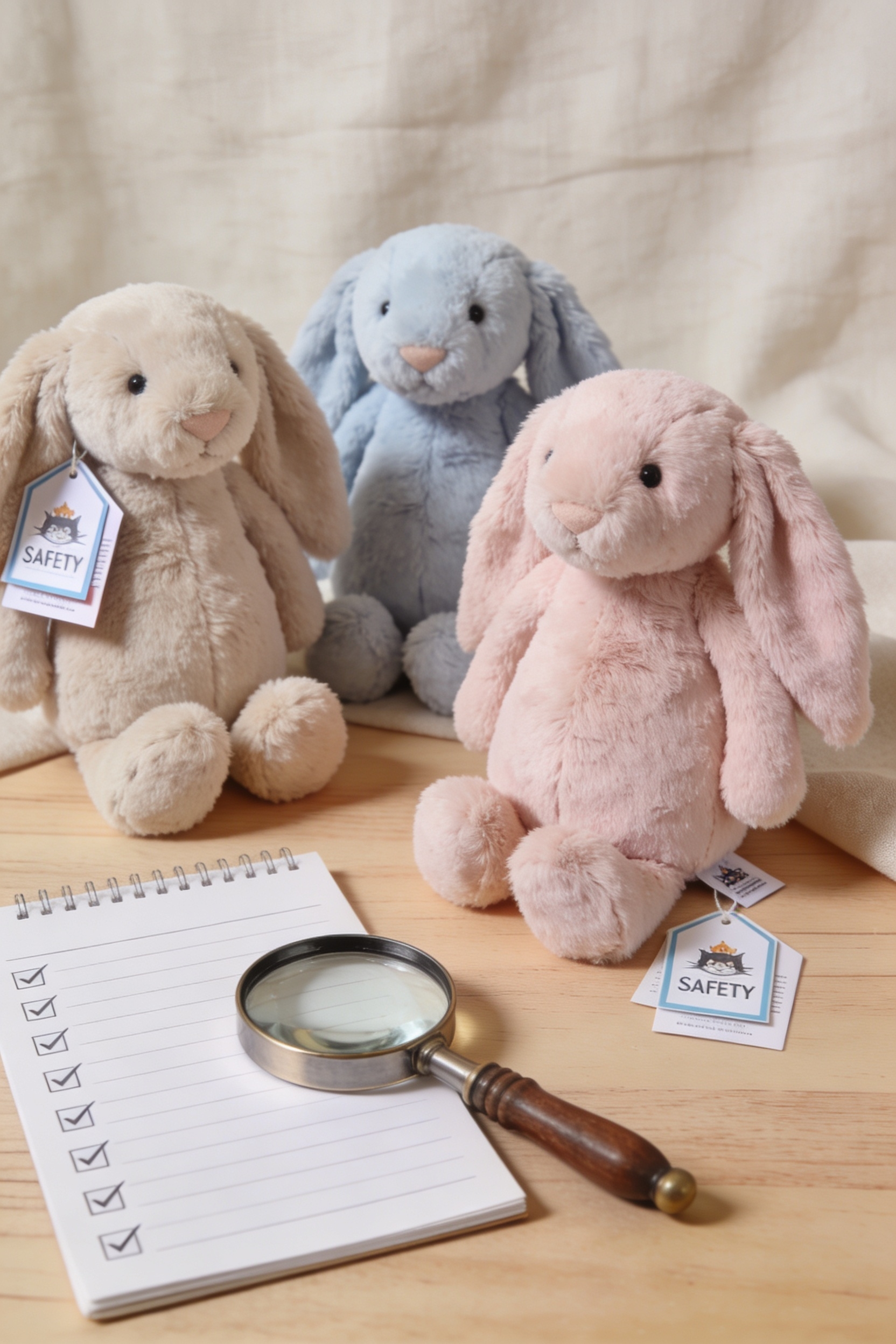
Look, I’m sure you’ve noticed plush toy labels throw around words like “non-toxic” and “safe” without actually meaning anything. Here’s what actually matters: hunt for real certifications like CPSIA, ASTM F963, or OEKO-TEX—these come with real third-party testing. Check if the cotton’s GOTS-certified and the filling’s hypoallergenic polyester, not cheap foam. Stitched eyes beat plastic buttons. Vague material descriptions? Skip it. Verify claims rather than trusting marketing spin, and you’ll spot which brands actually put safety first and which ones are just playing dress-up.
Key Takeaways
- Look for CPSIA, ASTM F963, or OEKO-TEX certification badges backed by third-party testing and verification.
- Avoid vague “natural” or “chemical-free” claims; seek specific certifications like GOTS for organic materials and processing.
- Verify phthalate-free, BPA-free, and lead-free labels are supported by actual testing, not marketing claims alone.
- Choose stitched embroidered features over plastic buttons and novelty eyes to eliminate choking hazards.
- Verify certifications through independent sources rather than accepting label claims at face value from manufacturers.
Certifications vs. Marketing Hype: Why One Protects Your Child and the Other Doesn’t
You may be interested

When you’re shopping for plush toys—whether you’re looking at them for a kid or, let’s be honest, picking one up because it’s adorable and you can’t help yourself—you’ll notice the packaging is basically drowning in labels. Here’s the thing though: not all those labels actually mean anything. That’s where certification literacy comes in. Real certifications like CPSIA, EN71, and OEKO-TEX involve actual testing and third-party verification. They’re your friends. Marketing spin defense, on the other hand, is recognizing when brands just slap “natural” or “safe” on packaging without backing it up. I’m sure you’ve noticed those vague claims everywhere. Look for materials that are FDA-compliant and BPA-free to ensure the toy meets established safety standards beyond marketing language. The difference? Certified toys have teeth. Marketing hype? Just fluff.
CPSIA, EN71, ASTM F963: Which Standards Actually Matter?
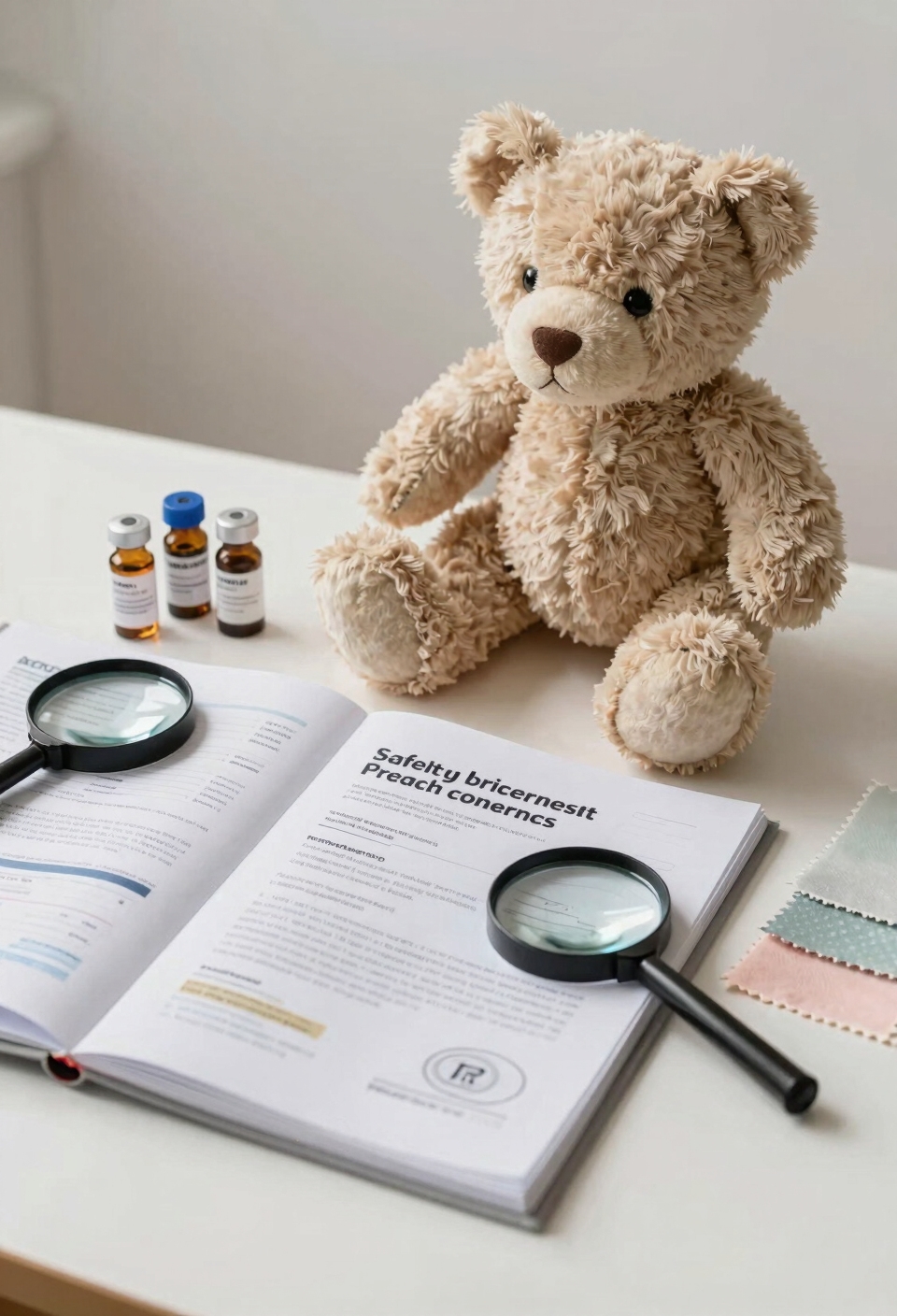
Since you’re probably already drowning in acronyms by the time you hit the toy aisle, let me break down which safety standards actually matter and why they’re not all created equal. CPSIA is the U.S. heavy hitter—it’s what the CPSC (Consumer Product Safety Commission) uses to catch lead and toxic stuff. EN71 is Europe’s answer, honestly pretty rigorous. ASTM F963 covers similar ground stateside. Here’s the thing: there’s CPSC overlap between these standards, so testing labs might run multiple certifications simultaneously. Age grading varies too. I’m sure you’ve noticed how some toys get tested by independent labs while others don’t. Harmonized standards exist, but honestly, CPSIA compliance is your safest bet domestically. Just as with dog toys, choking hazards remain a critical consideration across all toy safety certifications, particularly for products designed for young children.
Recommended Products

THE BACKPACK THAT COMES WITH A BEST FRIEND: The soft plush unicorn toy on the front of the bag is removable — take it off for a cuddle, then stick it back on with the Velcro. It's a unicorn backpack kids wear everywhere they go, from daycare to kindergarten, and it makes them feel so big. A stuffed animal backpack and a best friend plushie in one — two gifts in one box, and one happy little girl or boy.
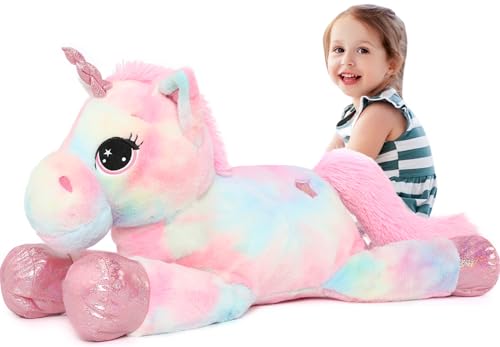
Giant 43” Plush Unicorn – Measuring nearly 3.6 feet in length, this enormous unicorn stuffed animal is a magical addition to any child’s room, playroom, dorm room, or party. Its oversized body makes it perfect for cozy hugs, lounging, study breaks, cozy nights, and everyday companionship.
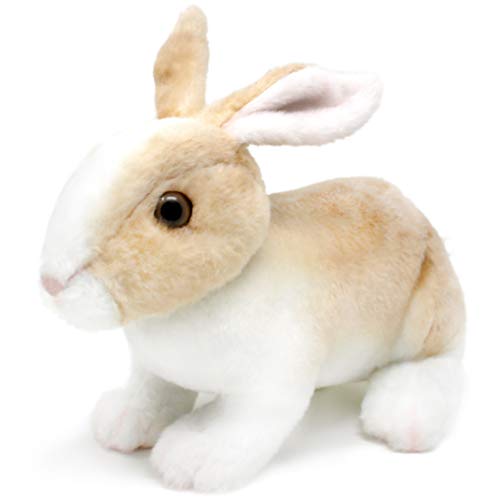
Soft plush fabric ; Huggable and super cute ; Comes with its own story
Organic Cotton and GOTS Certification: What These Labels Really Guarantee
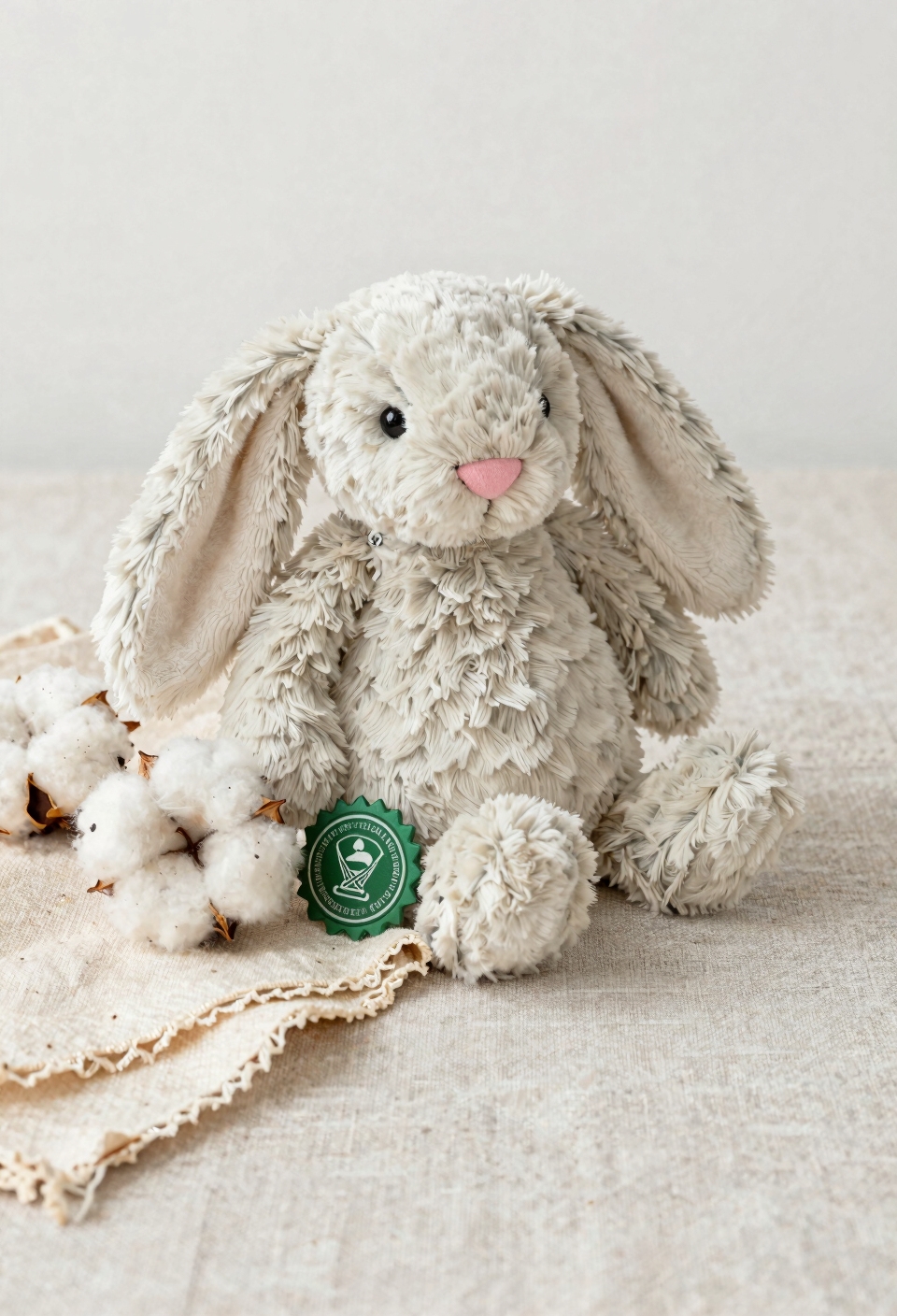
Now that we’ve got the big safety standards sorted out, let’s talk about what’s actually going into your pup’s plush toy—because knowing a toy passes CPSIA or EN71 is one thing, but what about the cotton shell itself?
GOTS certification is where I’d focus your attention. It doesn’t just mean “organic cotton”—it guarantees certified processing standards throughout the entire supply chain. You’re looking at stricter chemical restrictions and regional standards that vary by where the cotton’s grown and processed. Basically, GOTS tracks everything from farm to finished fabric, which means fewer nasty dyes and treatments touching your dog’s toy. Obviously, it costs more, but you’re paying for transparency and actually knowing what you’re bringing home. For plush toys specifically, double-stitched seams and waterproof layers further protect against material degradation and reduce the risk of your dog ingesting harmful stuffing or chemicals.
Recommended Products

Cuddly Design: The 7"" x 4"" x 2"" inches sensory rattle makes the perfect toy for little hands to hold and snuggle. Great for baby boys, girls, or gender neutral gifting. Keep your little one entertained during playtime, tummy time, or stoller and car ride outings.

SAFE & LUXURIOUS PLAYTIME – Crafted from premium organic cotton, these non toxic dog toys provide a safe and sustainable alternative to synthetic options. Gentle on teeth and gums, they deliver engaging squeaky fun while reflecting your eco conscious values.

Crafted from 100% organic cotton
Filling Materials 101: Safe Stuffing vs. Chemical-Laden Alternatives
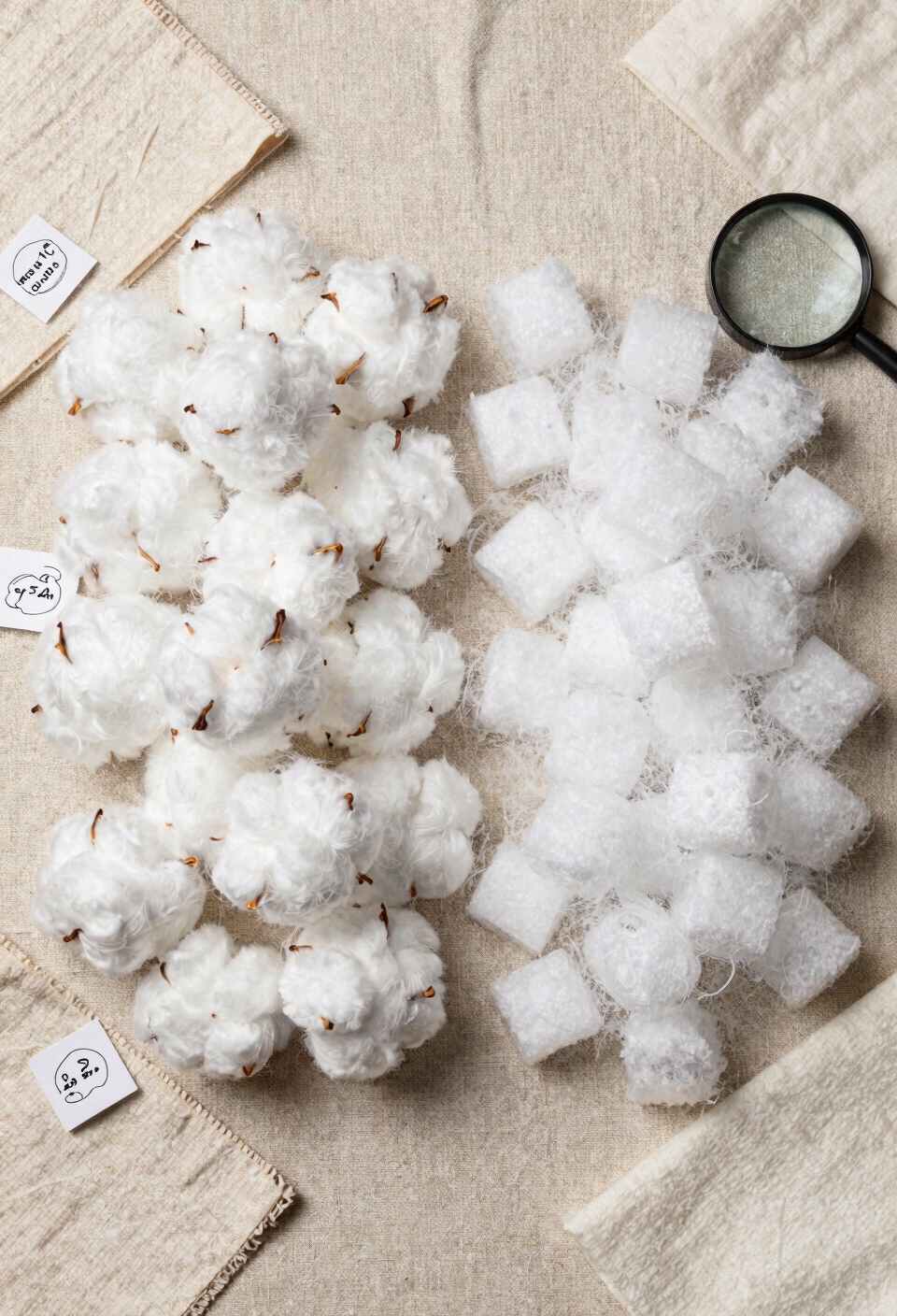
Picking apart what’s actually stuffed inside your pup’s plush toy matters way more than you’d think, and I’m sure you’ve noticed that not all fillings are created equal. Now, here’s the thing: hypoallergenic polyester fill is your safest bet—it’s tested, reliable, and won’t trigger allergies. Natural kapok alternatives sound fancy, but they’re honestly hit-or-miss for quality control. I mean, recycled polyester is becoming increasingly popular too, which is great for the environment if you care about that stuff. All right, the real villains? Cheap foam filling and loose plastic granules belong nowhere near your dog’s favorite toy. They’re choking hazards wrapped in questionable chemicals. Stick with stuffing-free designs that eliminate these risks entirely, and you’re golden.
Recommended Products

SUPER VALUE DOG TOYS SET OF 5:5 pack dog squeaky toys, cute animal dog toy bundle includes squirrel, cow, fox, wolf, tiger dog toys, all in the long size and stuffing free, suitable for dogs of all breeds to carry. It’s the unique pack on the market, toys for dogs to keep them busy, design for your best furry friend.
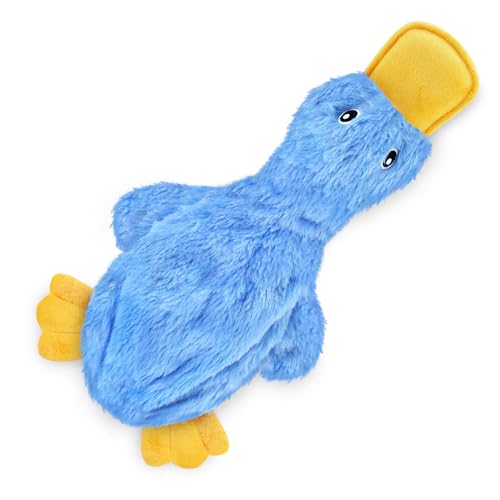
Premium Soft Chew Toys for Dogs - These adorable dog crinkle toys no stuffing ducks provide your four-legged best friend with an interactive chew toy that makes noise, keeps them engaged, and is gentler on teeth, gums, and dental health
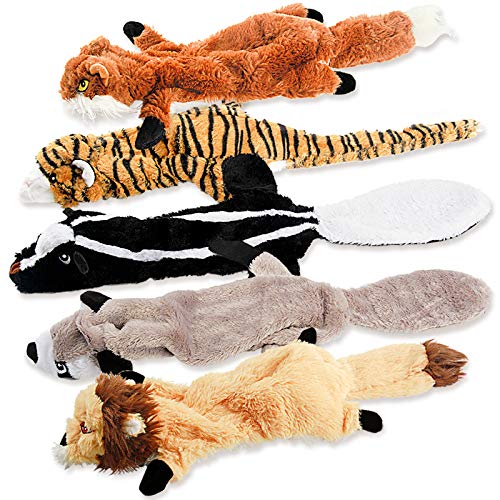
🐶 Plush Dog Squeaky Toys: This assortment value bundle plush pet toy contains 5 pack big woodland animals: Raccoon Squirrel Tiger Fox and Lion. The funny and enrichment toys help dogs to exercise more and improve their health. A good dog products for boredom and stimulating. They can do chewing and teething, tug of war games. Quality interactive playing time together will also increase their bond with owner. It's the best gift supplies for dogs Birthday Christmas Halloween or any holiday
Dyes and Finishes: What “Non-Toxic” and “Chemical-Free” Actually Mean
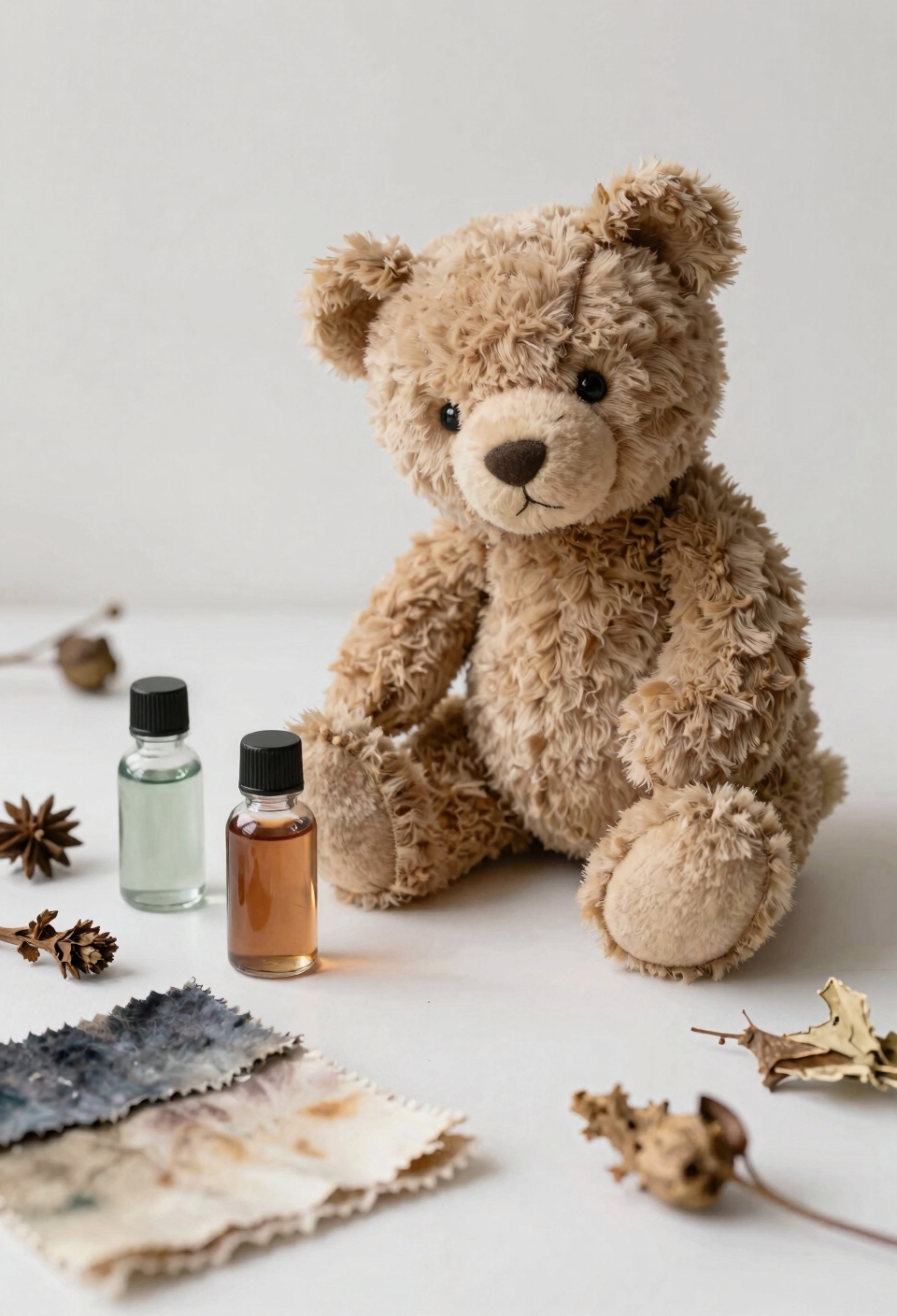
When you’re staring at a plush toy label that screams “non-toxic” and “chemical-free,” you’re probably wondering what that actually means—and honestly, I don’t blame you, because the marketing speak can get pretty fuzzy.
Here’s the deal: natural dyes and water-based finishes are your friends. I’m sure you’ve noticed that some toys list “low-impact dyes” or “water-based inks”—that’s code for fewer harsh chemicals hanging around your kid’s stuffed animal. Now, “chemical-free” is basically impossible (everything’s chemicals, technically), but what brands really mean is they’re skipping the nasty synthetic stuff.
All right, so look for toys that specifically mention their dye sources. Water-based finishes mean the manufacturing process didn’t dump toxins everywhere. Obviously, you want that. Brands like Earthtone Solutions use non-toxic dyes to create safer toys for children, demonstrating that responsible dyeing practices are achievable across the industry. It’s the difference between a toy that’s genuinely safer and one that’s just dressed up in greenwashing.
What Phthalate-Free, BPA-Free, and Lead-Free Labels Actually Guarantee
Beyond the dyes and finishes we just talked about, there’s another layer of safety labeling that honestly matters even more—the stuff about what’s *not* in your kid’s plush toy. When you see “phthalate-free,” “BPA-free,” or “lead-free” on a label, you’re looking at certified testing that goes beyond just the surface. Phthalates are plasticizers used in flexible components, and BPA shows up in certain plastic parts—both things you want nowhere near your pet’s mouth. Lead-free claims matter because of real world exposure risks, especially with cheaper imported toys. Pet-safe detergents with plant-based ingredients can help remove residual contaminants during washing, providing an additional layer of protection. The key? Match these labels with actual certified testing from recognized standards. Don’t just trust the marketing speak. Look for component sourcing transparency and verified certifications backing up those claims.
Recommended Products

Premium Dog Toys – These large dog toys stimulate your pet’s natural need to play, chew, and fetch which makes them a good choice for playing along with your pet or providing them with toys to enjoy even when playing by themselves.
![Pawaboo Plush Dog Toy, [2PACK] Non-Toxic Super Soft Faux-Fur Hedgehog Dog Toy Stuffed Biting Training Playing Toys for Dog Puppy, Brown](https://m.media-amazon.com/images/I/51pA0KfQ-gL._SL500_.jpg)
SMALL & MEDIUM & LARGE DOGS APPROVED: 2 PACK (Size:6 x 4.8 x 3.3 inch) Small Size Hedgehog has seams that are double-stitched to ensure your toy lasts longer. Suitable for all sizes of dogs.

Shari Lewis' classic and beloved lamb is adored by dogs
Why Stitched Features Beat Plastic Parts
Look, I’m sure you’ve noticed those plush toys with plastic button eyes and glued-on noses—they’re everywhere, right? Here’s the thing: those aren’t your friend when it comes to safety. Plastic parts get chewed, pulled loose, and swallowed. Not ideal.
That’s where stitched features come in. I mean, a properly sewn eye or nose isn’t going anywhere. Your kid can gnaw on it all day, and it stays put. These child safe fastenings use thread instead of adhesive, so there’s zero risk of detachment.
Now, I’m not saying glued parts are universally evil, but stitched features genuinely beat them for durability and safety. They’re basically the responsible parent’s choice—boring, reliable, and honestly? They look better after a few washing cycles too. Brands like Aurora and GUND specifically employ embroidered eyes and avoid removable parts to reduce choking hazards across their product lines.
Recommended Products
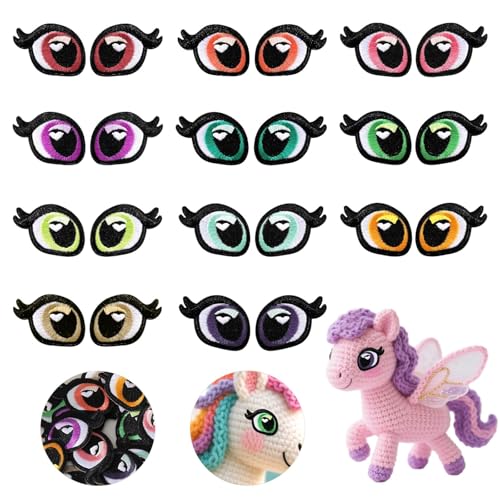
Valuable package; You will receive 11 pairs of 30mm embroidered eyes, 1 pair of each style, 11 styles in total. The embroidered eyes make your dolls look more charming, adding a unique visual effect

EXCEPTIONALLY SOFT TOY Cooper Putty Pup is a tricolor doggy with super soft, etched fabric in creamy white, taupe, and tan; great for little ones to sink their fingers into

Detailed Bullseye Sculpting: Bring the magic of Toy Story to life with this Bullseye plush! With detailed sculpting, it's a must-have for fans of toy story figures and disney toys.
Verify Supply Chain Claims: The Three-Question Test
All right, so you’ve picked out a plush toy with beautiful stitched eyes and organic cotton fabric, and the label’s screaming “non-toxic” at you. Before you celebrate, I’d ask yourself three questions. First, does the brand mention supplier audits or third-party testing? That’s your signal they’re actually verifying what they’re claiming. Second, can you trace the materials back through their supply chain? Brands using traceability platforms tend to be more transparent about where stuff comes from. Third, are those certifications backed by real standards like GOTS or OEKO-TEX, or are they just vibes? Look, I’m not saying every claim’s sketchy, but a little verification goes a long way when you’re buying toys for kids. Just as KONG toys highlight USA manufacturing as a quality marker, domestically produced plush toys often provide clearer supply chain transparency than imports.
What Eco-Friendly Packaging Really Signals About Safety
Here’s the thing about eco-friendly packaging—it can actually tell you something real about whether a toy brand’s taking safety seriously, or if they’re just trying to look good on Instagram. I mean, when you see recycled padding or compostable wraps, that’s not just environmental virtue signaling. Brands investing in better packaging materials often invest in better toy materials too. Obviously, it’s not a perfect guarantee, but I’ve noticed that companies genuinely committed to safety tend to care about what surrounds their product. FSC-certified cardboard? Plastic-free boxes? That signals they’re thinking holistically about harm reduction. Look for brands that offer customization by dog size and durability levels matched to your pup’s chewing strength, as this attention to individual needs often reflects the same safety-first mindset as their packaging choices. You’re basically looking at companies that didn’t cut corners on the stuff you can’t see, which usually means they didn’t cheap out on what’s inside either.
Red Flags in Plush Toy Labels: What to Never Buy
Now, while it’s nice when a brand’s packaging shows they’re thinking about the bigger picture, what’s *inside* that box can still be a total nightmare if you’re not paying attention to the warning signs. I’m sure you’ve noticed those misleading “natural” labels slapped on toys made from synthetic materials—basically greenwashing at its finest. All right, here’s what I’d avoid: uncertified novelty eyes that aren’t stitched on (choking hazard, obviously), vague filling descriptions that don’t specify materials, and dyes with zero safety certifications. If a brand won’t tell you where their stuff comes from or skip the CPSIA, ASTM F963, or OEKO-TEX badges entirely, that’s your cue to keep scrolling. Additionally, avoid plush toys with loose squeaker mechanisms that could become choking hazards or cause intestinal blockages if ingested by your dog. You deserve transparency, not marketing smoke and mirrors.
Frequently Asked Questions
How Do I Verify if a Brand’s Safety Certifications Are Actually Legitimate and Current?
I’d verify certifications by checking third-party verification databases directly—most legitimate bodies like OEKO-TEX or CPSIA publish searchable registries. Always confirm certification expiry dates haven’t passed, as standards require periodic renewal.
Are Plush Toys With Multiple Certifications Significantly Safer Than Single-Certified Alternatives?
Multiple certifications don’t automatically mean safer toys. I’d focus on certifications addressing your specific concerns—material sourcing and toy lifespan. One rigorous standard like GOTS or CPSIA often matters more than several overlapping labels.
What’s the Difference Between “Natural” and “Organic” Labeling on Plush Toy Materials?
Like comparing a wild flower to a certified garden bloom, “natural” labeling simply means materials aren’t synthetic, while “organic” labeling guarantees they’re grown without harmful pesticides and verified through strict standards—I’d prioritize organic labeling for your child’s safety.
Can I Wash Non-Toxic Plush Toys Without Compromising Their Safety Certifications?
I’d recommend checking the care label first—most certified plush toys maintain their safety certifications through gentle machine washability. I’d use mild, detergent compatibility-friendly products to preserve non-toxic finishes and certifications intact.
How Old Should a Child Be Before Introducing Plush Toys With Stuffing Alternatives?
I’d recommend introducing plush toys around six months when your child’s developmental readiness allows safer exploration. Though age guidelines vary, I’ve found that certified, hypoallergenic filling becomes appropriate once they’re not mouthing everything indiscriminately.
Conclusion
Look, I’m sure you’ve noticed how toy labels can get pretty creative with their promises. All right, here’s the thing—your pup deserves better than marketing magic tricks. Check for those real certifications we talked about, peek at the stuffing, and honestly? If something feels off about it, trust your gut. You’re basically your dog’s bodyguard now, which is pretty cool if you think about it.