As an Amazon Associate, we earn from qualifying purchases. Some links on this site are affiliate links at no extra cost to you. Our recommendations are based on thorough research and editorial judgment.

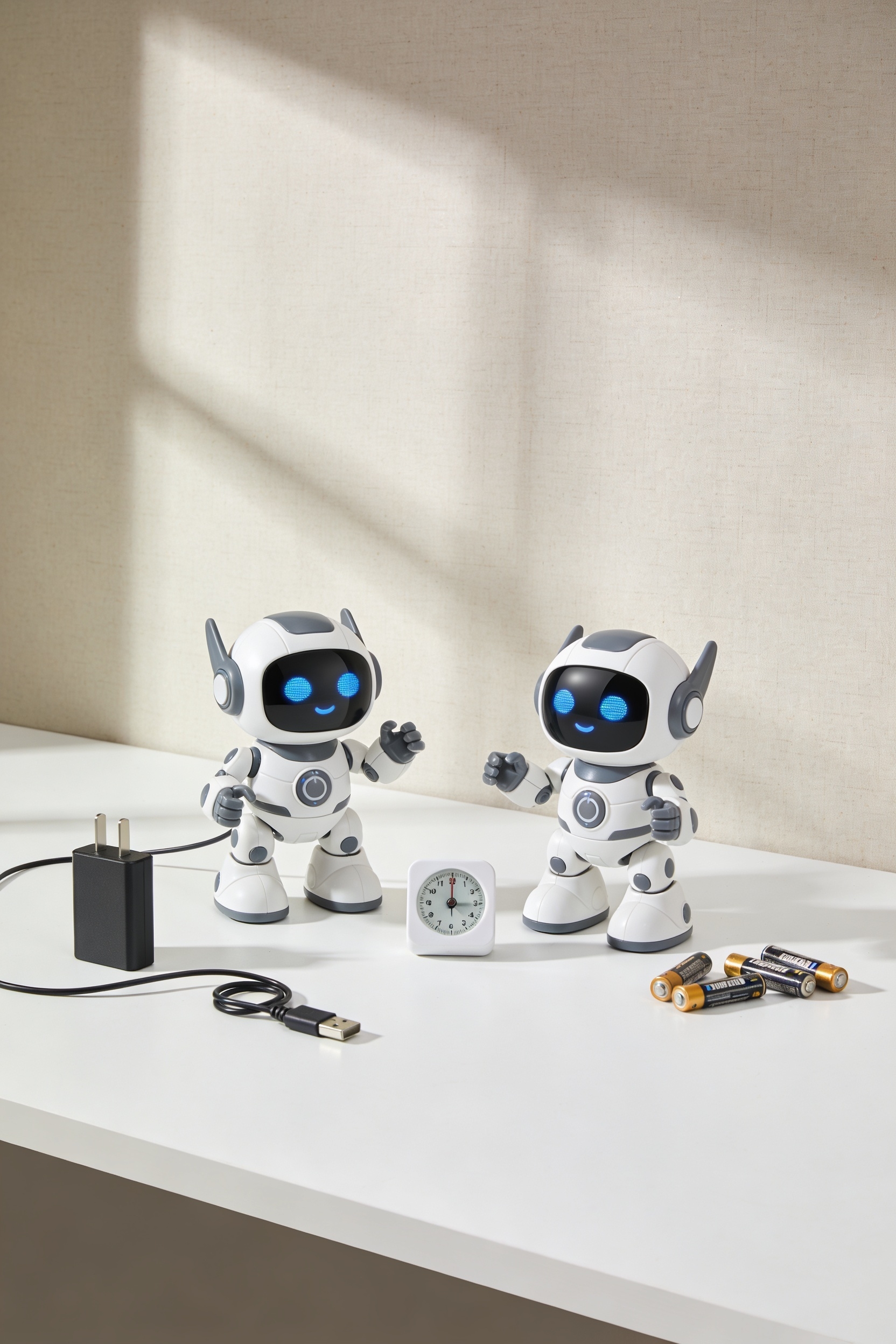
Battery-Powered vs. USB Rechargeable Motion Toys: Which Lasts Longer?

USB-rechargeable toys genuinely last longer than disposable batteries because motors drain alkalines fast—all that current draw cranks up heat and voltage drop, so your toy slows down quick. Rechargeables give you consistent power across way more charge cycles, and yeah, they cost more upfront, but one USB battery replaces dozens of disposables over time. Lithium-ion beats NiMH if your pet plays heavy rotation. Now, matching the right battery to your pet’s actual play pattern? That’s where the real savings hide.
Key Takeaways
- USB-rechargeable lithium-ion batteries maintain consistent power delivery longer than disposable alkaline batteries during single play sessions.
- Disposable alkaline batteries experience rapid voltage drop under motor load, causing dimmer lights and slower speeds that shorten usable playtime.
- USB-rechargeables suit heavy rotation play patterns, while disposable alkalines work better for sporadic, weekend-only use scenarios.
- Motion-activated toys with auto shut-off conserve battery life most effectively when using disposable alkalines for infrequent play.
- One rechargeable battery replaces dozens of disposables over years, providing superior long-term cost savings despite higher upfront investment.
How Long Each Battery Type Lasts
You may be interested

When you’re shopping for motion toys—whether it’s a little ride-on car, a remote-control truck, or one of those bouncy things that somehow always ends up in the toy graveyard—runtime’s honestly one of those things that’ll make or break your sanity. Here’s the thing: runtime estimates depend way more on your specific situation than toy makers want you to believe. A 6V toy might give you 45 minutes to an hour of actual play, while 12V bumps that to roughly an hour. Now, 24V toys push toward 1 to 2 hours, but—and this is the capacity tradeoff nobody mentions—faster speeds and fancier features drain batteries quicker. I mean, all those lights and sounds? They’re runtime killers. Weight matters too, obviously. USB-rechargeable toys typically offer 1-2 hours per charge, making them more convenient than disposable batteries while maintaining comparable playtime for most active use cases.
Recommended Products

INDOOR REMOTE CONTROL CAR: With the patented Wall Climber Technology, this red toy car drives on the floor and up walls. Unlike any other rc cars, the Wall Racer defies gravity by zooming upside down on the ceiling
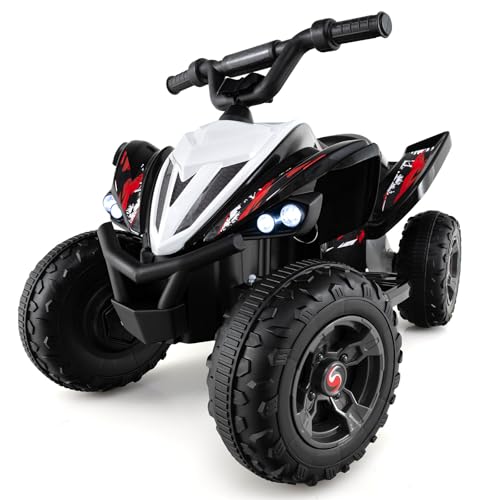
Versatile Terrain Capability: Equipped with enduring off-road tires, this ride on ATV easily handles various surfaces including asphalt roads, cement roads, shallow sand ground, and short grassland. Plus, this ride on toy can climb slopes up to 15°, ensuring a smooth and stable ride on diverse terrains.

Thrilling Ride: This kids ride-on motorcycle match with 6V 4.5AH rechargeable battery. Three-wheeled electric toy car with a co-pilot seat ( Just a toolbox ), perfect for exciting adventures
Why Disposable Batteries Drain Fast in Motion Toys
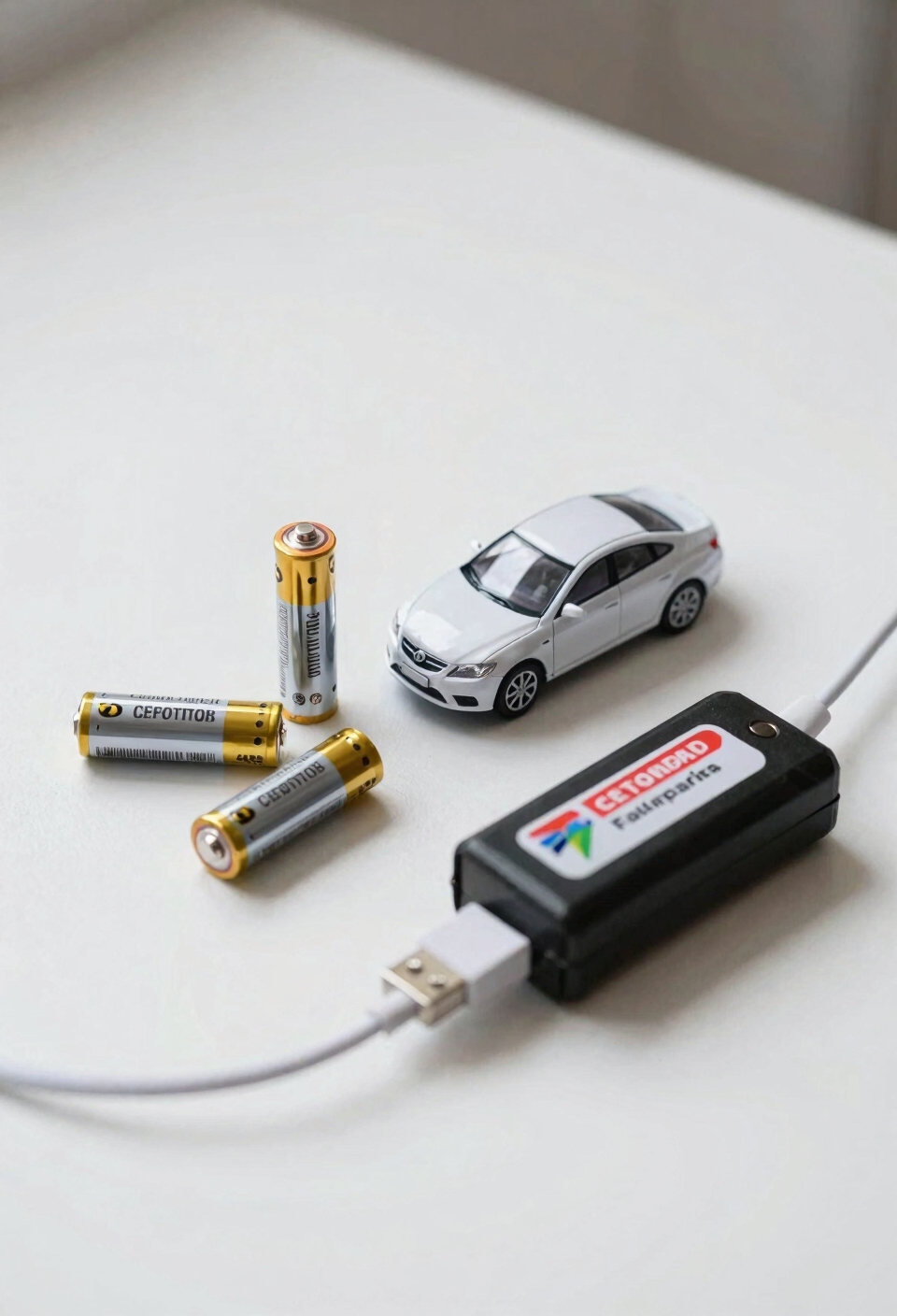
Draining a set of alkaline AAs faster than your kid loses interest in last month’s toy—that’s basically what happens when you power a motion toy with disposable batteries. Now, here’s the thing: motors pull serious current, creating what we call high drain. I mean, you’re asking those cells to work way harder than they’re designed for. All right, when that happens, internal resistance builds up and generates heat—lots of it. That heat speeds up the chemical reaction inside, which causes voltage drop. Obviously, lower voltage means your ride-on slows down, the lights dim, and suddenly you’re hunting for fresh batteries again. It’s a frustrating cycle, honestly. In contrast, USB-rechargeable batteries like the 600mAh option found in premium motion toys provide consistent power delivery over multiple charge cycles, eliminating the need for constant battery replacements and reducing both cost and environmental waste.
Recommended Products

Lifelike & Irresistibly Cute – This plush rolling mice with furry fabric, shiny eyes, pink ears, whiskers, irresistibly charming. The long wiggling tail,squeaker instantly grab your cat’s attention, triggering their natural hunting instincts.If your cat is a bit timid, you might let it play with the toy before activating it, so it can get acquainted with this new friend first.

Lifelike & Irresistibly Cute – This plush rolling mice with furry fabric, shiny eyes, pink ears, whiskers, irresistibly charming. The long wiggling tail,squeaker instantly grab your cat’s attention, triggering their natural hunting instincts.If your cat is a bit timid, you might let it play with the toy before activating it, so it can get acquainted with this new friend first.

【3 Modes for Any Cat – Fast, Slow & Intercrossing】 Yaruiguang cat toy ball features 3 adjustable modes to match your cat’s energy level. Fast Mode (blue light) – high-speed rolling for active adult cats to stimulate hunting instincts. Slow Mode (violet light) – gentle rolling for timid, senior, first-time cats or kittens. Intercrossing Mode (yellow light) – alternating speeds for interactive play with you. Press and hold 3 sec to power on, tap to switch.
Why USB Rechargeables Cost Less Over Time
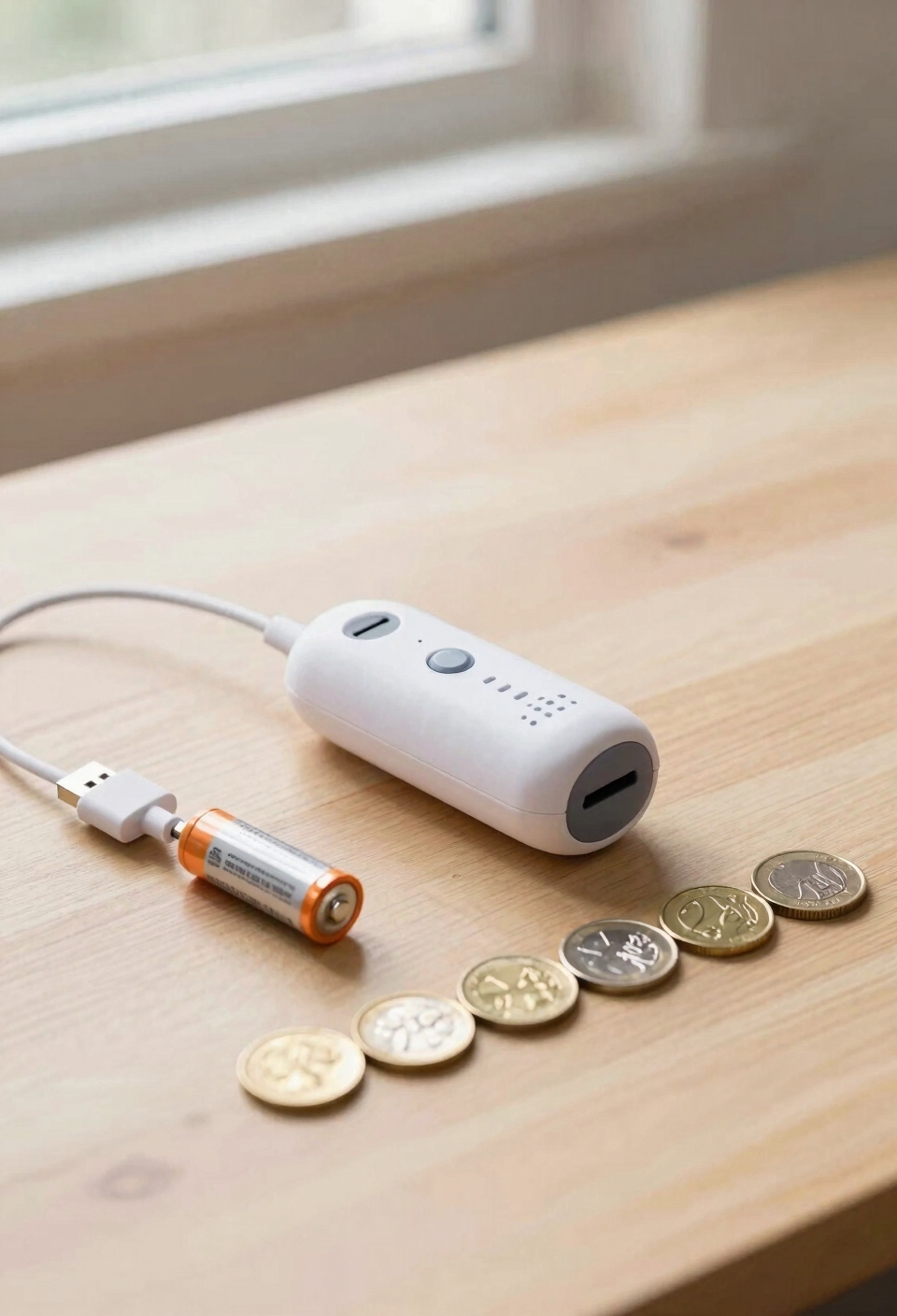
So here’s the thing—you’ve been throwing away money every time those alkaline batteries die, and I’m guessing you didn’t even realize it. USB rechargeables cost more upfront, sure, but here’s where it gets interesting: the lifecycle savings kick in fast. You’re not buying replacement batteries every few weeks anymore. That lower upfront investment in a quality rechargeable setup pays for itself because your replacement frequency drops dramatically. I mean, one USB battery can replace dozens of disposables over time. Most USB-C rechargeable dog toys provide 2–4 hours of playtime after short charge cycles, making them ideal for daily play without constant battery purchases. For your family budget, that’s huge. You stop making constant Target runs for battery packs, and suddenly you’ve got real money staying in your pocket. Obviously you’ll eventually replace the rechargeable too, but we’re talking years, not months.
Recommended Products

USB Rechargeable: The new cat toy have a retractable USB for charging. When charging, just twist the charging port, and the USB will be exposed. It can be retracted when not in use. Plug into the USB port to charge. Fully charged in about 1.5 hours.

7 in 1 Modes: Scroll the gear to pick 5 red patterns(dots, smiles, mouse, stars, butterflies). The variety of patterns sparks pet's interest, enhancing your and cats' interaction. 3 lighting modes can be adjusted, red for cat playing, purple for checking cat skin health /money, white for mini flashlight

3 Interactive Modes Dog Toys to Keep Your Dog Busy: Music Mode, Silent Mode, and Recording Mode with a Bouncing Ball that Grabs Attention. Music Mode energizes your dog with a melody and bouncing ball; Recording Mode plays back sounds to help combat boredom; Silent Mode provides a calm environment for sensitive dogs. These three modes and the bouncing design keep your dog engaged with this dog toys, reducing separation anxiety and keeping them busy.(Not recommended for aggressive chewers.)
NiMH vs. Lithium: Which Chemistry Keeps Your Toy Running Longer
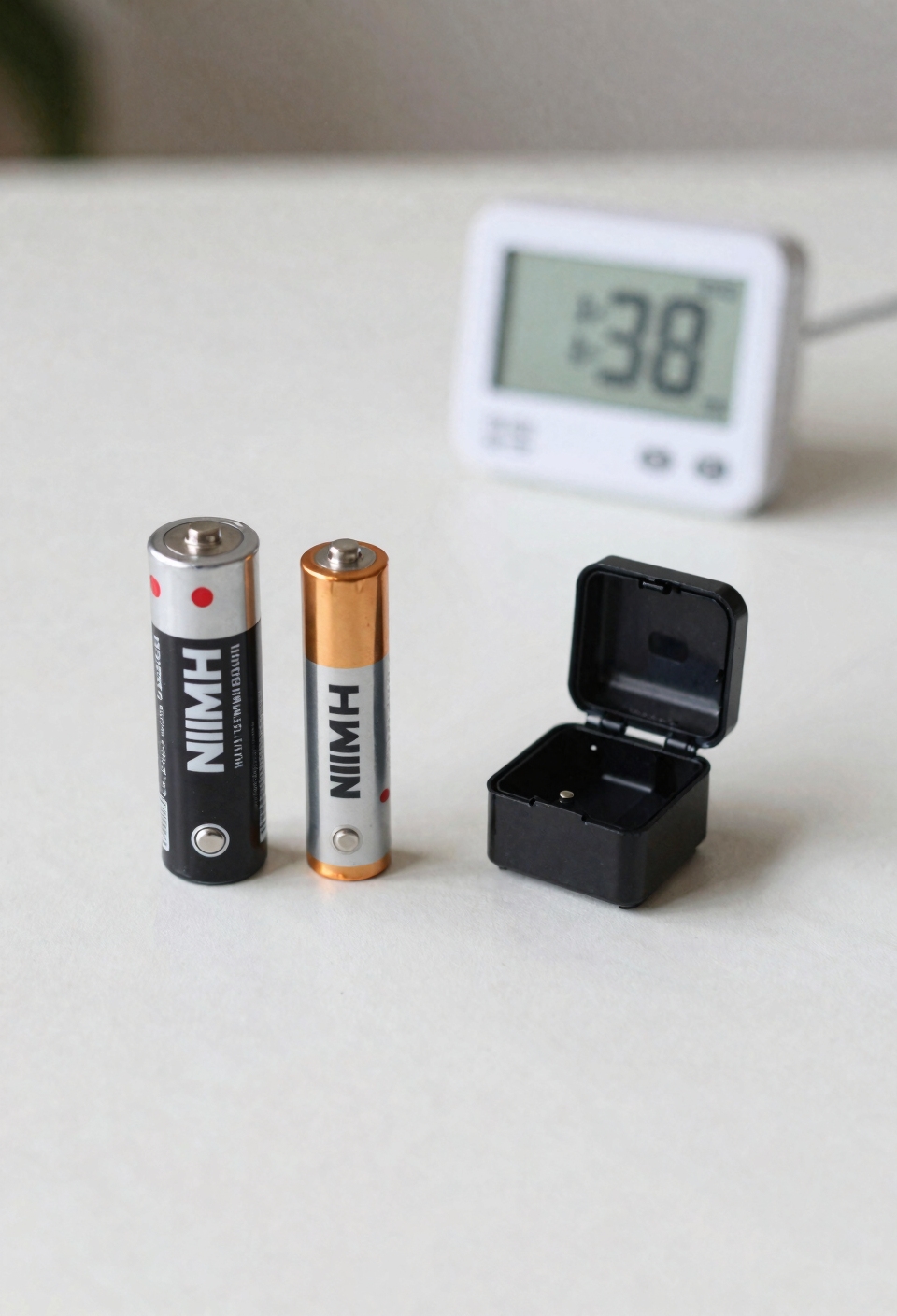
If you’ve ever wondered why your kid’s ride-on toy seems to lose steam faster than your enthusiasm for yard work, the battery chemistry inside is probably the culprit. Now, I’m sure you’ve noticed that some toys just won’t quit, while others fade like last season’s trends.
All right, here’s the deal: lithium-ion batteries pack way more energy density than NiMH options, meaning they store more power in the same space. Lithium also dodges the battery memory problem that used to plague older rechargeables—you know, where you’d lose capacity if you didn’t fully drain them first. NiMH batteries are cheaper upfront but drain slower and won’t hold a charge as long sitting around. Similar to how durable toy construction affects overall product longevity, battery chemistry plays a crucial role in determining how long your motion toy stays functional. For motion toys you actually use, lithium wins the marathon.
Recommended Products

BATTERY SPECIFICATIONS: 24V 12Ah lithium-ion battery pack designed specifically for kids' ride-on cars and UTVs with model number UWJ-W008

24V 8Ah Replacement battery for your equipment. This replacement battery gives your car a strong and steady power boost, making it perform great on all kinds of roads

1.【Wide Compatibility】Extended Run Time & Lightweight, Fits various 24V power wheels Ride-On Cars&Toys, More Power for Dynacraft Realtree 24V UTVs,Please note the product size: 8.5x4.2x4.5 inches
How to Match Battery Type to Your Toy’s Play Pattern
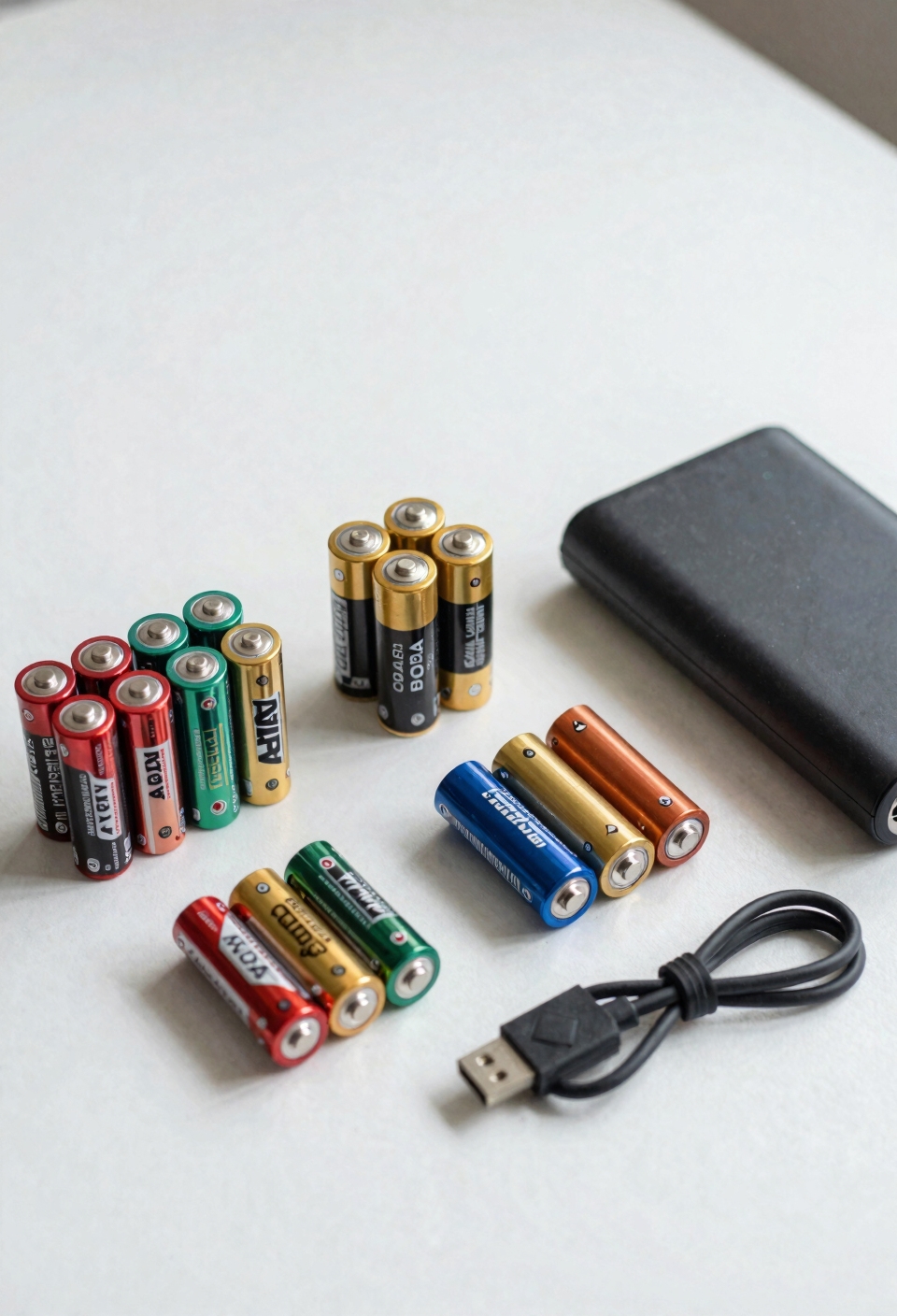
Now, here’s where most folks get it wrong: they just grab whatever battery comes in the package and hope for the best, but your toy’s actual lifespan depends way more on matching the right battery chemistry to how your dog actually plays. I mean, if your dog’s favorite squeaky toy gets gnawed on daily, you’ll want USB rechargeable lithium-ion—seriously, those things bounce back. But if playtime’s sporadic, disposable alkaline works fine. Here’s the thing: check your usage schedules first. Heavy rotation? Rechargeables win. Light, weekend-only play? Disposables are honestly cheaper. For storage tips, keep rechargeables in a cool, dry spot and top them off monthly. Alkalines? Just stash ’em and forget ’em. Match the pattern, match the battery. Consider that motion-activated toys with auto shut-off modes conserve battery life during sporadic play sessions, making them ideal for dogs with varied activity levels.
Recommended Products

【Two modes available】●Normal Bouncing Mode(Blue light + 2 beeps): Press the switch quickly once to activate Normal Bouncing Mode. The device will bounce for 10 seconds, stop for 5 seconds, and repeat this cycle. It operates for a total of 1 minute before entering standby mode. Upon touch detection, it will resume bouncing for another 1 minute.●Crazy Bouncing Mode(Red light + 1 beep): Press the switch quickly twice to activate Crazy Bouncing Mode. The working principle is identical to that of the Normal Bouncing Mode.★Please note that you can directly press the key to open it by tearing off the Velcro on the fur cover, without taking the ball out

[DURABLE & LONG-LASTING]: Made of premium ultra-soft short plush and thick cotton material, dog toys is safe, wear-resistant and gentle on your pet's teeth and gums. Each stuffed dog toys comes with an upgraded and sturdy Velcro on the back, safe for dogs, protecting the ball from falling out and breaking while the dog is playing.

Engaging Play with Built-in Dog Bark Sound This interactive dog toy turns ordinary playtime into thrilling, instinct-driven fun. As a dynamic dog ball, it rolls with unpredictable, prey-like movements, while the built-in bark sound sparks your pup’s curiosity and keeps them engaged for hours. Motion-activated sensors bring this moving dog toy to life with a simple touch, tapping into natural hunting instincts with no extra setup, making it one of the best dog toys to keep them busy.
Frequently Asked Questions
Can I Use Rechargeable Batteries in a Toy Designed for Disposable Alkaline Cells?
Yes, you can use NiMH rechargeable batteries in alkaline-designed toys, but I’d caution you about voltage differences. Rechargeables typically output 1.2V per cell versus alkaline’s 1.5V, which may reduce performance or runtime noticeably.
How Many Times Can a USB Rechargeable Battery Be Charged Before It Fails?
I’ll charge you with facts: most USB rechargeable batteries handle 500–1,000 cycles before failing. You’d think they’d last forever, but depth charge and cycle life limits mean they’ll eventually degrade and need replacing.
What’s the Environmental Impact of Frequently Replacing Disposable Batteries in Motion Toys?
I’d say frequent disposable battery replacement creates significant battery waste that strains landfills. You’ll need reliable recycling access to mitigate environmental damage, otherwise discarded cells accumulate toxic materials harmfully.
Do Rechargeable Batteries Work in Cold Weather or Outdoor Play Conditions?
Like a hibernating bear slowing in winter’s grip, rechargeable batteries lose their spark in cold weather. I’d say outdoor durability suffers—cold performance drops markedly, reducing runtime. You’ll want disposables for frigid conditions instead.
Can Mixing Old and New Batteries in the Same Toy Damage the Motor?
I’d recommend against mixing old and new batteries—battery imbalance can strain your motor and cause uneven power delivery. You’ll also risk terminal corrosion, which damages connections and reduces performance markedly.
Conclusion
Look, here’s the thing: you’ll want disposables for quick play sessions, you’ll want rechargeables for marathon toy marathons. Disposables drain fast, rechargeables cost less over time. Pick the battery that matches how your pup actually plays—not how you hope they’ll play. I’m sure you’ve noticed toys sitting unused anyway, right? Match the battery to the dog, and you’re golden.